What does it mean to speak to a continent through music while remaining rooted in the experiences of one country? The answer can best be experienced through the lens that is Winky D’s latest album, TÊTE-À-TÊTE (HELLO AFRICA).
The 16-track project features Ghanaian musician Rocky Dawuni on “Hello Africa” and Nigerian’s Patoranking on “Leadership,” for an album whose sound stretches beyond Winky D’s Zimbabwean roots to consider African identity, freedom, leadership and the lives shaped by those in power.
Winky D’s music has always carried that sense of place. Born Wallace Chirumiko and emerging from Kambuzuma, Harare, he became one of the defining voices of Zimdancehall, helping shape a genre that took inspiration from Jamaica’s Dancehall tradition and made it speak to Zimbabwean realities. His music has moved between social commentary and personal reflection, while his career has unfolded alongside the rise of artists who have continued to push the genre in new directions.
More than two decades into that journey, Winky D occupies a distinctive position: influential enough to have helped shape the culture, yet still actively testing what his music can do and his latest album most certainly expands that conversation across borders without losing sight of the people and experiences at its centre.
For Deeds, Winky D reflects on the evolution of Zimdancehall, the demands of longevity and the music that continues to give Zimbabwe a voice.
Stanley for Deeds: You came into music around 2004, when Jamaican Dancehall had already become a global sound but Zimdancehall was still developing its own identity in Zimbabwe. What did Dancehall mean to you when you first encountered it, and what did you feel Zimbabwean artists could make of it?
My relationship with Dancehall music began before 2004. I collected reggae tapes as a child, and by sixteen I was performing at small functions and sound clashes. Those spaces taught me that there were no guarantees or warranties for even the best talent, as I saw how new voices were introduced and disappeared into oblivion. I got a great lesson that any voice had to earn its place through what it meant to the people it reached.
Reggae and dancehall offered a language for struggle, confidence, humour and celebration. Growing up in Kambuzuma, I could recognise those things around me. Zimbabwean artists had their own stories, expressions and experiences to bring to the dancehall language. The opportunity was to make music in which someone from our neighbourhoods could hear their own life.
What happens when a Caribbean sound is reshaped in Zimbabwe, and when does it become part of a culture’s identity?
A sound travels with its history, but it meets people who have histories of their own. Here, it encountered Shona, our street expressions, our ways of finding humour in difficulty, and our hopes and frustrations. Those encounters changed what the music could say.
I think an influence becomes part of a culture’s identity when people use it to express themselves in ways that feel natural and necessary. When its phrases enter everyday conversation and its songs become part of people’s memories, it has taken root. We can acknowledge Jamaica’s contribution while recognising the Zimbabwean experience that gives Zimdancehall its character.
What do you admire about the generations who came after you, and what have they done differently?
I admire their willingness to bring their own voices into the conversation. An artist has to offer something people can recognise as their own, and successive generations have continued to find different ways of expressing life in our communities.
Artists such as Killer T, Soul Jah Love and Enzo I shall belong to different chapters of that development. I would be careful about treating them as one generation with one approach. Each artist contributes a particular language and perspective.
The conditions also change. Every generation encounters different ways of recording, distributing music and reaching listeners. What interests me is how they use those opportunities while keeping a meaningful relationship with the people whose experiences inform the music.
Do you see yourself as an elder within Zimdancehall now, or does that idea feel strange when you’re still very much an active artist? And what responsibility, if any, comes with having lasted this long?
I can accept that people see experience in the years I have spent doing this. I am also still learning, creating and discovering what the next song might require. My experience has brought with it a responsibility to take the work seriously. It means being thoughtful about the messages you carry, respecting your audience and giving younger artists room to develop their own identities. Your success should make apparent the possibilities to share an honest life and message through music.
Remaining active matters to me because responsibility continues through the work. Each release and each performance asks whether I am still giving people something worthy of their time and trust.
One of the most striking things about your career is how deliberately private you’ve remained while becoming one of Zimbabwe’s most recognizable artists. You’ve spoken about keeping social media largely focused on communicating the work rather than responding to every conversation around you. What has that distance allowed you to protect – and has it ever come at a cost?
It gives me space to listen, think and work. There is a great deal of conversation around an artist, and responding to everything can consume the attention that the music needs.
I prefer my platforms to communicate something useful, whether that is information about the work, encouragement or a thought worth sharing. I want what I say publicly to have a purpose.
Distance leaves room for people to interpret you in their own ways. That is a limitation you have to recognise. I cannot settle every interpretation, but I can remain consistent in the work and in how I approach the people who support it.
Where does Wallace end and Winky D begin?
Wallace brings the experiences, observations and questions. Winky D gives them an artistic form through language, performance and imagination. There is a connection between the person and the expression.
The names began with audiences at the sound clashes calling me “Wicked Deejay,” which eventually became Winky D. Other names developed along the journey. The Ninja, the Gafa, and the Extra-terrestrial express different aspects of that artistic personality.
A public identity grows through what people bring to it as well. They attach memories and meanings to those names. I appreciate that relationship, while remembering that beneath the names there is a person responsible for the work.
Has getting older changed what you are willing to reveal through songs such as “Scars” and “Sorry Love”?
With experience, you become more attentive to the different ways people carry pain. Some wounds are visible in public life whilst others remain within relationships or within the individual.
TÊTE-À-TÊTE makes room for both. Questions about power, freedom and inequality exist alongside emotional injury, love and conscience. They belong to the same human experience.
Not every song can be reduced to a direct account of my private life or those close to me. Storytelling allows me to inhabit different perspectives. What matters is the honesty of the feeling and whether the listener finds something that helps them understand their own experience.
What does longevity mean beyond surviving, and what have you learned about yourself?
Longevity means walking a journey whilst sustaining a relationship of trust. Every generation of listeners brings different experiences, and you must remain attentive to those changes.
One lesson has been that I can evolve without losing the foundation of the music. Moving to a live band in 2011 required conviction because the decision attracted criticism at the time. It also opened new possibilities for performance and helped me develop my stagecraft.
I have learned to give an idea the time and work it needs. Recognition is meaningful, but the continuing question is whether the music still finds a place in people’s lives. That relationship gives the years their value.
Where do you see interesting conversations between African and Caribbean music, and where is there room for more connection?
The conversations that interest me bring distinct experiences together around a meaningful idea. On TÊTE-À-TÊTE, Rocky Dawuni, Raybekah and Patoranking contribute to questions about Africa, greed and leadership. Their voices widen the conversation while allowing each contribution to retain its character.
My work with Jamaican artists, including Beenie Man and Busy Signal, also speaks to the continuing relationship with reggae and dancehall’s Caribbean roots.
There is room for more collaboration across languages, generations and musical traditions. I would like those connections to begin with curiosity about what another artist sees and hears. A collaboration becomes valuable when the meeting produces something that neither voice would have arrived at alone.
What has Zimbabwe’s music industry improved at, and what do you wish it understood better?
From my experience, there has been growth in the possibilities for live performance and in the reach of Zimbabwean music. When I moved towards a live band, it was regarded as an unusual choice for this kind of music. The wider acceptance of that approach has helped expand what audiences can experience on stage.
I would like there to be a deeper appreciation of the time, thought and discipline behind the finished work. A release begins long before the public hears it. A performance requires preparation long before the artist walks onto the stage.
Artists also need room to develop at a pace that serves their work. I release music when I feel I have something to say. Understanding that process helps create conditions in which originality and lasting work can grow.
What would you ask the young Wallace who was beginning this journey?
I would ask him: “What is it about the lives around you that you feel must be heard?”
I would want to listen to his answer before the years, the stages and the public expectations entered the conversation. That early sense of purpose matters.
Then I might ask: “If the journey takes you further than you imagine, how will you keep listening to the people who gave your voice its meaning?”
Those are questions I would still have to answer alongside him.
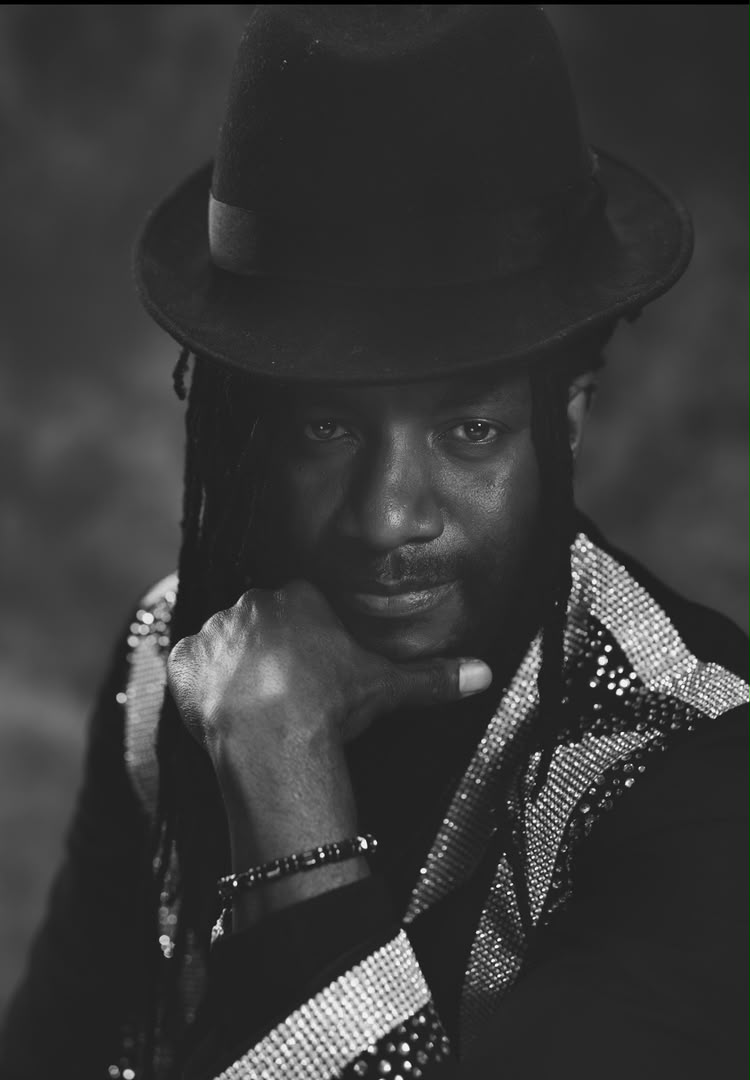
Cover Credit; Courtesy of Winky D