.svg)

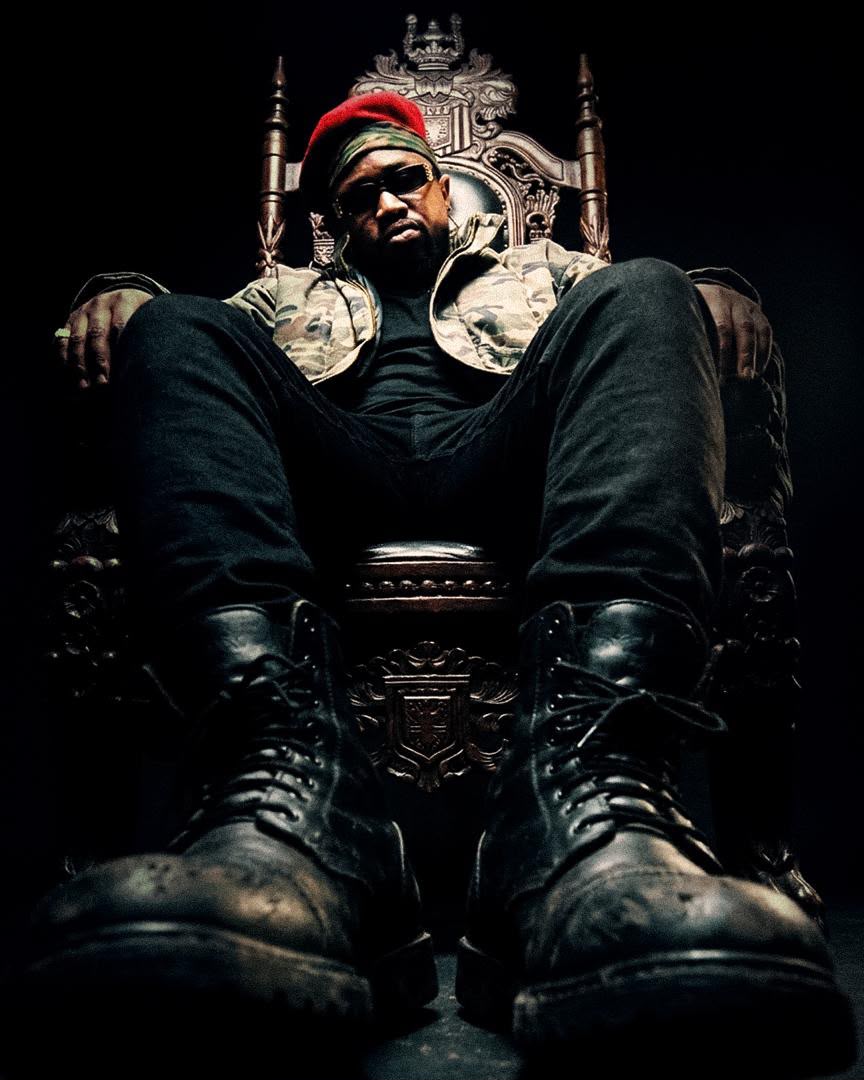
Drill music began on Chicago’s South Side turf around 2010, shaped by the American rapper Chief Keef and a generation of artists who followed him into a sound marked by dark production, heavy bass and lyrics rooted in street life.
When it travelled to the UK, artists reshaped it around their own cities and experiences, creating a version that developed its own identity. Nigerian drill inherited both sounds, from the Chicago original to the UK interpretation, and for a while, many of the artists making it wore that influence openly. The sound came from somewhere else, even as the people making it were Nigerian.
Kiing Lu, born Lucas Emeodi, grew up around Nigerian indigenous music and hip-hop, two sounds that had very different histories from the drill taking shape overseas. He’s publicly argued that Nigerian artists could borrow from American and British rap without losing their own identity. “No matter how we try to sound like the Americans or the UK rappers, you cannot take away the fact that you are African,” he said. “If you cannot infuse your roots into your music, then you are losing touch with what makes one African.” His new single, “Get Up (Dance),” puts that idea into practice, bringing drill into conversation with a distinctly Nigerian musical tradition.
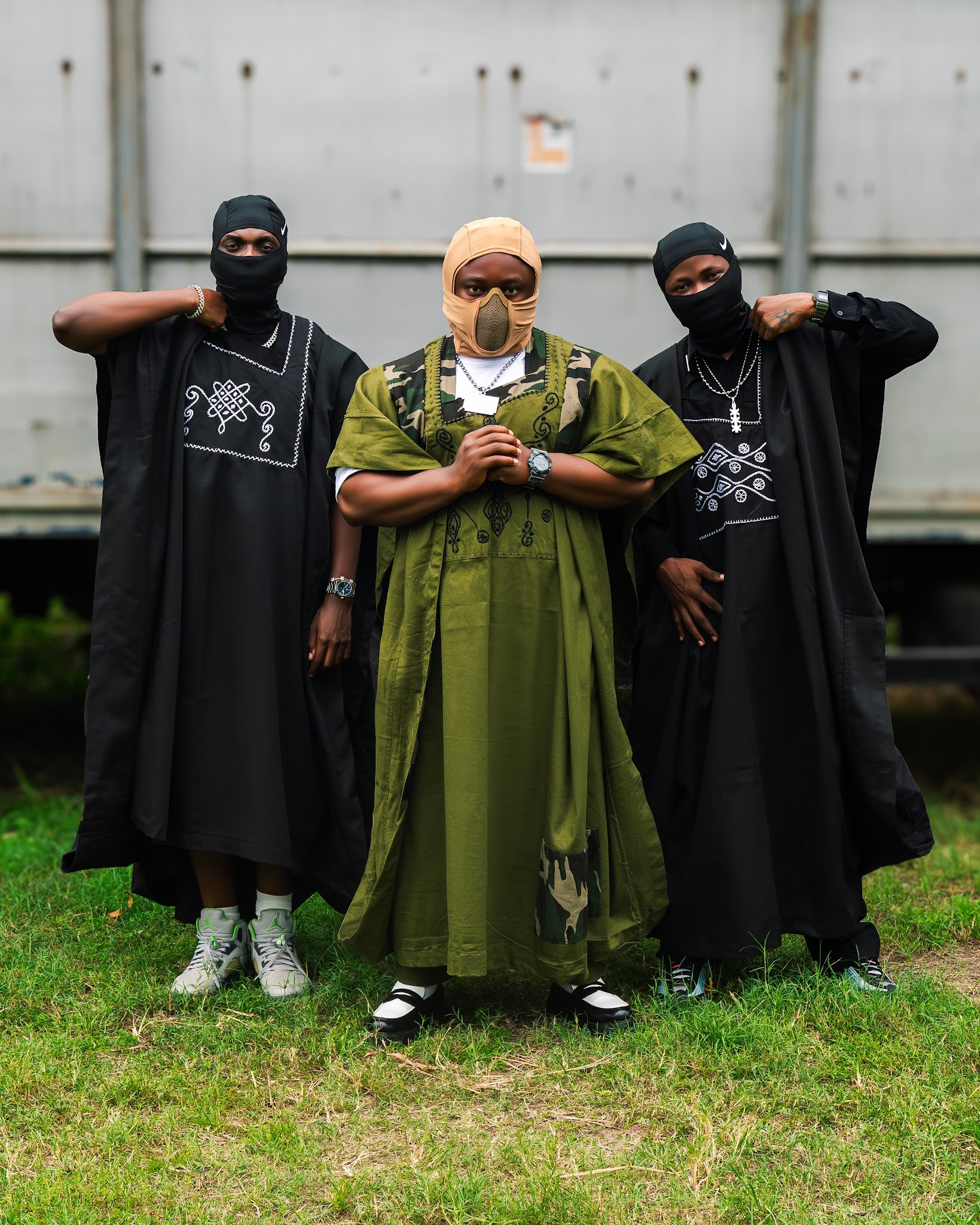
To understand what the single is doing, it helps to understand where Fuji comes from. The genre was formalised by Sikiru Ayinde Barrister in the late 1960s and early 1970s, developing from Were music performed by Yoruba Muslims during Ramadan. Its foundation is percussion, call and response, talking drums and participation, with the music built around a crowd as much as the person leading it. Fuji has absorbed other sounds over the years, including hip-hop in the 1990s, but those influences have been worked into a musical tradition that remains distinctly Nigerian.
Drill comes from a different musical tradition. It developed in Chicago around a sound built on heavy bass, sparse production and a darker lyrical tone before the UK gave it another identity. Bringing it together with Fuji therefore involves more than placing familiar Nigerian sounds over a drill beat. Fuji gives the music a different sense of rhythm and participation, while drill brings a harder, more restrained framework around it. “Get Up (Dance),” featuring Liya, Bkay EastGaad and Nextee, sits in that space, with the Fuji influence providing a clear link between the two sounds. The result is less about making drill sound Nigerian on the surface and more about seeing what happens when the two musical traditions are allowed to shape each other.
Kiing Lu’s interest in this question comes from years spent working inside the Nigerian music industry. After leaving Jos, he spent seven years in Ghana learning the business side of music without releasing music of his own. He returned to Nigeria and worked in Alaba distributing records before moving through label roles and eventually becoming Head of Promotions and A&R at Universal Music Nigeria. He also gave TG Omori one of his earliest opportunities when the director had no portfolio, before building Speedplug Promotions and Captive Music around artists including Tems, Tiwa Savage and OdumoduBlvck.
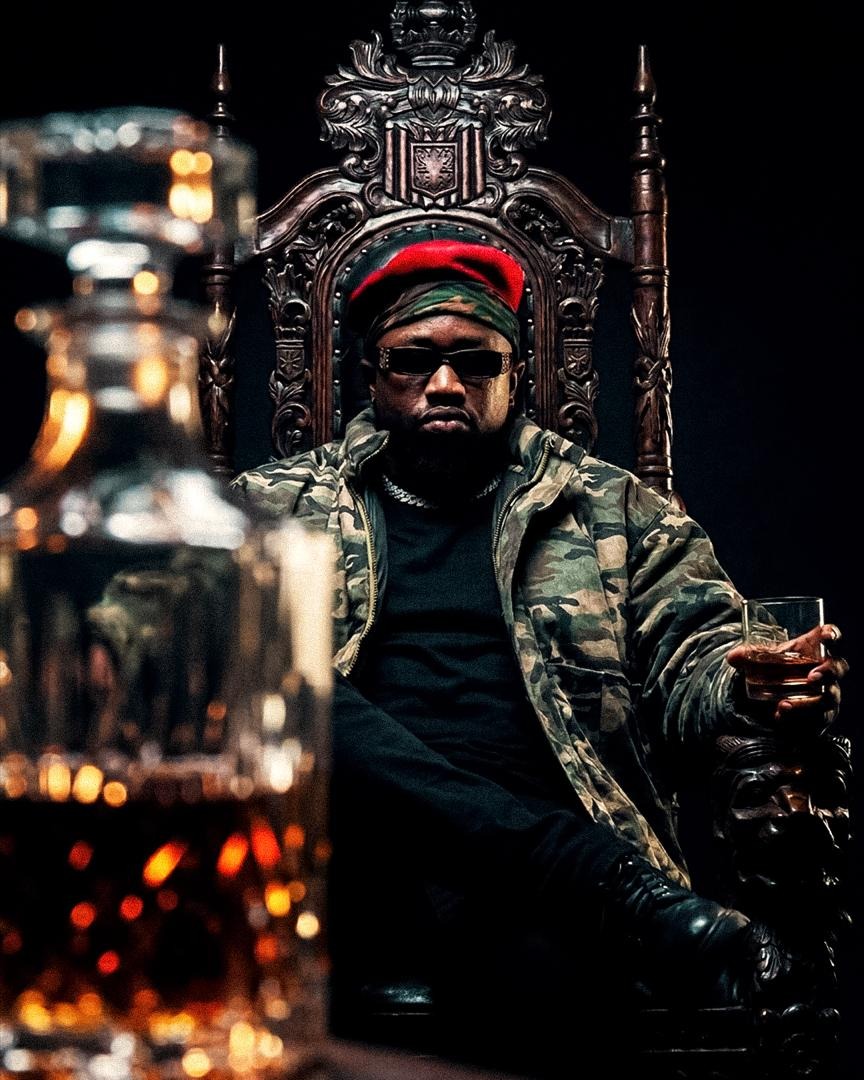
When he rebranded as Kiing Lu, he put more emphasis on A&R and executive production, taking on the role of a curator and connector. His stated philosophy, “impact first, money follows,” comes from a career spent largely behind the scenes, where the work has been about finding people, developing ideas and helping them reach an audience.
There is a long history of Nigerian music doing something similar with sounds from elsewhere. Highlife took elements of Western jazz and palm wine music and developed into something distinctly West African. Afrobeats drew from American R&B, Jamaican dancehall and several strands of Nigerian popular music before becoming a global sound of its own. Fuji also absorbed hip-hop in the 1990s, with musicians finding ways to work the new influence into an established local tradition.
Now, Nigerian drill is going through its own version of that process. The sound came from outside, but the artists making it have been finding ways to place it within Nigerian rhythms, language and street culture. “Get Up (Dance)” is one example of that ongoing process, bringing Fuji and drill together on a record that asks what Nigerian drill can sound like when its influences are allowed to meet on local terms.
Cover Credit: Kiing Lu



.png)

