.svg)

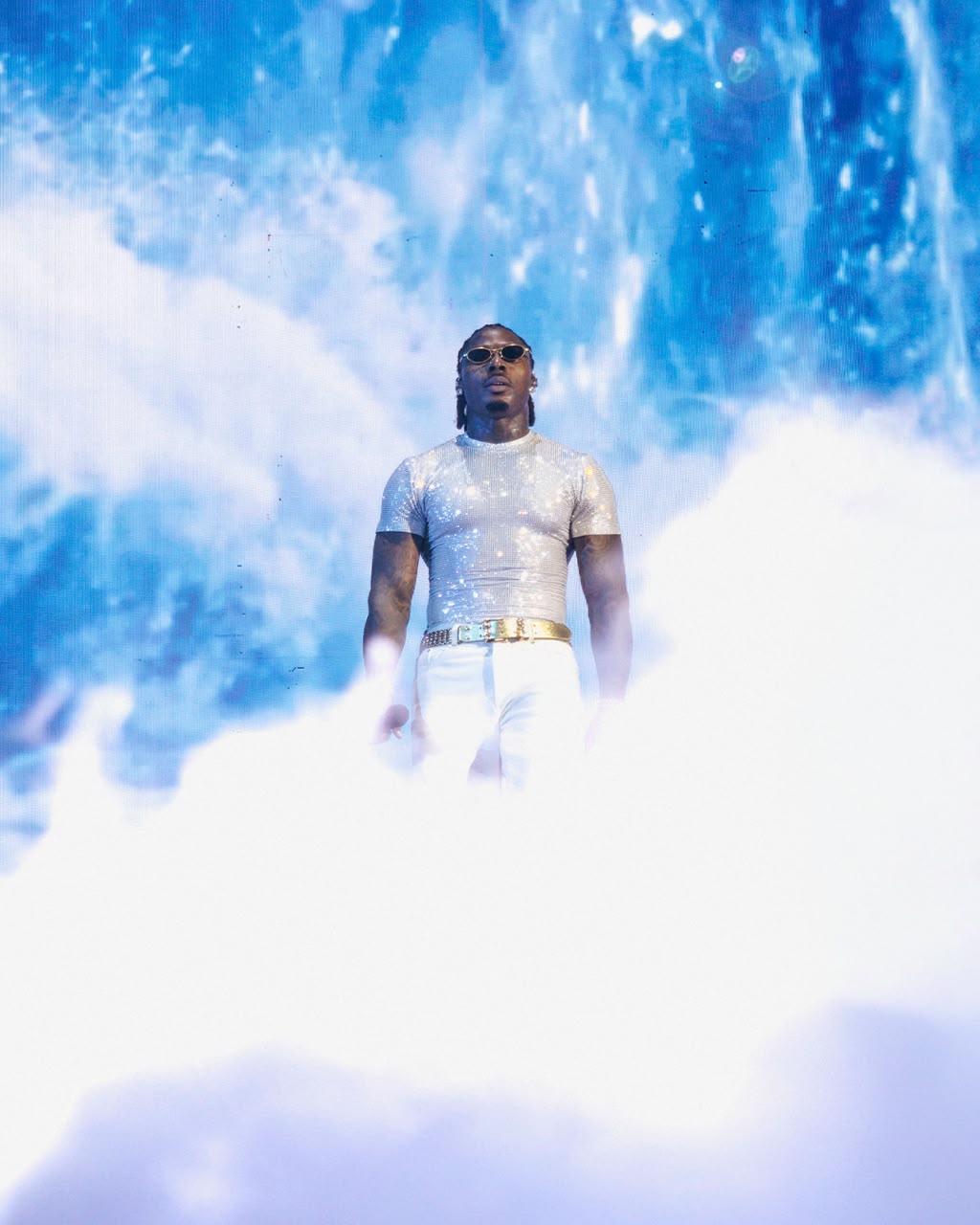
Toronto was soaked in rain on Saturday night, but the moment Asake stepped onto the stage at Scotiabank Arena none of it seemed to matter to the thousands of fans caught in the downpour. The Nigerian star had arrived in the city just two days after opening the North American leg of his “In God We Trust World Tour” in Chicago. By the time he appeared onstage the arena was packed and ready to give itself over to the music.
The Toronto stop was reported as a sold-out show, another major arena moment in Asake’s steadily expanding global run.
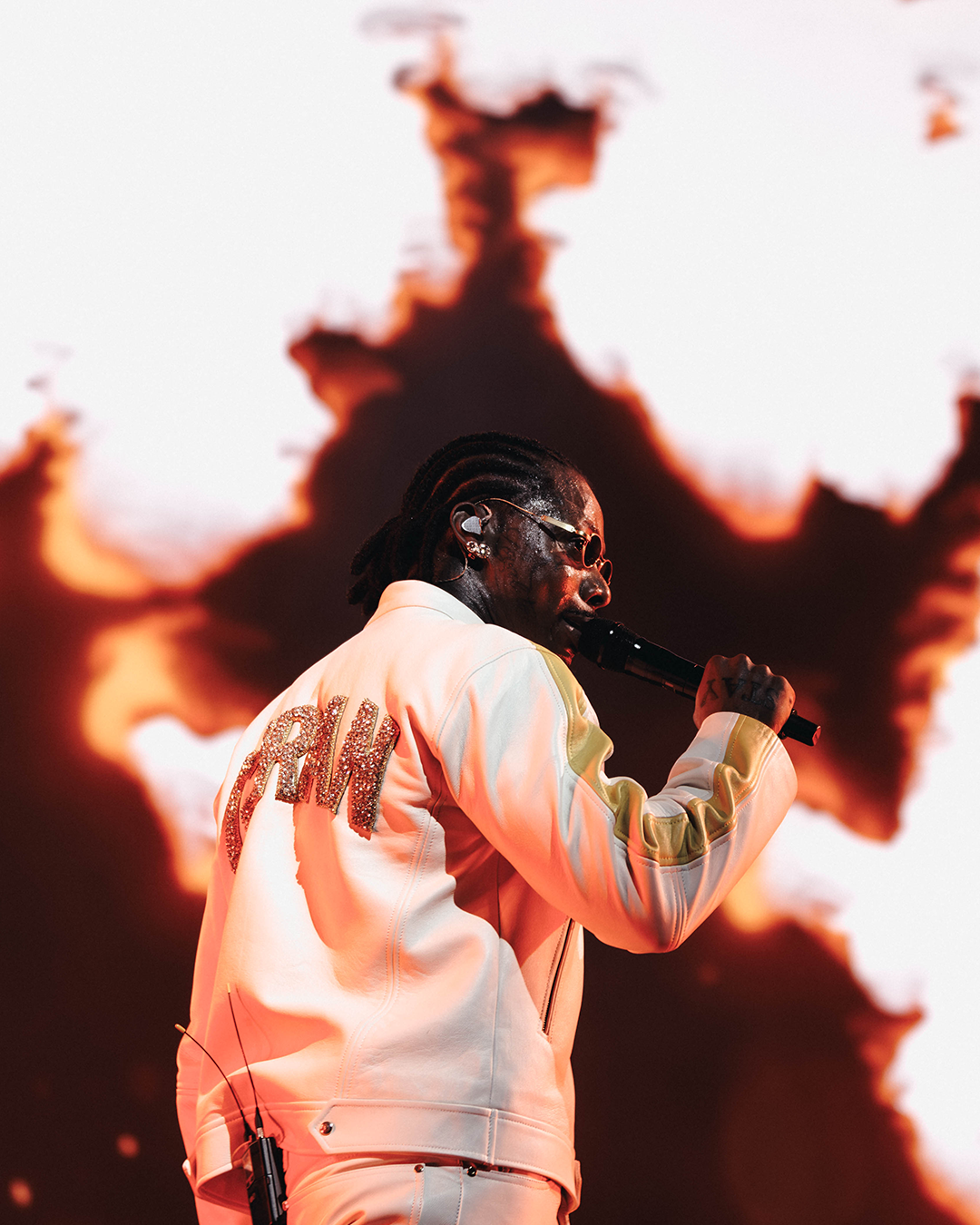
Interestingly, there was also a sense of unfinished business. When Asake last performed at Scotiabank Arena in 2024, the show received a mixed response. Two years later, he returned with a much more considered production such as live musicians, dancers, instrumentalists and enormous LED screens and the difference was immediately apparent.
Asake’s entrance established the visual language of the night. Dressed in white, dark sunglasses covering his eyes and “GIRAN” emblazoned across the back of his first outfit, he stepped onto a stage where every performer was dressed in the same colour. The effect was striking against the darkness of the arena, while the screens behind him supplied an ever-changing stream of elaborate graphics. There was a sense of scale to the opening that made it clear this was a leap for Asake’s stagecraft. His dancers moved around him with sharp precision, while the instrumentalists gave the songs a fuller presence beyond their recorded versions. Asake himself remained at the centre of it all, moving easily between choreography, vocals and the loose crowd interaction that has become part of his appeal.
That becomes particularly obvious when the bigger records arrive. “Lonely At The Top” turned the arena into a huge singalong, but the reaction grew even louder when Asake reached “Sungba” and “Fuji Vibe.” The latter felt especially fitting in a room this large. Its Fuji influence is central to Asake’s musical identity but here it became something communal, with thousands of people shouting the words back at him. “Mr. Money With The Vibe,” “OBA,” “Uhh Yeah,” “Asambe” and “Ligali” kept the momentum moving, while “Remember,” “Badman Gangsta,” “Forgiveness” were also highlighted as the night’s standout moments.
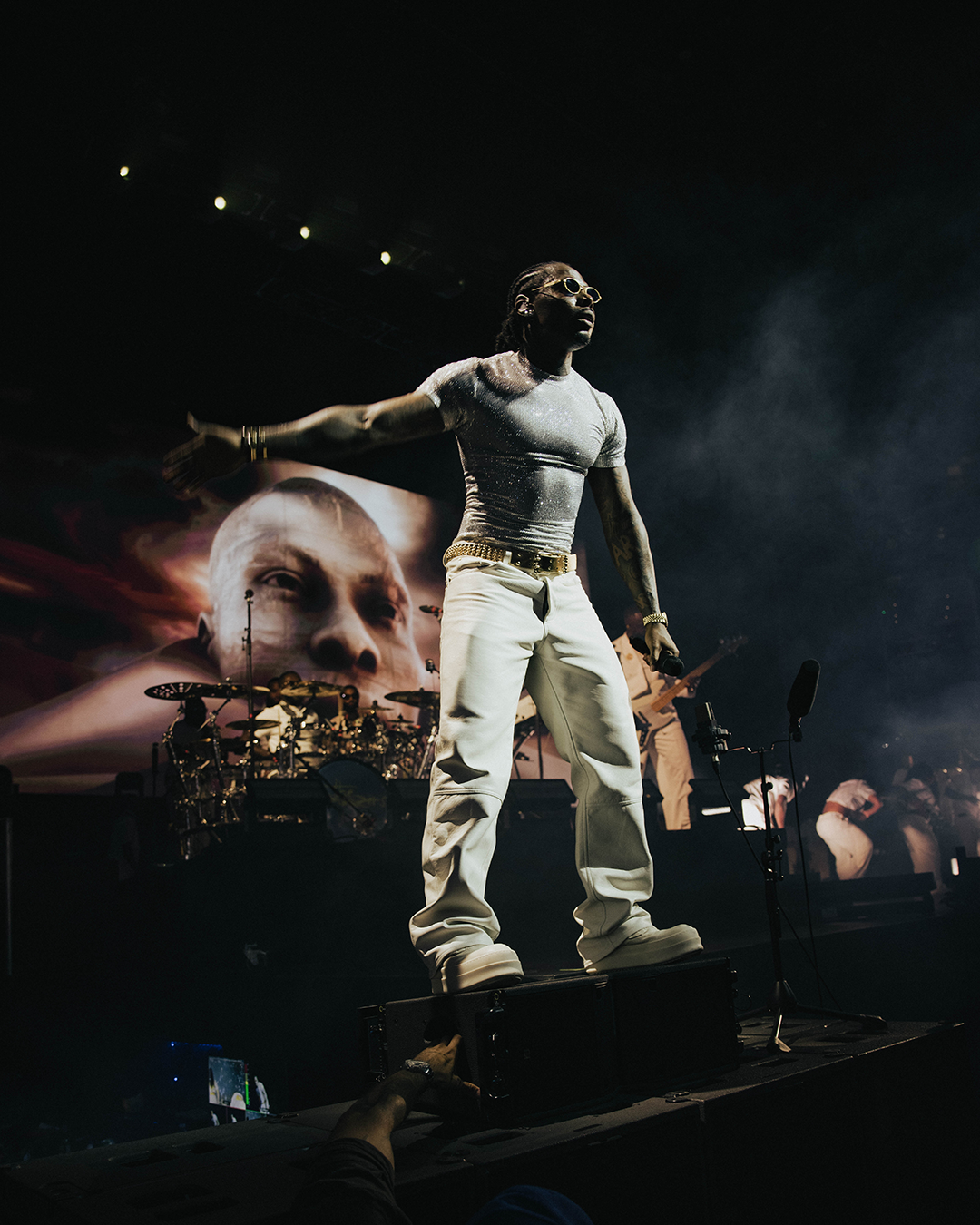
At one point, Asake briefly disappeared for an outfit change, leaving the musicians to take over the stage. Rather than functioning as filler, the interlude became a performance in itself as The Compozers ran through familiar Asake hits. Their presence is important to the show. Asake’s music has always carried a strong relationship with rhythm and live instrumentation, and hearing those elements expanded onstage gives the songs another kind of experience.
When Asake returned, the change was noticeable. His second outfit leaned further into the night’s glamour sparkling beneath the stage lights as he moved back into the performance. The dancers, musicians, costumes, lighting and graphics all worked together to give the night its own visual identity.
For all the scale of the production, some of the night’s best moments were the simplest. During one performance, Asake spotted a woman in red in the crowd and turned his attention towards her, serenading her as the audience watched. For a few minutes, the vastness of Scotiabank Arena seemed to disappear. It was playful, spontaneous and intimate.
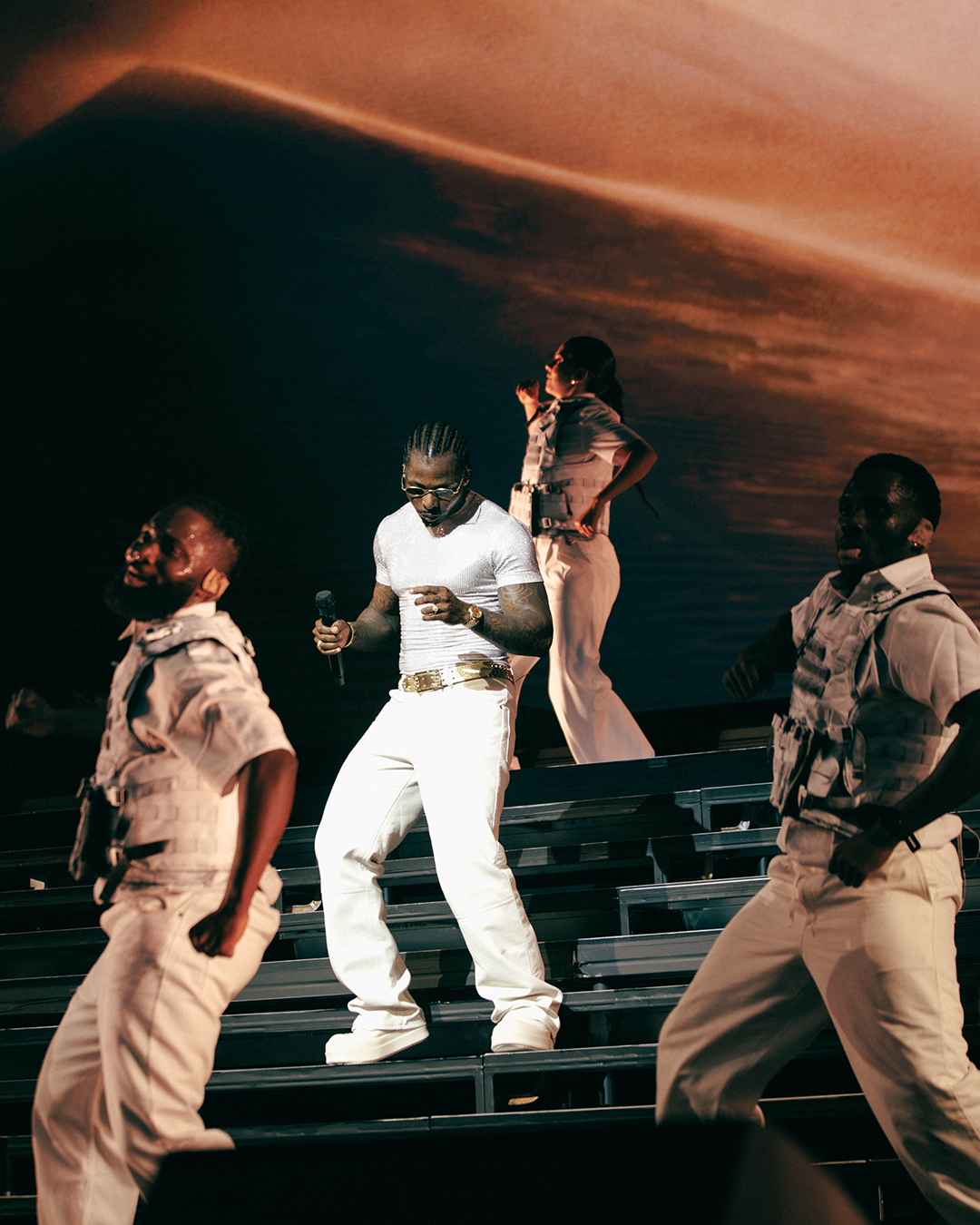
Still, the biggest moments belonged to the music. “Sungba” had already sent the arena into a frenzy, while “Fuji Vibe”brought out another enormous response. “Badman Gangsta” and “Remember” were other particularly loud moments, and when the familiar opening of “Worship” arrived, the audience barely needed Asake to lead them.
What makes the Toronto show particularly impressive is how naturally Asake’s music translates to this scale. His songs are built around rhythm, repetition and movement. The live musicians sharpen the rhythmic edges, the dancers amplify the physicality of the songs, and the graphics give the music a visual world to inhabit.
It also makes the scale of Asake’s progression difficult to ignore. In 2024, his Toronto show left some fans feeling that the performance itself was stronger than the overall concert experience largely because of the brevity of the set. This time, there was a greater sense of occasion around his arrival. The production was more ambitious, his catalogue had grown, and the performance felt built around the breadth of what Asake has accumulated in just a few years.
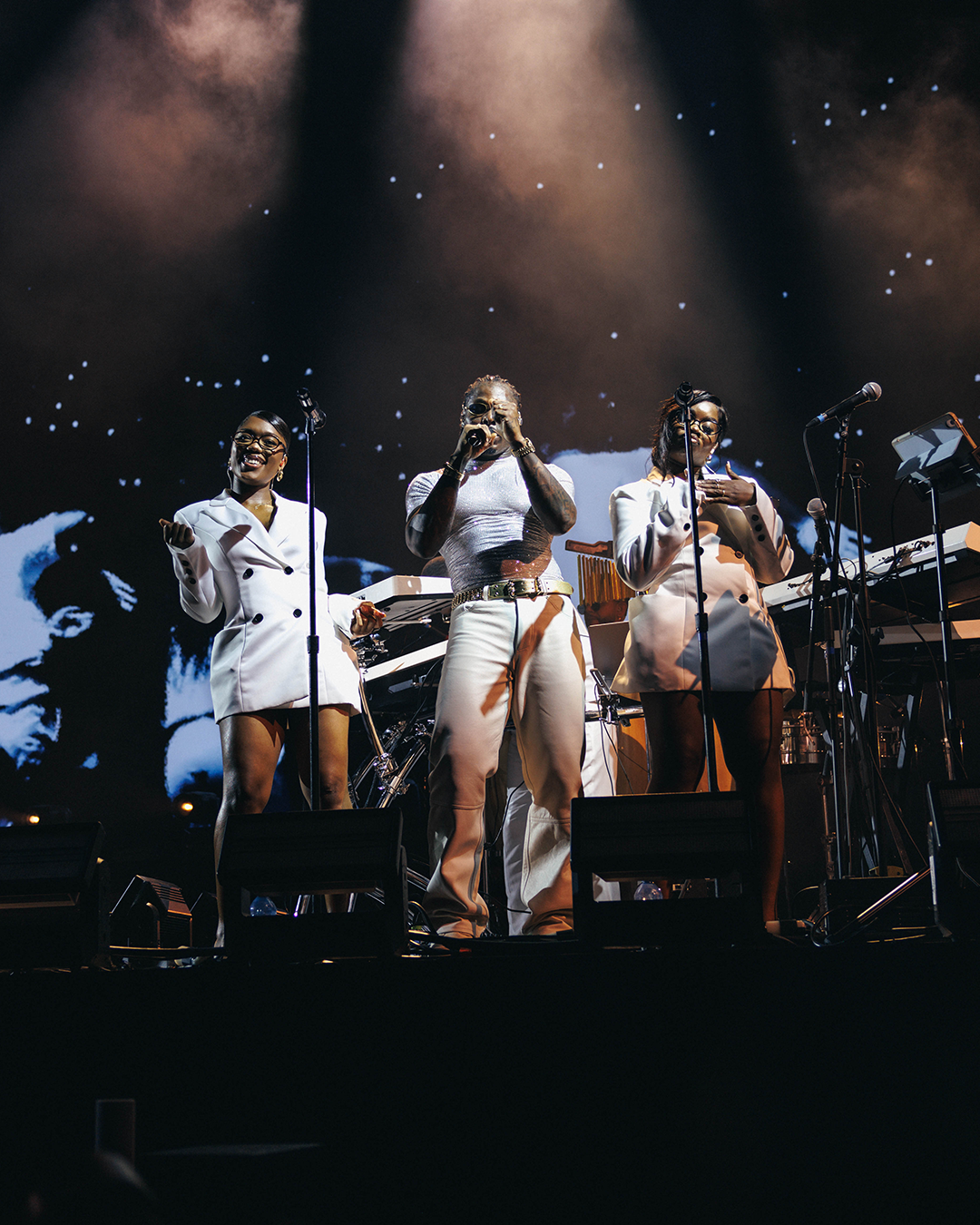
By the end of the night, the rain outside had become an afterthought. Inside, Scotiabank Arena was still moving with thousands of people singing, dancing and holding their phones above their heads as Asake worked through the final stretch of a catalogue that has grown remarkably quickly.
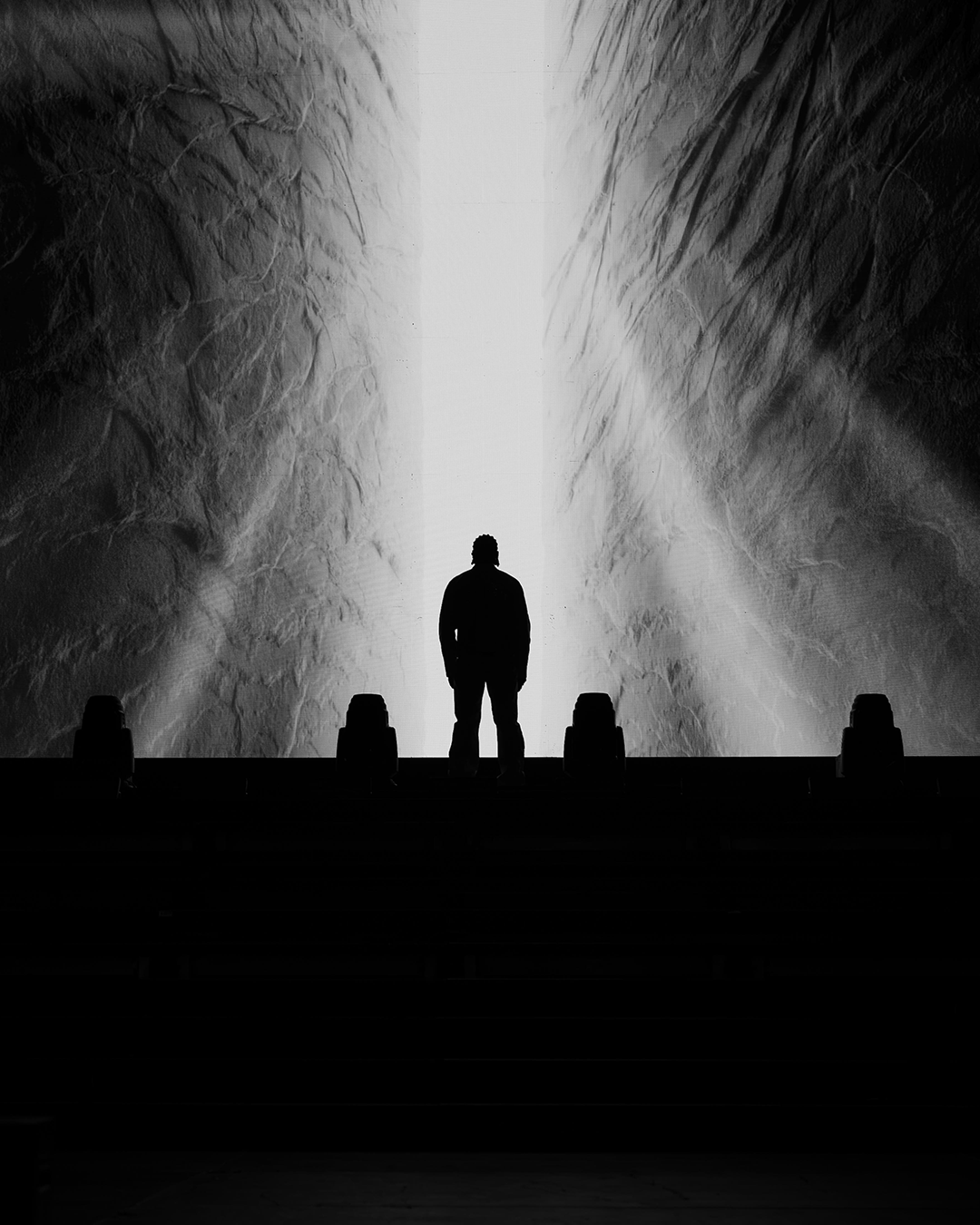
For all the talk around Asake’s international growth, it is moments like this that make the progression tangible. Two years after a Toronto show that left some attendees wanting more, Asake returned with a performance that felt bigger, fuller and more assured.



.png)

