.svg)

Nigerian streetwear has a pricing problem. Not because the clothes are expensive. Clothes can be expensive. That's fine. The problem is that expensive has been confused with valuable. High price tags have been conflated with luxury. and mediocre quality has been justified with "You're not the target audience."
And it's exhausting to watch.
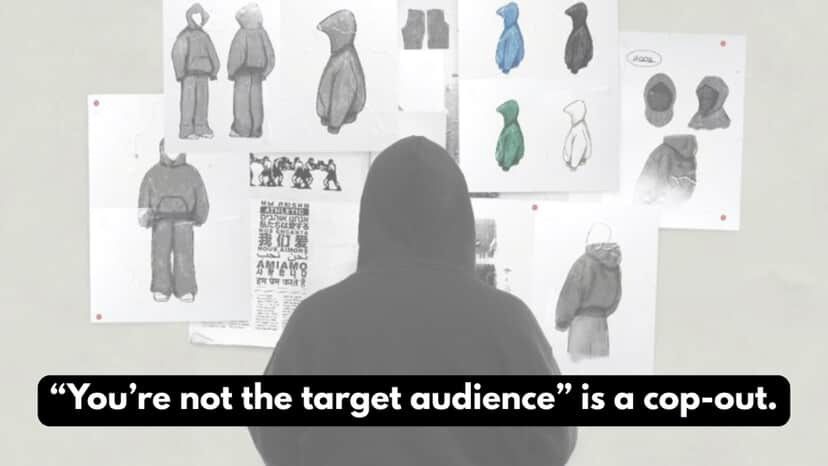
The famous line Nigerian streetwear brands love to use when people question their pricing: "You're not the target audience."
As if that explains anything. As if that justifies ₦475,000 for a basic t-shirt with a screen-printed logo. as if that makes it okay to charge luxury prices for mid-tier quality. But let's be clear: "you're not the target audience" is not a defense. It's a deflection. Because the real question isn't "who can afford this?" The real question is "what am I paying for?" And most of the time? The answer is clout. branding. association with a celebrity name. Not craftsmanship. not innovation. not design excellence. just proximity to someone famous.
pricing ≠ luxury
Virgil Abloh, the late creative director of louis vuitton menswear and founder of off-white, understood something fundamental about streetwear and luxury that Nigerian brands seem to have missed. He said: "The one thing that I think the luxury market needs to understand is that culture has changed. I don't know if there's any way to underline that any further. This should be in bold writing, that luxury by a 17-year-old's standard is completely different from his parents'. His version of luxury is streetwear." Virgil understood that luxury isn't about price. It's about cultural value. It's about what resonates with the generation defining taste right now. But he also understood accessibility. When asked about off-white's high prices and the irony of talking about youth culture while making inaccessible clothes, he admitted: "yes, they are. I try to do lower priced things when I can. I am also trying to have two conversations at once, since if you want to have a conversation with the high-end, you have to be high end."
Virgil acknowledged the tension. He didn't hide behind "you're not the target audience." He recognized the contradiction and tried to balance both worlds. Nigerian streetwear brands? They just price high and the people call it luxury.
.jpeg)
Let's break down what most Nigerian celebrity streetwear brands offer:
basic silhouettes. t-shirts. hoodies. sweatpants. nothing innovative. nothing experimental. just standard cuts. screen-printed logos. maybe embroidery if you're lucky. no intricate details. no unique construction. just branding. mid-tier fabric. not luxury textiles. not performance materials. just regular cotton, often sourced from the same suppliers as much cheaper brands.
celebrity association. This is the real product. You're not buying the hoodie. you're buying proximity to the artist, the influencer, the entertainer who slapped their name on it. And that last part? That's what you're really paying ₦500,000 - ₦1,000,000 for. Not craftsmanship. Not design. Not quality. Clout.
.jpeg)
These brands don't seem to understand: A good number of Nigerian youth know value. They might love the celebrity. They might follow them on instagram. They might stream their music or watch their content. But when it's time to spend money? They're discerning. They can tell the difference between a well-made piece and overpriced hype. They know when they're being sold branding instead of quality. They recognize when the price tag is inflated based on name recognition, not actual value. And that's why these brands sell maybe 10% of their inventory to actual customers and send the other 90% out as PR.
Gifting to other celebrities. sending pieces to influencers creating the illusion of demand and desirability. Because if they relied on actual sales? on people willingly spending their money on these pieces? most of these brands wouldn't survive six months.
.jpeg)
Stolen designs. Not inspiration. Not being influenced by. Straight up copying. Nigerian streetwear brands will raid foreign brands' design catalogues from 5 years back, find graphics, typography that worked, and just... copy them. print them on their shirts. sell them for ₦450,000.
Imagine. You're not even getting inspired by patterns and reinterpreting them. You're not taking elements and making them your own. You're not creating something new that's in conversation with existing work. You're just ctrl+c, ctrl+v.
You're going through foreign brands that will not find out who you are - finding designs that already succeeded elsewhere, reproducing them and then charging premium prices for it. As if copying counts as creativity. As if theft is design. as if Nigerian consumers won't recognize a particular graphic or a palace print when they see it. The audacity is incredible. You're selling plagiarism at luxury prices. and when people call it out? "You're not the target audience." No. The target audience is people who don't know enough about streetwear history to recognize that your "original design" is actually a lifted undercover graphic from 2008.
.jpeg)
Virgil also said: "streetwear is a term for people without resources creating something that resonates with their demographic." That's the essence of streetwear. It's a cultural expression. It's creativity born from limitation. It's making something meaningful with what you have, but Nigerian celebrity streetwear has flipped that. It's not people without resources creating something meaningful. It's people with resources (fame, money, platforms) creating something commercial. They see streetwear as a money-making opportunity. a side hustle. a way to monetize their existing fanbase. Not as a cultural contribution. Not as a creative expression. not as building something that represents a movement, a moment, a message.
just: "I'm popular, people will buy what I make, let me start a clothing brand." and the result? loud, low-quality streetwear that says nothing. contributes nothing. builds nothing. it's just merch with a higher price tag.
.jpeg)
And yet, Nigerians are fixated on these brands. Because the person behind it is famous. Because wearing it signals that you can afford it, that you're connected, that you're part of the in-crowd. But what are you really wearing? What does the piece itself say? What cultural statement is it making?
Nothing. It's a logo. a name. a status symbol with no substance. And when you compare that to what streetwear is supposed to be, to what virgil built with off-white, to what brands like supreme or stüssy or a bathing ape represented culturally, the gap is stark. Those brands told stories. They represented subcultures. They meant something beyond the person wearing them. Nigerian celebrity streetwear? it means "i have money" or "i know this person." that's it.
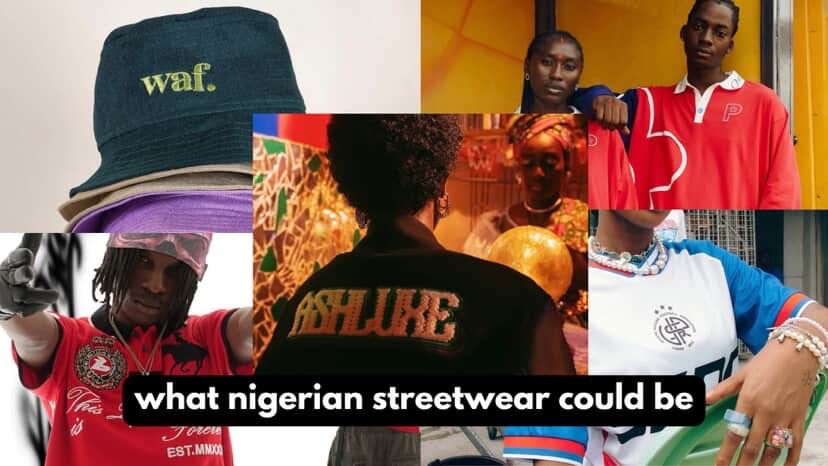
Imagine if Nigerian streetwear brands actually focused on:
Storytelling. What does this collection represent? What cultural moment are you capturing? What narrative are you telling through design?
Craftsmanship. not just screen-printing logos, but experimenting with textiles, construction, techniques that showcase skill and innovation.
Accessibility. making pieces that the youth you claim to represent can actually afford. not ₦450,000 t-shirts, but thoughtfully priced pieces that don't sacrifice quality.
Cultural contribution. building something that represents nigerian creativity, not just copying western streetwear aesthetics and slapping a celebrity name on it.
Longevity. creating brands that will outlive the celebrity's current relevance. brands built on design integrity, not just fame.
That's what streetwear could be. That's what it should be. But as long as celebrity brands keep pricing high without delivering value, and as long as consumers keep buying into the hype, we're stuck with loud, low-quality streetwear that means nothing and costs everything.
If you're starting a streetwear brand: ask yourself why.
Is it because you have something to say? something to contribute culturally? or is it because you're famous and you think people will buy anything with your name on it? If it's the latter, don't. We have enough of those already. And if you're buying Nigerian streetwear: ask yourself what you're paying for.
Is it quality? design? cultural significance? Or is it just clout?
Because pricing doesn't make it luxury. A celebrity name doesn't make it valuable. and "you're not the target audience" doesn't make overpriced mediocrity acceptable.
Nigerian streetwear can be better than this. it should be better than this. But only if we stop giving these loud streetwear brands a platform and start focusing on the brands with actual value. The ones not clouded by celebrity noise. the ones doing real design work, telling real stories, building real cultural contributions.
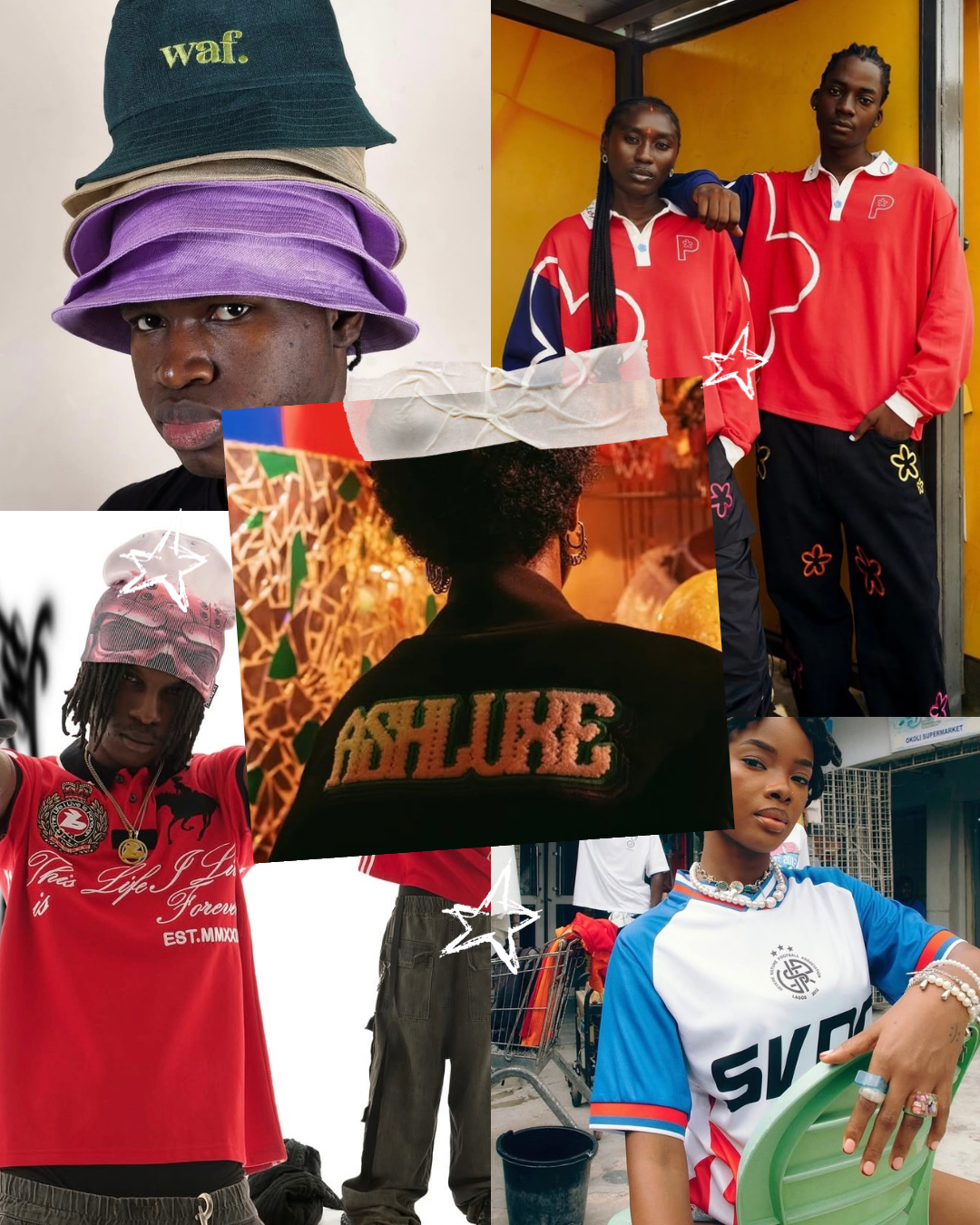
Because it's too early to have the industry filled with this much substandard mediocrity. Nigerian streetwear is still young. still forming. still defining itself. And if we keep rewarding copy-paste designs, celebrity clout, and overpriced basics with our attention and money, that's what the industry will become. But if we demand more, if we support brands with vision, craftsmanship, and cultural integrity, we can build something actually worth the hype.
The choice is ours.



.png)

