.svg)

Sixty Years On, London’s Biggest Carnival Is Keeping Caribbean Culture Alive
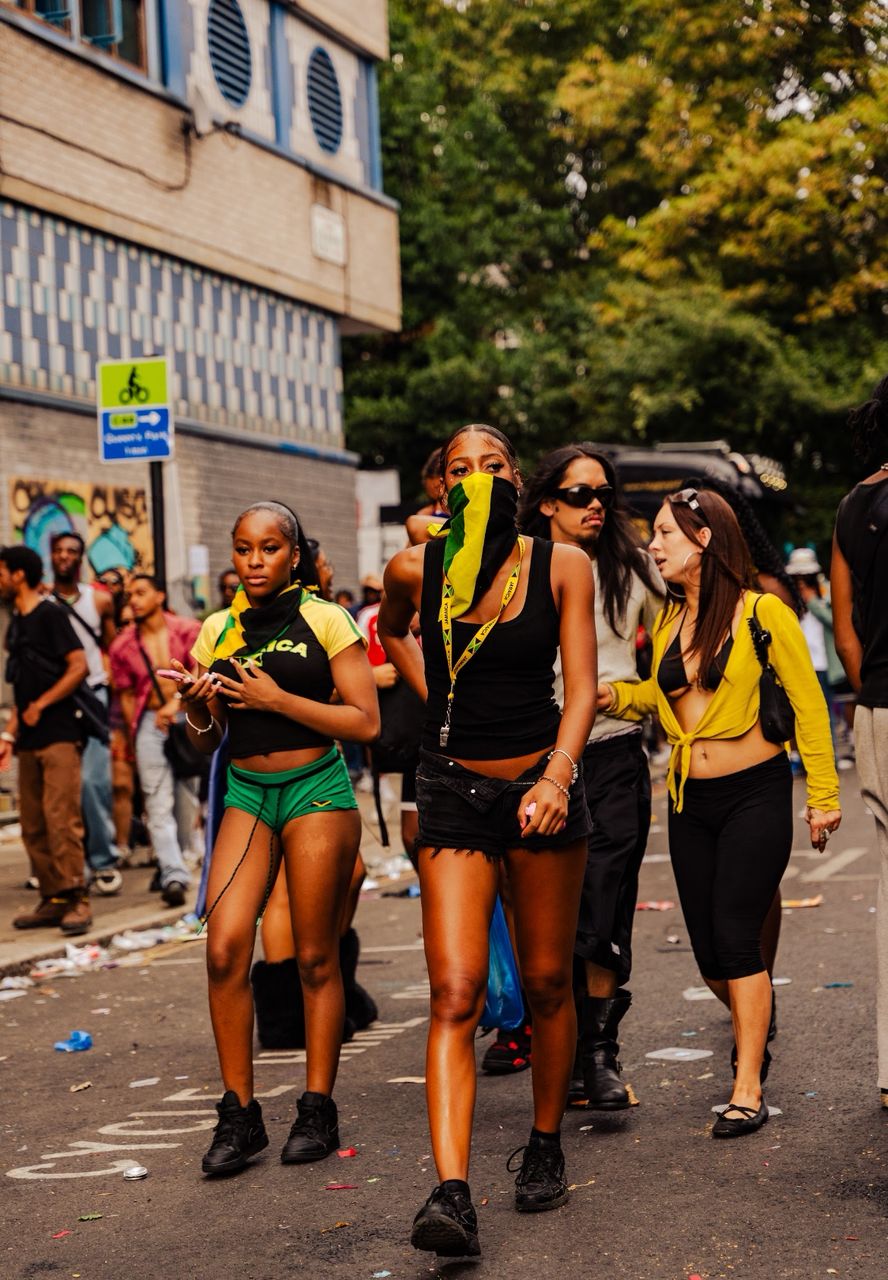
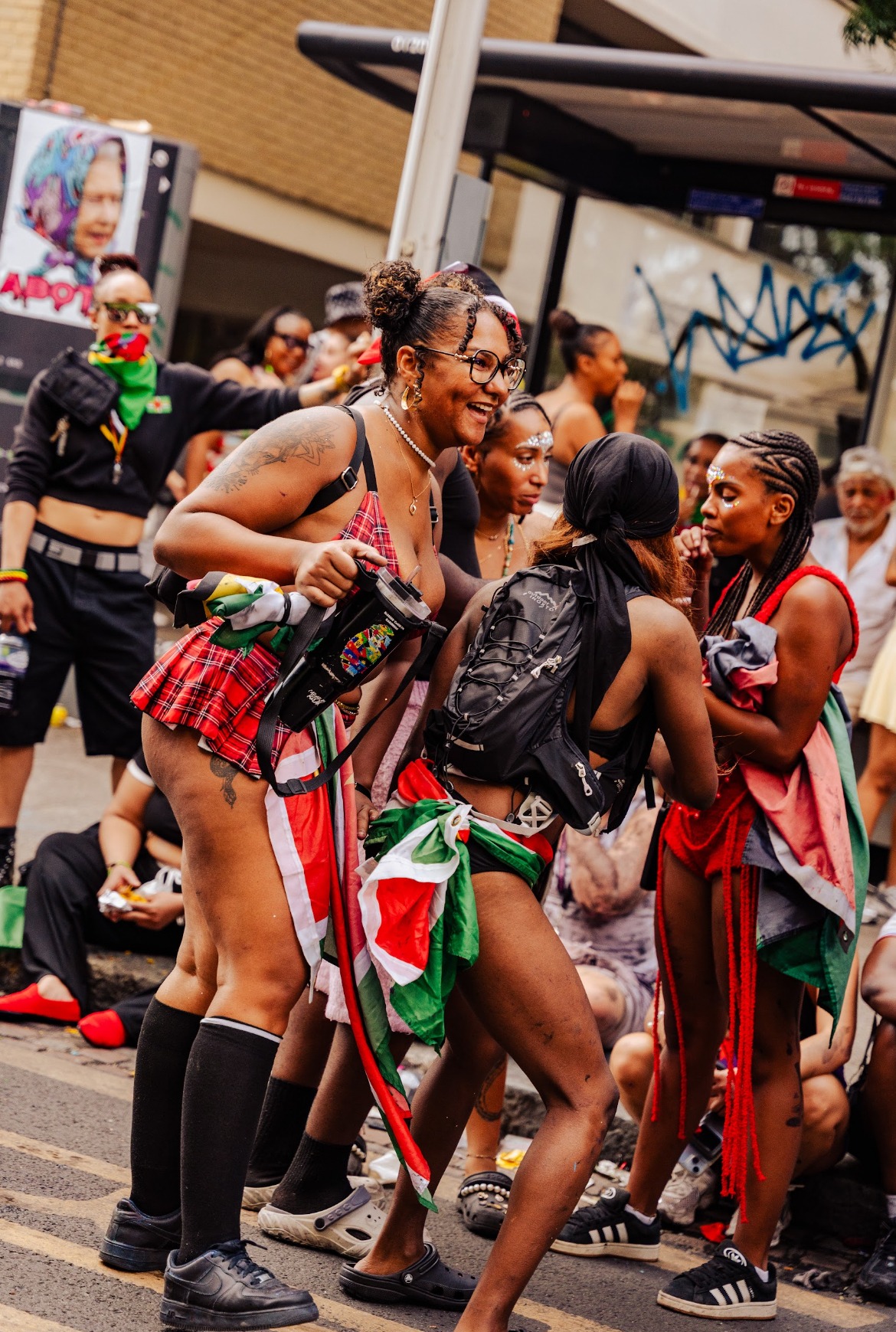
At 6am on Sunday morning, paint, powder and music returned to the streets of West London. It's a full spectacle of Caribbean pageantry, restless Soca sounds and an array of parades through the city streets.
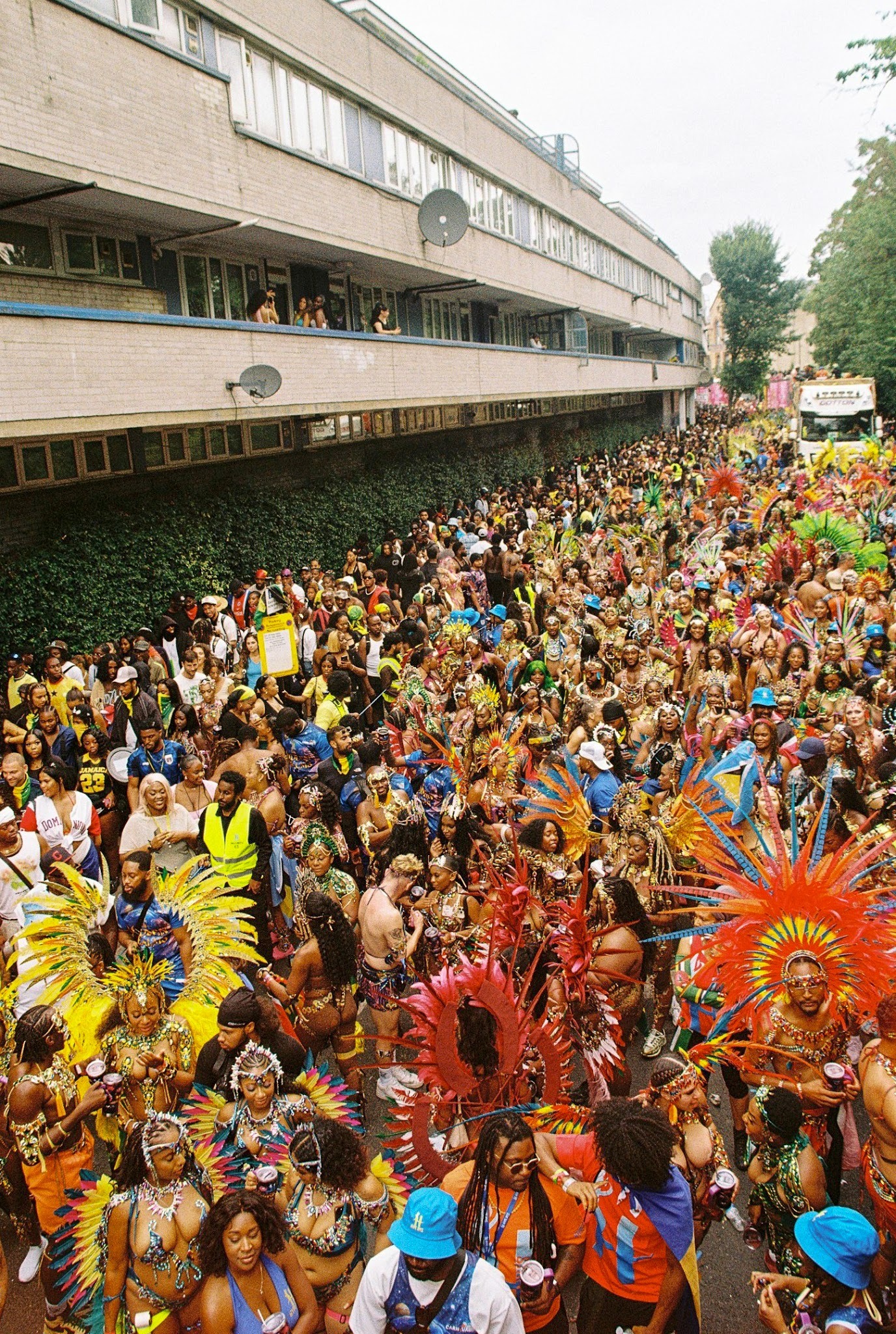
This year, J'Ouvert opened the first full day at Notting Hill Carnival, sending revellers through the neighbourhood before the children's parade took over.
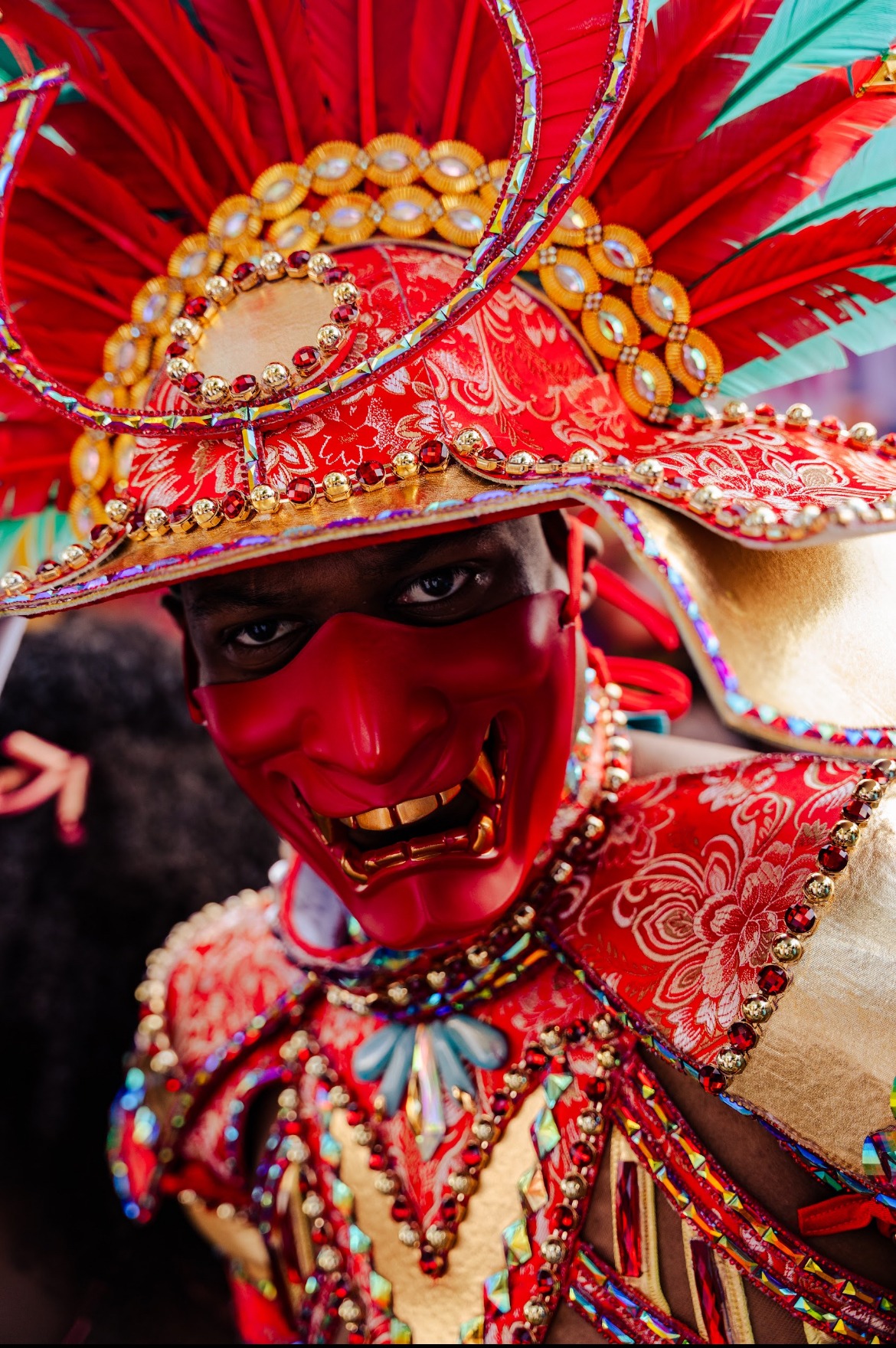
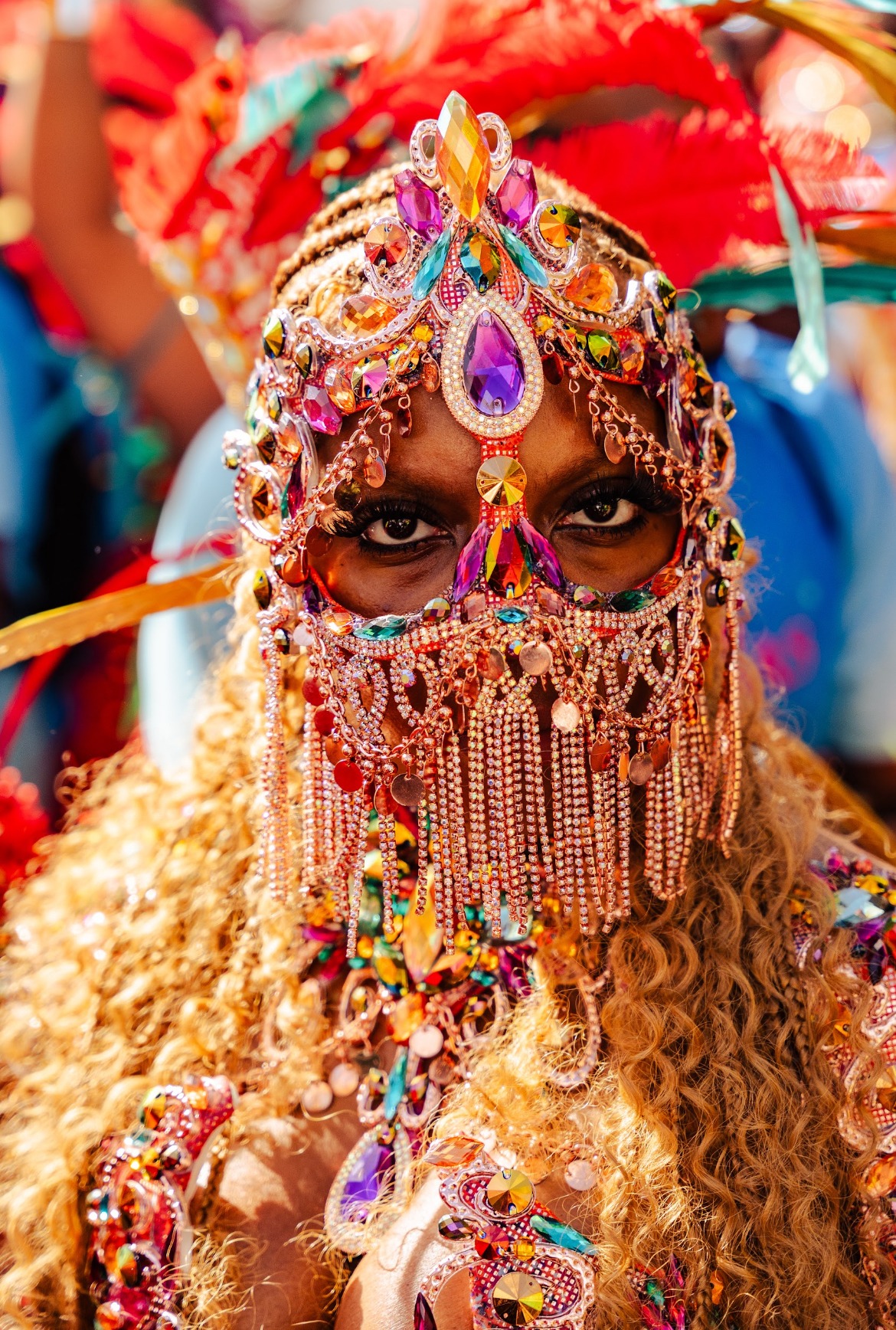
By Monday, enormous masquerader bands in feathered costumes were moving around the main route while reggae, soca, calypso, dub, jungle and Afrobeats poured from more than 30 static sound systems.
The Carnival returned last weekend for its 60th anniversary. The carnival grew from Caribbean community celebrations in London during the late 1950s and 1960s, particularly among people from Trinidad and other parts of the West Indies.
It was named after Notting Hill, the West London area where the street carnival sprang from and is still held. Following the 1958 Notting Hill race riots, Caribbean activists and organisers used music, dance and carnival traditions as forms of community celebration and cultural assertion.
The UK’s national steelband competition, Panorama, opened the weekend on Saturday. Families and children led Sunday’s programme, followed by the adult parade on Bank Holiday Monday.
Around two million people were immersed in the festivities across the weekend, once again turning a residential part of London into one of the world’s largest street festivals.
Nearly £5 million in public funding supported the 2026 edition as organisers and City Hall addressed overcrowding and safety around an event that has outgrown every early expectation. The investment protected a living piece of Black British history in the neighbourhood that created it.
Meanwhile, this year’s Notting Hill Carnival ended with 636 arrests across its two main days, up from 528 in 2025.
The Metropolitan Police recorded 242 arrests on Sunday and 394 on Monday, with offences ranging from drug possession and supply to weapons offences, assaults, sexual offences and public-order violations.
Police also expanded their use of live facial recognition, which generated 214 alerts and led to 121 arrests, while extensive stop-and-search operations recovered 68 weapons, including a handgun.
Despite the scale of the arrests, police said serious violence remained markedly lower for the second consecutive year, with two knife attacks recorded and neither resulting in life-threatening injuries.
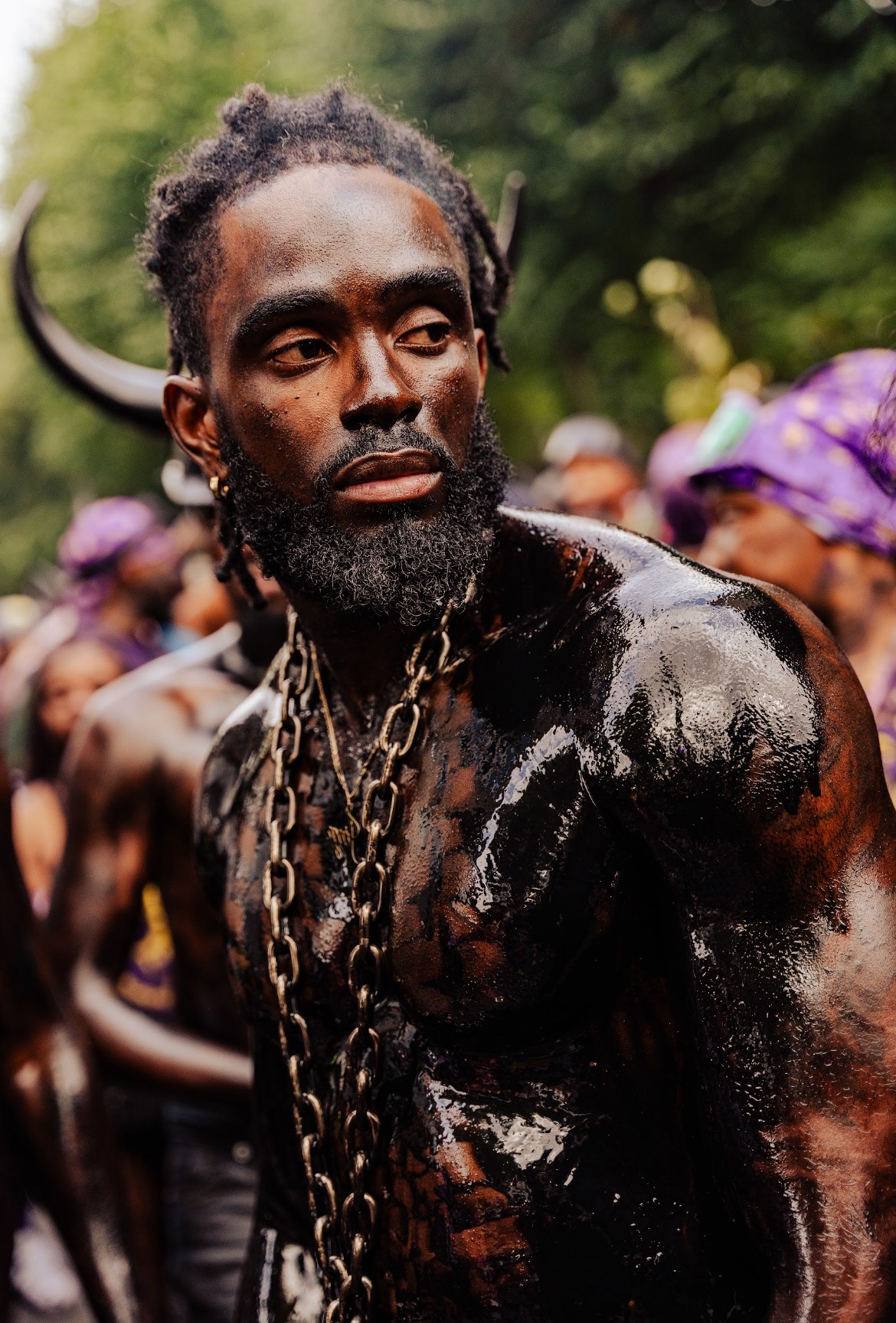
Ultimately, Notting Hill Carnival still offers the joy imagined by its founders in a form that remains unprecedented. Caribbean London gathers in public, younger generations inherit the masquerader, pan and sound-system traditions, and an entire city enters the celebration. For one weekend, the streets become the institution. And, the people, a living archive.
10 Unforgettable Moments From Notting Hill Carnival History
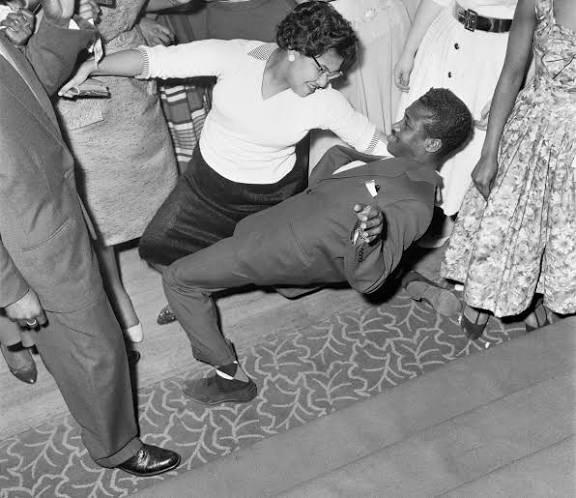
Claudia Jones Brings Carnival Indoors
England’s first major Caribbean carnival took place inside St Pancras Town Hall on January 30, 1959. Claudia Jones organised the televised event after the racist violence in Notting Hill the previous year. Mighty Terror performed calypso, steel bands played and a Carnival Queen was crowned. Jones had created a stage on which Caribbean London could answer hostility with its own culture.
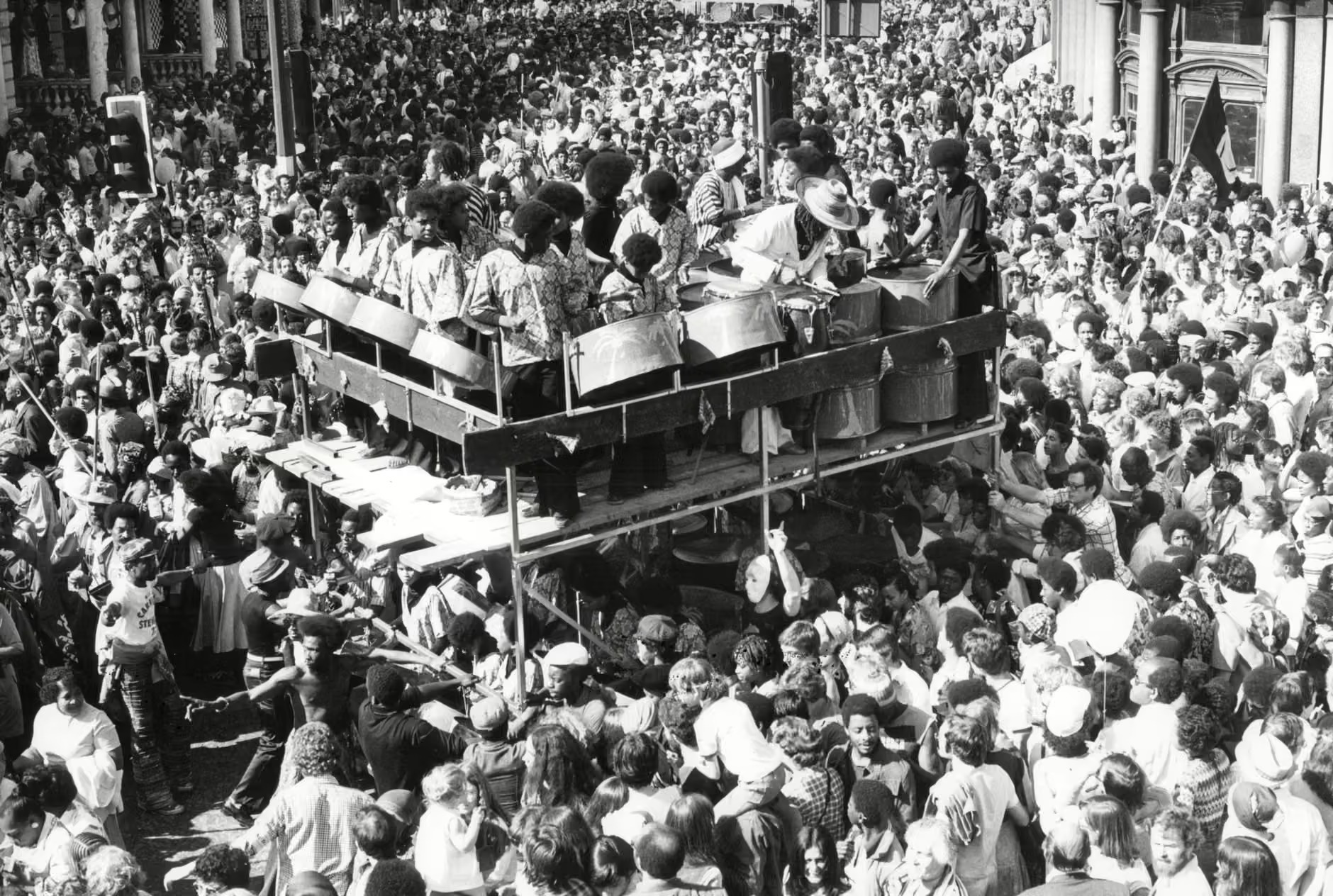
A Steel Band Starts Walking
Activist Rhaune Laslett’s community festival changed once Russell Henderson’s steel band stepped into the street. Children and residents followed as the musicians walked through Notting Hill, producing the procession that became the foundation of the modern Carnival. A local celebration had found its defining movement almost spontaneously.
The Sound Systems Plug In
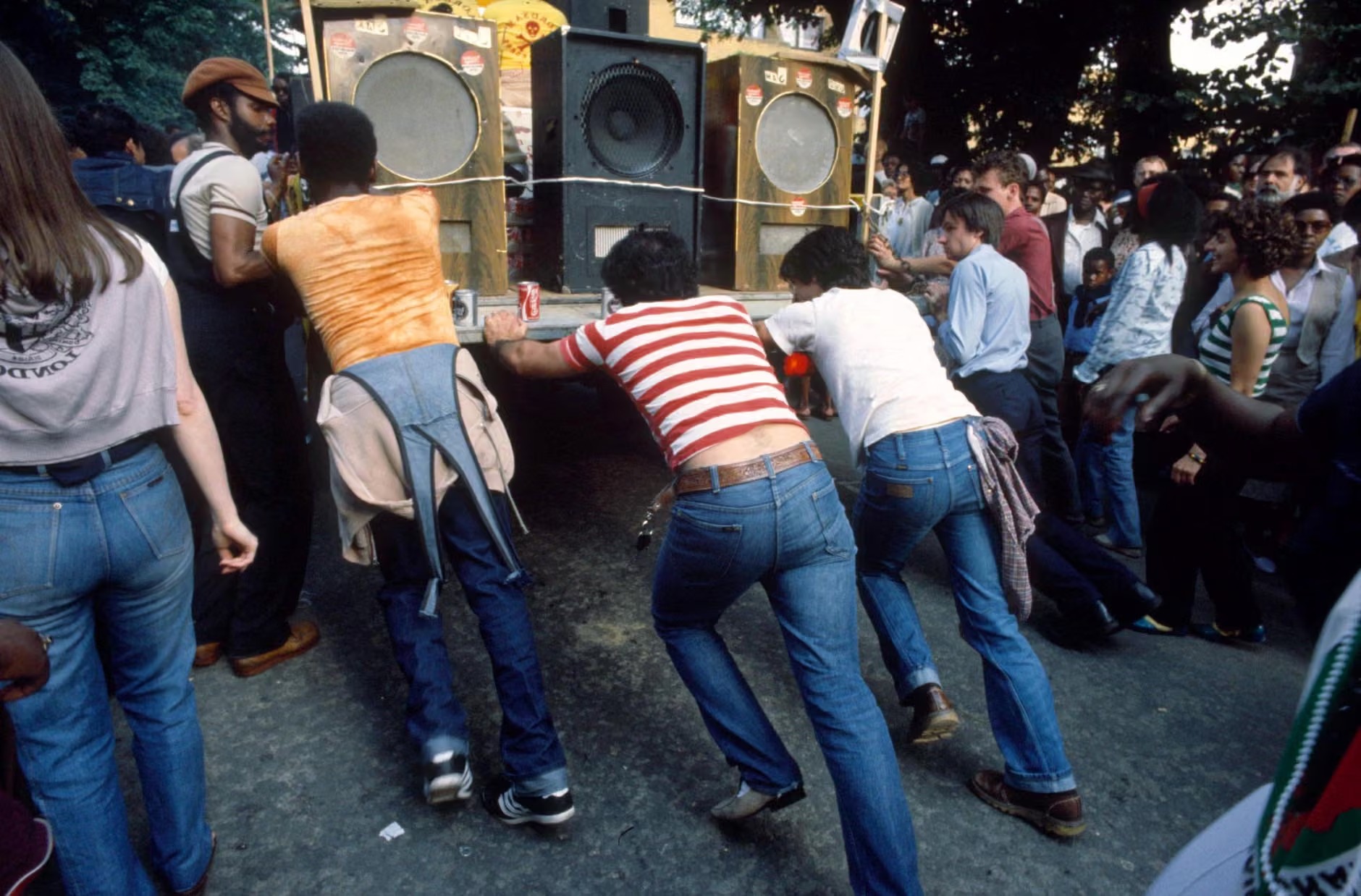
Leslie Palmer officially invited static sound systems into Carnival in 1973. Duke Vin and Count Suckle had already played sets informally around Ladbroke Grove, but official recognition gave Jamaican sound-system culture a permanent place beside Trinidadian mas, calypso and steelpan. Today, more than 30 systems turn separate street corners into distinct parties.
Carnival and the Police Collide
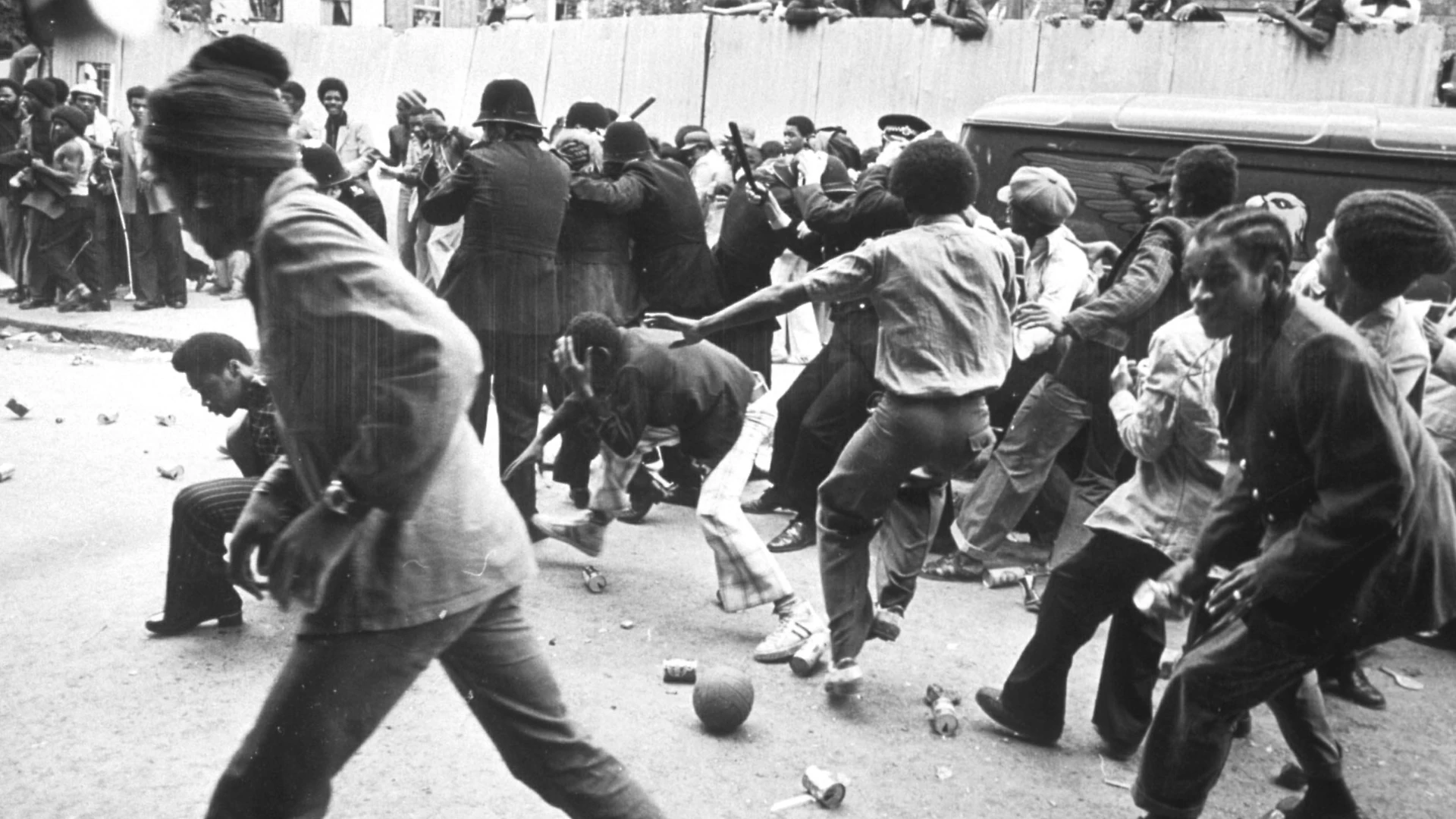
The 1976 Carnival ended in open confrontation after police moved into the crowd to arrest suspected pickpockets. Around 1,600 officers had been deployed, many facing young Black attendees already angered by aggressive policing. Bottles, stones and batons filled the streets; roughly 60 people were arrested. Photographs from the day became some of Carnival’s most enduring and politically charged images.
Good Times Rolls Into Carnival
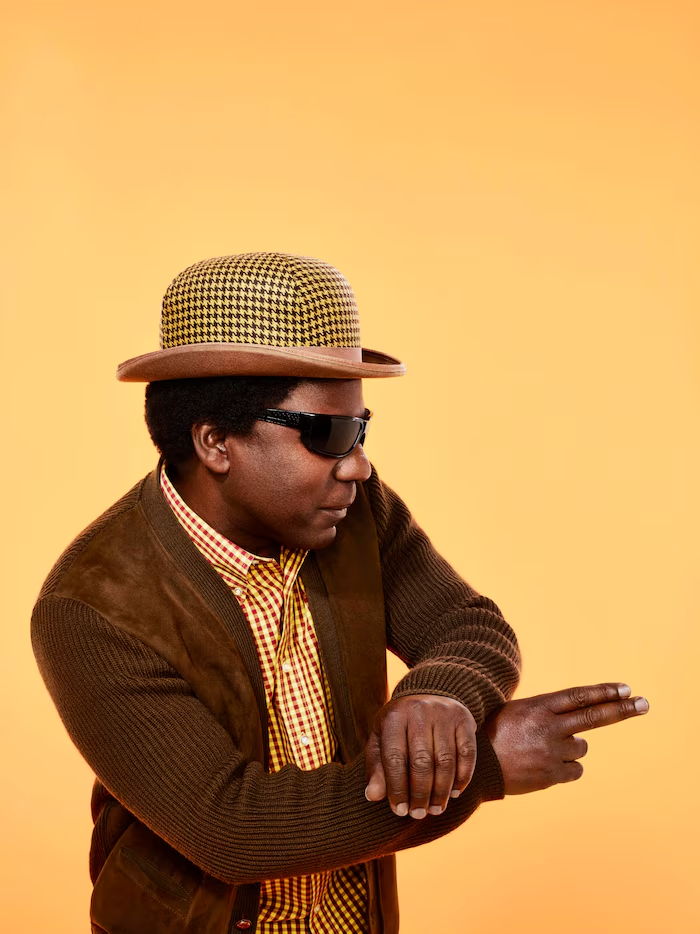
Brothers Norman and Joey Jay brought their hand-built Good Times sound system to Carnival in 1980. It grew into the famous Good Times bus, known for playing soul, funk, rare groove, disco and house outside the stricter reggae selections of the period. Its packed dancefloor helped widen Carnival’s musical vocabulary and became an attraction in its own right.
Carnival Goes Ahead After the London Riots
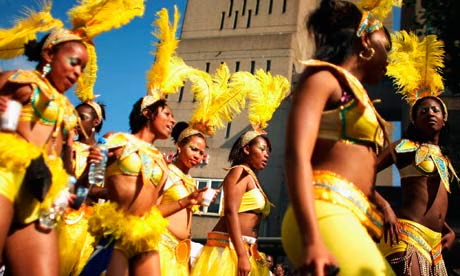
The riots that spread across London in August 2011 placed Carnival under intense pressure. Calls for cancellation arrived only weeks before the event. Carnival went ahead under one of the largest policing operations in its history, and the weekend passed without the disorder many had predicted. Its survival defended the distinction between a Caribbean cultural festival and the unrest happening elsewhere in the city.
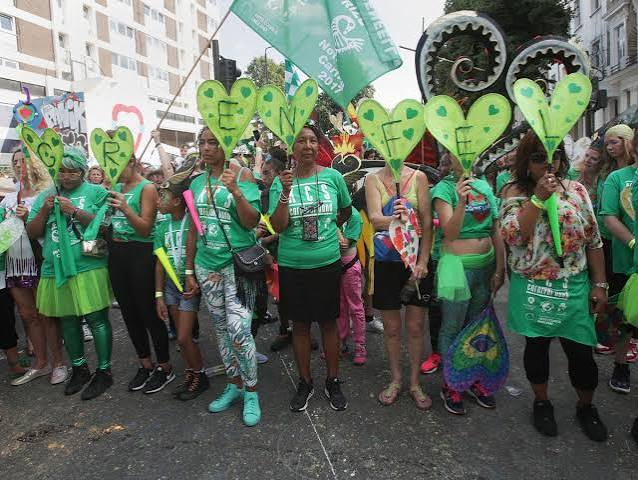
Notting Hill Goes Green for Grenfell
Grenfell Tower stood close enough to the Carnival route for its absence to be felt everywhere. Revellers wore green in honour of those killed in the June fire, bands lowered their music and the crowd observed a silence on both days. A festival famous for uninterrupted noise held still for its neighbours.
Carnival Enters the Internet
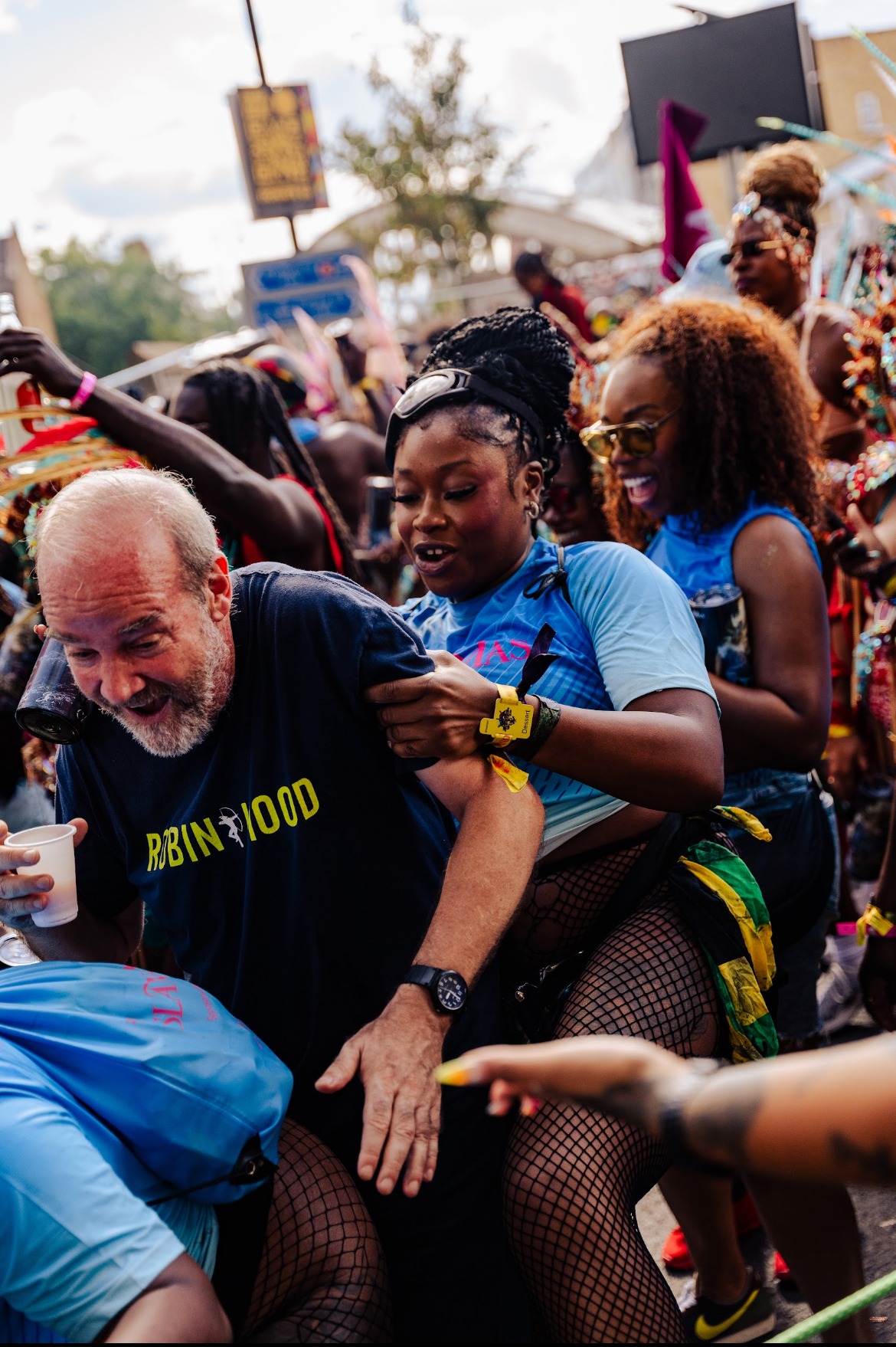
COVID-19 removed Notting Hill Carnival from the streets for the first time in decades. Organisers responded with a digital edition streamed across four channels, carrying performances, DJ sets and discussions into homes around the world. The crowds and physical force of the sound systems were missing, though the broadcast kept Carnival visible during lockdown.
The Streets Reopen
After two successive street cancellations, J’Ouvert returned before sunrise in August 2022. Paint-covered revellers reclaimed the route, children’s bands followed and the adult parade restored the full scale of the weekend. The celebration began with a 72-second silence for the 72 people who died at Grenfell, reconnecting Carnival’s comeback with the community around it.
Two Million People Mark 60 Years
The 60th-anniversary edition brought Panorama, J’Ouvert, children’s mas, adult bands and more than 30 sound systems back to west London from August 29 to 31. Around two million people showed up across the weekend. Paint flew before breakfast, steelpan filled the park and costumes took over the road. The small procession begun in 1966 had become a city within the city.


.png)

