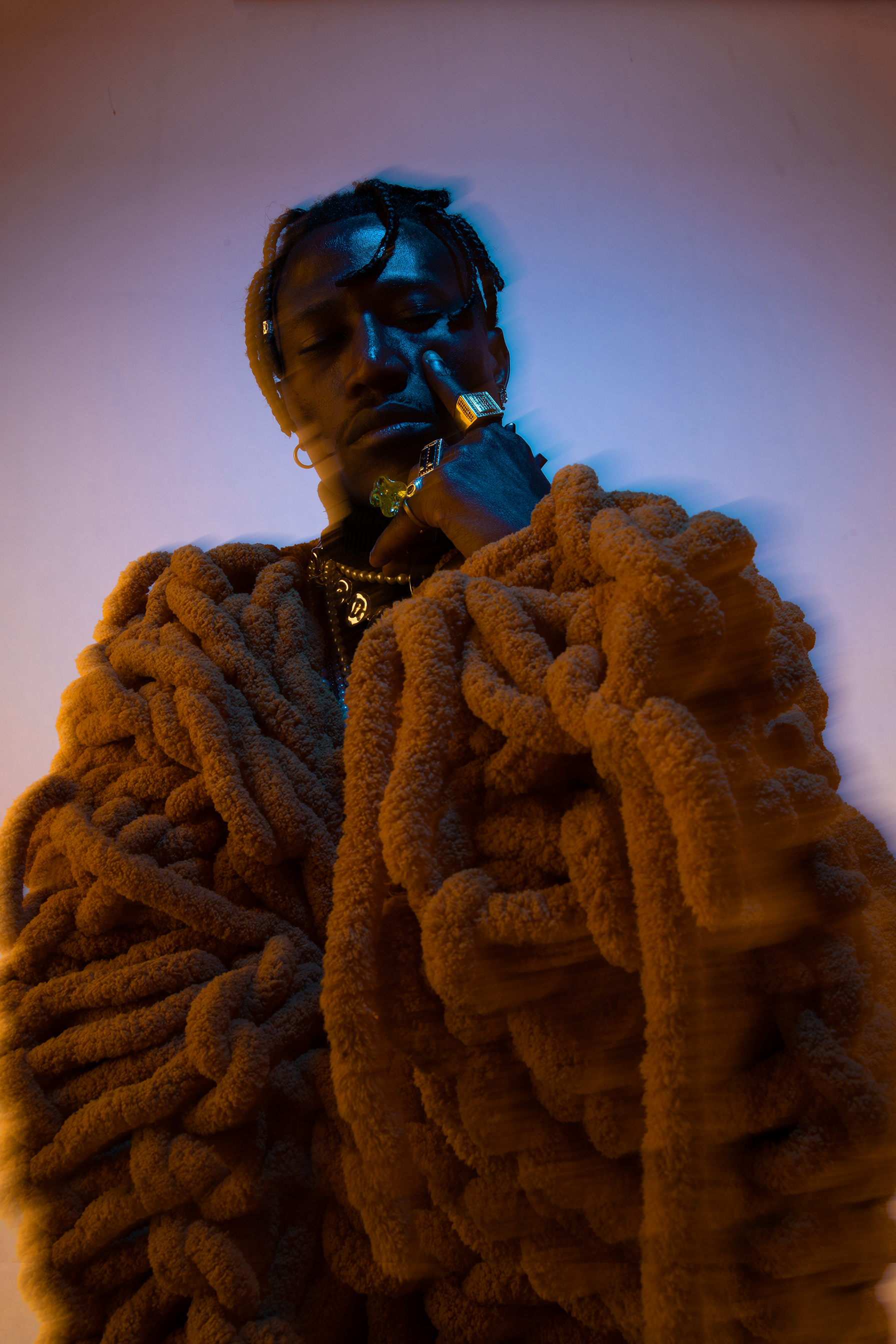
Jeriq: Memoirs of A Hood Boy’s Dream

Authored by

THE air smelled of dust and roasted corn. Somewhere down the road, a group of teenage boys were playing soccer, with their jerseys soaked in sweat. A few toddlers hung around entranced by the presence of our drone camera 150 feet above our heads. Many more bystanders scurried through, with others rounding up their trades as the sun set in that ancient and bustling city of Nsukka.

There was something striking about Nsukka. Throughout the entire time this writer was in that city, around last year’s summer, it sprawled with zest. A lot of young people sported vibrant smiles, spoke with sheer hope, and sold themselves dreams that even money couldn’t buy.

Eventually, we edged closer to the boys playing football, angling our cameras to get the best shots for the Hip Hop Documentary we were in town to film. Their smiles were uniform, just like the overwashed Premier League club jerseys they wore. Each one echoed the same sentiment when we asked about one of Eastern Nigeria’s biggest musical exports, Jeriq. “Jeriq is our Kendrick or Jay-Z. We were all in the stadium in December to watch him. We shut down everywhere,” one of the lads named Obinna quipped.

Born Jerimiah Ani, Jeriq’s rising popularity in Nigeria’s South East region became increasingly important from 2024. He had spent the last six years building his brand identity as an indigenous rapper, earning a massive fanbase with cult-classics like Hood Boy Dreams and Ea$t N We$t. By the time his annual headline show, Jeriqhood, reached its fourth edition, the Enugu native had sold out the 15-000 capacity Michael Okpara square, 20-000 capacity Chuba Ikpeazu stadium and the 30-000 capacity Nnamdi Azikiwe stadium across Anambra and Enugu states — off the back of no major label backing, immense community support and his exciting Drill-laden indigenous rap fusions.

Since 2024, Jeriq has set his sails on expanding his footprint across Afrobeats’ corridors. Within that time, he’s scored iconic collaborations including a joint EP with Psycho YP, a duet with Vivendii Sound on The Shift (with Cruel Santino, Knucks), with NSG on Coi Leray, with Maglera Doe Boy on Rands on Rands, among others.

Altogether, the spotlight keeps beaming on his music as one of the torchbearers of Igbo rap’s renaissance and a poster boy for indigenous Hip Hop music in Nigeria.

Becoming Jeriq: Home, Hope and Hip Hop

Jeriq’s music is distinctly Jeriq. It’s gritty; his deep baritone keeps texturing his bars even on his softest deliveries. It’s raw; most of the stories are shaped by his years of scorching struggles on the streets; they are part-testimonials, part-aspirations; and every time he raps, it’s like staring through glass. 

His music is also very Igbo. It’s global-facing but stewed in heritage. From the soothing flute chimes from the Oja (a six-note scaled wooden flute in Igbo musicdom) to the scintillating highlife harmonies from the guitar, Jeriq’s Hip Hop has always hopped in the direction he came from: home. 

Across his decade-long catalogue, his music has thrived as a compendium of braggadocious flows, biting rhyme schemes, witty lines and hyper-ambitious musicality. For him, the dream is to take home abroad and bring the world home —  to sound distinctly Nigerian, but on a pedestal that’s too well positioned to ignore globally. 

Over the years, Jeriq’s sojourn has drifted with a powerful storytelling ability. His latest release, Hood Boy Dreams 2, extends this oratorical prowess as he packs the album tight with his experiences from his grassroot to take-off moments.

On finding and honing this sound, Jeriq told Deeds that his earliest relationship with music began with his immediate family. His father was particularly fond of highlife music, exposing him to the melodic traditions that would eventually find their way into his own music. 

Yet, as a young boy growing up around Onitsha, the sounds coming from American hip-hop were already commanding his attention. He was fascinated by the possibilities of rap, especially the lyrical bravado and unrestrained storytelling that characterised the music. “I just loved rap. My dad played a lot of highlife music when I was growing up, but I always saw myself rapping,” he recalls.

By secondary school, he had developed a habit of writing lyrics in his notebooks, alongside another peculiar interest: fiction writing. He even wrote novels. His classmates became some of his earliest audiences, listening to his impromptu performances and occasionally adopting his lyrics as slang. It was an exciting discovery for the young Jeremiah, who was beginning to understand the influence that words could have on people. 

“I’m more of a writer. I freestyle too, and I freestyle a lot, but writing is where I’m strongest,” he quipped.

In 2014, during a mid-term school break, he decided to record one of his compositions. Armed with a free instrumental downloaded from the internet, he boarded a bus to a recording studio he had frequently noticed while passing through the famous Ochanja Market in Onitsha. He paid the producer and recorded a song titled “Iyoo,” a  common expression associated with hustling and camaraderie among Igbo youths.

The record gained some popularity within his immediate surroundings, earning him the nickname that would later become central to his fashion and business identity.

As his musical interests developed, Jeriq became increasingly fascinated by the American trap movement. The hard-hitting percussion, gritty, dark melodic arrangements and aggressive lyrical styles associated with Atlanta and Chicago inspired him to imagine what a distinctly Igbo interpretation of the genre might sound like.

“When I started hearing trap music from America, I also felt we could do our own version here,” he explains. “They were doing it in Atlanta and Chicago, so why couldn’t we do it in Enugu, Anambra and other parts of the East, using Igbo?”

After sitting without any sensible answer that opposed the idea,  he decided to build his artistry over that cornerstone of heritage and identity. With time, Jeriq has continued to refine this fusion, creating a strain of music that accommodates the grit of modern trap/drill alongside the linguistic and melodic traditions of Eastern Nigeria.

His discography has also become increasingly autobiographical. On his breakout 2020 EP, Hood Boy Dreams, he documented the anxieties and ambitions of a young hustler trying to escape poverty. His debut album, Billion Dollar Dream, expanded those aspirations, while his 2024 sophomore album, King, arrived with a more confident expression of his growing influence.

For Jeriq, the progression between these projects has always been intentional. His music chronicles the different stages of his life, preserving the circumstances and ambitions that accompanied each period.

“The dream actually started from Hood Boy Dreams. We achieved some of the things we were dreaming about then, so we upgraded the dream to a billion dollars. “We haven’t achieved the billion yet, though. We are still on the way,” he chuckled.

And as his catalogue continues to grow, the emotional weight of these experiences remains particularly evident in songs like “True Life Story,” where he revisits the loss of his father, his brothers and several difficult episodes from his childhood.

The recording process was especially demanding. He wanted listeners to understand his life through the music, even if they had never met him.

“Writing all of those things brought back a lot of nostalgia. I had to put myself back into those moments so I could remember them properly. It messed with me mentally because I was remembering things I had already forgotten.”

Making Hay: Inside the hustle

Credit: Walter Banks

Sometimes, watching Jeriq’s journey could be compared to watching an interesting Nollywood grass-to-grace flick. It gets interesting, especially when considered against the economic realities he faced while growing up in Eastern Nigeria. His earliest ambitions were shaped by the kind of survival instincts that have become familiar to millions of young Nigerians. He understood the importance of making money long before he understood the business of making music.

During his teenage years, he took up several menial jobs to finance his recording sessions. Around the building-materials markets in Onitsha, he carried blocks for money. He also worked at U-Mountain Table Water, a sachet-water factory where he occasionally joined other workers to sell water after production.

The earnings were little, but every little contribution mattered. Whatever he could save eventually found its way into another studio session. “I was just doing different things, saving up whatever I could, and then I would go and record,” he said.

Still, the emotional burden of those years was sometimes more difficult to negotiate than the physical labour. He was already trying to cultivate the image of a musician, dressing stylishly and imagining a future where his talent would provide a better life. The reality of being seen carrying blocks or selling water occasionally embarrassed him.

“Imagine doing music and trying to look fresh for the music, then people would still see me doing those jobs,” Jeriq said. “It could be discouraging because I wanted my life to look a certain way.”

He considered abandoning the dream several times. The frustrations were considerable, particularly because his efforts were not immediately translating into any meaningful financial success. Eventually, he learnt to ignore the opinions of those around him. “I remembered there was something I wanted to achieve, so I stopped paying attention to what people were saying. I just kept looking at where I wanted to go.”

These experiences have since become ingredients for his music.  His songs often revisit the uncertainties of poverty, the humiliation of financial dependence and the intoxicating possibilities of wealth. Even his most extravagant declarations of success are often accompanied by memories of the circumstances that preceded them.

In Billion Dollar Dream, for instance, the aspiration to become extraordinarily wealthy carries a peculiar social significance. But Jeriq was interested in the possibility of inspiring young people who had never witnessed anyone from their immediate surroundings achieve the kind of success they admired from afar.

“Coming from where I came from, we didn’t really have somebody in our immediate streets to look at and say, ‘This person came from here and became a superstar,’” he said.

The album became his way of challenging that reality, encouraging listeners to imagine possibilities beyond the limitations of their environment.

Interestingly, even as his financial circumstances have changed, Jeriq continues to maintain a remarkably intimate relationship with his old neighbours.

He said, “As much as I’m no longer living in the streets, the streets are still living in me.”.

He noted that he still visits the hood, occasionally returning to the meals he enjoyed as a child or spending time with old friends playing popular Nigerian indoor games like Whot and Ludo. Sometimes, he simply wants to visit the city’s market again, to experience the ordinary pleasures that his celebrity now makes difficult. 

“I even still see myself telling my niggas, ‘Let’s go to the market.’ I might camouflage, I might hide my face, but I just want to buy things in the market, just to feel normal.”

It is a fascinating admission from an artist whose music has consistently celebrated the possibilities of escaping poverty. For Jeriq, the relationship with his past remains deeply personal. He has become wealthy enough to experience a different world, yet certain aspects of his upbringing remain too important to abandon.

“Fame did not change my relationship with my family or my old friends,” he says. “I feel like what fame changed is maybe the car keys, the clothes, the environment, and putting me in better positions. But my relationship with my family and friends is still intact.”

Ogbe: The Power of Community

Credit: Chinonso Ihekire

To understand Jeriq is to count the number of people who stood as building blocks as he rose to the limelight. Just too many to note. That is the same idea behind his “Ogbe (pronounced Og-beh)” mantra that dominates his songs. It’s his ode to community, a cry of celebration for the one thing that’s keeping millions of independent, young and talented people thriving: community.

Long before the industry began paying serious attention to his music, young people across the South East were already embracing his records as unofficial soundtracks to their everyday struggles.

The relationship was remarkably instinctive. Jeriq had little understanding of the promotional structures that typically accompany a professional music career. He was recording songs, uploading them himself and relying on the enthusiasm of his immediate community to spread the music.

“When I dropped my first EP, I didn’t even know there was something called the Apple Music chart. I uploaded the music myself.

“It was after I started getting into certain rooms that I even learnt there were things called PR and marketing,” he said.

For him, the explanation behind this early success is relatively simple. He believes his music arrived at a time when young people across the East were searching for an artist who could articulate their experiences with the urgency and familiarity they deserved.

“There was hip-hop and there were different genres happening in the East, but there wasn’t really a hustle-based artiste talking directly to the streets, motivating them and giving them hope,” he says.

“I think I filled that space. People started seeing themselves in me because I tell stories about their experiences.”

There is an interesting intimacy to this relationship. Jeriq recalls encounters with listeners who are sometimes startled by the accuracy of his storytelling, convinced that he must have somehow witnessed their personal experiences.

“Sometimes somebody will walk up to me and say, ‘Bro, anybody tell you say this thing happen to me?’ because something I rapped about is exactly what happened in their own life.”

That connection has become one of his strongest commercial advantages. It has sustained a devoted fanbase, transformed his annual Jeriqhood concerts into major cultural gatherings and helped position him among the most recognisable contemporary voices in Eastern Nigerian hip-hop.

The movement itself has continued to expand. Across the region, a new generation of indigenous rappers, including Aguero Banks, Rord Kelly, Evado and Hugo P, has been developing distinct interpretations of Igbo rap, drawing from the same cultural environment while experimenting with different production styles and lyrical approaches.
Jeriq is particularly enthusiastic about this development. He sees the growing confidence of Eastern rappers as evidence that the region is gradually becoming less dependent on external validation.

“When I look at younger rappers coming from the East today, I think we are getting it right by sticking to our roots and not waiting for any support from anybody,” he says.

“And also, not believing in gatekeepers. Even if there’s something like gatekeepers, we go jump fence.”

His own career offers an interesting illustration of that philosophy. Having cultivated a substantial audience through indigenous rap, he has gradually expanded his musical relationships beyond the region, collaborating with artists from different countries and sonic traditions.

He insists that these collaborations are often spontaneous, developing from personal relationships and shared studio experiences. His recording session with Zlatan, which produced “Oganigwe,” was one such encounter.

For Jeriq, the possibilities of collaboration are especially exciting because they allow him to introduce his musical identity to audiences who may be unfamiliar with Igbo rap.

“When I collaborate with somebody, I try to bring their world into mine too, so their listeners can also connect with what we make.”

It is this fluidity that continues to shape his global ambitions. He wants his music to travel widely, carrying the sounds and expressions of his community into spaces where they have historically enjoyed limited representation.

And as the Eastern rap movement continues to gather momentum, Jeriq remains conscious of the responsibility that comes with being one of its most visible figures.

 A Weapon Fashioned to Prosper
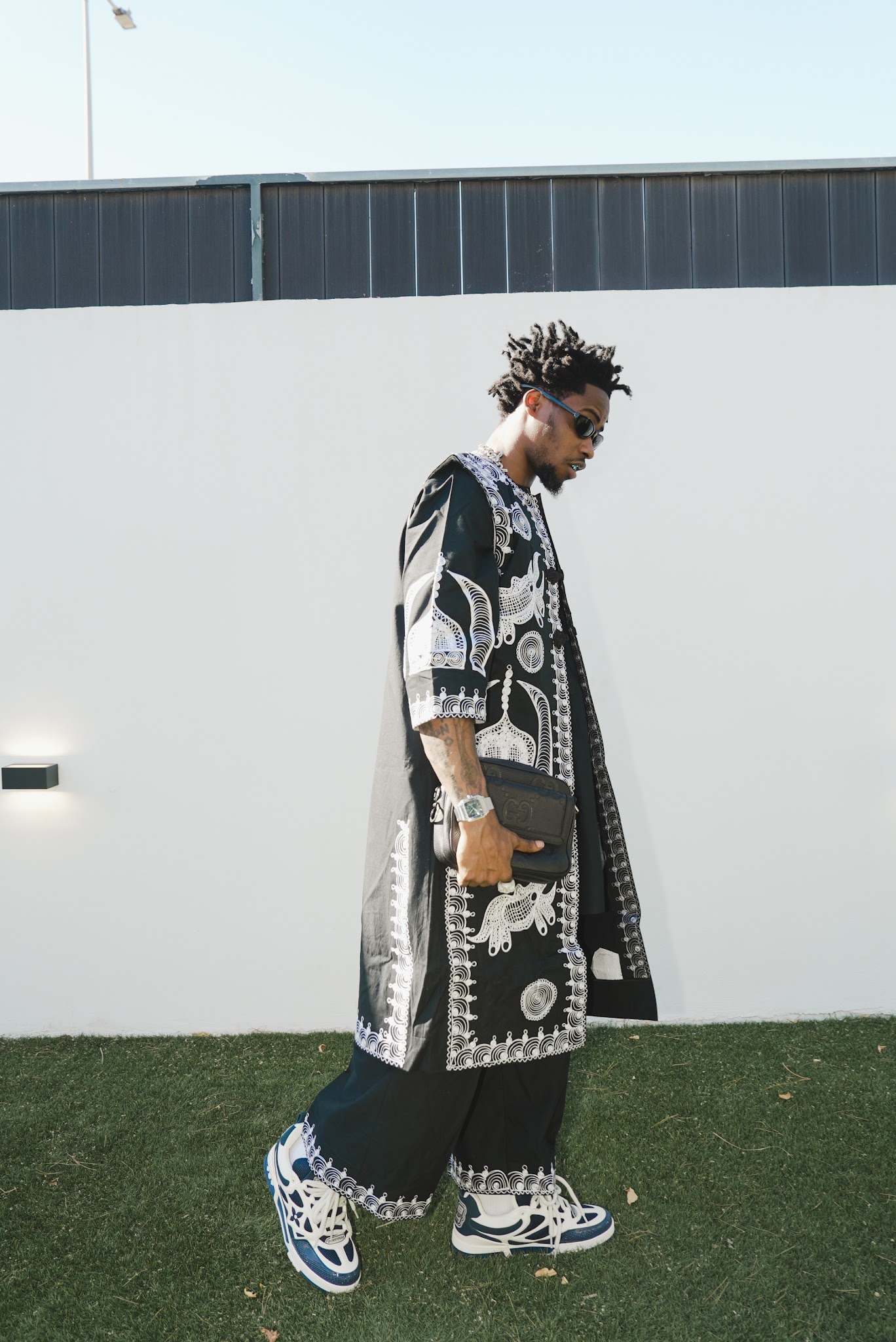
Jeriq’s unique fashion sense was not always intended to birth the globally recognised streetwear label known as Iyoo Cartel today. Instead, he wielded it, first, for survival.

“Swag has always been in my DNA,” he says, reflecting on his earliest experiments with fashion.

Growing up in Onitsha, he developed a fascination with the clothing worn by international music stars. The fashion imagery he encountered on MTV Base and YouTube frequently inspired him to experiment with his own wardrobe, recreating designs with whatever resources were available.

Sometimes, he would purchase an ordinary polo shirt, cut it into a different shape and take it to a tailor to have zips or beads attached. The resulting garments were often radically different from their original designs, offering him a relatively affordable way to cultivate the kind of flamboyant appearance he admired.

“I could buy a polo, cut it, take it to a tailor and tell them to add a zip or beads. By the time we were done, it would look like something completely different,” he recalls.

These early experiments eventually acquired a commercial dimension as his music began attracting attention.

By then, Jeriq was becoming too recognisable to continue some of the menial jobs that had previously financed his recording sessions. He needed another source of income, and fashion presented an opportunity to combine his personal interests with his growing popularity.

His earliest merchandise was relatively straightforward. He would purchase plain white polo shirts, print the Iyoo Cartel logo on them and wear them during performances. Audience members occasionally approached him afterwards, asking where they could purchase similar designs.

“So, if I had a show, I could buy a plain white polo, print the Iyoo Cartel logo on it and perform in it. People would see it and ask for one,” he explains.

“If two or three people wanted it, I would make more and sell them. That was how the fashion side of Iyoo Cartel really started.”

The brand’s identity was already deeply connected to his personal history. “Iyoo,” the name of his first recording, was also a familiar expression in the Onitsha street vernacular. For Jeriq, it was synonymous with hustling, a word that reflected the ambitions and everyday realities of the people around him.

As his music gained recognition, he began considering the possibility of establishing a collective or business identity around his career. Several names came to mind, but none seemed sufficiently connected to his roots.

“I wanted my own, but every name I thought about sounded foreign to me. Iyoo was different because it was already part of my everyday life. I wanted to push that culture to the world so it wouldn’t just die in Ochanja or on the streets.”

The addition of “Cartel” eventually completed the identity, creating a name that would accommodate both his clothing business and his broader musical enterprise.

Today, Iyoo Cartel represents another facet of Jeriq’s entrepreneurial instincts. Its development reflects the possibilities available to independent artists who understand the cultural value of their identities and the commercial strength of their communities.

Fashion has also become an important extension of his artistic personality. His penchant for streetwear, dramatic accessories and conspicuous styling complements the aspirational character of his music, allowing him to communicate aspects of his identity beyond the recording studio.

There is something particularly compelling about the brand’s origins. What began as an attempt to survive the financial uncertainties of an emerging music career has grown alongside the artist himself, preserving the same streetwise philosophy that has always informed his work.

Beyond the Music: From Jeremiah to Jeriq
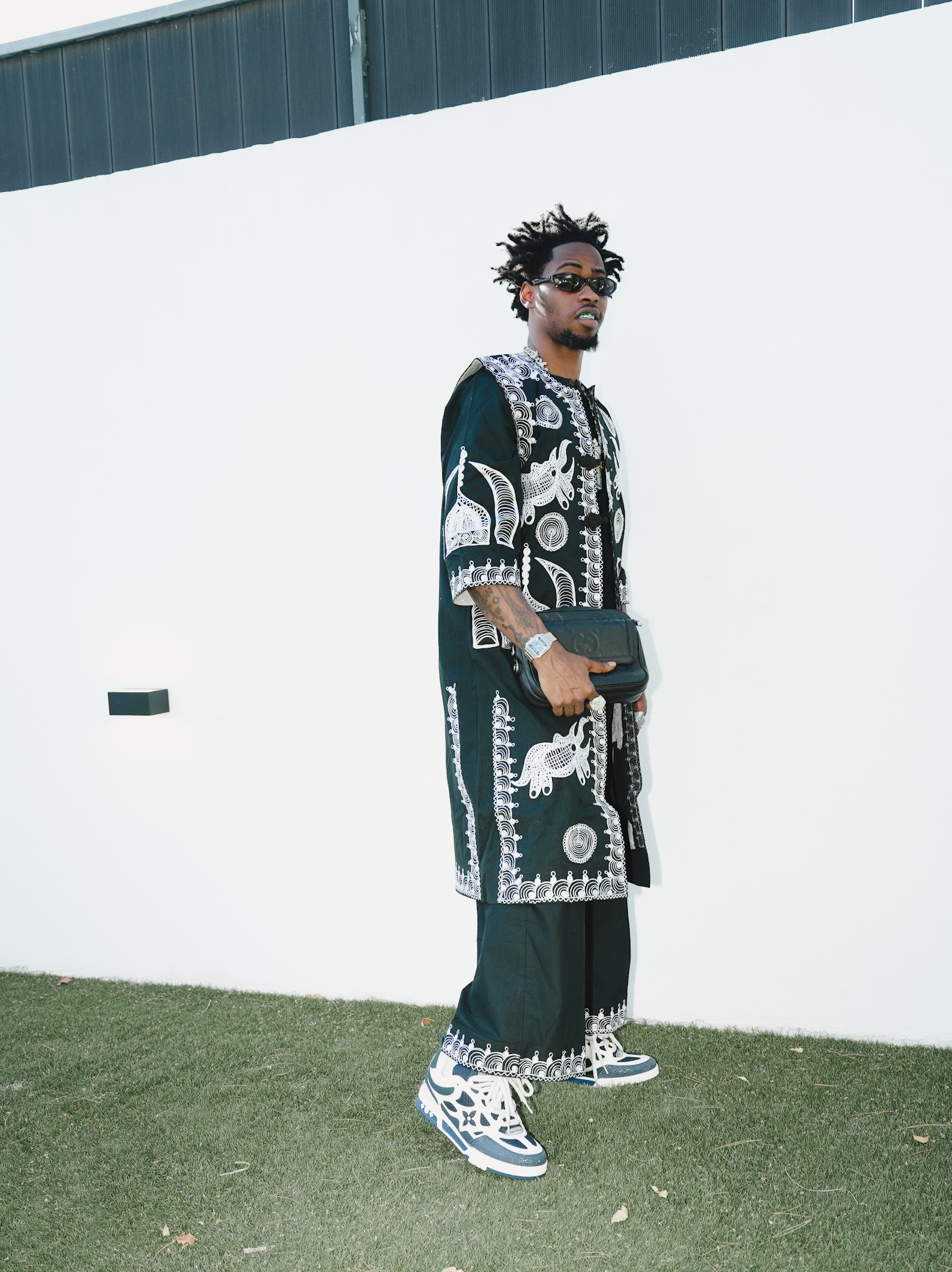
Away from the stage, the elaborate wardrobe and the boisterous declarations of wealth that dominate his music, Jeriq is surprisingly reserved.

“I’m more of an introvert, to be honest. I mostly go outside when I’m getting paid,” he says.

His recreational interests are relatively ordinary. He enjoys designing clothes, playing table tennis and spending time at the gym. There are also the occasional visits to his old neighbourhood, where the familiarity of childhood friendships and everyday activities offers some relief from the demands of celebrity.

Yet, perhaps the most interesting development in Jeriq’s personal life is how his understanding of success has evolved.

For someone whose music has consistently celebrated wealth and material achievement, the ability to afford the things he once dreamed about remains deeply satisfying. He remembers the frustrations of growing up without money, the difficult jobs he undertook to finance his music and the emotional weight of watching his ambitions remain out of reach.

Today, many of those aspirations have become realities.

“Coming from where I started, even though I could not afford those things, affording them now and getting all I once prayed for is happiness to me,” he says.

But financial comfort has also introduced a different set of priorities. He has become increasingly interested in the emotional rewards of providing for his family and helping people whose circumstances resemble those he once experienced.

“For me, currently, happiness is not only about making money or getting recognition,” he explains. “Real happiness for me now is peace of mind, seeing my family comfortable, putting smiles on the faces of the people I care for.”

There is a certain maturity to this admission. Jeriq has spent much of his career documenting the pursuit of financial freedom, often presenting wealth as the ultimate reward for perseverance. His recent reflections suggest that the experience of attaining some of those comforts has encouraged him to think more expansively about the responsibilities that accompany success.

“I’ve come to understand that success is not only just about how much money you make, but how many lives you can touch along the way,” he says.

He speaks fondly about the possibility of helping strangers, particularly people who may have no knowledge of his celebrity. For him, the ability to improve another person’s circumstances has become one of the most meaningful expressions of prosperity.

This philosophy is also beginning to shape his understanding of legacy.

‍

As his influence continues to expand across Eastern Nigeria, Jeriq is increasingly conscious of the opportunities his success could create for younger artists. He understands the significance of building a career in an industry where indigenous rappers have often had to negotiate linguistic prejudices, geographical limitations and the commercial dominance of mainstream Afropop.

“When it comes to legacy, the next ten years are very important for me,” he says.

“I don’t just want to be remembered as an artist or a rapper who had hit songs or who took over the Eastern music scene. I want to be remembered as someone who opened doors for the next generation.”

His ambitions now extend across music, fashion and other entrepreneurial interests. He wants to establish an enduring creative enterprise, one capable of influencing how Eastern Nigerian artists are perceived and the opportunities available to them.

“I want to build something bigger than myself, from the music to the business, to the lifestyle, to how they perceive Eastern artists.”

The global ambition remains particularly important. Having spent years cultivating a distinctly Igbo interpretation of contemporary hip-hop, Jeriq believes the music has the potential to reach audiences far beyond its immediate cultural environment.

“My dream is to take this music global. I want to take it to the world so people everywhere can hear the Igbo sound coming from this generation. That is my mission: take it global and motivate the streets.”

It is an ambition that has followed him through the different stages of his career, from the teenage boy recording his first song in Ochanja to the celebrated rapper filling stadiums across Eastern Nigeria.

And perhaps the significance of this journey becomes even clearer when considered against the enthusiasm of those young footballers in Nsukka. For Obinna and his friends, Jeriq’s success was already a remarkable accomplishment, something they could celebrate with the pride of people who recognised their own community in his achievements.

Their excitement spoke to a much larger cultural phenomenon. Across Eastern Nigeria, young people are increasingly finding contemporary examples of artistic success within their immediate surroundings, figures whose stories make their own ambitions feel a little less distant.

Jeriq understands this responsibility. His greatest aspiration is that his journey might eventually become a reference point for another young person navigating the same streets and uncertainties that once defined his life.

“If ten years from now, a young kid from the streets of Enugu can look at my journey and say, ‘Yes, he did it. I can do it,’ I feel like that’s real legacy for me. That’s something money cannot buy.”

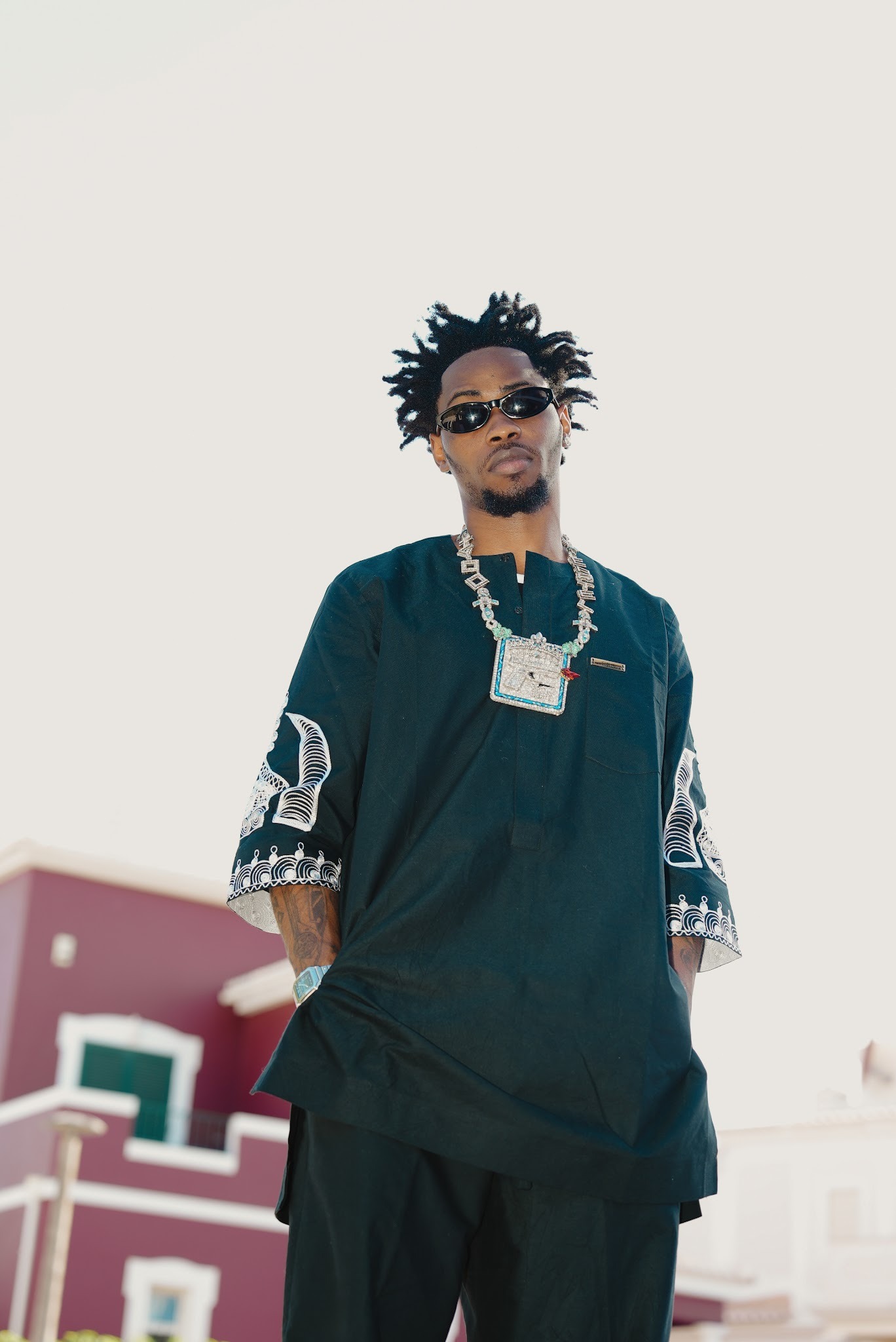
Picture Credit: Walter Banks 

Jeriq: Memoirs of A Hood Boy’s Dream

Authored by
This is some text inside of a div block.

THE air smelled of dust and roasted corn. Somewhere down the road, a group of teenage boys were playing soccer, with their jerseys soaked in sweat. A few toddlers hung around entranced by the presence of our drone camera 150 feet above our heads. Many more bystanders scurried through, with others rounding up their trades as the sun set in that ancient and bustling city of Nsukka.

There was something striking about Nsukka. Throughout the entire time this writer was in that city, around last year’s summer, it sprawled with zest. A lot of young people sported vibrant smiles, spoke with sheer hope, and sold themselves dreams that even money couldn’t buy.

Eventually, we edged closer to the boys playing football, angling our cameras to get the best shots for the Hip Hop Documentary we were in town to film. Their smiles were uniform, just like the overwashed Premier League club jerseys they wore. Each one echoed the same sentiment when we asked about one of Eastern Nigeria’s biggest musical exports, Jeriq. “Jeriq is our Kendrick or Jay-Z. We were all in the stadium in December to watch him. We shut down everywhere,” one of the lads named Obinna quipped.

Born Jerimiah Ani, Jeriq’s rising popularity in Nigeria’s South East region became increasingly important from 2024. He had spent the last six years building his brand identity as an indigenous rapper, earning a massive fanbase with cult-classics like Hood Boy Dreams and Ea$t N We$t. By the time his annual headline show, Jeriqhood, reached its fourth edition, the Enugu native had sold out the 15-000 capacity Michael Okpara square, 20-000 capacity Chuba Ikpeazu stadium and the 30-000 capacity Nnamdi Azikiwe stadium across Anambra and Enugu states — off the back of no major label backing, immense community support and his exciting Drill-laden indigenous rap fusions.

Since 2024, Jeriq has set his sails on expanding his footprint across Afrobeats’ corridors. Within that time, he’s scored iconic collaborations including a joint EP with Psycho YP, a duet with Vivendii Sound on The Shift (with Cruel Santino, Knucks), with NSG on Coi Leray, with Maglera Doe Boy on Rands on Rands, among others.

Altogether, the spotlight keeps beaming on his music as one of the torchbearers of Igbo rap’s renaissance and a poster boy for indigenous Hip Hop music in Nigeria.

Becoming Jeriq: Home, Hope and Hip Hop

Jeriq’s music is distinctly Jeriq. It’s gritty; his deep baritone keeps texturing his bars even on his softest deliveries. It’s raw; most of the stories are shaped by his years of scorching struggles on the streets; they are part-testimonials, part-aspirations; and every time he raps, it’s like staring through glass. 

His music is also very Igbo. It’s global-facing but stewed in heritage. From the soothing flute chimes from the Oja (a six-note scaled wooden flute in Igbo musicdom) to the scintillating highlife harmonies from the guitar, Jeriq’s Hip Hop has always hopped in the direction he came from: home. 

Across his decade-long catalogue, his music has thrived as a compendium of braggadocious flows, biting rhyme schemes, witty lines and hyper-ambitious musicality. For him, the dream is to take home abroad and bring the world home —  to sound distinctly Nigerian, but on a pedestal that’s too well positioned to ignore globally. 

Over the years, Jeriq’s sojourn has drifted with a powerful storytelling ability. His latest release, Hood Boy Dreams 2, extends this oratorical prowess as he packs the album tight with his experiences from his grassroot to take-off moments.

On finding and honing this sound, Jeriq told Deeds that his earliest relationship with music began with his immediate family. His father was particularly fond of highlife music, exposing him to the melodic traditions that would eventually find their way into his own music. 

Yet, as a young boy growing up around Onitsha, the sounds coming from American hip-hop were already commanding his attention. He was fascinated by the possibilities of rap, especially the lyrical bravado and unrestrained storytelling that characterised the music. “I just loved rap. My dad played a lot of highlife music when I was growing up, but I always saw myself rapping,” he recalls.

By secondary school, he had developed a habit of writing lyrics in his notebooks, alongside another peculiar interest: fiction writing. He even wrote novels. His classmates became some of his earliest audiences, listening to his impromptu performances and occasionally adopting his lyrics as slang. It was an exciting discovery for the young Jeremiah, who was beginning to understand the influence that words could have on people. 

“I’m more of a writer. I freestyle too, and I freestyle a lot, but writing is where I’m strongest,” he quipped.

In 2014, during a mid-term school break, he decided to record one of his compositions. Armed with a free instrumental downloaded from the internet, he boarded a bus to a recording studio he had frequently noticed while passing through the famous Ochanja Market in Onitsha. He paid the producer and recorded a song titled “Iyoo,” a  common expression associated with hustling and camaraderie among Igbo youths.

The record gained some popularity within his immediate surroundings, earning him the nickname that would later become central to his fashion and business identity.

As his musical interests developed, Jeriq became increasingly fascinated by the American trap movement. The hard-hitting percussion, gritty, dark melodic arrangements and aggressive lyrical styles associated with Atlanta and Chicago inspired him to imagine what a distinctly Igbo interpretation of the genre might sound like.

“When I started hearing trap music from America, I also felt we could do our own version here,” he explains. “They were doing it in Atlanta and Chicago, so why couldn’t we do it in Enugu, Anambra and other parts of the East, using Igbo?”

After sitting without any sensible answer that opposed the idea,  he decided to build his artistry over that cornerstone of heritage and identity. With time, Jeriq has continued to refine this fusion, creating a strain of music that accommodates the grit of modern trap/drill alongside the linguistic and melodic traditions of Eastern Nigeria.

His discography has also become increasingly autobiographical. On his breakout 2020 EP, Hood Boy Dreams, he documented the anxieties and ambitions of a young hustler trying to escape poverty. His debut album, Billion Dollar Dream, expanded those aspirations, while his 2024 sophomore album, King, arrived with a more confident expression of his growing influence.

For Jeriq, the progression between these projects has always been intentional. His music chronicles the different stages of his life, preserving the circumstances and ambitions that accompanied each period.

“The dream actually started from Hood Boy Dreams. We achieved some of the things we were dreaming about then, so we upgraded the dream to a billion dollars. “We haven’t achieved the billion yet, though. We are still on the way,” he chuckled.

And as his catalogue continues to grow, the emotional weight of these experiences remains particularly evident in songs like “True Life Story,” where he revisits the loss of his father, his brothers and several difficult episodes from his childhood.

The recording process was especially demanding. He wanted listeners to understand his life through the music, even if they had never met him.

“Writing all of those things brought back a lot of nostalgia. I had to put myself back into those moments so I could remember them properly. It messed with me mentally because I was remembering things I had already forgotten.”

Making Hay: Inside the hustle

Credit: Walter Banks

Sometimes, watching Jeriq’s journey could be compared to watching an interesting Nollywood grass-to-grace flick. It gets interesting, especially when considered against the economic realities he faced while growing up in Eastern Nigeria. His earliest ambitions were shaped by the kind of survival instincts that have become familiar to millions of young Nigerians. He understood the importance of making money long before he understood the business of making music.

During his teenage years, he took up several menial jobs to finance his recording sessions. Around the building-materials markets in Onitsha, he carried blocks for money. He also worked at U-Mountain Table Water, a sachet-water factory where he occasionally joined other workers to sell water after production.

The earnings were little, but every little contribution mattered. Whatever he could save eventually found its way into another studio session. “I was just doing different things, saving up whatever I could, and then I would go and record,” he said.

Still, the emotional burden of those years was sometimes more difficult to negotiate than the physical labour. He was already trying to cultivate the image of a musician, dressing stylishly and imagining a future where his talent would provide a better life. The reality of being seen carrying blocks or selling water occasionally embarrassed him.

“Imagine doing music and trying to look fresh for the music, then people would still see me doing those jobs,” Jeriq said. “It could be discouraging because I wanted my life to look a certain way.”

He considered abandoning the dream several times. The frustrations were considerable, particularly because his efforts were not immediately translating into any meaningful financial success. Eventually, he learnt to ignore the opinions of those around him. “I remembered there was something I wanted to achieve, so I stopped paying attention to what people were saying. I just kept looking at where I wanted to go.”

These experiences have since become ingredients for his music.  His songs often revisit the uncertainties of poverty, the humiliation of financial dependence and the intoxicating possibilities of wealth. Even his most extravagant declarations of success are often accompanied by memories of the circumstances that preceded them.

In Billion Dollar Dream, for instance, the aspiration to become extraordinarily wealthy carries a peculiar social significance. But Jeriq was interested in the possibility of inspiring young people who had never witnessed anyone from their immediate surroundings achieve the kind of success they admired from afar.

“Coming from where I came from, we didn’t really have somebody in our immediate streets to look at and say, ‘This person came from here and became a superstar,’” he said.

The album became his way of challenging that reality, encouraging listeners to imagine possibilities beyond the limitations of their environment.

Interestingly, even as his financial circumstances have changed, Jeriq continues to maintain a remarkably intimate relationship with his old neighbours.

He said, “As much as I’m no longer living in the streets, the streets are still living in me.”.

He noted that he still visits the hood, occasionally returning to the meals he enjoyed as a child or spending time with old friends playing popular Nigerian indoor games like Whot and Ludo. Sometimes, he simply wants to visit the city’s market again, to experience the ordinary pleasures that his celebrity now makes difficult. 

“I even still see myself telling my niggas, ‘Let’s go to the market.’ I might camouflage, I might hide my face, but I just want to buy things in the market, just to feel normal.”

It is a fascinating admission from an artist whose music has consistently celebrated the possibilities of escaping poverty. For Jeriq, the relationship with his past remains deeply personal. He has become wealthy enough to experience a different world, yet certain aspects of his upbringing remain too important to abandon.

“Fame did not change my relationship with my family or my old friends,” he says. “I feel like what fame changed is maybe the car keys, the clothes, the environment, and putting me in better positions. But my relationship with my family and friends is still intact.”

Ogbe: The Power of Community

Credit: Chinonso Ihekire

To understand Jeriq is to count the number of people who stood as building blocks as he rose to the limelight. Just too many to note. That is the same idea behind his “Ogbe (pronounced Og-beh)” mantra that dominates his songs. It’s his ode to community, a cry of celebration for the one thing that’s keeping millions of independent, young and talented people thriving: community.

Long before the industry began paying serious attention to his music, young people across the South East were already embracing his records as unofficial soundtracks to their everyday struggles.

The relationship was remarkably instinctive. Jeriq had little understanding of the promotional structures that typically accompany a professional music career. He was recording songs, uploading them himself and relying on the enthusiasm of his immediate community to spread the music.

“When I dropped my first EP, I didn’t even know there was something called the Apple Music chart. I uploaded the music myself.

“It was after I started getting into certain rooms that I even learnt there were things called PR and marketing,” he said.

For him, the explanation behind this early success is relatively simple. He believes his music arrived at a time when young people across the East were searching for an artist who could articulate their experiences with the urgency and familiarity they deserved.

“There was hip-hop and there were different genres happening in the East, but there wasn’t really a hustle-based artiste talking directly to the streets, motivating them and giving them hope,” he says.

“I think I filled that space. People started seeing themselves in me because I tell stories about their experiences.”

There is an interesting intimacy to this relationship. Jeriq recalls encounters with listeners who are sometimes startled by the accuracy of his storytelling, convinced that he must have somehow witnessed their personal experiences.

“Sometimes somebody will walk up to me and say, ‘Bro, anybody tell you say this thing happen to me?’ because something I rapped about is exactly what happened in their own life.”

That connection has become one of his strongest commercial advantages. It has sustained a devoted fanbase, transformed his annual Jeriqhood concerts into major cultural gatherings and helped position him among the most recognisable contemporary voices in Eastern Nigerian hip-hop.

The movement itself has continued to expand. Across the region, a new generation of indigenous rappers, including Aguero Banks, Rord Kelly, Evado and Hugo P, has been developing distinct interpretations of Igbo rap, drawing from the same cultural environment while experimenting with different production styles and lyrical approaches.

Jeriq is particularly enthusiastic about this development. He sees the growing confidence of Eastern rappers as evidence that the region is gradually becoming less dependent on external validation.

“When I look at younger rappers coming from the East today, I think we are getting it right by sticking to our roots and not waiting for any support from anybody,” he says.

“And also, not believing in gatekeepers. Even if there’s something like gatekeepers, we go jump fence.”

His own career offers an interesting illustration of that philosophy. Having cultivated a substantial audience through indigenous rap, he has gradually expanded his musical relationships beyond the region, collaborating with artists from different countries and sonic traditions.

He insists that these collaborations are often spontaneous, developing from personal relationships and shared studio experiences. His recording session with Zlatan, which produced “Oganigwe,” was one such encounter.

For Jeriq, the possibilities of collaboration are especially exciting because they allow him to introduce his musical identity to audiences who may be unfamiliar with Igbo rap.

“When I collaborate with somebody, I try to bring their world into mine too, so their listeners can also connect with what we make.”

It is this fluidity that continues to shape his global ambitions. He wants his music to travel widely, carrying the sounds and expressions of his community into spaces where they have historically enjoyed limited representation.

And as the Eastern rap movement continues to gather momentum, Jeriq remains conscious of the responsibility that comes with being one of its most visible figures.

 A Weapon Fashioned to Prosper

Jeriq’s unique fashion sense was not always intended to birth the globally recognised streetwear label known as Iyoo Cartel today. Instead, he wielded it, first, for survival.

“Swag has always been in my DNA,” he says, reflecting on his earliest experiments with fashion.

Growing up in Onitsha, he developed a fascination with the clothing worn by international music stars. The fashion imagery he encountered on MTV Base and YouTube frequently inspired him to experiment with his own wardrobe, recreating designs with whatever resources were available.

Sometimes, he would purchase an ordinary polo shirt, cut it into a different shape and take it to a tailor to have zips or beads attached. The resulting garments were often radically different from their original designs, offering him a relatively affordable way to cultivate the kind of flamboyant appearance he admired.

“I could buy a polo, cut it, take it to a tailor and tell them to add a zip or beads. By the time we were done, it would look like something completely different,” he recalls.

These early experiments eventually acquired a commercial dimension as his music began attracting attention.

By then, Jeriq was becoming too recognisable to continue some of the menial jobs that had previously financed his recording sessions. He needed another source of income, and fashion presented an opportunity to combine his personal interests with his growing popularity.

His earliest merchandise was relatively straightforward. He would purchase plain white polo shirts, print the Iyoo Cartel logo on them and wear them during performances. Audience members occasionally approached him afterwards, asking where they could purchase similar designs.

“So, if I had a show, I could buy a plain white polo, print the Iyoo Cartel logo on it and perform in it. People would see it and ask for one,” he explains.

“If two or three people wanted it, I would make more and sell them. That was how the fashion side of Iyoo Cartel really started.”

The brand’s identity was already deeply connected to his personal history. “Iyoo,” the name of his first recording, was also a familiar expression in the Onitsha street vernacular. For Jeriq, it was synonymous with hustling, a word that reflected the ambitions and everyday realities of the people around him.

As his music gained recognition, he began considering the possibility of establishing a collective or business identity around his career. Several names came to mind, but none seemed sufficiently connected to his roots.

“I wanted my own, but every name I thought about sounded foreign to me. Iyoo was different because it was already part of my everyday life. I wanted to push that culture to the world so it wouldn’t just die in Ochanja or on the streets.”

The addition of “Cartel” eventually completed the identity, creating a name that would accommodate both his clothing business and his broader musical enterprise.

Today, Iyoo Cartel represents another facet of Jeriq’s entrepreneurial instincts. Its development reflects the possibilities available to independent artists who understand the cultural value of their identities and the commercial strength of their communities.

Fashion has also become an important extension of his artistic personality. His penchant for streetwear, dramatic accessories and conspicuous styling complements the aspirational character of his music, allowing him to communicate aspects of his identity beyond the recording studio.

There is something particularly compelling about the brand’s origins. What began as an attempt to survive the financial uncertainties of an emerging music career has grown alongside the artist himself, preserving the same streetwise philosophy that has always informed his work.

Beyond the Music: From Jeremiah to Jeriq

Away from the stage, the elaborate wardrobe and the boisterous declarations of wealth that dominate his music, Jeriq is surprisingly reserved.

“I’m more of an introvert, to be honest. I mostly go outside when I’m getting paid,” he says.

His recreational interests are relatively ordinary. He enjoys designing clothes, playing table tennis and spending time at the gym. There are also the occasional visits to his old neighbourhood, where the familiarity of childhood friendships and everyday activities offers some relief from the demands of celebrity.

Yet, perhaps the most interesting development in Jeriq’s personal life is how his understanding of success has evolved.

For someone whose music has consistently celebrated wealth and material achievement, the ability to afford the things he once dreamed about remains deeply satisfying. He remembers the frustrations of growing up without money, the difficult jobs he undertook to finance his music and the emotional weight of watching his ambitions remain out of reach.

Today, many of those aspirations have become realities.

“Coming from where I started, even though I could not afford those things, affording them now and getting all I once prayed for is happiness to me,” he says.

But financial comfort has also introduced a different set of priorities. He has become increasingly interested in the emotional rewards of providing for his family and helping people whose circumstances resemble those he once experienced.

“For me, currently, happiness is not only about making money or getting recognition,” he explains. “Real happiness for me now is peace of mind, seeing my family comfortable, putting smiles on the faces of the people I care for.”

There is a certain maturity to this admission. Jeriq has spent much of his career documenting the pursuit of financial freedom, often presenting wealth as the ultimate reward for perseverance. His recent reflections suggest that the experience of attaining some of those comforts has encouraged him to think more expansively about the responsibilities that accompany success.

“I’ve come to understand that success is not only just about how much money you make, but how many lives you can touch along the way,” he says.

He speaks fondly about the possibility of helping strangers, particularly people who may have no knowledge of his celebrity. For him, the ability to improve another person’s circumstances has become one of the most meaningful expressions of prosperity.

This philosophy is also beginning to shape his understanding of legacy.

‍

As his influence continues to expand across Eastern Nigeria, Jeriq is increasingly conscious of the opportunities his success could create for younger artists. He understands the significance of building a career in an industry where indigenous rappers have often had to negotiate linguistic prejudices, geographical limitations and the commercial dominance of mainstream Afropop.

“When it comes to legacy, the next ten years are very important for me,” he says.

“I don’t just want to be remembered as an artist or a rapper who had hit songs or who took over the Eastern music scene. I want to be remembered as someone who opened doors for the next generation.”

His ambitions now extend across music, fashion and other entrepreneurial interests. He wants to establish an enduring creative enterprise, one capable of influencing how Eastern Nigerian artists are perceived and the opportunities available to them.

“I want to build something bigger than myself, from the music to the business, to the lifestyle, to how they perceive Eastern artists.”

The global ambition remains particularly important. Having spent years cultivating a distinctly Igbo interpretation of contemporary hip-hop, Jeriq believes the music has the potential to reach audiences far beyond its immediate cultural environment.

“My dream is to take this music global. I want to take it to the world so people everywhere can hear the Igbo sound coming from this generation. That is my mission: take it global and motivate the streets.”

It is an ambition that has followed him through the different stages of his career, from the teenage boy recording his first song in Ochanja to the celebrated rapper filling stadiums across Eastern Nigeria.

And perhaps the significance of this journey becomes even clearer when considered against the enthusiasm of those young footballers in Nsukka. For Obinna and his friends, Jeriq’s success was already a remarkable accomplishment, something they could celebrate with the pride of people who recognised their own community in his achievements.

Their excitement spoke to a much larger cultural phenomenon. Across Eastern Nigeria, young people are increasingly finding contemporary examples of artistic success within their immediate surroundings, figures whose stories make their own ambitions feel a little less distant.

Jeriq understands this responsibility. His greatest aspiration is that his journey might eventually become a reference point for another young person navigating the same streets and uncertainties that once defined his life.

“If ten years from now, a young kid from the streets of Enugu can look at my journey and say, ‘Yes, he did it. I can do it,’ I feel like that’s real legacy for me. That’s something money cannot buy.”

Picture Credit: Walter Banks 

This is some text inside of a div block.

Jeriq: Memoirs of A Hood Boy’s Dream

Authored by

THE air smelled of dust and roasted corn. Somewhere down the road, a group of teenage boys were playing soccer, with their jerseys soaked in sweat. A few toddlers hung around entranced by the presence of our drone camera 150 feet above our heads. Many more bystanders scurried through, with others rounding up their trades as the sun set in that ancient and bustling city of Nsukka.

There was something striking about Nsukka. Throughout the entire time this writer was in that city, around last year’s summer, it sprawled with zest. A lot of young people sported vibrant smiles, spoke with sheer hope, and sold themselves dreams that even money couldn’t buy.

Eventually, we edged closer to the boys playing football, angling our cameras to get the best shots for the Hip Hop Documentary we were in town to film. Their smiles were uniform, just like the overwashed Premier League club jerseys they wore. Each one echoed the same sentiment when we asked about one of Eastern Nigeria’s biggest musical exports, Jeriq. “Jeriq is our Kendrick or Jay-Z. We were all in the stadium in December to watch him. We shut down everywhere,” one of the lads named Obinna quipped.

Born Jerimiah Ani, Jeriq’s rising popularity in Nigeria’s South East region became increasingly important from 2024. He had spent the last six years building his brand identity as an indigenous rapper, earning a massive fanbase with cult-classics like Hood Boy Dreams and Ea$t N We$t. By the time his annual headline show, Jeriqhood, reached its fourth edition, the Enugu native had sold out the 15-000 capacity Michael Okpara square, 20-000 capacity Chuba Ikpeazu stadium and the 30-000 capacity Nnamdi Azikiwe stadium across Anambra and Enugu states — off the back of no major label backing, immense community support and his exciting Drill-laden indigenous rap fusions.

Since 2024, Jeriq has set his sails on expanding his footprint across Afrobeats’ corridors. Within that time, he’s scored iconic collaborations including a joint EP with Psycho YP, a duet with Vivendii Sound on The Shift (with Cruel Santino, Knucks), with NSG on Coi Leray, with Maglera Doe Boy on Rands on Rands, among others.

Altogether, the spotlight keeps beaming on his music as one of the torchbearers of Igbo rap’s renaissance and a poster boy for indigenous Hip Hop music in Nigeria.

Becoming Jeriq: Home, Hope and Hip Hop

Jeriq’s music is distinctly Jeriq. It’s gritty; his deep baritone keeps texturing his bars even on his softest deliveries. It’s raw; most of the stories are shaped by his years of scorching struggles on the streets; they are part-testimonials, part-aspirations; and every time he raps, it’s like staring through glass. 

His music is also very Igbo. It’s global-facing but stewed in heritage. From the soothing flute chimes from the Oja (a six-note scaled wooden flute in Igbo musicdom) to the scintillating highlife harmonies from the guitar, Jeriq’s Hip Hop has always hopped in the direction he came from: home. 

Across his decade-long catalogue, his music has thrived as a compendium of braggadocious flows, biting rhyme schemes, witty lines and hyper-ambitious musicality. For him, the dream is to take home abroad and bring the world home —  to sound distinctly Nigerian, but on a pedestal that’s too well positioned to ignore globally. 

Over the years, Jeriq’s sojourn has drifted with a powerful storytelling ability. His latest release, Hood Boy Dreams 2, extends this oratorical prowess as he packs the album tight with his experiences from his grassroot to take-off moments.

On finding and honing this sound, Jeriq told Deeds that his earliest relationship with music began with his immediate family. His father was particularly fond of highlife music, exposing him to the melodic traditions that would eventually find their way into his own music. 

Yet, as a young boy growing up around Onitsha, the sounds coming from American hip-hop were already commanding his attention. He was fascinated by the possibilities of rap, especially the lyrical bravado and unrestrained storytelling that characterised the music. “I just loved rap. My dad played a lot of highlife music when I was growing up, but I always saw myself rapping,” he recalls.

By secondary school, he had developed a habit of writing lyrics in his notebooks, alongside another peculiar interest: fiction writing. He even wrote novels. His classmates became some of his earliest audiences, listening to his impromptu performances and occasionally adopting his lyrics as slang. It was an exciting discovery for the young Jeremiah, who was beginning to understand the influence that words could have on people. 

“I’m more of a writer. I freestyle too, and I freestyle a lot, but writing is where I’m strongest,” he quipped.

In 2014, during a mid-term school break, he decided to record one of his compositions. Armed with a free instrumental downloaded from the internet, he boarded a bus to a recording studio he had frequently noticed while passing through the famous Ochanja Market in Onitsha. He paid the producer and recorded a song titled “Iyoo,” a  common expression associated with hustling and camaraderie among Igbo youths.

The record gained some popularity within his immediate surroundings, earning him the nickname that would later become central to his fashion and business identity.

As his musical interests developed, Jeriq became increasingly fascinated by the American trap movement. The hard-hitting percussion, gritty, dark melodic arrangements and aggressive lyrical styles associated with Atlanta and Chicago inspired him to imagine what a distinctly Igbo interpretation of the genre might sound like.

“When I started hearing trap music from America, I also felt we could do our own version here,” he explains. “They were doing it in Atlanta and Chicago, so why couldn’t we do it in Enugu, Anambra and other parts of the East, using Igbo?”

After sitting without any sensible answer that opposed the idea,  he decided to build his artistry over that cornerstone of heritage and identity. With time, Jeriq has continued to refine this fusion, creating a strain of music that accommodates the grit of modern trap/drill alongside the linguistic and melodic traditions of Eastern Nigeria.

His discography has also become increasingly autobiographical. On his breakout 2020 EP, Hood Boy Dreams, he documented the anxieties and ambitions of a young hustler trying to escape poverty. His debut album, Billion Dollar Dream, expanded those aspirations, while his 2024 sophomore album, King, arrived with a more confident expression of his growing influence.

For Jeriq, the progression between these projects has always been intentional. His music chronicles the different stages of his life, preserving the circumstances and ambitions that accompanied each period.

“The dream actually started from Hood Boy Dreams. We achieved some of the things we were dreaming about then, so we upgraded the dream to a billion dollars. “We haven’t achieved the billion yet, though. We are still on the way,” he chuckled.

And as his catalogue continues to grow, the emotional weight of these experiences remains particularly evident in songs like “True Life Story,” where he revisits the loss of his father, his brothers and several difficult episodes from his childhood.

The recording process was especially demanding. He wanted listeners to understand his life through the music, even if they had never met him.

“Writing all of those things brought back a lot of nostalgia. I had to put myself back into those moments so I could remember them properly. It messed with me mentally because I was remembering things I had already forgotten.”

Making Hay: Inside the hustle

Credit: Walter Banks

Sometimes, watching Jeriq’s journey could be compared to watching an interesting Nollywood grass-to-grace flick. It gets interesting, especially when considered against the economic realities he faced while growing up in Eastern Nigeria. His earliest ambitions were shaped by the kind of survival instincts that have become familiar to millions of young Nigerians. He understood the importance of making money long before he understood the business of making music.

During his teenage years, he took up several menial jobs to finance his recording sessions. Around the building-materials markets in Onitsha, he carried blocks for money. He also worked at U-Mountain Table Water, a sachet-water factory where he occasionally joined other workers to sell water after production.

The earnings were little, but every little contribution mattered. Whatever he could save eventually found its way into another studio session. “I was just doing different things, saving up whatever I could, and then I would go and record,” he said.

Still, the emotional burden of those years was sometimes more difficult to negotiate than the physical labour. He was already trying to cultivate the image of a musician, dressing stylishly and imagining a future where his talent would provide a better life. The reality of being seen carrying blocks or selling water occasionally embarrassed him.

“Imagine doing music and trying to look fresh for the music, then people would still see me doing those jobs,” Jeriq said. “It could be discouraging because I wanted my life to look a certain way.”

He considered abandoning the dream several times. The frustrations were considerable, particularly because his efforts were not immediately translating into any meaningful financial success. Eventually, he learnt to ignore the opinions of those around him. “I remembered there was something I wanted to achieve, so I stopped paying attention to what people were saying. I just kept looking at where I wanted to go.”

These experiences have since become ingredients for his music.  His songs often revisit the uncertainties of poverty, the humiliation of financial dependence and the intoxicating possibilities of wealth. Even his most extravagant declarations of success are often accompanied by memories of the circumstances that preceded them.

In Billion Dollar Dream, for instance, the aspiration to become extraordinarily wealthy carries a peculiar social significance. But Jeriq was interested in the possibility of inspiring young people who had never witnessed anyone from their immediate surroundings achieve the kind of success they admired from afar.

“Coming from where I came from, we didn’t really have somebody in our immediate streets to look at and say, ‘This person came from here and became a superstar,’” he said.

The album became his way of challenging that reality, encouraging listeners to imagine possibilities beyond the limitations of their environment.

Interestingly, even as his financial circumstances have changed, Jeriq continues to maintain a remarkably intimate relationship with his old neighbours.

He said, “As much as I’m no longer living in the streets, the streets are still living in me.”.

He noted that he still visits the hood, occasionally returning to the meals he enjoyed as a child or spending time with old friends playing popular Nigerian indoor games like Whot and Ludo. Sometimes, he simply wants to visit the city’s market again, to experience the ordinary pleasures that his celebrity now makes difficult. 

“I even still see myself telling my niggas, ‘Let’s go to the market.’ I might camouflage, I might hide my face, but I just want to buy things in the market, just to feel normal.”

It is a fascinating admission from an artist whose music has consistently celebrated the possibilities of escaping poverty. For Jeriq, the relationship with his past remains deeply personal. He has become wealthy enough to experience a different world, yet certain aspects of his upbringing remain too important to abandon.

“Fame did not change my relationship with my family or my old friends,” he says. “I feel like what fame changed is maybe the car keys, the clothes, the environment, and putting me in better positions. But my relationship with my family and friends is still intact.”

Ogbe: The Power of Community

Credit: Chinonso Ihekire

To understand Jeriq is to count the number of people who stood as building blocks as he rose to the limelight. Just too many to note. That is the same idea behind his “Ogbe (pronounced Og-beh)” mantra that dominates his songs. It’s his ode to community, a cry of celebration for the one thing that’s keeping millions of independent, young and talented people thriving: community.

Long before the industry began paying serious attention to his music, young people across the South East were already embracing his records as unofficial soundtracks to their everyday struggles.

The relationship was remarkably instinctive. Jeriq had little understanding of the promotional structures that typically accompany a professional music career. He was recording songs, uploading them himself and relying on the enthusiasm of his immediate community to spread the music.

“When I dropped my first EP, I didn’t even know there was something called the Apple Music chart. I uploaded the music myself.

“It was after I started getting into certain rooms that I even learnt there were things called PR and marketing,” he said.

For him, the explanation behind this early success is relatively simple. He believes his music arrived at a time when young people across the East were searching for an artist who could articulate their experiences with the urgency and familiarity they deserved.

“There was hip-hop and there were different genres happening in the East, but there wasn’t really a hustle-based artiste talking directly to the streets, motivating them and giving them hope,” he says.

“I think I filled that space. People started seeing themselves in me because I tell stories about their experiences.”

There is an interesting intimacy to this relationship. Jeriq recalls encounters with listeners who are sometimes startled by the accuracy of his storytelling, convinced that he must have somehow witnessed their personal experiences.

“Sometimes somebody will walk up to me and say, ‘Bro, anybody tell you say this thing happen to me?’ because something I rapped about is exactly what happened in their own life.”

That connection has become one of his strongest commercial advantages. It has sustained a devoted fanbase, transformed his annual Jeriqhood concerts into major cultural gatherings and helped position him among the most recognisable contemporary voices in Eastern Nigerian hip-hop.

The movement itself has continued to expand. Across the region, a new generation of indigenous rappers, including Aguero Banks, Rord Kelly, Evado and Hugo P, has been developing distinct interpretations of Igbo rap, drawing from the same cultural environment while experimenting with different production styles and lyrical approaches.

Jeriq is particularly enthusiastic about this development. He sees the growing confidence of Eastern rappers as evidence that the region is gradually becoming less dependent on external validation.

“When I look at younger rappers coming from the East today, I think we are getting it right by sticking to our roots and not waiting for any support from anybody,” he says.

“And also, not believing in gatekeepers. Even if there’s something like gatekeepers, we go jump fence.”

His own career offers an interesting illustration of that philosophy. Having cultivated a substantial audience through indigenous rap, he has gradually expanded his musical relationships beyond the region, collaborating with artists from different countries and sonic traditions.

He insists that these collaborations are often spontaneous, developing from personal relationships and shared studio experiences. His recording session with Zlatan, which produced “Oganigwe,” was one such encounter.

For Jeriq, the possibilities of collaboration are especially exciting because they allow him to introduce his musical identity to audiences who may be unfamiliar with Igbo rap.

“When I collaborate with somebody, I try to bring their world into mine too, so their listeners can also connect with what we make.”

It is this fluidity that continues to shape his global ambitions. He wants his music to travel widely, carrying the sounds and expressions of his community into spaces where they have historically enjoyed limited representation.

And as the Eastern rap movement continues to gather momentum, Jeriq remains conscious of the responsibility that comes with being one of its most visible figures.

 A Weapon Fashioned to Prosper

Jeriq’s unique fashion sense was not always intended to birth the globally recognised streetwear label known as Iyoo Cartel today. Instead, he wielded it, first, for survival.

“Swag has always been in my DNA,” he says, reflecting on his earliest experiments with fashion.

Growing up in Onitsha, he developed a fascination with the clothing worn by international music stars. The fashion imagery he encountered on MTV Base and YouTube frequently inspired him to experiment with his own wardrobe, recreating designs with whatever resources were available.

Sometimes, he would purchase an ordinary polo shirt, cut it into a different shape and take it to a tailor to have zips or beads attached. The resulting garments were often radically different from their original designs, offering him a relatively affordable way to cultivate the kind of flamboyant appearance he admired.

“I could buy a polo, cut it, take it to a tailor and tell them to add a zip or beads. By the time we were done, it would look like something completely different,” he recalls.

These early experiments eventually acquired a commercial dimension as his music began attracting attention.

By then, Jeriq was becoming too recognisable to continue some of the menial jobs that had previously financed his recording sessions. He needed another source of income, and fashion presented an opportunity to combine his personal interests with his growing popularity.

His earliest merchandise was relatively straightforward. He would purchase plain white polo shirts, print the Iyoo Cartel logo on them and wear them during performances. Audience members occasionally approached him afterwards, asking where they could purchase similar designs.

“So, if I had a show, I could buy a plain white polo, print the Iyoo Cartel logo on it and perform in it. People would see it and ask for one,” he explains.

“If two or three people wanted it, I would make more and sell them. That was how the fashion side of Iyoo Cartel really started.”

The brand’s identity was already deeply connected to his personal history. “Iyoo,” the name of his first recording, was also a familiar expression in the Onitsha street vernacular. For Jeriq, it was synonymous with hustling, a word that reflected the ambitions and everyday realities of the people around him.

As his music gained recognition, he began considering the possibility of establishing a collective or business identity around his career. Several names came to mind, but none seemed sufficiently connected to his roots.

“I wanted my own, but every name I thought about sounded foreign to me. Iyoo was different because it was already part of my everyday life. I wanted to push that culture to the world so it wouldn’t just die in Ochanja or on the streets.”

The addition of “Cartel” eventually completed the identity, creating a name that would accommodate both his clothing business and his broader musical enterprise.

Today, Iyoo Cartel represents another facet of Jeriq’s entrepreneurial instincts. Its development reflects the possibilities available to independent artists who understand the cultural value of their identities and the commercial strength of their communities.

Fashion has also become an important extension of his artistic personality. His penchant for streetwear, dramatic accessories and conspicuous styling complements the aspirational character of his music, allowing him to communicate aspects of his identity beyond the recording studio.

There is something particularly compelling about the brand’s origins. What began as an attempt to survive the financial uncertainties of an emerging music career has grown alongside the artist himself, preserving the same streetwise philosophy that has always informed his work.

Beyond the Music: From Jeremiah to Jeriq

Away from the stage, the elaborate wardrobe and the boisterous declarations of wealth that dominate his music, Jeriq is surprisingly reserved.

“I’m more of an introvert, to be honest. I mostly go outside when I’m getting paid,” he says.

His recreational interests are relatively ordinary. He enjoys designing clothes, playing table tennis and spending time at the gym. There are also the occasional visits to his old neighbourhood, where the familiarity of childhood friendships and everyday activities offers some relief from the demands of celebrity.

Yet, perhaps the most interesting development in Jeriq’s personal life is how his understanding of success has evolved.

For someone whose music has consistently celebrated wealth and material achievement, the ability to afford the things he once dreamed about remains deeply satisfying. He remembers the frustrations of growing up without money, the difficult jobs he undertook to finance his music and the emotional weight of watching his ambitions remain out of reach.

Today, many of those aspirations have become realities.

“Coming from where I started, even though I could not afford those things, affording them now and getting all I once prayed for is happiness to me,” he says.

But financial comfort has also introduced a different set of priorities. He has become increasingly interested in the emotional rewards of providing for his family and helping people whose circumstances resemble those he once experienced.

“For me, currently, happiness is not only about making money or getting recognition,” he explains. “Real happiness for me now is peace of mind, seeing my family comfortable, putting smiles on the faces of the people I care for.”

There is a certain maturity to this admission. Jeriq has spent much of his career documenting the pursuit of financial freedom, often presenting wealth as the ultimate reward for perseverance. His recent reflections suggest that the experience of attaining some of those comforts has encouraged him to think more expansively about the responsibilities that accompany success.

“I’ve come to understand that success is not only just about how much money you make, but how many lives you can touch along the way,” he says.

He speaks fondly about the possibility of helping strangers, particularly people who may have no knowledge of his celebrity. For him, the ability to improve another person’s circumstances has become one of the most meaningful expressions of prosperity.

This philosophy is also beginning to shape his understanding of legacy.

‍

As his influence continues to expand across Eastern Nigeria, Jeriq is increasingly conscious of the opportunities his success could create for younger artists. He understands the significance of building a career in an industry where indigenous rappers have often had to negotiate linguistic prejudices, geographical limitations and the commercial dominance of mainstream Afropop.

“When it comes to legacy, the next ten years are very important for me,” he says.

“I don’t just want to be remembered as an artist or a rapper who had hit songs or who took over the Eastern music scene. I want to be remembered as someone who opened doors for the next generation.”

His ambitions now extend across music, fashion and other entrepreneurial interests. He wants to establish an enduring creative enterprise, one capable of influencing how Eastern Nigerian artists are perceived and the opportunities available to them.

“I want to build something bigger than myself, from the music to the business, to the lifestyle, to how they perceive Eastern artists.”

The global ambition remains particularly important. Having spent years cultivating a distinctly Igbo interpretation of contemporary hip-hop, Jeriq believes the music has the potential to reach audiences far beyond its immediate cultural environment.

“My dream is to take this music global. I want to take it to the world so people everywhere can hear the Igbo sound coming from this generation. That is my mission: take it global and motivate the streets.”

It is an ambition that has followed him through the different stages of his career, from the teenage boy recording his first song in Ochanja to the celebrated rapper filling stadiums across Eastern Nigeria.

And perhaps the significance of this journey becomes even clearer when considered against the enthusiasm of those young footballers in Nsukka. For Obinna and his friends, Jeriq’s success was already a remarkable accomplishment, something they could celebrate with the pride of people who recognised their own community in his achievements.

Their excitement spoke to a much larger cultural phenomenon. Across Eastern Nigeria, young people are increasingly finding contemporary examples of artistic success within their immediate surroundings, figures whose stories make their own ambitions feel a little less distant.

Jeriq understands this responsibility. His greatest aspiration is that his journey might eventually become a reference point for another young person navigating the same streets and uncertainties that once defined his life.

“If ten years from now, a young kid from the streets of Enugu can look at my journey and say, ‘Yes, he did it. I can do it,’ I feel like that’s real legacy for me. That’s something money cannot buy.”

Picture Credit: Walter Banks 

Other Stories
London
London
Lagos
London
Newyork
London
Shop
Join the community.
You are now subscribed to receive updates.
Oops! Something went wrong while submitting the form.
Subscribe