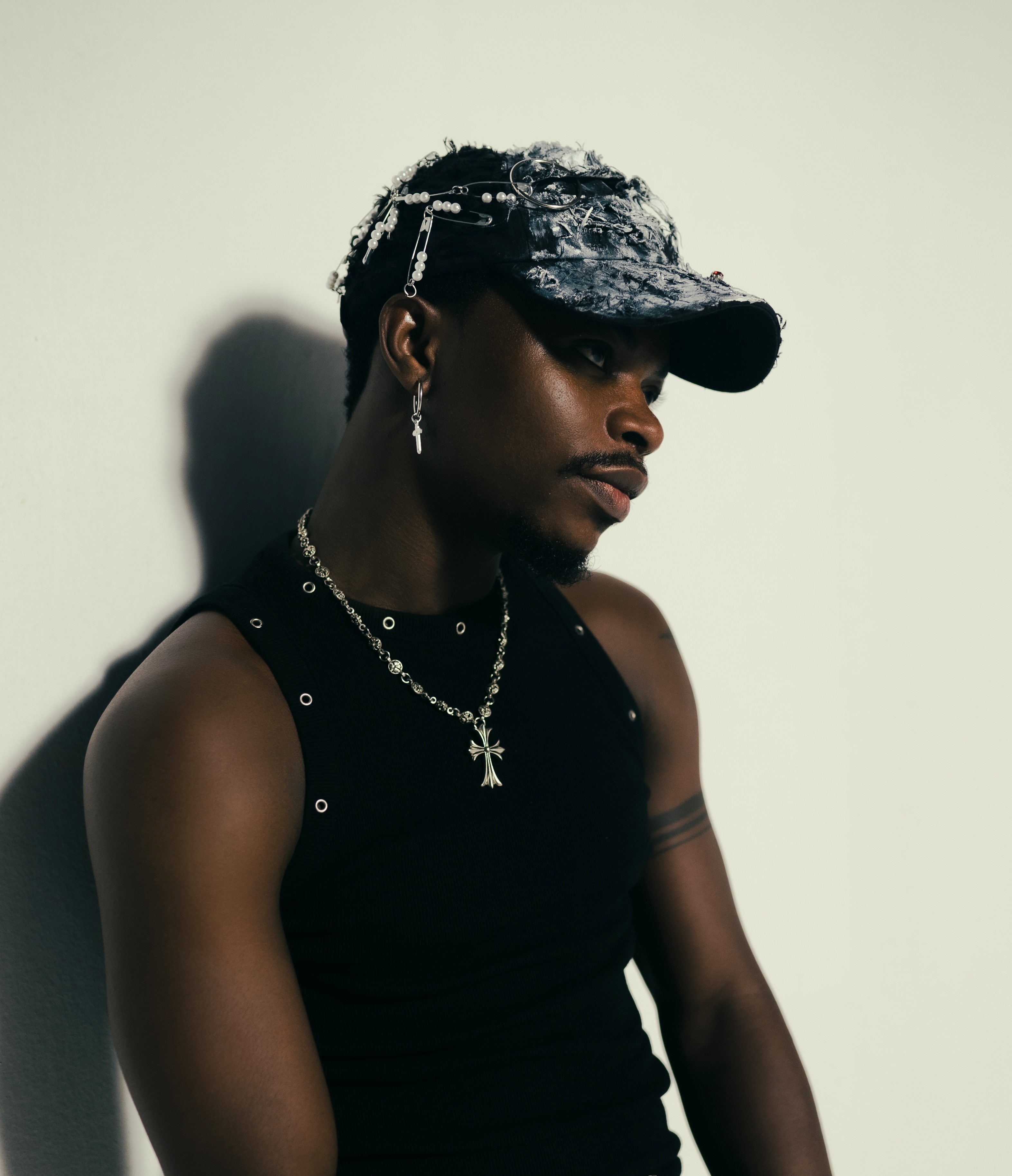
Rebirth at Dawn: Starsamm on Heartbreak, Healing and Learning to Begin Again

Authored by

For years, Starsamm has been building in plain sight. Long before the Nigerian singer-songwriter emerged as one of Afropop's most promising new voices, he was quietly refining his craft behind the scenes–writing songs, developing his sound, and earning the respect of industry insiders who recognized his potential early.

Born Samuel Iseoluwa Awelewa in Osun State, Nigeria, the budding artist’s journey eventually led to a songwriting credit on a Grammy-nominated record, ‘Tomorrow’ by Yemi Alade. This milestone reaffirmed his belief that the years of sacrifice were beginning to pay off. It also helped pave the way for his signing to KeyQaad, the influential Nigerian label known for nurturing distinctive voices such as Omah Lay and Kaestyle.

Since then, Starsamm has steadily carved out a lane of his own. His 2025 debut EP, ‘Love Is War,’ introduced listeners to a young artist documenting romance, longing, and self-discovery in real time. But on ‘Dawn’, his latest project, the perspective shifts. Written during a period marked by personal change, mounting expectations, heartbreak, and sobriety, the EP captures an artist learning how to navigate a new phase of life while remaining emotionally transparent.

In conversation with Deeds, Starsamm reflects on growing up in Osun State, moving to Lagos in pursuit of music, finding his voice through vulnerability, and why ‘Dawn’ represents far more than a new release–it marks the beginning of a new chapter.

Stanley for Deeds Magazine: Right now, in this exact season of your life, who is Samuel when the music is off, and nobody’s watching?

I've always been a family man. A lot of what fuels my hustle is wanting to take care of the people around me. When I'm not making music or out on the road, I'm usually at home trying to build real connections with the people I love. Life on the road ends on the road. Eventually, you have to come back home and connect with your people. I never want my family to feel like Sam only shows up when things aren't going well. I want to be present all the time. That's important to me.

Before there was Starsamm, there was Samuel. What kind of kid were you growing up?

I grew up in Osun State before moving to Lagos when I was around 14 or 15. I've always been a quiet person. Looking back, I spent a lot of time observing people and paying attention to my surroundings. Now that I'm older, I realise some of that was probably ADHD. I was constantly taking mental notes about what was happening around me. Whenever I wanted to express myself, I tended to do it intensely, and sometimes that made me retreat into my shell. So I became the kid who watched everything.

What first made music feel personal to you?

Church was where music became personal. I joined a dance-drama group where people would act on stage while others sang alongside the performance. Watching storytelling and music come together fascinated me. I wanted to be part of it. What's funny is that I wasn't actively listening to a lot of mainstream artists at the time. Most of my friends sounded like the artists they loved. They sounded like Wizkid, Kizz Daniel or Patoranking. I didn't really know those artists well enough to imitate them, so whatever I wrote came directly from me. Looking back, I think that's one of the reasons my music developed its own identity early.

When did music stop being something you loved and start becoming something you needed to pursue?

It happened naturally. I didn't wake up one day and decide I was going to be an artist. I just realised that whenever there were rhythms, melodies, or opportunities to create, I wanted to be involved. When I recorded my first song, I actually hid it from my dad for years because I didn't want to get in trouble. Later, I moved from Osun to Lagos to pursue the dream more seriously. For a teenager, that was a huge decision.

At first, my family worried about stability. They encouraged me to find a job alongside
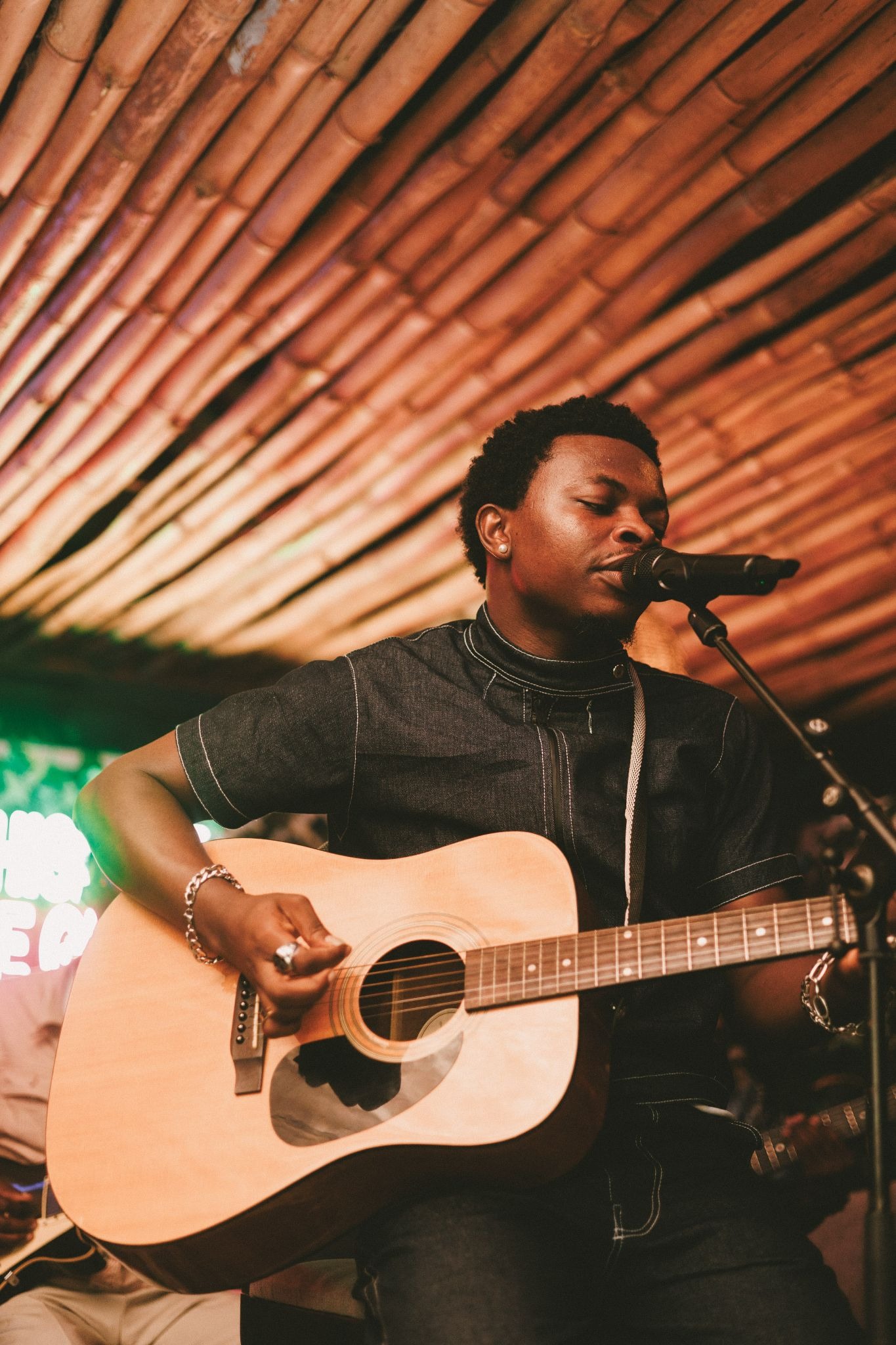
Image Courtesy of Starsamm

You spent years building before wider recognition came. What did those years teach you?

It felt like I was writing a story. Leaving my state, moving to Lagos, attending music school, hustling and trying to survive–it all felt like chapters in something bigger. There were moments when I was exhausted. I wasn't going to quit, but I was definitely getting tired. Working with Yemi Alade changed everything for me. When a song I contributed to received Grammy recognition, it shifted something in my mind. I remember thinking: if something I actively worked on can reach that level, then this is only the tip of the iceberg. It reminded me that I was doing something right and that I needed to keep going.

Was there ever a moment when you questioned whether all of this would work out?

Of course. Unless you're completely delusional, everybody has those moments. There are nights when you're staring at the ceiling at 3 a.m., wondering whether you're on the right path. I've had those moments too. But eventually I stopped thinking only about results. Music became my way of life. I started viewing my career as a story that was still being written. Years from now, I won't just look back at songs. I'll look back at memories, sacrifices, lessons, and experiences. That perspective helps me push through uncertainty. Even today, I sometimes look back and think, "I can't believe I've made it this far."

A lot of people describe your music as incredibly vulnerable and emotionally honest. Was that always natural for you, or has music helped you become more open?

Not really. Earlier in my career, I spent a lot of time writing from other people's perspectives. I would take their stories and personalise them. But eventually I started losing myself in that process. The only way out was to become more honest about my own reality. I realised creativity is strongest when it comes from your own point of view. Once I stopped hiding behind other people's stories and started writing about what I was actually experiencing, everything changed.

Why is vulnerability so important to your music?

I think honesty is how you build community. A lot of people want escapism, especially in a place like Nigeria, where life can be difficult. But if you want longevity, you have to give people something deeper than entertainment. When I started meeting fans, I noticed they would open up to me emotionally. Strangers would tell me things they were going through because they felt safe. I think that's because I've opened up in my music first. When people feel like you're being honest, they trust you. That's how real communities are built.

Which artists, whether Nigerian or global, have helped shape the way you think about songwriting and storytelling?

Ed Sheeran was a huge influence on me. He's one of the greatest songwriters I've ever listened to. Beyond the melodies, he tells stories that make people feel something. The Lumineers also had a big impact on me because of their songwriting. Then there was Omah Lay. Listening to him changed something for me creatively. He showed me that storytelling could be deeply Nigerian and still connect universally. Before that, I felt like my songwriting leaned very Western. Omah Lay helped me realise I could embrace my identity, my experiences, and my culture without sacrificing quality. That was a major turning point.

What made KeyQaad feel like the right home for you?

The funny thing is that it happened very naturally. My manager was at the KeyQaad office and played some of my music. One of the CEOs heard it from another room and asked who the artist was. They played more songs, and apparently, both CEOs immediately felt they needed to sign me. What attracted me to KeyQaad was how much they allow artists to remain themselves. There wasn't pressure to become someone else or chase a particular trend. They believed in who I already was, and that meant a lot to me. 
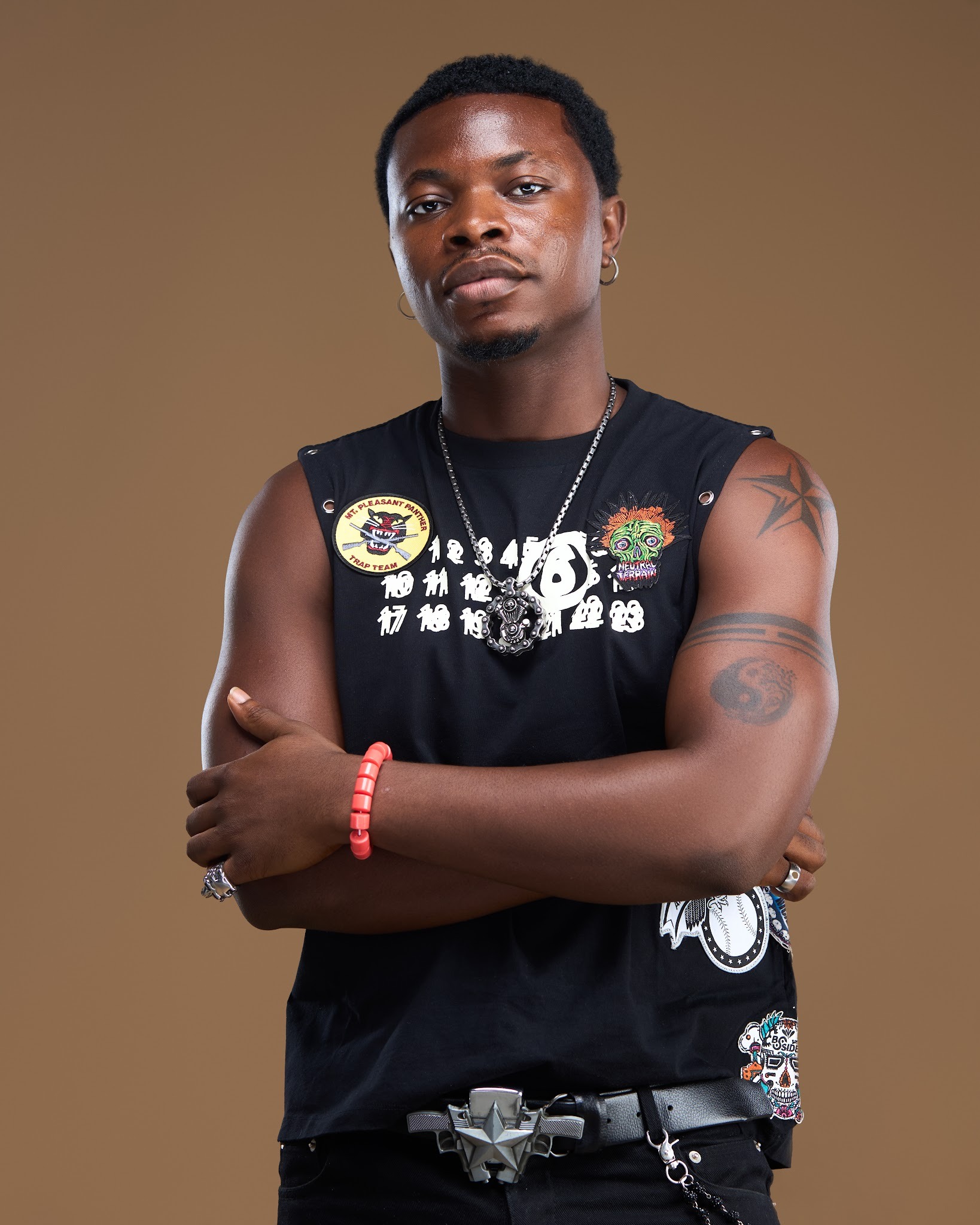
Image Courtesy of Starsamm

Your debut EP, Love Is War, and your latest project, Dawn, feel like two very different chapters. How do you view them now?

Love Is War’ came from a very different place in my life. At the time, I wasn't trying to make a project. I was simply documenting my experiences. I was in love, I was making music, and I was enjoying life. The songs reflected that. They were about relationships, emotions, arguments, happiness, and everything that came with it. After the project came out, life changed. Suddenly, there were expectations. There was pressure from the label, pressure from management, and pressure from myself. The same relationship that had inspired so much of the music became harder to sustain because my life was changing so quickly.

That's where ‘Dawn’ begins. It’s me deciding that I want to restart my life. I had achieved things I once thought were impossible, but I realised success also brings new challenges. I needed to learn how to live this new life and how to manage everything that came with it. Unlike ‘Love Is War,’ which happened naturally, ‘Dawn’ was a very conscious project. These songs came from late-night thoughts, difficult conversations, anxiety, heartbreak, and self-reflection.

I used to smoke heavily, and while working on the EP, I decided to get sober. That decision forced me to sit with my thoughts instead of escaping them. There were emotions I couldn't run from anymore. There were memories I had to confront. Songs like ‘Sober’ came directly from those moments. ‘Dawn’ became a record about clarity, acceptance, and learning how to move forward. For me, it's more than just another project. It's the beginning of a new version of myself.

What do you hope people take away from Dawn?

I want people to listen to my music from a first-person perspective. I want them to imagine that they're the ones speaking the words and feeling the emotions. If they do that, they'll understand what I was going through when I made these songs. More than anything, I want people to feel safe, to feel understood, and like they're listening to someone who understands what they're going through because he's lived through similar things himself. And moving forward, I want to keep exploring that through Afri-pop. I want to continue blending strong songwriting with African rhythms and sounds while telling stories that feel honest and personal. That's always been the goal!
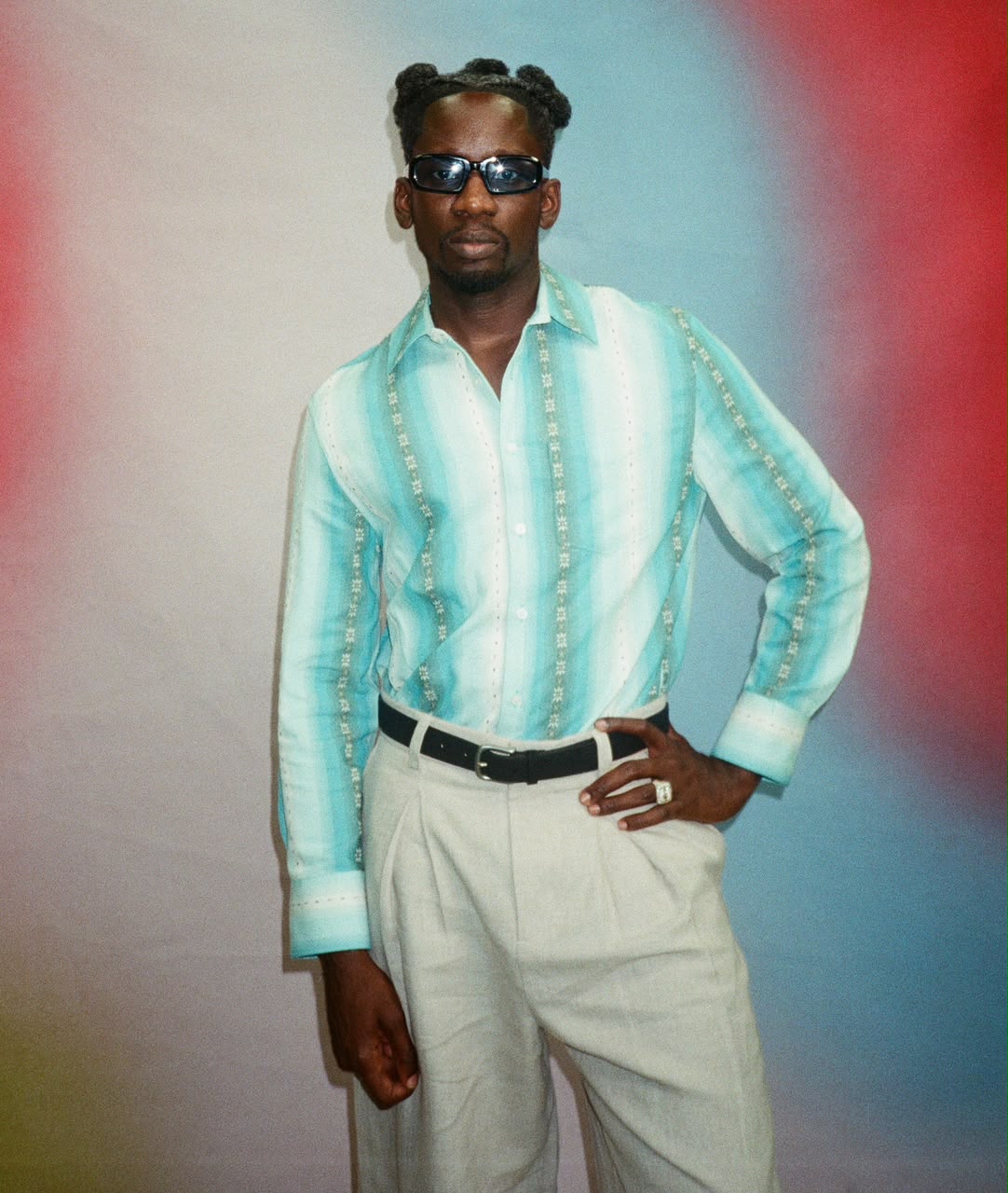
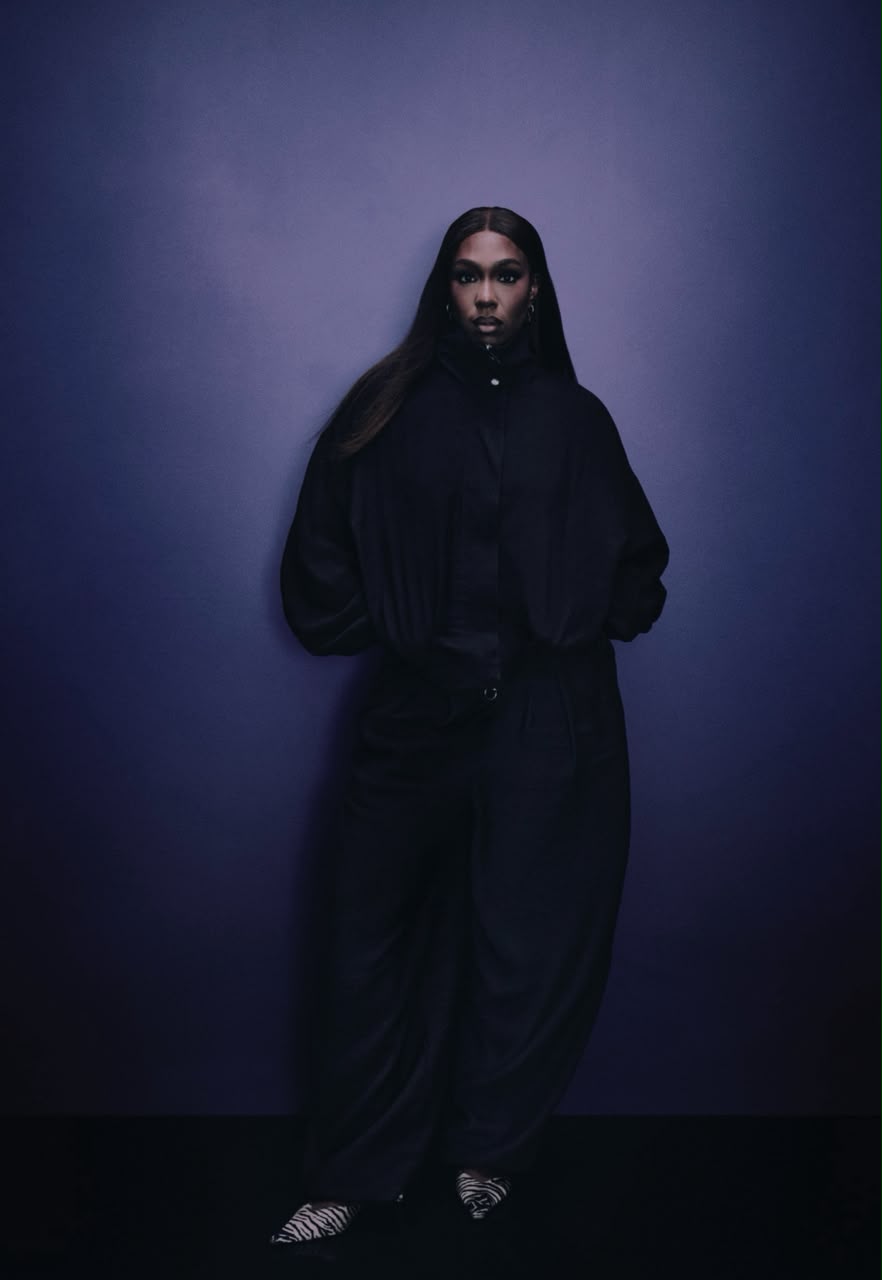
IG:@_stanleykilonzo 

Rebirth at Dawn: Starsamm on Heartbreak, Healing and Learning to Begin Again

Authored by
This is some text inside of a div block.

For years, Starsamm has been building in plain sight. Long before the Nigerian singer-songwriter emerged as one of Afropop's most promising new voices, he was quietly refining his craft behind the scenes–writing songs, developing his sound, and earning the respect of industry insiders who recognized his potential early.

Born Samuel Iseoluwa Awelewa in Osun State, Nigeria, the budding artist’s journey eventually led to a songwriting credit on a Grammy-nominated record, ‘Tomorrow’ by Yemi Alade. This milestone reaffirmed his belief that the years of sacrifice were beginning to pay off. It also helped pave the way for his signing to KeyQaad, the influential Nigerian label known for nurturing distinctive voices such as Omah Lay and Kaestyle.

Since then, Starsamm has steadily carved out a lane of his own. His 2025 debut EP, ‘Love Is War,’ introduced listeners to a young artist documenting romance, longing, and self-discovery in real time. But on ‘Dawn’, his latest project, the perspective shifts. Written during a period marked by personal change, mounting expectations, heartbreak, and sobriety, the EP captures an artist learning how to navigate a new phase of life while remaining emotionally transparent.

In conversation with Deeds, Starsamm reflects on growing up in Osun State, moving to Lagos in pursuit of music, finding his voice through vulnerability, and why ‘Dawn’ represents far more than a new release–it marks the beginning of a new chapter.

Stanley for Deeds Magazine: Right now, in this exact season of your life, who is Samuel when the music is off, and nobody’s watching?

I've always been a family man. A lot of what fuels my hustle is wanting to take care of the people around me. When I'm not making music or out on the road, I'm usually at home trying to build real connections with the people I love. Life on the road ends on the road. Eventually, you have to come back home and connect with your people. I never want my family to feel like Sam only shows up when things aren't going well. I want to be present all the time. That's important to me.

Before there was Starsamm, there was Samuel. What kind of kid were you growing up?

I grew up in Osun State before moving to Lagos when I was around 14 or 15. I've always been a quiet person. Looking back, I spent a lot of time observing people and paying attention to my surroundings. Now that I'm older, I realise some of that was probably ADHD. I was constantly taking mental notes about what was happening around me. Whenever I wanted to express myself, I tended to do it intensely, and sometimes that made me retreat into my shell. So I became the kid who watched everything.

What first made music feel personal to you?

Church was where music became personal. I joined a dance-drama group where people would act on stage while others sang alongside the performance. Watching storytelling and music come together fascinated me. I wanted to be part of it. What's funny is that I wasn't actively listening to a lot of mainstream artists at the time. Most of my friends sounded like the artists they loved. They sounded like Wizkid, Kizz Daniel or Patoranking. I didn't really know those artists well enough to imitate them, so whatever I wrote came directly from me. Looking back, I think that's one of the reasons my music developed its own identity early.

When did music stop being something you loved and start becoming something you needed to pursue?

It happened naturally. I didn't wake up one day and decide I was going to be an artist. I just realised that whenever there were rhythms, melodies, or opportunities to create, I wanted to be involved. When I recorded my first song, I actually hid it from my dad for years because I didn't want to get in trouble. Later, I moved from Osun to Lagos to pursue the dream more seriously. For a teenager, that was a huge decision.

At first, my family worried about stability. They encouraged me to find a job alongside

Image Courtesy of Starsamm

You spent years building before wider recognition came. What did those years teach you?

It felt like I was writing a story. Leaving my state, moving to Lagos, attending music school, hustling and trying to survive–it all felt like chapters in something bigger. There were moments when I was exhausted. I wasn't going to quit, but I was definitely getting tired. Working with Yemi Alade changed everything for me. When a song I contributed to received Grammy recognition, it shifted something in my mind. I remember thinking: if something I actively worked on can reach that level, then this is only the tip of the iceberg. It reminded me that I was doing something right and that I needed to keep going.

Was there ever a moment when you questioned whether all of this would work out?

Of course. Unless you're completely delusional, everybody has those moments. There are nights when you're staring at the ceiling at 3 a.m., wondering whether you're on the right path. I've had those moments too. But eventually I stopped thinking only about results. Music became my way of life. I started viewing my career as a story that was still being written. Years from now, I won't just look back at songs. I'll look back at memories, sacrifices, lessons, and experiences. That perspective helps me push through uncertainty. Even today, I sometimes look back and think, "I can't believe I've made it this far."

A lot of people describe your music as incredibly vulnerable and emotionally honest. Was that always natural for you, or has music helped you become more open?

Not really. Earlier in my career, I spent a lot of time writing from other people's perspectives. I would take their stories and personalise them. But eventually I started losing myself in that process. The only way out was to become more honest about my own reality. I realised creativity is strongest when it comes from your own point of view. Once I stopped hiding behind other people's stories and started writing about what I was actually experiencing, everything changed.

Why is vulnerability so important to your music?

I think honesty is how you build community. A lot of people want escapism, especially in a place like Nigeria, where life can be difficult. But if you want longevity, you have to give people something deeper than entertainment. When I started meeting fans, I noticed they would open up to me emotionally. Strangers would tell me things they were going through because they felt safe. I think that's because I've opened up in my music first. When people feel like you're being honest, they trust you. That's how real communities are built.

Which artists, whether Nigerian or global, have helped shape the way you think about songwriting and storytelling?

Ed Sheeran was a huge influence on me. He's one of the greatest songwriters I've ever listened to. Beyond the melodies, he tells stories that make people feel something. The Lumineers also had a big impact on me because of their songwriting. Then there was Omah Lay. Listening to him changed something for me creatively. He showed me that storytelling could be deeply Nigerian and still connect universally. Before that, I felt like my songwriting leaned very Western. Omah Lay helped me realise I could embrace my identity, my experiences, and my culture without sacrificing quality. That was a major turning point.

What made KeyQaad feel like the right home for you?

The funny thing is that it happened very naturally. My manager was at the KeyQaad office and played some of my music. One of the CEOs heard it from another room and asked who the artist was. They played more songs, and apparently, both CEOs immediately felt they needed to sign me. What attracted me to KeyQaad was how much they allow artists to remain themselves. There wasn't pressure to become someone else or chase a particular trend. They believed in who I already was, and that meant a lot to me. 

Image Courtesy of Starsamm

Your debut EP, Love Is War, and your latest project, Dawn, feel like two very different chapters. How do you view them now?

Love Is War’ came from a very different place in my life. At the time, I wasn't trying to make a project. I was simply documenting my experiences. I was in love, I was making music, and I was enjoying life. The songs reflected that. They were about relationships, emotions, arguments, happiness, and everything that came with it. After the project came out, life changed. Suddenly, there were expectations. There was pressure from the label, pressure from management, and pressure from myself. The same relationship that had inspired so much of the music became harder to sustain because my life was changing so quickly.

That's where ‘Dawn’ begins. It’s me deciding that I want to restart my life. I had achieved things I once thought were impossible, but I realised success also brings new challenges. I needed to learn how to live this new life and how to manage everything that came with it. Unlike ‘Love Is War,’ which happened naturally, ‘Dawn’ was a very conscious project. These songs came from late-night thoughts, difficult conversations, anxiety, heartbreak, and self-reflection.

I used to smoke heavily, and while working on the EP, I decided to get sober. That decision forced me to sit with my thoughts instead of escaping them. There were emotions I couldn't run from anymore. There were memories I had to confront. Songs like ‘Sober’ came directly from those moments. ‘Dawn’ became a record about clarity, acceptance, and learning how to move forward. For me, it's more than just another project. It's the beginning of a new version of myself.

What do you hope people take away from Dawn?

I want people to listen to my music from a first-person perspective. I want them to imagine that they're the ones speaking the words and feeling the emotions. If they do that, they'll understand what I was going through when I made these songs. More than anything, I want people to feel safe, to feel understood, and like they're listening to someone who understands what they're going through because he's lived through similar things himself. And moving forward, I want to keep exploring that through Afri-pop. I want to continue blending strong songwriting with African rhythms and sounds while telling stories that feel honest and personal. That's always been the goal!
IG:@_stanleykilonzo 

This is some text inside of a div block.

Rebirth at Dawn: Starsamm on Heartbreak, Healing and Learning to Begin Again

Authored by

For years, Starsamm has been building in plain sight. Long before the Nigerian singer-songwriter emerged as one of Afropop's most promising new voices, he was quietly refining his craft behind the scenes–writing songs, developing his sound, and earning the respect of industry insiders who recognized his potential early.

Born Samuel Iseoluwa Awelewa in Osun State, Nigeria, the budding artist’s journey eventually led to a songwriting credit on a Grammy-nominated record, ‘Tomorrow’ by Yemi Alade. This milestone reaffirmed his belief that the years of sacrifice were beginning to pay off. It also helped pave the way for his signing to KeyQaad, the influential Nigerian label known for nurturing distinctive voices such as Omah Lay and Kaestyle.

Since then, Starsamm has steadily carved out a lane of his own. His 2025 debut EP, ‘Love Is War,’ introduced listeners to a young artist documenting romance, longing, and self-discovery in real time. But on ‘Dawn’, his latest project, the perspective shifts. Written during a period marked by personal change, mounting expectations, heartbreak, and sobriety, the EP captures an artist learning how to navigate a new phase of life while remaining emotionally transparent.

In conversation with Deeds, Starsamm reflects on growing up in Osun State, moving to Lagos in pursuit of music, finding his voice through vulnerability, and why ‘Dawn’ represents far more than a new release–it marks the beginning of a new chapter.

Stanley for Deeds Magazine: Right now, in this exact season of your life, who is Samuel when the music is off, and nobody’s watching?

I've always been a family man. A lot of what fuels my hustle is wanting to take care of the people around me. When I'm not making music or out on the road, I'm usually at home trying to build real connections with the people I love. Life on the road ends on the road. Eventually, you have to come back home and connect with your people. I never want my family to feel like Sam only shows up when things aren't going well. I want to be present all the time. That's important to me.

Before there was Starsamm, there was Samuel. What kind of kid were you growing up?

I grew up in Osun State before moving to Lagos when I was around 14 or 15. I've always been a quiet person. Looking back, I spent a lot of time observing people and paying attention to my surroundings. Now that I'm older, I realise some of that was probably ADHD. I was constantly taking mental notes about what was happening around me. Whenever I wanted to express myself, I tended to do it intensely, and sometimes that made me retreat into my shell. So I became the kid who watched everything.

What first made music feel personal to you?

Church was where music became personal. I joined a dance-drama group where people would act on stage while others sang alongside the performance. Watching storytelling and music come together fascinated me. I wanted to be part of it. What's funny is that I wasn't actively listening to a lot of mainstream artists at the time. Most of my friends sounded like the artists they loved. They sounded like Wizkid, Kizz Daniel or Patoranking. I didn't really know those artists well enough to imitate them, so whatever I wrote came directly from me. Looking back, I think that's one of the reasons my music developed its own identity early.

When did music stop being something you loved and start becoming something you needed to pursue?

It happened naturally. I didn't wake up one day and decide I was going to be an artist. I just realised that whenever there were rhythms, melodies, or opportunities to create, I wanted to be involved. When I recorded my first song, I actually hid it from my dad for years because I didn't want to get in trouble. Later, I moved from Osun to Lagos to pursue the dream more seriously. For a teenager, that was a huge decision.

At first, my family worried about stability. They encouraged me to find a job alongside

Image Courtesy of Starsamm

You spent years building before wider recognition came. What did those years teach you?

It felt like I was writing a story. Leaving my state, moving to Lagos, attending music school, hustling and trying to survive–it all felt like chapters in something bigger. There were moments when I was exhausted. I wasn't going to quit, but I was definitely getting tired. Working with Yemi Alade changed everything for me. When a song I contributed to received Grammy recognition, it shifted something in my mind. I remember thinking: if something I actively worked on can reach that level, then this is only the tip of the iceberg. It reminded me that I was doing something right and that I needed to keep going.

Was there ever a moment when you questioned whether all of this would work out?

Of course. Unless you're completely delusional, everybody has those moments. There are nights when you're staring at the ceiling at 3 a.m., wondering whether you're on the right path. I've had those moments too. But eventually I stopped thinking only about results. Music became my way of life. I started viewing my career as a story that was still being written. Years from now, I won't just look back at songs. I'll look back at memories, sacrifices, lessons, and experiences. That perspective helps me push through uncertainty. Even today, I sometimes look back and think, "I can't believe I've made it this far."

A lot of people describe your music as incredibly vulnerable and emotionally honest. Was that always natural for you, or has music helped you become more open?

Not really. Earlier in my career, I spent a lot of time writing from other people's perspectives. I would take their stories and personalise them. But eventually I started losing myself in that process. The only way out was to become more honest about my own reality. I realised creativity is strongest when it comes from your own point of view. Once I stopped hiding behind other people's stories and started writing about what I was actually experiencing, everything changed.

Why is vulnerability so important to your music?

I think honesty is how you build community. A lot of people want escapism, especially in a place like Nigeria, where life can be difficult. But if you want longevity, you have to give people something deeper than entertainment. When I started meeting fans, I noticed they would open up to me emotionally. Strangers would tell me things they were going through because they felt safe. I think that's because I've opened up in my music first. When people feel like you're being honest, they trust you. That's how real communities are built.

Which artists, whether Nigerian or global, have helped shape the way you think about songwriting and storytelling?

Ed Sheeran was a huge influence on me. He's one of the greatest songwriters I've ever listened to. Beyond the melodies, he tells stories that make people feel something. The Lumineers also had a big impact on me because of their songwriting. Then there was Omah Lay. Listening to him changed something for me creatively. He showed me that storytelling could be deeply Nigerian and still connect universally. Before that, I felt like my songwriting leaned very Western. Omah Lay helped me realise I could embrace my identity, my experiences, and my culture without sacrificing quality. That was a major turning point.

What made KeyQaad feel like the right home for you?

The funny thing is that it happened very naturally. My manager was at the KeyQaad office and played some of my music. One of the CEOs heard it from another room and asked who the artist was. They played more songs, and apparently, both CEOs immediately felt they needed to sign me. What attracted me to KeyQaad was how much they allow artists to remain themselves. There wasn't pressure to become someone else or chase a particular trend. They believed in who I already was, and that meant a lot to me. 

Image Courtesy of Starsamm

Your debut EP, Love Is War, and your latest project, Dawn, feel like two very different chapters. How do you view them now?

Love Is War’ came from a very different place in my life. At the time, I wasn't trying to make a project. I was simply documenting my experiences. I was in love, I was making music, and I was enjoying life. The songs reflected that. They were about relationships, emotions, arguments, happiness, and everything that came with it. After the project came out, life changed. Suddenly, there were expectations. There was pressure from the label, pressure from management, and pressure from myself. The same relationship that had inspired so much of the music became harder to sustain because my life was changing so quickly.

That's where ‘Dawn’ begins. It’s me deciding that I want to restart my life. I had achieved things I once thought were impossible, but I realised success also brings new challenges. I needed to learn how to live this new life and how to manage everything that came with it. Unlike ‘Love Is War,’ which happened naturally, ‘Dawn’ was a very conscious project. These songs came from late-night thoughts, difficult conversations, anxiety, heartbreak, and self-reflection.

I used to smoke heavily, and while working on the EP, I decided to get sober. That decision forced me to sit with my thoughts instead of escaping them. There were emotions I couldn't run from anymore. There were memories I had to confront. Songs like ‘Sober’ came directly from those moments. ‘Dawn’ became a record about clarity, acceptance, and learning how to move forward. For me, it's more than just another project. It's the beginning of a new version of myself.

What do you hope people take away from Dawn?

I want people to listen to my music from a first-person perspective. I want them to imagine that they're the ones speaking the words and feeling the emotions. If they do that, they'll understand what I was going through when I made these songs. More than anything, I want people to feel safe, to feel understood, and like they're listening to someone who understands what they're going through because he's lived through similar things himself. And moving forward, I want to keep exploring that through Afri-pop. I want to continue blending strong songwriting with African rhythms and sounds while telling stories that feel honest and personal. That's always been the goal!

IG:@_stanleykilonzo 

Other Stories
London
London
Lagos
London
Newyork
London
Shop
Join the community.
You are now subscribed to receive updates.
Oops! Something went wrong while submitting the form.