.svg)

.JPG)
In 2020, Rema told Dazed he posts what people need to see, not what they want to see. He said it in passing, in the context of not sharing photos with 2 Chainz - the opulence would have felt wrong for where he was then. Six years on, that same instinct is behind a Spider-Man themed cinema experience, a third studio album confirmed complete, and a title delivered not as an announcement but as a riddle. The philosophy is unchanged. The world it is operating in has grown considerably.
The aesthetic Rema occupies now did not arrive suddenly. His debut EP covers in 2019 and 2020 already carried it - colourful dystopian imagery, UFOs, figures falling from the sky, a futurist visual language that was specific and deliberate before most people were paying the kind of attention that would have noticed. The tension between euphoria and something darker was present in the music from early on. 'Rave & Roses' named it. 'HEIS' chose a side. The wardrobe shifted, the sound shifted, the smoking entered the visual language, and what settled was a persona that has held consistently across every appearance since. On his Instagram broadcast channel, he reposts fan artwork of himself - paintings, illustrations, graphic interpretations of his image - alongside his own photography. The visual world is collaborative in that specific way:
Rema establishes the aesthetic, his audience extends it, he acknowledges what they build. The conversation is ongoing and deliberate.

The rollout for the third album is a continuation of that conversation. A select group of fans at a cinema, an album confirmed complete, a puzzle distributed across social media with a window to solve it - the internet settled quickly on a verdict. Gimmick. The word gets applied most reliably when engagement is required rather than just consumption. Nigerian music rollouts have largely operated on directness: a single, a cover, a date, a drop. An artist who withholds, who builds mystery, who asks the audience to work, produces friction inside that expectation. The friction is called a gimmick. The actual gimmick would be an artist doing all of this with nothing underneath it. 'HEIS' exists. The body of work exists. The visual consistency exists. The riddle connects to something real.
The London listening party on August 7 added another layer to the rollout. An exclusive gathering that drew Odeal and Stonebwoy alongside industry leaders, the event gave a select room an early taste of 'Tea' alongside several unreleased tracks from the third album. Before playing the new music, Rema addressed the room directly: "I'm gonna play some new music, you gotta promise me it won't go out. If it goes out it cannot drop, I don't drop sh*t that's leaked."
The album has no confirmed title or release date yet. The listening party made clear it exists and is close.
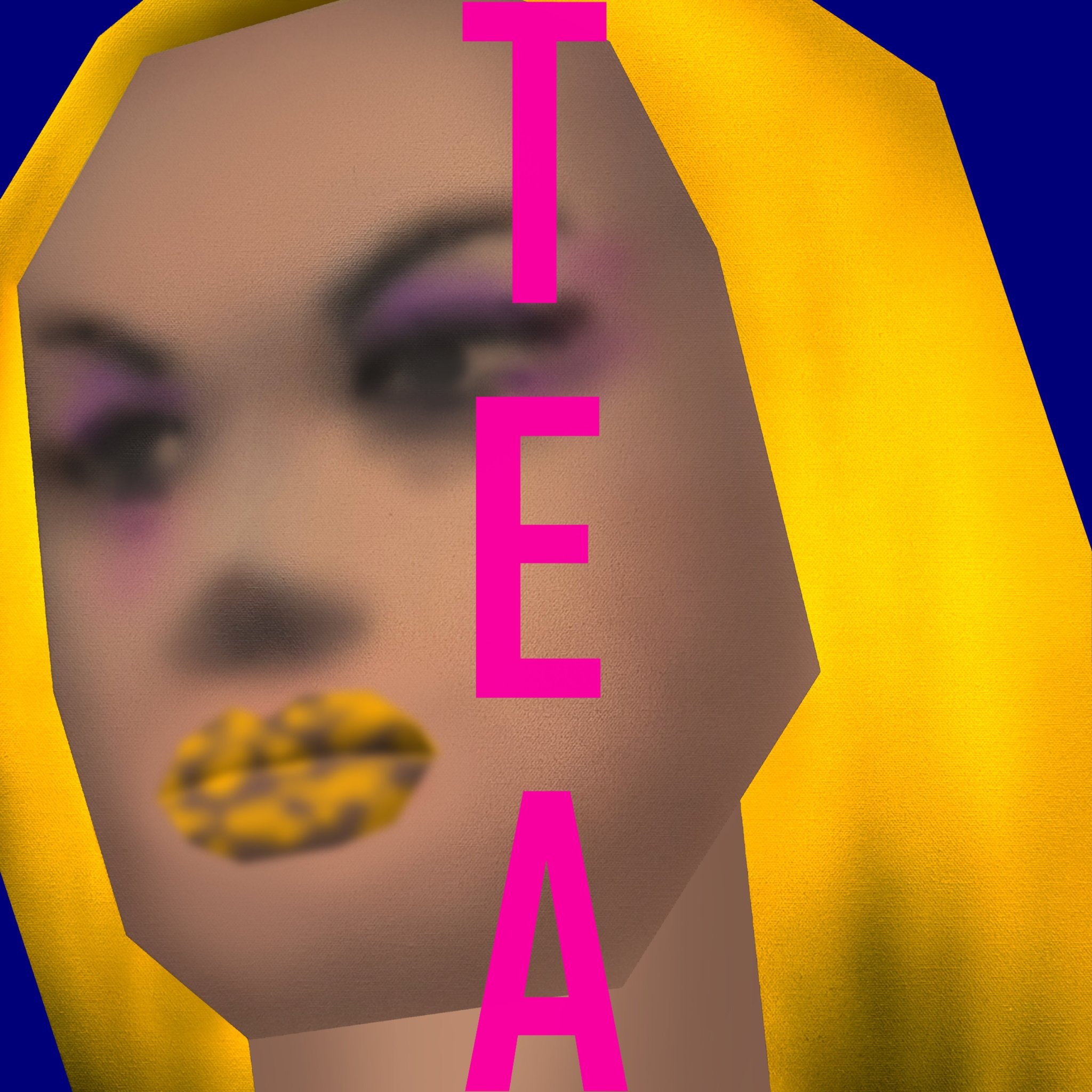
'Tea' - produced by Mustard and his longtime collaborator London - is his first solo release of the year, arriving after a run of international collaborations including Don Toliver's 'Secondhand', which peaked at number 29 on the Billboard Hot 100, and 'Goals' with LISA and Anitta at the FIFA World Cup 2026 opening ceremony. When he posted the cover art - a close-cropped, surreal image with gold lips and the title in bold pink - he added two words: "no AI." In a moment where AI-generated artwork has become a recurring conversation in music, the clarification was deliberate. The single does not resolve the mystery of what comes next. It begins the musical argument the project will eventually complete.
What has been consistent across six years and three albums is the sense that Rema is building something with an internal logic, and that the rollout is part of the build rather than separate from it. The gimmick debate is, in part, a delayed response to that - the recognition that something deliberate has been happening, met with the suspicion that deliberateness is performance.




.png)

