.svg)

.jpg)
When Edna Mmbali Ombakho went missing on the 1st of February, 2026, a series of alarm bells went off and questions were raised. The first, and perhaps most obvious, was how. How did a 31-year-old woman just disappear on leaving her home for a walk? The second being who. Who was responsible? Who was going to find her? And the third being when. When would she be found? When would there be justice? When would her story be told?
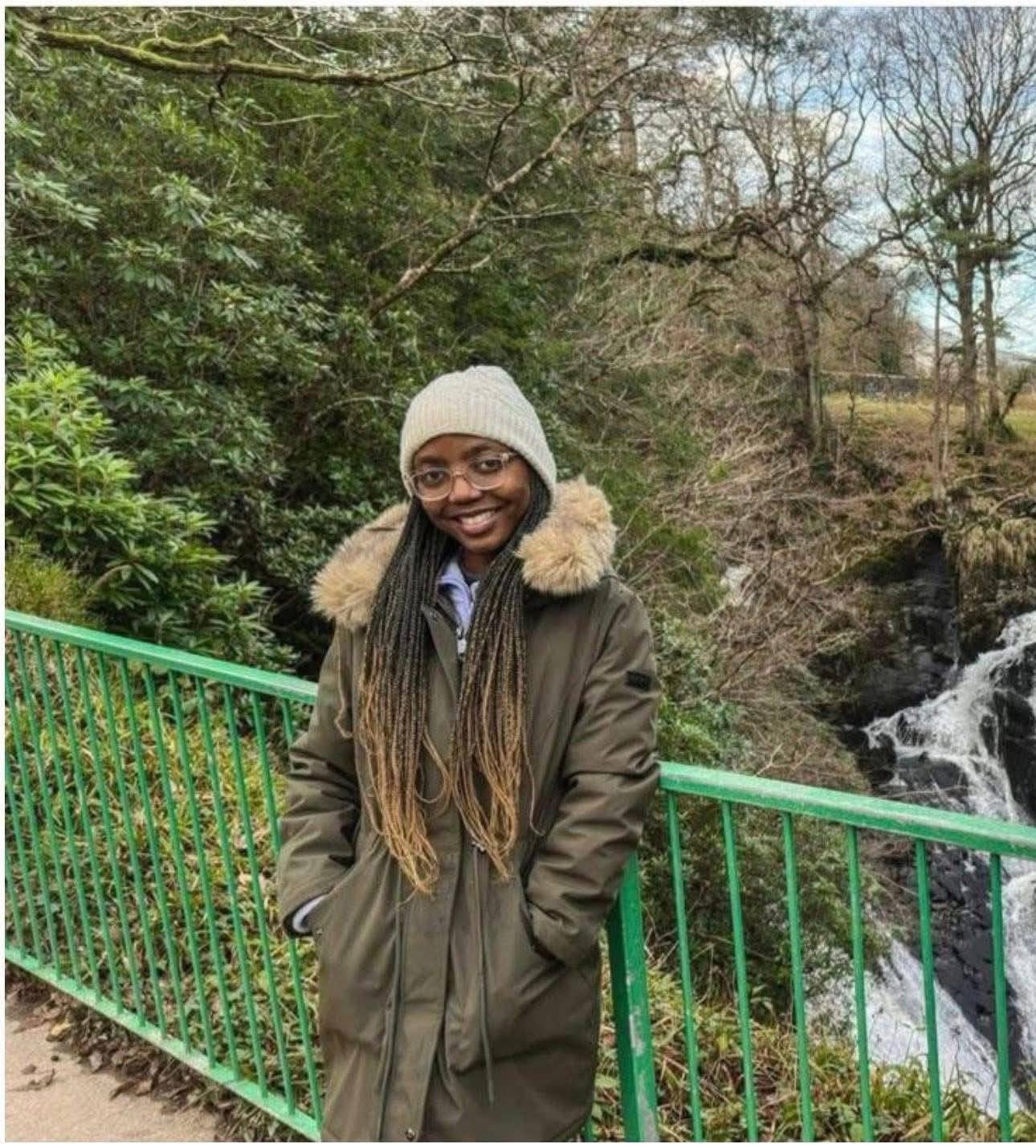
In the two weeks after her disappearance, family and friends reached out to police in search of her, to no avail. On March 8th, a body believed to be hers was found in a river in Berkshire, bringing the search to a tragic end. Despite the discovery of the body over a week ago, to date, there remains no major news outlet in the United Kingdom that has reported on Ombakho's tragedy.
This brought the final alarm bell to ring. Is what has long looked like ignorance really censorship?
The topic of prejudice in the British press is nothing new. The sentiments may in fact be well redundant at this point. Public figures like Meghan Markle, and sports players like Bukayo Saka have all found themselves cut by the sharp tip of the press’ pen. Even then, those considered to be ‘hometown heroes’ like David Beckham or Princess Diana have all gone toe-to-toe with paparazzi and tabloids alike. What continues to be proven, though, is the disregard for black people in the UK when it comes to their safety, care, or success.
A series of black people have disappeared and been found dead in and around rivers in England since 2020. Blessing Olusegun, Richard Okorogheye, Taiwo Balogun, Kayon Williams, Joy Morgan, and Samaria Ayanle are all among that number. Many of whom hailed from diasporic communities as well.
In the case of Richard Okorogheye, the 19-year-old went missing from his home in Ladbroke Grove, West London, on March 22, 2021. When his mother, Evidence Joel, called Met Police to report him missing and without medication for sickle cell anaemia, she was dismissed by multiple members of staff and his case wasn’t escalated until March 24th. Two weeks later, his body was found in Epping Forest, Essex, 20 miles from his home, where police claimed Okorogheye’s cause of death was consistent with drowning.
An inquest into the case by the Independent Office for Police Conduct found the Met Police’s response “substandard” and led to two officers facing misconduct probes at the time.
Since the inquest results and appeals, many cases like Okorogheye’s have still been ruled “non-suspicious” or have been quickly ruled drownings, to the disapproval and discontentment of the victim’s families. This rush to take cases at face value alludes to the consistent trope of bias expressed towards Black-British and Black diasporic people and communities, uncovering the systemic disregard for authority and press’ possess.
Okorogheye’s death has not been the only one to inspire inquiries into the system itself. Blessing Olusegun’s case received little to no media coverage and a dismissal that led to a petition with over 50,000 signatures, motioning to reopen the case. Ombakho’s lack of media coverage is consistent with that of Samaria Ayanle, Taiwo Balogun, and many more.
Perhaps, a more worrying thought is that the blatant bias is as public as it is private.
At this year’s BAFTA Film Awards in late February, controversy almost outshone the night as two actors, Michael B. Jordan and Delroy Lindo, addressed the crowd as they presented the award for Best Visual Effects. As they stood on the stage, a member of the audience known to have Tourette’s Syndrome, shouted a racial slur that was recorded and broadcast to the world.
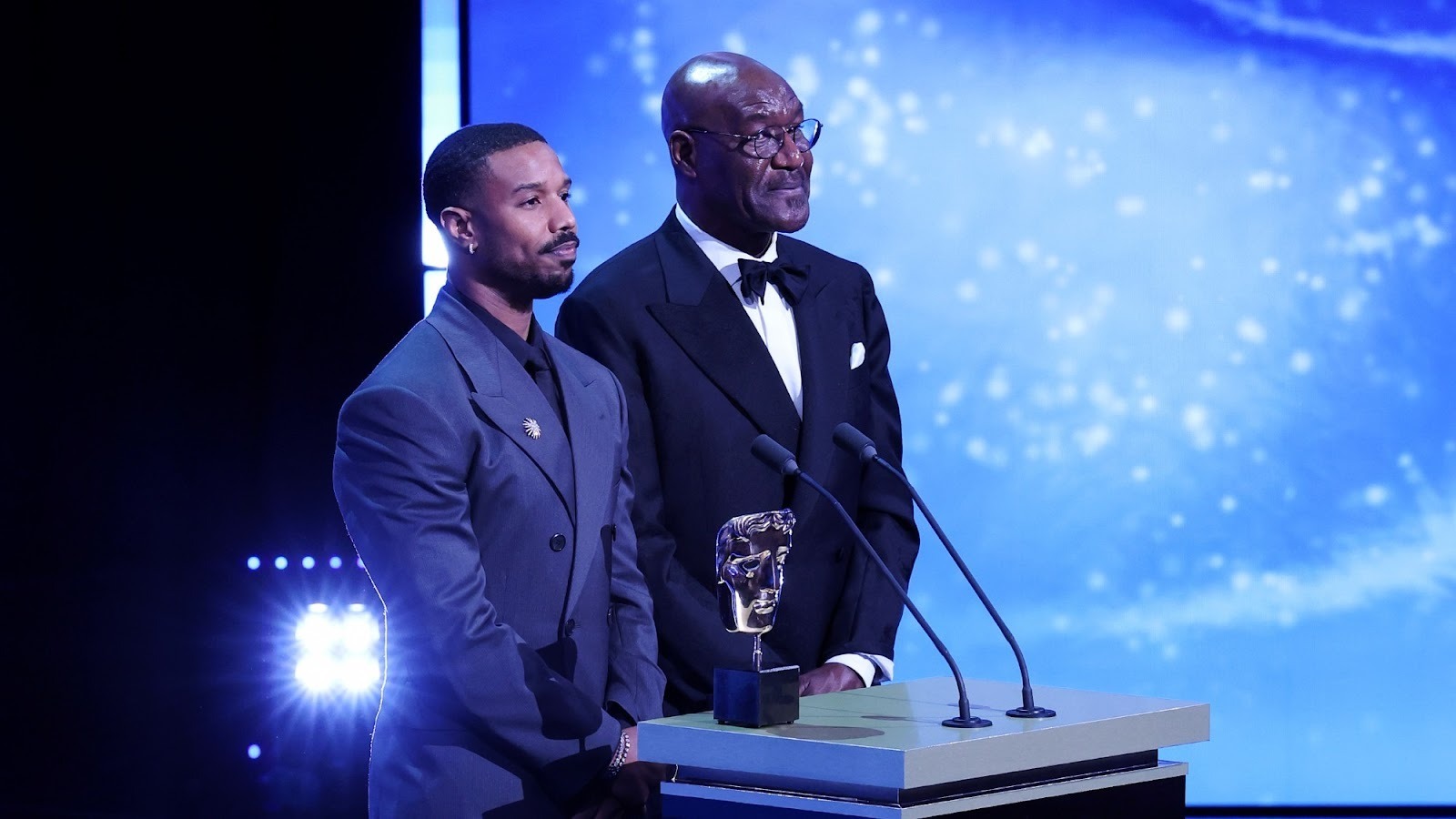
While much of the attention has been turned toward John Davidson, the member of the audience who shouted the slur, the attention can also and should be turned toward the BBC for allowing the slur to be broadcasted internationally, on a pre-recorded, edited distribution of the ceremony.
All while other incidents, including mention of “Free Palestine” by filmmaker Akinola Davies Jr., were either unheard or edited out of the show’s broadcast. This, alongside ITV’s censorship of Geese drummer Max Bessin’s political statements during the BRIT Awards, broach the influence of right-leaning rhetoric and conservative values spreading through Western society.
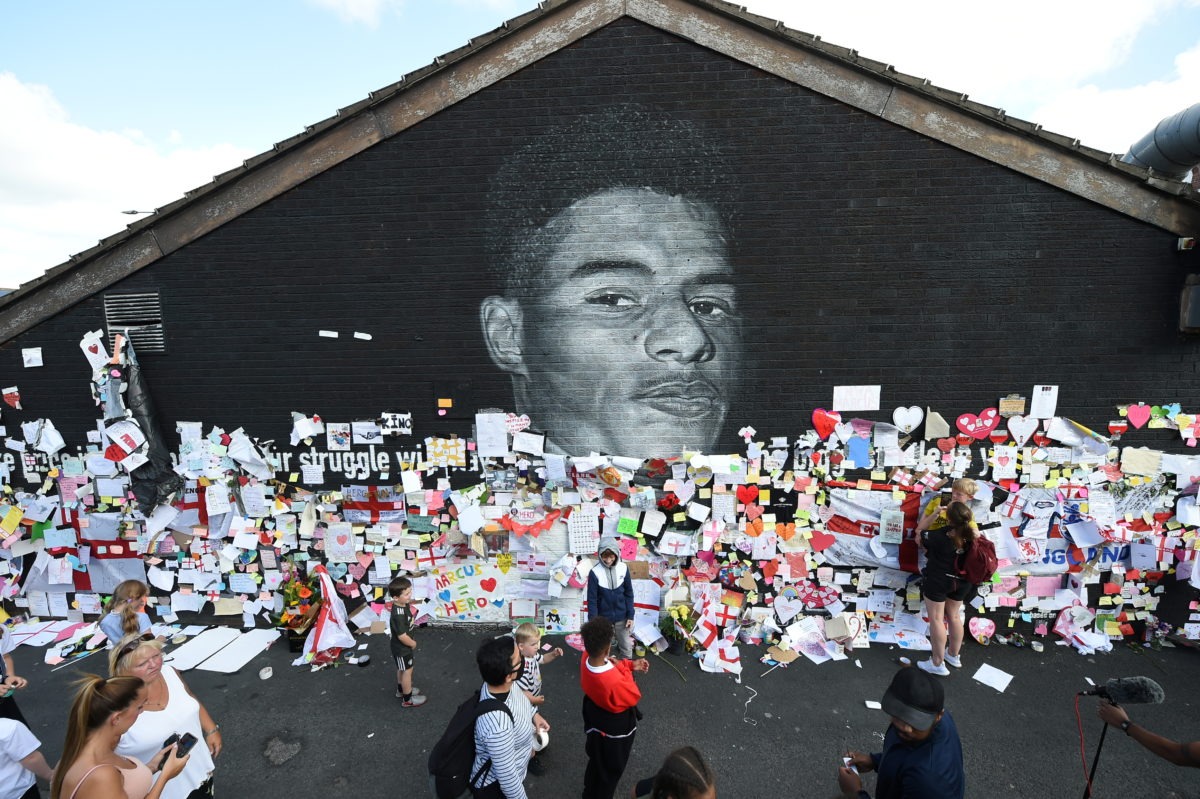
The incident is almost an addendum to the racial bias found in sports reporting, made prominent after the 2020 EUROS, and continued well into the present day.
Another glaring example is the lack of press about Cynthia Erivo, an England-born actress and singer, during her homecoming premiere for the first film of Wicked, which broke box office records worldwide and featured Erivo in one of the titular roles.
The silence in success and symphony in struggle maintains an echo chamber in which the voices of those in power are the only ones in control. A symphony still made incomplete by the lack of mainstream reporting about key issues like Ombakho’s disappearance and death.
The censorship of reality and convenient extension of narratives suits propagandic rhetoric that black people exist in an ideal of entertainment, but not intimacy. It creates a spectacle of abuse or fragility for sales or, simply, bias. All while negating the truth of journalism and the identity of the country’s black community, in all of its intersections.
As the story of Edna Mmbali Ombakho goes unreported so to, does the awareness, the inquiries, the stories, and the lives of those who endure or have endured.
The quest to make a community become obsolete and seem inconsequential, requires a response to which we must be all the louder, shine all the brighter, and remain engaged in those who are not easily or willingly platformed.
So, in remembrance of Edna Mmbali Ombakho, may this shine a light as bright and as loud as the ignorance. May it break free of the vortex where these voices struggle to exist.


.png)

