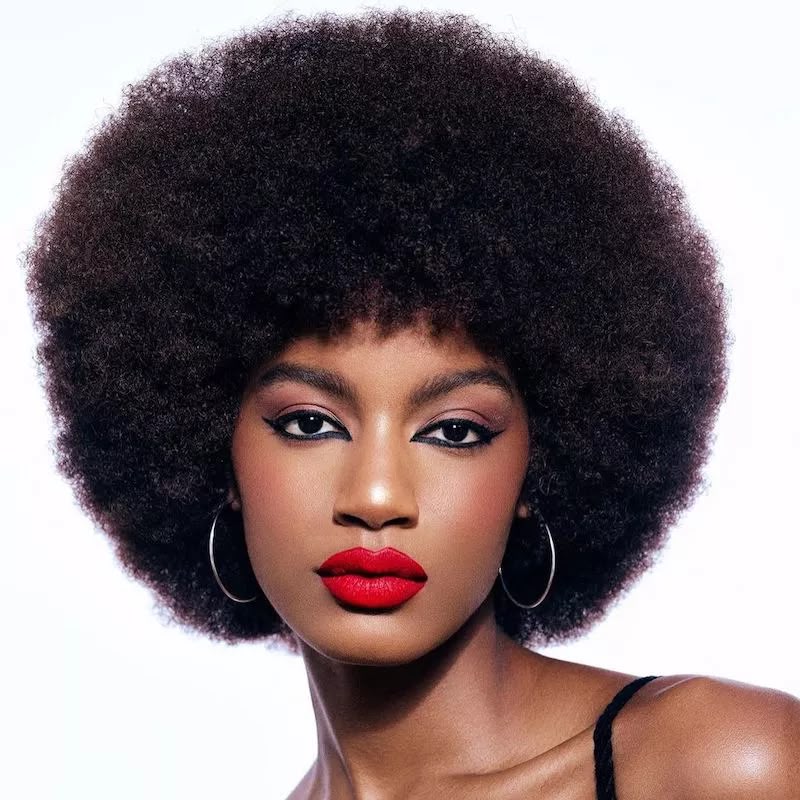
The Hair Apparent…Wigs, Weaves and the Politics of Natural Hair

Authored by

A wig that looks like the hair growing naturally from an African woman's head should, in theory, be one of the easiest products to sell to her. It offers the familiarity of an Afro without the hours of detangling, the daily maintenance or the unpredictability of managing natural hair. 

However, as straight, silky and loosely curled wigs have become familiar fixtures in Africa, some African women are opposed to wearing a wig that resembles their own natural texture. 

The reactions raise a question that extends beyond the appeal of a particular hairstyle: what have African women been taught to consider beautiful about their hair, and why do some textures appear more desirable than others?

The conversation becomes especially interesting when placed beside the scale of the human-hair extension market. People choose hairstyles for different reasons, including personal taste, convenience, styling possibilities and familiarity. Still, the contrast invites closer examination of the beauty standards that have shaped the market and the choices available within it.
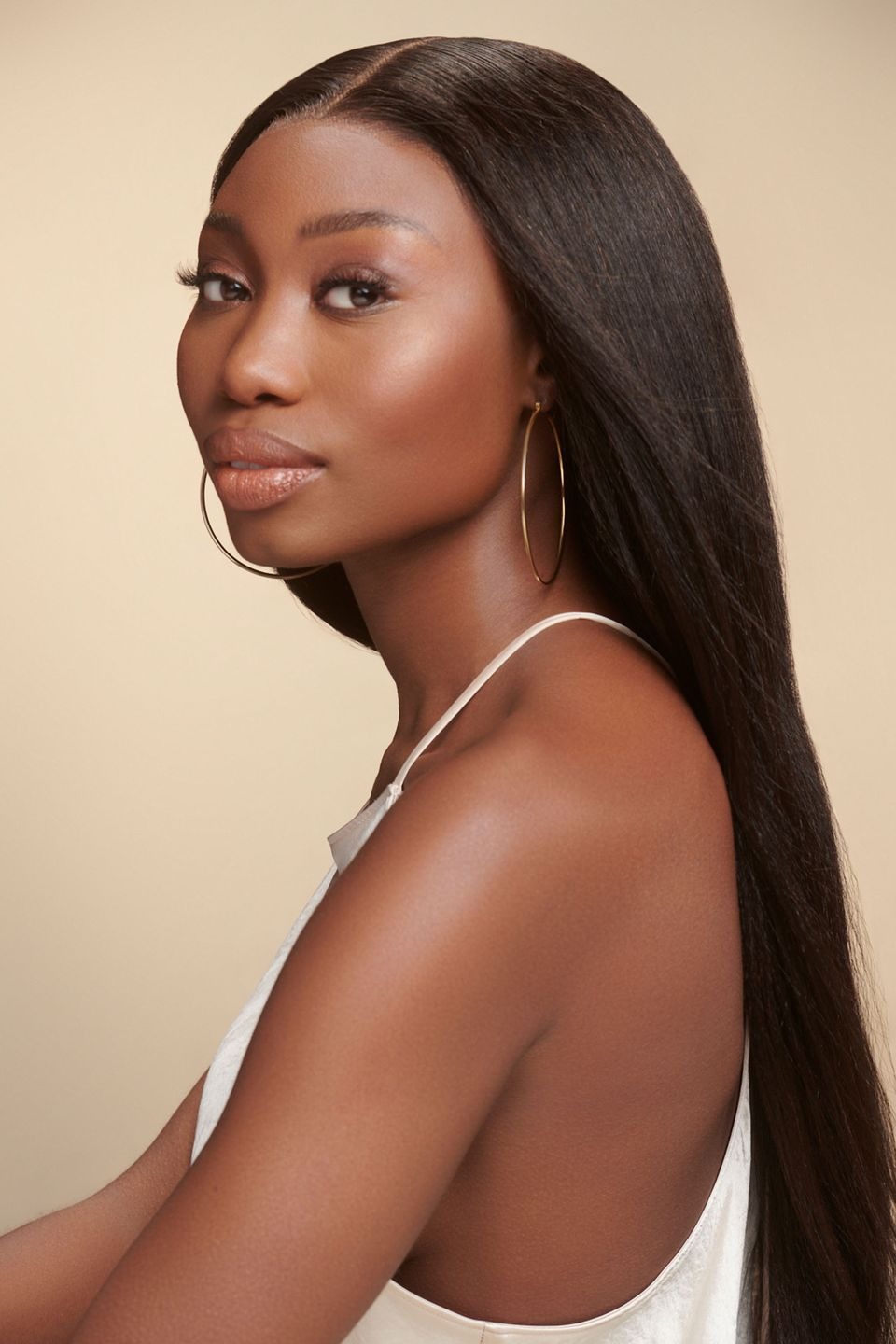
Credit: Courtesy of Kwaku Aiston

Hair-volution and Hair-conomics 

Before European colonial rule, hairstyles carried meanings that extended well beyond appearance. Across different communities, hair could communicate ethnic identity, age, marital status, social position, spirituality and cultural belonging. Braids, plaits, threading and elaborate arrangements were created with considerable skill, sometimes incorporating beads, shells, feathers and other adornments. 

The time spent styling hair also created opportunities for social interaction, with women gathering to braid, groom and exchange stories. The significance of these traditions varied across regions and communities, but hair was an important part of how people presented themselves and understood their place in society before the advent of the colonialists. 

In their 2023 study, researchers Janell Le Roux and Toks Dele Oyedemi found that colonial-era Eurocentric beauty standards continue to shape how many women perceive their hair, beauty and identity. 

Others like Mathelinda Nabugodi also argue that hair has even been used as a racial marker, with European hair being associated with refinement and opulence, while African hair is seen as inferior.  Meanwhile, African societies already had their own beauty conventions, social hierarchies and preferences long before colonial rule. Thanks to deep conditioning, a lot of people now think otherwise. 

With regards to texture, at some point chemical relaxers and straightening tools offered ways to alter natural textures. The popularity of particular hairstyles moved through films, music, magazines and celebrity culture. In different parts of Africa, these influences mixed with local styling traditions, creating a creole of hairstyling culture. 

For many women, straightened hair became associated with neatness, sophistication and femininity. The language surrounding hair reinforced these ideas. Terms such as good hair and bad hair turned differences in texture into judgments of quality. Hair that was long, loose or easy to comb was often praised, while dense, tightly coiled hair was described as difficult, stubborn or unmanageable.  The modern wig market has found a particularly successful way to accommodate these preferences. Straight, body-wave, deep-wave and loose-curl textures are widely recognisable categories in the hair-extension business. Human hair is sold according to length, density, origin, texture and processing, with descriptions that promise softness, movement, fullness and a natural finish. 

The language of luxury is prominent, especially in the marketing of premium human-hair extensions. Consumers are offered not simply hair but the possibility of changing their appearance with relative speed.

Wigs also offer a degree of flexibility that natural hair may not provide in the same way. A woman can move between a sleek middle part, voluminous curls and a shorter bob without permanently altering her own hair. She can protect her natural strands underneath, avoid repeated chemical processing or save time on a particular morning. 
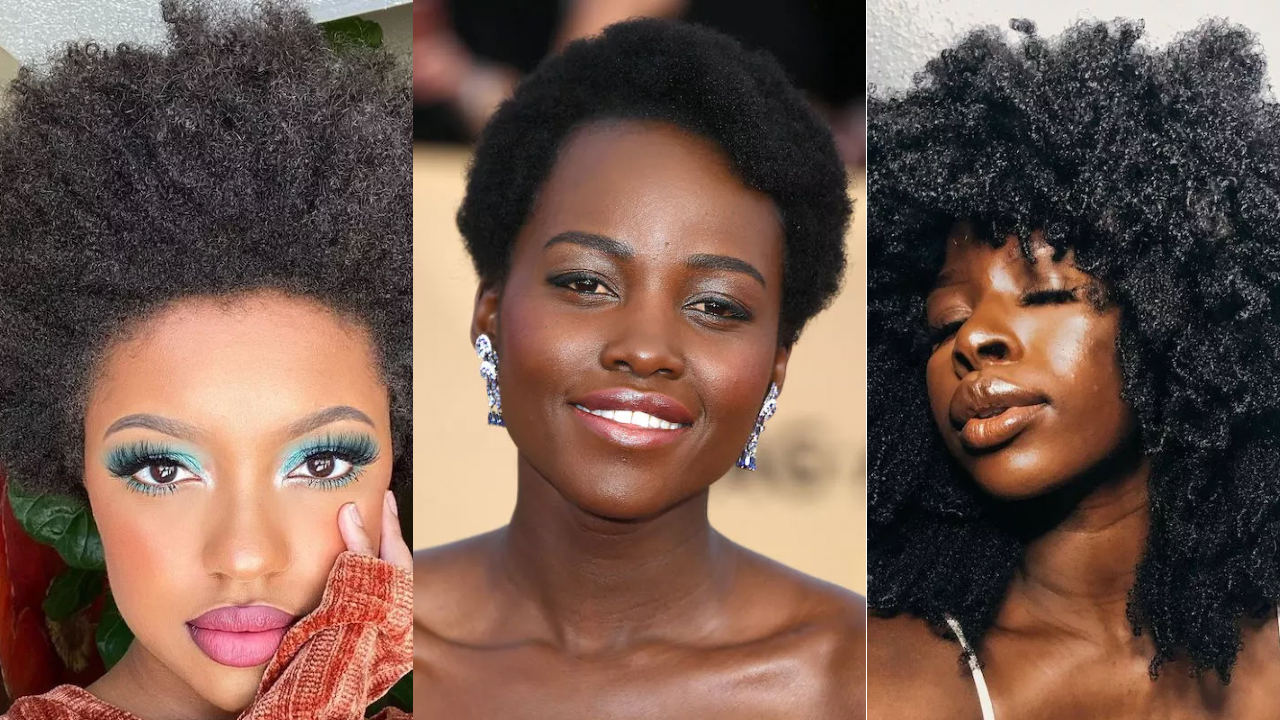
Credit: Tayloranise, Lupita Nyong, Folahontas / Instagram

Hair-ducation: A New Era For Afro Hair

The appeal of imported hair also brings us back to the question of texture. When a particular texture is repeatedly presented as the aspirational option, it becomes easier for consumers to associate that texture with beauty and status. When retailers invest more heavily in certain styles, those styles become more visible, accessible and familiar.

The distinction between wearing natural hair and wearing a wig that resembles natural hair is worth examining too. The mistake would be to assume that every woman who prefers straight hair has rejected her identity, or that every woman who wears an Afro wig has reached a particular level of self-acceptance.

A woman may enjoy her Afro but prefer the convenience of a wig. Another may find that an Afro wig does not suit her face or the way she likes to dress. Someone else may be uncomfortable with the texture because she has spent years hearing that her natural hair is difficult to manage. These experiences can coexist. 

Still, the language women use about their natural hair deserves reframing. Across generations, African women have described their hair as difficult, too thick, stubborn, hard to comb or expensive to maintain. 

Some of these frustrations are rooted in real experiences. 

Women were often taught from childhood to sit still while their hair was combed, but not necessarily taught how to understand or care for the texture growing from their scalps. Imagine the opposite? A child is taught why her hair shrinks, how to detangle it without unnecessary breakage, why moisture matters, which tools are suitable and how to recognise what her scalp needs. Instead of growing up thinking that her hair is a problem to be managed, she might understand it as something she can learn to care for.

That education requires time, money and access to appropriate products and professionals. It also requires adults to reconsider the habits they pass down. A parent who has never been taught how to care for tightly coiled hair may struggle to teach a child. A stylist who prioritises speed over gentle handling can reinforce the idea that natural hair is difficult. Beauty brands that rarely represent dense, tightly coiled textures in their campaigns may leave consumers with fewer examples of how to style and maintain their hair. 

Beyond education, with significant wins in the global natural hair movement, natural hair has become more visible in advertising, fashion, entertainment and everyday social media. 

Still, the expectation to abandon wigs, weaves or relaxers could become another form of policing.

The discussion around Afro-textured wigs sits within this wider debate. It asks whether women are comfortable seeing their natural texture represented as a finished, styled product, and whether that representation receives the same enthusiasm as other wig categories. 

It also exposes the limits of treating the natural hair movement as a simple return to an original state. Women can value their natural hair and still enjoy extensions. They can wear a straight wig without believing that their own texture is unattractive. They can also question why the beauty industry has historically invested more attention in certain textures than others.

Nevertheless, the Afro wig conversation leaves an important question unanswered. If African hair can be transformed into a product, packaged, marketed and sold as a beauty choice, why does its natural form still require so much negotiation in some spaces? 

The answer requires a closer look at the histories that shaped our ideas of beauty, the businesses that continue to sell those ideas and the everyday experiences through which girls learn what to admire about their own hair.

Sometimes, the most revealing part of a beauty trend is not what women choose to wear. It is what they have learned to see as beautiful.

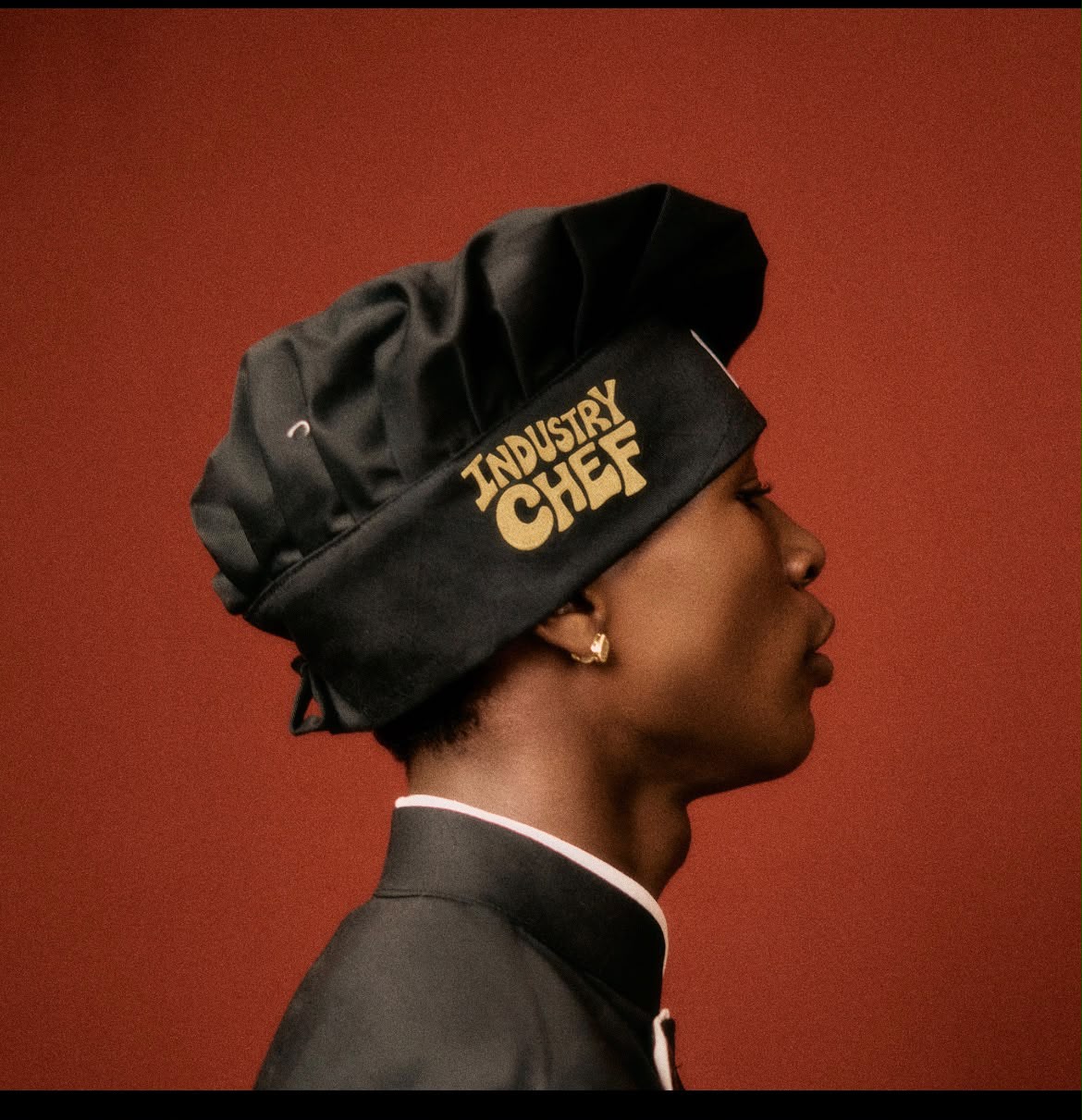
Credit: Eboneedavis / Instagram 
‍

The Hair Apparent…Wigs, Weaves and the Politics of Natural Hair

Authored by
This is some text inside of a div block.

A wig that looks like the hair growing naturally from an African woman's head should, in theory, be one of the easiest products to sell to her. It offers the familiarity of an Afro without the hours of detangling, the daily maintenance or the unpredictability of managing natural hair. 

However, as straight, silky and loosely curled wigs have become familiar fixtures in Africa, some African women are opposed to wearing a wig that resembles their own natural texture. 

The reactions raise a question that extends beyond the appeal of a particular hairstyle: what have African women been taught to consider beautiful about their hair, and why do some textures appear more desirable than others?

The conversation becomes especially interesting when placed beside the scale of the human-hair extension market. People choose hairstyles for different reasons, including personal taste, convenience, styling possibilities and familiarity. Still, the contrast invites closer examination of the beauty standards that have shaped the market and the choices available within it.

Credit: Courtesy of Kwaku Aiston

Hair-volution and Hair-conomics 

Before European colonial rule, hairstyles carried meanings that extended well beyond appearance. Across different communities, hair could communicate ethnic identity, age, marital status, social position, spirituality and cultural belonging. Braids, plaits, threading and elaborate arrangements were created with considerable skill, sometimes incorporating beads, shells, feathers and other adornments. 

The time spent styling hair also created opportunities for social interaction, with women gathering to braid, groom and exchange stories. The significance of these traditions varied across regions and communities, but hair was an important part of how people presented themselves and understood their place in society before the advent of the colonialists. 

In their 2023 study, researchers Janell Le Roux and Toks Dele Oyedemi found that colonial-era Eurocentric beauty standards continue to shape how many women perceive their hair, beauty and identity. 

Others like Mathelinda Nabugodi also argue that hair has even been used as a racial marker, with European hair being associated with refinement and opulence, while African hair is seen as inferior.  Meanwhile, African societies already had their own beauty conventions, social hierarchies and preferences long before colonial rule. Thanks to deep conditioning, a lot of people now think otherwise. 

With regards to texture, at some point chemical relaxers and straightening tools offered ways to alter natural textures. The popularity of particular hairstyles moved through films, music, magazines and celebrity culture. In different parts of Africa, these influences mixed with local styling traditions, creating a creole of hairstyling culture. 

For many women, straightened hair became associated with neatness, sophistication and femininity. The language surrounding hair reinforced these ideas. Terms such as good hair and bad hair turned differences in texture into judgments of quality. Hair that was long, loose or easy to comb was often praised, while dense, tightly coiled hair was described as difficult, stubborn or unmanageable.  The modern wig market has found a particularly successful way to accommodate these preferences. Straight, body-wave, deep-wave and loose-curl textures are widely recognisable categories in the hair-extension business. Human hair is sold according to length, density, origin, texture and processing, with descriptions that promise softness, movement, fullness and a natural finish. 

The language of luxury is prominent, especially in the marketing of premium human-hair extensions. Consumers are offered not simply hair but the possibility of changing their appearance with relative speed.

Wigs also offer a degree of flexibility that natural hair may not provide in the same way. A woman can move between a sleek middle part, voluminous curls and a shorter bob without permanently altering her own hair. She can protect her natural strands underneath, avoid repeated chemical processing or save time on a particular morning. 

Credit: Tayloranise, Lupita Nyong, Folahontas / Instagram

Hair-ducation: A New Era For Afro Hair

The appeal of imported hair also brings us back to the question of texture. When a particular texture is repeatedly presented as the aspirational option, it becomes easier for consumers to associate that texture with beauty and status. When retailers invest more heavily in certain styles, those styles become more visible, accessible and familiar.

The distinction between wearing natural hair and wearing a wig that resembles natural hair is worth examining too. The mistake would be to assume that every woman who prefers straight hair has rejected her identity, or that every woman who wears an Afro wig has reached a particular level of self-acceptance.

A woman may enjoy her Afro but prefer the convenience of a wig. Another may find that an Afro wig does not suit her face or the way she likes to dress. Someone else may be uncomfortable with the texture because she has spent years hearing that her natural hair is difficult to manage. These experiences can coexist. 

Still, the language women use about their natural hair deserves reframing. Across generations, African women have described their hair as difficult, too thick, stubborn, hard to comb or expensive to maintain. 

Some of these frustrations are rooted in real experiences. 

Women were often taught from childhood to sit still while their hair was combed, but not necessarily taught how to understand or care for the texture growing from their scalps. Imagine the opposite? A child is taught why her hair shrinks, how to detangle it without unnecessary breakage, why moisture matters, which tools are suitable and how to recognise what her scalp needs. Instead of growing up thinking that her hair is a problem to be managed, she might understand it as something she can learn to care for.

That education requires time, money and access to appropriate products and professionals. It also requires adults to reconsider the habits they pass down. A parent who has never been taught how to care for tightly coiled hair may struggle to teach a child. A stylist who prioritises speed over gentle handling can reinforce the idea that natural hair is difficult. Beauty brands that rarely represent dense, tightly coiled textures in their campaigns may leave consumers with fewer examples of how to style and maintain their hair. 

Beyond education, with significant wins in the global natural hair movement, natural hair has become more visible in advertising, fashion, entertainment and everyday social media. 

Still, the expectation to abandon wigs, weaves or relaxers could become another form of policing.

The discussion around Afro-textured wigs sits within this wider debate. It asks whether women are comfortable seeing their natural texture represented as a finished, styled product, and whether that representation receives the same enthusiasm as other wig categories. 

It also exposes the limits of treating the natural hair movement as a simple return to an original state. Women can value their natural hair and still enjoy extensions. They can wear a straight wig without believing that their own texture is unattractive. They can also question why the beauty industry has historically invested more attention in certain textures than others.

Nevertheless, the Afro wig conversation leaves an important question unanswered. If African hair can be transformed into a product, packaged, marketed and sold as a beauty choice, why does its natural form still require so much negotiation in some spaces? 

The answer requires a closer look at the histories that shaped our ideas of beauty, the businesses that continue to sell those ideas and the everyday experiences through which girls learn what to admire about their own hair.

Sometimes, the most revealing part of a beauty trend is not what women choose to wear. It is what they have learned to see as beautiful.

Credit: Eboneedavis / Instagram 

‍

This is some text inside of a div block.

The Hair Apparent…Wigs, Weaves and the Politics of Natural Hair

Authored by

A wig that looks like the hair growing naturally from an African woman's head should, in theory, be one of the easiest products to sell to her. It offers the familiarity of an Afro without the hours of detangling, the daily maintenance or the unpredictability of managing natural hair. 

However, as straight, silky and loosely curled wigs have become familiar fixtures in Africa, some African women are opposed to wearing a wig that resembles their own natural texture. 

The reactions raise a question that extends beyond the appeal of a particular hairstyle: what have African women been taught to consider beautiful about their hair, and why do some textures appear more desirable than others?

The conversation becomes especially interesting when placed beside the scale of the human-hair extension market. People choose hairstyles for different reasons, including personal taste, convenience, styling possibilities and familiarity. Still, the contrast invites closer examination of the beauty standards that have shaped the market and the choices available within it.

Credit: Courtesy of Kwaku Aiston

Hair-volution and Hair-conomics 

Before European colonial rule, hairstyles carried meanings that extended well beyond appearance. Across different communities, hair could communicate ethnic identity, age, marital status, social position, spirituality and cultural belonging. Braids, plaits, threading and elaborate arrangements were created with considerable skill, sometimes incorporating beads, shells, feathers and other adornments. 

The time spent styling hair also created opportunities for social interaction, with women gathering to braid, groom and exchange stories. The significance of these traditions varied across regions and communities, but hair was an important part of how people presented themselves and understood their place in society before the advent of the colonialists. 

In their 2023 study, researchers Janell Le Roux and Toks Dele Oyedemi found that colonial-era Eurocentric beauty standards continue to shape how many women perceive their hair, beauty and identity. 

Others like Mathelinda Nabugodi also argue that hair has even been used as a racial marker, with European hair being associated with refinement and opulence, while African hair is seen as inferior.  Meanwhile, African societies already had their own beauty conventions, social hierarchies and preferences long before colonial rule. Thanks to deep conditioning, a lot of people now think otherwise. 

With regards to texture, at some point chemical relaxers and straightening tools offered ways to alter natural textures. The popularity of particular hairstyles moved through films, music, magazines and celebrity culture. In different parts of Africa, these influences mixed with local styling traditions, creating a creole of hairstyling culture. 

For many women, straightened hair became associated with neatness, sophistication and femininity. The language surrounding hair reinforced these ideas. Terms such as good hair and bad hair turned differences in texture into judgments of quality. Hair that was long, loose or easy to comb was often praised, while dense, tightly coiled hair was described as difficult, stubborn or unmanageable.  The modern wig market has found a particularly successful way to accommodate these preferences. Straight, body-wave, deep-wave and loose-curl textures are widely recognisable categories in the hair-extension business. Human hair is sold according to length, density, origin, texture and processing, with descriptions that promise softness, movement, fullness and a natural finish. 

The language of luxury is prominent, especially in the marketing of premium human-hair extensions. Consumers are offered not simply hair but the possibility of changing their appearance with relative speed.

Wigs also offer a degree of flexibility that natural hair may not provide in the same way. A woman can move between a sleek middle part, voluminous curls and a shorter bob without permanently altering her own hair. She can protect her natural strands underneath, avoid repeated chemical processing or save time on a particular morning. 

Credit: Tayloranise, Lupita Nyong, Folahontas / Instagram

Hair-ducation: A New Era For Afro Hair

The appeal of imported hair also brings us back to the question of texture. When a particular texture is repeatedly presented as the aspirational option, it becomes easier for consumers to associate that texture with beauty and status. When retailers invest more heavily in certain styles, those styles become more visible, accessible and familiar.

The distinction between wearing natural hair and wearing a wig that resembles natural hair is worth examining too. The mistake would be to assume that every woman who prefers straight hair has rejected her identity, or that every woman who wears an Afro wig has reached a particular level of self-acceptance.

A woman may enjoy her Afro but prefer the convenience of a wig. Another may find that an Afro wig does not suit her face or the way she likes to dress. Someone else may be uncomfortable with the texture because she has spent years hearing that her natural hair is difficult to manage. These experiences can coexist. 

Still, the language women use about their natural hair deserves reframing. Across generations, African women have described their hair as difficult, too thick, stubborn, hard to comb or expensive to maintain. 

Some of these frustrations are rooted in real experiences. 

Women were often taught from childhood to sit still while their hair was combed, but not necessarily taught how to understand or care for the texture growing from their scalps. Imagine the opposite? A child is taught why her hair shrinks, how to detangle it without unnecessary breakage, why moisture matters, which tools are suitable and how to recognise what her scalp needs. Instead of growing up thinking that her hair is a problem to be managed, she might understand it as something she can learn to care for.

That education requires time, money and access to appropriate products and professionals. It also requires adults to reconsider the habits they pass down. A parent who has never been taught how to care for tightly coiled hair may struggle to teach a child. A stylist who prioritises speed over gentle handling can reinforce the idea that natural hair is difficult. Beauty brands that rarely represent dense, tightly coiled textures in their campaigns may leave consumers with fewer examples of how to style and maintain their hair. 

Beyond education, with significant wins in the global natural hair movement, natural hair has become more visible in advertising, fashion, entertainment and everyday social media. 

Still, the expectation to abandon wigs, weaves or relaxers could become another form of policing.

The discussion around Afro-textured wigs sits within this wider debate. It asks whether women are comfortable seeing their natural texture represented as a finished, styled product, and whether that representation receives the same enthusiasm as other wig categories. 

It also exposes the limits of treating the natural hair movement as a simple return to an original state. Women can value their natural hair and still enjoy extensions. They can wear a straight wig without believing that their own texture is unattractive. They can also question why the beauty industry has historically invested more attention in certain textures than others.

Nevertheless, the Afro wig conversation leaves an important question unanswered. If African hair can be transformed into a product, packaged, marketed and sold as a beauty choice, why does its natural form still require so much negotiation in some spaces? 

The answer requires a closer look at the histories that shaped our ideas of beauty, the businesses that continue to sell those ideas and the everyday experiences through which girls learn what to admire about their own hair.

Sometimes, the most revealing part of a beauty trend is not what women choose to wear. It is what they have learned to see as beautiful.

Credit: Eboneedavis / Instagram 
‍

Other Stories
London
London
Lagos
London
Newyork
London
Shop
Join the community.
You are now subscribed to receive updates.
Oops! Something went wrong while submitting the form.
Subscribe