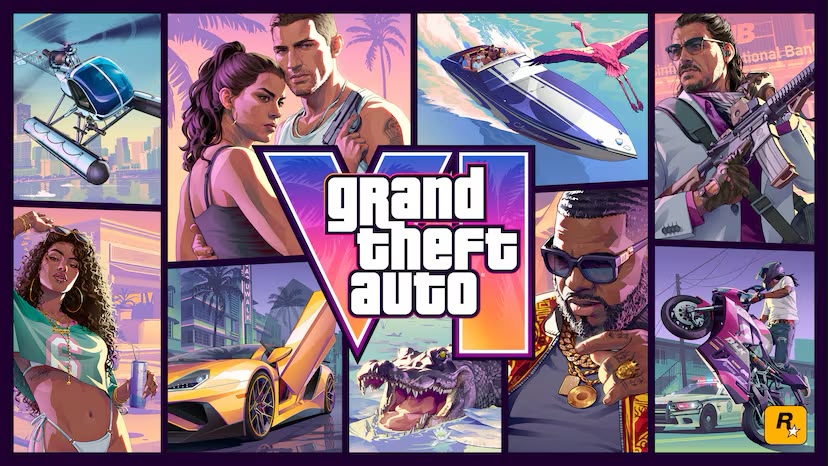
After 13 years, one of the world’s most popular video game franchises, Vice City, is back with its most anticipated installment. The release of Grand Theft Auto VI, today, marks the return of one of gaming's most recognisable fictional locations, bringing players back to a world inspired by Miami and its surrounding Florida landscape. But beyond the massive hype trailing one of the biggest video game releases in recent history, the cultural world Rockstar Games has built around the franchise is the icing on the cake.
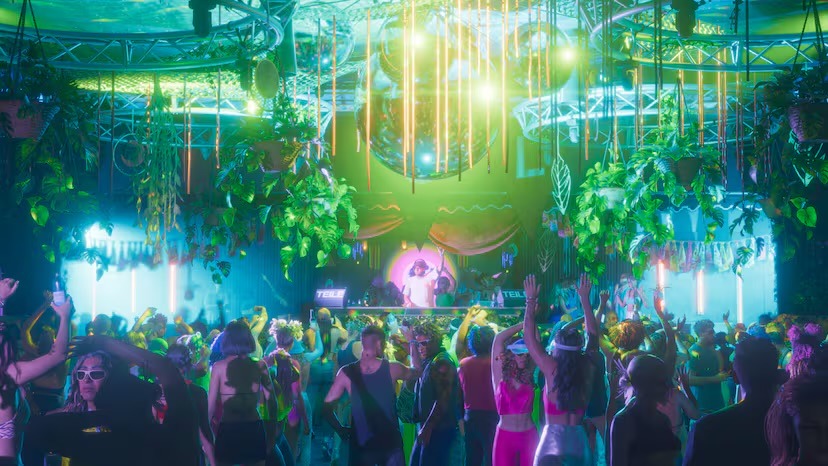
Set in the fictional state of Leonida, with Vice City at its centre, GTA VI draws from South Florida's familiar visual language: pastel-coloured buildings, beachfront hotels, crowded neighbourhoods, nightclubs, roadside businesses and sprawling wetlands. Its trailers have presented a place of controversial wealth, social media performances, customised cars and nightlife, alongside the everyday environments that make up the wider city.
Miami, however, has its twists, especially in luxury apartments and nightlife. Its identity — including food, language, music and fashion — has been shaped by generations of migration from Cuba, Haiti, Jamaica and other parts of the Caribbean and Latin America. It’s a bohemian melting pot of cultures that have left home and found new audiences wherever they went.
Radio is the real deal
From the jump, music has always been central to the Grand Theft Auto experience. In previous installments, players could drive through fictional cities listening to carefully selected tracks, radio personalities and satirical advertisements. The stations helped establish the atmosphere of each location, often becoming as memorable as the missions themselves.
For GTA VI, Rockstar has described its offering as the biggest and widest-ranging selection of in-game radio in the franchise. Its official radio announcement introduces stations including AfroBank FM, Cocoteo FM, Dirty South Classics and the returning Flash FM. Their hosts include musicians, DJs and cultural personalities deeply attached to the sounds and communities represented in the game.
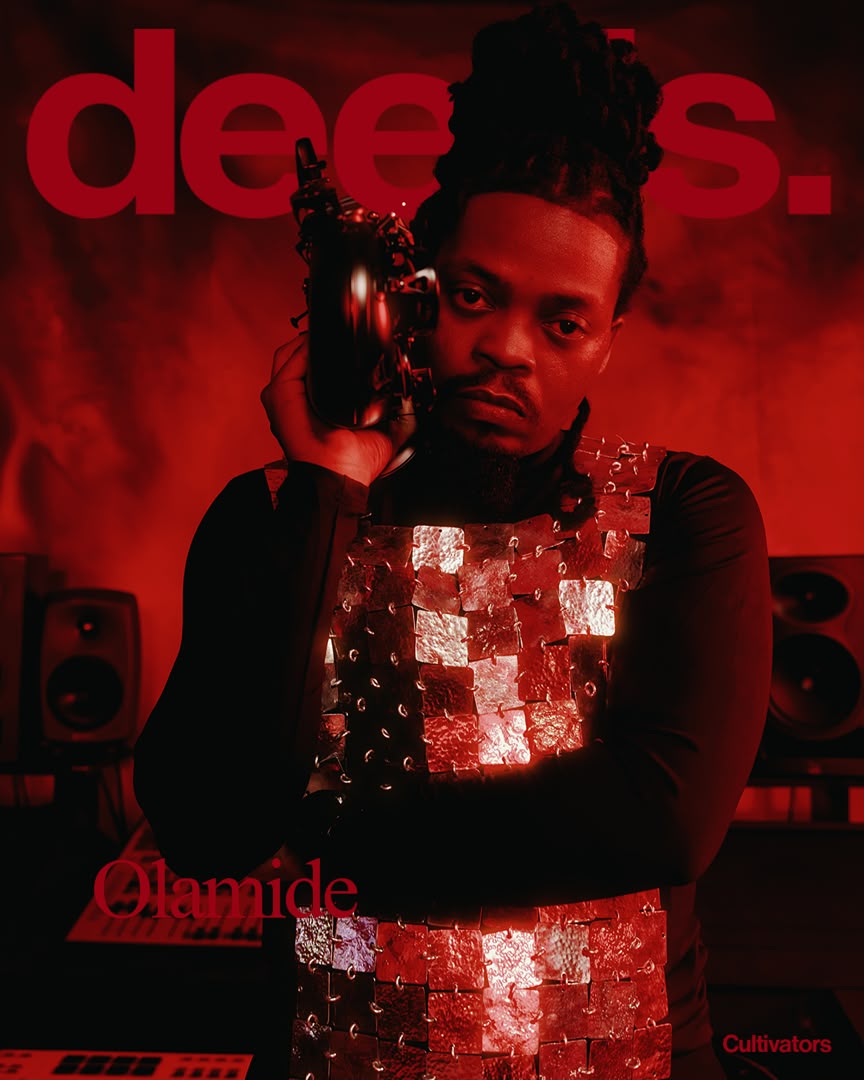
AfroBank FM, hosted by Nigerian singer Burna Boy and British DJ and producer Palms Trax, brings African music into the fictional state's radio landscape. Its programming spans Afrobeats, amapiano, 3-step and African classics, with confirmed selections including Nigerian singer Asake's 'Joha', alongside music from Ghanaian highlife musicians Pat Thomas and Ebo Taylor, and South African artists DJ Lag, Robot Boii and Kamo Mphela.
Interestingly, Burna Boy also contributed an original track, 'Bigger', to the game's separate official album. Afrobeats, Amapiano and other African genres have found listeners across Europe, the Americas and the Caribbean. Their presence in a game of this scale reflects market progress for modern African music.
Cocoteo FM approaches the region from another direction. Hosted by Puerto Rican superstar Bad Bunny and Puerto Rican singer RaiNao, the station is dedicated to modern Latin music, moving across bachata, merengue, dembow and reggaeton. Its programming reflects the influence of Caribbean and Latin American sounds on Miami's musical identity.
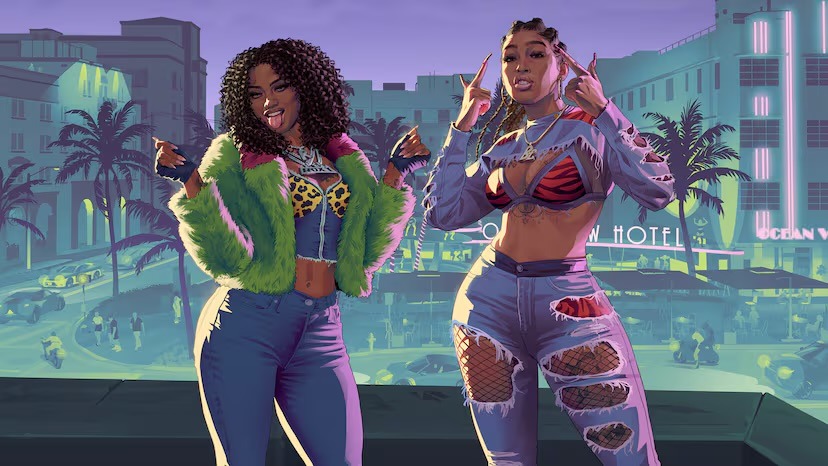
Meanwhile, Dirty South Classics, hosted by Miami rap figures Trick Daddy and Trina, celebrates regional hip-hop and the musical history of the American South.
Flash FM, another familiar name from the franchise — with pop music programming hosted by Swedish singer Robyn and model Alex Consani — connects contemporary pop culture with fashion and internet culture. Together, these stations suggest that Rockstar is interested in bringing different musical histories and cultural identities into the same fictional environment.
A soundtrack that travels beyond the game
The music also extends beyond the radio stations. Rockstar has partnered with Atlantic Records on Grand Theft Auto VI: The Album, a separate project featuring 34 original tracks.
The collection brings together artists from different musical backgrounds, including Travis Scott, Future, Metro Boomin, Rauw Alejandro, CA7RIEL and Paco Amoroso, PinkPantheress, Fred again.., Morgan Wallen and Keith Richards. Burna Boy is also among the contributors, with his track 'Bigger'.
Rockstar has also expanded how players interact with music in the game. For the first time in the franchise, players can listen to radio stations while walking around through headphones and earbuds connected to the characters' phones. On-demand podcasts are also part of the experience, giving the fictional world another layer of audio content beyond its radio programming.
The Vice City aesthetic
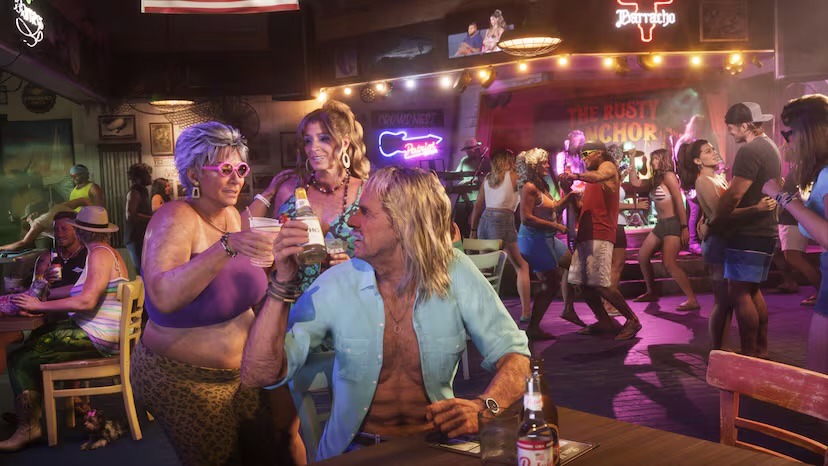
Music is only one facet of the cultural world Rockstar is constructing. Fashion and car culture are equally important to Vice City's visual identity. Miami has a recognisable relationship with streetwear, luxury labels, sportswear, nightlife dressing and customised vehicles. Clothing, jewellery and hairstyles can communicate status, taste and belonging, while cars often function as extensions of personal identity. Rockstar's promotional material leans heavily into this visual language.
The game's fashion references also offer some subtle social commentary on ambition and access. Luxury goods, imitation designer products, flea markets and streetwear exist within the same visual environment. The presence of Alex Consani as one of Flash FM's hosts adds another fashion connection. As a model and internet personality, she brings a figure from contemporary fashion and digital culture into the game's fictional radio landscape. With Miami Art Basel approaching, the timing also places the game's visual identity within a wider conversation about the city as a destination for fashion, art, music and cultural exchange.
Miami: Beyond the game
Rockstar's engagement with Miami's cultural communities is also extending beyond the game. The company has partnered with Haitian producer Michaël Brun to sponsor the 10th anniversary edition of BAYO, his Haitian and Caribbean music celebration, taking place in Miami's Little Haiti on Saturday. Through the partnership, Rockstar is covering the cost of tickets, making admission free for attendees, with more than half of the tickets reserved for Florida residents and members of the Haitian community.
Founded by Brun in 2016, BAYO celebrates Haitian music and culture and brings together artists and audiences connected to the country's diaspora. The decision to support its anniversary event in Little Haiti gives Rockstar's engagement with Miami a real-world dimension.
It also raises a broader question about access. A global entertainment release can introduce audiences to cultural references, music and communities, but what about disabled players? There should be affordability and opportunities for underserved communities participating in gaming culture. Video games have become powerful spaces for cultural circulation. The Grand Theft Auto franchise has been particularly effective at using music, fashion, language and satire to create worlds that feel connected to contemporary life.
Cover Credit: Rockstar Games