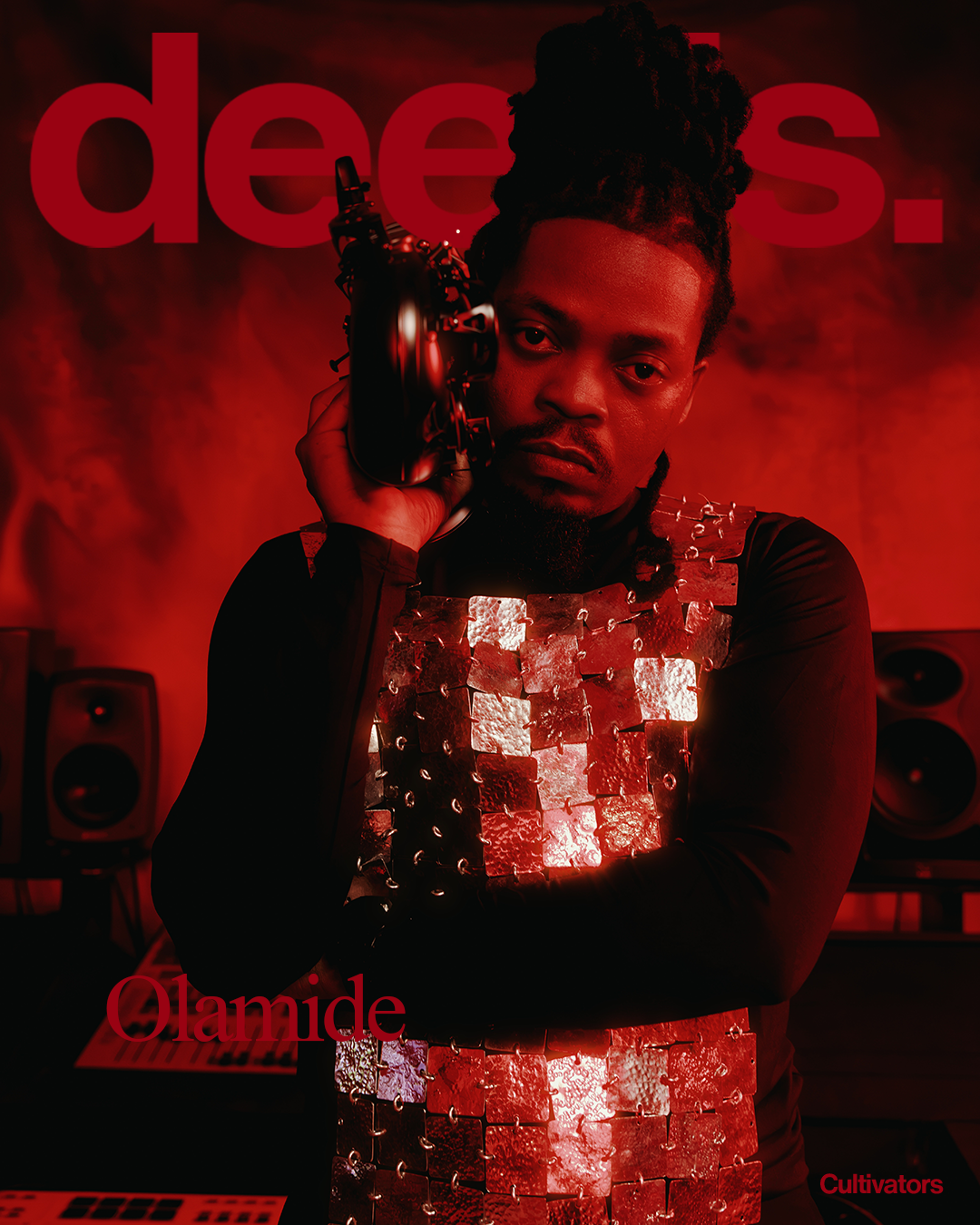
Olamide: The Badoo Effect

Authored by

It is 2026, and Olamide Adedeji is more than a household name in Nigeria’s music and culture scene. This is a man who has painstakingly built an empire known as YBNL, the same home that has nurtured and nestled the careers of several Nigerian-born global breakout stars, including Asake, Fireboy DML and Adekunle Gold. At 37, Olamide seems to persistently reinvent himself, something he has championed since his breakout days, circa 2010 when he joined a minority of rappers reinventing what indigenous rap and Yoruba rap fusions could sound like in Nigerian musicdom.

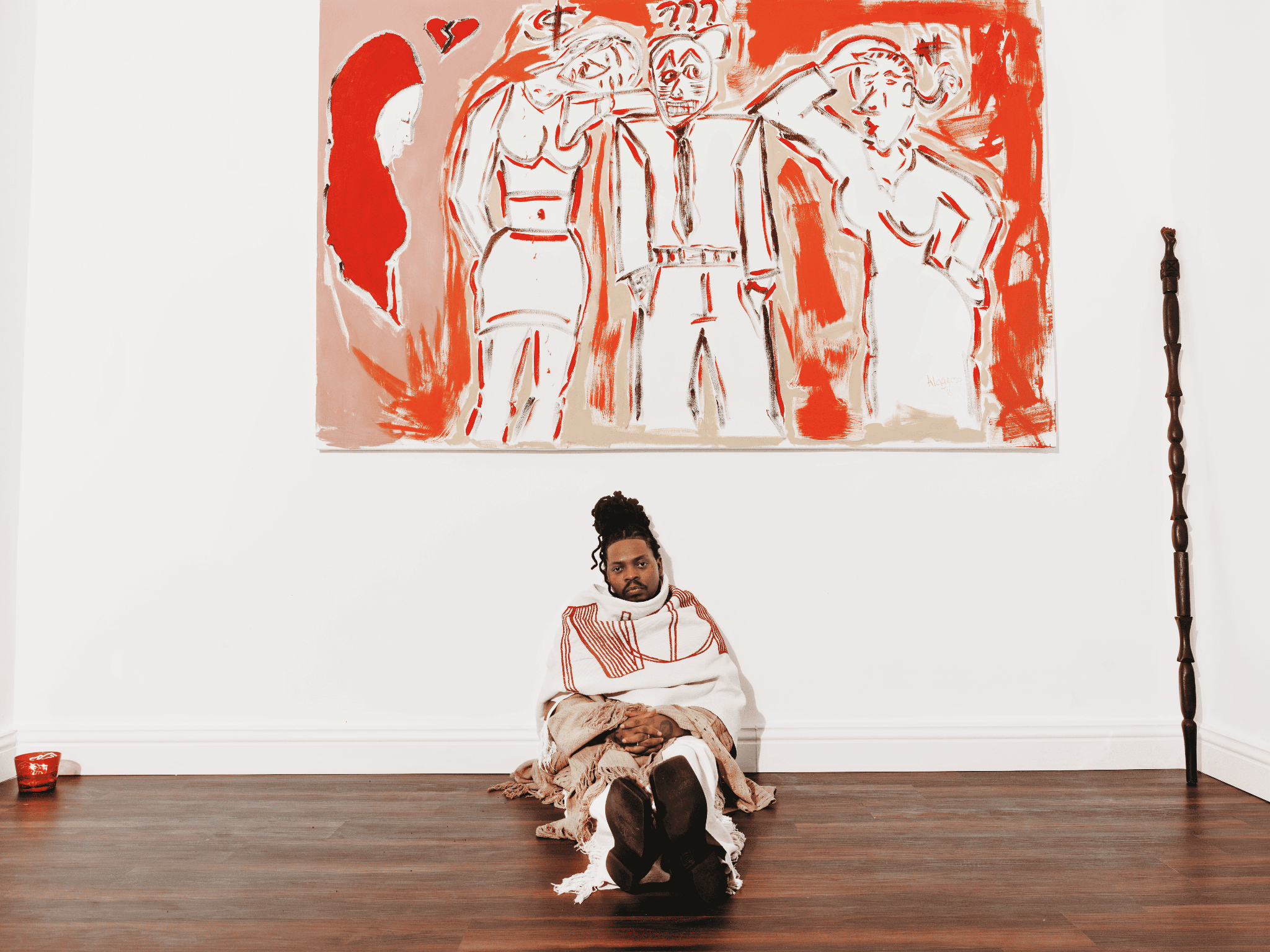
On the cover of his forthcoming studio album, Time & Space, Olamide takes his creativity a step further with a self-painted portrait of himself. The artwork details his newfound spark for visual arts, especially drawing and painting, a passion he reveals has been with him long before music became his primary form of expression. By creating the artwork himself, Olamide gives another glimpse into his evolving creative identity and his willingness to explore new artistic territories.

As someone who understands what success means on many fronts and across several generations of Nigerian music, Olamide is, safe to say, one of the most important custodians of our music heritage. He is also one of the biggest success figures for younger music mavericks to emulate. Apart from his own music, Olamide’s legacy continues to grow through what could best be described as “The Badoo Effect,” where his influence extends beyond his own artistry into the careers, creative identities and successes of an entire generation of musicians who have passed through his orbit.

Catching up with DEEDS for our Cultivators Issue, the rapper, singer, songwriter and music executive reflects on his journey building YBNL, his evolving understanding of success and legacy, his renewed passion for visual arts, and the creative freedom that continues to shape his music. He also opens up about his forthcoming album, Time & Space, fatherhood, the future of African music and what it truly means to cultivate the next generation of African creatives.
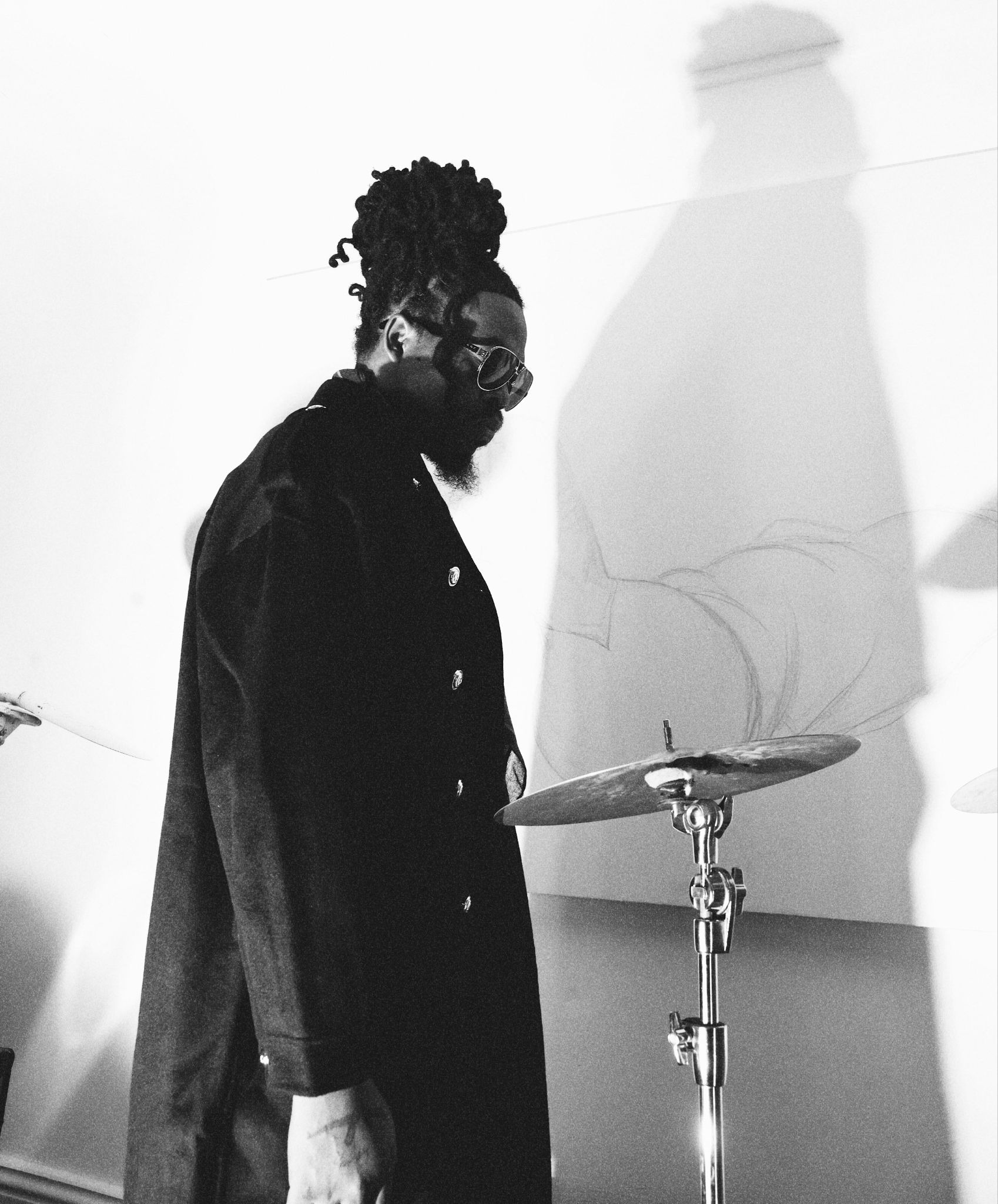
For someone who has spent over a decade shaping Nigerian music and nurturing some of its biggest talents, what does being a cultivator mean to you?

For me, being a cultivator is about recognising potential and creating the environment for it to grow.

It goes beyond making music or discovering talent. Sometimes, you meet someone who has something special but hasn’t quite figured out how to express it or where to channel their energy. Being able to recognise that and play a part in their journey is important to me.

I’ve always believed that there is enough room for everyone to win. I came into the industry with dreams of my own, and along the way, I realised that one of the most rewarding things you can do is help other people realise theirs. That’s what cultivation means to me: planting seeds, giving people room to grow and watching them become even bigger than you imagined.

Through YBNL, you’ve built an empire that has influenced an entire generation of African musicians. How has being at the centre of something so impactful changed your outlook on life, success and responsibility?

When I started YBNL, I wasn’t necessarily thinking about building an empire or creating something that would influence an entire generation. I was focused on creating opportunities and doing things differently. I wanted to build something that represented freedom, creativity and the belief that you could achieve great things regardless of where you were coming from.

Seeing what YBNL has become has definitely given me a different perspective on success. You begin to understand that success isn’t just about what you achieve individually; it’s also about what you make possible for other people.

It has also taught me that responsibility comes with influence. People are watching, learning and drawing inspiration from what you do, sometimes without you even realising it. I don’t take that lightly. At the same time, I try not to overthink it. I just focus on being genuine, making good decisions and staying true to what I believe in.

Also, has your understanding of what it means to build a lasting legacy evolved?

Absolutely! When you are young, you tend to measure success by what you can achieve personally, the records you can break and the recognition you receive. As you grow older, your perspective changes, things becomes different.

Today, I think more about impact. What are you leaving behind? What have you contributed to your community, your industry and the people coming after you?

Music can outlive you. But beyond the music, I want the things I’ve built, the opportunities I’ve created and the people I’ve supported to continue to mean something.

I think real legacy is when what you create continues to grow even when you’re no longer directly involved in it.
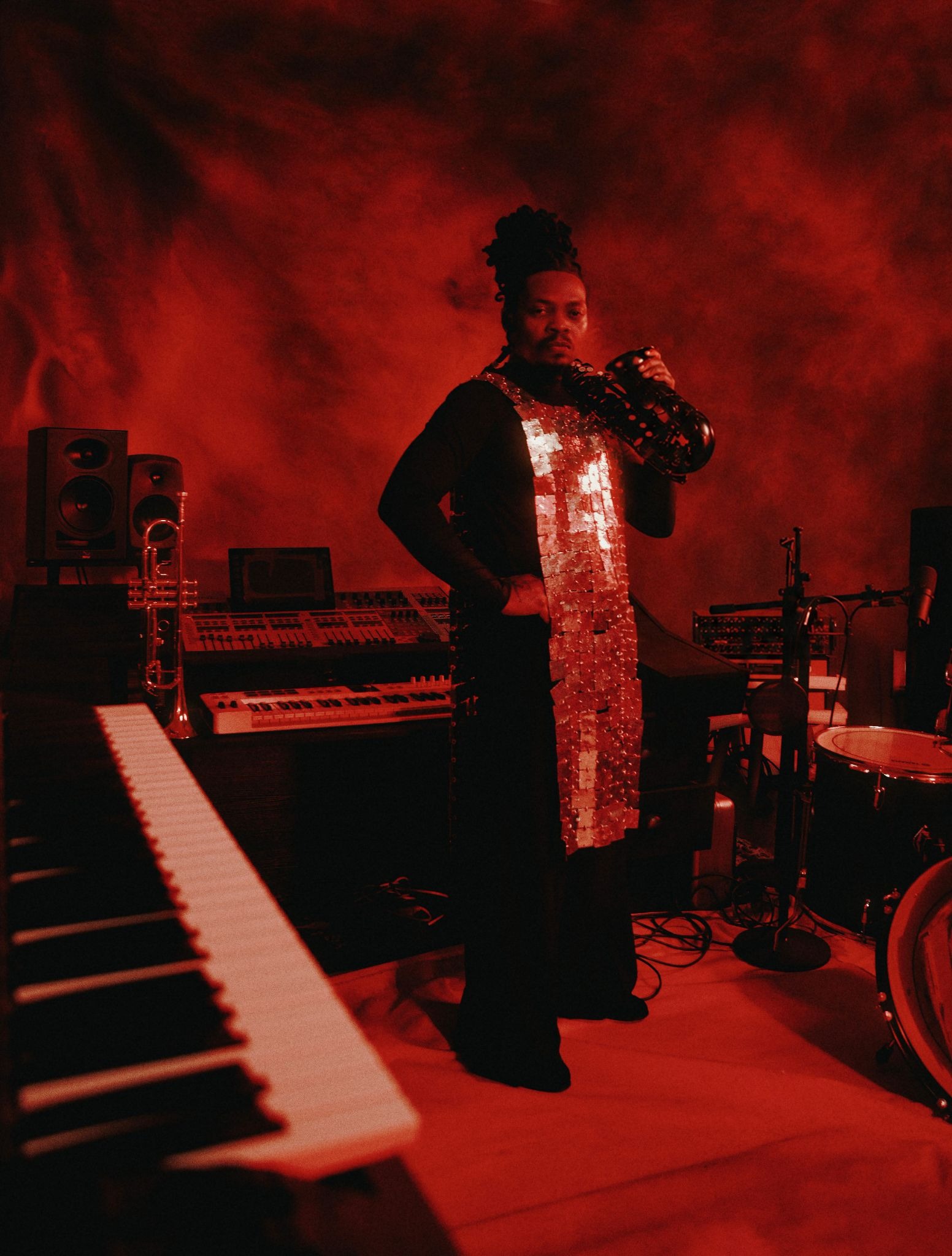
You’ve helped introduce and nurture some of the most exciting talents in Nigerian music. What do you look for in an artist, and how do you know when someone has that special spark?

Authenticity! The first thing I look for is authenticity. You can teach someone the business, help them develop their sound and understand the industry, but an artist’s identity must come naturally.

I look for people who are different and have something unique to offer. It could be their voice, songwriting, energy or the way they make music.

Sometimes, you hear someone and immediately know they have something special. They may not be perfect yet, but there’s something original about them that catches your attention. That’s the kind of spark I look for.

You’ve recently been exploring visual arts more intentionally. What inspired this creative direction, and what have you discovered about yourself through the process?

Visual art was actually my first love before music came into the picture. I’ve always been drawn to creativity and finding different ways to express myself. Music eventually became my primary form of expression, but my love for visual art never really left me.

Exploring art again feels like reconnecting with a part of myself. With music, I express myself through sound, rhythm and words, while visual art allows me to communicate through images, shapes, textures and colours.

For me, creativity has never been limited to one thing. It’s about being able to express yourself in different ways, explore new ideas and give life to whatever is inside you. I’m enjoying this journey and allowing myself to reconnect with arts.

At this stage of your career, with so many achievements behind you, what does creative freedom mean to you? Are there still artistic boundaries you’re eager to explore?

Creative freedom for me, is being able to create without feeling pressured to meet societal expectations. I’ve been in the industry long enough to understand that trends will come and go. What’s popular today might not necessarily be popular tomorrow.

At this stage, I want to make music because I genuinely feel like making music. I want to experiment, collaborate, explore different sounds and express myself in ways that feel natural to me.

There are no boundaries I’m trying to break just for the sake of breaking them. I’m more interested in following my curiosity and allowing the creative process to take me wherever it wants to go. I think that’s one of the beautiful things about being an artist.

Where do you draw inspiration from these days, especially when you’ve already experienced so much creatively? Has your relationship with inspiration changed over the years?

Inspiration can come from anywhere. It could be a conversation, something happening around me, an experience, a memory or even something I hear randomly.

I think the difference now is that I’m not necessarily looking for inspiration the way I might have done earlier in my career. I’m more observant, and I’ve learnt to appreciate the little things.

I also think life itself gives you new perspectives as you grow. You experience different things, meet different people and see the world differently. All of that finds its way into your creativity in one form or another.
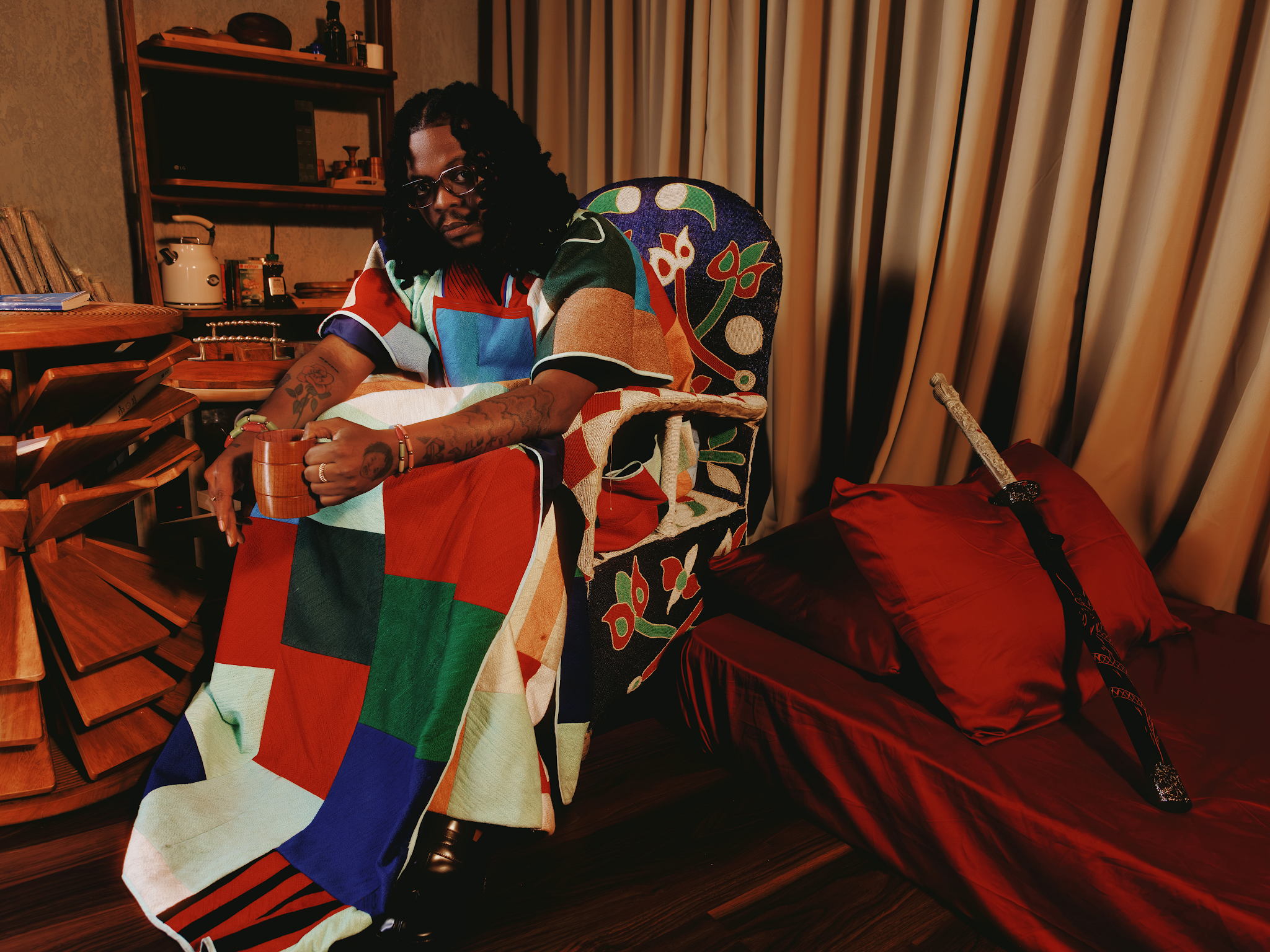
You have a new album on the way. What inspired this project, and how long have you been working on it?

Yes, Time & Space. I think the title captures an interesting part of where I am creatively and personally.

Over the years, I’ve experienced different phases of life and music. I’ve grown, experimented with all kinds of sounds and worked with different people. Every project represents a particular moment in that journey.

With this album, I wanted to create something that felt honest to where I am right now. I didn’t want to approach it with the pressure of trying to recreate something I’ve done before or compete with my previous work. I wanted to enjoy the process and allow the music to come together naturally.

As for how long I’ve been working on it, the creative process doesn’t always follow a straight timeline. Sometimes an idea comes together quickly; other times, you revisit it, develop it and allow it to become something else but to give it a timeline, I would say I started working on it 2 years ago. What matters to me is that when the music is ready, I feel good about putting it out into the world.

How has making this album challenged or expanded your perception of art, music and your own creative identity?

I think every project teaches you something new about yourself. The beautiful thing about music is that you never really arrive at a point where you know everything. There’s always something new to learn, something to experiment with and another perspective to explore.

This album has reminded me that I don’t have to be confined to one version of myself as. People might know me for a particular sound or style, but there’s so much more to explore.

I’ve also become more comfortable with allowing the creative process to be unpredictable. Sometimes the best ideas come when you stop trying to control every aspect of what you’re creating.

Ultimately, I see music as an ongoing journey. I’m still learning, still experimenting and still discovering different parts of myself.

You’ve collaborated with an incredible range of artists throughout your career. Were there any particularly spontaneous, challenging or exciting collaborations during the making of this album?

Collaborations are always interesting because you’re bringing different creative minds and experiences into one space. Everybody has their own approach to music, and sometimes the most exciting part is seeing how those different perspectives come together.

I’ve always enjoyed working with people who bring something different to the table. I’m not necessarily looking for someone to come into the studio and do what I would do. I want them to bring their own identity and energy to the music.

Some of the best creative moments happen when you allow people to be themselves and don’t overthink the process. That’s something I continue to enjoy about collaborating with other artists.

What excites you most about where African music is heading, and what concerns you about its future?

What excites me most is the fact that African music is no longer being received by the world as something people are just discovering. It’s becoming a significant part of global culture. I love that we’re beginning to see more diversity within African music as well. Different countries, languages, cultures and sounds are finding their audiences. My biggest concern would be losing our identity in the process of trying to become global. I think it’s important that we continue to invest in our culture, our stories and our originality. The things that make our music special are the same things that will keep it relevant in the long run.

We should be able to take our music to the world without feeling the need to become something else to be accepted.

Which emerging artists are currently catching your attention, both within Nigeria and across the wider African music scene? What is it about their artistry that excites you?

They are not emerging artists, but I am still stuck on Fola, Shoday & Kidd Carder. However, EF Moon is one emerging artist I am stuck on.

What interests me most is originality. I like artists who are confident enough to create their own sound, experiment with their influences and tell their stories in ways that are unique to them.

I also pay attention to the younger generation because they are growing up with different influences and access to different opportunities. They’re approaching music, technology and the business differently.

I don’t think you have to sound a particular way to get my attention. If the music is good and there’s something genuine about the artist, I’m interested.

Having built a platform that has launched several successful careers, how do you balance allowing younger artists to discover their own identities with offering them guidance from your experience?

I think the most important thing is understanding that everybody’s journey is different. Just because something worked for me doesn’t mean it will necessarily work for somebody else.

My role is not to create younger versions of myself. It’s to help people discover and develop their own identities. I can share my experiences, offer advice and help them navigate certain aspects of the industry, but ultimately, they have to find their own voices.

I also believe in giving people room to make mistakes and learn. Sometimes, experience is the best teacher. You can’t take away every challenge someone will encounter, but you can help them understand how to navigate those challenges.

For me, it’s about providing guidance without taking away their freedom to become who they are meant to be.
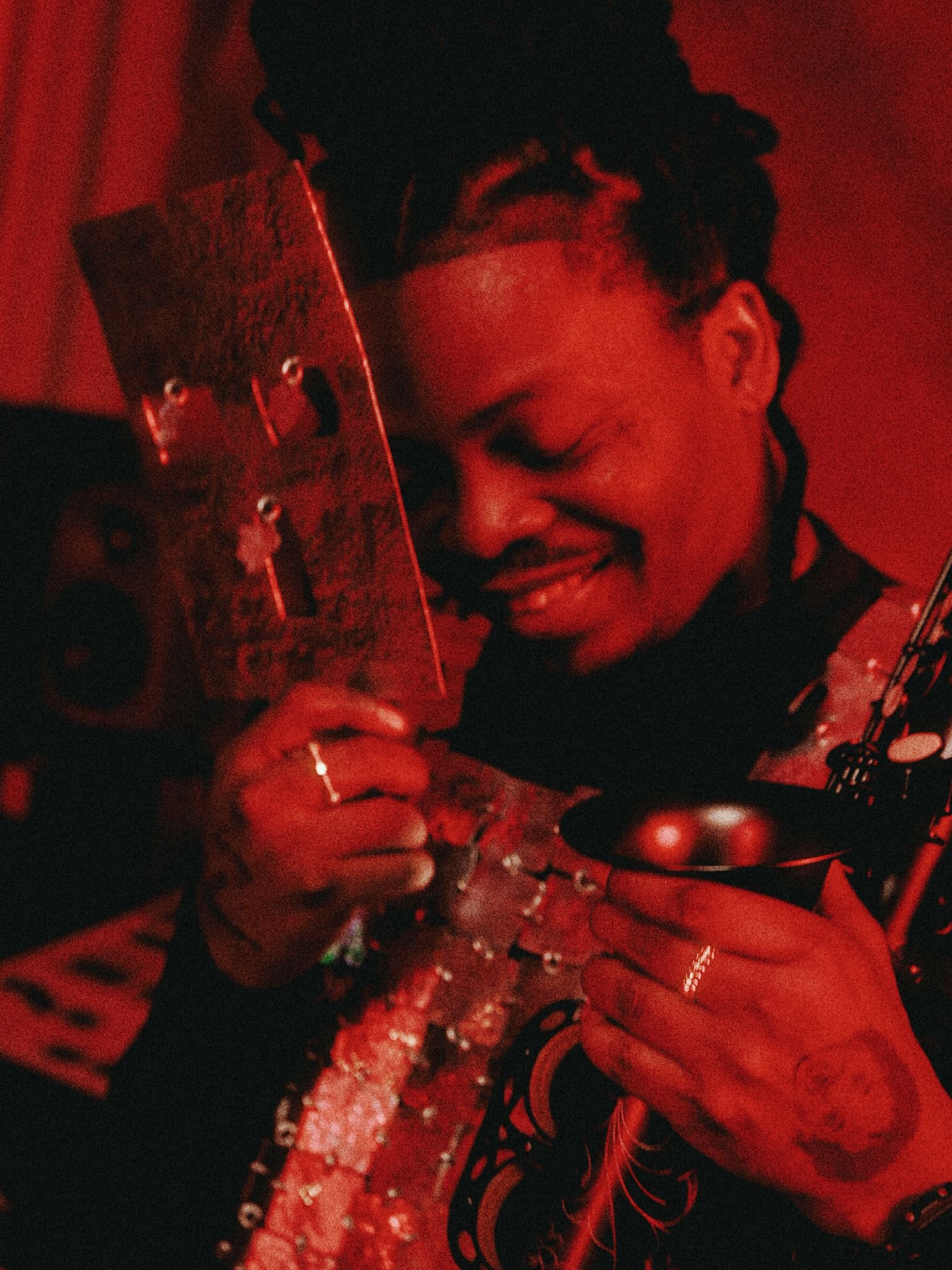
Away from the studio, the stage and the responsibilities of running an empire, who is Olamide today? What does an ordinary day in your life look like?

Away from work, I enjoy my own space. An ordinary day can involve spending time with my family, listening to music, catching up on things or just relaxing. I don’t necessarily need to be doing something extraordinary all the time.

I think as you get older, you begin to appreciate peace and the simple things more. I’ve spent many years working, travelling, recording and performing, so I value moments when I can slow down and just enjoy life.

At the end of the day, I’m still the same person. I just have more responsibilities now, and I’ve learnt to appreciate the balance between work and personal life.
How have marriage, fatherhood and family life influenced your personality, priorities and creative decisions over the years?

Family has definitely given me a different perspective on life. Having a family changes the way you see things. You become more conscious of your decisions, your time and the kind of future you’re building.

It has also taught me patience and the importance of being present. There are things that matter beyond music and the entertainment industry, and family reminds you of that.

I think fatherhood makes you think about the future differently. You want to build something meaningful, not just for yourself but for the people who depend on you.

It hasn’t taken away my passion for music. If anything, it has given me more reasons to keep growing and becoming a better version of myself.

You’ve achieved so much as an artist, entrepreneur and cultural figure. What ambitions continue to inspire you?

I still have a lot I want to do. I don’t necessarily approach life with a checklist of things I must achieve, but I know I’m not done creating or exploring new opportunities.

I’m interested in seeing how far African creativity can go, and I want to continue playing my part in that journey. There are still sounds I want to explore, ideas I want to bring to life and opportunities I want to create for other people.

I also want to keep challenging myself outside my comfort zone. I think it’s important not to become too comfortable with what you’ve already achieved. There’s always another level of growth, and that’s what keeps me motivated.

Beyond music, what other creative or cultural spaces would you like to cultivate, and what kind of impact do you hope to make through them?

I think there’s so much potential within African creative culture, and music is only one part of it. I’m interested in exploring different forms of art, storytelling, fashion, visual culture and other spaces where creativity can thrive.

My recent interest in visual art is part of that exploration. I want to continue discovering different ways to express myself and contribute to the creative community.

More importantly, I’d love to see more opportunities created for young African creatives across different disciplines. We have incredible talent, but we also need platforms, infrastructure and the right environment for that talent to flourish.

If I can contribute to building spaces where people can express themselves, experiment and create opportunities for others, then I think that’s a meaningful contribution. Ultimately, I want to keep creating things that outlive the moment.
‍

‍

Olamide: The Badoo Effect

Authored by
This is some text inside of a div block.

It is 2026, and Olamide Adedeji is more than a household name in Nigeria’s music and culture scene. This is a man who has painstakingly built an empire known as YBNL, the same home that has nurtured and nestled the careers of several Nigerian-born global breakout stars, including Asake, Fireboy DML and Adekunle Gold. At 37, Olamide seems to persistently reinvent himself, something he has championed since his breakout days, circa 2010 when he joined a minority of rappers reinventing what indigenous rap and Yoruba rap fusions could sound like in Nigerian musicdom.

On the cover of his forthcoming studio album, Time & Space, Olamide takes his creativity a step further with a self-painted portrait of himself. The artwork details his newfound spark for visual arts, especially drawing and painting, a passion he reveals has been with him long before music became his primary form of expression. By creating the artwork himself, Olamide gives another glimpse into his evolving creative identity and his willingness to explore new artistic territories.

As someone who understands what success means on many fronts and across several generations of Nigerian music, Olamide is, safe to say, one of the most important custodians of our music heritage. He is also one of the biggest success figures for younger music mavericks to emulate. Apart from his own music, Olamide’s legacy continues to grow through what could best be described as “The Badoo Effect,” where his influence extends beyond his own artistry into the careers, creative identities and successes of an entire generation of musicians who have passed through his orbit.

Catching up with DEEDS for our Cultivators Issue, the rapper, singer, songwriter and music executive reflects on his journey building YBNL, his evolving understanding of success and legacy, his renewed passion for visual arts, and the creative freedom that continues to shape his music. He also opens up about his forthcoming album, Time & Space, fatherhood, the future of African music and what it truly means to cultivate the next generation of African creatives.

For someone who has spent over a decade shaping Nigerian music and nurturing some of its biggest talents, what does being a cultivator mean to you?

For me, being a cultivator is about recognising potential and creating the environment for it to grow.

It goes beyond making music or discovering talent. Sometimes, you meet someone who has something special but hasn’t quite figured out how to express it or where to channel their energy. Being able to recognise that and play a part in their journey is important to me.

I’ve always believed that there is enough room for everyone to win. I came into the industry with dreams of my own, and along the way, I realised that one of the most rewarding things you can do is help other people realise theirs. That’s what cultivation means to me: planting seeds, giving people room to grow and watching them become even bigger than you imagined.

Through YBNL, you’ve built an empire that has influenced an entire generation of African musicians. How has being at the centre of something so impactful changed your outlook on life, success and responsibility?

When I started YBNL, I wasn’t necessarily thinking about building an empire or creating something that would influence an entire generation. I was focused on creating opportunities and doing things differently. I wanted to build something that represented freedom, creativity and the belief that you could achieve great things regardless of where you were coming from.

Seeing what YBNL has become has definitely given me a different perspective on success. You begin to understand that success isn’t just about what you achieve individually; it’s also about what you make possible for other people.

It has also taught me that responsibility comes with influence. People are watching, learning and drawing inspiration from what you do, sometimes without you even realising it. I don’t take that lightly. At the same time, I try not to overthink it. I just focus on being genuine, making good decisions and staying true to what I believe in.

Also, has your understanding of what it means to build a lasting legacy evolved?

Absolutely! When you are young, you tend to measure success by what you can achieve personally, the records you can break and the recognition you receive. As you grow older, your perspective changes, things becomes different.

Today, I think more about impact. What are you leaving behind? What have you contributed to your community, your industry and the people coming after you?

Music can outlive you. But beyond the music, I want the things I’ve built, the opportunities I’ve created and the people I’ve supported to continue to mean something.

I think real legacy is when what you create continues to grow even when you’re no longer directly involved in it.

You’ve helped introduce and nurture some of the most exciting talents in Nigerian music. What do you look for in an artist, and how do you know when someone has that special spark?

Authenticity! The first thing I look for is authenticity. You can teach someone the business, help them develop their sound and understand the industry, but an artist’s identity must come naturally.

I look for people who are different and have something unique to offer. It could be their voice, songwriting, energy or the way they make music.

Sometimes, you hear someone and immediately know they have something special. They may not be perfect yet, but there’s something original about them that catches your attention. That’s the kind of spark I look for.

You’ve recently been exploring visual arts more intentionally. What inspired this creative direction, and what have you discovered about yourself through the process?

Visual art was actually my first love before music came into the picture. I’ve always been drawn to creativity and finding different ways to express myself. Music eventually became my primary form of expression, but my love for visual art never really left me.

Exploring art again feels like reconnecting with a part of myself. With music, I express myself through sound, rhythm and words, while visual art allows me to communicate through images, shapes, textures and colours.

For me, creativity has never been limited to one thing. It’s about being able to express yourself in different ways, explore new ideas and give life to whatever is inside you. I’m enjoying this journey and allowing myself to reconnect with arts.

At this stage of your career, with so many achievements behind you, what does creative freedom mean to you? Are there still artistic boundaries you’re eager to explore?

Creative freedom for me, is being able to create without feeling pressured to meet societal expectations. I’ve been in the industry long enough to understand that trends will come and go. What’s popular today might not necessarily be popular tomorrow.

At this stage, I want to make music because I genuinely feel like making music. I want to experiment, collaborate, explore different sounds and express myself in ways that feel natural to me.

There are no boundaries I’m trying to break just for the sake of breaking them. I’m more interested in following my curiosity and allowing the creative process to take me wherever it wants to go. I think that’s one of the beautiful things about being an artist.

Where do you draw inspiration from these days, especially when you’ve already experienced so much creatively? Has your relationship with inspiration changed over the years?

Inspiration can come from anywhere. It could be a conversation, something happening around me, an experience, a memory or even something I hear randomly.

I think the difference now is that I’m not necessarily looking for inspiration the way I might have done earlier in my career. I’m more observant, and I’ve learnt to appreciate the little things.

I also think life itself gives you new perspectives as you grow. You experience different things, meet different people and see the world differently. All of that finds its way into your creativity in one form or another.

You have a new album on the way. What inspired this project, and how long have you been working on it?

Yes, Time & Space. I think the title captures an interesting part of where I am creatively and personally.

Over the years, I’ve experienced different phases of life and music. I’ve grown, experimented with all kinds of sounds and worked with different people. Every project represents a particular moment in that journey.

With this album, I wanted to create something that felt honest to where I am right now. I didn’t want to approach it with the pressure of trying to recreate something I’ve done before or compete with my previous work. I wanted to enjoy the process and allow the music to come together naturally.

As for how long I’ve been working on it, the creative process doesn’t always follow a straight timeline. Sometimes an idea comes together quickly; other times, you revisit it, develop it and allow it to become something else but to give it a timeline, I would say I started working on it 2 years ago. What matters to me is that when the music is ready, I feel good about putting it out into the world.

How has making this album challenged or expanded your perception of art, music and your own creative identity?

I think every project teaches you something new about yourself. The beautiful thing about music is that you never really arrive at a point where you know everything. There’s always something new to learn, something to experiment with and another perspective to explore.

This album has reminded me that I don’t have to be confined to one version of myself as. People might know me for a particular sound or style, but there’s so much more to explore.

I’ve also become more comfortable with allowing the creative process to be unpredictable. Sometimes the best ideas come when you stop trying to control every aspect of what you’re creating.

Ultimately, I see music as an ongoing journey. I’m still learning, still experimenting and still discovering different parts of myself.

You’ve collaborated with an incredible range of artists throughout your career. Were there any particularly spontaneous, challenging or exciting collaborations during the making of this album?

Collaborations are always interesting because you’re bringing different creative minds and experiences into one space. Everybody has their own approach to music, and sometimes the most exciting part is seeing how those different perspectives come together.

I’ve always enjoyed working with people who bring something different to the table. I’m not necessarily looking for someone to come into the studio and do what I would do. I want them to bring their own identity and energy to the music.

Some of the best creative moments happen when you allow people to be themselves and don’t overthink the process. That’s something I continue to enjoy about collaborating with other artists.

What excites you most about where African music is heading, and what concerns you about its future?

What excites me most is the fact that African music is no longer being received by the world as something people are just discovering. It’s becoming a significant part of global culture. I love that we’re beginning to see more diversity within African music as well. Different countries, languages, cultures and sounds are finding their audiences. My biggest concern would be losing our identity in the process of trying to become global. I think it’s important that we continue to invest in our culture, our stories and our originality. The things that make our music special are the same things that will keep it relevant in the long run.

We should be able to take our music to the world without feeling the need to become something else to be accepted.

Which emerging artists are currently catching your attention, both within Nigeria and across the wider African music scene? What is it about their artistry that excites you?

They are not emerging artists, but I am still stuck on Fola, Shoday & Kidd Carder. However, EF Moon is one emerging artist I am stuck on.

What interests me most is originality. I like artists who are confident enough to create their own sound, experiment with their influences and tell their stories in ways that are unique to them.

I also pay attention to the younger generation because they are growing up with different influences and access to different opportunities. They’re approaching music, technology and the business differently.

I don’t think you have to sound a particular way to get my attention. If the music is good and there’s something genuine about the artist, I’m interested.

Having built a platform that has launched several successful careers, how do you balance allowing younger artists to discover their own identities with offering them guidance from your experience?

I think the most important thing is understanding that everybody’s journey is different. Just because something worked for me doesn’t mean it will necessarily work for somebody else.

My role is not to create younger versions of myself. It’s to help people discover and develop their own identities. I can share my experiences, offer advice and help them navigate certain aspects of the industry, but ultimately, they have to find their own voices.

I also believe in giving people room to make mistakes and learn. Sometimes, experience is the best teacher. You can’t take away every challenge someone will encounter, but you can help them understand how to navigate those challenges.

For me, it’s about providing guidance without taking away their freedom to become who they are meant to be.

Away from the studio, the stage and the responsibilities of running an empire, who is Olamide today? What does an ordinary day in your life look like?

Away from work, I enjoy my own space. An ordinary day can involve spending time with my family, listening to music, catching up on things or just relaxing. I don’t necessarily need to be doing something extraordinary all the time.

I think as you get older, you begin to appreciate peace and the simple things more. I’ve spent many years working, travelling, recording and performing, so I value moments when I can slow down and just enjoy life.

At the end of the day, I’m still the same person. I just have more responsibilities now, and I’ve learnt to appreciate the balance between work and personal life.

How have marriage, fatherhood and family life influenced your personality, priorities and creative decisions over the years?

Family has definitely given me a different perspective on life. Having a family changes the way you see things. You become more conscious of your decisions, your time and the kind of future you’re building.

It has also taught me patience and the importance of being present. There are things that matter beyond music and the entertainment industry, and family reminds you of that.

I think fatherhood makes you think about the future differently. You want to build something meaningful, not just for yourself but for the people who depend on you.

It hasn’t taken away my passion for music. If anything, it has given me more reasons to keep growing and becoming a better version of myself.

You’ve achieved so much as an artist, entrepreneur and cultural figure. What ambitions continue to inspire you?

I still have a lot I want to do. I don’t necessarily approach life with a checklist of things I must achieve, but I know I’m not done creating or exploring new opportunities.

I’m interested in seeing how far African creativity can go, and I want to continue playing my part in that journey. There are still sounds I want to explore, ideas I want to bring to life and opportunities I want to create for other people.

I also want to keep challenging myself outside my comfort zone. I think it’s important not to become too comfortable with what you’ve already achieved. There’s always another level of growth, and that’s what keeps me motivated.

Beyond music, what other creative or cultural spaces would you like to cultivate, and what kind of impact do you hope to make through them?

I think there’s so much potential within African creative culture, and music is only one part of it. I’m interested in exploring different forms of art, storytelling, fashion, visual culture and other spaces where creativity can thrive.

My recent interest in visual art is part of that exploration. I want to continue discovering different ways to express myself and contribute to the creative community.

More importantly, I’d love to see more opportunities created for young African creatives across different disciplines. We have incredible talent, but we also need platforms, infrastructure and the right environment for that talent to flourish.

If I can contribute to building spaces where people can express themselves, experiment and create opportunities for others, then I think that’s a meaningful contribution. Ultimately, I want to keep creating things that outlive the moment.
‍

‍

This is some text inside of a div block.

Olamide: The Badoo Effect

Authored by

It is 2026, and Olamide Adedeji is more than a household name in Nigeria’s music and culture scene. This is a man who has painstakingly built an empire known as YBNL, the same home that has nurtured and nestled the careers of several Nigerian-born global breakout stars, including Asake, Fireboy DML and Adekunle Gold. At 37, Olamide seems to persistently reinvent himself, something he has championed since his breakout days, circa 2010 when he joined a minority of rappers reinventing what indigenous rap and Yoruba rap fusions could sound like in Nigerian musicdom.

On the cover of his forthcoming studio album, Time & Space, Olamide takes his creativity a step further with a self-painted portrait of himself. The artwork details his newfound spark for visual arts, especially drawing and painting, a passion he reveals has been with him long before music became his primary form of expression. By creating the artwork himself, Olamide gives another glimpse into his evolving creative identity and his willingness to explore new artistic territories.

As someone who understands what success means on many fronts and across several generations of Nigerian music, Olamide is, safe to say, one of the most important custodians of our music heritage. He is also one of the biggest success figures for younger music mavericks to emulate. Apart from his own music, Olamide’s legacy continues to grow through what could best be described as “The Badoo Effect,” where his influence extends beyond his own artistry into the careers, creative identities and successes of an entire generation of musicians who have passed through his orbit.

Catching up with DEEDS for our Cultivators Issue, the rapper, singer, songwriter and music executive reflects on his journey building YBNL, his evolving understanding of success and legacy, his renewed passion for visual arts, and the creative freedom that continues to shape his music. He also opens up about his forthcoming album, Time & Space, fatherhood, the future of African music and what it truly means to cultivate the next generation of African creatives.

For someone who has spent over a decade shaping Nigerian music and nurturing some of its biggest talents, what does being a cultivator mean to you?

For me, being a cultivator is about recognising potential and creating the environment for it to grow.

It goes beyond making music or discovering talent. Sometimes, you meet someone who has something special but hasn’t quite figured out how to express it or where to channel their energy. Being able to recognise that and play a part in their journey is important to me.

I’ve always believed that there is enough room for everyone to win. I came into the industry with dreams of my own, and along the way, I realised that one of the most rewarding things you can do is help other people realise theirs. That’s what cultivation means to me: planting seeds, giving people room to grow and watching them become even bigger than you imagined.

Through YBNL, you’ve built an empire that has influenced an entire generation of African musicians. How has being at the centre of something so impactful changed your outlook on life, success and responsibility?

When I started YBNL, I wasn’t necessarily thinking about building an empire or creating something that would influence an entire generation. I was focused on creating opportunities and doing things differently. I wanted to build something that represented freedom, creativity and the belief that you could achieve great things regardless of where you were coming from.

Seeing what YBNL has become has definitely given me a different perspective on success. You begin to understand that success isn’t just about what you achieve individually; it’s also about what you make possible for other people.

It has also taught me that responsibility comes with influence. People are watching, learning and drawing inspiration from what you do, sometimes without you even realising it. I don’t take that lightly. At the same time, I try not to overthink it. I just focus on being genuine, making good decisions and staying true to what I believe in.

Also, has your understanding of what it means to build a lasting legacy evolved?

Absolutely! When you are young, you tend to measure success by what you can achieve personally, the records you can break and the recognition you receive. As you grow older, your perspective changes, things becomes different.

Today, I think more about impact. What are you leaving behind? What have you contributed to your community, your industry and the people coming after you?

Music can outlive you. But beyond the music, I want the things I’ve built, the opportunities I’ve created and the people I’ve supported to continue to mean something.

I think real legacy is when what you create continues to grow even when you’re no longer directly involved in it.

You’ve helped introduce and nurture some of the most exciting talents in Nigerian music. What do you look for in an artist, and how do you know when someone has that special spark?

Authenticity! The first thing I look for is authenticity. You can teach someone the business, help them develop their sound and understand the industry, but an artist’s identity must come naturally.

I look for people who are different and have something unique to offer. It could be their voice, songwriting, energy or the way they make music.

Sometimes, you hear someone and immediately know they have something special. They may not be perfect yet, but there’s something original about them that catches your attention. That’s the kind of spark I look for.

You’ve recently been exploring visual arts more intentionally. What inspired this creative direction, and what have you discovered about yourself through the process?

Visual art was actually my first love before music came into the picture. I’ve always been drawn to creativity and finding different ways to express myself. Music eventually became my primary form of expression, but my love for visual art never really left me.

Exploring art again feels like reconnecting with a part of myself. With music, I express myself through sound, rhythm and words, while visual art allows me to communicate through images, shapes, textures and colours.

For me, creativity has never been limited to one thing. It’s about being able to express yourself in different ways, explore new ideas and give life to whatever is inside you. I’m enjoying this journey and allowing myself to reconnect with arts.

At this stage of your career, with so many achievements behind you, what does creative freedom mean to you? Are there still artistic boundaries you’re eager to explore?

Creative freedom for me, is being able to create without feeling pressured to meet societal expectations. I’ve been in the industry long enough to understand that trends will come and go. What’s popular today might not necessarily be popular tomorrow.

At this stage, I want to make music because I genuinely feel like making music. I want to experiment, collaborate, explore different sounds and express myself in ways that feel natural to me.

There are no boundaries I’m trying to break just for the sake of breaking them. I’m more interested in following my curiosity and allowing the creative process to take me wherever it wants to go. I think that’s one of the beautiful things about being an artist.

Where do you draw inspiration from these days, especially when you’ve already experienced so much creatively? Has your relationship with inspiration changed over the years?

Inspiration can come from anywhere. It could be a conversation, something happening around me, an experience, a memory or even something I hear randomly.

I think the difference now is that I’m not necessarily looking for inspiration the way I might have done earlier in my career. I’m more observant, and I’ve learnt to appreciate the little things.

I also think life itself gives you new perspectives as you grow. You experience different things, meet different people and see the world differently. All of that finds its way into your creativity in one form or another.

You have a new album on the way. What inspired this project, and how long have you been working on it?

Yes, Time & Space. I think the title captures an interesting part of where I am creatively and personally.

Over the years, I’ve experienced different phases of life and music. I’ve grown, experimented with all kinds of sounds and worked with different people. Every project represents a particular moment in that journey.

With this album, I wanted to create something that felt honest to where I am right now. I didn’t want to approach it with the pressure of trying to recreate something I’ve done before or compete with my previous work. I wanted to enjoy the process and allow the music to come together naturally.

As for how long I’ve been working on it, the creative process doesn’t always follow a straight timeline. Sometimes an idea comes together quickly; other times, you revisit it, develop it and allow it to become something else but to give it a timeline, I would say I started working on it 2 years ago. What matters to me is that when the music is ready, I feel good about putting it out into the world.

How has making this album challenged or expanded your perception of art, music and your own creative identity?

I think every project teaches you something new about yourself. The beautiful thing about music is that you never really arrive at a point where you know everything. There’s always something new to learn, something to experiment with and another perspective to explore.

This album has reminded me that I don’t have to be confined to one version of myself as. People might know me for a particular sound or style, but there’s so much more to explore.

I’ve also become more comfortable with allowing the creative process to be unpredictable. Sometimes the best ideas come when you stop trying to control every aspect of what you’re creating.

Ultimately, I see music as an ongoing journey. I’m still learning, still experimenting and still discovering different parts of myself.

You’ve collaborated with an incredible range of artists throughout your career. Were there any particularly spontaneous, challenging or exciting collaborations during the making of this album?

Collaborations are always interesting because you’re bringing different creative minds and experiences into one space. Everybody has their own approach to music, and sometimes the most exciting part is seeing how those different perspectives come together.

I’ve always enjoyed working with people who bring something different to the table. I’m not necessarily looking for someone to come into the studio and do what I would do. I want them to bring their own identity and energy to the music.

Some of the best creative moments happen when you allow people to be themselves and don’t overthink the process. That’s something I continue to enjoy about collaborating with other artists.

What excites you most about where African music is heading, and what concerns you about its future?

What excites me most is the fact that African music is no longer being received by the world as something people are just discovering. It’s becoming a significant part of global culture. I love that we’re beginning to see more diversity within African music as well. Different countries, languages, cultures and sounds are finding their audiences. My biggest concern would be losing our identity in the process of trying to become global. I think it’s important that we continue to invest in our culture, our stories and our originality. The things that make our music special are the same things that will keep it relevant in the long run.

We should be able to take our music to the world without feeling the need to become something else to be accepted.

Which emerging artists are currently catching your attention, both within Nigeria and across the wider African music scene? What is it about their artistry that excites you?

They are not emerging artists, but I am still stuck on Fola, Shoday & Kidd Carder. However, EF Moon is one emerging artist I am stuck on.

What interests me most is originality. I like artists who are confident enough to create their own sound, experiment with their influences and tell their stories in ways that are unique to them.

I also pay attention to the younger generation because they are growing up with different influences and access to different opportunities. They’re approaching music, technology and the business differently.

I don’t think you have to sound a particular way to get my attention. If the music is good and there’s something genuine about the artist, I’m interested.

Having built a platform that has launched several successful careers, how do you balance allowing younger artists to discover their own identities with offering them guidance from your experience?

I think the most important thing is understanding that everybody’s journey is different. Just because something worked for me doesn’t mean it will necessarily work for somebody else.

My role is not to create younger versions of myself. It’s to help people discover and develop their own identities. I can share my experiences, offer advice and help them navigate certain aspects of the industry, but ultimately, they have to find their own voices.

I also believe in giving people room to make mistakes and learn. Sometimes, experience is the best teacher. You can’t take away every challenge someone will encounter, but you can help them understand how to navigate those challenges.

For me, it’s about providing guidance without taking away their freedom to become who they are meant to be.

Away from the studio, the stage and the responsibilities of running an empire, who is Olamide today? What does an ordinary day in your life look like?

Away from work, I enjoy my own space. An ordinary day can involve spending time with my family, listening to music, catching up on things or just relaxing. I don’t necessarily need to be doing something extraordinary all the time.

I think as you get older, you begin to appreciate peace and the simple things more. I’ve spent many years working, travelling, recording and performing, so I value moments when I can slow down and just enjoy life.

At the end of the day, I’m still the same person. I just have more responsibilities now, and I’ve learnt to appreciate the balance between work and personal life.

How have marriage, fatherhood and family life influenced your personality, priorities and creative decisions over the years?

Family has definitely given me a different perspective on life. Having a family changes the way you see things. You become more conscious of your decisions, your time and the kind of future you’re building.

It has also taught me patience and the importance of being present. There are things that matter beyond music and the entertainment industry, and family reminds you of that.

I think fatherhood makes you think about the future differently. You want to build something meaningful, not just for yourself but for the people who depend on you.

It hasn’t taken away my passion for music. If anything, it has given me more reasons to keep growing and becoming a better version of myself.

You’ve achieved so much as an artist, entrepreneur and cultural figure. What ambitions continue to inspire you?

I still have a lot I want to do. I don’t necessarily approach life with a checklist of things I must achieve, but I know I’m not done creating or exploring new opportunities.

I’m interested in seeing how far African creativity can go, and I want to continue playing my part in that journey. There are still sounds I want to explore, ideas I want to bring to life and opportunities I want to create for other people.

I also want to keep challenging myself outside my comfort zone. I think it’s important not to become too comfortable with what you’ve already achieved. There’s always another level of growth, and that’s what keeps me motivated.

Beyond music, what other creative or cultural spaces would you like to cultivate, and what kind of impact do you hope to make through them?

I think there’s so much potential within African creative culture, and music is only one part of it. I’m interested in exploring different forms of art, storytelling, fashion, visual culture and other spaces where creativity can thrive.

My recent interest in visual art is part of that exploration. I want to continue discovering different ways to express myself and contribute to the creative community.

More importantly, I’d love to see more opportunities created for young African creatives across different disciplines. We have incredible talent, but we also need platforms, infrastructure and the right environment for that talent to flourish.

If I can contribute to building spaces where people can express themselves, experiment and create opportunities for others, then I think that’s a meaningful contribution. Ultimately, I want to keep creating things that outlive the moment.

‍

‍

Other Stories
London
London
Lagos
London
Newyork
London
Shop
Join the community.
You are now subscribed to receive updates.
Oops! Something went wrong while submitting the form.
Subscribe