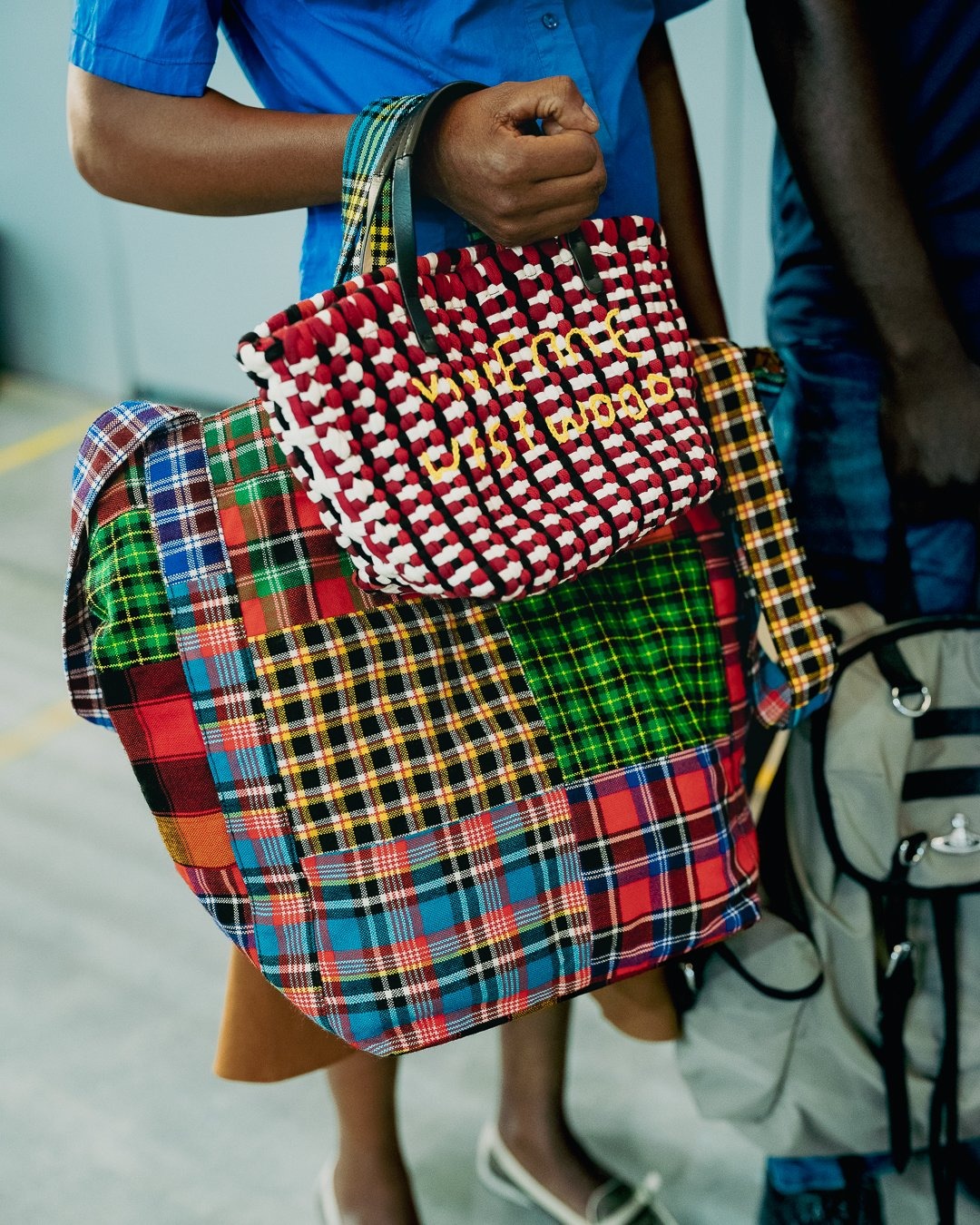
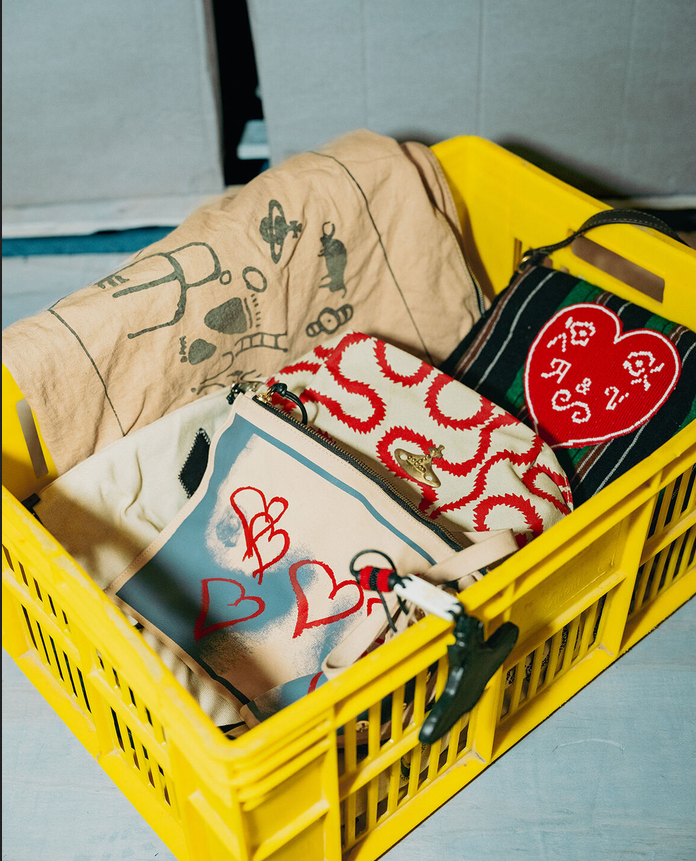
When Vivienne Westwood began working with the United Nations' Ethical Fashion Initiative (EFI) in Kenya in 2010, the collaboration started as a small design pilot. The first Made in Kenya collection followed in 2011, bringing together the British fashion house and Kenyan artisans whose craftsmanship would become central to its accessories line. Fifteen years later, the partnership has grown into a sustained relationship between international luxury fashion and local artisan production, offering a glimpse into a much larger conversation about African craftsmanship and its place in the global fashion industry.
The anniversary, this year, includes a travelling archival installation showcasing pieces from the collection's fifteen-year history across selected boutiques in London, Paris, Milan, Los Angeles, New York and other locations. Beyond the retrospective, however, the milestone presents an opportunity to consider what these partnerships are creating for the communities, businesses and creative industries behind the products.
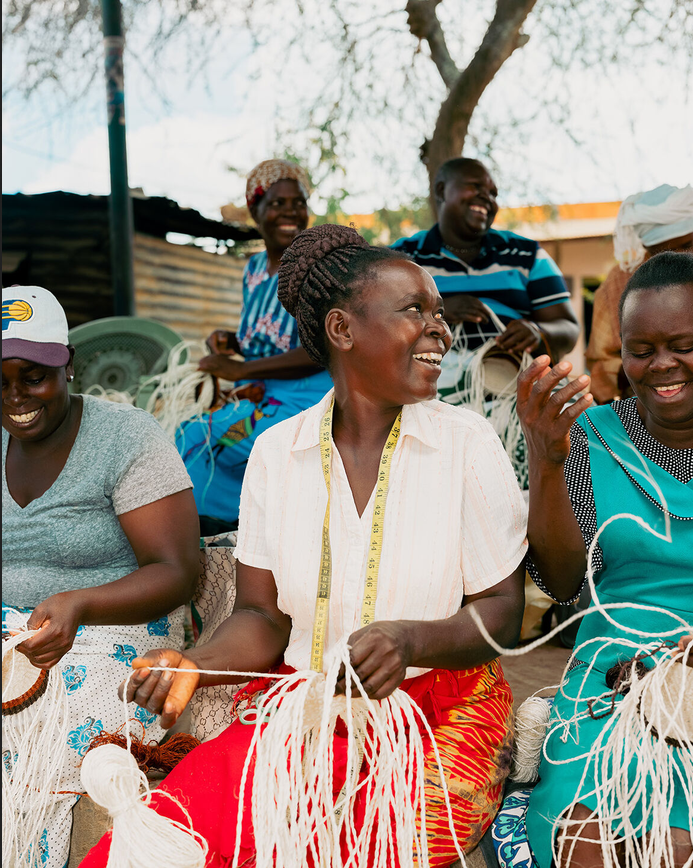
The Made in Kenya collection is produced in collaboration with Artisan Fashion, a Kenyan social enterprise established by EFI in 2009 before becoming independent in 2015. Its continued relationship with Vivienne Westwood has supported artisan communities through production orders, technical training and skills development. Across 31 seasons and special collections, the partnership reports 3,554 seasonal engagements with artisans and Artisan Fashion team members. In its Spring/Summer 2026 season, more than 70 per cent of the artisans employed by Artisan Fashion were women.
The collaboration is part of a wider movement involving international fashion houses seeking to incorporate African craftsmanship into contemporary collections. French luxury house Chloé, for instance, has worked with Finnish-Kenyan design company Mifuko since 2020, bringing handwoven Kenyan baskets into its accessories collections. The baskets are produced by the same Kenyan artisan groups responsible for Mifuko's own products, under the same terms. According to Mifuko, the partnership has helped expand its operations while creating further work and training opportunities for the women involved.
In 2025, Karl Lagerfeld and its sustainability ambassador Amber Valletta collaborated with EFI on a limited-edition tote collection that brought together artisans in Burkina Faso and Kenya. The bags incorporated Faso Dan Fani cotton, handwoven by women artisans in Burkina Faso, before being crafted in Kenya through Artisan Fashion. Each of the 320 pieces was individually numbered and signed by its artisan maker, giving the people behind the production a visible place in the finished product's story.
Other international names, including Adidas and Stella McCartney, have also worked with Artisan Fashion, demonstrating that artisan-led production extends beyond luxury accessories. These relationships illustrate how traditional skills such as weaving, basketry, crochet, beadwork and metalwork can find new commercial applications within contemporary fashion.
For local producers, the opportunities extend beyond having their work featured in international boutiques. Consistent orders can provide access to international buyers, introduce artisans to different production standards and support the development of local enterprises capable of coordinating larger and more complex projects. The impact has also extended to the wider production ecosystem, creating opportunities in design, sourcing, quality control, logistics and manufacturing.
However, participation in an international supply chain does not automatically translate into ownership of the value it generates. Artisan enterprises may gain access to global markets while remaining dependent on external brands for orders, product development and distribution. The question is whether these relationships can also help local businesses develop their own products, attract independent clients and establish stronger commercial identities.
This is where Vivienne Westwood's Made in Kenya Designer Mentorship Programme, launched in July 2026, introduces another dimension to the anniversary. Developed by EFI in partnership with Vivienne Westwood, Artisan Fashion and Jiamini, led by Anthony Mulli, the programme connects Kenyan creative talent with different forms of industry expertise. Its three central strands bring together design and brand-building sessions led by Vivienne Westwood, community visits and exposure to traditional craft techniques through Artisan Fashion, and individual mentoring on creative identity and career development with Mulli.
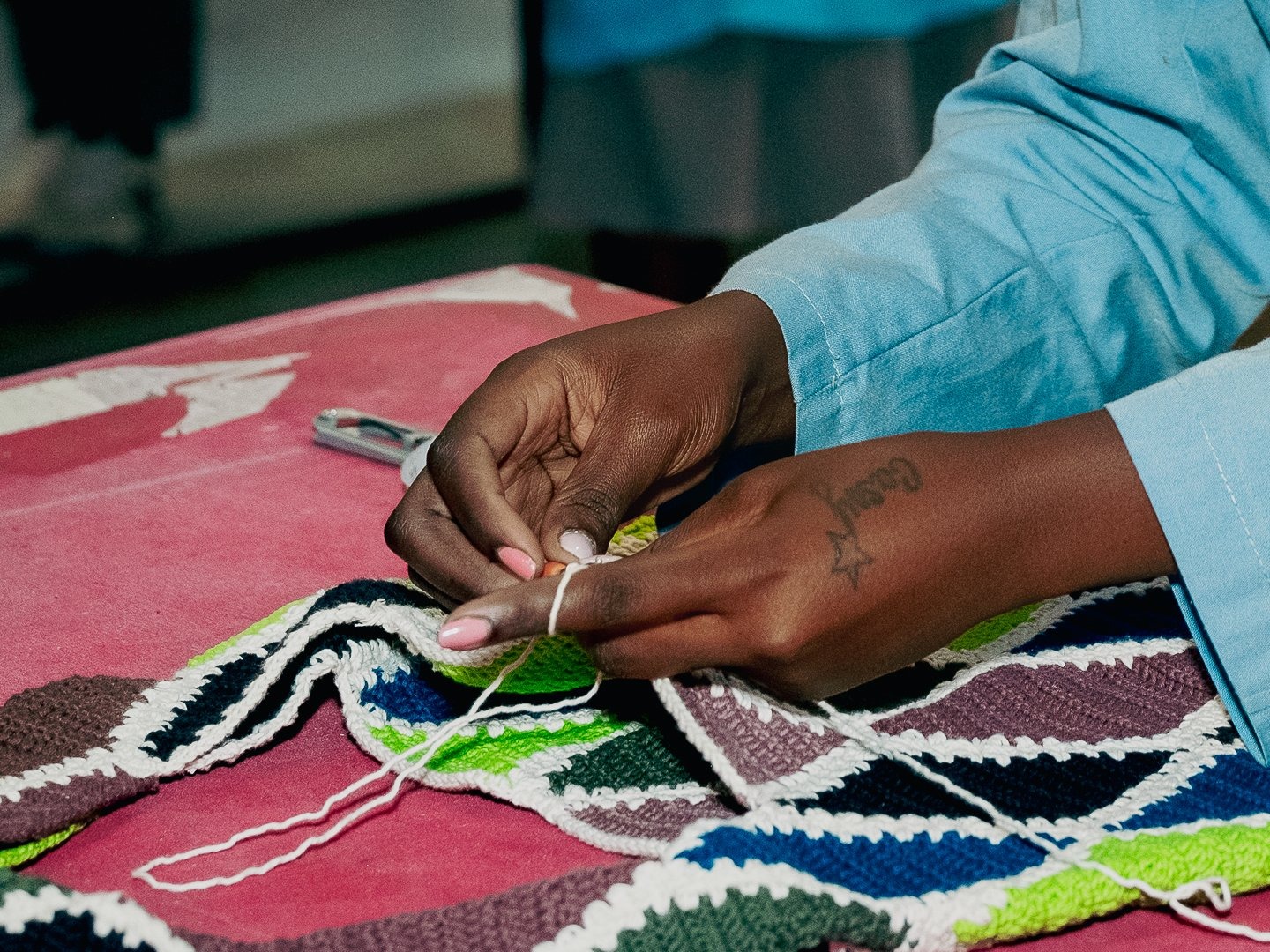
The programme features three Kenyan designers: Gloria Kisilu, Jamie Kimani and Namnyak Odupoy. Each is developing a signature bag or accessory informed by engagement with artisan communities. A parallel advanced track also supports established artisan businesses, with Tujikuze, EFI's newer Kenyan social enterprise partner, at its centre.
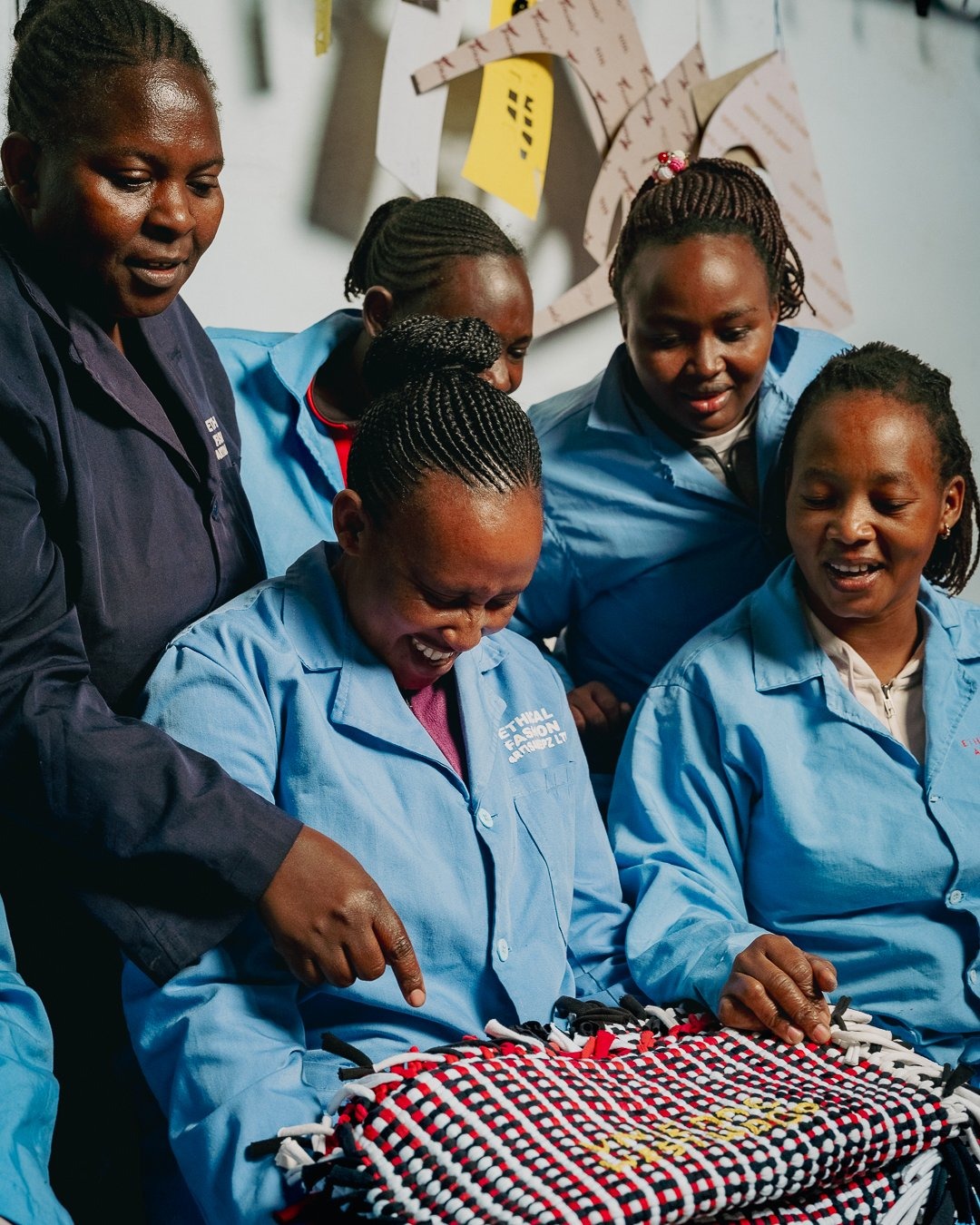
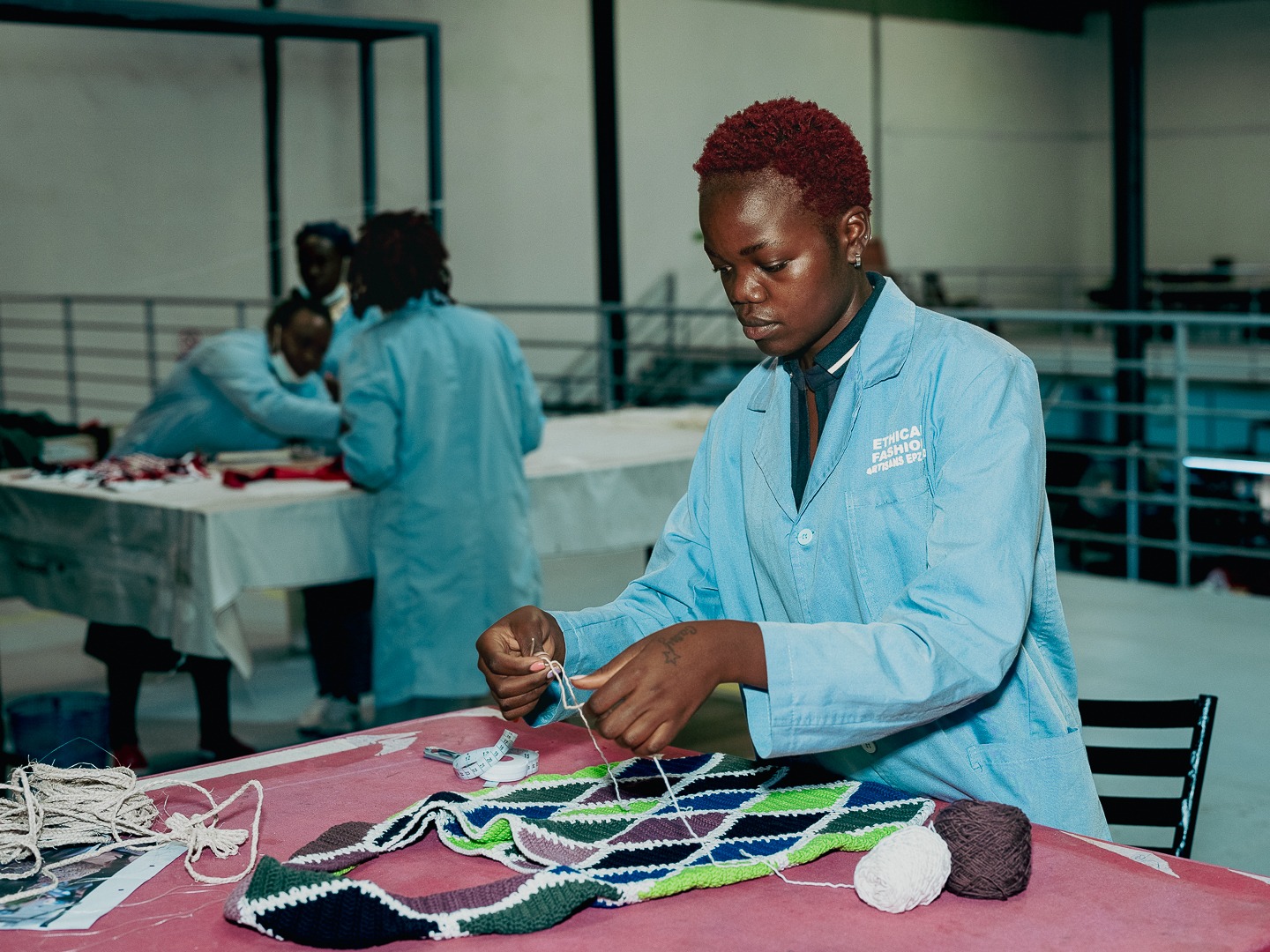
Kenya's wider textile and apparel industry demonstrates the economic potential of developing local production. According to the Kenya Export Promotion and Branding Agency, textile and apparel exports reached a record KSh66.9 billion in 2025, with formal employment in the sector surpassing 82,000. Although these figures represent a much broader industry than artisan accessories, they highlight the importance of manufacturing and value addition to the country's creative and industrial economy. Independent designers and smaller producers, however, continue to face challenges around access to financing, manufacturing capacity, affordable materials and international distribution.
Vivienne Westwood's fifteen-year relationship with Kenyan artisans is therefore part of a development worth watching. Alongside collaborations involving Chloé, Karl Lagerfeld and other international brands, it demonstrates the commercial and creative possibilities of connecting African craftsmanship to global fashion. Yet the future of these relationships should not be measured solely by the number of collections produced or the international recognition they receive. It should also be measured by what they make possible at home: stronger local enterprises, more opportunities for independent designers, sustainable livelihoods and a fashion industry with greater control over its own creative and commercial direction.
Cover Image Courtesy of Vivienne Westwood