The Hidden Story Behind Ayra Starr’s ‘Sability’ Congolese Sample

Authored by

A Blend Between Soukous and Afrobeats World Was Born

When Nigerian Afropop singer Ayra Starr first released ‘Sability’ in 2023, it received mixed reviews. The public seemingly adored the song, with it charting no. 1 in Nigeria’s TurnTable Top 100 and no. 2 in the UK Afrobeats Singles; however, the press saw things otherwise. Ramblings of ‘a miscalculated production choice’, and a flat chorus filled social media blogs. And what could have been a moment of recognizing an African cross-genre blend between the Congolese power hold of Soukous and the newer Nigerian dominant genre of Afrobeats ended up falling short. Little did they know that Ayra Starr’s sample by legend Awilo Longomba was once renowned for its influence on the continent & beyond, respected for pushing boundaries and forever changed the soundscape of African music.
Soukous is a Congolese dancing genre that was first popularized in the 60s, deriving from Rumba. The main aspect that differentiates both sounds is that Soukous has a fast-rhythmic pace, accompanied by guitar improvisations and is often danced to ndombolo, whilst Rumba is a slow ballad and usually enchants lyrical themes of love. Historically, both genres have always gone hand in hand, where Congolese legendary artists such as Koffi Olomide, Fally Ipupa, or the late Papa Wemba and Franco Luambo would dabble back and forth between them, depending on the trajectory of the song they wanted to produce.

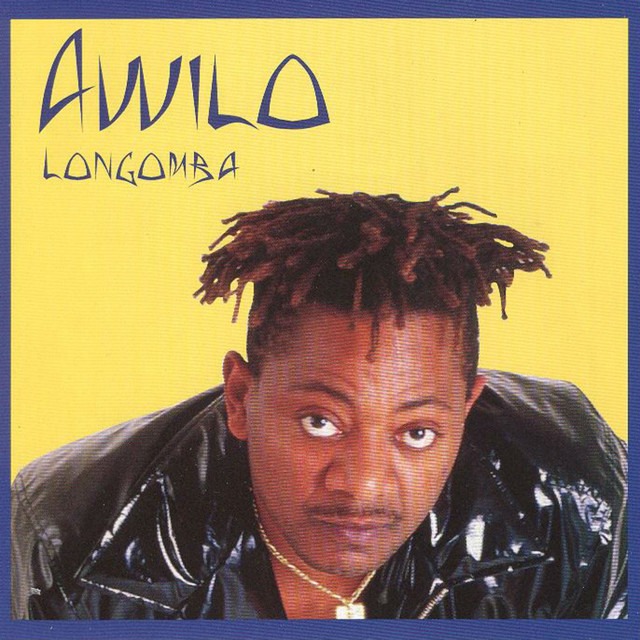
When Awilo Longomba released his second album, ‘Coupé Bibamba’ in 1998, it really shook things up. You see, Awilo was born into this, hailing from a musical father, Vicky Longomba, the lead vocalist and founder of the Rumba pioneering band TPOK Jazz. Some would say that music was in his blood; however, it is him revolutionizing Soukous with Electronic elements that really set him apart. The term techno-Soukous was then coined, bringing worlds together that had never been seen in the same category, let alone in the same room. The lead single that shares the title and 2023 sample made waves, encouraging the continent to dance along. The whole project was so popular that it even made noise in Europe & America through the diaspora.
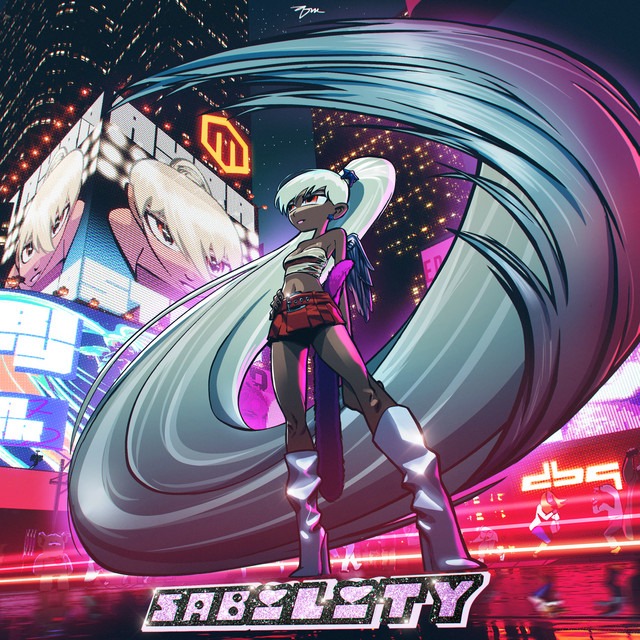
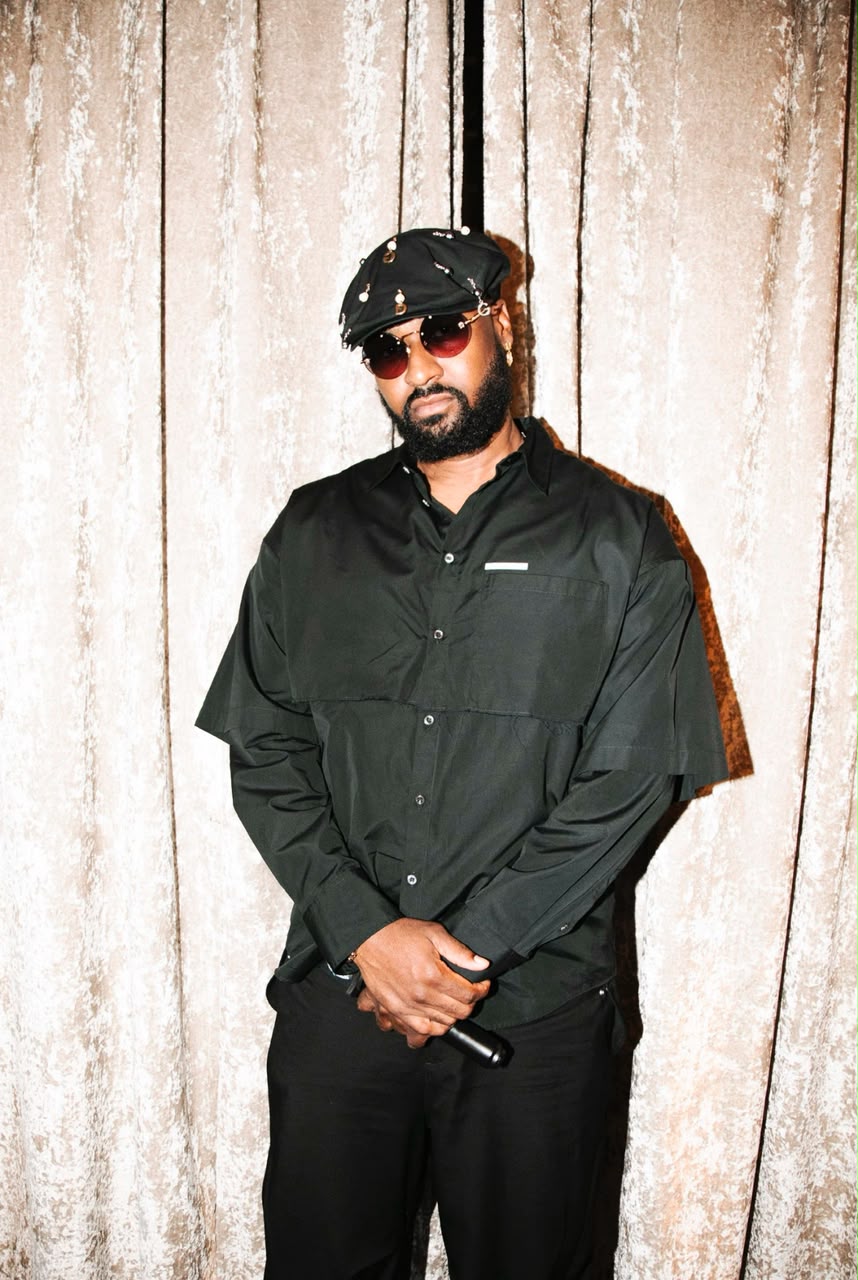
It is 2023, and Thisizlondon, or London in short, is in the studio with Ayra Starr (At least that’s how we imagine it). We presume London showcased the original song to the team, and Ayra fell in love with it first listen, which prompted its immediate release. All jokes aside, ‘Sability’ was surely a brand risk, just for the mere fact of its unusual melodies, eclectic rhythms and still very evident Soukous influences. As Afrofusion is often known for wanting to try new blends, which were received pretty well by fans. That is, until critics shared their questionable point of view, and the try-out came to an end.

What ‘Sability’ showcased at the time is the lack of cultural context within foreign entities, but also in its continental limitations. This is because the lyrics that were met with perplexity are the same elements that make a Soukous song. Lyrics are simplified, often just shouting out names, or in this case, “Awilo” at the refrain, which is the name of the artist himself. This is a key attribute incorporated into Soukous music as its purpose is to make you dance, and not dwell on the meaning behind words. Surely, one could argue that Ayra’s remake wasn’t as convincing as Awilo, and a feature would have made the hook justice. However, when Burna Boy and Wizkid borrow famous Fela Kuti’s lyrics and melodies to fuse them in their sound without its initial message, why doesn’t anybody bat an eye and just dance along?

Let’s take Rema’s 2025 single ‘Kelebu’, for example, which also fell into the same fate. A song mainly heavily influenced by Ivorian Coupé-Décalé, yet failed to resonate with commentators. It’s not that the song lacked substance or didn’t serve its purpose, which was to make us dance; it is that the lack of awareness of the historical agenda behind regional sounds makes Nigerian artists’ attempt to fuse them with Afrobeats ultimately flop.

The Hidden Story Behind Ayra Starr’s ‘Sability’ Congolese Sample

Authored by
This is some text inside of a div block.

A Blend Between Soukous and Afrobeats World Was Born

When Nigerian Afropop singer Ayra Starr first released ‘Sability’ in 2023, it received mixed reviews. The public seemingly adored the song, with it charting no. 1 in Nigeria’s TurnTable Top 100 and no. 2 in the UK Afrobeats Singles; however, the press saw things otherwise. Ramblings of ‘a miscalculated production choice’, and a flat chorus filled social media blogs. And what could have been a moment of recognizing an African cross-genre blend between the Congolese power hold of Soukous and the newer Nigerian dominant genre of Afrobeats ended up falling short. Little did they know that Ayra Starr’s sample by legend Awilo Longomba was once renowned for its influence on the continent & beyond, respected for pushing boundaries and forever changed the soundscape of African music.

Soukous is a Congolese dancing genre that was first popularized in the 60s, deriving from Rumba. The main aspect that differentiates both sounds is that Soukous has a fast-rhythmic pace, accompanied by guitar improvisations and is often danced to ndombolo, whilst Rumba is a slow ballad and usually enchants lyrical themes of love. Historically, both genres have always gone hand in hand, where Congolese legendary artists such as Koffi Olomide, Fally Ipupa, or the late Papa Wemba and Franco Luambo would dabble back and forth between them, depending on the trajectory of the song they wanted to produce.

When Awilo Longomba released his second album, ‘Coupé Bibamba’ in 1998, it really shook things up. You see, Awilo was born into this, hailing from a musical father, Vicky Longomba, the lead vocalist and founder of the Rumba pioneering band TPOK Jazz. Some would say that music was in his blood; however, it is him revolutionizing Soukous with Electronic elements that really set him apart. The term techno-Soukous was then coined, bringing worlds together that had never been seen in the same category, let alone in the same room. The lead single that shares the title and 2023 sample made waves, encouraging the continent to dance along. The whole project was so popular that it even made noise in Europe & America through the diaspora.

It is 2023, and Thisizlondon, or London in short, is in the studio with Ayra Starr (At least that’s how we imagine it). We presume London showcased the original song to the team, and Ayra fell in love with it first listen, which prompted its immediate release. All jokes aside, ‘Sability’ was surely a brand risk, just for the mere fact of its unusual melodies, eclectic rhythms and still very evident Soukous influences. As Afrofusion is often known for wanting to try new blends, which were received pretty well by fans. That is, until critics shared their questionable point of view, and the try-out came to an end.

What ‘Sability’ showcased at the time is the lack of cultural context within foreign entities, but also in its continental limitations. This is because the lyrics that were met with perplexity are the same elements that make a Soukous song. Lyrics are simplified, often just shouting out names, or in this case, “Awilo” at the refrain, which is the name of the artist himself. This is a key attribute incorporated into Soukous music as its purpose is to make you dance, and not dwell on the meaning behind words. Surely, one could argue that Ayra’s remake wasn’t as convincing as Awilo, and a feature would have made the hook justice. However, when Burna Boy and Wizkid borrow famous Fela Kuti’s lyrics and melodies to fuse them in their sound without its initial message, why doesn’t anybody bat an eye and just dance along?

Let’s take Rema’s 2025 single ‘Kelebu’, for example, which also fell into the same fate. A song mainly heavily influenced by Ivorian Coupé-Décalé, yet failed to resonate with commentators. It’s not that the song lacked substance or didn’t serve its purpose, which was to make us dance; it is that the lack of awareness of the historical agenda behind regional sounds makes Nigerian artists’ attempt to fuse them with Afrobeats ultimately flop.

This is some text inside of a div block.

The Hidden Story Behind Ayra Starr’s ‘Sability’ Congolese Sample

Authored by

A Blend Between Soukous and Afrobeats World Was Born

When Nigerian Afropop singer Ayra Starr first released ‘Sability’ in 2023, it received mixed reviews. The public seemingly adored the song, with it charting no. 1 in Nigeria’s TurnTable Top 100 and no. 2 in the UK Afrobeats Singles; however, the press saw things otherwise. Ramblings of ‘a miscalculated production choice’, and a flat chorus filled social media blogs. And what could have been a moment of recognizing an African cross-genre blend between the Congolese power hold of Soukous and the newer Nigerian dominant genre of Afrobeats ended up falling short. Little did they know that Ayra Starr’s sample by legend Awilo Longomba was once renowned for its influence on the continent & beyond, respected for pushing boundaries and forever changed the soundscape of African music.

Soukous is a Congolese dancing genre that was first popularized in the 60s, deriving from Rumba. The main aspect that differentiates both sounds is that Soukous has a fast-rhythmic pace, accompanied by guitar improvisations and is often danced to ndombolo, whilst Rumba is a slow ballad and usually enchants lyrical themes of love. Historically, both genres have always gone hand in hand, where Congolese legendary artists such as Koffi Olomide, Fally Ipupa, or the late Papa Wemba and Franco Luambo would dabble back and forth between them, depending on the trajectory of the song they wanted to produce.

When Awilo Longomba released his second album, ‘Coupé Bibamba’ in 1998, it really shook things up. You see, Awilo was born into this, hailing from a musical father, Vicky Longomba, the lead vocalist and founder of the Rumba pioneering band TPOK Jazz. Some would say that music was in his blood; however, it is him revolutionizing Soukous with Electronic elements that really set him apart. The term techno-Soukous was then coined, bringing worlds together that had never been seen in the same category, let alone in the same room. The lead single that shares the title and 2023 sample made waves, encouraging the continent to dance along. The whole project was so popular that it even made noise in Europe & America through the diaspora.

It is 2023, and Thisizlondon, or London in short, is in the studio with Ayra Starr (At least that’s how we imagine it). We presume London showcased the original song to the team, and Ayra fell in love with it first listen, which prompted its immediate release. All jokes aside, ‘Sability’ was surely a brand risk, just for the mere fact of its unusual melodies, eclectic rhythms and still very evident Soukous influences. As Afrofusion is often known for wanting to try new blends, which were received pretty well by fans. That is, until critics shared their questionable point of view, and the try-out came to an end.

What ‘Sability’ showcased at the time is the lack of cultural context within foreign entities, but also in its continental limitations. This is because the lyrics that were met with perplexity are the same elements that make a Soukous song. Lyrics are simplified, often just shouting out names, or in this case, “Awilo” at the refrain, which is the name of the artist himself. This is a key attribute incorporated into Soukous music as its purpose is to make you dance, and not dwell on the meaning behind words. Surely, one could argue that Ayra’s remake wasn’t as convincing as Awilo, and a feature would have made the hook justice. However, when Burna Boy and Wizkid borrow famous Fela Kuti’s lyrics and melodies to fuse them in their sound without its initial message, why doesn’t anybody bat an eye and just dance along?

Let’s take Rema’s 2025 single ‘Kelebu’, for example, which also fell into the same fate. A song mainly heavily influenced by Ivorian Coupé-Décalé, yet failed to resonate with commentators. It’s not that the song lacked substance or didn’t serve its purpose, which was to make us dance; it is that the lack of awareness of the historical agenda behind regional sounds makes Nigerian artists’ attempt to fuse them with Afrobeats ultimately flop.

Other Stories
London
London
Lagos
London
Newyork
London
Shop
Join the community.
You are now subscribed to receive updates.
Oops! Something went wrong while submitting the form.