.svg)


Like several great inventions, House music has travelled continents, evolving into the diverse versions that defined it everywhere it went.
Now, Something similar is happening in Nigeria.
This present wave of indigenous Nigerian House-pop fusion appears to be one of House music’s strongest influences in the country’s music scene.
Just as the French, the South Africans and Europeans localised House music for their audiences, Nigerians are now creating and playing House music that is textured with the accent, lingo and spirit of the community.
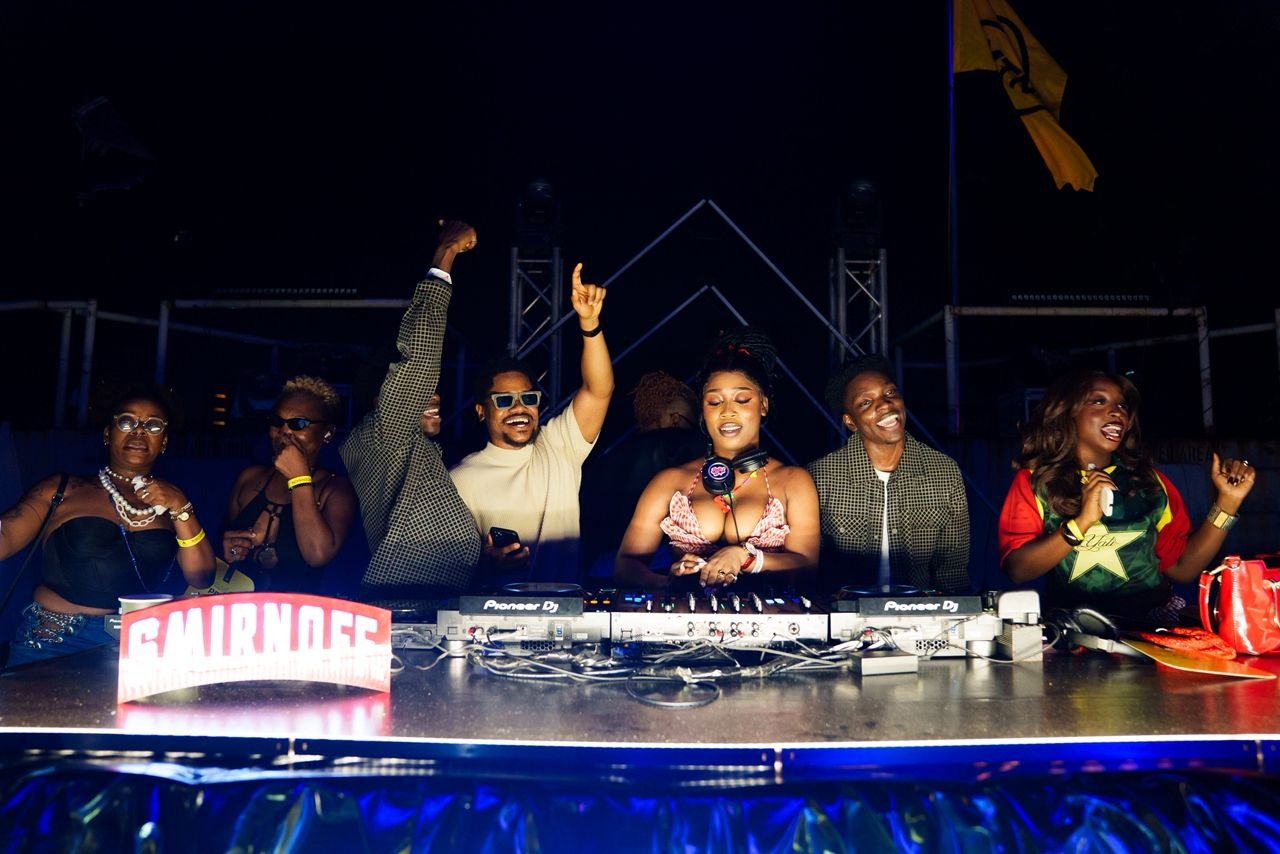
So why don’t we talk about ‘Nigerian House’?
The music itself is harder to ignore on a Lagos dance floor. The four-on-the-floor pulse remains, but around it are sounds that belong unmistakably to the environment in which the music is now being made: Yoruba and Pidgin vocals, familiar percussion, Nigerian melodic instincts, indigenous phrases and singing patterns that alter the character of the electronic production carrying them. House may have travelled here from elsewhere, but somewhere along that journey, Nigerians began interfering with it.
This is what makes the current evolution of Afrohouse in Nigeria interesting. Nigerian artists are not simply adopting an existing global sound. They are interpreting it through their own languages, rhythms, musical traditions and experiences. As more artists, producers and DJs experiment within the space, Afrohouse is beginning to develop something that sounds increasingly like a Nigerian accent. But this isn’t entirely new.
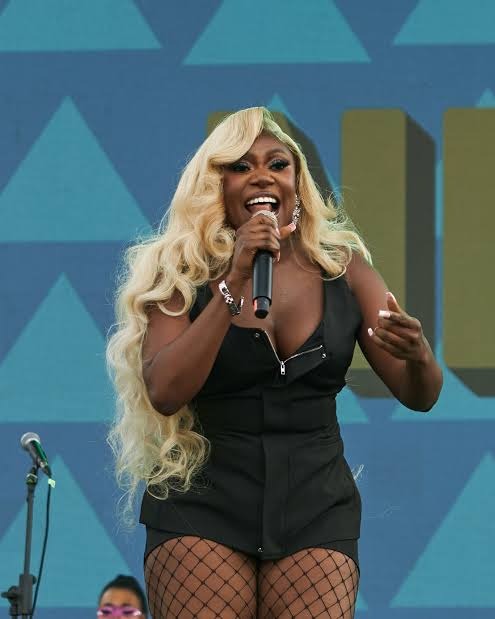
The foundations of “Nigerian House” dates back to a period before streaming platforms and the current explosion of electronic music culture
For instance, Niniola has spent more than a decade building a career around a sound she has consistently identified as Afrohouse. When she released “Ibadi” in 2014, she was entering a Nigerian music industry where the sound was still unfamiliar to many listeners. She has spoken about how people questioned whether the genre would last, particularly because she was singing Yoruba over house-influenced production. She also resisted record-label offers for years because she wanted to protect the sound she was developing.
Her story challenges the idea that Nigeria has only just discovered Afrohouse. What is happening now is less about introducing Nigerians to house music and more about watching Nigerian artists become increasingly comfortable deciding what house music can sound like here.
And this raises the more interesting question: what exactly makes Afrohouse Nigerian?
It would be easy to reduce the answer to indigenous lyrics, indigenous percussion or samples from older Nigerian records. Those things can certainly contribute to the sound, but they cannot be the entire definition. Nigerian music has never depended on a single ingredient to make it Nigerian. Sometimes it is language; sometimes it is rhythm; sometimes it is the way a producer rearranges a familiar musical idea. Sometimes it is the story being told or the audience for whom the music is being made. Nigerian identity can exist in the smallest details of a record without announcing itself loudly.
That makes the idea of “indigenous Afrohouse” particularly interesting and complicated. If the term is going to mean anything beyond a catchy description, it has to be about more than putting a Nigerian vocal over a house beat. It has to consider how Nigerian musical instincts are changing the music itself.
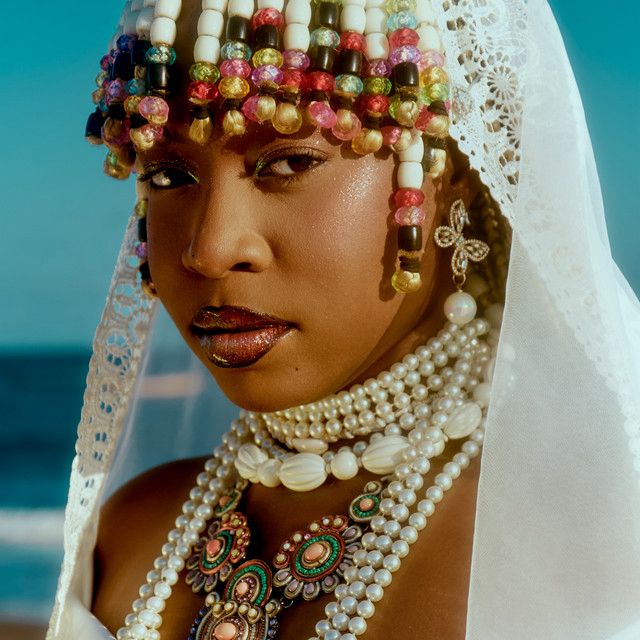
Yimeeka Olayinka's music offers one way of thinking about that question. Across records such as “Ola ” featuring Black Culture and her more recent “Ibadi ,” there is a meeting between electronic production and Nigerian musical expression. The language does not simply sit on top of the production as decoration; it becomes part of the identity of the record. Yoruba is allowed to occupy an electronic space without being translated into something more familiar to an international listener.
That matters because language can do more than tell us where an artist is from. It can determine the feeling of a song. A Yoruba phrase carries its own rhythm, inflection and emotional texture. When it sits over house production, the vocal is not simply bringing Nigerian content into a foreign genre. It is changing the way that genre is experienced.
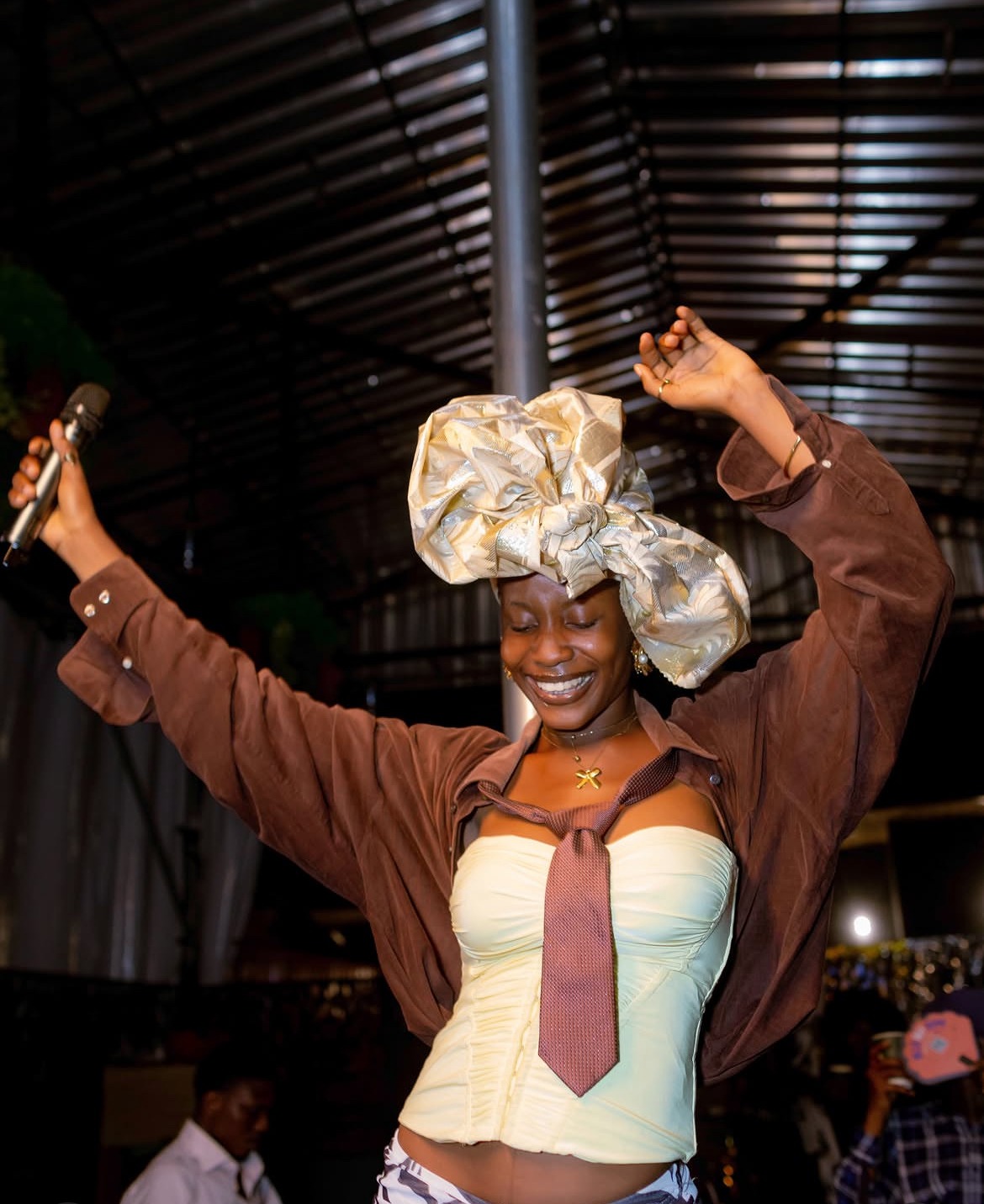
Xylaa's “ìyà ni wúrà” offers another example of how indigenous language and cultural expression can occupy an electronic space without losing their familiarity. Even the title, which translates to “mother is gold,” carries a distinctly Nigerian cultural resonance. The significance is not simply that Nigerian words are appearing in electronic music; it is that Nigerian cultural references can exist there naturally, without needing to be introduced or explained.
This is one way genres change when they travel. A musical form can be reproduced as closely as possible to its original form, or it can be absorbed by a new environment and eventually emerge differently. Nigeria has a long history of doing the latter. Highlife, jazz, funk, reggae, hip-hop and other foreign influences have all passed through Nigerian hands and been reworked through local traditions.
Afrohouse is now entering that process.
The Nigerian accent is therefore not necessarily found in one particular sound. It can be heard in the language, melodies, rhythms, samples, vocal delivery and the decisions producers make about what should sit at the centre of a record.
And if Nigerian Afrohouse is still deciding what it wants to sound like, the people helping shape that sound matters too. This is where Nigerian women become part of the larger story, not simply as women entering a male-dominated industry but as artists, producers and selectors helping to determine what the emerging sound can become.
Niniola provides a historical context. Yimeeka’s record demonstrates how Nigerian language and identity can move through electronic production while Xylaa shows how cultural references can remain central within an electronic framework.
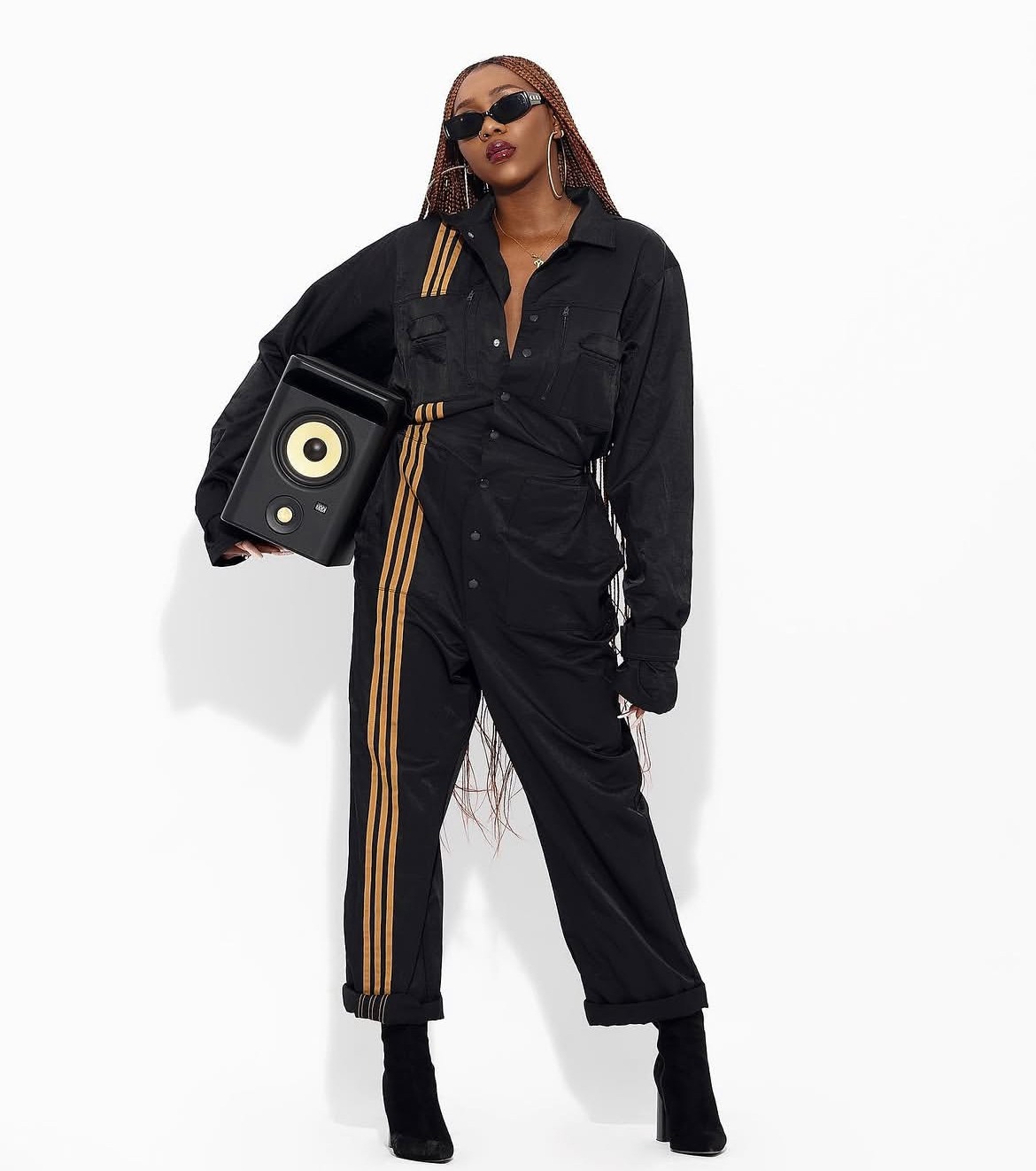
DJ Yin adds another dimension to the conversation. Her role illustrated that Nigerian interpretation does not happen only through singers. DJs and producers are equally important in determining which sounds reach an audience and how those sounds are experienced.
Her work sits within the overlap between Afrohouse, house and Nigeria's wider electronic music culture, demonstrating the importance of the person behind the decks in building a scene. A DJ introduces an audience to unfamiliar sounds, connects records that might not otherwise appear beside each other and can make a song that exists quietly on a streaming platform become the soundtrack to an entire room.
That fluidity is increasingly important in Nigerian music. A DJ can move from Afrobeats into house, from house into Afrohouse and into another electronic form, showing an audience that these categories do not necessarily need to remain separate. The listener may not care whether a record belongs technically to Afrohouse, Afrotech or another electronic subgenre. If the rhythm works, the body responds.
Together, these women point towards the same possibility: Nigerian women are not simply being added to an existing Afrohouse story. They are helping shape what that story becomes.
However, that influence does not exist in isolation.
Electronic music has historically depended heavily on the spaces around it: DJs, clubs, parties, festivals, collectives and audiences. A producer can create a brilliant record, but a scene needs somewhere for that record to live.
Lagos is increasingly providing those spaces.
The city's rave culture has expanded beyond the traditional club environment, creating rooms for DJs, producers and audiences interested in electronic music. Warehouse parties, outdoor events and alternative nightlife spaces have helped build communities around sounds that might not always receive the same attention on mainstream radio.
Afrohouse benefits from that shift because a sound needs an audience before it can become a movement. Listeners willing to spend a night with electronic music give producers permission to experiment. DJs can introduce records that might otherwise struggle to find an audience, while artists can collaborate across genres without worrying about whether every song fits neatly into a commercial category.
A scene therefore becomes more than the sum of its releases. It is the DJ who keeps playing the record, the crowd that requests it again, the producer who hears that response and makes another one, and the organiser who creates another night for that audience. These decisions may seem small, but they are how musical cultures develop.
The Blueprint For Nigerian House
This raises the bigger question: is Nigerian Afrohouse becoming a new genre?
The honest answer may be that it is too early to say. Calling it a new genre now could impose boundaries on something that is still evolving. The artists working within the space do not necessarily share one formula, and Afrohouse continues to overlap with other electronic forms. Some artists may identify strongly with the term, while others may simply consider themselves electronic artists.
That uncertainty may actually be the most interesting part of the story.
Perhaps Nigerian Afrohouse does not need to become a neatly defined genre. Perhaps what is emerging is something less rigid: a Nigerian production language within global electronic music, where Yoruba can sit comfortably over a house groove, Nigerian phrases can become the titles of dance records, indigenous references can exist alongside synthesizers and electronic drums, and DJs can move between genres without treating the boundaries as rules.
This matters because Nigeria's global musical influence has largely been discussed through Afrobeats. Electronic music offers another way for Nigerian musical ideas to travel. It does not require every record to sound conventionally Nigerian. Instead, it allows the country's rhythmic instincts, languages, cultural references and musical traditions to enter a global form and change it from within.
That is what makes the current Afrohouse moment worth watching. Not because Afrohouse is destined to become “the next Afrobeats,” but because it demonstrates what can happen when Nigerian artists encounter a global sound and refuse to leave it unchanged.
It may never dominate Nigerian radio. It may remain a relatively niche club sound. It may continue to overlap with Afrotech, house and other electronic genres without settling into a universally agreed definition. None of that necessarily makes it less significant.
Nigerian music has always evolved through collision. Older traditions meet newer technologies, local sounds meet foreign influences, and artists borrow, reshape and return those influences with something changed in the process. Afrohouse is now entering that cycle.
The Nigerian accent will not necessarily sound the same on every record. It may arrive through Yoruba vocals on one track, a Nigerian phrase on another, a familiar percussion pattern somewhere else, or simply through a producer's instinct for rhythm. It may be obvious or almost invisible.
What matters is that Nigerian artists are no longer approaching house music as something that has to remain untouched in order to remain authentic. They are making room for themselves inside it.
Perhaps the most interesting future for Afrohouse in Nigeria is not that it becomes a neatly defined Nigerian genre at all. Perhaps it becomes something less tidy and more useful: a space where Nigerian artists can experiment with electronic music until the distinction between what was imported and what was made here becomes difficult to trace.
The sound travelled to Nigeria. Now Nigeria is giving it an accent.


.png)

