.svg)

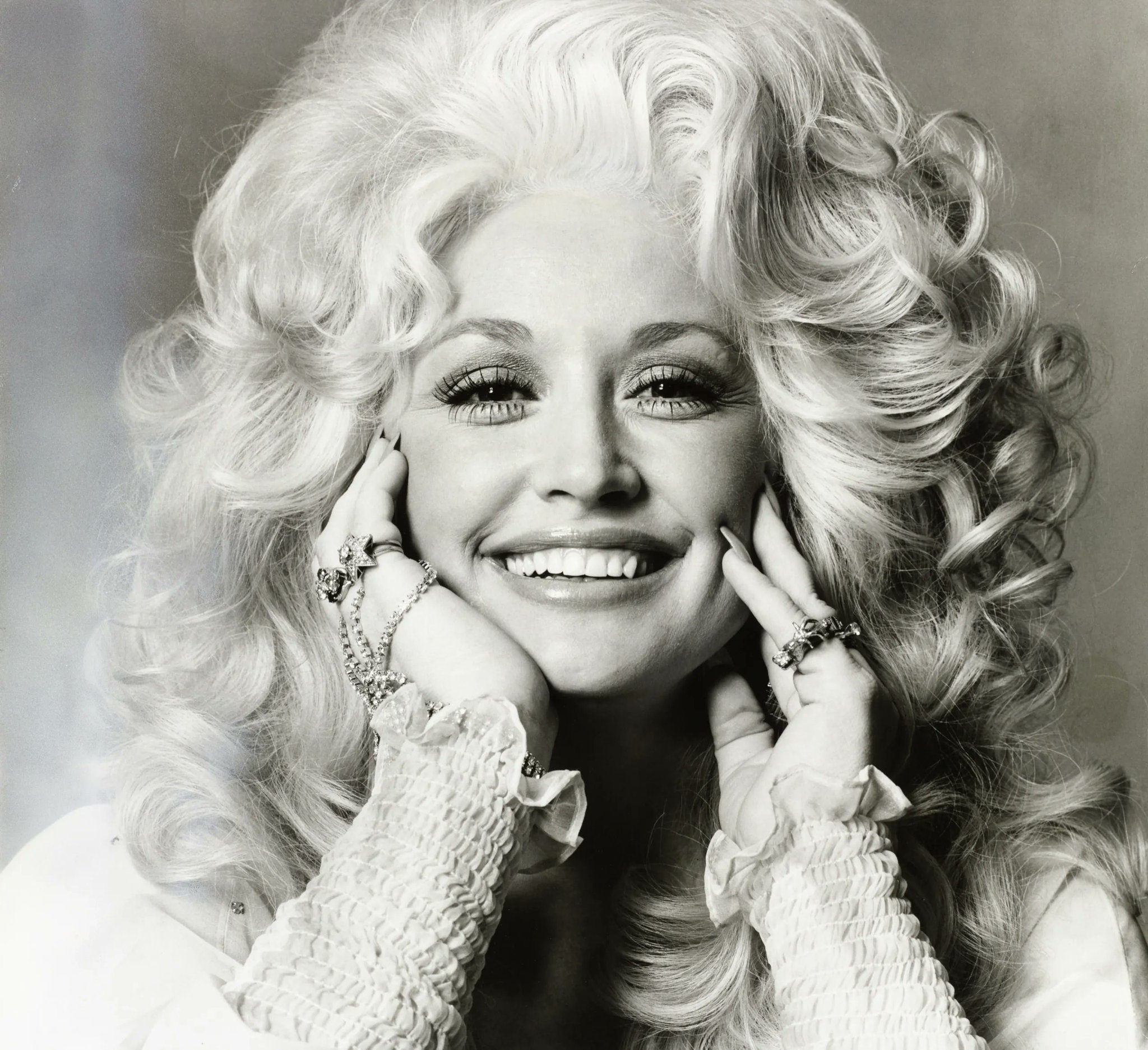
The world was thrown into mourning on Tuesday as music icon Dolly Parton passed away from cancer aged 80. The news was broken by her family in a heartfelt video clip posted on her social media channels by her nephew Bryan Seaver. A private service will be held for close family in the coming days. In place of flowers, her family has also asked for donations to the Dolly Parton Imagination Library.
Dolly Parton was an American singer, songwriter, actress, entrepreneur and philanthropist born in Tennessee in 1946, who rose from Appalachian poverty to country music stardom.
Across six decades, songs including “Jolene,” “9 to 5” and “I Will Always Love You” made her a global pop-cultural figure, alongside a successful career in film and business.
Beyond entertainment, ventures such as Dollywood and her Imagination Library literacy programme extended her influence into philanthropy and American public life.
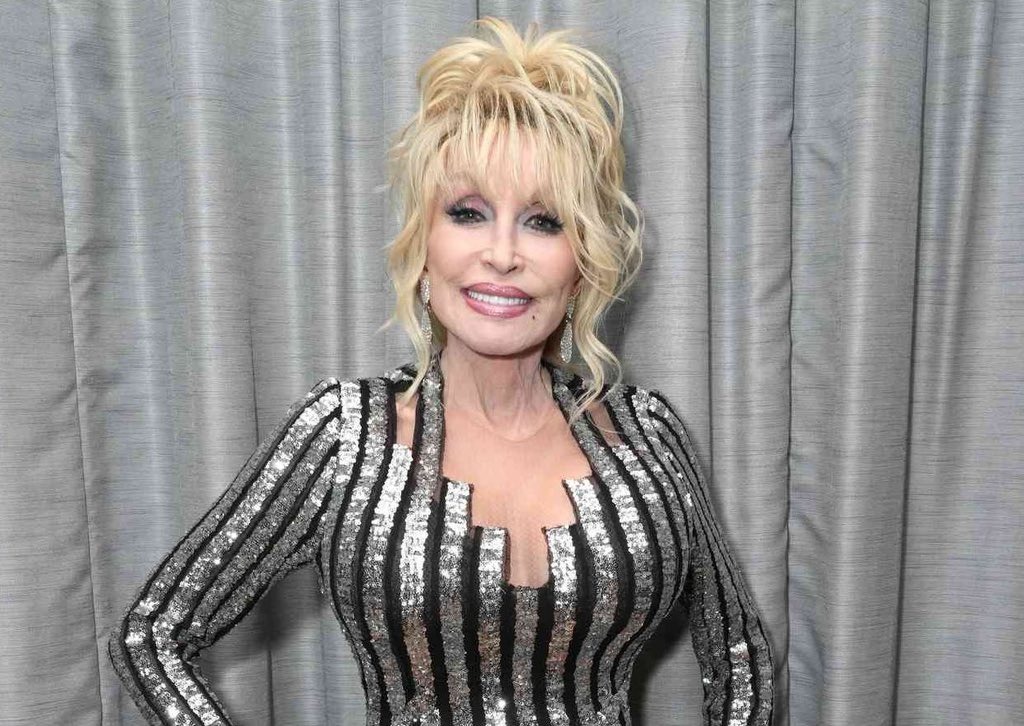
Fun Facts About Dolly Parton
Nelson Mandela chose 'Jolene' on Robben Island
During his 27 years of imprisonment, political prisoners were occasionally permitted to play music over the loudspeakers. When Mandela's turn came, he chose a 1973 song by a white woman from Tennessee.
His fellow prisoner and anti-apartheid activist Tokyo Sexwale confirmed this on the NPR podcast Dolly Parton's America: "He loved Jolene. No human being cannot be affected by Jolene." It says something specific about the reach of a voice that was never limited by the audience it was made for.
She Advocated For the End of Apartheid
Her relationship with South Africa was complicated and honest about its complications. In 1982, Parton performed at Sun City in Bophuthatswana during the apartheid cultural boycott - a decision she later publicly regretted, acknowledging she had not understood the political situation at the time.
She subsequently pledged not to perform in South Africa under apartheid.
In 1996, she also collaborated with Ladysmith Black Mambazo on a cover of Cat Stevens' 'Peace Train' - discovering the legendary isicathamiya group on a television commercial and bringing them to New York for the recording. Joseph Shabalala's son Sibongiseni described her as a "cultural ambassador" after her death, noting that the collaboration "affirmed a mutual respect and created a lasting bridge of shared humanity through song."
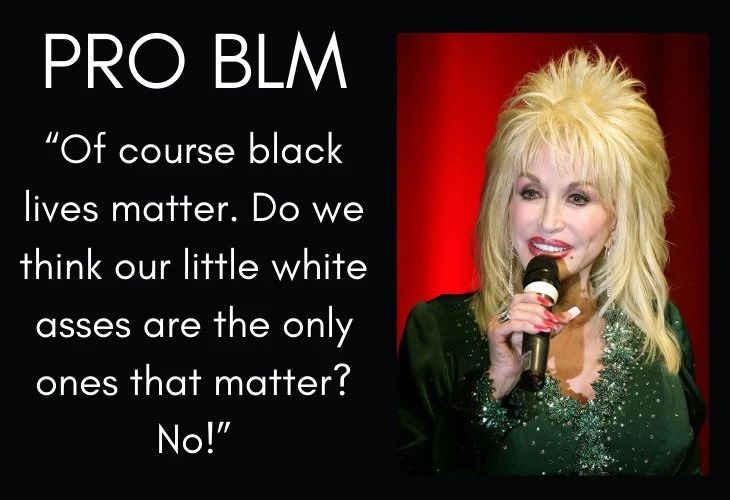
She Supported the US Black Community
Her support for Black communities in the United States was consistent and rarely performative. When asked about Black Lives Matter in 2020 following George Floyd's murder, she told Billboard: "Of course Black lives matter. Do we think our little white asses are the only ones that matter? No." She said this as a 74-year-old white Southern woman with a massive white conservative fanbase and substantial business interests tied to Southern tourism.
In 2018, she removed "Dixie" from the name of her dinner attraction after learning the word's Confederate associations offended people. "As soon as you realize that something is a problem, you should fix it. Don't be a dumbass," she said.
When Whitney Houston transformed 'I Will Always Love You' into a global phenomenon for The Bodyguard in 1992, Parton invested the royalties into a strip mall in the Black section of Nashville, specifically because she wanted to be among Houston's community.
When Beyoncé covered 'Jolene' on Cowboy Carter in 2024, Parton had been campaigning for that cover for years. She appeared on the album herself, on the interlude 'Dolly P' and the song 'Tyrant'.
Her Imagination Library, the childhood literacy program she founded in her father's memory, has provided over 200 million free books to children - specifically including books that reflect Black children's experiences, with Hair Love as a featured pick.
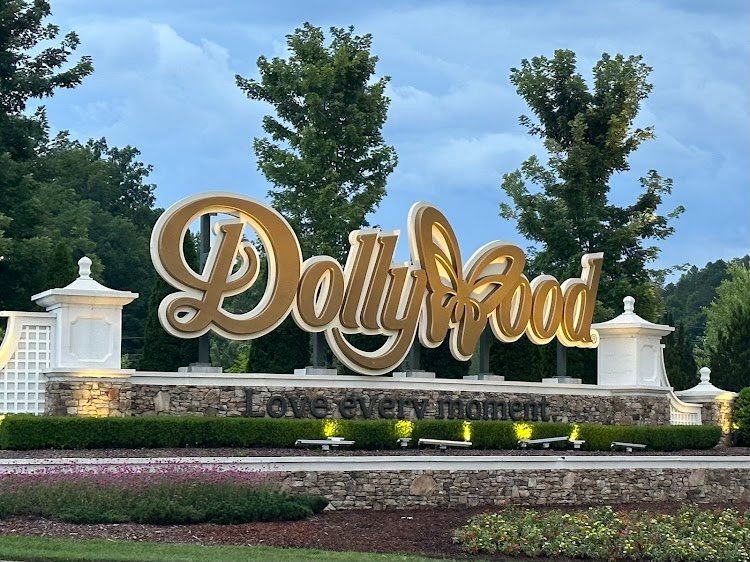
She Built Dollywood For The Kids
Dollywood is Dolly Parton’s theme park in Pigeon Forge, Tennessee, rooted in the culture and landscape of her native Smoky Mountains. Opened under the Dollywood name in 1986, it combines amusement rides with live music, Appalachian crafts, Southern food and storytelling, becoming both a major tourist destination and an extension of Parton’s cultural legacy.
Generally, Dolly Parton never claimed to be a civil rights activist. She claimed to be someone who listened, reconsidered, and fixed things when she learned they were broken. For a white Southern woman from poverty who built one of country music's most successful careers, that turned out to be enough to matter very specifically to people she was never required to care about.
Dolly Parton was 80. She is survived by her extended family and by a body of work that, as Mandela demonstrated, has a way of finding the people who need it.


.png)

