.svg)

August 31, 2026 might just be a few days ago but it has become one of the most important dates in global pop culture history.
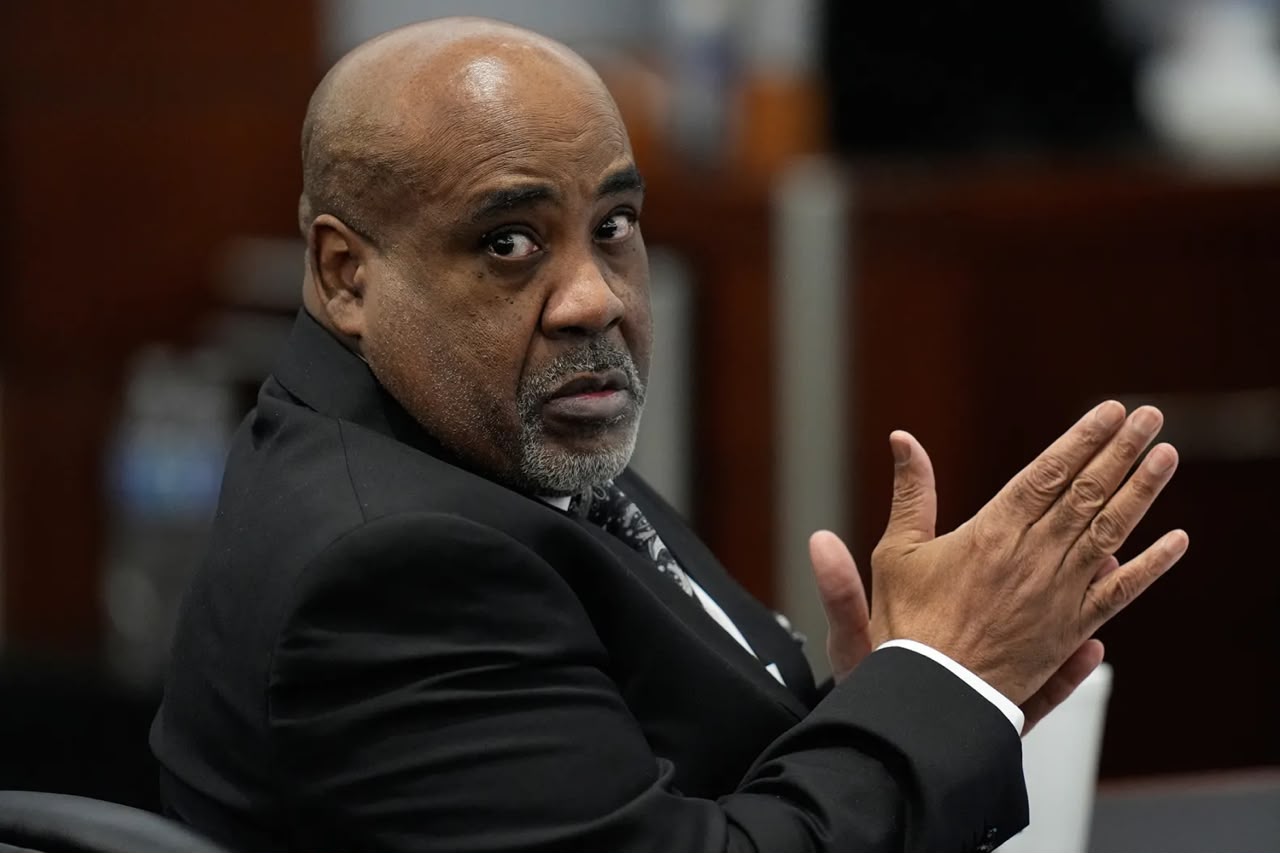
Exactly two weeks before the 30th anniversary of Tupac Shakur’s death, a Las Vegas courtroom finally delivered a verdict in the murder that had gone unsolved for three decades. His longtime rival, Keffe D, was found guilty.
Duane "Keffe D" Davis was convicted of first-degree murder for orchestrating the 1996 killing of Tupac Shakur.
Significantly, the prosecution did not have a murder weapon, DNA evidence, fingerprints or a surviving eyewitness who could place Davis in the white Cadillac from which the shots were fired, given that every other alleged occupant of that car is dead.
Instead, what the prosecution did have was Davis's own words, spoken across nearly two decades of interviews, a BET documentary and a memoir he published in 2019 titled Compton Street Legend, in which he described his role in the murder in detail. The jury convicted him on those words, and nothing else was needed.
Las Vegas detectives travelled to Southern California a dozen times in the years after the murder and were met with uncooperative witnesses, unreliable informants and a wall of silence that Suge Knight and the South Side Compton Crips maintained with the consistency of people who understood exactly what breaking it would cost them.
Orlando "Baby Lane" Anderson, the man Davis says fired the shots, was killed in an unrelated gang shooting in 1998 and took whatever he knew with him. The code of silence in gang culture is not merely social pressure but survival infrastructure, maintained by fear and enforced by consequence, and for 30 years it worked exactly as designed. Law enforcement could not break it, forensic science could not break it, and the passage of time did not break it.
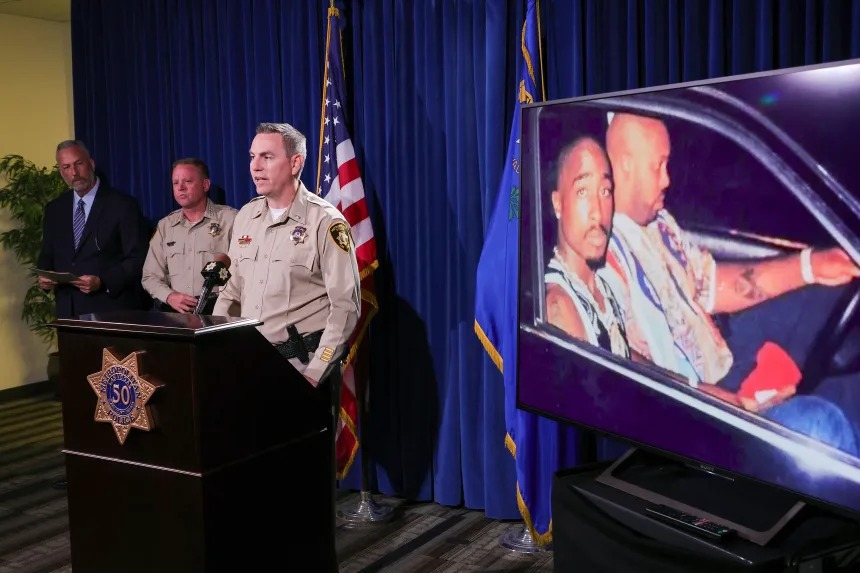
Keffe D broke it himself, not under duress, not in exchange for a deal, not because a witness turned on him, but across a 2008 police interview in which he opened by saying 'Don't bullshit me, and I won't bullshit y'all,' described the positions of everyone in the car, and named his nephew Orlando 'Baby Lane' Anderson as the one who pulled the trigger, all in exchange for immunity from drug charges he believed would carry a life sentence. A BET Death Row Chronicles appearance in 2018 where he described how the fatal shots came from the backseat, a memoir in which he wrote about obtaining the gun and searching for Tupac - 'Them jumping on my nephew gave us the ultimate green light to do something,' he wrote. 'Tupac chose the wrong game to play.' When they spotted the car: 'No words exchanged, the time for talking had passed, the sht was about to go down', and YouTube interviews with anyone who would listen.
The prosecutor's closing statement captured the situation plainly: "For nearly 18 years, Duane Davis has told the police, television, books, YouTube interviewers, anybody that will listen. He has told you he is responsible for the murder of Tupac Shakur. Tell him you hear him."
The jury heard him.
Davis kept talking because talking was profitable, because the memoir generated income and the interviews generated profile, and because the reputation of being the man who orchestrated one of hip-hop's most notorious murders carried its own currency in the underworld he operated in.After his arrest in 2023, he told ABC News: 'I shouldn't have said nothing. I'm innocent, man.' He also claimed he had never read his own memoir and that his co-author wrote it independently.
The culture of silence that hip-hop built around this murder survived everything except the man at the centre of it, who talked ‘too much’, until he spoke to a jury that was finally listening.
Cover Credit: John Locher/Pool/AP




.png)

