.svg)

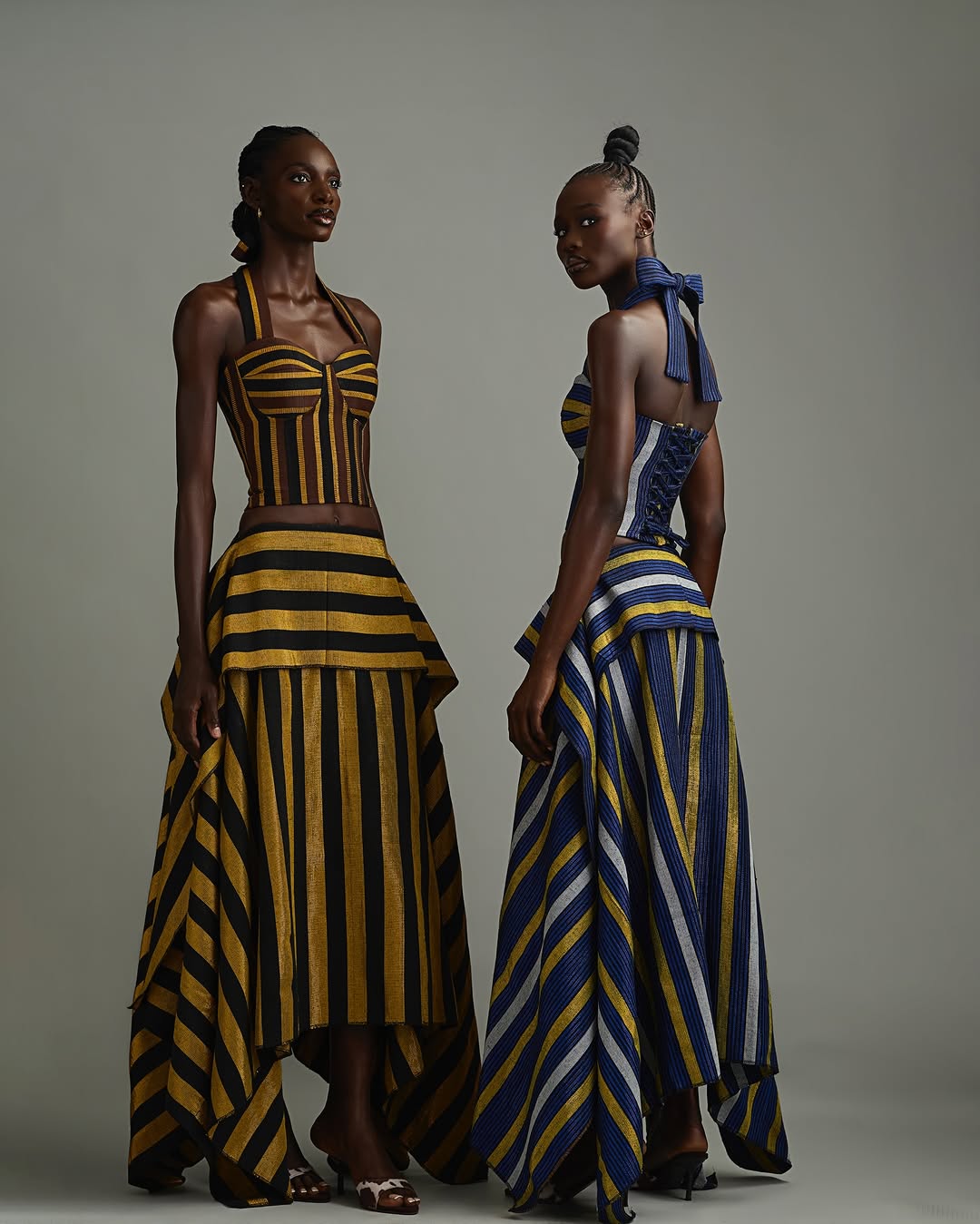
At Lagos Fashion Week’s more deliberate offshoot, Woven Threads VII, the question shifts toward whether anyone is actually doing the work. This past weekend, Woven Threads VII returned with CRAFTED, a programme centred on material, process, and circular design. Curated by Sunny Dolat, this year’s edition brought together designers working across textiles, reconstruction and material innovation, alongside talks and live demonstrations focused on reuse and responsible production. While the programme leans into the language of circularity, what emerges on the ground feels more uneven, and far more compelling: African designers negotiating what it means to make clothing responsibly in real time.
“Craft” carries its own visual shorthand. Across the weekend, the collections that cut through were the ones that pushed beyond reference, with the process staying visible and unresolved. Alongside the talks and workshops, the presentations offered a clearer read on where designers are actually pushing the conversation forward. These were our standout selections from the weekend that stood out for how clearly they approached craft beyond concept, and more as something embedded in how the clothes are made and worn.
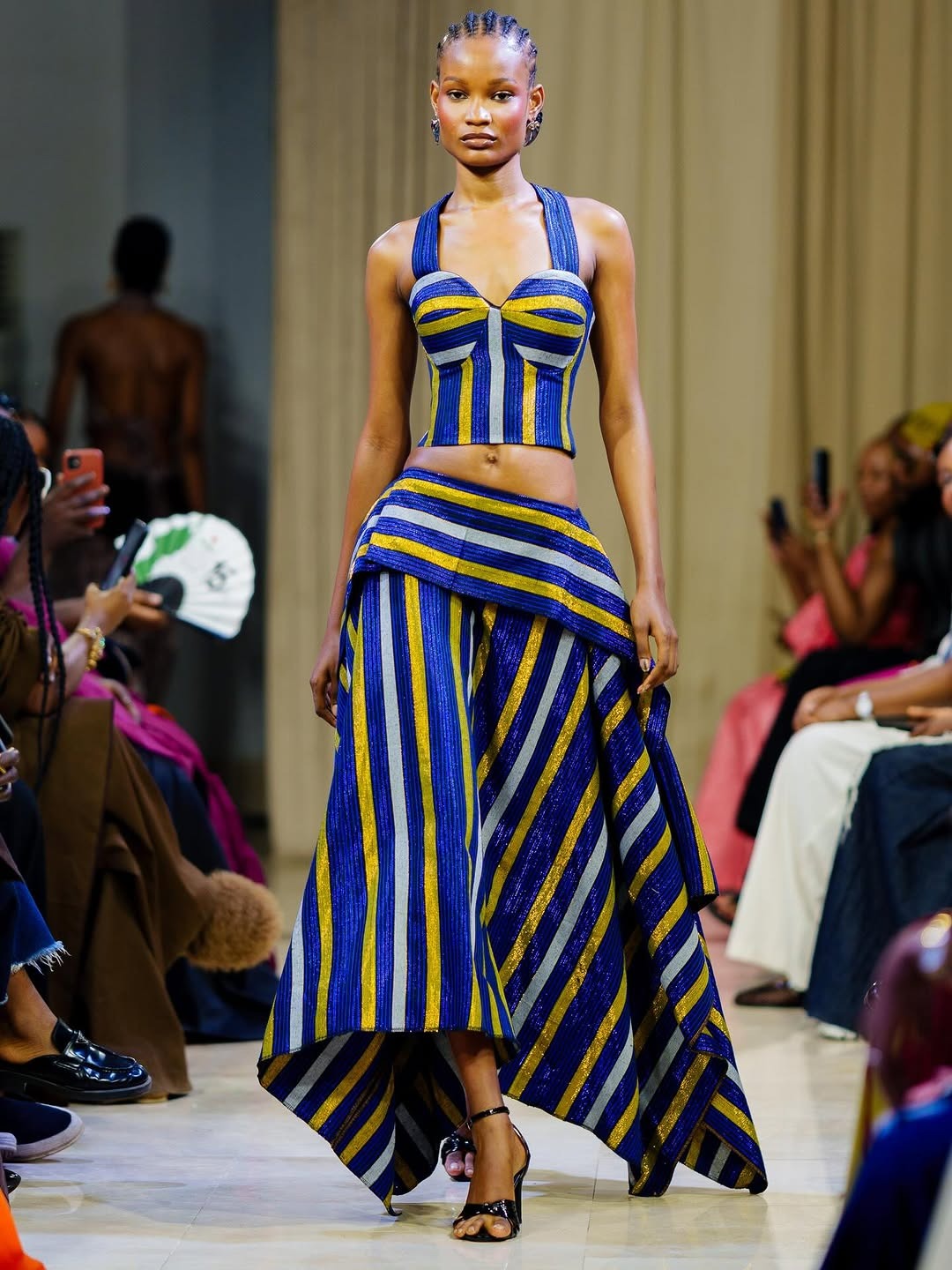
Hertunba presented a collection grounded in material identity and surface storytelling. Handwoven textiles carried repeated motifs referencing familiar environments, applied with precision across garments. The silhouettes stayed controlled, with peplum tops, wide-leg trousers, and layered sets that held their shape while allowing for movement. It felt considered from start to finish, with a clear visual language running through each look. In a space where craft can tend to lean expressive, Hertunba’s restraint reads as intention.
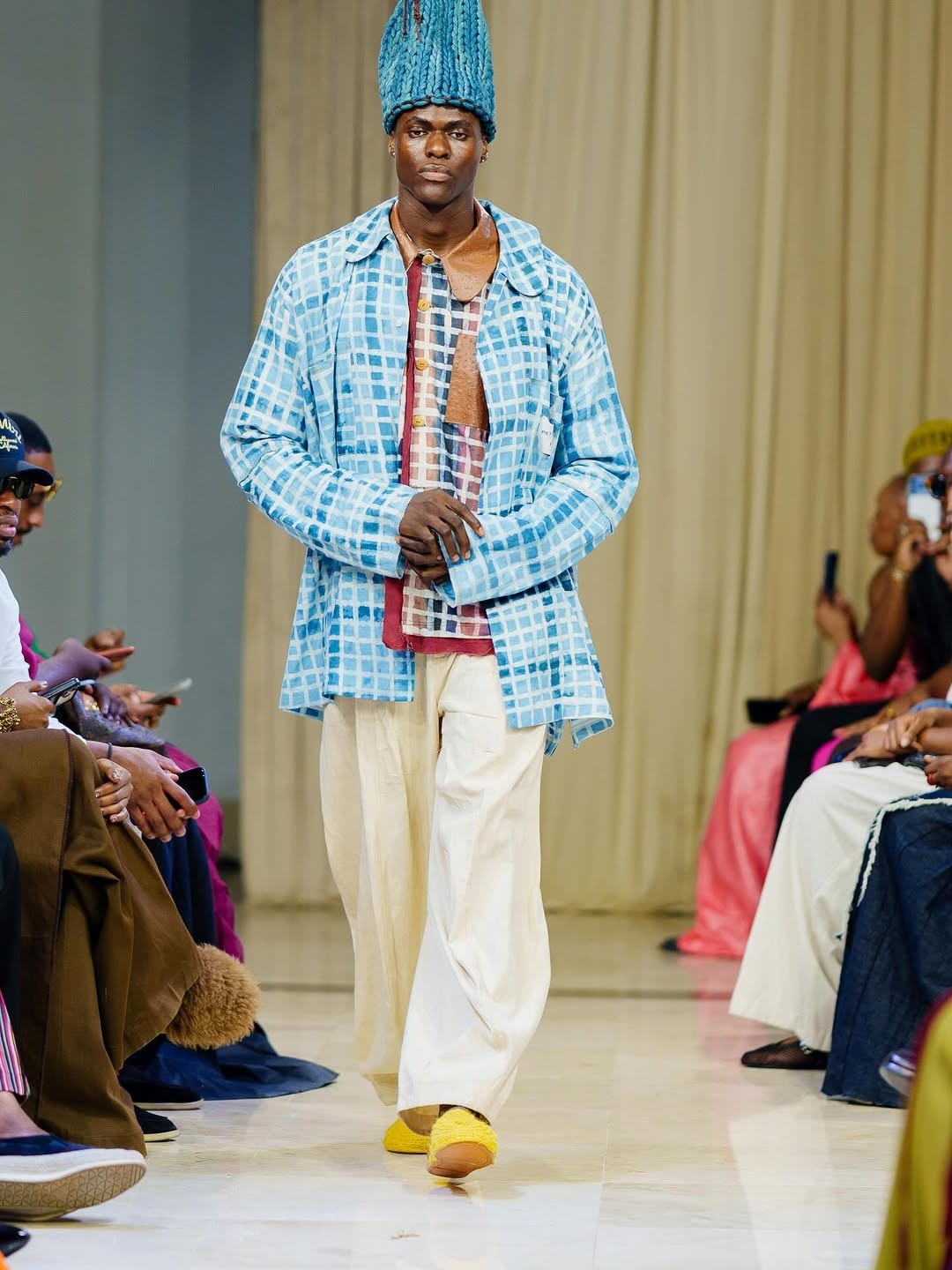
Pettre Taylor moves in a more unstable direction, focusing on construction and variation in technique in their presentation. Dyed textiles, knit structures, crochet, and patchwork appeared across the collection, each look introducing a different approach to making. The silhouettes shifted between loose, draped forms and more defined pieces, with layering used to build depth. This variety holds everything in place. Craft here reads as labour, present and unresolved.
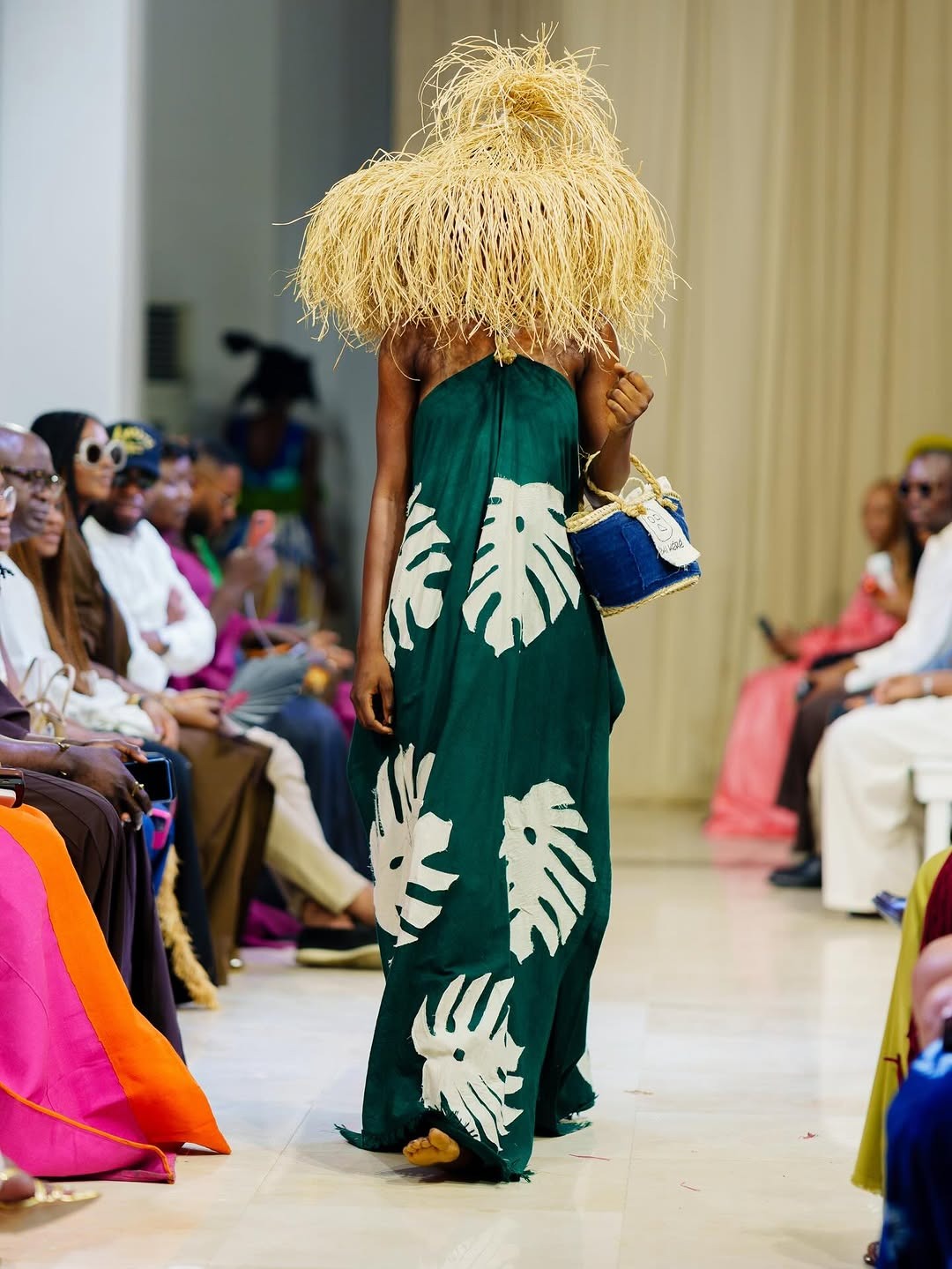
Eki Kéré takes a steadier approach. The repetition of leaf cut-outs, raffia, and textured surfaces creates a through-line that makes the collection easy to follow. There’s a clear commitment to reuse, but what stands out is the consistency —materials reworked across silhouettes without feeling repetitive. The shapes, wraps, wide forms, layered pieces, stay familiar, which lets the surface work do the talking. It’s less about impact, more about building a recognisable language and sticking to it, and this presentation was undoubtedly Eki Kéré.
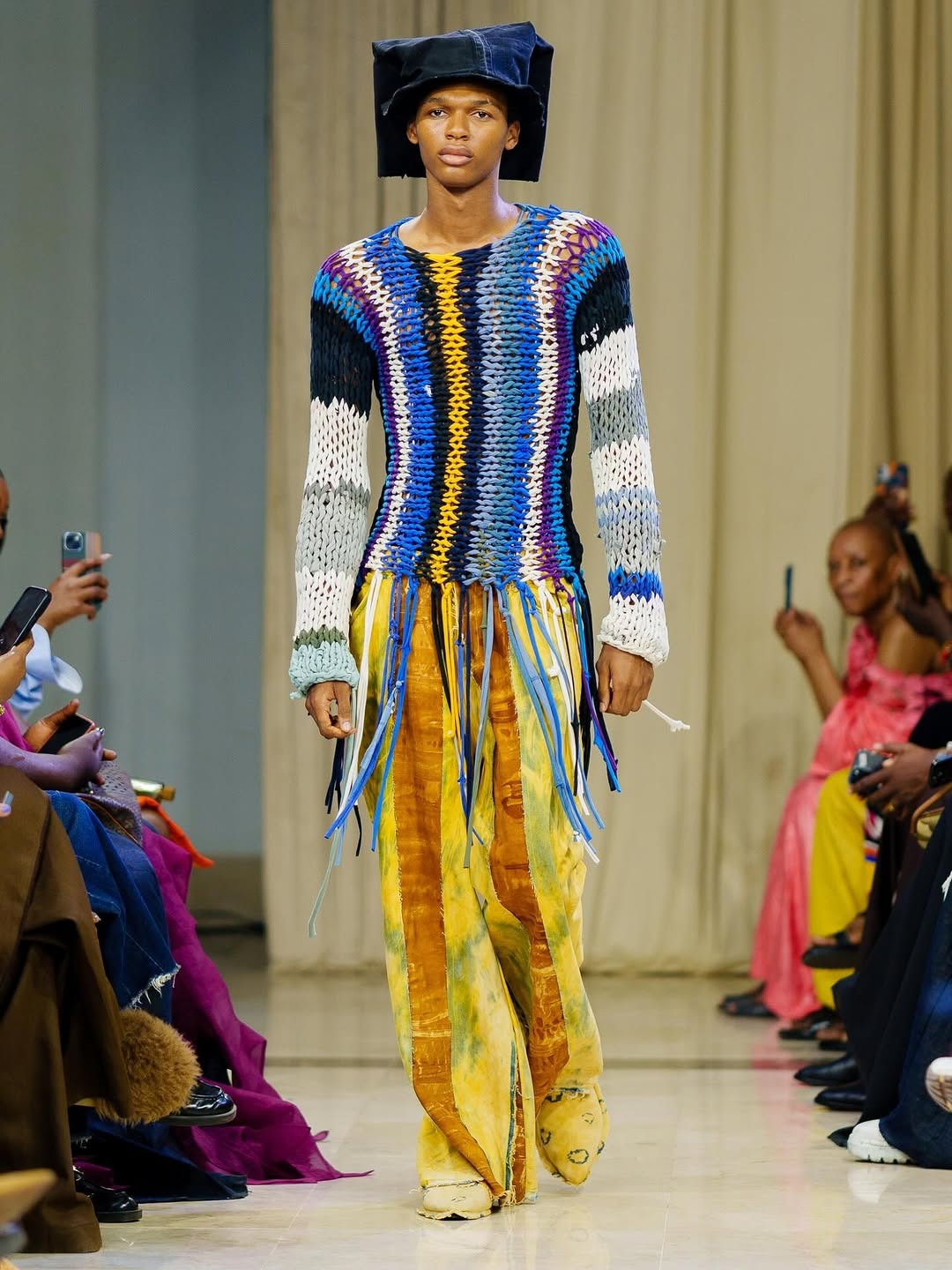
Kokrobitey Institute sits somewhere in between experimentation and presentation. The emphasis on visible processes like knots, loops, and hand-altered textiles keeps the focus on making, but at times the garments feel secondary to the technique. That said, when it clicks, it’s strong. The looser silhouettes and suspended elements give the materials space to move, and the weight of the textiles comes through. It’s a collection that prioritises process, sometimes at the expense of finish, but that is part of its appeal.
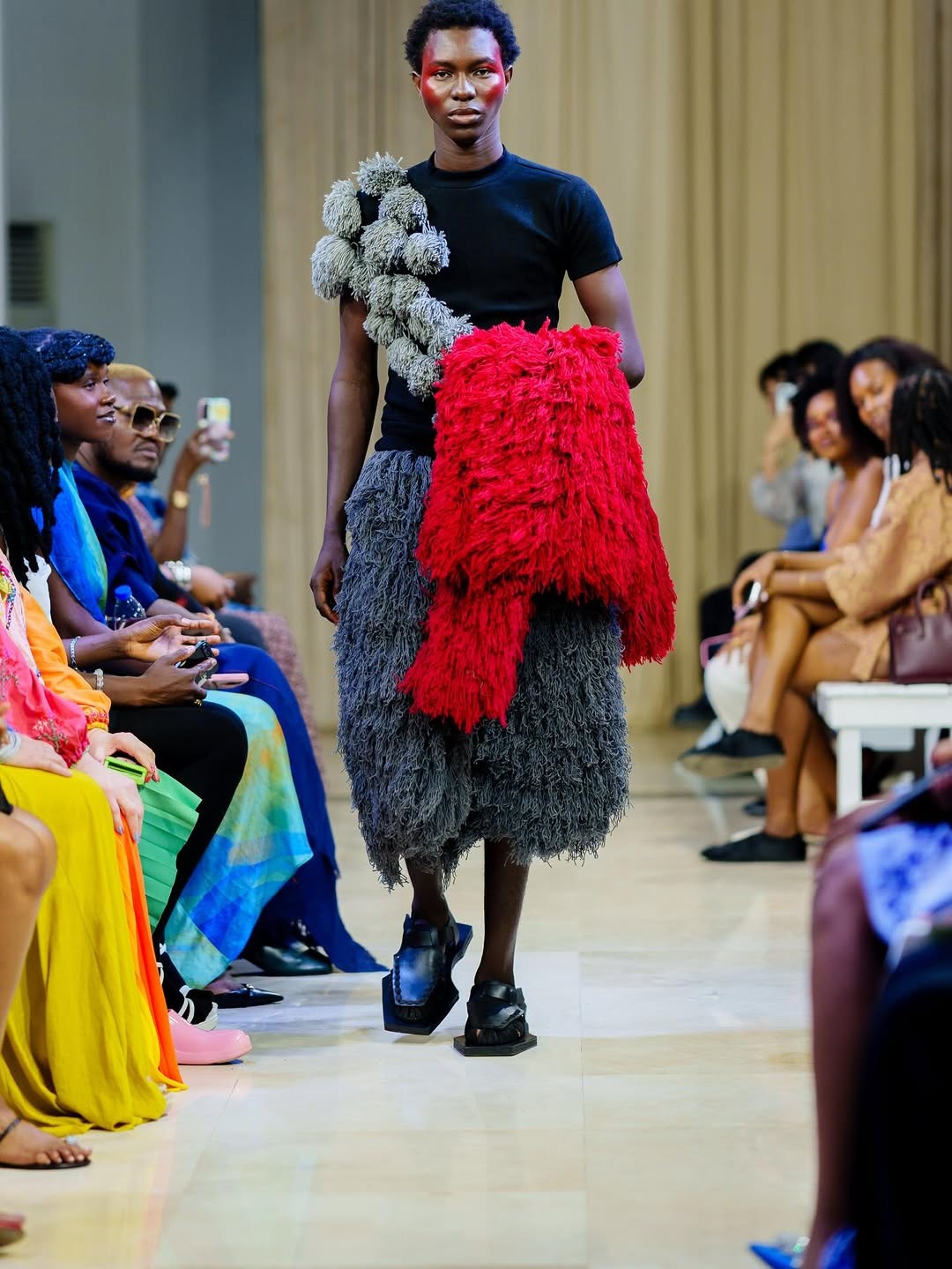
Oshobor understands pacing. The opening looks were clean, tailored, grounded in neutral tones, and set a clear foundation. When texture comes in, it shifts the entire collection: fringe thickens, surfaces become heavier, silhouettes expand. The contrast between smooth and textured is where it works best. Some of the later looks push volume to the edge, but the restraint in colour keeps everything held together. It’s one of the more visually immediate collections, with a strong sense of how each look occupies space.
What ties these designers together is a shared insistence on process. Within a wider framework that includes initiatives like IRAPADA, focused on tracking and repurposing textile waste within Lagos’ fashion ecosystem, Woven Threads VII allows these ideas to take material form.
Across these selections, what stands out most is clarity. Each designer approaches craft differently, through control, accumulation, repetition, or material experimentation. In a programme centred on process, that balance is what separates a good idea from a collection that actually stays with you. CRAFTED landed clearly in its openness and allowed these designers to treat craft as a working condition, something to move through, test, and hold in place. Because if Woven Threads VII is mapping out a circular fashion system, these designers show what that looks like up close.


.png)

