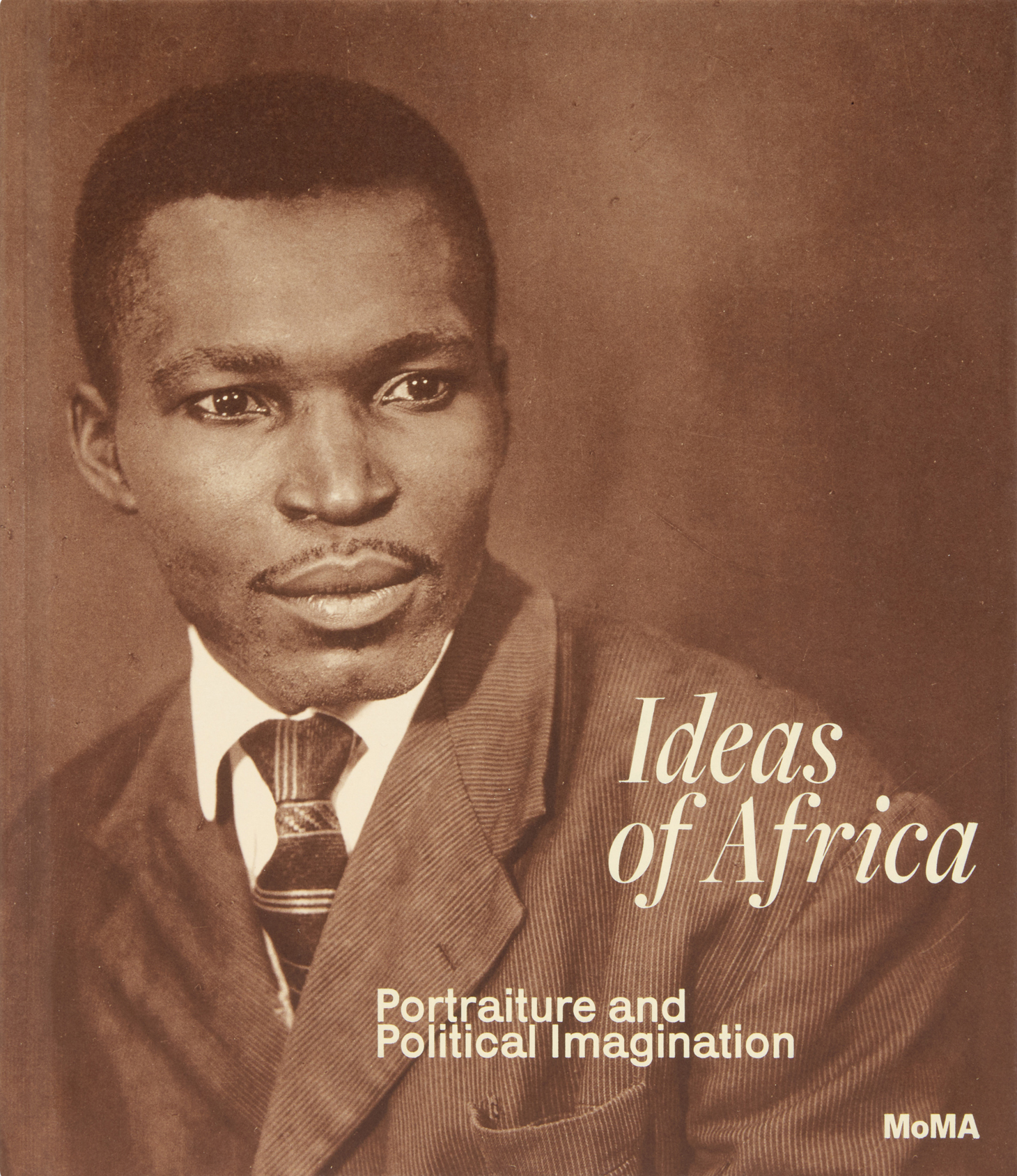
A Tête-à-Tête: In Conversation with Oluremi C. Onabanjo on Ideas of Africa, Portraiture and Political Imagination

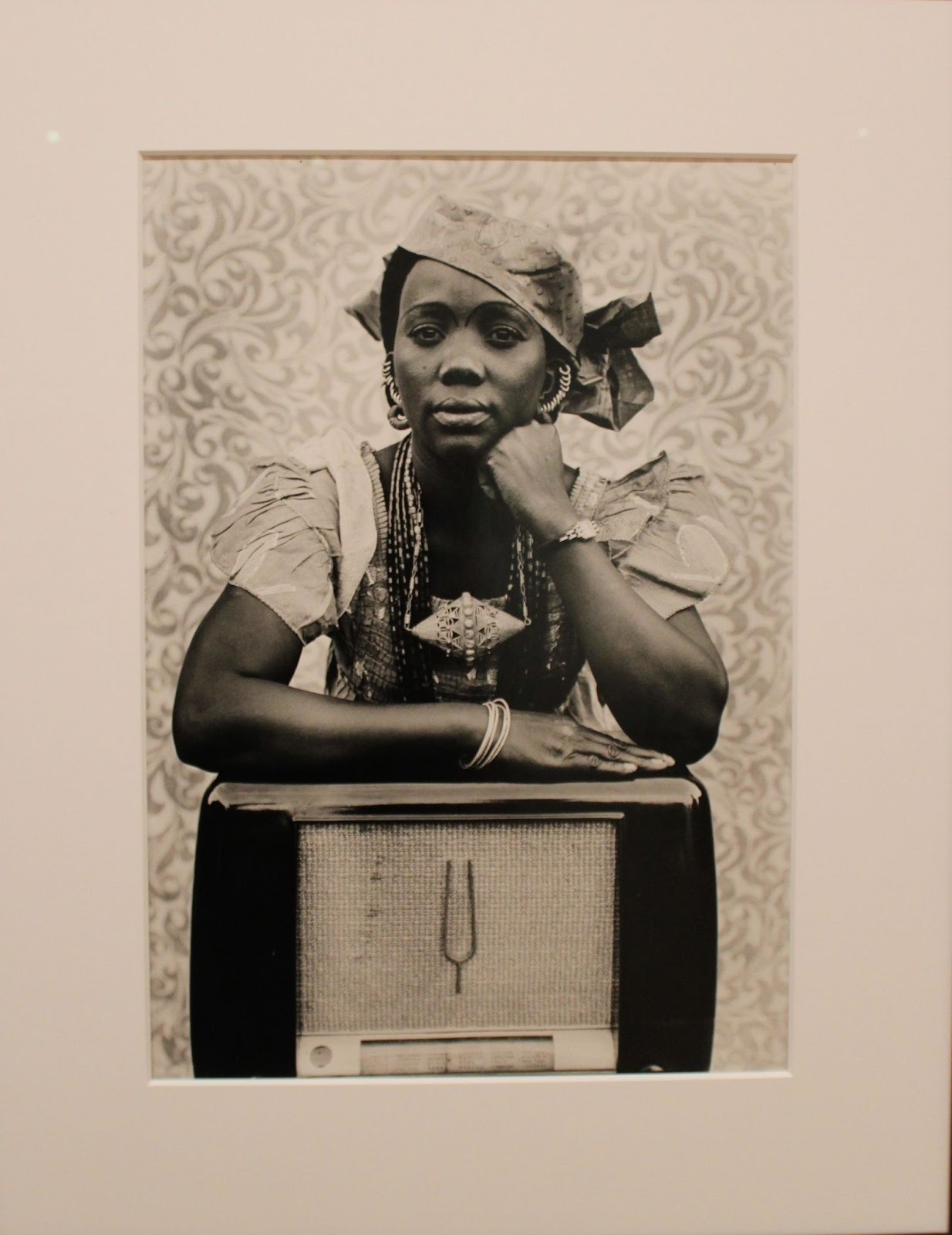
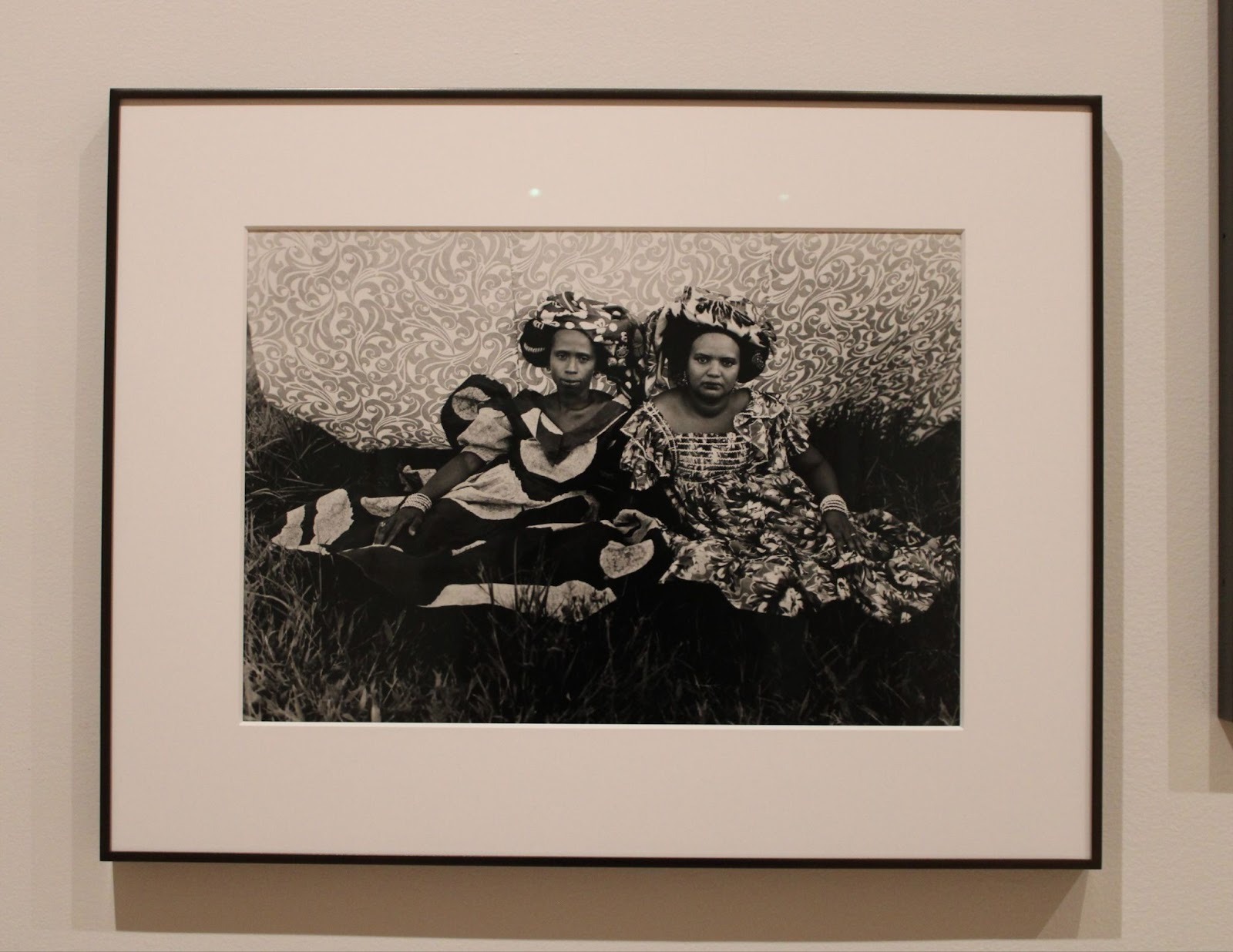
Reminiscing on old family portrait photos—their grainy textures, tattered borders, pensive faces, stylistic poses, intricate backgrounds, and complex dispositions of memory—evokes a flurry of emotions, thoughts, stories, worlds. Within these vintage black and white pictorial worlds, we are transfixed across specific dimensions of time, taking us back into history’s nostalgia, through the present’s sense of familiarity, all the way to the future’s endless promise of novelty. Oluremi C. Onabanjo, The Peter Schub Curator of Photography at The Museum of Modern Art, dissects the layered, multidimensional elements of portrait photography. 
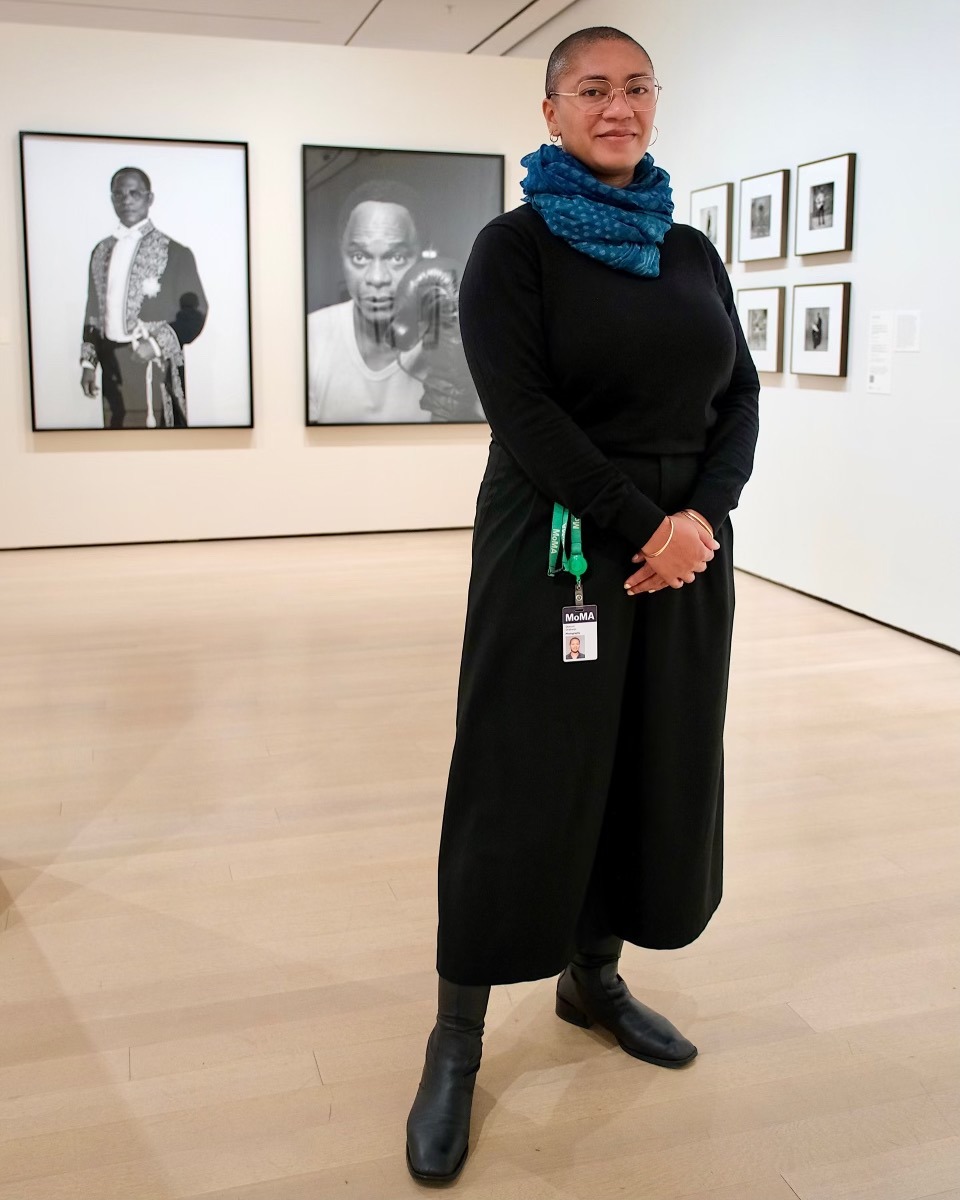
At The Museum of Modern Art (MoMA), Oluremi manages the Museum’s holdings of over 35,000 photographs, which span the history of the medium. As a researcher and art historian, she holds a PhD in art history, a BA in Middle Eastern, South Asian, and African Studies from Columbia University, and an MSc in visual, material, and museum anthropology from Oxford University. Currently on view through July 25, 2026 at the MoMA, her new exhibition, Ideas of Africa: Portraiture and Political Imagination, examines the person behind the camera and the one in front of it—and how together, they work to craft an ongoing conversation on depth, political imagination, and African self-determination. Deeds Magazine sat down with Oluremi to learn more about her art historical research and curatorial work. 
“I encourage you to really think about how a photographic portrait is made. These are deliberately constructed compositions, and when we are attentive to those moves, we might see things anew. [Portraiture] is an act of creativity in front of and behind the lens for these specific image makers. These are not photographic portraits as identity documents; these are not photographic portraits that attest to a fixed truth, these are photographic portraits that are concerted conversations with people in front of a camera and the person behind the camera. These are deliberate, performative, imaginative images—and they’re being made at a moment when countries across the African continent are decolonizing.” 

Oluremi C. Onabanjo

Your exhibition seems to engage the formation of Pan-African subjectivity between the US Civil Rights movement and the fight for independence across the African continent. Considering your conceptual influence by The Idea of Africa, the landmark publication by the late philosopher V.Y. Mudimbe (1941–2025), I’m interested to hear more about your process. How did you come to fully realize this project? What were some focal elements/drivers that inspired the beginning of your curatorial process?  
There are different ways to organize an exhibition. One way is to start from a specific topic, which provides the basis for a set of works that you locate and ultimately unite through an exhibition. Another is to begin with works in a collection, which is how Ideas of Africa began. I started by examining a set of mid-century works of West and Central African photographic portraiture in MoMA’s Collection, gifted in 2019 by the collector of modern and contemporary African Art, Jean Pigozzi. First, looking closely at these holdings, I then expanded towards a survey of all of the Museum’s holdings dealing with these regions during this period. As I looked, I realized there was an opportunity to not only spotlight works from the gift, but also demonstrate what a gift makes possible in an institution like MoMA—where one can engage in deep research, establish acquisition priorities, and consider further purchases and gifts that enliven what a specific set of works in the collection offer our understanding of this chapter in the history of photography. The year that I started working on the exhibition, The Idea of Africa (1994) celebrated its thirtieth anniversary, which occasioned my returning to the legacy of Mudimbe’s work in the 1990s—unapologetically ambitious in its intention, vastly interdisciplinary in its reach. This moment was also an important one for the history of African photography exhibitions in New York. In returning to these canonical works and words, Ideas of Africa: Portraiture and Political Imagination emerged. Through this exhibition, I hope to demonstrate why these images and ideas remain relevant and what the current generation can learn from them. As always, artists are leading the way. 

“Ideas of Africa locates dazzling modes of Pan-African possibility in images made by inventive photographers who registered and beckoned new worlds…Rather than solely contesting Western monolithic formulations of Africa, Ideas of Africa is invested in mining incipient ideas of the continent— notions generated within, throughout, and beyond Africa as a geographic place, all rendered through the frame of the photographic portrait.”

—Oluremi C. Onabanjo
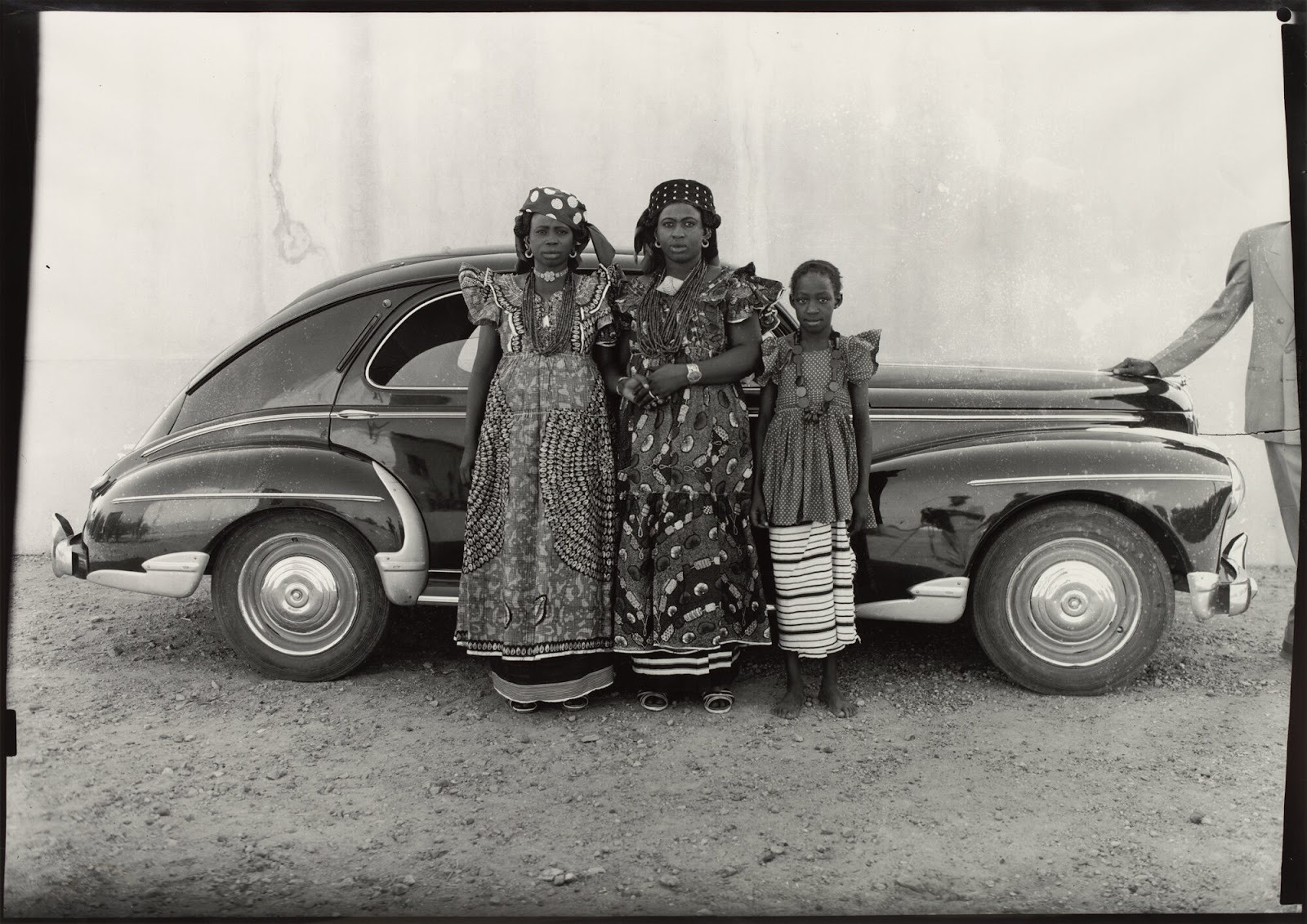
To quote historian and curator Giulia Paoletti, “There is often this tendency to flatten what is African modernity, and instead it’s important to show the variety of experiences and subjects at the time.” I think this folds really well with what you said regarding Black agency— dispensing with notions of representation in place for political imagination: not static affirmation of identity, but the ongoing work of becoming. I think we, as a society, are removing ourselves from the salvation that representation is presumed to hold. Interested to hear your thoughts here on Black agency, and the ongoing work of becoming across the diaspora. 

In this exhibition, you’ll see many ideas of Africa. The exhibition offers a consideration of the African continent that is expansive and capacious, exceeding geographic bounds and reverberating through time. This is a pan-African vision of the continent, which importantly holds a strong relationship to the African Diaspora. As a result, while Ideas of Africa is situated within contexts that extend beyond New York, it locates the city within a larger global set of networks. In 1960 alone, 17 African countries became independent. They are preceded by some, and they are definitely followed by many. This extended moment of liberation, which scholars have termed  “the long 1960s” continues to sit with us. In Ideas of Africa, you’ll see images that are full of possibility, but also haunted, in ways. What happens in the African continent in the 70s and 80s may not live up to that imaginative space of potential or possibility, but nevertheless this period continues to feed into a sense of possibility that circulates across space and time. This oscillation between continuity and fractures, spaces of disconnection and reconnection, continues to be felt across the African continent and Diaspora.  
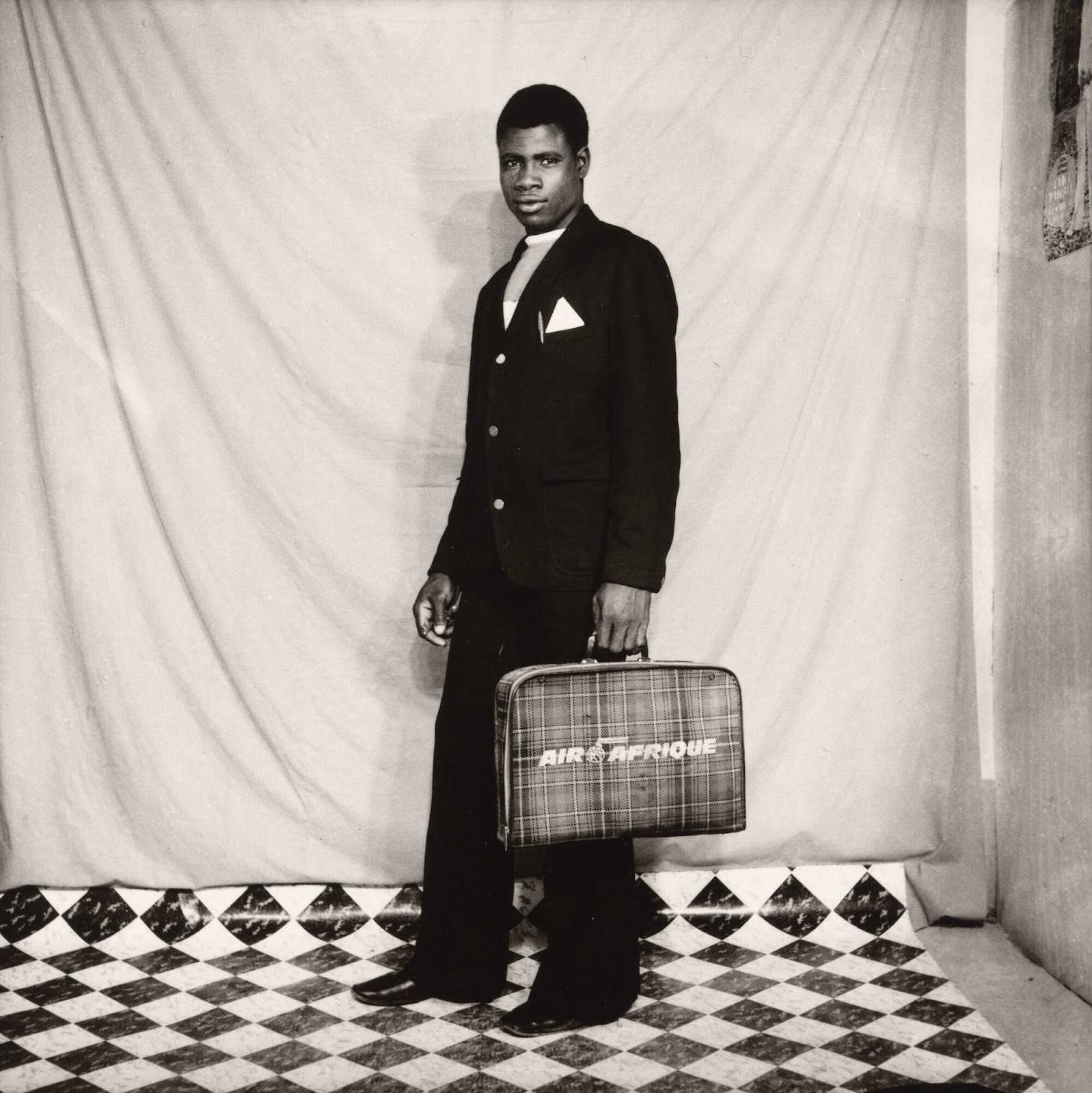
I really like the political imagination and self-determination framing that is prevalent throughout this exhibit. How do you think this notion of imagination and solidarity from the 60s/70s connects with our political world today? 
Ideas of Africa encourages a consideration of the photographic portrait that moves away from the image as an index of fixed identity categories, and more as a site of performance—a place of creative negotiation, conversation, between the person in front of the lens and the person behind the lens. While the photographic medium has its seductive truth claims, I find it important for us to remember the fact of that dialogue between the person in front of and behind the camera for all of these pictures—even if that person behind the camera is the very subject, in the case of self-portraits. Within this context, self-determination is super important on a sociopolitical level, but also for understanding how the photographic medium can function. A photographic portrait is not going to tell you every single truth—it will give you an aspect of experience. It is something that is continually unfolding. 
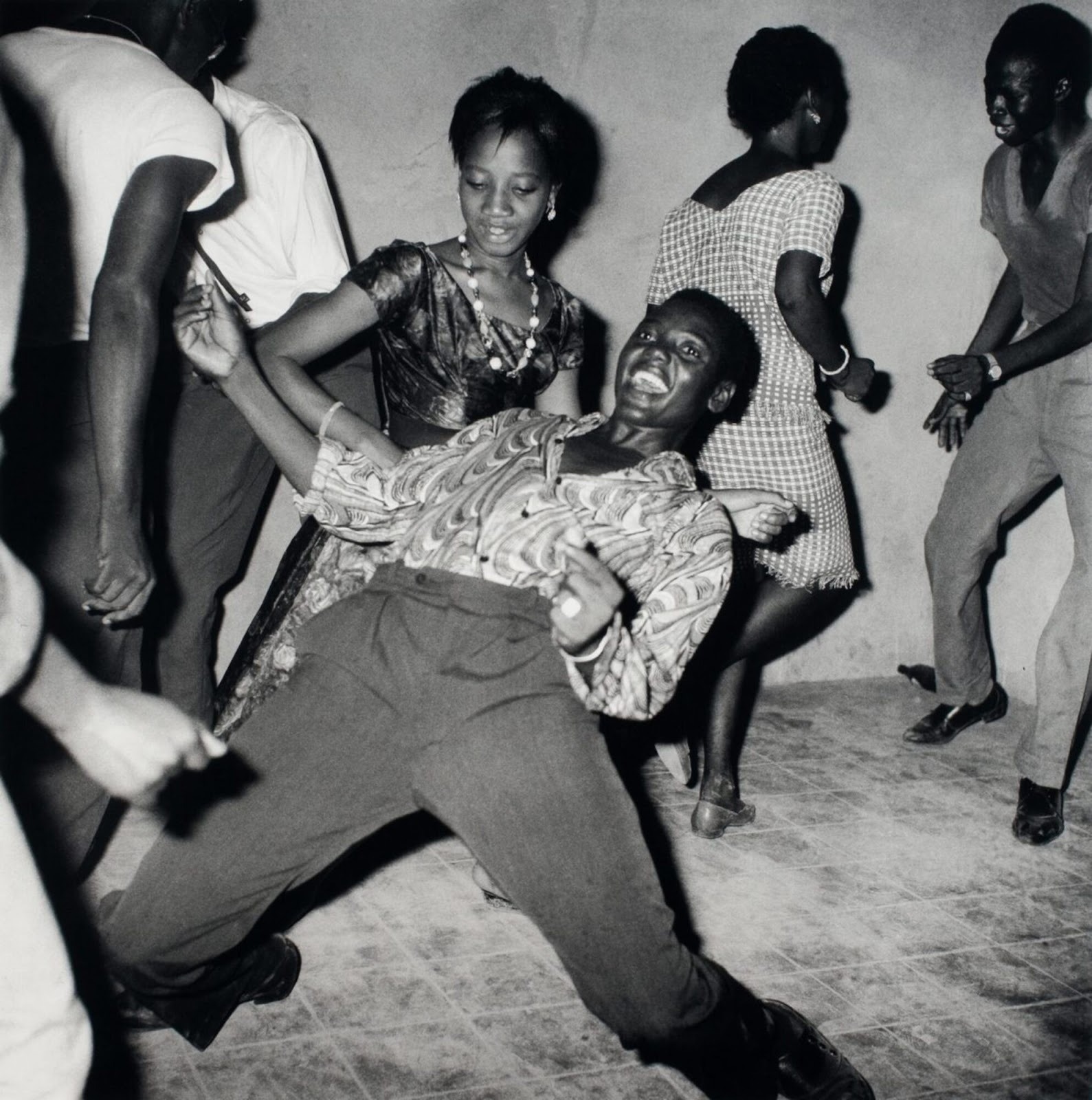
What do you hope for with this exhibition? 
Ideas of Africa
revels in the political and discursive possibilities of the photographic portrait. My hope is that the show encourages people to look closely, look long, and look again and again. Importantly, the majority of the work featured in the exhibition is held in MoMA’s Collection. 

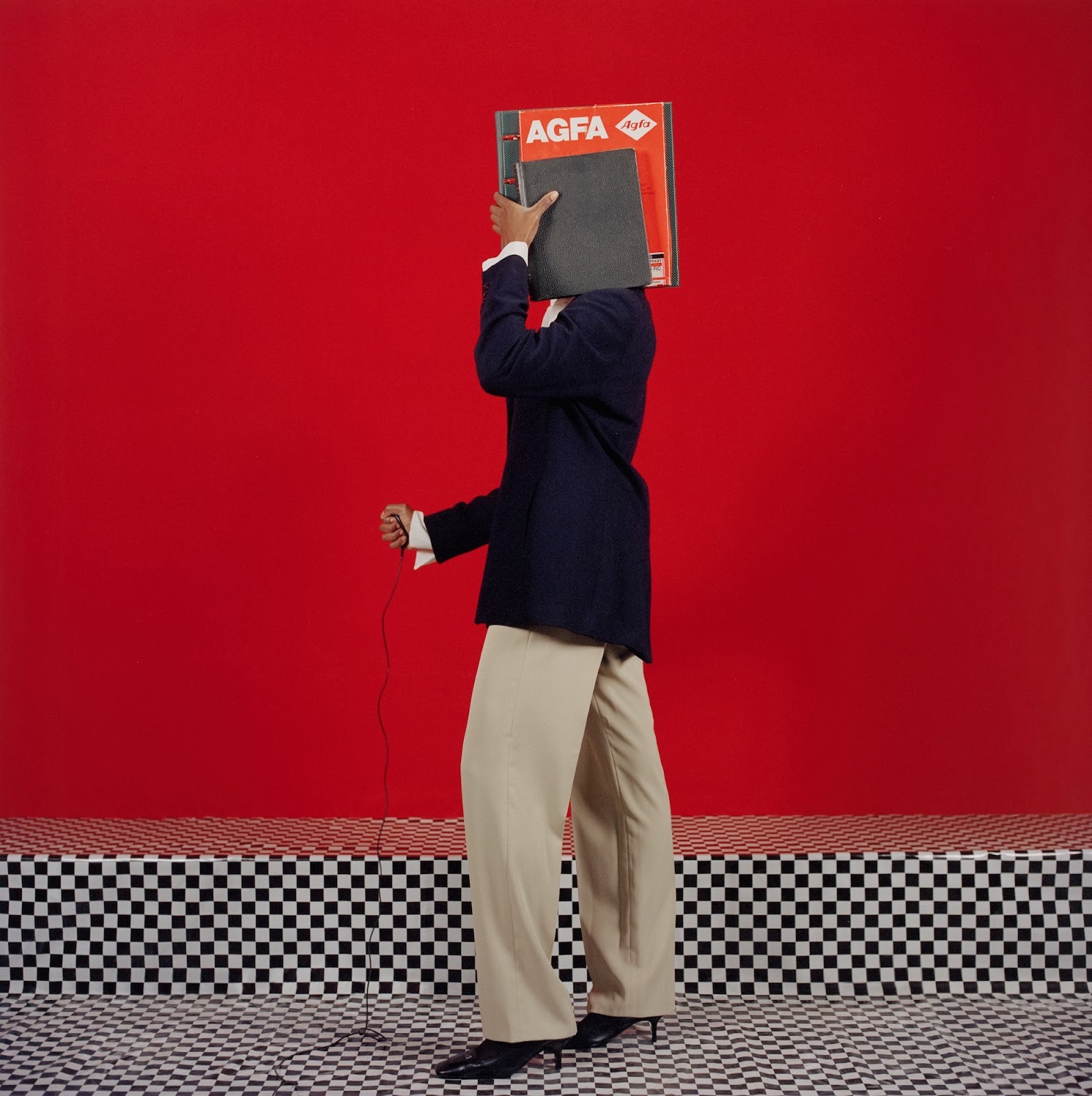
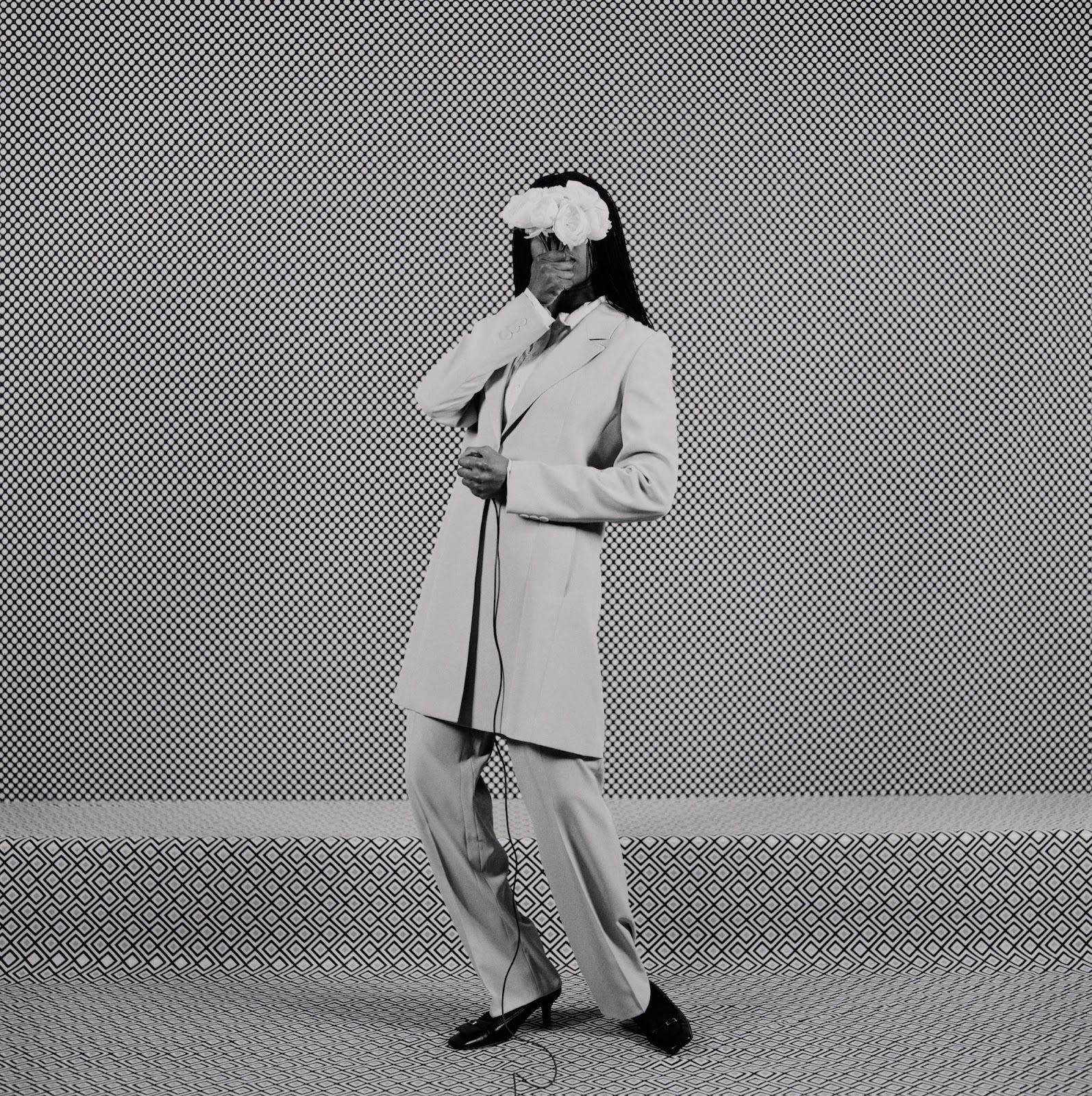
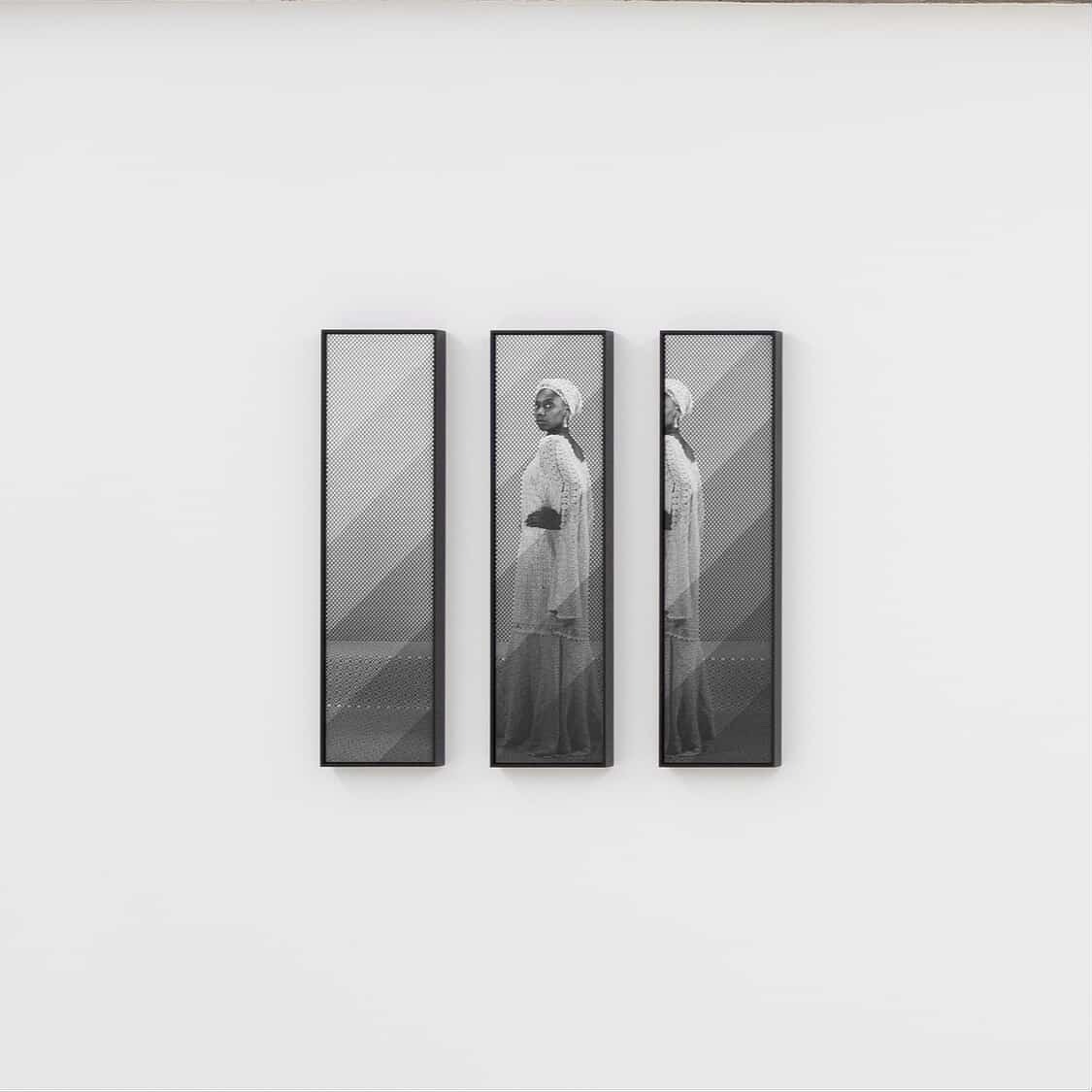
Yes, I noticed that you have also recent acquisitions on view, such as Silvia Rosi’s Disintegrata (2024). In your Artist Talk: Reflecting on History with Silvia Rosi, she gave a beautiful set of entry points for understanding the project.
“I was really looking at the journey that my parents made from West Africa to Italy where I was born, where I grew up. The work really looks at building an image of my parents based on the stories that come, specifically from my mother and from her point of view. I create portraits of them, but use my own self and my own body. Here the studio is a space of possibilities where I could create this image of them coming from those references and those stories that my mom told me. Reflecting on the styles of portraiture that come from the moment of independence, you have really this positive, imaginative way of building identity. What I was really trying to do was to build an image of the diaspora, which is not always positive. I hope to bring in those images and really dignify the representation of those experiences. They have many positive resonances with the different works in the exhibition, really reflecting on how photography tells the truth, building an honest stage.”

—Silvia Rosi

Silvia is so gifted, a true thinker of the photographic image and its relationship to memory and migration. It was an honor to bring her work into MoMA’s collection, and in this context, her pictures serve as the perfect example of knitting recent acquisitions with an exhibition program. Unlike New York’s major exhibitions of African photography the 1990s and 2000s, which were organized by teams of inventive, resourceful guest curators—such as In/Sight: African Photographers, 1940 to the Present (1996) at the Guggenheim or Snap Judgments: New Positions in Contemporary African Photography (2006) at the ICP—Ideas of Africa is a nimble, expansive exhibition that begins with MoMA’s Collection and is organized by a curator from within the institution. As such, I hope for this exhibition to be the first of many shows to engage substantively with these works in the Museum’s collection, and to be among many exhibitions at MoMA to argue for the necessity of regarding the African continent and Diaspora within stories of modern and contemporary art. 
Did you always know that this was something you wanted to do? Curatorial work?
I learned what curatorial work was while completing my B.A. in Middle Eastern, South Asian, and African Studies at Columbia University. Before I knew it was possible to do this kind of work, I thought I was going to be an intellectual historian. On this journey, I have benefitted from the guidance of many mentors, such as Koyo Kouoh (1967–2025), Bisi Silva (1962–2019), and Thelma Golden—with whom I ultimately organized my first show at MoMA, Projects: Ming Smith. Curating is a unique way of working and thinking. The pleasure of doing curatorial work within a Museum is that you are both an art historian and an active participant in the making of art history. I am continually working with, listening to, and learning from artists’ work, in order to thoughtfully introduce that work to various audiences. In the case of MoMA, this means the thousands of people who pass through the Museum’s doors each day and engage our platforms online. This awareness that you are accountable to past, present, and future encounters with an artform—that you are accountable to artist and audience member alike—is extremely humbling. I am very fortunate to do this work. It’s difficult, of course, but as are all things that are worthwhile.

A richly illustrated catalogue is published in tandem with Ideas of Africa: Portraiture and Political Imagination. In her essay, Onabanjo notes that this is the first exhibition that MoMA’s Department of Photography has organized that has a substantive engagement with photographic portraiture from the African Continent. In our conversation, she emphasized though, that this show “Will not be the last. This work is in the collection, and I hope there is continued engagement— with more generations of artists, scholars, visitors, who are excited about the mission that this museum was founded on: To tell the stories of the art of our time. Emphasis on our.”

Emem-Esther U. Ikpot 
@ememIK46
(Instagram
/Substack/ememikpot.com)

Photography: Courtesy of The Museum of Modern Art, New York 
https://press.moma.org/exhibition/ideas-of-africa/
 

A Tête-à-Tête: In Conversation with Oluremi C. Onabanjo on Ideas of Africa, Portraiture and Political Imagination

This is some text inside of a div block.

Reminiscing on old family portrait photos—their grainy textures, tattered borders, pensive faces, stylistic poses, intricate backgrounds, and complex dispositions of memory—evokes a flurry of emotions, thoughts, stories, worlds. Within these vintage black and white pictorial worlds, we are transfixed across specific dimensions of time, taking us back into history’s nostalgia, through the present’s sense of familiarity, all the way to the future’s endless promise of novelty. Oluremi C. Onabanjo, The Peter Schub Curator of Photography at The Museum of Modern Art, dissects the layered, multidimensional elements of portrait photography. 

At The Museum of Modern Art (MoMA), Oluremi manages the Museum’s holdings of over 35,000 photographs, which span the history of the medium. As a researcher and art historian, she holds a PhD in art history, a BA in Middle Eastern, South Asian, and African Studies from Columbia University, and an MSc in visual, material, and museum anthropology from Oxford University. Currently on view through July 25, 2026 at the MoMA, her new exhibition, Ideas of Africa: Portraiture and Political Imagination, examines the person behind the camera and the one in front of it—and how together, they work to craft an ongoing conversation on depth, political imagination, and African self-determination. Deeds Magazine sat down with Oluremi to learn more about her art historical research and curatorial work. 
“I encourage you to really think about how a photographic portrait is made. These are deliberately constructed compositions, and when we are attentive to those moves, we might see things anew. [Portraiture] is an act of creativity in front of and behind the lens for these specific image makers. These are not photographic portraits as identity documents; these are not photographic portraits that attest to a fixed truth, these are photographic portraits that are concerted conversations with people in front of a camera and the person behind the camera. These are deliberate, performative, imaginative images—and they’re being made at a moment when countries across the African continent are decolonizing.” 

Oluremi C. Onabanjo

Your exhibition seems to engage the formation of Pan-African subjectivity between the US Civil Rights movement and the fight for independence across the African continent. Considering your conceptual influence by The Idea of Africa, the landmark publication by the late philosopher V.Y. Mudimbe (1941–2025), I’m interested to hear more about your process. How did you come to fully realize this project? What were some focal elements/drivers that inspired the beginning of your curatorial process?  
There are different ways to organize an exhibition. One way is to start from a specific topic, which provides the basis for a set of works that you locate and ultimately unite through an exhibition. Another is to begin with works in a collection, which is how Ideas of Africa began. I started by examining a set of mid-century works of West and Central African photographic portraiture in MoMA’s Collection, gifted in 2019 by the collector of modern and contemporary African Art, Jean Pigozzi. First, looking closely at these holdings, I then expanded towards a survey of all of the Museum’s holdings dealing with these regions during this period. As I looked, I realized there was an opportunity to not only spotlight works from the gift, but also demonstrate what a gift makes possible in an institution like MoMA—where one can engage in deep research, establish acquisition priorities, and consider further purchases and gifts that enliven what a specific set of works in the collection offer our understanding of this chapter in the history of photography. The year that I started working on the exhibition, The Idea of Africa (1994) celebrated its thirtieth anniversary, which occasioned my returning to the legacy of Mudimbe’s work in the 1990s—unapologetically ambitious in its intention, vastly interdisciplinary in its reach. This moment was also an important one for the history of African photography exhibitions in New York. In returning to these canonical works and words, Ideas of Africa: Portraiture and Political Imagination emerged. Through this exhibition, I hope to demonstrate why these images and ideas remain relevant and what the current generation can learn from them. As always, artists are leading the way. 

“Ideas of Africa locates dazzling modes of Pan-African possibility in images made by inventive photographers who registered and beckoned new worlds…Rather than solely contesting Western monolithic formulations of Africa, Ideas of Africa is invested in mining incipient ideas of the continent— notions generated within, throughout, and beyond Africa as a geographic place, all rendered through the frame of the photographic portrait.”

—Oluremi C. Onabanjo

To quote historian and curator Giulia Paoletti, “There is often this tendency to flatten what is African modernity, and instead it’s important to show the variety of experiences and subjects at the time.” I think this folds really well with what you said regarding Black agency— dispensing with notions of representation in place for political imagination: not static affirmation of identity, but the ongoing work of becoming. I think we, as a society, are removing ourselves from the salvation that representation is presumed to hold. Interested to hear your thoughts here on Black agency, and the ongoing work of becoming across the diaspora. 

In this exhibition, you’ll see many ideas of Africa. The exhibition offers a consideration of the African continent that is expansive and capacious, exceeding geographic bounds and reverberating through time. This is a pan-African vision of the continent, which importantly holds a strong relationship to the African Diaspora. As a result, while Ideas of Africa is situated within contexts that extend beyond New York, it locates the city within a larger global set of networks. In 1960 alone, 17 African countries became independent. They are preceded by some, and they are definitely followed by many. This extended moment of liberation, which scholars have termed  “the long 1960s” continues to sit with us. In Ideas of Africa, you’ll see images that are full of possibility, but also haunted, in ways. What happens in the African continent in the 70s and 80s may not live up to that imaginative space of potential or possibility, but nevertheless this period continues to feed into a sense of possibility that circulates across space and time. This oscillation between continuity and fractures, spaces of disconnection and reconnection, continues to be felt across the African continent and Diaspora.  

I really like the political imagination and self-determination framing that is prevalent throughout this exhibit. How do you think this notion of imagination and solidarity from the 60s/70s connects with our political world today? 
Ideas of Africa encourages a consideration of the photographic portrait that moves away from the image as an index of fixed identity categories, and more as a site of performance—a place of creative negotiation, conversation, between the person in front of the lens and the person behind the lens. While the photographic medium has its seductive truth claims, I find it important for us to remember the fact of that dialogue between the person in front of and behind the camera for all of these pictures—even if that person behind the camera is the very subject, in the case of self-portraits. Within this context, self-determination is super important on a sociopolitical level, but also for understanding how the photographic medium can function. A photographic portrait is not going to tell you every single truth—it will give you an aspect of experience. It is something that is continually unfolding. 

What do you hope for with this exhibition? 
Ideas of Africa
revels in the political and discursive possibilities of the photographic portrait. My hope is that the show encourages people to look closely, look long, and look again and again. Importantly, the majority of the work featured in the exhibition is held in MoMA’s Collection. 

Yes, I noticed that you have also recent acquisitions on view, such as Silvia Rosi’s Disintegrata (2024). In your Artist Talk: Reflecting on History with Silvia Rosi, she gave a beautiful set of entry points for understanding the project.
“I was really looking at the journey that my parents made from West Africa to Italy where I was born, where I grew up. The work really looks at building an image of my parents based on the stories that come, specifically from my mother and from her point of view. I create portraits of them, but use my own self and my own body. Here the studio is a space of possibilities where I could create this image of them coming from those references and those stories that my mom told me. Reflecting on the styles of portraiture that come from the moment of independence, you have really this positive, imaginative way of building identity. What I was really trying to do was to build an image of the diaspora, which is not always positive. I hope to bring in those images and really dignify the representation of those experiences. They have many positive resonances with the different works in the exhibition, really reflecting on how photography tells the truth, building an honest stage.”

—Silvia Rosi

Silvia is so gifted, a true thinker of the photographic image and its relationship to memory and migration. It was an honor to bring her work into MoMA’s collection, and in this context, her pictures serve as the perfect example of knitting recent acquisitions with an exhibition program. Unlike New York’s major exhibitions of African photography the 1990s and 2000s, which were organized by teams of inventive, resourceful guest curators—such as In/Sight: African Photographers, 1940 to the Present (1996) at the Guggenheim or Snap Judgments: New Positions in Contemporary African Photography (2006) at the ICP—Ideas of Africa is a nimble, expansive exhibition that begins with MoMA’s Collection and is organized by a curator from within the institution. As such, I hope for this exhibition to be the first of many shows to engage substantively with these works in the Museum’s collection, and to be among many exhibitions at MoMA to argue for the necessity of regarding the African continent and Diaspora within stories of modern and contemporary art. 
Did you always know that this was something you wanted to do? Curatorial work?
I learned what curatorial work was while completing my B.A. in Middle Eastern, South Asian, and African Studies at Columbia University. Before I knew it was possible to do this kind of work, I thought I was going to be an intellectual historian. On this journey, I have benefitted from the guidance of many mentors, such as Koyo Kouoh (1967–2025), Bisi Silva (1962–2019), and Thelma Golden—with whom I ultimately organized my first show at MoMA, Projects: Ming Smith. Curating is a unique way of working and thinking. The pleasure of doing curatorial work within a Museum is that you are both an art historian and an active participant in the making of art history. I am continually working with, listening to, and learning from artists’ work, in order to thoughtfully introduce that work to various audiences. In the case of MoMA, this means the thousands of people who pass through the Museum’s doors each day and engage our platforms online. This awareness that you are accountable to past, present, and future encounters with an artform—that you are accountable to artist and audience member alike—is extremely humbling. I am very fortunate to do this work. It’s difficult, of course, but as are all things that are worthwhile.

A richly illustrated catalogue is published in tandem with Ideas of Africa: Portraiture and Political Imagination. In her essay, Onabanjo notes that this is the first exhibition that MoMA’s Department of Photography has organized that has a substantive engagement with photographic portraiture from the African Continent. In our conversation, she emphasized though, that this show “Will not be the last. This work is in the collection, and I hope there is continued engagement— with more generations of artists, scholars, visitors, who are excited about the mission that this museum was founded on: To tell the stories of the art of our time. Emphasis on our.”

Emem-Esther U. Ikpot 
@ememIK46
(Instagram
/Substack/ememikpot.com)

Photography: Courtesy of The Museum of Modern Art, New York 
https://press.moma.org/exhibition/ideas-of-africa/
 

This is some text inside of a div block.

A Tête-à-Tête: In Conversation with Oluremi C. Onabanjo on Ideas of Africa, Portraiture and Political Imagination

Reminiscing on old family portrait photos—their grainy textures, tattered borders, pensive faces, stylistic poses, intricate backgrounds, and complex dispositions of memory—evokes a flurry of emotions, thoughts, stories, worlds. Within these vintage black and white pictorial worlds, we are transfixed across specific dimensions of time, taking us back into history’s nostalgia, through the present’s sense of familiarity, all the way to the future’s endless promise of novelty. Oluremi C. Onabanjo, The Peter Schub Curator of Photography at The Museum of Modern Art, dissects the layered, multidimensional elements of portrait photography. 

At The Museum of Modern Art (MoMA), Oluremi manages the Museum’s holdings of over 35,000 photographs, which span the history of the medium. As a researcher and art historian, she holds a PhD in art history, a BA in Middle Eastern, South Asian, and African Studies from Columbia University, and an MSc in visual, material, and museum anthropology from Oxford University. Currently on view through July 25, 2026 at the MoMA, her new exhibition, Ideas of Africa: Portraiture and Political Imagination, examines the person behind the camera and the one in front of it—and how together, they work to craft an ongoing conversation on depth, political imagination, and African self-determination. Deeds Magazine sat down with Oluremi to learn more about her art historical research and curatorial work. 
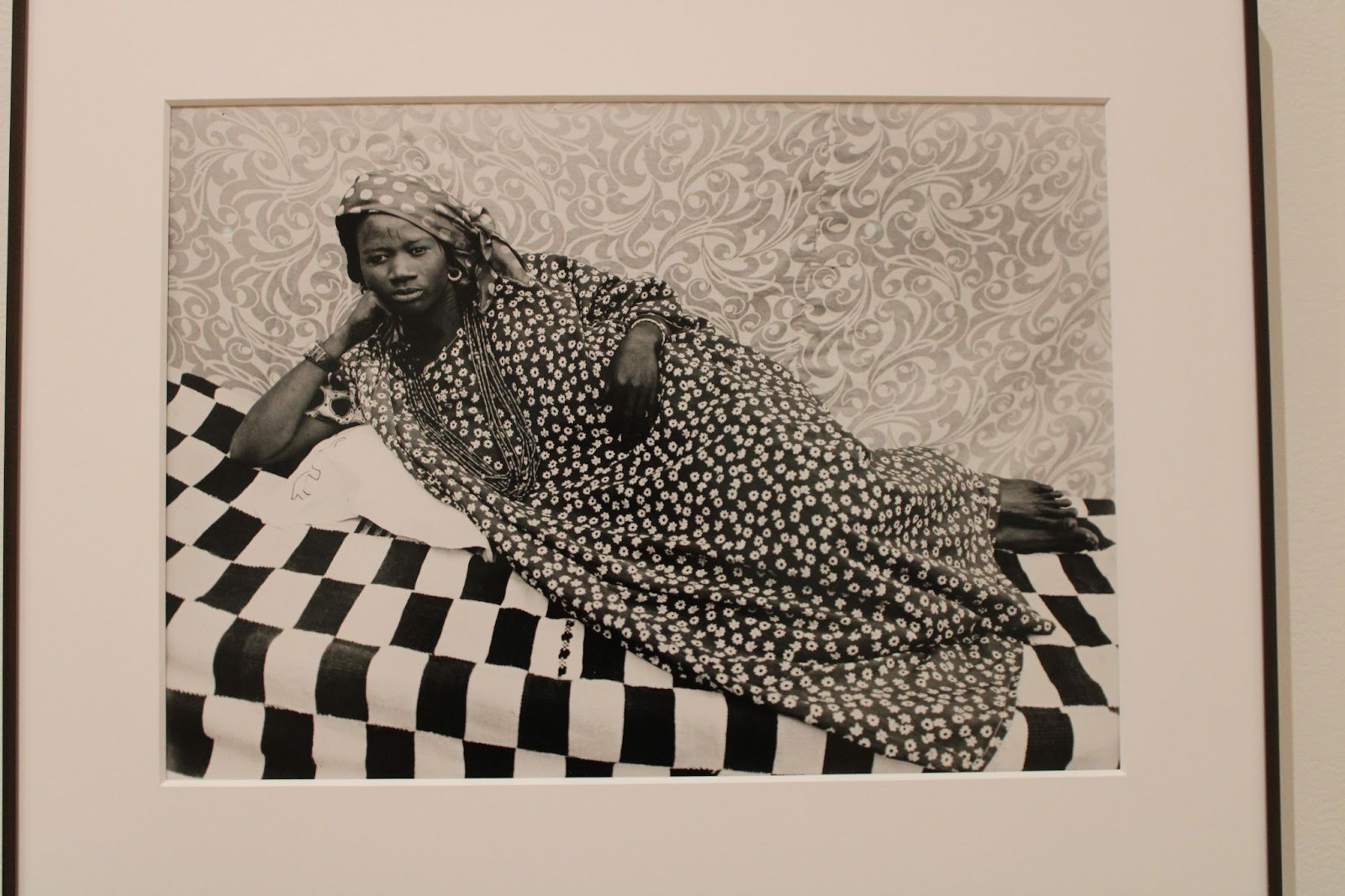
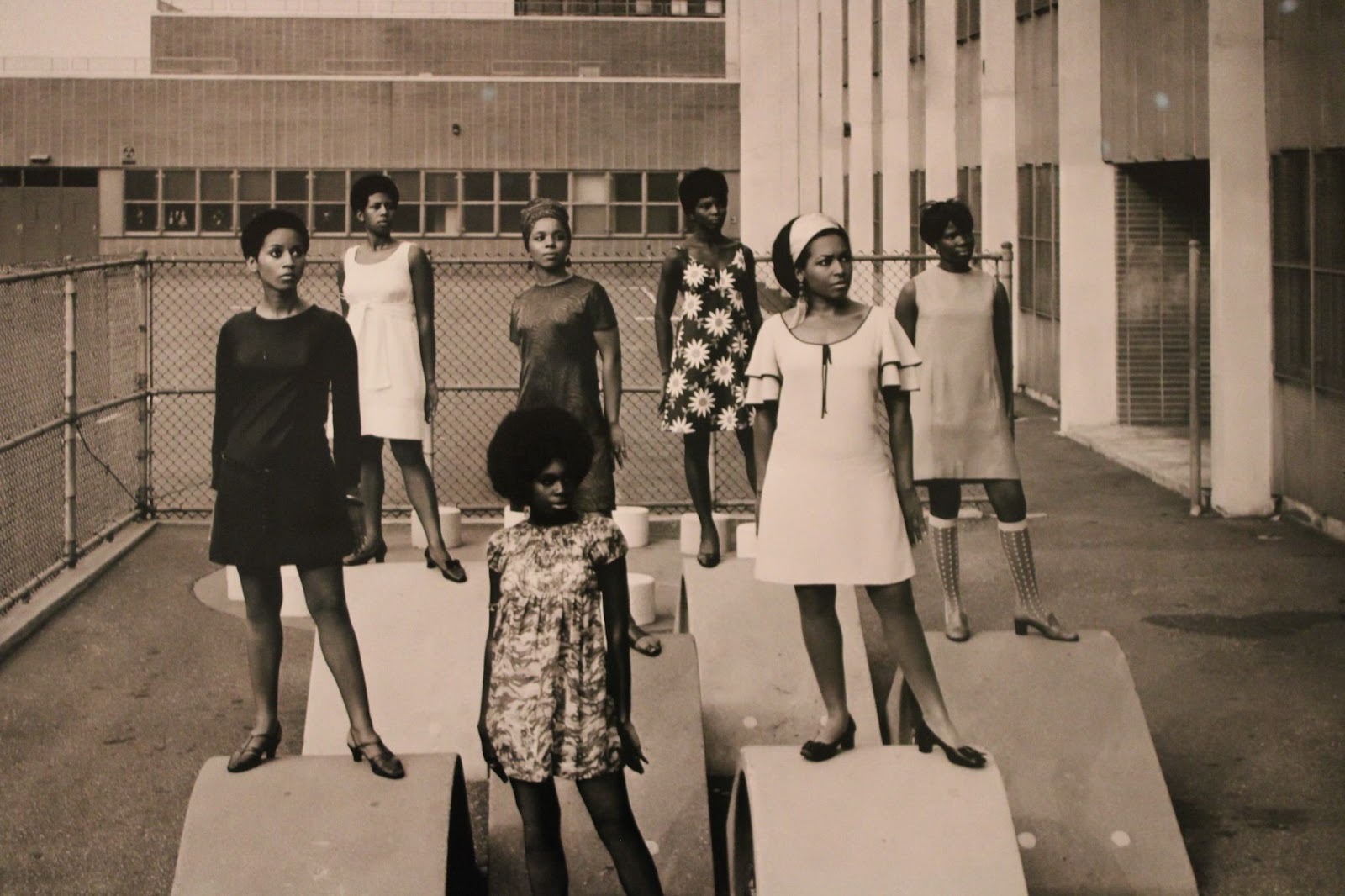
“I encourage you to really think about how a photographic portrait is made. These are deliberately constructed compositions, and when we are attentive to those moves, we might see things anew. [Portraiture] is an act of creativity in front of and behind the lens for these specific image makers. These are not photographic portraits as identity documents; these are not photographic portraits that attest to a fixed truth, these are photographic portraits that are concerted conversations with people in front of a camera and the person behind the camera. These are deliberate, performative, imaginative images—and they’re being made at a moment when countries across the African continent are decolonizing.” 

Oluremi C. Onabanjo

Your exhibition seems to engage the formation of Pan-African subjectivity between the US Civil Rights movement and the fight for independence across the African continent. Considering your conceptual influence by The Idea of Africa, the landmark publication by the late philosopher V.Y. Mudimbe (1941–2025), I’m interested to hear more about your process. How did you come to fully realize this project? What were some focal elements/drivers that inspired the beginning of your curatorial process?  
There are different ways to organize an exhibition. One way is to start from a specific topic, which provides the basis for a set of works that you locate and ultimately unite through an exhibition. Another is to begin with works in a collection, which is how Ideas of Africa began. I started by examining a set of mid-century works of West and Central African photographic portraiture in MoMA’s Collection, gifted in 2019 by the collector of modern and contemporary African Art, Jean Pigozzi. First, looking closely at these holdings, I then expanded towards a survey of all of the Museum’s holdings dealing with these regions during this period. As I looked, I realized there was an opportunity to not only spotlight works from the gift, but also demonstrate what a gift makes possible in an institution like MoMA—where one can engage in deep research, establish acquisition priorities, and consider further purchases and gifts that enliven what a specific set of works in the collection offer our understanding of this chapter in the history of photography. The year that I started working on the exhibition, The Idea of Africa (1994) celebrated its thirtieth anniversary, which occasioned my returning to the legacy of Mudimbe’s work in the 1990s—unapologetically ambitious in its intention, vastly interdisciplinary in its reach. This moment was also an important one for the history of African photography exhibitions in New York. In returning to these canonical works and words, Ideas of Africa: Portraiture and Political Imagination emerged. Through this exhibition, I hope to demonstrate why these images and ideas remain relevant and what the current generation can learn from them. As always, artists are leading the way. 

“Ideas of Africa locates dazzling modes of Pan-African possibility in images made by inventive photographers who registered and beckoned new worlds…Rather than solely contesting Western monolithic formulations of Africa, Ideas of Africa is invested in mining incipient ideas of the continent— notions generated within, throughout, and beyond Africa as a geographic place, all rendered through the frame of the photographic portrait.”

—Oluremi C. Onabanjo

To quote historian and curator Giulia Paoletti, “There is often this tendency to flatten what is African modernity, and instead it’s important to show the variety of experiences and subjects at the time.” I think this folds really well with what you said regarding Black agency— dispensing with notions of representation in place for political imagination: not static affirmation of identity, but the ongoing work of becoming. I think we, as a society, are removing ourselves from the salvation that representation is presumed to hold. Interested to hear your thoughts here on Black agency, and the ongoing work of becoming across the diaspora. 

In this exhibition, you’ll see many ideas of Africa. The exhibition offers a consideration of the African continent that is expansive and capacious, exceeding geographic bounds and reverberating through time. This is a pan-African vision of the continent, which importantly holds a strong relationship to the African Diaspora. As a result, while Ideas of Africa is situated within contexts that extend beyond New York, it locates the city within a larger global set of networks. In 1960 alone, 17 African countries became independent. They are preceded by some, and they are definitely followed by many. This extended moment of liberation, which scholars have termed  “the long 1960s” continues to sit with us. In Ideas of Africa, you’ll see images that are full of possibility, but also haunted, in ways. What happens in the African continent in the 70s and 80s may not live up to that imaginative space of potential or possibility, but nevertheless this period continues to feed into a sense of possibility that circulates across space and time. This oscillation between continuity and fractures, spaces of disconnection and reconnection, continues to be felt across the African continent and Diaspora.  

I really like the political imagination and self-determination framing that is prevalent throughout this exhibit. How do you think this notion of imagination and solidarity from the 60s/70s connects with our political world today? 
Ideas of Africa encourages a consideration of the photographic portrait that moves away from the image as an index of fixed identity categories, and more as a site of performance—a place of creative negotiation, conversation, between the person in front of the lens and the person behind the lens. While the photographic medium has its seductive truth claims, I find it important for us to remember the fact of that dialogue between the person in front of and behind the camera for all of these pictures—even if that person behind the camera is the very subject, in the case of self-portraits. Within this context, self-determination is super important on a sociopolitical level, but also for understanding how the photographic medium can function. A photographic portrait is not going to tell you every single truth—it will give you an aspect of experience. It is something that is continually unfolding. 

What do you hope for with this exhibition? 
Ideas of Africa
revels in the political and discursive possibilities of the photographic portrait. My hope is that the show encourages people to look closely, look long, and look again and again. Importantly, the majority of the work featured in the exhibition is held in MoMA’s Collection. 

Yes, I noticed that you have also recent acquisitions on view, such as Silvia Rosi’s Disintegrata (2024). In your Artist Talk: Reflecting on History with Silvia Rosi, she gave a beautiful set of entry points for understanding the project.
“I was really looking at the journey that my parents made from West Africa to Italy where I was born, where I grew up. The work really looks at building an image of my parents based on the stories that come, specifically from my mother and from her point of view. I create portraits of them, but use my own self and my own body. Here the studio is a space of possibilities where I could create this image of them coming from those references and those stories that my mom told me. Reflecting on the styles of portraiture that come from the moment of independence, you have really this positive, imaginative way of building identity. What I was really trying to do was to build an image of the diaspora, which is not always positive. I hope to bring in those images and really dignify the representation of those experiences. They have many positive resonances with the different works in the exhibition, really reflecting on how photography tells the truth, building an honest stage.”

—Silvia Rosi

Silvia is so gifted, a true thinker of the photographic image and its relationship to memory and migration. It was an honor to bring her work into MoMA’s collection, and in this context, her pictures serve as the perfect example of knitting recent acquisitions with an exhibition program. Unlike New York’s major exhibitions of African photography the 1990s and 2000s, which were organized by teams of inventive, resourceful guest curators—such as In/Sight: African Photographers, 1940 to the Present (1996) at the Guggenheim or Snap Judgments: New Positions in Contemporary African Photography (2006) at the ICP—Ideas of Africa is a nimble, expansive exhibition that begins with MoMA’s Collection and is organized by a curator from within the institution. As such, I hope for this exhibition to be the first of many shows to engage substantively with these works in the Museum’s collection, and to be among many exhibitions at MoMA to argue for the necessity of regarding the African continent and Diaspora within stories of modern and contemporary art. 
Did you always know that this was something you wanted to do? Curatorial work?
I learned what curatorial work was while completing my B.A. in Middle Eastern, South Asian, and African Studies at Columbia University. Before I knew it was possible to do this kind of work, I thought I was going to be an intellectual historian. On this journey, I have benefitted from the guidance of many mentors, such as Koyo Kouoh (1967–2025), Bisi Silva (1962–2019), and Thelma Golden—with whom I ultimately organized my first show at MoMA, Projects: Ming Smith. Curating is a unique way of working and thinking. The pleasure of doing curatorial work within a Museum is that you are both an art historian and an active participant in the making of art history. I am continually working with, listening to, and learning from artists’ work, in order to thoughtfully introduce that work to various audiences. In the case of MoMA, this means the thousands of people who pass through the Museum’s doors each day and engage our platforms online. This awareness that you are accountable to past, present, and future encounters with an artform—that you are accountable to artist and audience member alike—is extremely humbling. I am very fortunate to do this work. It’s difficult, of course, but as are all things that are worthwhile.
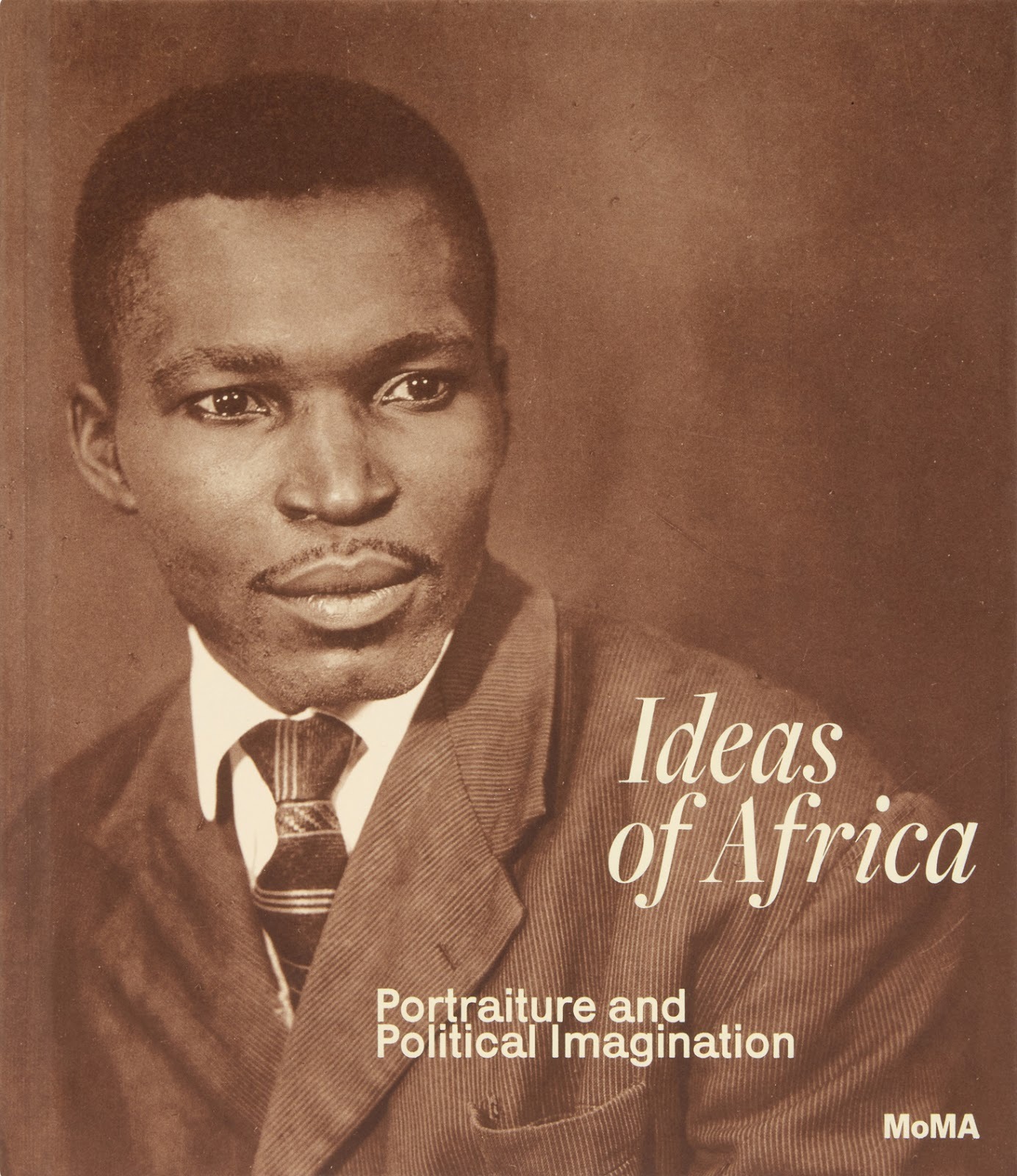
A richly illustrated catalogue is published in tandem with Ideas of Africa: Portraiture and Political Imagination. In her essay, Onabanjo notes that this is the first exhibition that MoMA’s Department of Photography has organized that has a substantive engagement with photographic portraiture from the African Continent. In our conversation, she emphasized though, that this show “Will not be the last. This work is in the collection, and I hope there is continued engagement— with more generations of artists, scholars, visitors, who are excited about the mission that this museum was founded on: To tell the stories of the art of our time. Emphasis on our.”
Emem-Esther U. Ikpot 
@ememIK46
(Instagram
/Substack/ememikpot.com)

Photography: Courtesy of The Museum of Modern Art, New York 
https://press.moma.org/exhibition/ideas-of-africa/

 

Other Stories
London
London
Lagos
London
Newyork
London
Shop
Join the community.
You are now subscribed to receive updates.
Oops! Something went wrong while submitting the form.