.svg)

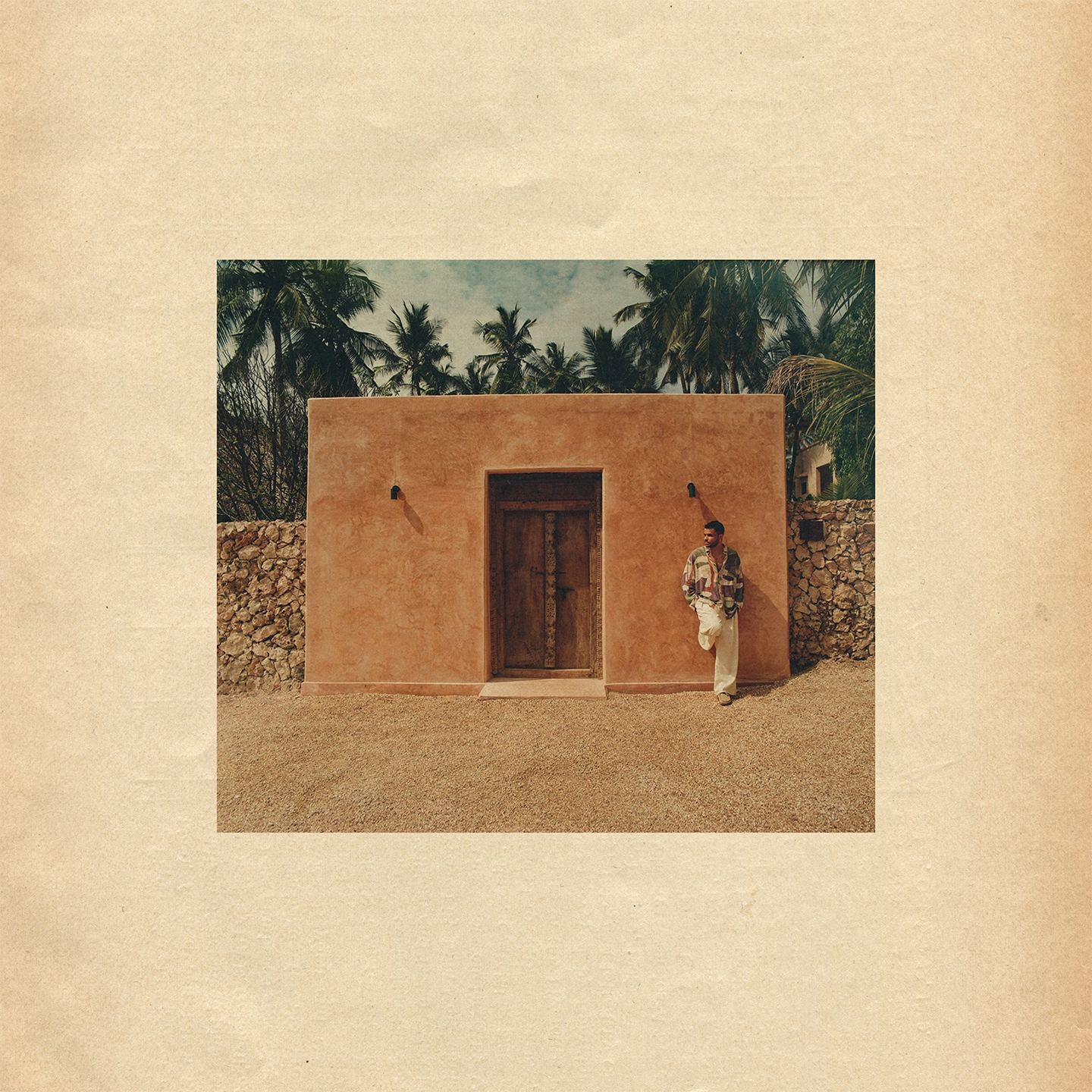
Ady Suleiman is a 33-year-old British singer-songwriter of Zanzibari descent who seemed to have the brightest future ahead following his debut album ‘Memories.’ However, what was expected to be a steady rise to stardom instead became years of sonic absence. Almost a decade after his first release, Ady returns with his highly anticipated sophomore album ‘Chasing,’ offering an entirely new perspective on the world. This can all be traced back to a trip of a lifetime, namely returning to his roots in Zanzibar and reconnecting with the motherland.
We sat down with Ady to discuss the period of darkness he experienced, and how reconnecting with his family in both Kenya and Zanzibar helped him emerge from turmoil and ultimately inspired his new project.
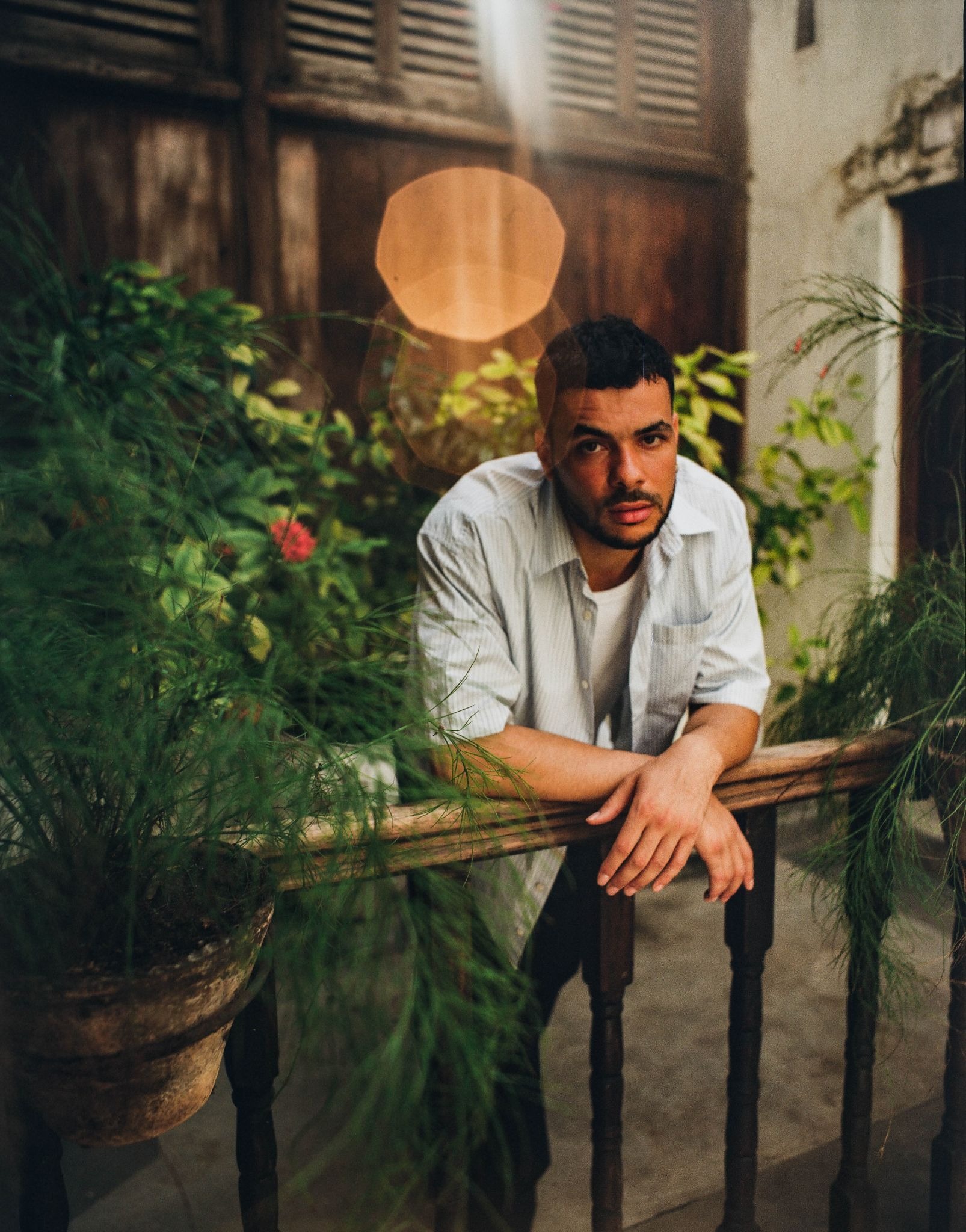
Can you introduce yourself to our audience?
Yes, I’m Ady Suleiman, a singer-songwriter who grew up in Nottingham, UK. I live in London now and I’ve got roots in Zanzibar (From my dad’s side).
Nottingham, interesting. Take us back to your childhood; how would you best describe your upbringing?
It was a really small town on the outskirts of Nottingham. I was a happy child to be fair; I used to skateboard a lot with my friends and I think it was great until you were a teenager around 16. There was always this feeling of getting out of the town, you know when you get to a certain age. Speaking for myself, it is not somewhere I saw myself staying. I knew when I got 18 years old or old enough to leave home, I wanted to go live in a city.
I read that your father was a DJ. Out of curiosity, which artists and sounds were played in your household growing up?
My parents have always been great music lovers. I would say on my dad's side, I really got a lot of Bob Marley. He was a cornerstone for my dad. Due to the fact he was a DJ, he had a massive CD collection, and so any type of music I wanted to listen to, I would go get it from my dad. Every CD of Bob Marley I had at my disposal.
On my mom’s side, she’s British so she grew up listening to the Kinks, Pink Floyd, Rolling Stones, etc… My earliest memories of current music was Alicia Keys, I remember being super fond of her, Eminem, OutKast and 50 Cent. When I really got into music, it was Jimi Hendrix for me because I really wanted to play the guitar. When I discovered there was other music outside of my parents’ collection and the radio, it blew my mind a little bit. That is when I went into my own journey of Jimi Hendrix, Led Zeppelin, B.B. King, etc…
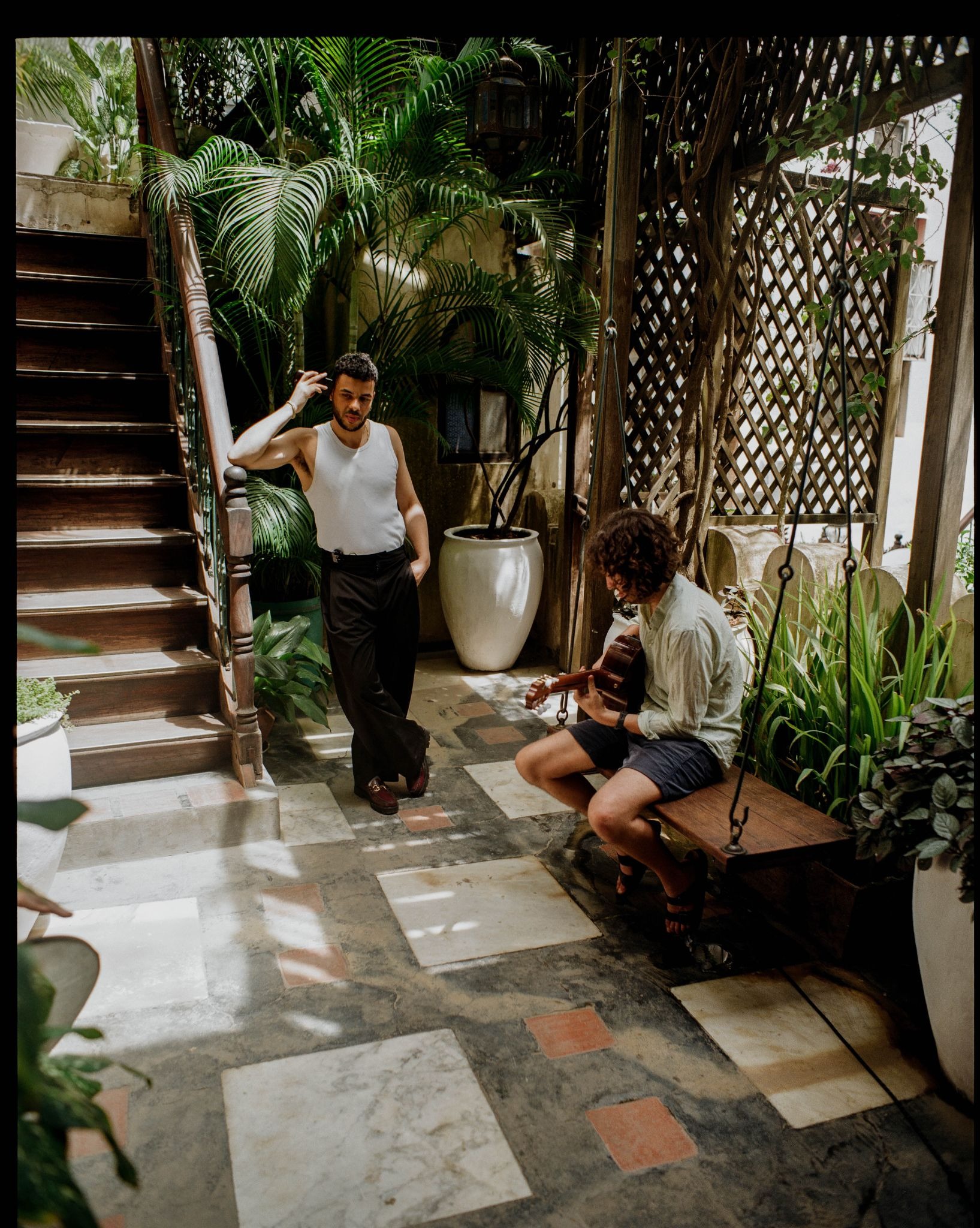
Speaking of earliest memories, I remember being 15 years old, living with my father in Peckham, when the ‘So Lost’ music video came on TV. ‘State of Mind’ was a real bop for me back in 2015! That was my introduction to you. At what point did pursuing music begin to feel tangible for you?
No way! That’s awesome by the way! There were two switches; one was Amy Whinehouse. Seeing her first album being Jazz, Hip-Hop and soul blended together and she had the kind of success that she did, that made me think; “ok cool, you can make the music you actually want to make and still be commercially successful.” Before Amy, I thought you had to ‘sellout.’ I didn’t truly believe it was possible for me until I went to study music in Liverpool.
I think my second year of university, I really took it upon myself; “Now it’s really a good time to try your hardest to make a career out of it.” After this year, I knew I wasn’t going to get a job with a music degree. That’s when I started to do my first gigs as Ady Suleiman. Songs like ‘State of Mind’ were actually the first songs I ever wrote. When I first put out demos, I really got good responses. It got a lot of views for someone who was still unknown. Through that, the industry got a hold of me in a sense that I got messages from publishers, record labels and that solidified my confidence and belief within myself.
It’s crazy to hear that ‘State of Mind’ was one of your first songs ever recorded. Let’s rewind in time; it’s 2018, you were signed to Sony prior, you’re rubbing shoulders with the likes of Labrinth and you just released your debut album ‘Memories,’ where was your mindset during that period?
When it was out, I felt relieved because keeping it a buck, I wanted this record out before. I would have liked it to be released in 2015 or 2016. I think I signed my first deal in 2014 and so, I knew it was going to take a couple of years to produce the songs. Just because I didn’t feel like I got a hundred percent right with Sony; they were great, we just had different ideas on how to skin the cat, so to speak. I left the label which delayed the project coming out and I had to find new partners.
Your debut is a big deal. Some of my favourite records of artists’ debut albums are like ‘The Miseducation of Lauryn Hill,’ ‘Brown Sugar,’ ‘Frank’ . The nerves of knowing that this is my debut, I wanted to get it right.
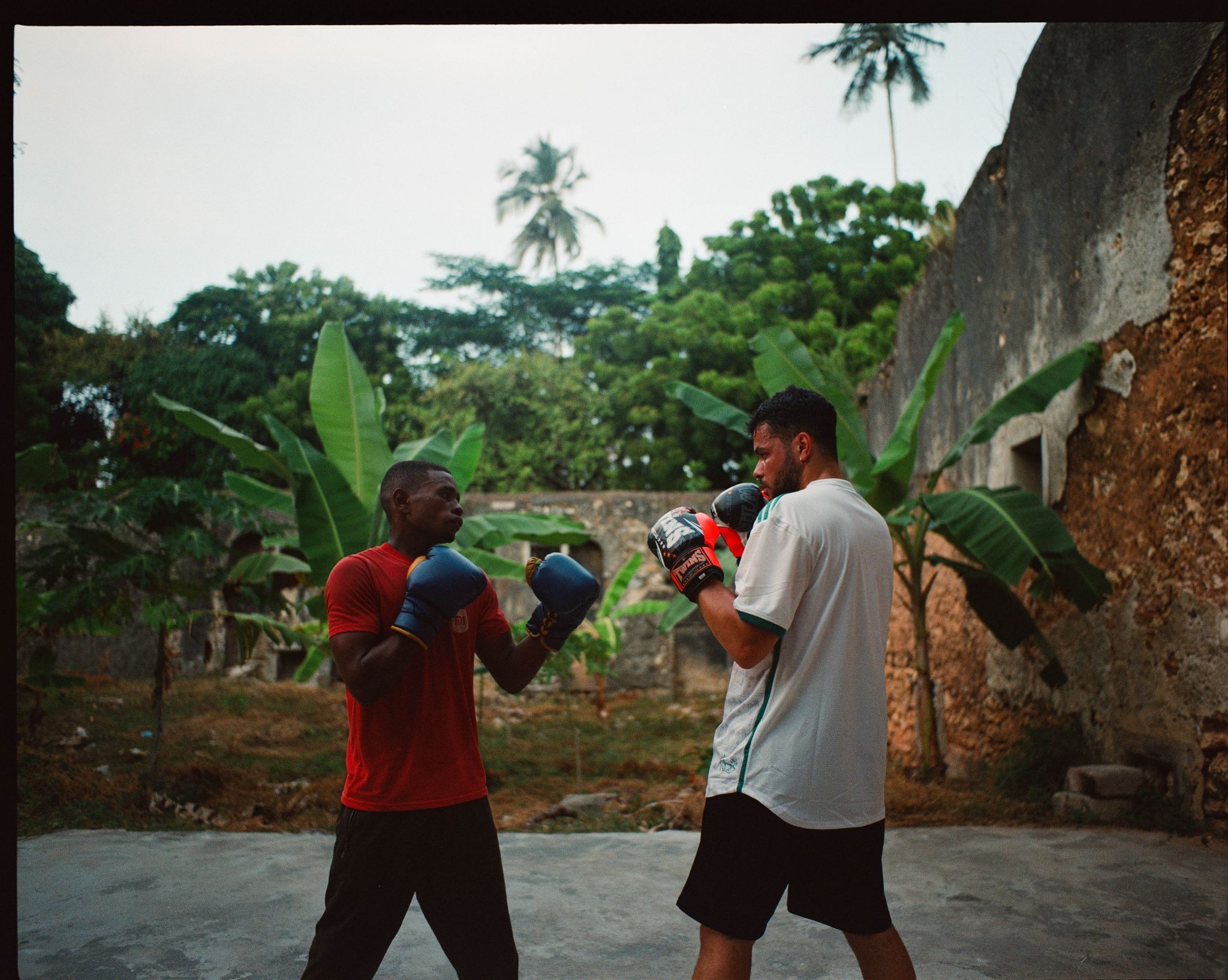
Similarly to all of the greats (You mentioned Lauryn Hill and D’Angelo), there’s a saying; “when we need our heroes most, they disappear.” Suddenly, there’s almost a decade of sonic absence. You released a few EPs here and there but there’s a noticeable shift. What happened?
Oh man, I wish I had a miseducation and then, I could disappear forever [laugh]. To be honest, it was a creative decision. I find it quite difficult to create and be ‘on.’ We live in a world where you have to share so much of your creative process and behind the scenes. There’s a huge demand to put out music quickly. I write the songs all myself, I am involved in the production and so, my music always takes some time. I always preferred making music away from noise.
I have gigged my debut record since the beginning of my career. I remember feeling like I brought myself up into a space I had the resources to go away and create. I wanted to disappear, I wanted to be offline for like 2 years, not do gigs and tap back into who I am as an artist and really do something special. Then, come back with a new set, new music, yeah that was my plan.
Little did I know that we would get on lockdown. The pandemic took 2 years of everyone’s lives. I work with live instruments and so, that had an impact on me. To be completely honest, it also has an effect on my mental state. What I didn’t anticipate missing was the gigs. When you get on tour, you have such live feedback from your audience and supporters, and it gives you a lift and the confidence to keep doing what you’re doing. In those 2 years, I didn’t have that. The longer it went on and the less interaction I had with my audience, the self-doubt grew. It amplified my fears.
Keeping it a buck, I also went through financial troubles because I’m independent and how can I fund my studio sessions if I’m not on tour or doing any gigs? You know, the pandemic wasn't great for a lot of musicians. I wasn’t making much in music so I had to find work. Something that was supposed to be an intentional 2-year break dragged on for 4 or 5 years. It was really tough.
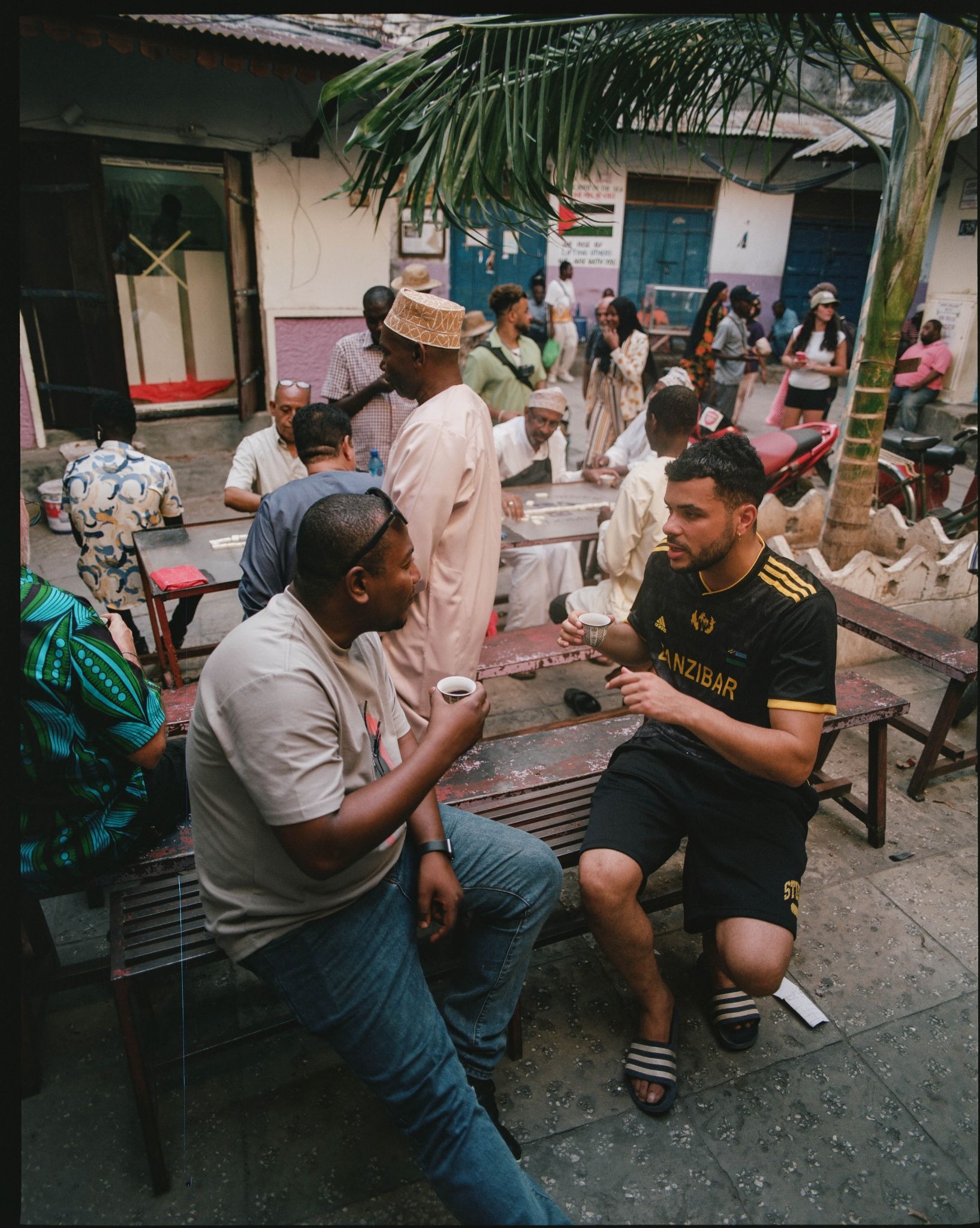
I really appreciate your honesty and you being vulnerable. On a lighter note, let’s talk about the trip that played a foundation in this new project ‘Chasing’ and ultimately changed your life; what persuaded you to travel to your fatherland?
This trip really changed everything for me if I’m being honest. In the pandemic, my father made contact again with the Kenyan side of the family. My great great-grandma was still alive at this point and I remember seeing an image of her in Mombasa and I was just thinking; “I need to go visit her.” I never met her, my first cousins and uncle in Kenya before in my life. I met my Zanzibar side, but not the Kenyan one.
Over the pandemic, you just thought a lot of people lost their lives and especially older people. My great grandma is still alive in Kenya, I need to go meet her because I’m going to regret it if I don’t. Since my dad had reached out and made contact with that side of the family again, I have to take this opportunity. As soon as the restrictions were lifted, I booked a flight to Kenya, Mombasa to see my Kenyan family and then, my Zanzibar family as well. This is because it has been 16 years since I was last in that part of the world.
I just can’t put into words what that felt like. Meeting so close relatives to you in Kenya and haven’t not met them my entire life. I felt ashamed to be honest and a bit embarrassed. They were so lovely. It was supposed to be a two week trip and I just stayed there in Zanzibar for 3 months until I ran out of my visa and had to leave. For my identity as well, it was really aligning. Growing up in this country, especially in a small town, I wouldn’t call it an identity crisis but it was to get back in touch with my blackness.You know, going to East Africa and reconnecting with my roots. I credit that trip to a lot really.
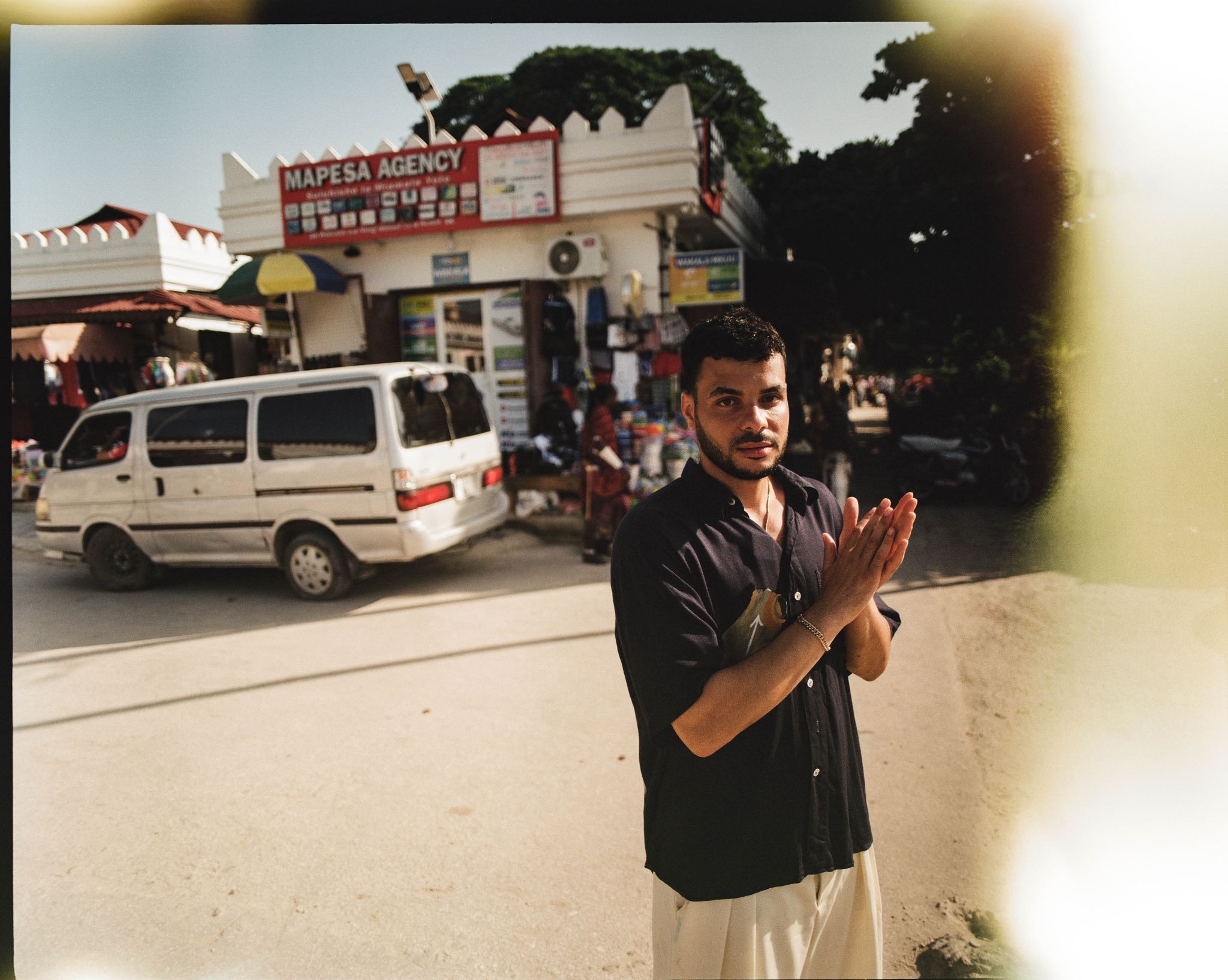
Most people know about Zanzibar for its white beaches; but a few know about its pain embedded in its history. Even today, there’s still part of my own Swahili ancestry that I am uncovering. What can you tell us about the region and your connection to it?
The main thing I’ve learned is the kind of confidence in the way people attack the day, the way they deal with hardship. My family outlook came from a positive place. To be fair, they live day to day. They make most of each day. That’s the main thing that I took away from it. I’m getting so stressed with stuff I don’t really need to be stressed about. I need to be more grateful. That’s the one thing I will take away.
I didn’t do a lot of historical trips since I was mainly with my family. I actually need to learn more about Zanzibar’s history. The island is known for its spice and it used to be a trading port. There’s a lot of Arabic influence since it is on the Coast. The country is 99% muslim and I grew up muslim so it was great to touch back with my faith. I really need the history of both Kenya and Zanzibar to be honest.
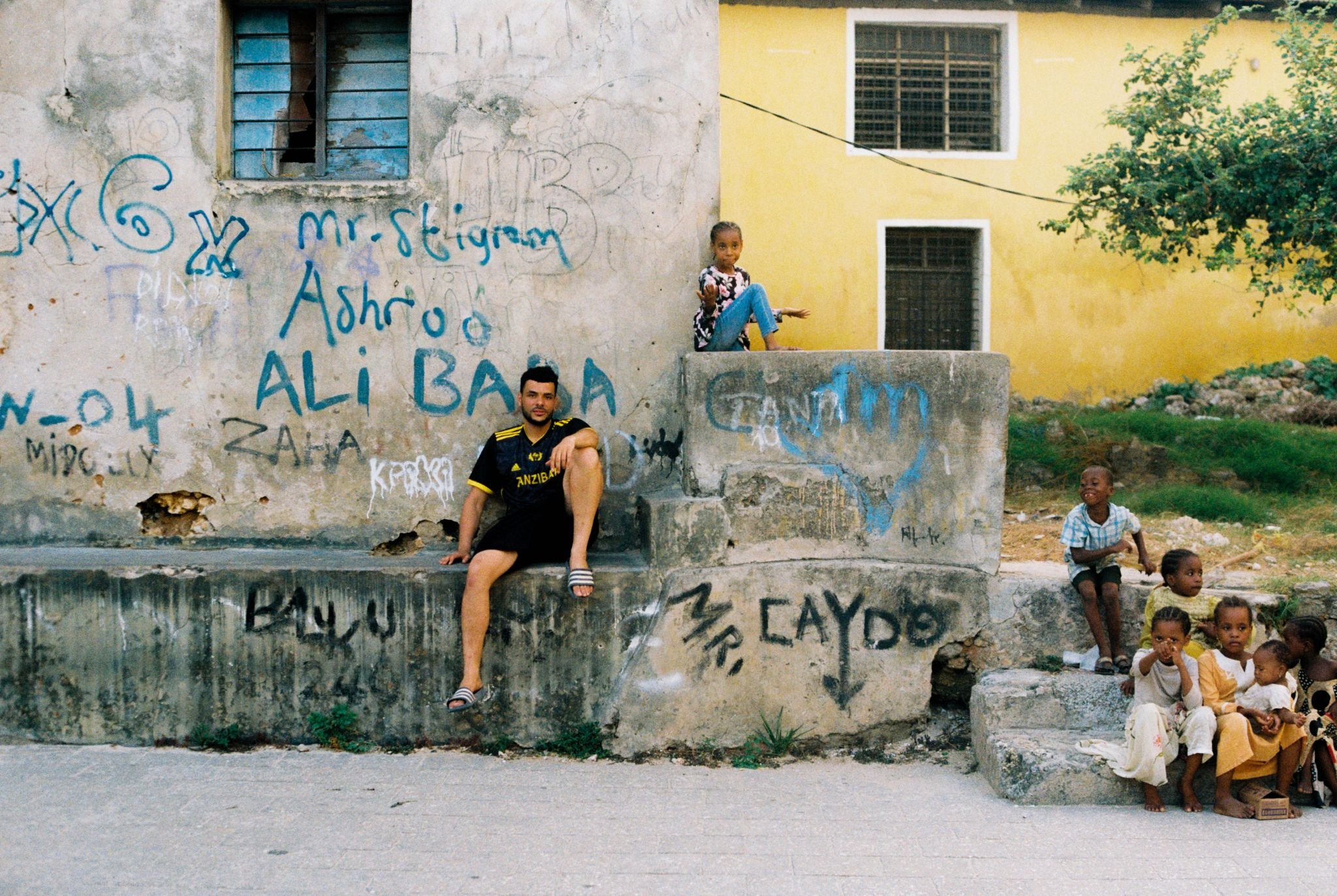
Ok, fair enough. A portion of your album was also recorded in Zanzibar, what was the process like?
When I left to go to East Africa, it wasn’t really in my mind to record it was to reconnect with family and my roots. However, because of how I felt when I got there, especially in Zanzibar, honestly I didn’t want to leave. So I came back to the UK and then, went back again at the end of the year. I flew my producer out there and he came and stayed with me for a couple of weeks. I just really felt like we will pull this record together in Zanzibar. I don’t know how to describe it but it was a space where I was able to reflect. It was a refuge to put everything together. At least half of the album was recorded there. Since that trip, I’ve been going back every year for at least 3 months. I’m super grateful for that time.
Personally, some of my favourite tracks on the album were ‘Brother’ and ‘Trouble’. What is something you would like for listeners to take away from this project?
Naturally, I share stuff, sometimes to my own detriment. I do it so that I can be seen as fully who I am as a person, in the hopes that you make connections with other people that feel the same or experience something similar to you. I think when you have a common ground, one is so that you don’t feel alone but also, it is easy to find your tribe and your own people. That’s my earliest memory when I wrote a song like ‘State of Mind,’ I thought like somebody else must feel like this too. All I want is for people to feel something.


.png)

