New Guards at London Fashion Week AW26: Emerging Talents Take the Lead

Authored by

Fashion weeks are markers of regional identity. Each city approaches the season with its own tone and visual language. Since January, we’ve had Autumn/Winter 2026 presentations through Berlin, Milan and Paris — and from February 19 - 23, London stepped forward with a schedule that felt especially vibrant.

The city’s atmosphere was amplified by the presence of the BAFTA Awards, but what we can appreciate most is the sense of discovery threaded throughout the week. Beyond the major names, the schedule was rich with debuts and emerging designers whose work felt deeply considered and emotionally grounded.

With that being said, here’s a rundown of some of our favorite presentations from London Fashion Week AW26: 

Kazna Asker
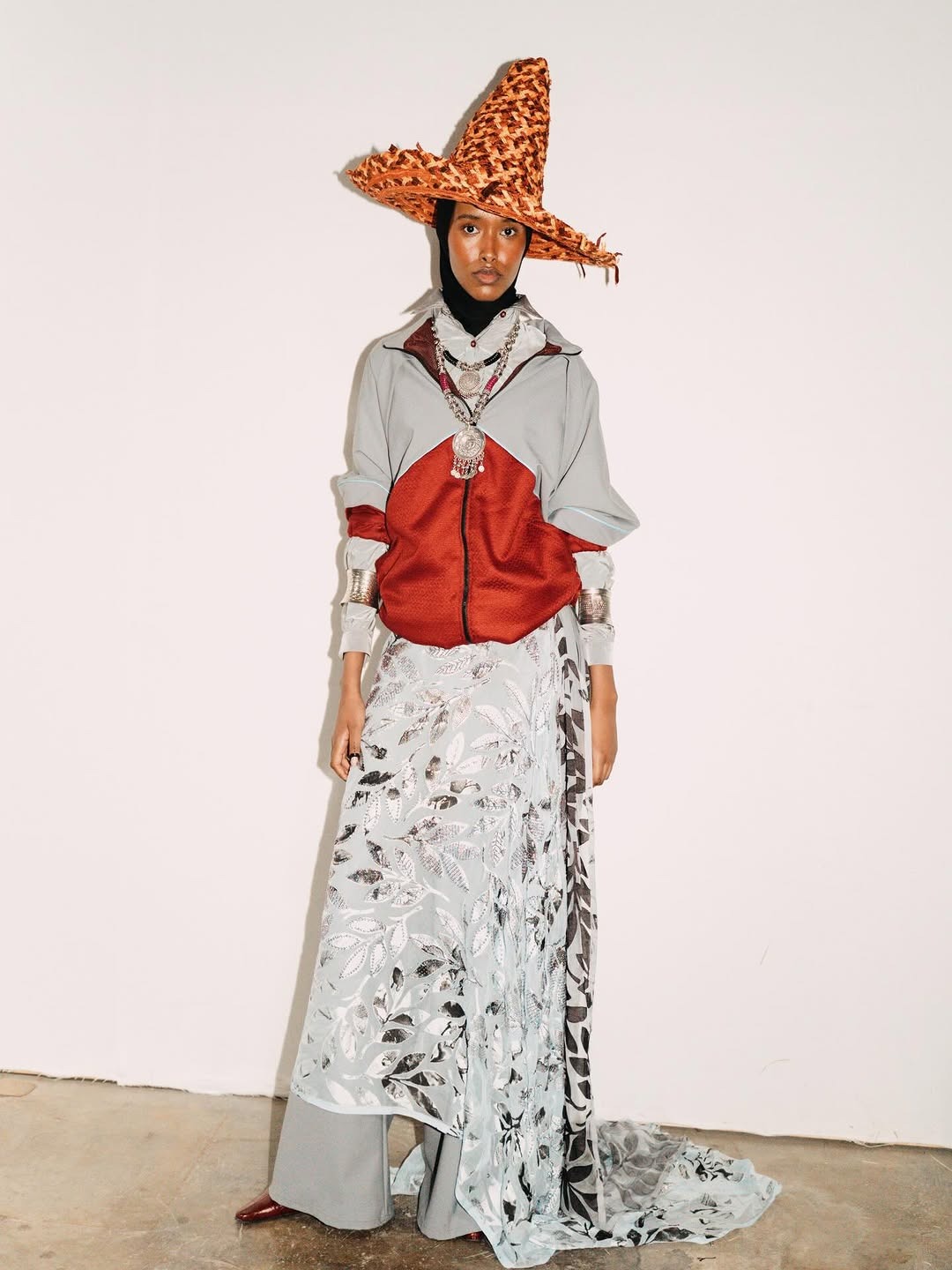
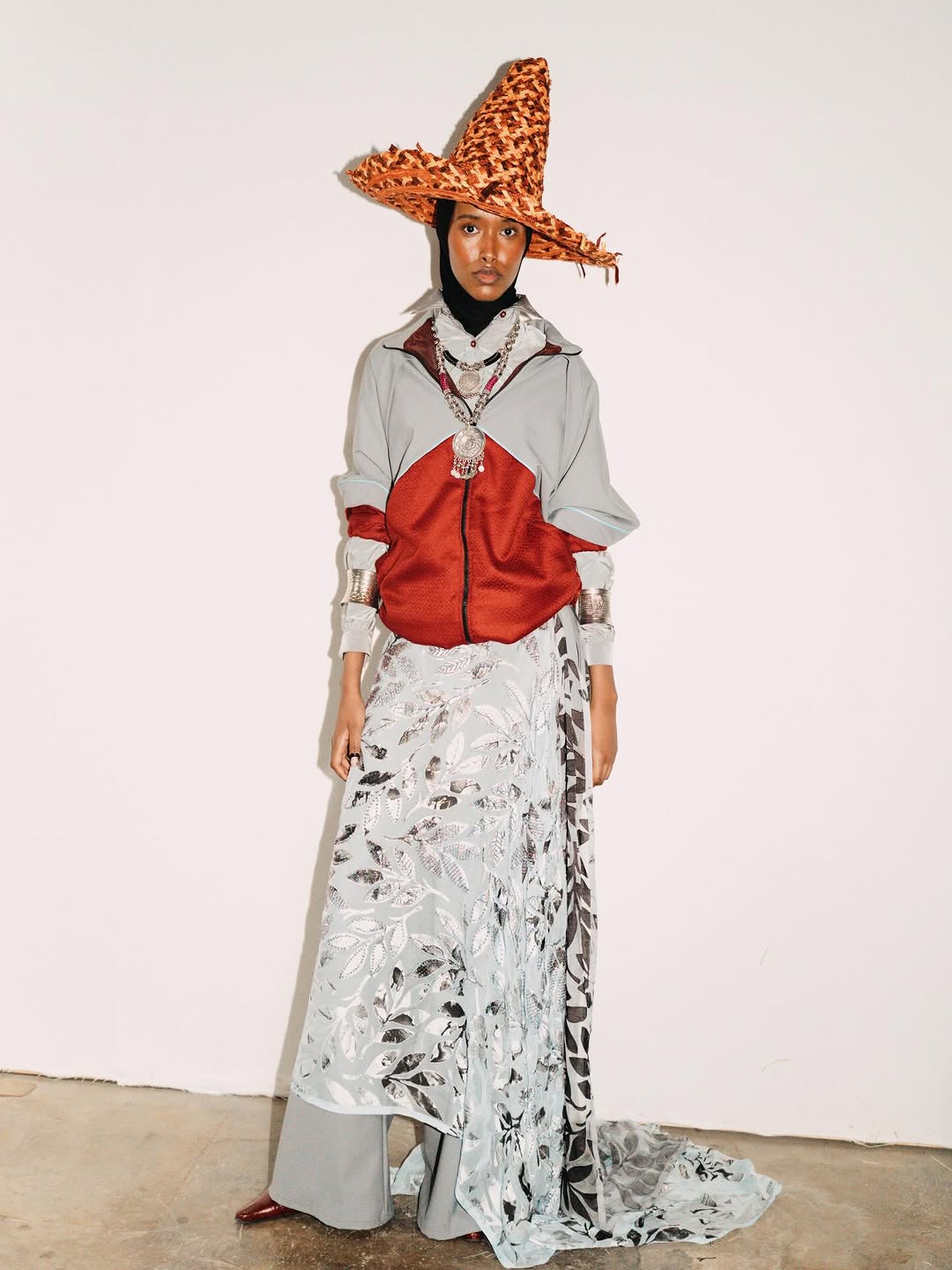
Kazna Asker presented a collection shaped by process, storytelling and layered cultural reference. Showing as part of the British Fashion Council NewGen programme, the designer transformed the 180 Studios space into a warm, sunset-washed environment that mirrored the emotional tone of the work.Titled Hour of the Sunset, the collection drew from Asker’s travels across Egypt, Saudi Arabia, Zimbabwe and India throughout 2025, weaving together references to craft, heritage and movement. Intricate embroidery, carefully constructed accessories and textural depth gave the impression that each piece carried history.

What stands out the most is the sincerity of the work — garments feel thoughtful and emotionally anchored. Kazna Asker creates clothing that feels alive with memory, and that sense of care was visible in every detail.

Jawara Alleyne
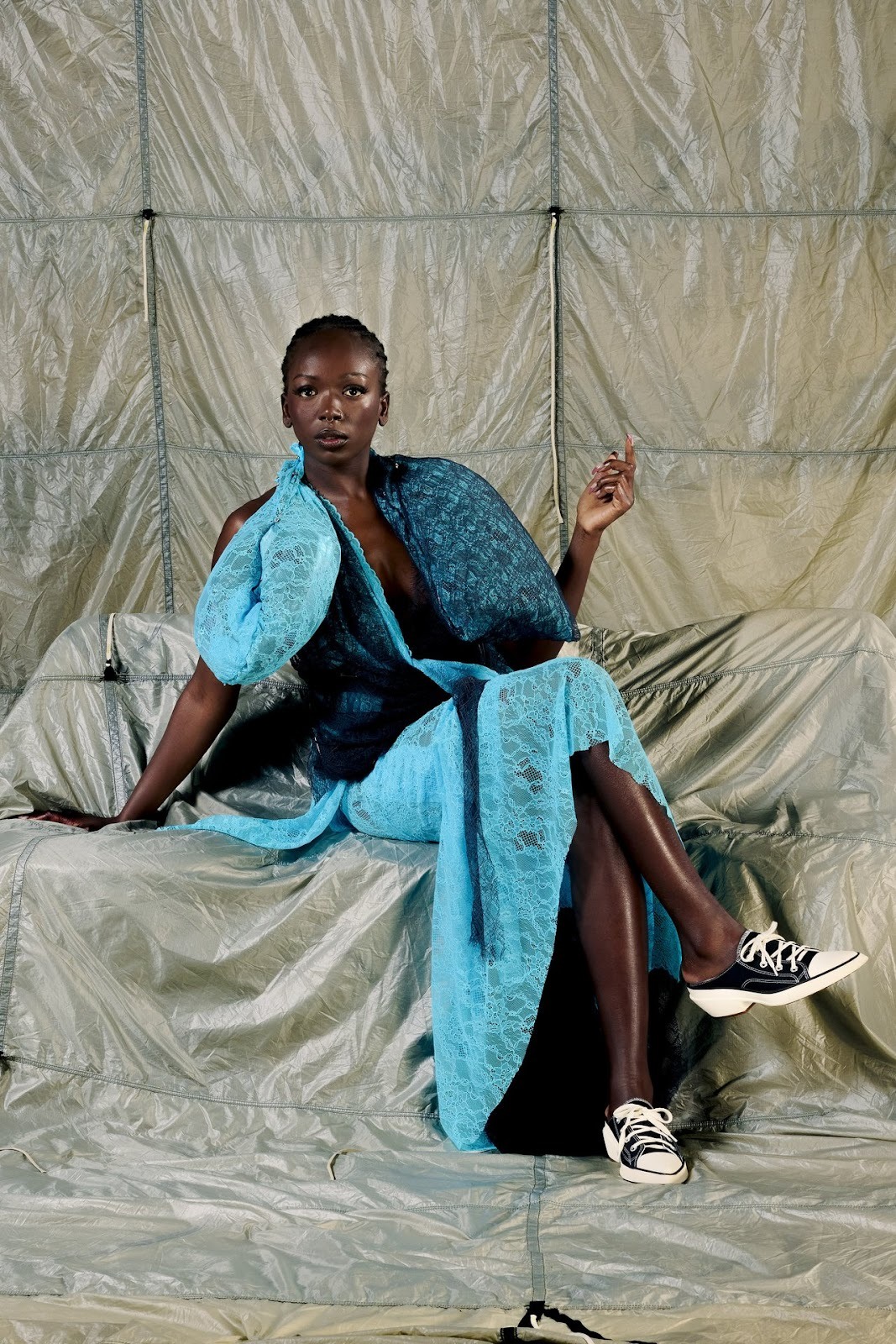
For AW26, Jawara Alleyne presented his collection as an immersive gallery installation, exploring fashion through a sociological lens. The set-up — featuring walls, plinths and seating — encouraged viewers to move through the space slowly, engaging with the garments as objects of reflection. The collection examined the diminishing number of communal nightlife spaces and how clothing functions within those environments. Deconstructed polo shirts, layered jersey constructions and lace moved through the presentation, and the collaboration with Converse added an accessible dimension, grounding the conceptual work in everyday wearability. 

The presentation format was distinctive throughout LFW. It created room for conversation and observation, allowing the work to be experienced collectively. And successfully homes in on that feeling of sculptural expressions of community and self-presentation. 

Leo Prothmann
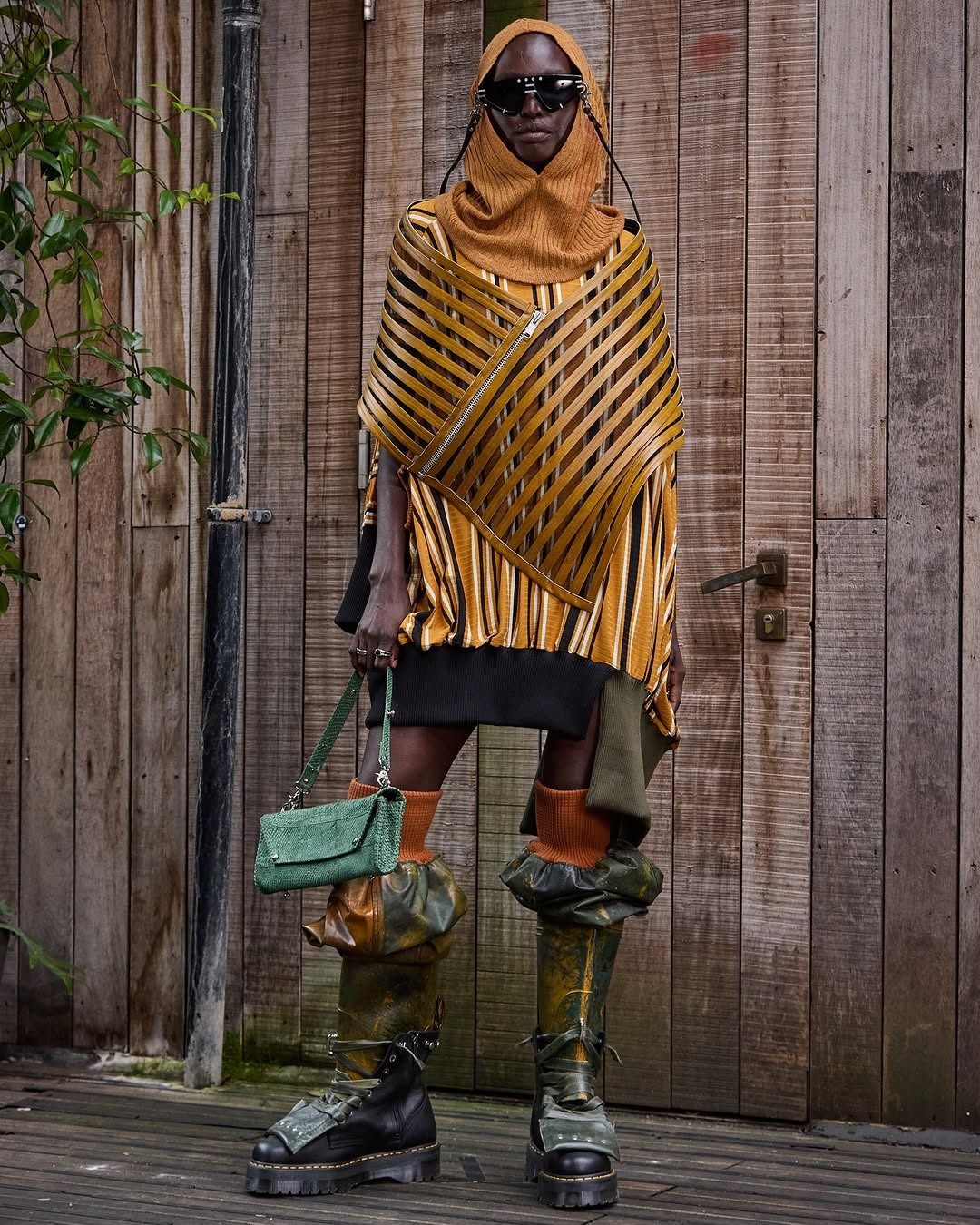
Munich-born designer Leo Prothmann delivered a leather-driven collection that balanced subtle eroticism and contemporary edge. Titled Gaia, the collection referenced the primordial Greek deity as a point of departure for exploring creation, protection and embodiment.

Leather appeared throughout as both armor and statement, shaping bombers, structured outerwear and dramatically elevated wader boots. The collection blended gothic undertones with playful exaggeration with the vibrant oranges, yellows and greens, creating silhouettes that were bold and expressive. What can be appreciated most is the tension that Leo Prothmann carries in his work. The collection feels confident in its hybridity and allows multiple references to sit together without dilution.

Oscar Ouyang 
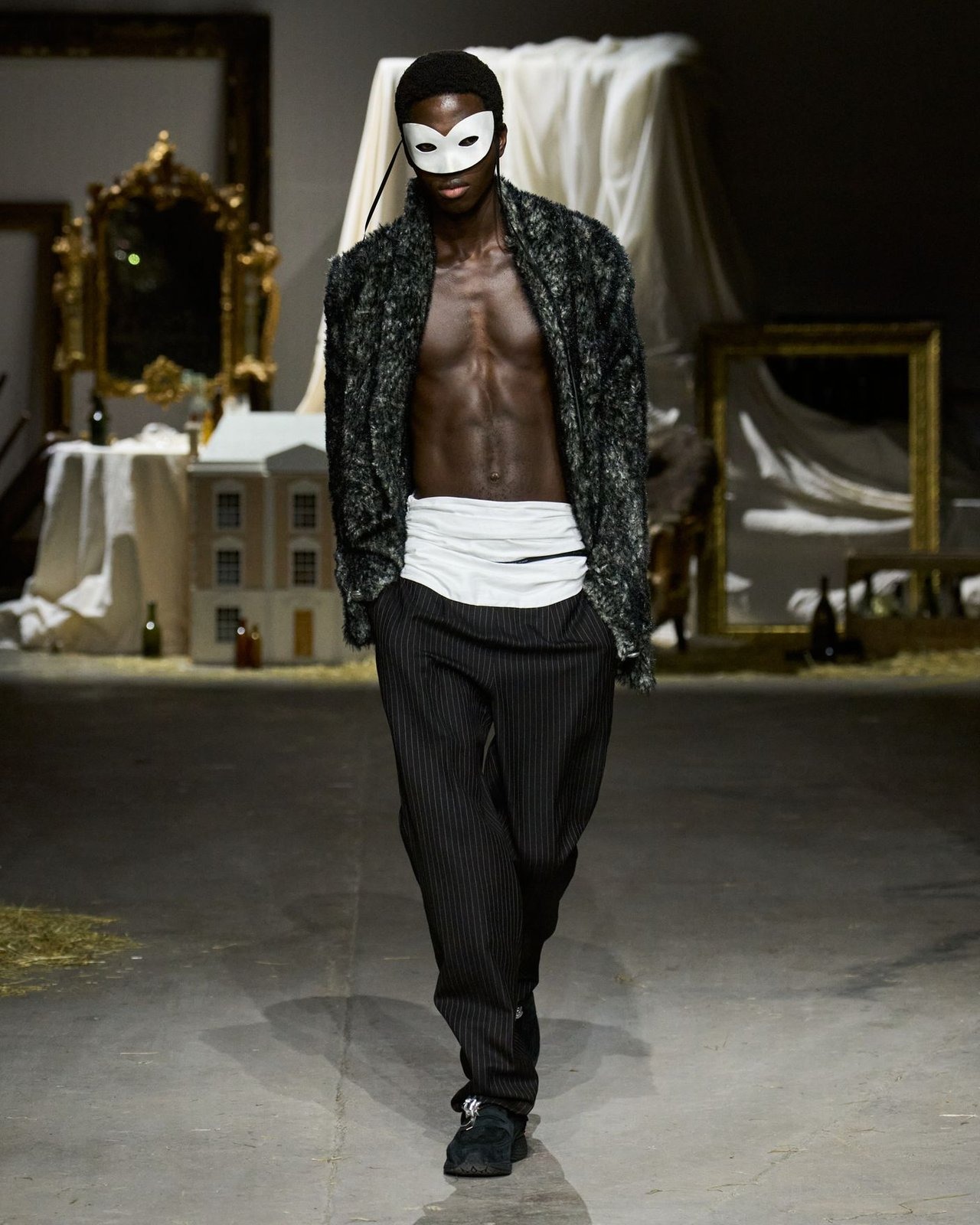
For his sophomore outing on the London Fashion Week calendar, Oscar Ouyang staged something closer to theatre than a traditional runway. Presented within the British Fashion Council NewGen space at 180 Strand, and titled The Last Party, the collection read as a final, decadent gathering before morning breaks. Capes, cummerbunds and regency-inflected waistcoats appeared in moody shades of black, white and crimson. Hints of gold shimmered throughout, woven into fabrics, glinting from masks and even traced through the models’ hair, which added a sense of alchemy to the spectacle.

Technically, the work felt assured. French wool tweeds, virgin wool and llama blends gave structure to sharply tailored silhouettes, while silk evening shirts were knitted with subtle undulations that referenced tuxedo pleats. Despite the theatrical staging, nothing tipped fully into costume. The result was dramatic but still somehow controlled.

Selasi 
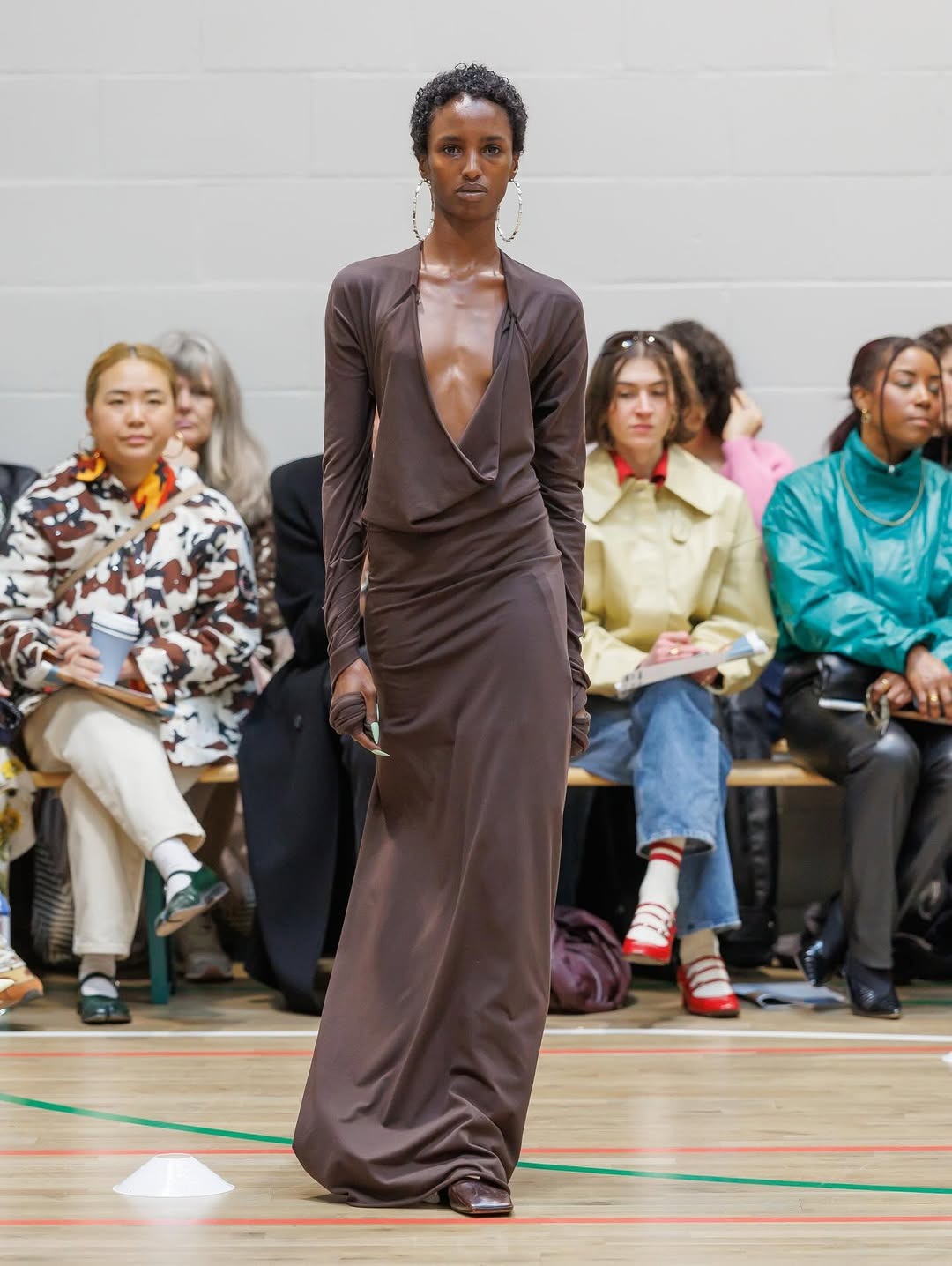
Elsewhere on the schedule, Selasi returned to the runway with their collection titled Endurance, which translated that idea into ready-to-wear shaped by tension and adaptability. Dresses, skirts and tailoring were reconstructed from donated PE kits from Walthamstow School for Girls, alongside repurposed tracksuits from Pangaia. Familiar sportswear materials were elevated through deconstruction, with handmade skirts and trouser-skirt hybrids saturated in earthy browns and beiges. Sculptural leather pieces draped unexpectedly across the body, adding structure to the otherwise athletic references. Pops of green and yellow disrupted the neutral palette, appearing in asymmetrical jerseys paired with tailored trousers.

The show carried a raw, improvisational energy that mirrored its theme. Nothing felt overly polished. Instead, there was urgency and intention in equal measure — a reflection of its founder Ronan McKenzie’s place among London’s most compelling emerging voices.

Lucila Safdie
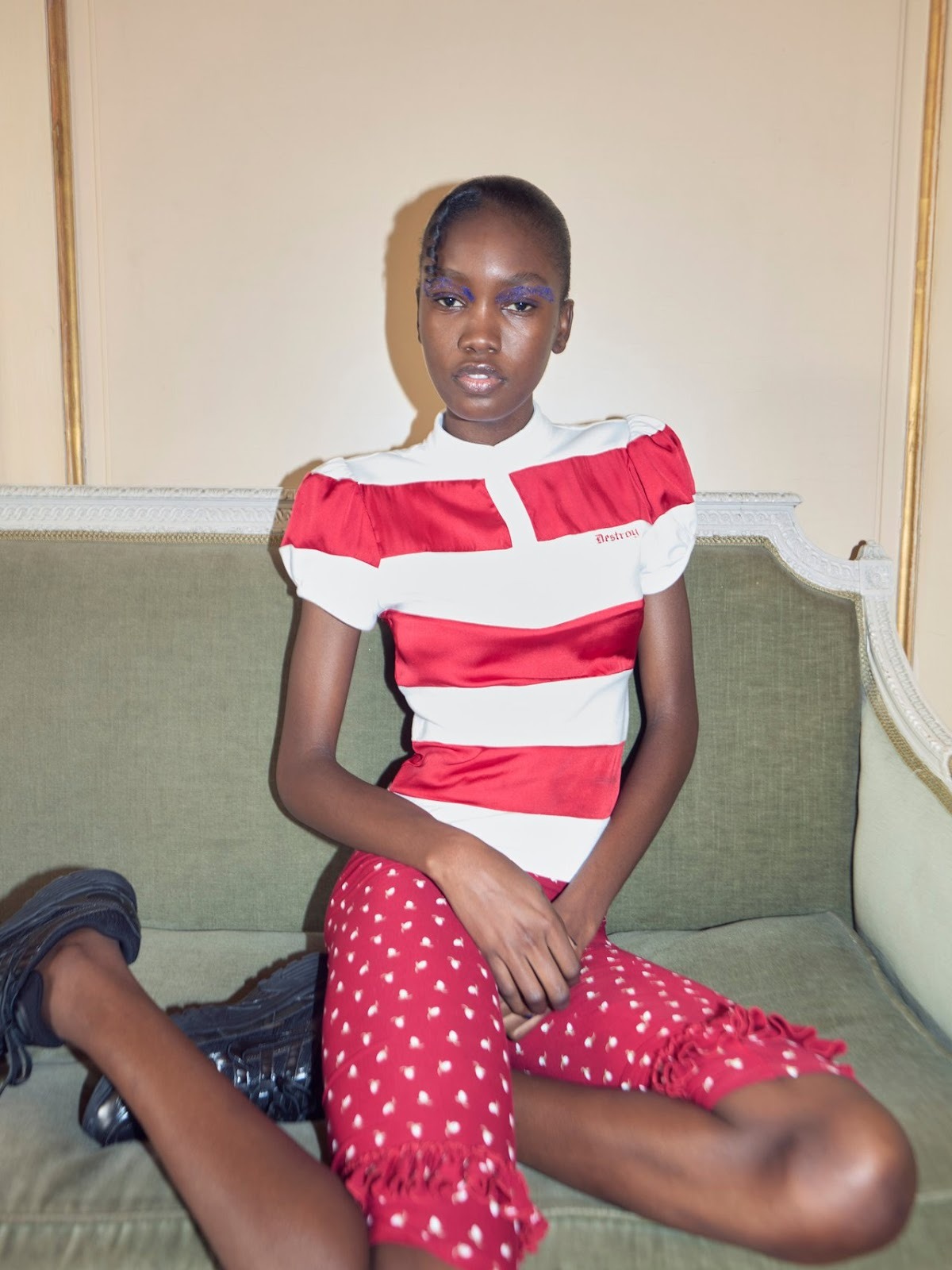
Lucila Safdie’s AW26 collection balanced polished femininity with subtle defiance. The show was a theatrical coming-of-age story. Polished on the surface, and framed around the fictional debut of a character named Bunny Bell, the show examined the performance of femininity through a distinctly Y2K lens, and was able to explore girlhood as performance and transformation.

The mood was glossy but slightly uncanny, and on the runway, that tension materialized through contrast. Traditional signifiers of English propriety like wool overcoats, tweed boleros, polo dresses and refined evening gowns were all present, and interrupted by playful disruptions. Ultra-short mini skirts and capris, slogan tees, trainers and cropped blouses introduced a Y2K irreverence that complicated the debutante archetype. Safdie positions femininity as something rehearsed and reinterpreted rather than inherited whole, and i​t’s precisely this balance that makes her work feel current.

This season was London’s commitment to emotional clarity. The week felt more invested in perspective — designers using clothing to document memory, interrogate community and explore the body with intention. From deeply personal craft to presentations rooted in collective experience, these collections showed LFW as a space where emerging voices are able to experiment without losing sincerity.

More than anything, AW26 felt like a reminder that discovery remains one of London Fashion Week’s greatest strengths. Not just discovering new designers, but new ways of seeing clothing altogether, across sport halls, masquerade balls, marble salons and sunset-drenched runways alike.
New Guards at London Fashion Week AW26: Emerging Talents Take the Lead

Authored by
This is some text inside of a div block.

Fashion weeks are markers of regional identity. Each city approaches the season with its own tone and visual language. Since January, we’ve had Autumn/Winter 2026 presentations through Berlin, Milan and Paris — and from February 19 - 23, London stepped forward with a schedule that felt especially vibrant.

The city’s atmosphere was amplified by the presence of the BAFTA Awards, but what we can appreciate most is the sense of discovery threaded throughout the week. Beyond the major names, the schedule was rich with debuts and emerging designers whose work felt deeply considered and emotionally grounded.

With that being said, here’s a rundown of some of our favorite presentations from London Fashion Week AW26: 

Kazna Asker

Kazna Asker presented a collection shaped by process, storytelling and layered cultural reference. Showing as part of the British Fashion Council NewGen programme, the designer transformed the 180 Studios space into a warm, sunset-washed environment that mirrored the emotional tone of the work.Titled Hour of the Sunset, the collection drew from Asker’s travels across Egypt, Saudi Arabia, Zimbabwe and India throughout 2025, weaving together references to craft, heritage and movement. Intricate embroidery, carefully constructed accessories and textural depth gave the impression that each piece carried history.

What stands out the most is the sincerity of the work — garments feel thoughtful and emotionally anchored. Kazna Asker creates clothing that feels alive with memory, and that sense of care was visible in every detail.

Jawara Alleyne

For AW26, Jawara Alleyne presented his collection as an immersive gallery installation, exploring fashion through a sociological lens. The set-up — featuring walls, plinths and seating — encouraged viewers to move through the space slowly, engaging with the garments as objects of reflection. The collection examined the diminishing number of communal nightlife spaces and how clothing functions within those environments. Deconstructed polo shirts, layered jersey constructions and lace moved through the presentation, and the collaboration with Converse added an accessible dimension, grounding the conceptual work in everyday wearability. 

The presentation format was distinctive throughout LFW. It created room for conversation and observation, allowing the work to be experienced collectively. And successfully homes in on that feeling of sculptural expressions of community and self-presentation. 

Leo Prothmann

Munich-born designer Leo Prothmann delivered a leather-driven collection that balanced subtle eroticism and contemporary edge. Titled Gaia, the collection referenced the primordial Greek deity as a point of departure for exploring creation, protection and embodiment.

Leather appeared throughout as both armor and statement, shaping bombers, structured outerwear and dramatically elevated wader boots. The collection blended gothic undertones with playful exaggeration with the vibrant oranges, yellows and greens, creating silhouettes that were bold and expressive. What can be appreciated most is the tension that Leo Prothmann carries in his work. The collection feels confident in its hybridity and allows multiple references to sit together without dilution.

Oscar Ouyang 

For his sophomore outing on the London Fashion Week calendar, Oscar Ouyang staged something closer to theatre than a traditional runway. Presented within the British Fashion Council NewGen space at 180 Strand, and titled The Last Party, the collection read as a final, decadent gathering before morning breaks. Capes, cummerbunds and regency-inflected waistcoats appeared in moody shades of black, white and crimson. Hints of gold shimmered throughout, woven into fabrics, glinting from masks and even traced through the models’ hair, which added a sense of alchemy to the spectacle.

Technically, the work felt assured. French wool tweeds, virgin wool and llama blends gave structure to sharply tailored silhouettes, while silk evening shirts were knitted with subtle undulations that referenced tuxedo pleats. Despite the theatrical staging, nothing tipped fully into costume. The result was dramatic but still somehow controlled.

Selasi 

Elsewhere on the schedule, Selasi returned to the runway with their collection titled Endurance, which translated that idea into ready-to-wear shaped by tension and adaptability. Dresses, skirts and tailoring were reconstructed from donated PE kits from Walthamstow School for Girls, alongside repurposed tracksuits from Pangaia. Familiar sportswear materials were elevated through deconstruction, with handmade skirts and trouser-skirt hybrids saturated in earthy browns and beiges. Sculptural leather pieces draped unexpectedly across the body, adding structure to the otherwise athletic references. Pops of green and yellow disrupted the neutral palette, appearing in asymmetrical jerseys paired with tailored trousers.

The show carried a raw, improvisational energy that mirrored its theme. Nothing felt overly polished. Instead, there was urgency and intention in equal measure — a reflection of its founder Ronan McKenzie’s place among London’s most compelling emerging voices.

Lucila Safdie

Lucila Safdie’s AW26 collection balanced polished femininity with subtle defiance. The show was a theatrical coming-of-age story. Polished on the surface, and framed around the fictional debut of a character named Bunny Bell, the show examined the performance of femininity through a distinctly Y2K lens, and was able to explore girlhood as performance and transformation.

The mood was glossy but slightly uncanny, and on the runway, that tension materialized through contrast. Traditional signifiers of English propriety like wool overcoats, tweed boleros, polo dresses and refined evening gowns were all present, and interrupted by playful disruptions. Ultra-short mini skirts and capris, slogan tees, trainers and cropped blouses introduced a Y2K irreverence that complicated the debutante archetype. Safdie positions femininity as something rehearsed and reinterpreted rather than inherited whole, and i​t’s precisely this balance that makes her work feel current.

This season was London’s commitment to emotional clarity. The week felt more invested in perspective — designers using clothing to document memory, interrogate community and explore the body with intention. From deeply personal craft to presentations rooted in collective experience, these collections showed LFW as a space where emerging voices are able to experiment without losing sincerity.

More than anything, AW26 felt like a reminder that discovery remains one of London Fashion Week’s greatest strengths. Not just discovering new designers, but new ways of seeing clothing altogether, across sport halls, masquerade balls, marble salons and sunset-drenched runways alike.
This is some text inside of a div block.

New Guards at London Fashion Week AW26: Emerging Talents Take the Lead

Authored by

Fashion weeks are markers of regional identity. Each city approaches the season with its own tone and visual language. Since January, we’ve had Autumn/Winter 2026 presentations through Berlin, Milan and Paris — and from February 19 - 23, London stepped forward with a schedule that felt especially vibrant.

The city’s atmosphere was amplified by the presence of the BAFTA Awards, but what we can appreciate most is the sense of discovery threaded throughout the week. Beyond the major names, the schedule was rich with debuts and emerging designers whose work felt deeply considered and emotionally grounded.

With that being said, here’s a rundown of some of our favorite presentations from London Fashion Week AW26: 

Kazna Asker

Kazna Asker presented a collection shaped by process, storytelling and layered cultural reference. Showing as part of the British Fashion Council NewGen programme, the designer transformed the 180 Studios space into a warm, sunset-washed environment that mirrored the emotional tone of the work.Titled Hour of the Sunset, the collection drew from Asker’s travels across Egypt, Saudi Arabia, Zimbabwe and India throughout 2025, weaving together references to craft, heritage and movement. Intricate embroidery, carefully constructed accessories and textural depth gave the impression that each piece carried history.

What stands out the most is the sincerity of the work — garments feel thoughtful and emotionally anchored. Kazna Asker creates clothing that feels alive with memory, and that sense of care was visible in every detail.

Jawara Alleyne

For AW26, Jawara Alleyne presented his collection as an immersive gallery installation, exploring fashion through a sociological lens. The set-up — featuring walls, plinths and seating — encouraged viewers to move through the space slowly, engaging with the garments as objects of reflection. The collection examined the diminishing number of communal nightlife spaces and how clothing functions within those environments. Deconstructed polo shirts, layered jersey constructions and lace moved through the presentation, and the collaboration with Converse added an accessible dimension, grounding the conceptual work in everyday wearability. 

The presentation format was distinctive throughout LFW. It created room for conversation and observation, allowing the work to be experienced collectively. And successfully homes in on that feeling of sculptural expressions of community and self-presentation. 

Leo Prothmann

Munich-born designer Leo Prothmann delivered a leather-driven collection that balanced subtle eroticism and contemporary edge. Titled Gaia, the collection referenced the primordial Greek deity as a point of departure for exploring creation, protection and embodiment.

Leather appeared throughout as both armor and statement, shaping bombers, structured outerwear and dramatically elevated wader boots. The collection blended gothic undertones with playful exaggeration with the vibrant oranges, yellows and greens, creating silhouettes that were bold and expressive. What can be appreciated most is the tension that Leo Prothmann carries in his work. The collection feels confident in its hybridity and allows multiple references to sit together without dilution.

Oscar Ouyang 

For his sophomore outing on the London Fashion Week calendar, Oscar Ouyang staged something closer to theatre than a traditional runway. Presented within the British Fashion Council NewGen space at 180 Strand, and titled The Last Party, the collection read as a final, decadent gathering before morning breaks. Capes, cummerbunds and regency-inflected waistcoats appeared in moody shades of black, white and crimson. Hints of gold shimmered throughout, woven into fabrics, glinting from masks and even traced through the models’ hair, which added a sense of alchemy to the spectacle.

Technically, the work felt assured. French wool tweeds, virgin wool and llama blends gave structure to sharply tailored silhouettes, while silk evening shirts were knitted with subtle undulations that referenced tuxedo pleats. Despite the theatrical staging, nothing tipped fully into costume. The result was dramatic but still somehow controlled.

Selasi 

Elsewhere on the schedule, Selasi returned to the runway with their collection titled Endurance, which translated that idea into ready-to-wear shaped by tension and adaptability. Dresses, skirts and tailoring were reconstructed from donated PE kits from Walthamstow School for Girls, alongside repurposed tracksuits from Pangaia. Familiar sportswear materials were elevated through deconstruction, with handmade skirts and trouser-skirt hybrids saturated in earthy browns and beiges. Sculptural leather pieces draped unexpectedly across the body, adding structure to the otherwise athletic references. Pops of green and yellow disrupted the neutral palette, appearing in asymmetrical jerseys paired with tailored trousers.

The show carried a raw, improvisational energy that mirrored its theme. Nothing felt overly polished. Instead, there was urgency and intention in equal measure — a reflection of its founder Ronan McKenzie’s place among London’s most compelling emerging voices.

Lucila Safdie

Lucila Safdie’s AW26 collection balanced polished femininity with subtle defiance. The show was a theatrical coming-of-age story. Polished on the surface, and framed around the fictional debut of a character named Bunny Bell, the show examined the performance of femininity through a distinctly Y2K lens, and was able to explore girlhood as performance and transformation.

The mood was glossy but slightly uncanny, and on the runway, that tension materialized through contrast. Traditional signifiers of English propriety like wool overcoats, tweed boleros, polo dresses and refined evening gowns were all present, and interrupted by playful disruptions. Ultra-short mini skirts and capris, slogan tees, trainers and cropped blouses introduced a Y2K irreverence that complicated the debutante archetype. Safdie positions femininity as something rehearsed and reinterpreted rather than inherited whole, and i​t’s precisely this balance that makes her work feel current.

This season was London’s commitment to emotional clarity. The week felt more invested in perspective — designers using clothing to document memory, interrogate community and explore the body with intention. From deeply personal craft to presentations rooted in collective experience, these collections showed LFW as a space where emerging voices are able to experiment without losing sincerity.

More than anything, AW26 felt like a reminder that discovery remains one of London Fashion Week’s greatest strengths. Not just discovering new designers, but new ways of seeing clothing altogether, across sport halls, masquerade balls, marble salons and sunset-drenched runways alike.

Other Stories
London
London
Lagos
London
Newyork
London
Shop
Join the community.
You are now subscribed to receive updates.
Oops! Something went wrong while submitting the form.