AFCON 2025: NIGERIA CAME CLOSE, AGAIN.

Authored by

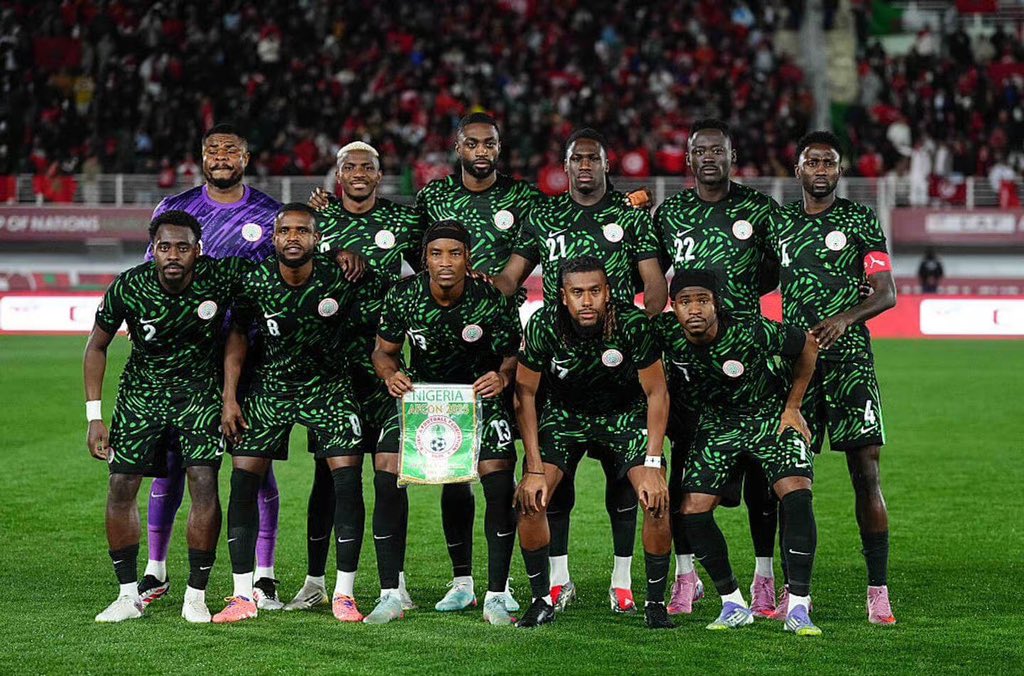
What began as a tournament Nigerians approached with restrained hope slowly grew into a burden of expectation that felt familiar, heavy, and impossible to ignore. This AFCON arrived at a time when Nigerian football needed reassurance more than spectacle, coming off the pain of missing the World Cup and the lingering sense that a generation of players with genuine quality keeps being asked to explain why promise never hardens into certainty, so this competition carried emotional weight long before the first whistle was blown.

From the opening matches, it became clear that this was not an AFCON built for comfort or nostalgia, as teams arrived disciplined, pragmatic, and uninterested in reputation, forcing Nigeria to grind through games where control mattered more than beauty and survival often mattered more than dominance. The Super Eagles did enough to stay alive, defending with focus, finding ways to manage pressure, and avoiding the careless collapses that have haunted past campaigns, which slowly allowed belief to creep back in among fans who had sworn they would not hope again so easily.

That belief was quiet and cautious, shaped by recent heartbreak and years of watching Nigerian football promise more than it delivers, but it was real all the same, especially as the team kept advancing and the draw began to open in ways that made a final feel possible without ever feeling guaranteed. Every match felt like an argument for patience, as if this team was learning how to win ugly, how to suffer without folding, and how to stay composed when moments threatened to spiral, and for supporters still bruised from the World Cup failure, that discipline felt like progress worth trusting.
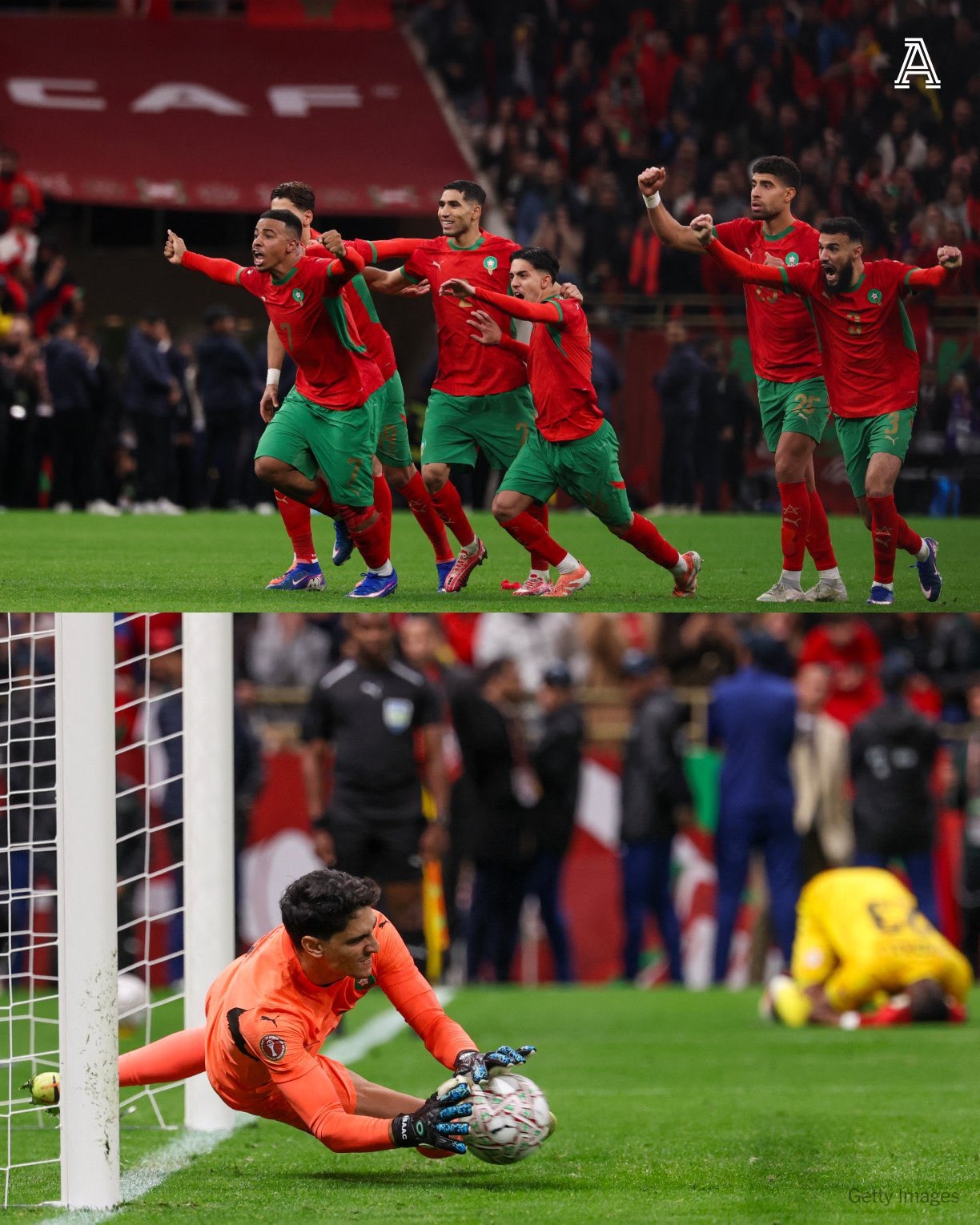
Image Credit: Super Eagles - X/@NGSuperEagles

Then came the loss, and with it the familiar sense of something unfinished.

Nigeria did not unravel or embarrass itself, which is precisely why the loss hurt as deeply as it did, because the team remained competitive, stayed organised, and fought through the match without surrendering control cheaply, yet football at this level punishes hesitation and indecision without mercy, and AFCON has never been a competition that offers comfort to teams that almost get it right. The margins were thin, the moments unforgiving, and once the opportunity slipped away, there was no space for recovery or reflection.
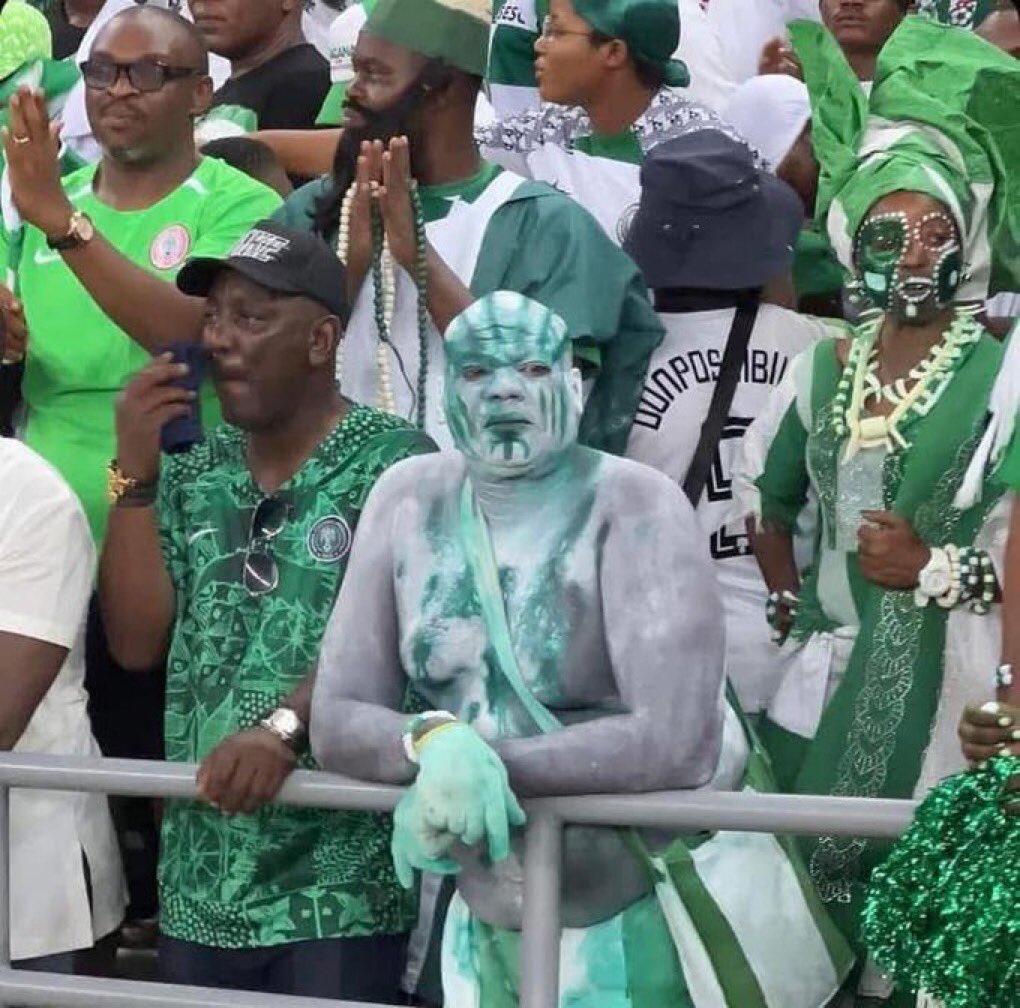
Image Credit: CAF online - X/CAF_online

For Nigerian fans like myself, the disappointment went beyond losing a place in the final, cutting directly into the unresolved grief of missing the World Cup and the desperate need for something tangible to justify continued belief in the system that produces talent but struggles to protect it. This AFCON was meant to steady the narrative, to offer proof that Nigerian football still knows how to finish what it starts, yet instead it reopened questions that never feel properly addressed.

The frustration lies in how familiar this cycle has become, watching Nigerian teams arrive stacked with ability while suggesting potential rather than imposing authority, as if talent alone should be enough to carry a side through a tournament that now rewards structure, ruthlessness, and clarity of purpose above all else. AFCON this year showed how far African football has evolved, with so-called smaller teams arriving fearless and tactically prepared, unwilling to bow to history or hype, and Nigeria found itself exposed by the same issue that keeps resurfacing, the inability to consistently turn control into consequence.

This tournament also revealed how little patience the modern game has for teams still negotiating their identity, as AFCON continues to grow sharper, leaner, and less forgiving, leaving no room for sides that want to grow into dominance over time rather than claim it outright. Nigeria’s performance suggested a team hovering between phases, experienced enough to compete and disciplined enough to survive, yet still searching for the decisive edge that separates contenders from champions.

For supporters, the anger comes from emotional investment that never seems fully rewarded, from being asked to believe again after disappointment without seeing the structural changes that would justify that belief. Missing the World Cup hurt because it felt avoidable, and this AFCON hurt because it felt like the moment that could have softened that blow, leaving fans once again stuck explaining potential instead of celebrating achievement.

Until Nigerian football confronts the gap between talent and outcome with honesty and urgency, tournaments like this will continue to reopen old wounds rather than close them, offering moments of hope that collapse under the weight of expectation, and reminding fans that belief alone has never been enough to carry a team across the line.
@black_ranter

AFCON 2025: NIGERIA CAME CLOSE, AGAIN.

Authored by
This is some text inside of a div block.

What began as a tournament Nigerians approached with restrained hope slowly grew into a burden of expectation that felt familiar, heavy, and impossible to ignore. This AFCON arrived at a time when Nigerian football needed reassurance more than spectacle, coming off the pain of missing the World Cup and the lingering sense that a generation of players with genuine quality keeps being asked to explain why promise never hardens into certainty, so this competition carried emotional weight long before the first whistle was blown.

From the opening matches, it became clear that this was not an AFCON built for comfort or nostalgia, as teams arrived disciplined, pragmatic, and uninterested in reputation, forcing Nigeria to grind through games where control mattered more than beauty and survival often mattered more than dominance. The Super Eagles did enough to stay alive, defending with focus, finding ways to manage pressure, and avoiding the careless collapses that have haunted past campaigns, which slowly allowed belief to creep back in among fans who had sworn they would not hope again so easily.

That belief was quiet and cautious, shaped by recent heartbreak and years of watching Nigerian football promise more than it delivers, but it was real all the same, especially as the team kept advancing and the draw began to open in ways that made a final feel possible without ever feeling guaranteed. Every match felt like an argument for patience, as if this team was learning how to win ugly, how to suffer without folding, and how to stay composed when moments threatened to spiral, and for supporters still bruised from the World Cup failure, that discipline felt like progress worth trusting.

Image Credit: Super Eagles - X/@NGSuperEagles

Then came the loss, and with it the familiar sense of something unfinished.

Nigeria did not unravel or embarrass itself, which is precisely why the loss hurt as deeply as it did, because the team remained competitive, stayed organised, and fought through the match without surrendering control cheaply, yet football at this level punishes hesitation and indecision without mercy, and AFCON has never been a competition that offers comfort to teams that almost get it right. The margins were thin, the moments unforgiving, and once the opportunity slipped away, there was no space for recovery or reflection.

Image Credit: CAF online - X/CAF_online

For Nigerian fans like myself, the disappointment went beyond losing a place in the final, cutting directly into the unresolved grief of missing the World Cup and the desperate need for something tangible to justify continued belief in the system that produces talent but struggles to protect it. This AFCON was meant to steady the narrative, to offer proof that Nigerian football still knows how to finish what it starts, yet instead it reopened questions that never feel properly addressed.

The frustration lies in how familiar this cycle has become, watching Nigerian teams arrive stacked with ability while suggesting potential rather than imposing authority, as if talent alone should be enough to carry a side through a tournament that now rewards structure, ruthlessness, and clarity of purpose above all else. AFCON this year showed how far African football has evolved, with so-called smaller teams arriving fearless and tactically prepared, unwilling to bow to history or hype, and Nigeria found itself exposed by the same issue that keeps resurfacing, the inability to consistently turn control into consequence.

This tournament also revealed how little patience the modern game has for teams still negotiating their identity, as AFCON continues to grow sharper, leaner, and less forgiving, leaving no room for sides that want to grow into dominance over time rather than claim it outright. Nigeria’s performance suggested a team hovering between phases, experienced enough to compete and disciplined enough to survive, yet still searching for the decisive edge that separates contenders from champions.

For supporters, the anger comes from emotional investment that never seems fully rewarded, from being asked to believe again after disappointment without seeing the structural changes that would justify that belief. Missing the World Cup hurt because it felt avoidable, and this AFCON hurt because it felt like the moment that could have softened that blow, leaving fans once again stuck explaining potential instead of celebrating achievement.

Until Nigerian football confronts the gap between talent and outcome with honesty and urgency, tournaments like this will continue to reopen old wounds rather than close them, offering moments of hope that collapse under the weight of expectation, and reminding fans that belief alone has never been enough to carry a team across the line.
@black_ranter

This is some text inside of a div block.

AFCON 2025: NIGERIA CAME CLOSE, AGAIN.

Authored by

What began as a tournament Nigerians approached with restrained hope slowly grew into a burden of expectation that felt familiar, heavy, and impossible to ignore. This AFCON arrived at a time when Nigerian football needed reassurance more than spectacle, coming off the pain of missing the World Cup and the lingering sense that a generation of players with genuine quality keeps being asked to explain why promise never hardens into certainty, so this competition carried emotional weight long before the first whistle was blown.

From the opening matches, it became clear that this was not an AFCON built for comfort or nostalgia, as teams arrived disciplined, pragmatic, and uninterested in reputation, forcing Nigeria to grind through games where control mattered more than beauty and survival often mattered more than dominance. The Super Eagles did enough to stay alive, defending with focus, finding ways to manage pressure, and avoiding the careless collapses that have haunted past campaigns, which slowly allowed belief to creep back in among fans who had sworn they would not hope again so easily.

That belief was quiet and cautious, shaped by recent heartbreak and years of watching Nigerian football promise more than it delivers, but it was real all the same, especially as the team kept advancing and the draw began to open in ways that made a final feel possible without ever feeling guaranteed. Every match felt like an argument for patience, as if this team was learning how to win ugly, how to suffer without folding, and how to stay composed when moments threatened to spiral, and for supporters still bruised from the World Cup failure, that discipline felt like progress worth trusting.

Image Credit: Super Eagles - X/@NGSuperEagles

Then came the loss, and with it the familiar sense of something unfinished.

Nigeria did not unravel or embarrass itself, which is precisely why the loss hurt as deeply as it did, because the team remained competitive, stayed organised, and fought through the match without surrendering control cheaply, yet football at this level punishes hesitation and indecision without mercy, and AFCON has never been a competition that offers comfort to teams that almost get it right. The margins were thin, the moments unforgiving, and once the opportunity slipped away, there was no space for recovery or reflection.

Image Credit: CAF online - X/CAF_online

For Nigerian fans like myself, the disappointment went beyond losing a place in the final, cutting directly into the unresolved grief of missing the World Cup and the desperate need for something tangible to justify continued belief in the system that produces talent but struggles to protect it. This AFCON was meant to steady the narrative, to offer proof that Nigerian football still knows how to finish what it starts, yet instead it reopened questions that never feel properly addressed.

The frustration lies in how familiar this cycle has become, watching Nigerian teams arrive stacked with ability while suggesting potential rather than imposing authority, as if talent alone should be enough to carry a side through a tournament that now rewards structure, ruthlessness, and clarity of purpose above all else. AFCON this year showed how far African football has evolved, with so-called smaller teams arriving fearless and tactically prepared, unwilling to bow to history or hype, and Nigeria found itself exposed by the same issue that keeps resurfacing, the inability to consistently turn control into consequence.

This tournament also revealed how little patience the modern game has for teams still negotiating their identity, as AFCON continues to grow sharper, leaner, and less forgiving, leaving no room for sides that want to grow into dominance over time rather than claim it outright. Nigeria’s performance suggested a team hovering between phases, experienced enough to compete and disciplined enough to survive, yet still searching for the decisive edge that separates contenders from champions.

For supporters, the anger comes from emotional investment that never seems fully rewarded, from being asked to believe again after disappointment without seeing the structural changes that would justify that belief. Missing the World Cup hurt because it felt avoidable, and this AFCON hurt because it felt like the moment that could have softened that blow, leaving fans once again stuck explaining potential instead of celebrating achievement.

Until Nigerian football confronts the gap between talent and outcome with honesty and urgency, tournaments like this will continue to reopen old wounds rather than close them, offering moments of hope that collapse under the weight of expectation, and reminding fans that belief alone has never been enough to carry a team across the line.
@black_ranter

Other Stories
London
London
Lagos
London
Newyork
London
Shop
Join the community.
You are now subscribed to receive updates.
Oops! Something went wrong while submitting the form.