.svg)

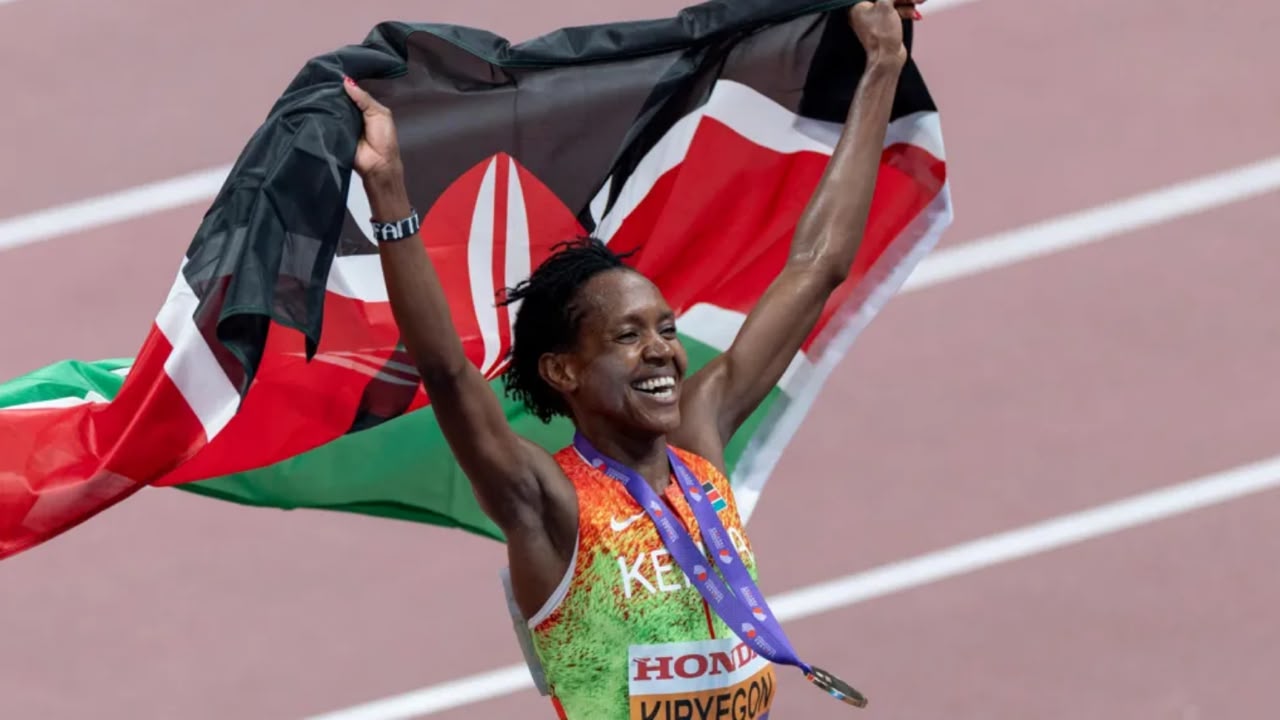
For more than four decades, African athletes have been some of the most recognisable figures at the World Athletics Championships. They have won titles, broken records, dominated distance events and repeatedly reshaped what is possible on the track and in the field.
However, in spite of all of Africa’s influence on the competition, the championships themselves have never been held on the continent. That changed this week when Nairobi was awarded the right to host the 2029 edition, making Kenya the first African country to stage the senior global championships – closing a gap that has existed since the inaugural edition in Helsinki in 1983.
Notably, African athletes have taken part since that first run and every year after that. Nigeria’s Ajayi Agbebaku won bronze in the triple jump, Morocco’s Said Aouita took bronze in the 1,500 metres, and Ethiopia’s Kebede Balcha won silver in the marathon.
In the wider scheme of things, Kenya became synonymous with distance running as did Ethiopia which produced generations of champions who transformed the 5,000 and 10,000 metres. As well as many other African nations’ formidable sprinters and field athletes going on to compete at the highest level.
The continent’s influence has also extended beyond the events it has traditionally dominated. In 1991, Zambia’s Samuel Matete won the 400 metres hurdles in Tokyo, becoming the first African man to win a World Championships title outside the middle- and long-distance events. Namibia’s Frankie Fredericks became one of the defining sprinters of the 1990s, winning four Olympic silver medals and multiple World Championships medals.
Then came another generation determined to broaden the picture. At the 2015 World Championships in Beijing, Kenya topped the medal table for the first time. Nicholas Bett won the 400 metres hurdles, becoming the first Kenyan to win a global title in the event. Julius Yego won the javelin, while David Rudisha and Vivian Cheruiyot added titles in events Kenya had long dominated. That same championships saw South Africa’s Wayde van Niekerk win the 400 metres category, another reminder that the continent’s relationship with elite athletics could not be reduced to distance running.
Since its inception, the World Championships have travelled through Europe, Asia, North America and the Middle East, with Rome, Tokyo, Athens, Paris, Berlin, Moscow, Beijing, London, Doha and more having all hosted editions – with the exception of any major city across Africa.
This has however not been due to the region lacking an athletics audience or a history of staging major competitions. In fact, Kenya’s relationship with international athletics hosting has been developing for years. The East African country hosted the World Cross Country Championships in Mombasa in 2007, bringing one of the sport’s major global events to the country’s coast and a decade later, Nairobi hosted the World Under-18 Championships in 2017, followed by the World Under-20 Championships in 2021.
Elsewhere, Kampala hosted the World Cross Country Championships in 2017, while Gaborone hosted the World Athletics Relays just in May this year.
Taken together, these events show a gradual expansion of Africa’s experience in staging international athletics and a potential in doing the same for sport’s biggest outdoor championships.
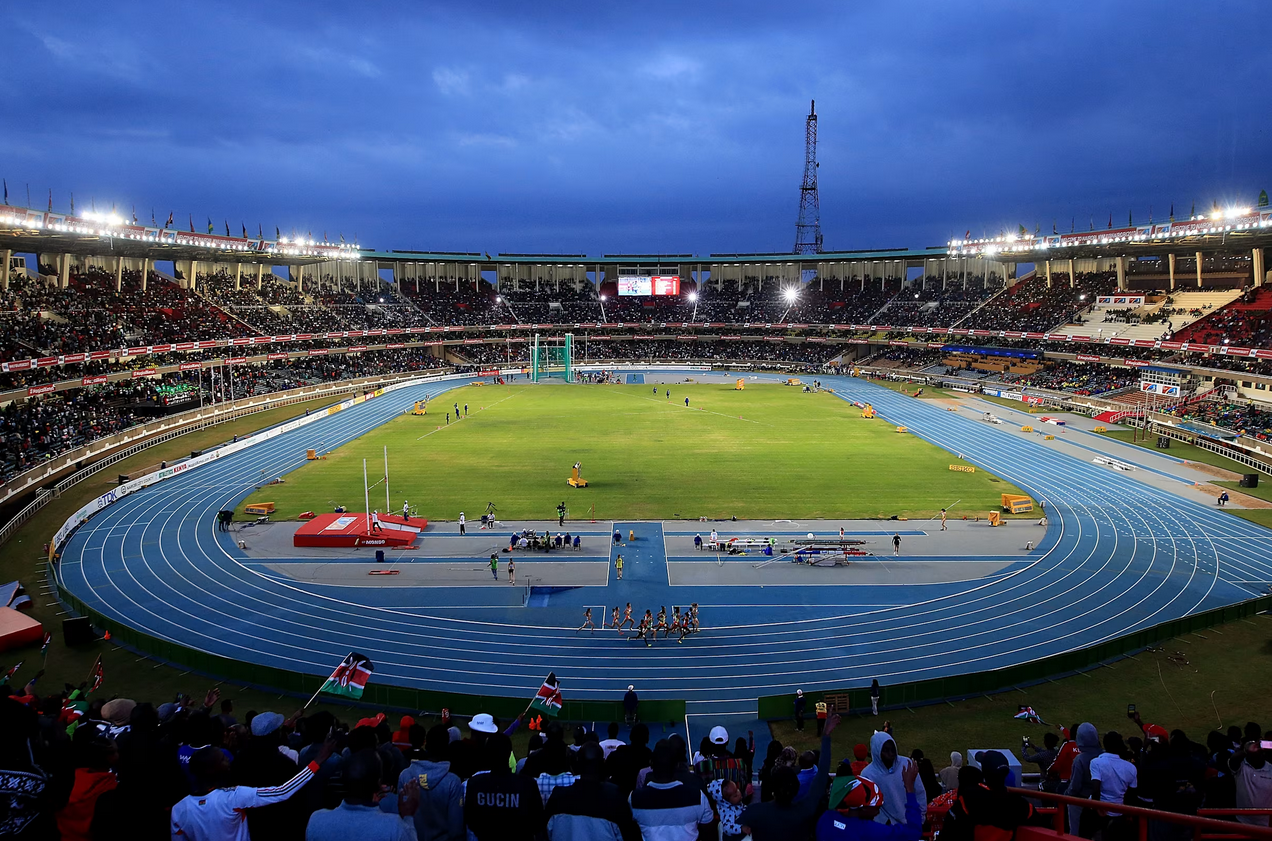
Nonetheless, Nairobi’s journey to 2029 has also involved a near miss. Kenya had previously bid to host the 2025 World Athletics Championships, but Tokyo was selected in 2022, as it offered an established athletics venue in the Olympic Stadium and the experience of hosting the 2020 Olympic and Paralympic Games, which had been delayed to 2021 because of the COVID-19 pandemic.
Even after losing that bid, Nairobi relentlessly continued building its event infrastructure and reputation. The city has hosted the Kip Keino Classic, part of the World Athletics Continental Tour Gold series, while the country has continued to stage major international competitions. Nairobi’s experience with the World U18 and U20 Championships also gave organisers a practical understanding of what it takes to bring athletes, officials, media and spectators together for a global athletics event – all of which have accumulated the experience that now sits behind the 2029 championship.
And there is a particularly significant reason why Kenya is an appropriate place for the competition to arrive. Athletics is not simply another sport in the country. It is woven into the nation's sporting identity.
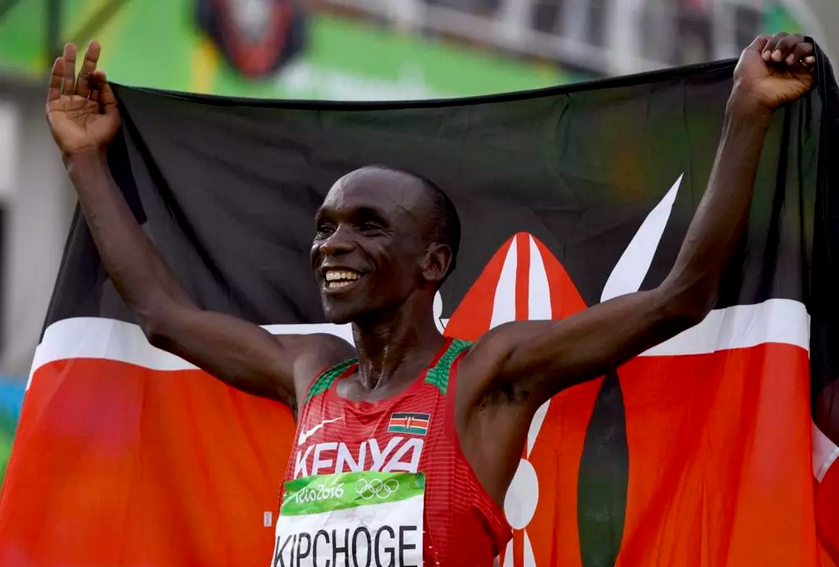
Kenya has spent decades producing some of the world's most recognisable distance runners, from Kipchoge Keino and Tegla Loroupe to David Rudisha, Eliud Kipchoge, Faith Kipyegon and Beatrice Chebet. And the World Championships have been one of the places where that tradition has been measured against the rest of the world.
At the 2025 competitions in Tokyo, Kenya won seven gold medals and 11 medals overall, finishing second on the medal table. Faith Kipyegon won the 1,500 metres, Beatrice Chebet claimed the 5,000 and 10,000 metres titles, Emmanuel Wanyonyi won the 800 metres, Lilian Odira took the 800 metres title, and Peres Jepchirchir won the marathon.
Kenyan athletes continue to arrive at the World Championships as medal contenders, while young athletes across the country grow up watching those championships as one of the highest stages in their sport. So for generations of African fans whose experience of the World Championships or any other for that matter, has largely been watching athletes leave home – for them to be on home soil couldn’t have been more welcomed.
More broadly,what Nairobi's hosting rights represent for African athletics beyond the nine days or so of competition is significant. A World Athletics Championships requires considerably more than a stadium. It involves accommodation for thousands of athletes and officials, transport, training facilities, competition venues, accreditation systems, security, medical services, broadcasting infrastructure, volunteers and the ability to manage a global media operation.
The event therefore could be seen as a test of the city’s capacity as much as its sporting enthusiasm, one arriving at another interesting moment as Kenya also prepares to co-host the 2027 Africa Cup of Nations alongside Uganda and Tanzania. That means the country is entering a period in which international sporting events will demand increasingly sophisticated infrastructure and event-management systems.
The developments surrounding Kasarani and other sporting facilities such as the almost-completed Raila Odinga International Stadium will therefore matter beyond any single tournament. The success of these events will influence how Nairobi is perceived as a destination for international sport and potentially create the experience and infrastructure needed for future competitions.
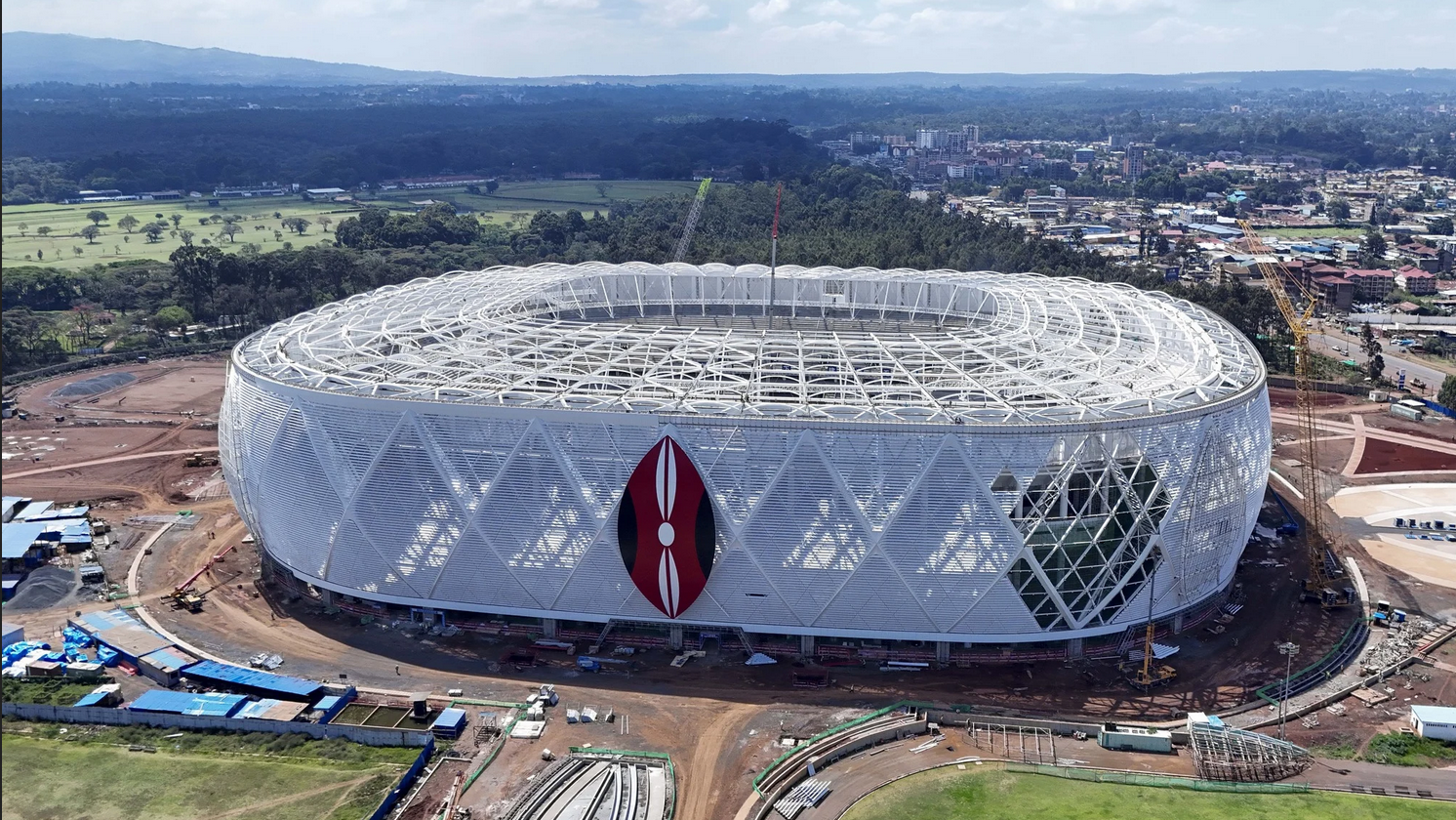
The World Championships will document much of that evolution. Nairobi 2029 as the precedent will ultimately depend on what happens after the closing ceremony. Will the investment in facilities and event expertise continue? Will more African cities be considered for major World Athletics competitions? Will hosting create opportunities for young athletes, coaches, officials, journalists and sports professionals beyond the competition itself?
Those questions are still open. For now, though, the historical significance is straightforward, that Nairobi’s turn is not bringing the World Athletics Championships to a continent discovering athletics for the first time rather one that’s been part of and ready all along.
Cover Credit: Getty Images





.png)

