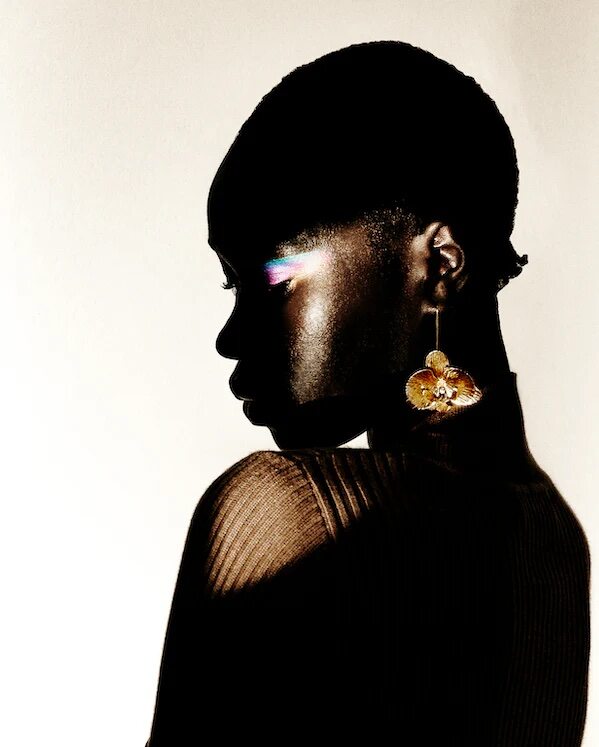
Ahead of Paris Men’s Fashion Week, Galeries Lafayette’s Africa Now Pop-Up Makes a Case for African Fashion’s Global Future

As Paris prepares to welcome editors, buyers, stylists and fashion enthusiasts for Men’s Fashion Week this June, one of the city’s most influential retail institutions is turning its attention toward African fashion.

From June 17 to July 8, Galeries Lafayette Paris Haussmann will host the second edition of Africa Now, a retail initiative spotlighting a new generation of African designers whose work sits at the intersection of craftsmanship, cultural storytelling and contemporary luxury. Located on the third floor of the department store’s iconic Coupole building, the pop-up brings together designers from across the continent, showcasing ready-to-wear, accessories, jewellery and leather goods through a distinctly pan-African lens.

The timing is significant. Arriving just ahead of Paris Men’s Fashion Week, Africa Now positions African fashion within one of the industry’s most visible global stages. The initiative creates an opportunity for brands from Morocco, Ghana, Senegal, Kenya, Zimbabwe, Côte d’Ivoire, Madagascar and beyond to engage directly with audiences that often determine the trajectory of emerging luxury labels.

More than a retail activation, Africa Now reflects a growing shift in how African fashion is being presented globally. Rather than framing designers through narratives of discovery or novelty, the project places them within the commercial and cultural ecosystem of luxury fashion, acknowledging their role as innovators already shaping contemporary style.

Organised in partnership with CANEX, Tranoï, Adama Paris and Studio Ka x Africa Fashion Up, the initiative highlights designers who are reimagining local craftsmanship, heritage techniques and cultural references for an international market while maintaining strong ties to their communities and production networks.

Among the participating labels is Late For Work, founded by Moroccan designer Youssef Drissi, whose sharply tailored womenswear and structured silhouettes have attracted growing international attention. Following a successful appearance in the inaugural edition of the pop-up, the brand returns after Drissi’s recent recognition as winner of the 2025 Fashion Trust Arabia Grand Prix.
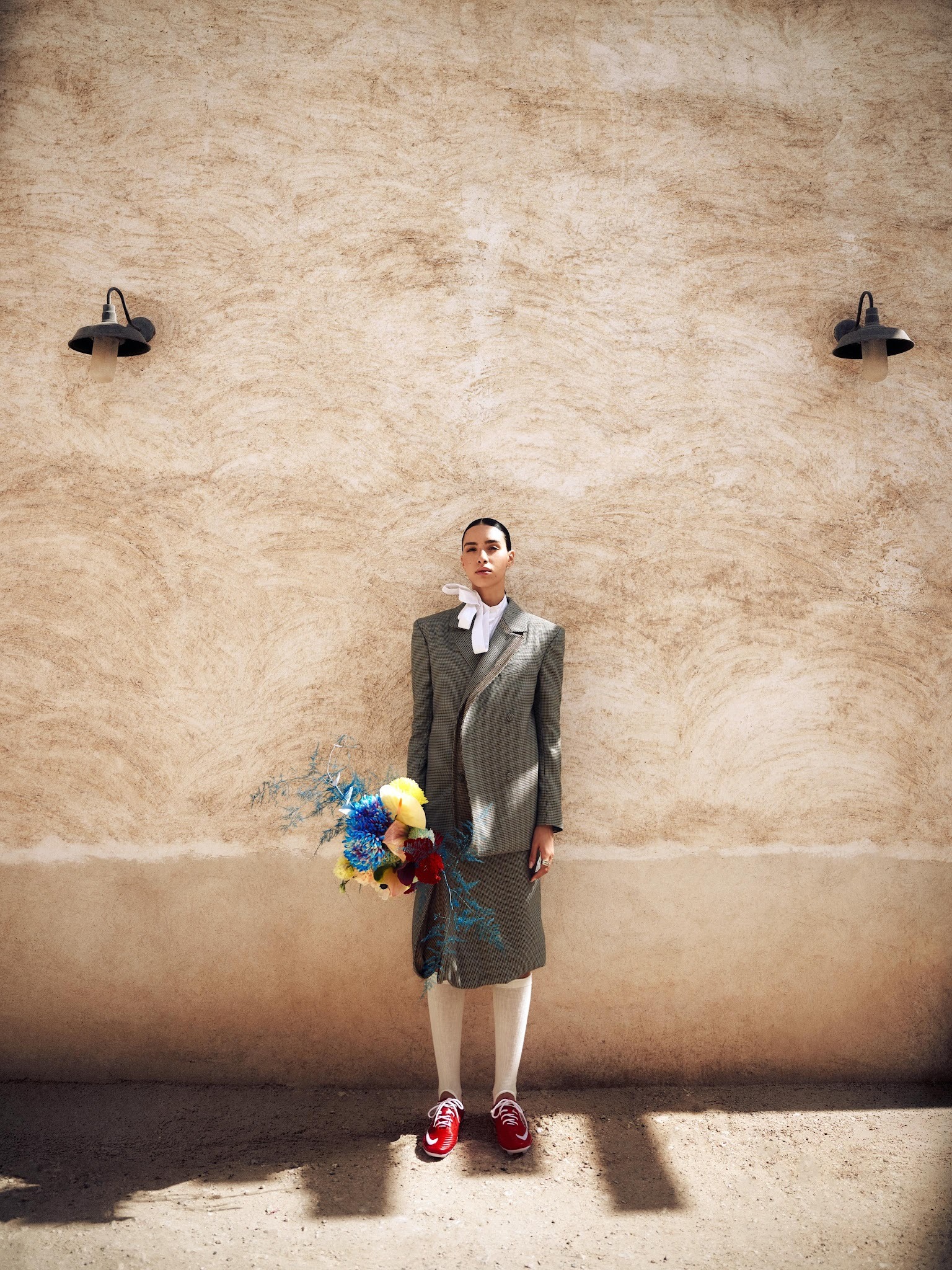
Late For Work Spring/Summer 2026

Kenyan jewellery label We Are Nbo continues to demonstrate how sustainability and social impact can operate hand in hand. Founder Michael Nguthu collaborates with artisans from marginalized communities, transforming recycled and upcycled materials including brass, wood and bone into contemporary jewellery pieces.

Zimbabwean leather goods brand Vanhu Vamwe, founded by Simba Nyawiri and Pam Samasuwo-Nyawiri, brings an artisanal approach rooted in both craftsmanship and community development. Since launching through the CANEX x Tranoï platform, the label has emerged as one of the initiative’s most notable success stories.

Elsewhere, Ghanaian luxury house Christie Brown, led by designer Aisha Ayensu, continues its longstanding practice of reinterpreting traditional Ghanaian textiles such as kente and wax prints through a refined contemporary aesthetic. Senegal’s Sisters of Afrika, founded by sisters Hélène Daba Diouf and Jeanne Diouf, similarly centres cultural preservation and women’s empowerment while modernising traditional craft techniques.
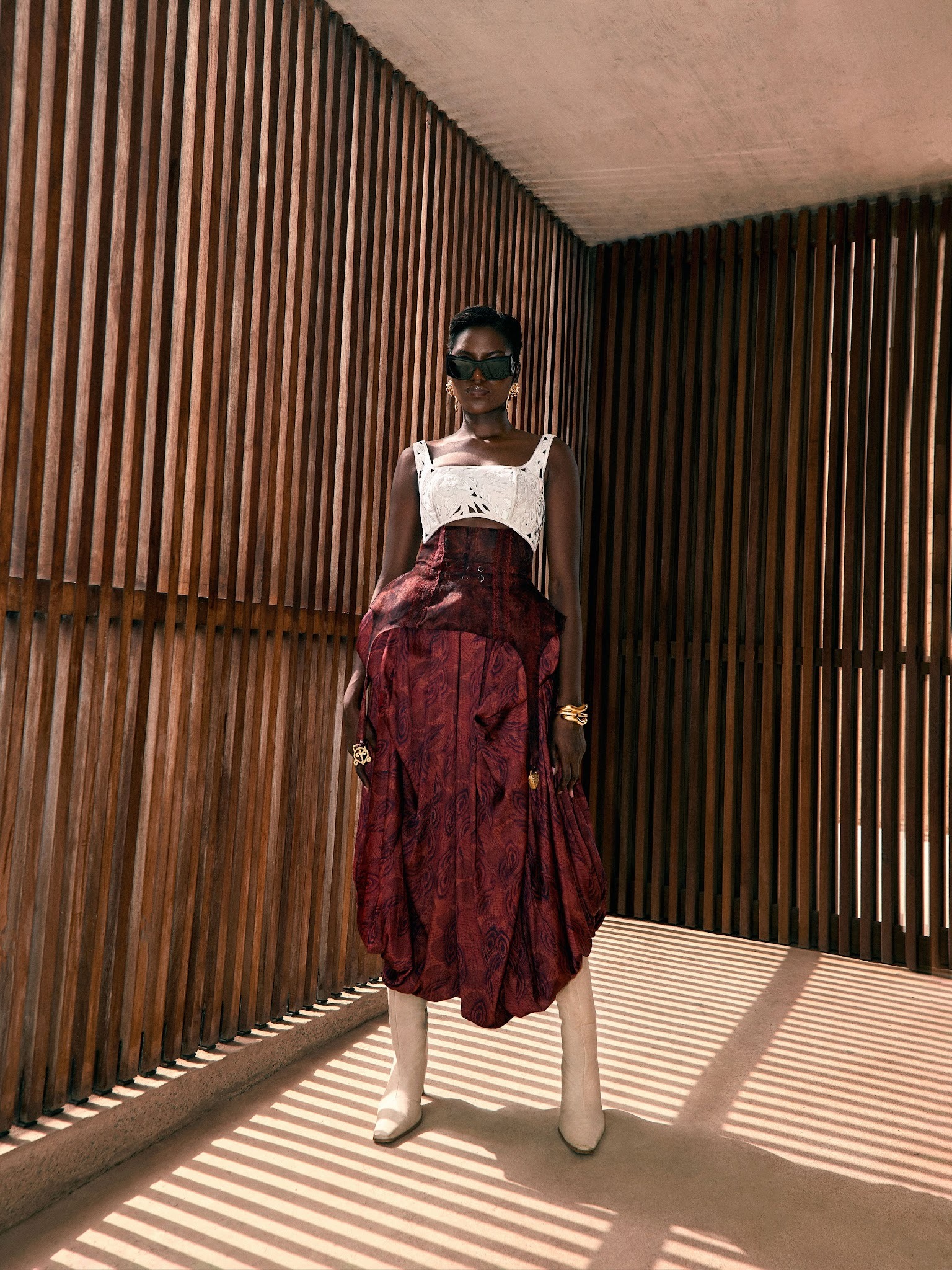
Christie Brown Spring/Summer 2026

The selection also includes Ivorian designer Ibrahim Fernandez, whose tailoring blends contemporary luxury with traditional West African textiles, and Talua, a contemporary luxury brand spanning ready-to-wear, leather goods and accessories that draws inspiration from African heritage while embracing a distinctly modern sensibility.

Through Africa Fashion Up and Studio Ka, visitors will also discover designers such as Eric Raisina, the Madagascar-born designer whose work with raffia, silk and natural materials has earned him recognition within both African and European fashion circles, and Kwiyiah Style, founded by Ivorian designer Lucie Gomba.
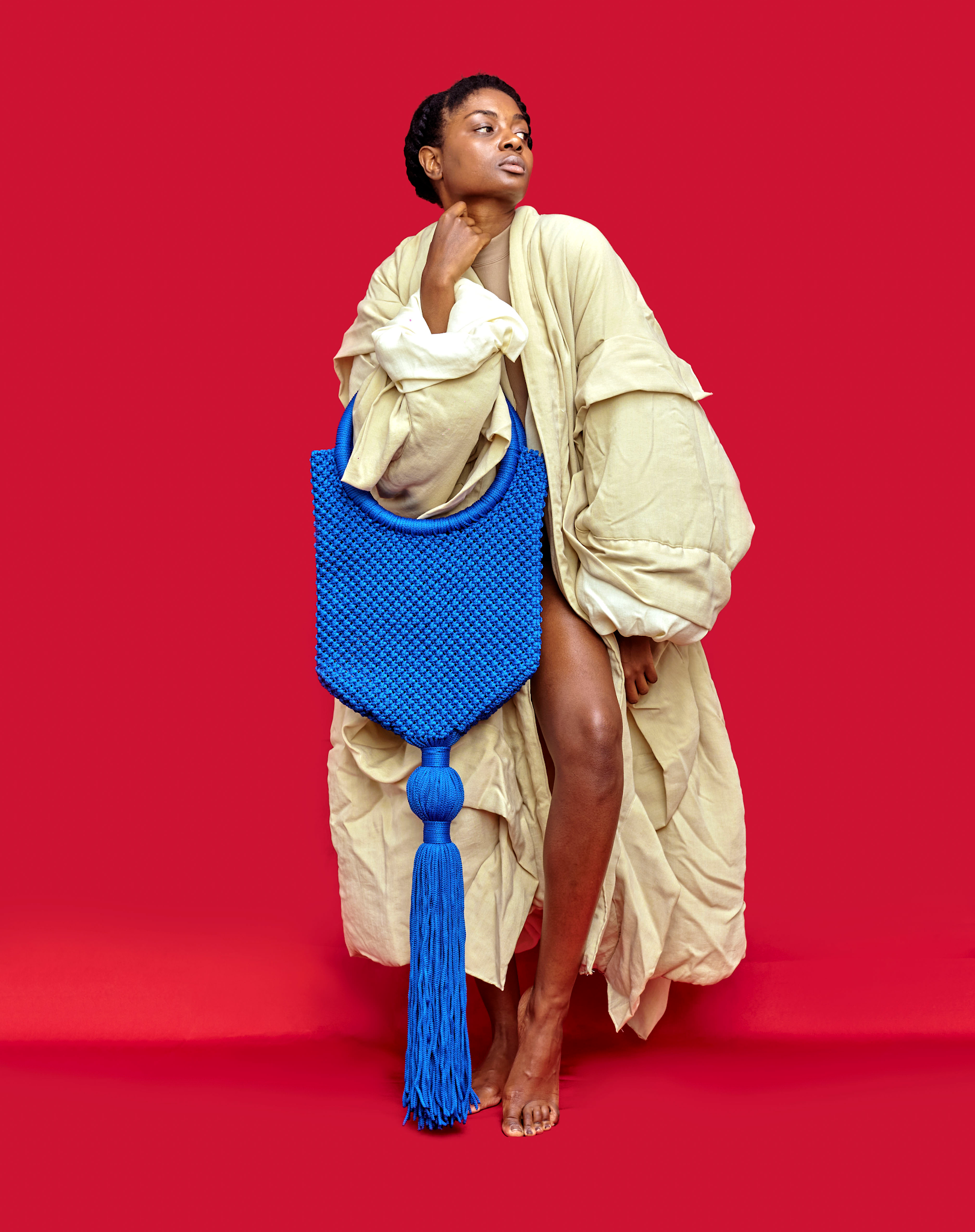
Mnguni Tassel Tote by Vanhu Vamwe

What makes Africa Now particularly compelling is its pan-African scope. Instead of focusing on a single city or fashion week, the project brings together designers from different regions of the continent, highlighting the diversity of contemporary African fashion. The result is a retail experience that challenges reductive notions of what African design looks like, revealing instead a landscape of distinct aesthetics, materials and cultural perspectives.

For some of these brands, visibility within a retail giant like Galeries Lafayette is noteworthy. As one of Europe’s most visited department stores, the institution functions as both a commercial platform and a cultural validator. Securing space within its walls places these designers in direct conversation with established luxury houses while exposing their work to international consumers who may otherwise encounter African fashion only through digital channels.

The initiative also arrives amid growing global interest in African fashion. Recent years have seen increasing recognition of the continent’s creative industries, with designers gaining visibility through international fashion weeks, exhibitions and trade platforms. Yet access to global retail infrastructure remains one of the industry’s most persistent challenges. Pop-ups such as Africa Now help bridge that gap by creating pathways between emerging brands and international markets.

Its arrival in Paris also coincides with the ongoing Africa Fashion exhibition at the Musée du Quai Branly, which explores contemporary African fashion through the work of designers across the continent. Together, these initiatives suggest a broader cultural moment in which African fashion is being recognized not as a trend but as an essential force within the global fashion landscape.

As Paris Men’s Fashion Week approaches, Africa Now offers a timely reminder that some of the most exciting conversations in fashion today are emerging from Lagos, Accra, Dakar, Nairobi, Harare and beyond. More importantly, it demonstrates that African fashion’s future is increasingly taking centre stage.

Ahead of Paris Men’s Fashion Week, Galeries Lafayette’s Africa Now Pop-Up Makes a Case for African Fashion’s Global Future

This is some text inside of a div block.

As Paris prepares to welcome editors, buyers, stylists and fashion enthusiasts for Men’s Fashion Week this June, one of the city’s most influential retail institutions is turning its attention toward African fashion.

From June 17 to July 8, Galeries Lafayette Paris Haussmann will host the second edition of Africa Now, a retail initiative spotlighting a new generation of African designers whose work sits at the intersection of craftsmanship, cultural storytelling and contemporary luxury. Located on the third floor of the department store’s iconic Coupole building, the pop-up brings together designers from across the continent, showcasing ready-to-wear, accessories, jewellery and leather goods through a distinctly pan-African lens.

The timing is significant. Arriving just ahead of Paris Men’s Fashion Week, Africa Now positions African fashion within one of the industry’s most visible global stages. The initiative creates an opportunity for brands from Morocco, Ghana, Senegal, Kenya, Zimbabwe, Côte d’Ivoire, Madagascar and beyond to engage directly with audiences that often determine the trajectory of emerging luxury labels.

More than a retail activation, Africa Now reflects a growing shift in how African fashion is being presented globally. Rather than framing designers through narratives of discovery or novelty, the project places them within the commercial and cultural ecosystem of luxury fashion, acknowledging their role as innovators already shaping contemporary style.

Organised in partnership with CANEX, Tranoï, Adama Paris and Studio Ka x Africa Fashion Up, the initiative highlights designers who are reimagining local craftsmanship, heritage techniques and cultural references for an international market while maintaining strong ties to their communities and production networks.

Among the participating labels is Late For Work, founded by Moroccan designer Youssef Drissi, whose sharply tailored womenswear and structured silhouettes have attracted growing international attention. Following a successful appearance in the inaugural edition of the pop-up, the brand returns after Drissi’s recent recognition as winner of the 2025 Fashion Trust Arabia Grand Prix.

Late For Work Spring/Summer 2026

Kenyan jewellery label We Are Nbo continues to demonstrate how sustainability and social impact can operate hand in hand. Founder Michael Nguthu collaborates with artisans from marginalized communities, transforming recycled and upcycled materials including brass, wood and bone into contemporary jewellery pieces.

Zimbabwean leather goods brand Vanhu Vamwe, founded by Simba Nyawiri and Pam Samasuwo-Nyawiri, brings an artisanal approach rooted in both craftsmanship and community development. Since launching through the CANEX x Tranoï platform, the label has emerged as one of the initiative’s most notable success stories.

Elsewhere, Ghanaian luxury house Christie Brown, led by designer Aisha Ayensu, continues its longstanding practice of reinterpreting traditional Ghanaian textiles such as kente and wax prints through a refined contemporary aesthetic. Senegal’s Sisters of Afrika, founded by sisters Hélène Daba Diouf and Jeanne Diouf, similarly centres cultural preservation and women’s empowerment while modernising traditional craft techniques.

Christie Brown Spring/Summer 2026

The selection also includes Ivorian designer Ibrahim Fernandez, whose tailoring blends contemporary luxury with traditional West African textiles, and Talua, a contemporary luxury brand spanning ready-to-wear, leather goods and accessories that draws inspiration from African heritage while embracing a distinctly modern sensibility.

Through Africa Fashion Up and Studio Ka, visitors will also discover designers such as Eric Raisina, the Madagascar-born designer whose work with raffia, silk and natural materials has earned him recognition within both African and European fashion circles, and Kwiyiah Style, founded by Ivorian designer Lucie Gomba.

Mnguni Tassel Tote by Vanhu Vamwe

What makes Africa Now particularly compelling is its pan-African scope. Instead of focusing on a single city or fashion week, the project brings together designers from different regions of the continent, highlighting the diversity of contemporary African fashion. The result is a retail experience that challenges reductive notions of what African design looks like, revealing instead a landscape of distinct aesthetics, materials and cultural perspectives.

For some of these brands, visibility within a retail giant like Galeries Lafayette is noteworthy. As one of Europe’s most visited department stores, the institution functions as both a commercial platform and a cultural validator. Securing space within its walls places these designers in direct conversation with established luxury houses while exposing their work to international consumers who may otherwise encounter African fashion only through digital channels.

The initiative also arrives amid growing global interest in African fashion. Recent years have seen increasing recognition of the continent’s creative industries, with designers gaining visibility through international fashion weeks, exhibitions and trade platforms. Yet access to global retail infrastructure remains one of the industry’s most persistent challenges. Pop-ups such as Africa Now help bridge that gap by creating pathways between emerging brands and international markets.

Its arrival in Paris also coincides with the ongoing Africa Fashion exhibition at the Musée du Quai Branly, which explores contemporary African fashion through the work of designers across the continent. Together, these initiatives suggest a broader cultural moment in which African fashion is being recognized not as a trend but as an essential force within the global fashion landscape.

As Paris Men’s Fashion Week approaches, Africa Now offers a timely reminder that some of the most exciting conversations in fashion today are emerging from Lagos, Accra, Dakar, Nairobi, Harare and beyond. More importantly, it demonstrates that African fashion’s future is increasingly taking centre stage.
This is some text inside of a div block.

Ahead of Paris Men’s Fashion Week, Galeries Lafayette’s Africa Now Pop-Up Makes a Case for African Fashion’s Global Future

As Paris prepares to welcome editors, buyers, stylists and fashion enthusiasts for Men’s Fashion Week this June, one of the city’s most influential retail institutions is turning its attention toward African fashion.

From June 17 to July 8, Galeries Lafayette Paris Haussmann will host the second edition of Africa Now, a retail initiative spotlighting a new generation of African designers whose work sits at the intersection of craftsmanship, cultural storytelling and contemporary luxury. Located on the third floor of the department store’s iconic Coupole building, the pop-up brings together designers from across the continent, showcasing ready-to-wear, accessories, jewellery and leather goods through a distinctly pan-African lens.

The timing is significant. Arriving just ahead of Paris Men’s Fashion Week, Africa Now positions African fashion within one of the industry’s most visible global stages. The initiative creates an opportunity for brands from Morocco, Ghana, Senegal, Kenya, Zimbabwe, Côte d’Ivoire, Madagascar and beyond to engage directly with audiences that often determine the trajectory of emerging luxury labels.

More than a retail activation, Africa Now reflects a growing shift in how African fashion is being presented globally. Rather than framing designers through narratives of discovery or novelty, the project places them within the commercial and cultural ecosystem of luxury fashion, acknowledging their role as innovators already shaping contemporary style.

Organised in partnership with CANEX, Tranoï, Adama Paris and Studio Ka x Africa Fashion Up, the initiative highlights designers who are reimagining local craftsmanship, heritage techniques and cultural references for an international market while maintaining strong ties to their communities and production networks.

Among the participating labels is Late For Work, founded by Moroccan designer Youssef Drissi, whose sharply tailored womenswear and structured silhouettes have attracted growing international attention. Following a successful appearance in the inaugural edition of the pop-up, the brand returns after Drissi’s recent recognition as winner of the 2025 Fashion Trust Arabia Grand Prix.

Late For Work Spring/Summer 2026

Kenyan jewellery label We Are Nbo continues to demonstrate how sustainability and social impact can operate hand in hand. Founder Michael Nguthu collaborates with artisans from marginalized communities, transforming recycled and upcycled materials including brass, wood and bone into contemporary jewellery pieces.

Zimbabwean leather goods brand Vanhu Vamwe, founded by Simba Nyawiri and Pam Samasuwo-Nyawiri, brings an artisanal approach rooted in both craftsmanship and community development. Since launching through the CANEX x Tranoï platform, the label has emerged as one of the initiative’s most notable success stories.

Elsewhere, Ghanaian luxury house Christie Brown, led by designer Aisha Ayensu, continues its longstanding practice of reinterpreting traditional Ghanaian textiles such as kente and wax prints through a refined contemporary aesthetic. Senegal’s Sisters of Afrika, founded by sisters Hélène Daba Diouf and Jeanne Diouf, similarly centres cultural preservation and women’s empowerment while modernising traditional craft techniques.

Christie Brown Spring/Summer 2026

The selection also includes Ivorian designer Ibrahim Fernandez, whose tailoring blends contemporary luxury with traditional West African textiles, and Talua, a contemporary luxury brand spanning ready-to-wear, leather goods and accessories that draws inspiration from African heritage while embracing a distinctly modern sensibility.

Through Africa Fashion Up and Studio Ka, visitors will also discover designers such as Eric Raisina, the Madagascar-born designer whose work with raffia, silk and natural materials has earned him recognition within both African and European fashion circles, and Kwiyiah Style, founded by Ivorian designer Lucie Gomba.

Mnguni Tassel Tote by Vanhu Vamwe

What makes Africa Now particularly compelling is its pan-African scope. Instead of focusing on a single city or fashion week, the project brings together designers from different regions of the continent, highlighting the diversity of contemporary African fashion. The result is a retail experience that challenges reductive notions of what African design looks like, revealing instead a landscape of distinct aesthetics, materials and cultural perspectives.

For some of these brands, visibility within a retail giant like Galeries Lafayette is noteworthy. As one of Europe’s most visited department stores, the institution functions as both a commercial platform and a cultural validator. Securing space within its walls places these designers in direct conversation with established luxury houses while exposing their work to international consumers who may otherwise encounter African fashion only through digital channels.

The initiative also arrives amid growing global interest in African fashion. Recent years have seen increasing recognition of the continent’s creative industries, with designers gaining visibility through international fashion weeks, exhibitions and trade platforms. Yet access to global retail infrastructure remains one of the industry’s most persistent challenges. Pop-ups such as Africa Now help bridge that gap by creating pathways between emerging brands and international markets.

Its arrival in Paris also coincides with the ongoing Africa Fashion exhibition at the Musée du Quai Branly, which explores contemporary African fashion through the work of designers across the continent. Together, these initiatives suggest a broader cultural moment in which African fashion is being recognized not as a trend but as an essential force within the global fashion landscape.

As Paris Men’s Fashion Week approaches, Africa Now offers a timely reminder that some of the most exciting conversations in fashion today are emerging from Lagos, Accra, Dakar, Nairobi, Harare and beyond. More importantly, it demonstrates that African fashion’s future is increasingly taking centre stage.

Other Stories
London
London
Lagos
London
Newyork
London
Shop
Join the community.
You are now subscribed to receive updates.
Oops! Something went wrong while submitting the form.