.svg)

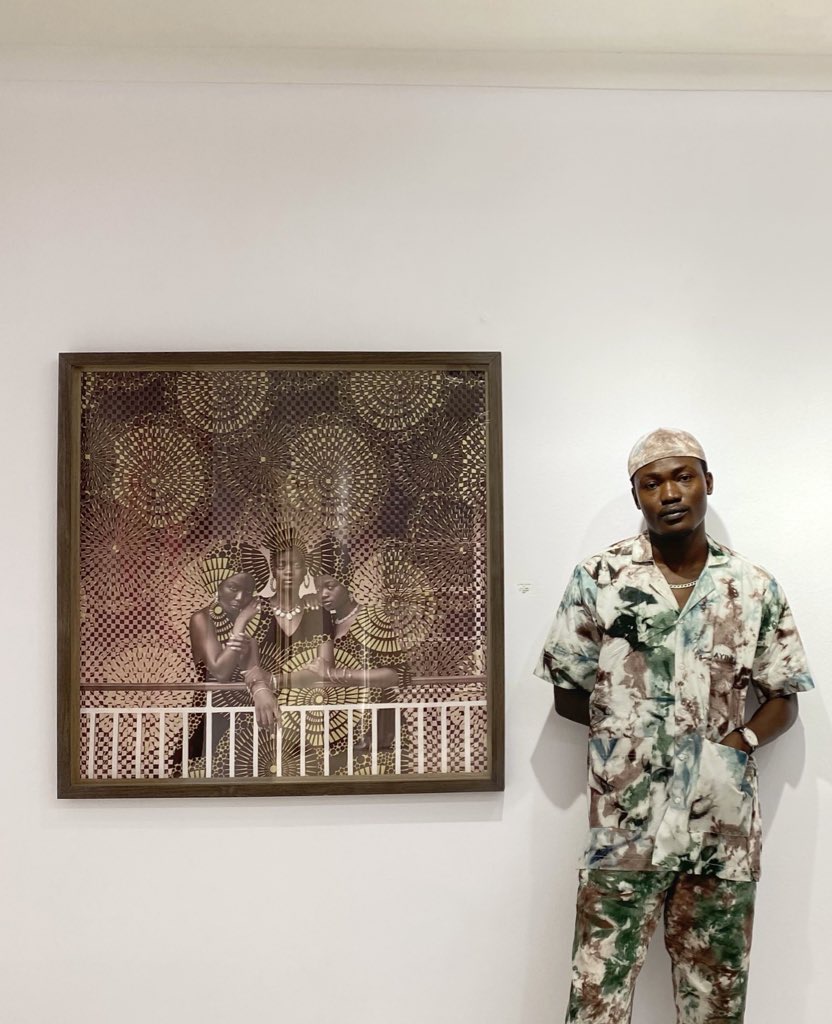
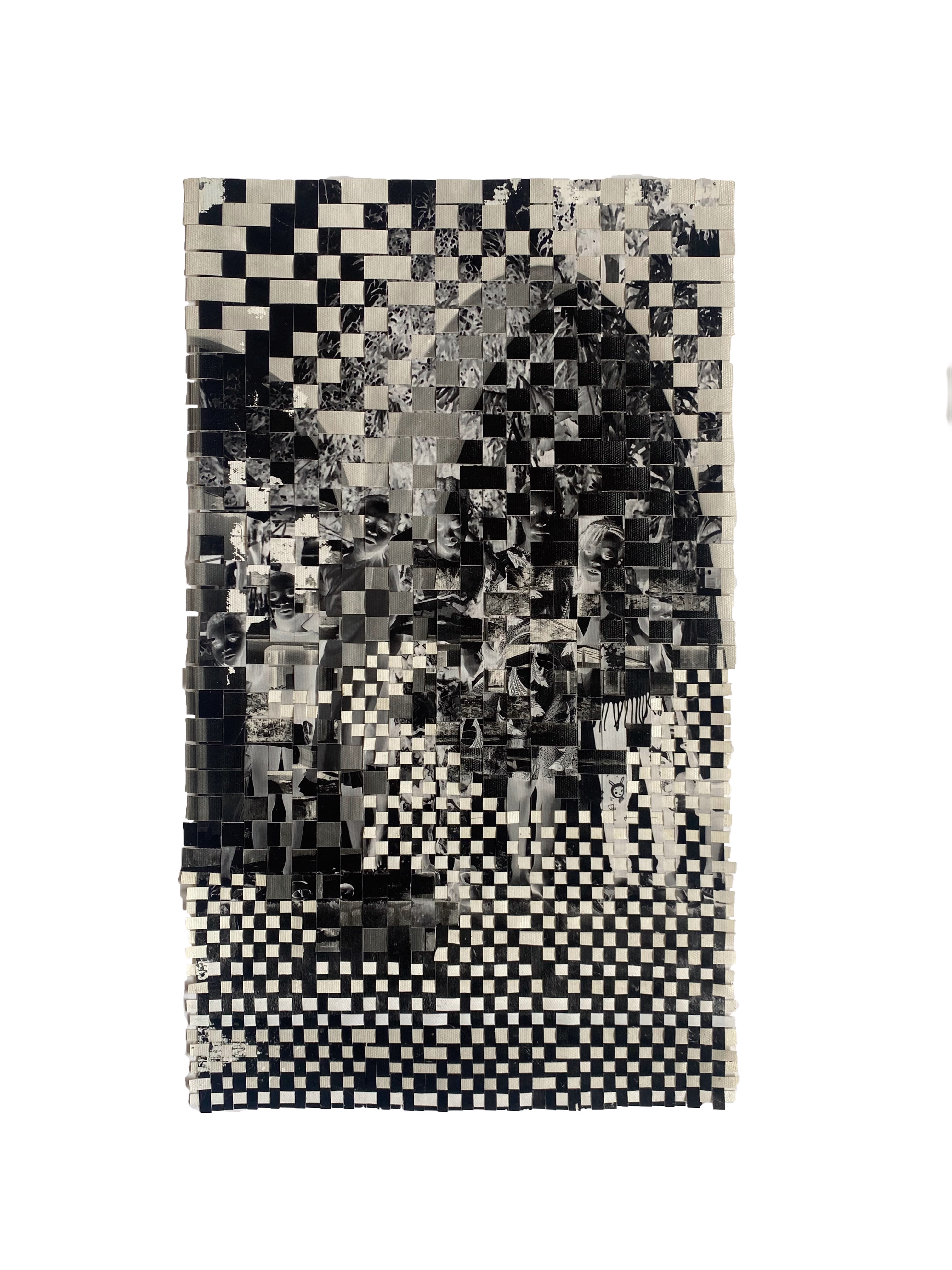
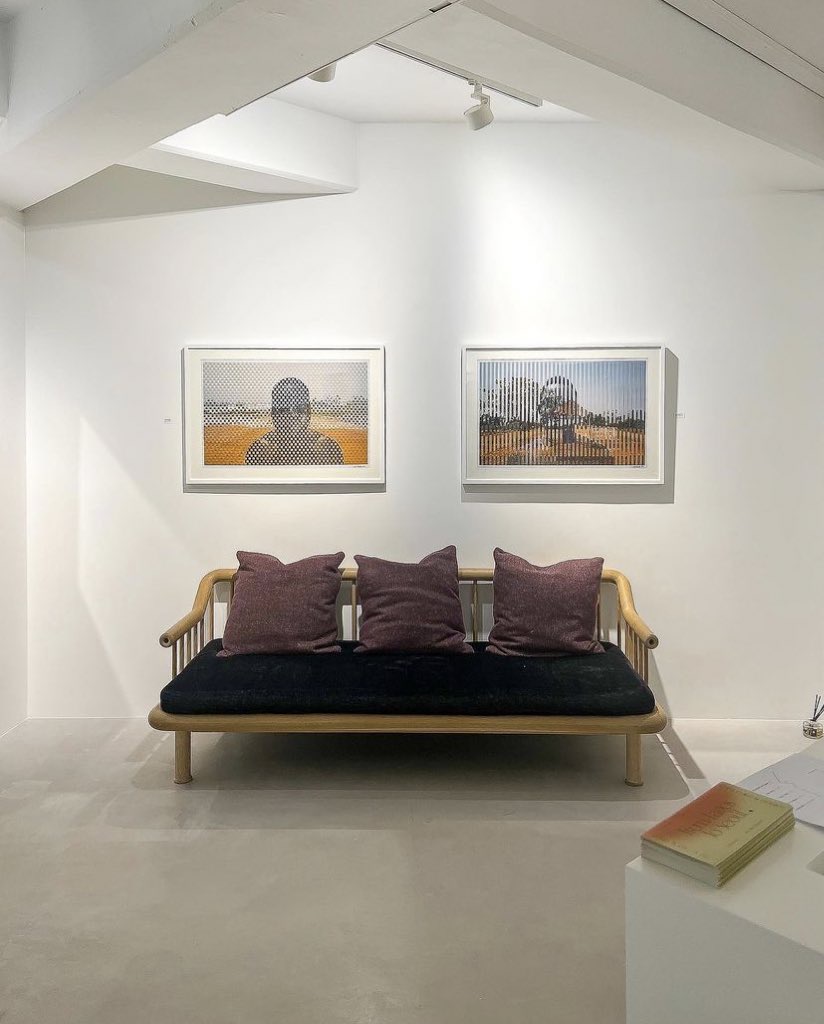
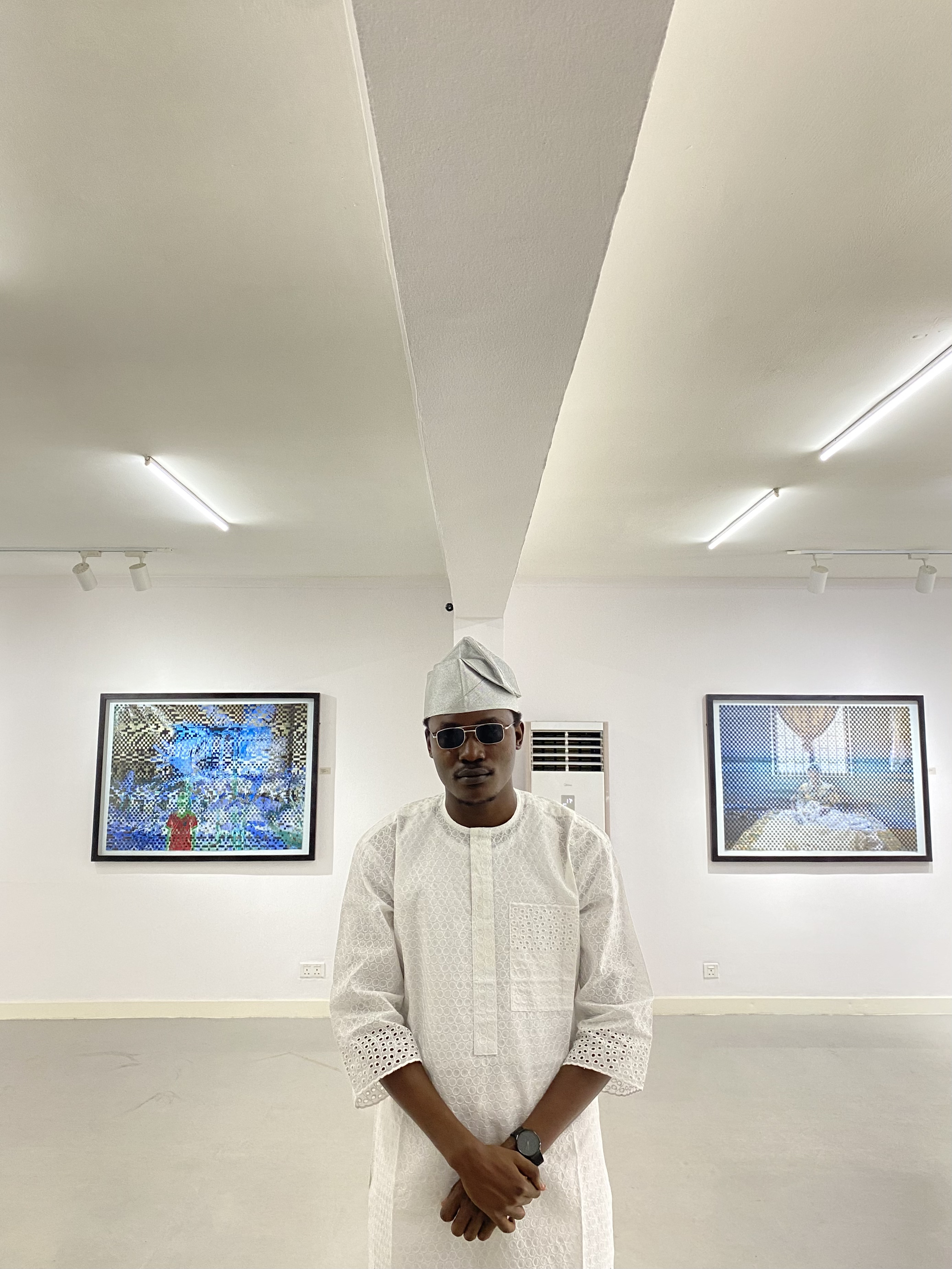
Ayobami Ogungbe is reclaiming narrative through thread, image, and texture. The Lagos based multi-disciplinary artist weaves together photography, traditional basket-weaving techniques, and collage to create visual stories that honor his coastal hometown of Badagry.
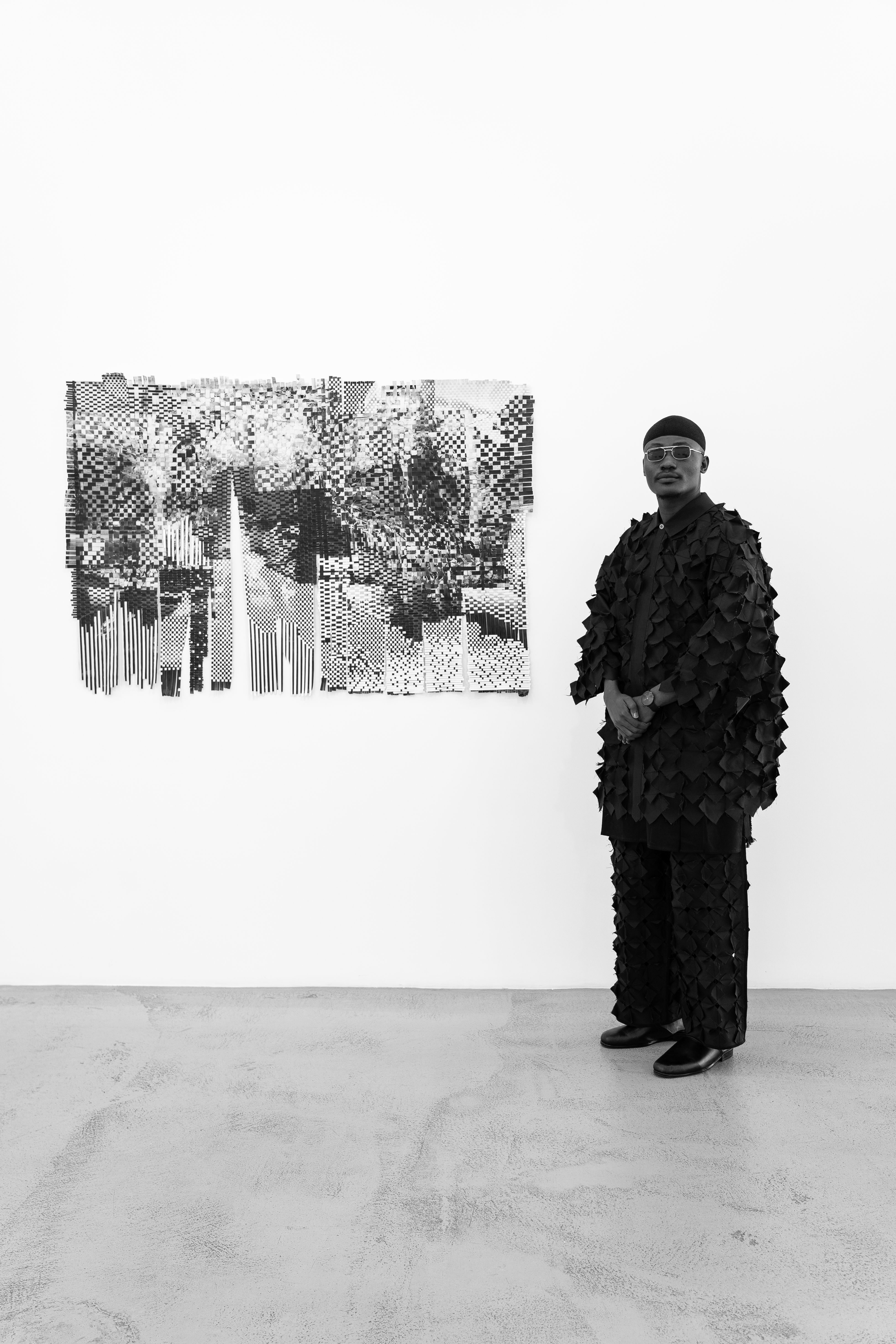
Ogungbe's practice is an act of remembrance and resistance. By incorporating indigenous weaving methods passed down through generations of Badagry's coastal communities, he creates a contemporary visual language that bridges past and present. His work asks us to reconsider what we know about West African history and whose stories have been centered, in the telling, or silenced. Through his art, Ogungbe is ensuring that the contributions of indigenous peoples are no longer footnotes but central chapters in our understanding of Nigerian and West African identity.
Tell us about yourself and your artistic practice.
My name is Ayobami Ogungbe, and I'm a multi-disciplinary artist from Lagos, Nigeria. My work combines photography, weaving, and collage techniques to tell stories about my community.
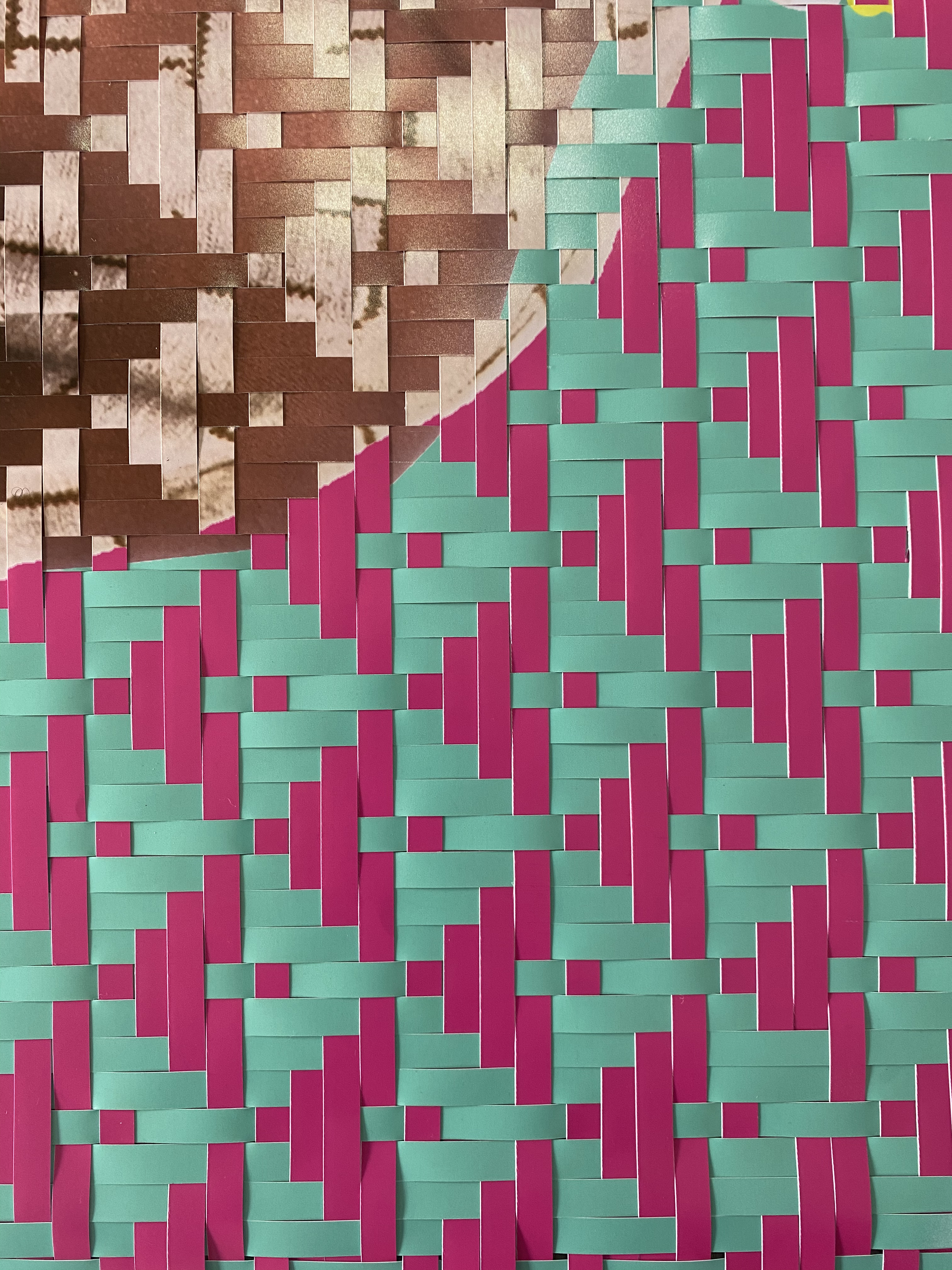
I picked up photography as a Mass Communication student at The University of Benin, studying photojournalism. Weaving, I picked up from the culture of my hometown, Badagry, being a coastal town, the people wove baskets and mats. I inculcated that into my practice to present a new contemporary visual language.
What themes or subjects are central to your work?
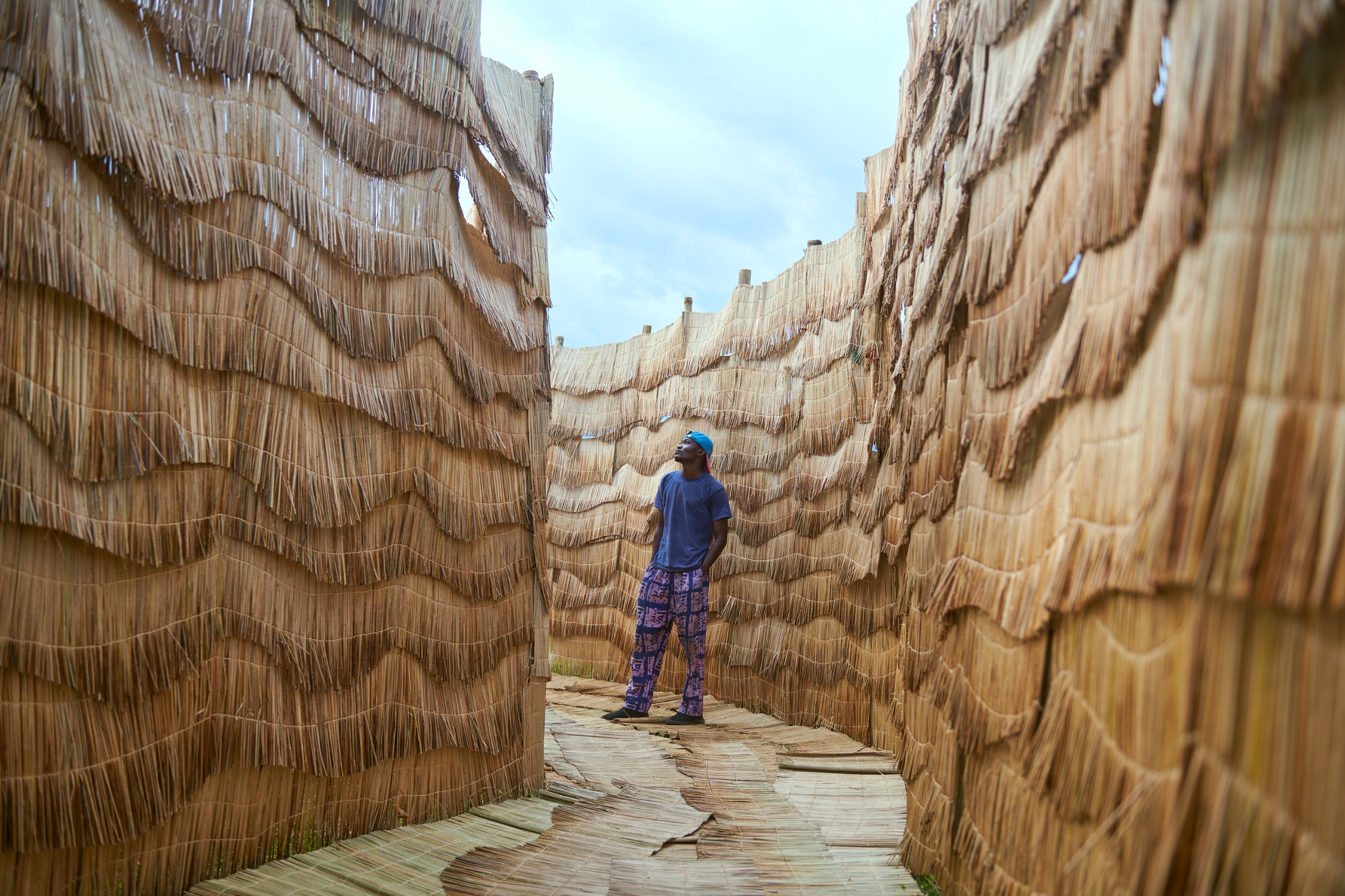
My practice is mostly centered around my hometown, Badagry, its culture and traditions, its very rich history, and contributions to what is the Nigerian socio-cultural landscape today and West Africa at large.
How does your practice connect to action and change?
My practice connects to action and change because it mobilizes a kind of re-documentation and re-engagement with history, with the aim of re-educating and re-platforming my hometown's contributions to the present. It centers the stories of indigenous peoples who have for long been sidelined for the most part, and it calls us to reexamine indigenous knowledge systems and how they can birth fresh contemporary ideas.
What do you hope viewers take away from your work?
My priority is to use my practice to inspire change. Art is a very powerful tool, and it can mobilize, educate, and give a strong sense of belonging and pride. These are things I believe we all deserve as viewers and makers of art. So personally, I would love my practice to at the very least touch lives positively, no matter how small.
What's one thing you want people to know about your journey as an artist?
That I will continue to do my best.




.png)

