.svg)

Over the years, there has been a silent war that almost every creative has been facing. It is not always spoken about, still it defines careers. It is the fight between passion and paycheck. Doing what keeps your soul alive and worrying about where the next pay comes from.
For creatives, the question is not whether talent exists. It is whether talent is allowed to survive in a world that rewards results more than process. The world appreciates creativity, but rarely supports the creative. We celebrate art when it wins awards, goes viral, or makes money. But until then, it is dismissed as a hobby, or a waste of time.
Many creatives are left with a painful choice: chase art or chase the bag. For some, there is no choice at all.
As living costs rise and patience is slim, many artists have had to let go of their craft, not because they stopped loving it, but because love alone does not pay rent. Journals are gathering dust. Cameras are laying idle, unused.
Over time, three categories of creatives have emerged. The first group are creatives who abandon the craft entirely to chase financial stability. They find jobs that drain their time and energy, leaving little room for art. Creativity becomes something they used to do. The sad part is not that they chose survival. It is that survival took a large part of what made them.
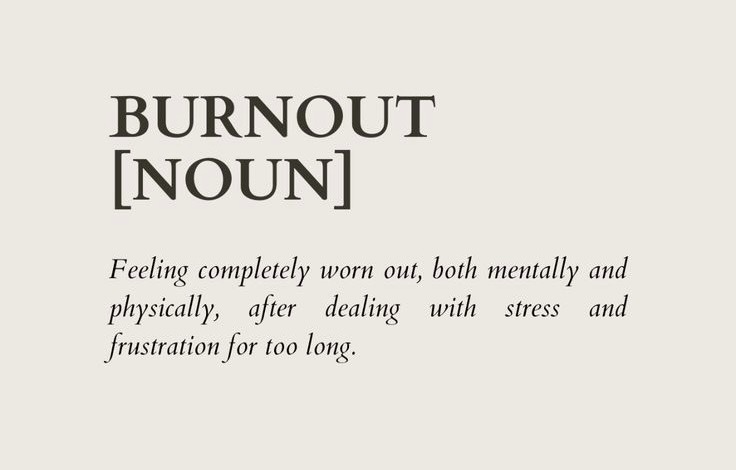
The second group attempts to beat the cycle. They merge art with income, turning passion into a product. In the media, it looks ideal. In reality, it often results in burnout and quiet resentment. When art becomes a hustle, creativity becomes very transactional. What used to flow now feels very forced.
Then there are the creatives who decide to stick to their craft, through and through. They remain devoted to the craft regardless of the odds, suffering through uncertainty, and rejection. We celebrate the ones who eventually scale, break through, and “make it.” But what about those who never do? What about the gifted artists who work tirelessly and still fade into the background? Their struggle is rarely documented, yet it is just as real.
Today, many creatives are desperately trying to find balance. There are more platforms, tools, and opportunities than ever before. Yet privilege, access, connections, finances still determines who gets to last long enough to succeed. Opportunity without support is not opportunity at all.
In conversations with creatives navigating this tension, one truth kept surfacing, balance is not something you find — it is something you negotiate daily.
Adebayo Samuel Kehinde, a visual storyteller and documentary photographer, popularly known as Kenny At It Again, shared that in his journey as a creative he eventually realized that every creative space has a business side.
“Whatever creative space you are in, there is a business aspect to it,” he said. “It’s up to the person to figure it out. How to stay in the art and still make money from it.”
But he also emphasized the cost of sticking to your craft.
“You must accept that there is a level of hunger and suffering that comes with starting out. If you truly want to do well in your path, you have to allow yourself to go through it. It takes time. You must be humble enough to walk with people ahead of you and submit under them.”
For Ernest, a model, the journey was less unrealistic and more down to earth.
“I turned my art into a lifestyle,” he said, “and a paycheck became something I have to earn just to be able to live.”
In that sentence lies the quiet reality of many creatives, passion does not erase responsibility.
Kolawole, a musician known as maniX, said bluntly.
“Very humbly, I think it is lowkey irresponsible and selfish to not be open to levels of compromise that can enable one’s art to become a paying career.”
His words may sound harsh, but they expose a growing point of view, creativity cannot exist in ignorance of what reality speaks. Refusing to see through it and adapt can be harmful for the creative. The war between passion and income doesn't have a common answer. But what remains persistent is that creatives deserve systems that support their growth, not just their results. A world that takes in art without caring for the artist is faulty..
Until this changes, creatives will continue to fight quietly, torn between who they are and what they must do to survive. And maybe, just maybe, the best thing a creative can do is to learn how to carry both sides—the art and the means of survival.
Cover Image: @align.wellnessstudio- Pinterest



.png)

