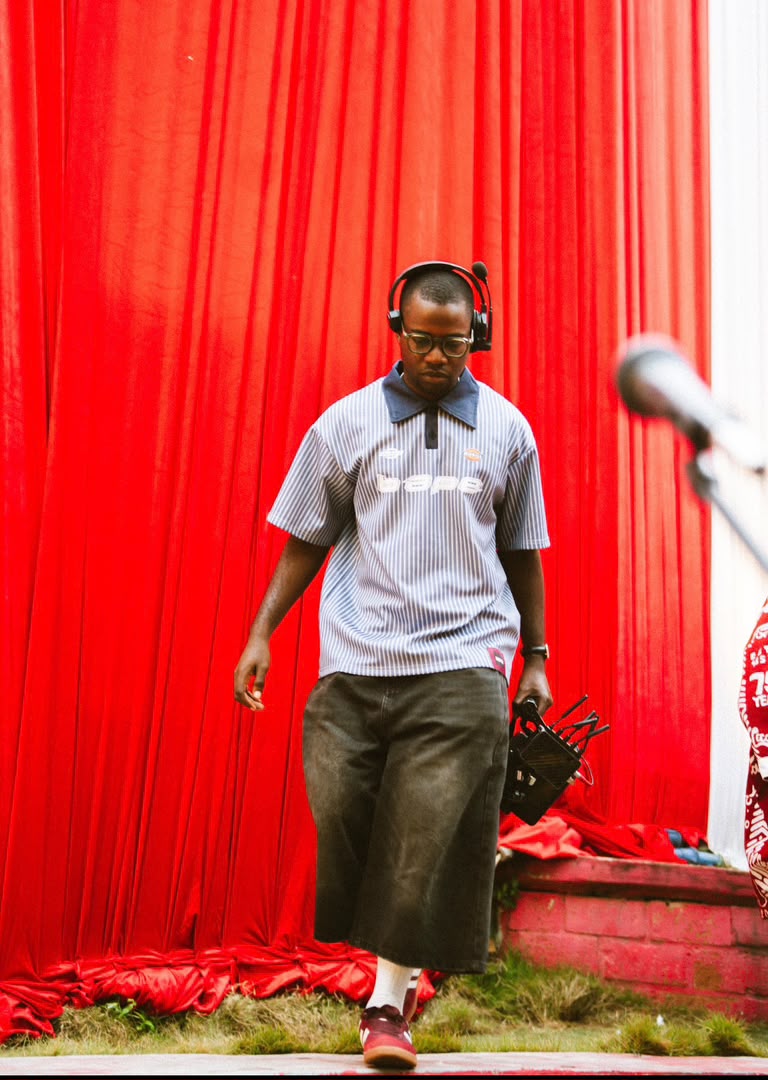
Beyond the Byline: Itty Okim

Creativity, for some people, is a career. For others, it is a way of seeing and interpreting the world. For Itohowo Okim, popularly known as Itty Okim, it is both. 

A creative director who works across PR and marketing, narrative design and filmmaking, Itty is also a pharmacist, a director at his agency, Spare Keys, and one of the minds behind Disc Club. His work moves across different disciplines, but is connected by one recurring interest: storytelling.
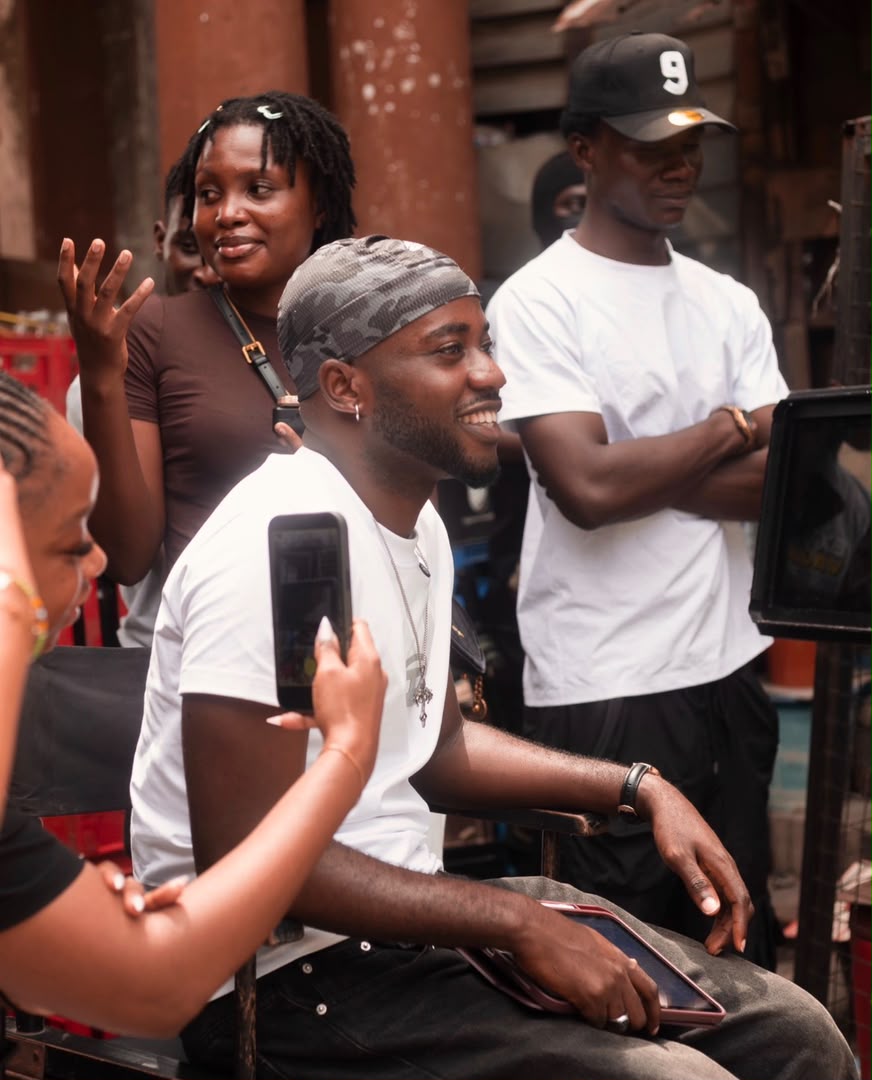
His journey has taken him from documenting the stories behind music as a journalist to helping artists, brands and creative projects shape how they are perceived. Through his work, he has explored the relationship between art, identity and culture, while building spaces that encourage people to engage more intentionally with the things they consume. One of these is Disc Club, an album-listening community created for people who want to do more than simply hear music.

At the centre of Itty’s creative philosophy is the belief that the work being made today will become part of how future generations understand us. Whether through journalism, film, creative direction or music conversations, he is interested in the stories we tell, the meaning people find in them and the information we leave behind.
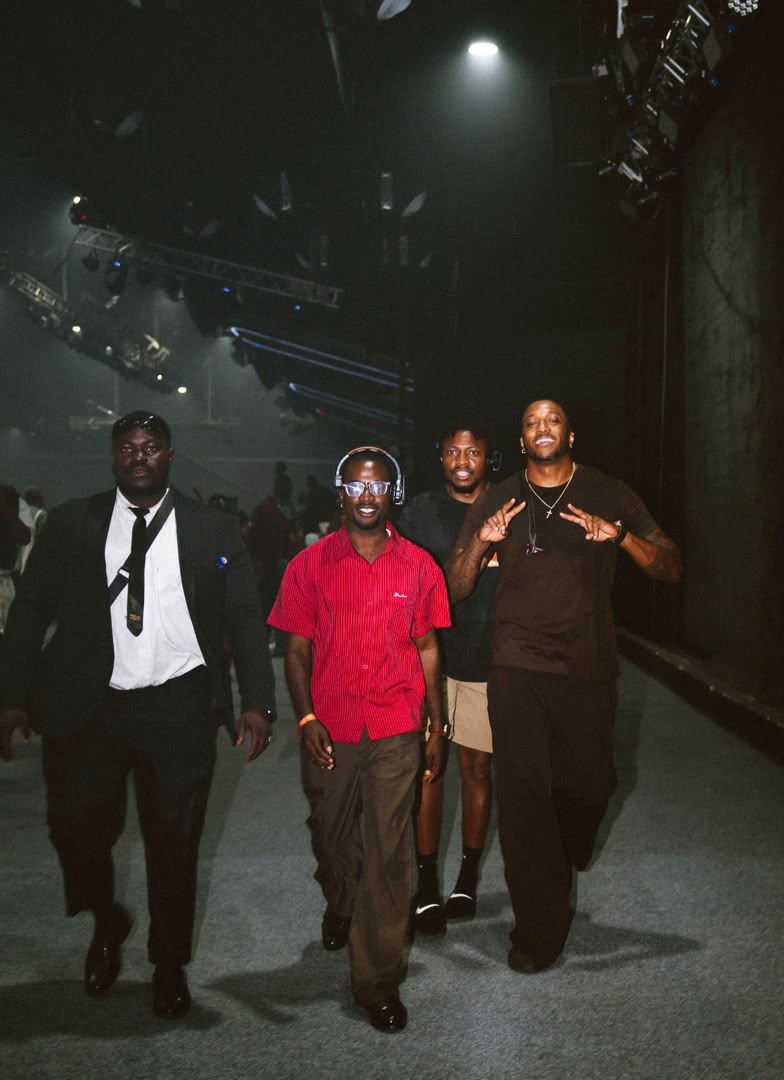
 In this conversation with Deeds, Itty reflects on his evolving creative identity, the responsibility of documenting culture, the art of narrative design and his vision for building a home for music lovers.

Sussan for Deeds: For someone who has never discovered Itty Okim, how would you describe the person behind the name and the career?

 My name is Itohowo Okim. About describing the person behind the career, if you asked me this question a while ago, I would mumbo-jumbo about the words, right now I’d say I’m a creative. I am a creative director who dabbles in other aspects of PR and Marketing. I also run an album club, I am a narrative designer and I am a director at my agency, Spare Keys. It sounds like a lot but I feel all of these can be incorporated into creative direction because PR and Marketing as well as narrative direction fall under creative design. I am a pharmacist as well.

⁠You’ve written for OkayAfrica and The Guardian, profiled artists like Asake, Rema, Odumodu Blvck, BNXN, Ckay and Made Kuti while co-hosting The Baegist podcast. What draws you to stories behind the music, beyond the headline?

 As a journalist, given all the years I spent documenting, what drew me was the fact that I wanted to find out where the artist’s headspace was at when they make a music or what was happening in their lives because music is art.

Many times, the art makes sense because of the stories behind them. I think with journalism and the podcast that I run, Baegist, I was just basically trying to find the stories behind the music and get other people to hear those stories as well, the ones that couldn’t, like clearly be communicated through the music.
Afrobeat is often discussed through celebrity news, viral moments and industry rivalries. Do you think we’re documenting the culture as it is happening or merely reporting on its latest information?

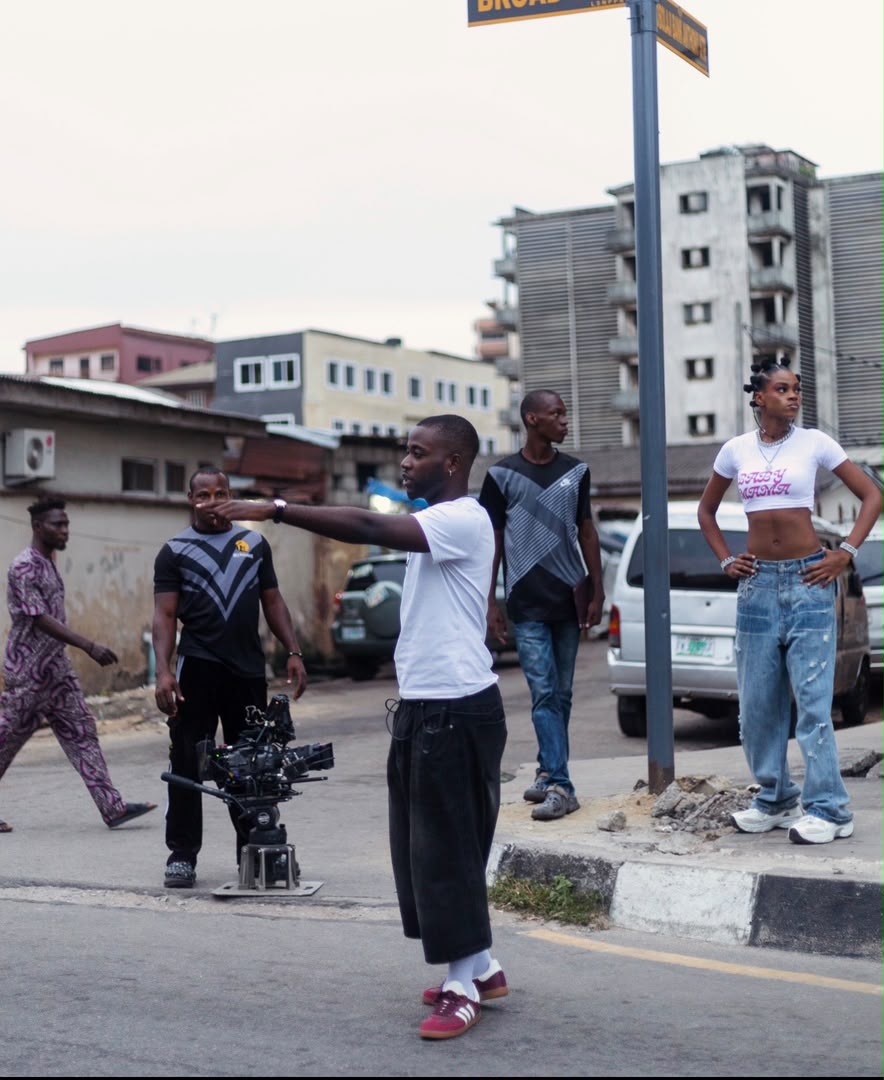
I think that reporting is a part of documenting the way we should. It is not all of it but it is definitely part of it. I like to approach documenting through the lens of a philosophy or school of thought that I call “Dolly Zoom” philosophy. And what that philosophy does is, it views lives from the perspective of a number line. If you know what a number line is; it’s like a line that has numbers  from negative infinity to positive infinity. I’m talking from minus a thousand or minus infinity to plus infinity. So all the numbers are in the number line. I like to view life from that perspective in such a way, like thinking about our existence as just a point on the number line of life. So we’re not the first on earth. People existed before us. The earth has been here for about 4.5 billion years. Human beings or modern humans have been here for about 300,000 years. Those are different points on the number line. And we’re here today on our own point but we’re not the last people. I hope that we are not the last people to exist on it. More people will come after us. When we look at the spectrum, artists have a responsibility of documenting the point on the number line that they find themselves. When I say artists, I mean music artists, visual artists, filmmakers, dancers, writers, whatever form of art it is, because the truth is that, it is art we create in this point of our number line. In this point of life in general that people who come later can refer to. It is the art we make now that they refer to in the future. If you think about all the art, everything we know about the past is some form of art. It’s a writer writing, a singer singer, a dancer dancing, a filmmaker making film. We know the things that happened in the 1400s because somebody wrote about them. People only know what is happening in 2026 if writers are writing and musicians are making music while filmmakers are doing their thing. Do you get me? So yeah, the industry, the rivalry, the gossip, are parts of what is happening in our own point or the number line. So I think it is part of it, not the entirety of it. I think people who are documenting the culture go beyond the rivalries, gossip and clout. If you go into profiling people, getting stories of the everyday person, you are documenting so that the future is properly equipped. If they want a reference as to what the stakeholders were doing in 2026, they should be able to find it. And you see that nowadays, we have better mediums and media for documenting. We have the internet, we can make videos which is more realistic than just writing and less. We have everything it takes to equip the future with information and that’s what we should be doing.
Your approach to Afrobeats is described as telling stories like  folklore rather than gossip. Does that resonate with you and what does it mean to document a music culture in a way that preserves its history and context?

That’s what I said before. I don’t think it’s worth it, if we’re equipping the future with information, I think all we should be doing is pulling together for that, to be honest, because that’s how humanity’s intelligence improves. We are intelligent as we are at this moment because the people from the past kept preserving information for us and we are able to build on them. So if we are not giving the same or putting out the same kind of data for the future, then I don’t think there is a point.

You moved from documenting stories as a journalist to helping shape them through PR, creative direction and narrative design. How do these disciplines connect in your work?

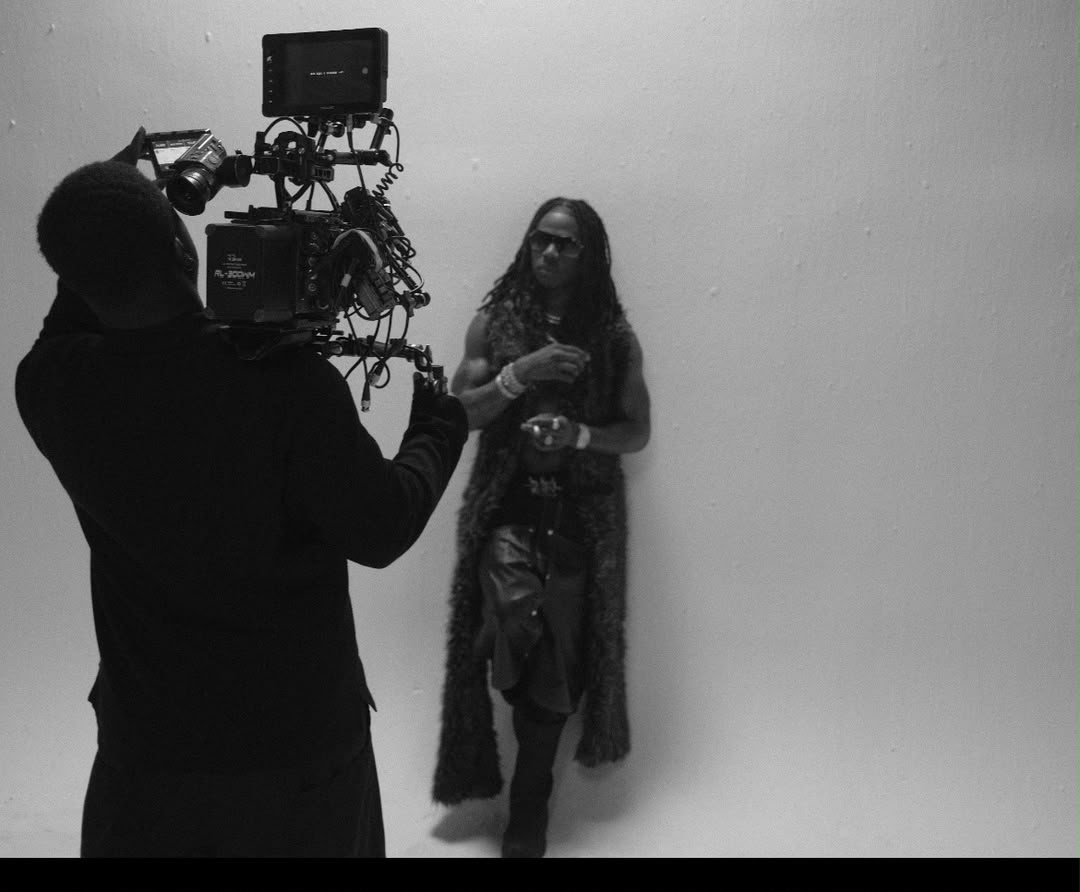
 I think that trying to find a connection is just going to stress me out a lot, so I don’t try. I just do the work that I have to do. And I think I established a form, I consider myself an artist and all the things that I do as art forms and something that is typical to artists is evolution. The kind of art a person makes at the start of their journey is very different from the kind they make over the course of the years. And I’ve seen this evidence in my life. I think that a very good start of my artistic journey was journalism, profiling personalities I found interesting. Through the course of my evolution, I had to seek artist satisfaction from other mediums like filmmaking which is where I’m at right now, because journalism has me mastering my words and being able to convey my thoughts to work. And filmmaking is that. It involves me using words, it also give a me the opportunity to use light to tell even more compelling stories. The images in film, the people, they’re just light bending in interesting ways, so I think it’s special. I think it is a gift that I have been given to be able to tell important stories for the future and I’m capitalizing on that with PR.
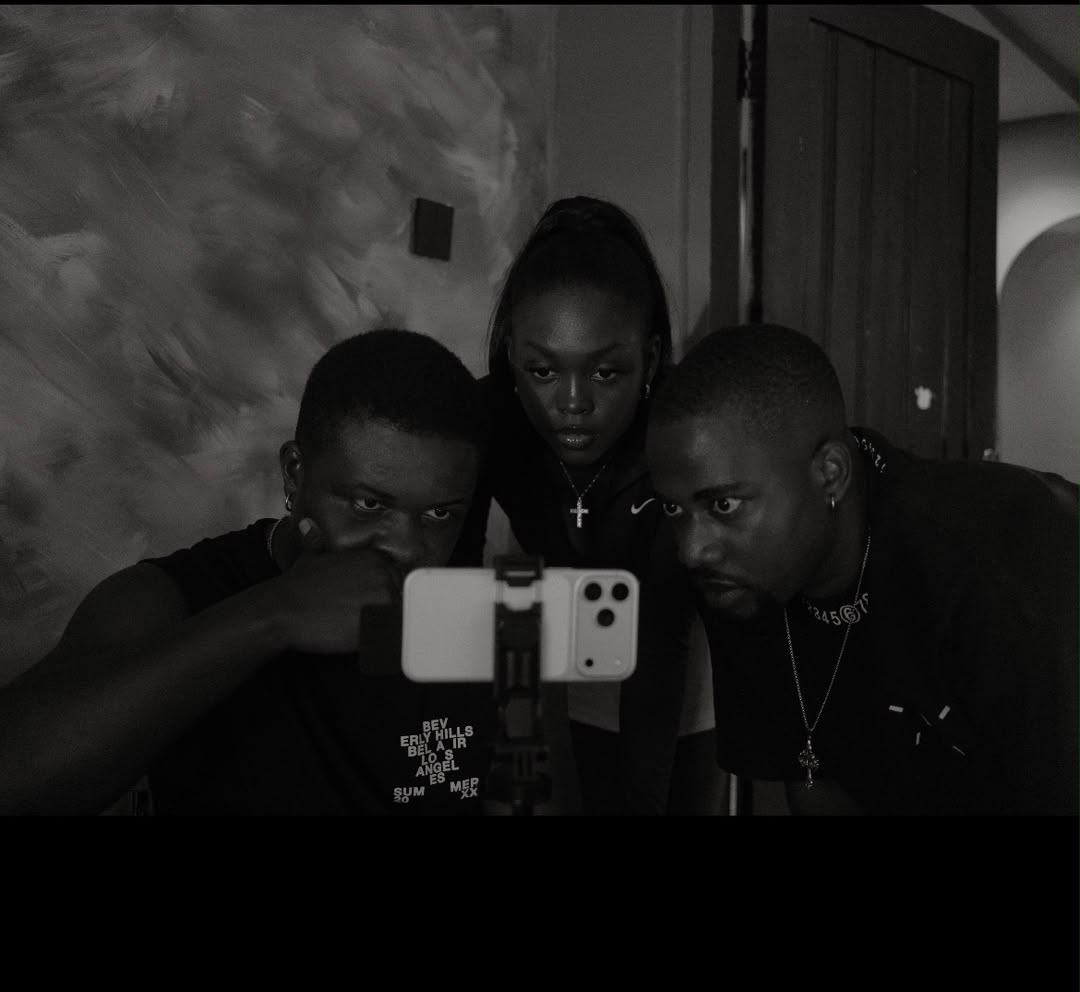
Narrative design is my way of artistically expressing where I think brands should be, part-time. What I mean by that is, at some point, I figured out that I happen to always know what people should be doing. People should be doing this, brands should be doing this, artists should be doing that,whoever should be doing this. And I realized that many times especially creative people need help with figuring out what they should be doing and how they should be perceived by the public. And that is what narrative design is. It’s intentionally and consciously designing perception. It is control. It is a very important art form. Like I said, as an artist, I am just expressing through different means when I have a client or when I’m working on designing narrative. That’s how I approach design. I am intentionally putting the pieces together from visuals to where a person is seen to the kind of words they say and the color of clothes they wear. It’s a very particular work and it ties into creative direction very easily because a lot of direction is needed for that to happen. So I think that even as human beings generally, we view things from perspectives of disciplines less and just approach life from a holistic point of view. Understanding that everything is art, even science is art because you’re piecing together things that did not exist before and creating them or building things that already existed into more. More beautiful and efficient statuses.

Narrative design can sound abstract to someone unfamiliar with it. How do you approach finding the heart of a creative project and can you walk me through an example of how that thinking shaped the final outcome?

 I will give you one example with a project I worked on lately. I think that something I prioritize is authenticity, so regardless of what brand, personality or company I’m working narrative design for, I always make sure to try to preserve the authenticity of that entity or moiety. Because I think it is easier for a person to just be themselves than try to be something else that, I don’t know, the public considers cool or acceptable. So all that my work involves is amplifying their authentic selves and presenting it in such a way that people get the message. It’s one thing to have a message, it’s another to present it in such a way that people want to listen. I could have a great message but have it presented poorly and you don’t want to hear me out. So my job is to get these messages to the right people in the way that they accept it. So be it through film, in my role as a creative director or journalism, writing, Pr or marketing, it reflects. At the end of the day, I am influencing thoughts using creativity. That’s how it ties.
You have described yourself as someone who can spend hours discussing music with friends. Do you remember the first album that made you want to talk about music?

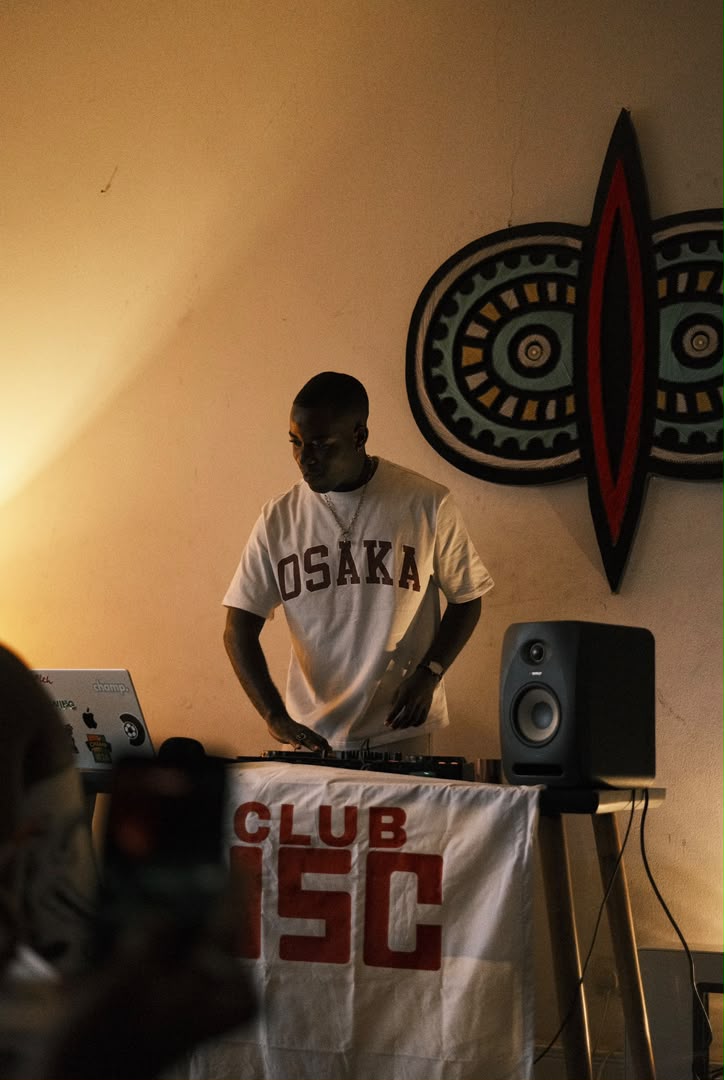
First  album? I can’t remember the first album because this has always been a path of me. But I know that a very remarkable landmark or reference point would be a song called Dear Hip Hop by Bizzle. He’s an American gospel rapper. It’s a song where he was rapping about Hip Hop culture and how it affected him as a person, blending that with spirituality and faith. It’s a very interesting song and I remember talking to everybody about it. And it’s so crazy because today I just go about telling people about music that I love. That’s more than half of my deal. And that’s why my friends and I started Disc Club which is an album club that creates a space where people who are like me, other people who care about music as much as I do and just want to talk about it, can come together and do that.

⁠When people listen to the same album together, they can come away with different interpretations. Has Disc Club ever changed how you understood an album or taught you something about the way people experience music?

 I think people skip a lot while listening to music. First of all, a good majority of people don’t listen to music, they just hear the music. I don’t blame anybody because they probably do not care about music as much as people like me do. And that’s fine, they have other things they care about. For me, I’m obsessed with music so I’m listening to the lyrics, the melody, the instruments. And I don’t think it helps that I make music myself because it just makes me even more particular about the things I’m hearing and the world the artist is building, the stories the artist has to tell. The artist themselves what’s going on in their lives is part of the considerations that happen when I listen to them. And so this club is supposed to be the space where people who have similar considerations can share. So if I missed something’s about the lyrics that LimoBlaze or Destiny sings, someone else should be able to tell me “Oh did you hear Limo say this while he was singing”. That’s what the community is supposed to do.
Do you see a connection between connecting an artist’s story, designing how an audience encounters it and creating a space where listeners interpret the music for themselves?

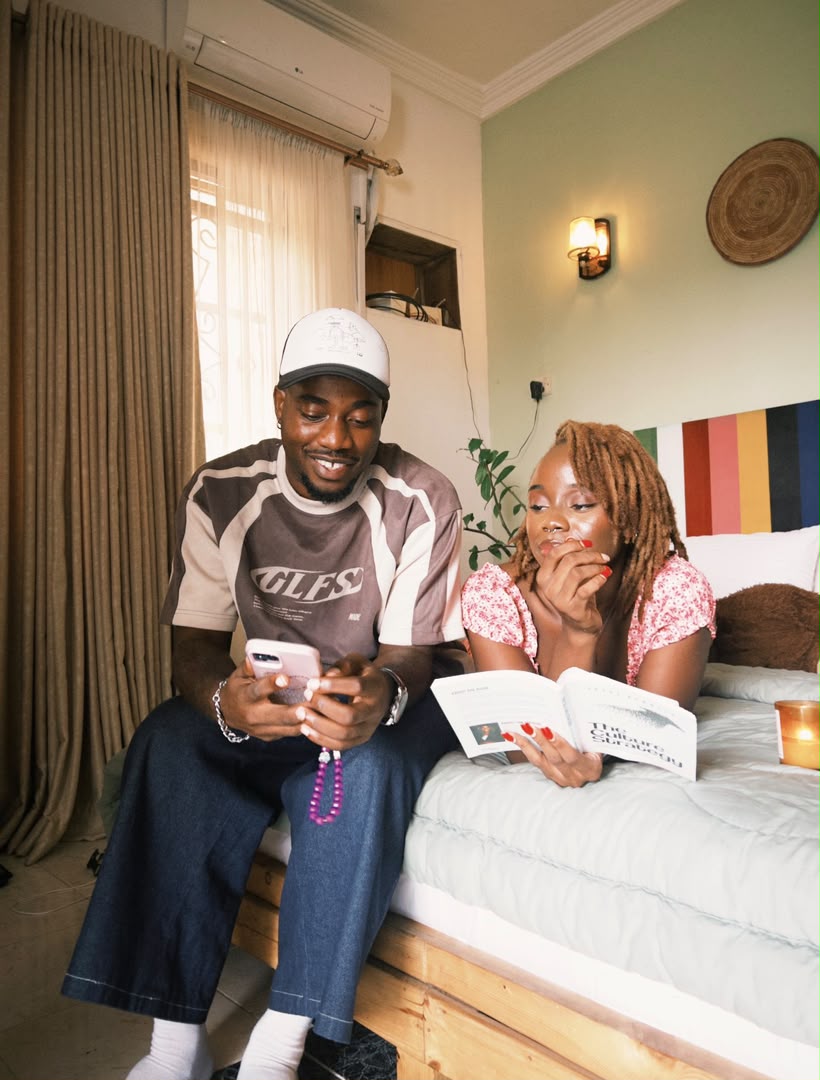
 Absolutely. Some Nights I dream of doors by Obongjayar was probably the second or third album that was studied at the club. And for me, that album has songs that makes me dance while some make me cry the first few times I listened to them. One of the song was Sweet Danger (was it Sweet Danger or Hold on, I don’t think it was Sweet). I think it was Sugar. Yes. And every time I listen to sugar, I would dance. At the club that day, we played sugar and someone was crying. It was so interesting to me because I was like “what’s there to cry about Sugar?”. 

And then I realized I never listened to the lyrics, I just reacted to the music the way it made me feel. For someone else, the same song could be experienced differently. So seeing him cry at the club made me go back to listen to the album and try to gut myself into the position that would make me understand why he cried and I cried. And you see that’s the beauty of human nature and life; because we have neurons in our brains that typically imitate what we’re seeing around us and a lot of the ways we appreciate art forms. For instance, I was watching The Mentalist on Netflix last month and I realized I started picking traits from the main character of the film. It’s really just because  these neurons  that  mimic the things that we see in art. And so seeing someone cry, made me cry by mimicking his neurons because I put myself in his place or what I thought was his place. And it still doesn’t make them fake. It just means we are walking bags of cultural influences.

This is literally the same thing for me when I listen to Remember by Asake. I used to listen to it like a normal song until Virtuousi started romanticizing the song and bo, I started to see it like a romantic song

And that’s the thing, it’s not a romantic song. We played it at the club last month and the reaction was priceless. The whole room went crazy. And that’s the thing with art, we interpret it differently just as we appreciate it.
What has building Disc Club taught you about music communities in Lagos and what would you like the club to become?

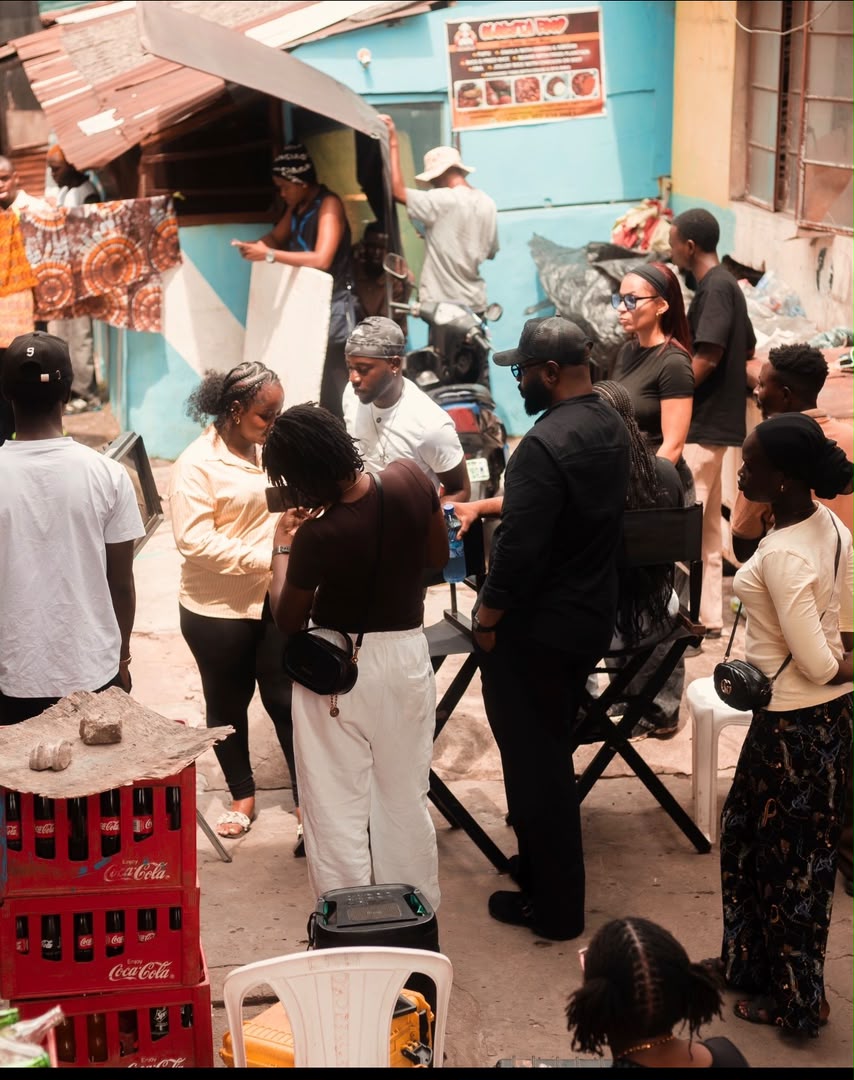
 One of the things we try to do with this club is create an environment where all these different things happen, where the artist shares with his fan base what was going through his mind when he was making the music and then having the fan base to listen to the music themselves and also have their own authentic, original reaction. Sometimes, we’ve noticed that what the artist is trying to communicate is not what they feel. I’ve also noticed that people feel exactly what the artist was trying to communicate and I don’t think either of them are good or bad. I just think it’s the dynamism of art. Many times, I’ve screened films, I remember a friend of mine, Ademola Falomo, he made a film called Flowers and the film is about grief. We played this film to an audience of about 100 people and they didn’t  pick up grief at the beginning. They saw an aesthetic film that looks good, that was shot in Spain, Barcelona. But when we let them know it was about grief and we played it again, the reaction was different. They began to see what it was about. So I think about the club, we’re trying to create an environment that is different, where the artist’s true intention is passed across to consumers.
 How do you choose albums for Disc club? What makes an album worth gathering around to listen to?

With art, it’s really hard to judge what is good or bad art because art is subjective. What defines my taste is different from others. So with the club, right off the bat , I knew it would not be about what I feel is iconic, someone else might not. So my friends and I decided that whatever makes the club has to be an album that could provoke an emotions. The emotion could be good or bad, could be happy or sad, loving or romantic. It could be anything, it just needs to provoke something in us. If it is strong enough to provoke an emotion, then it is good enough to be studied.

What has building Disc Club taught you about music communities in Lagos and what would you like the club to become?

I think for a long time, music communities in Lagos has been about music and other things. Music and film, music and food, music and fashion, music and a lot of other things. It’s almost never just music. With Disc Club, we decided to create a space that is entirely about music. For what I want Disc Club to become in five years, is a space that music lovers will consider a home. A non-judgmental space for people who just genuinely care about music and not feel out of place. A place where people can just nerd out about music and not feel out of place. And we hope to take this club outside of Lagos city—Barcelona, Europe, London, Paris, Madrid, New York City, everywhere.
⁠As Afrobeats continues to evolve, what do you hope your work leaves behind, not just for the artists and audiences you engage with but for how this era of Nigerian music will be remembered?

Information. I hope my work leaves information about what’s happening in my lifetime for future generations to come. I also want people to think about my work and think about freedom when it comes to creativity. To think of a guy that did not have limits when it comes to expressing himself and his God-given talents.

Throughout the conversation, Itty returns to the idea that creativity is also a way of preserving the present for the future. His work moves across journalism, film, PR, creative direction and music, but the intention remains connected: to tell stories, create room for different interpretations and leave behind information that others can build on. For Itty, the work is not about fitting into one discipline or one definition of an artist. It is about using every available form of expression freely and making sure the stories of this moment are not lost.

Cover Credit: Itty Okim
Beyond the Byline: Itty Okim

This is some text inside of a div block.

Creativity, for some people, is a career. For others, it is a way of seeing and interpreting the world. For Itohowo Okim, popularly known as Itty Okim, it is both. 

A creative director who works across PR and marketing, narrative design and filmmaking, Itty is also a pharmacist, a director at his agency, Spare Keys, and one of the minds behind Disc Club. His work moves across different disciplines, but is connected by one recurring interest: storytelling.

His journey has taken him from documenting the stories behind music as a journalist to helping artists, brands and creative projects shape how they are perceived. Through his work, he has explored the relationship between art, identity and culture, while building spaces that encourage people to engage more intentionally with the things they consume. One of these is Disc Club, an album-listening community created for people who want to do more than simply hear music.

At the centre of Itty’s creative philosophy is the belief that the work being made today will become part of how future generations understand us. Whether through journalism, film, creative direction or music conversations, he is interested in the stories we tell, the meaning people find in them and the information we leave behind.

 In this conversation with Deeds, Itty reflects on his evolving creative identity, the responsibility of documenting culture, the art of narrative design and his vision for building a home for music lovers.

Sussan for Deeds: For someone who has never discovered Itty Okim, how would you describe the person behind the name and the career?

 My name is Itohowo Okim. About describing the person behind the career, if you asked me this question a while ago, I would mumbo-jumbo about the words, right now I’d say I’m a creative. I am a creative director who dabbles in other aspects of PR and Marketing. I also run an album club, I am a narrative designer and I am a director at my agency, Spare Keys. It sounds like a lot but I feel all of these can be incorporated into creative direction because PR and Marketing as well as narrative direction fall under creative design. I am a pharmacist as well.

⁠You’ve written for OkayAfrica and The Guardian, profiled artists like Asake, Rema, Odumodu Blvck, BNXN, Ckay and Made Kuti while co-hosting The Baegist podcast. What draws you to stories behind the music, beyond the headline?

 As a journalist, given all the years I spent documenting, what drew me was the fact that I wanted to find out where the artist’s headspace was at when they make a music or what was happening in their lives because music is art.

Many times, the art makes sense because of the stories behind them. I think with journalism and the podcast that I run, Baegist, I was just basically trying to find the stories behind the music and get other people to hear those stories as well, the ones that couldn’t, like clearly be communicated through the music.

Afrobeat is often discussed through celebrity news, viral moments and industry rivalries. Do you think we’re documenting the culture as it is happening or merely reporting on its latest information?

I think that reporting is a part of documenting the way we should. It is not all of it but it is definitely part of it. I like to approach documenting through the lens of a philosophy or school of thought that I call “Dolly Zoom” philosophy. And what that philosophy does is, it views lives from the perspective of a number line. If you know what a number line is; it’s like a line that has numbers  from negative infinity to positive infinity. I’m talking from minus a thousand or minus infinity to plus infinity. So all the numbers are in the number line. I like to view life from that perspective in such a way, like thinking about our existence as just a point on the number line of life. So we’re not the first on earth. People existed before us. The earth has been here for about 4.5 billion years. Human beings or modern humans have been here for about 300,000 years. Those are different points on the number line. And we’re here today on our own point but we’re not the last people. I hope that we are not the last people to exist on it. More people will come after us. When we look at the spectrum, artists have a responsibility of documenting the point on the number line that they find themselves. When I say artists, I mean music artists, visual artists, filmmakers, dancers, writers, whatever form of art it is, because the truth is that, it is art we create in this point of our number line. In this point of life in general that people who come later can refer to. It is the art we make now that they refer to in the future. If you think about all the art, everything we know about the past is some form of art. It’s a writer writing, a singer singer, a dancer dancing, a filmmaker making film. We know the things that happened in the 1400s because somebody wrote about them. People only know what is happening in 2026 if writers are writing and musicians are making music while filmmakers are doing their thing. Do you get me? So yeah, the industry, the rivalry, the gossip, are parts of what is happening in our own point or the number line. So I think it is part of it, not the entirety of it. I think people who are documenting the culture go beyond the rivalries, gossip and clout. If you go into profiling people, getting stories of the everyday person, you are documenting so that the future is properly equipped. If they want a reference as to what the stakeholders were doing in 2026, they should be able to find it. And you see that nowadays, we have better mediums and media for documenting. We have the internet, we can make videos which is more realistic than just writing and less. We have everything it takes to equip the future with information and that’s what we should be doing.

Your approach to Afrobeats is described as telling stories like  folklore rather than gossip. Does that resonate with you and what does it mean to document a music culture in a way that preserves its history and context?

That’s what I said before. I don’t think it’s worth it, if we’re equipping the future with information, I think all we should be doing is pulling together for that, to be honest, because that’s how humanity’s intelligence improves. We are intelligent as we are at this moment because the people from the past kept preserving information for us and we are able to build on them. So if we are not giving the same or putting out the same kind of data for the future, then I don’t think there is a point.

You moved from documenting stories as a journalist to helping shape them through PR, creative direction and narrative design. How do these disciplines connect in your work?

 I think that trying to find a connection is just going to stress me out a lot, so I don’t try. I just do the work that I have to do. And I think I established a form, I consider myself an artist and all the things that I do as art forms and something that is typical to artists is evolution. The kind of art a person makes at the start of their journey is very different from the kind they make over the course of the years. And I’ve seen this evidence in my life. I think that a very good start of my artistic journey was journalism, profiling personalities I found interesting. Through the course of my evolution, I had to seek artist satisfaction from other mediums like filmmaking which is where I’m at right now, because journalism has me mastering my words and being able to convey my thoughts to work. And filmmaking is that. It involves me using words, it also give a me the opportunity to use light to tell even more compelling stories. The images in film, the people, they’re just light bending in interesting ways, so I think it’s special. I think it is a gift that I have been given to be able to tell important stories for the future and I’m capitalizing on that with PR.

Narrative design is my way of artistically expressing where I think brands should be, part-time. What I mean by that is, at some point, I figured out that I happen to always know what people should be doing. People should be doing this, brands should be doing this, artists should be doing that,whoever should be doing this. And I realized that many times especially creative people need help with figuring out what they should be doing and how they should be perceived by the public. And that is what narrative design is. It’s intentionally and consciously designing perception. It is control. It is a very important art form. Like I said, as an artist, I am just expressing through different means when I have a client or when I’m working on designing narrative. That’s how I approach design. I am intentionally putting the pieces together from visuals to where a person is seen to the kind of words they say and the color of clothes they wear. It’s a very particular work and it ties into creative direction very easily because a lot of direction is needed for that to happen. So I think that even as human beings generally, we view things from perspectives of disciplines less and just approach life from a holistic point of view. Understanding that everything is art, even science is art because you’re piecing together things that did not exist before and creating them or building things that already existed into more. More beautiful and efficient statuses.

Narrative design can sound abstract to someone unfamiliar with it. How do you approach finding the heart of a creative project and can you walk me through an example of how that thinking shaped the final outcome?

 I will give you one example with a project I worked on lately. I think that something I prioritize is authenticity, so regardless of what brand, personality or company I’m working narrative design for, I always make sure to try to preserve the authenticity of that entity or moiety. Because I think it is easier for a person to just be themselves than try to be something else that, I don’t know, the public considers cool or acceptable. So all that my work involves is amplifying their authentic selves and presenting it in such a way that people get the message. It’s one thing to have a message, it’s another to present it in such a way that people want to listen. I could have a great message but have it presented poorly and you don’t want to hear me out. So my job is to get these messages to the right people in the way that they accept it. So be it through film, in my role as a creative director or journalism, writing, Pr or marketing, it reflects. At the end of the day, I am influencing thoughts using creativity. That’s how it ties.

You have described yourself as someone who can spend hours discussing music with friends. Do you remember the first album that made you want to talk about music?

First  album? I can’t remember the first album because this has always been a path of me. But I know that a very remarkable landmark or reference point would be a song called Dear Hip Hop by Bizzle. He’s an American gospel rapper. It’s a song where he was rapping about Hip Hop culture and how it affected him as a person, blending that with spirituality and faith. It’s a very interesting song and I remember talking to everybody about it. And it’s so crazy because today I just go about telling people about music that I love. That’s more than half of my deal. And that’s why my friends and I started Disc Club which is an album club that creates a space where people who are like me, other people who care about music as much as I do and just want to talk about it, can come together and do that.

⁠When people listen to the same album together, they can come away with different interpretations. Has Disc Club ever changed how you understood an album or taught you something about the way people experience music?

 I think people skip a lot while listening to music. First of all, a good majority of people don’t listen to music, they just hear the music. I don’t blame anybody because they probably do not care about music as much as people like me do. And that’s fine, they have other things they care about. For me, I’m obsessed with music so I’m listening to the lyrics, the melody, the instruments. And I don’t think it helps that I make music myself because it just makes me even more particular about the things I’m hearing and the world the artist is building, the stories the artist has to tell. The artist themselves what’s going on in their lives is part of the considerations that happen when I listen to them. And so this club is supposed to be the space where people who have similar considerations can share. So if I missed something’s about the lyrics that LimoBlaze or Destiny sings, someone else should be able to tell me “Oh did you hear Limo say this while he was singing”. That’s what the community is supposed to do.

Do you see a connection between connecting an artist’s story, designing how an audience encounters it and creating a space where listeners interpret the music for themselves?

 Absolutely. Some Nights I dream of doors by Obongjayar was probably the second or third album that was studied at the club. And for me, that album has songs that makes me dance while some make me cry the first few times I listened to them. One of the song was Sweet Danger (was it Sweet Danger or Hold on, I don’t think it was Sweet). I think it was Sugar. Yes. And every time I listen to sugar, I would dance. At the club that day, we played sugar and someone was crying. It was so interesting to me because I was like “what’s there to cry about Sugar?”. 

And then I realized I never listened to the lyrics, I just reacted to the music the way it made me feel. For someone else, the same song could be experienced differently. So seeing him cry at the club made me go back to listen to the album and try to gut myself into the position that would make me understand why he cried and I cried. And you see that’s the beauty of human nature and life; because we have neurons in our brains that typically imitate what we’re seeing around us and a lot of the ways we appreciate art forms. For instance, I was watching The Mentalist on Netflix last month and I realized I started picking traits from the main character of the film. It’s really just because  these neurons  that  mimic the things that we see in art. And so seeing someone cry, made me cry by mimicking his neurons because I put myself in his place or what I thought was his place. And it still doesn’t make them fake. It just means we are walking bags of cultural influences.

This is literally the same thing for me when I listen to Remember by Asake. I used to listen to it like a normal song until Virtuousi started romanticizing the song and bo, I started to see it like a romantic song

And that’s the thing, it’s not a romantic song. We played it at the club last month and the reaction was priceless. The whole room went crazy. And that’s the thing with art, we interpret it differently just as we appreciate it.

What has building Disc Club taught you about music communities in Lagos and what would you like the club to become?

 One of the things we try to do with this club is create an environment where all these different things happen, where the artist shares with his fan base what was going through his mind when he was making the music and then having the fan base to listen to the music themselves and also have their own authentic, original reaction. Sometimes, we’ve noticed that what the artist is trying to communicate is not what they feel. I’ve also noticed that people feel exactly what the artist was trying to communicate and I don’t think either of them are good or bad. I just think it’s the dynamism of art. Many times, I’ve screened films, I remember a friend of mine, Ademola Falomo, he made a film called Flowers and the film is about grief. We played this film to an audience of about 100 people and they didn’t  pick up grief at the beginning. They saw an aesthetic film that looks good, that was shot in Spain, Barcelona. But when we let them know it was about grief and we played it again, the reaction was different. They began to see what it was about. So I think about the club, we’re trying to create an environment that is different, where the artist’s true intention is passed across to consumers.

 How do you choose albums for Disc club? What makes an album worth gathering around to listen to?

With art, it’s really hard to judge what is good or bad art because art is subjective. What defines my taste is different from others. So with the club, right off the bat , I knew it would not be about what I feel is iconic, someone else might not. So my friends and I decided that whatever makes the club has to be an album that could provoke an emotions. The emotion could be good or bad, could be happy or sad, loving or romantic. It could be anything, it just needs to provoke something in us. If it is strong enough to provoke an emotion, then it is good enough to be studied.

What has building Disc Club taught you about music communities in Lagos and what would you like the club to become?

I think for a long time, music communities in Lagos has been about music and other things. Music and film, music and food, music and fashion, music and a lot of other things. It’s almost never just music. With Disc Club, we decided to create a space that is entirely about music. For what I want Disc Club to become in five years, is a space that music lovers will consider a home. A non-judgmental space for people who just genuinely care about music and not feel out of place. A place where people can just nerd out about music and not feel out of place. And we hope to take this club outside of Lagos city—Barcelona, Europe, London, Paris, Madrid, New York City, everywhere.

⁠As Afrobeats continues to evolve, what do you hope your work leaves behind, not just for the artists and audiences you engage with but for how this era of Nigerian music will be remembered?

Information. I hope my work leaves information about what’s happening in my lifetime for future generations to come. I also want people to think about my work and think about freedom when it comes to creativity. To think of a guy that did not have limits when it comes to expressing himself and his God-given talents.

Throughout the conversation, Itty returns to the idea that creativity is also a way of preserving the present for the future. His work moves across journalism, film, PR, creative direction and music, but the intention remains connected: to tell stories, create room for different interpretations and leave behind information that others can build on. For Itty, the work is not about fitting into one discipline or one definition of an artist. It is about using every available form of expression freely and making sure the stories of this moment are not lost.

Cover Credit: Itty Okim
This is some text inside of a div block.

Beyond the Byline: Itty Okim

Creativity, for some people, is a career. For others, it is a way of seeing and interpreting the world. For Itohowo Okim, popularly known as Itty Okim, it is both. 

A creative director who works across PR and marketing, narrative design and filmmaking, Itty is also a pharmacist, a director at his agency, Spare Keys, and one of the minds behind Disc Club. His work moves across different disciplines, but is connected by one recurring interest: storytelling.

His journey has taken him from documenting the stories behind music as a journalist to helping artists, brands and creative projects shape how they are perceived. Through his work, he has explored the relationship between art, identity and culture, while building spaces that encourage people to engage more intentionally with the things they consume. One of these is Disc Club, an album-listening community created for people who want to do more than simply hear music.

At the centre of Itty’s creative philosophy is the belief that the work being made today will become part of how future generations understand us. Whether through journalism, film, creative direction or music conversations, he is interested in the stories we tell, the meaning people find in them and the information we leave behind.

 In this conversation with Deeds, Itty reflects on his evolving creative identity, the responsibility of documenting culture, the art of narrative design and his vision for building a home for music lovers.

Sussan for Deeds: For someone who has never discovered Itty Okim, how would you describe the person behind the name and the career?

 My name is Itohowo Okim. About describing the person behind the career, if you asked me this question a while ago, I would mumbo-jumbo about the words, right now I’d say I’m a creative. I am a creative director who dabbles in other aspects of PR and Marketing. I also run an album club, I am a narrative designer and I am a director at my agency, Spare Keys. It sounds like a lot but I feel all of these can be incorporated into creative direction because PR and Marketing as well as narrative direction fall under creative design. I am a pharmacist as well.

⁠You’ve written for OkayAfrica and The Guardian, profiled artists like Asake, Rema, Odumodu Blvck, BNXN, Ckay and Made Kuti while co-hosting The Baegist podcast. What draws you to stories behind the music, beyond the headline?

 As a journalist, given all the years I spent documenting, what drew me was the fact that I wanted to find out where the artist’s headspace was at when they make a music or what was happening in their lives because music is art.

Many times, the art makes sense because of the stories behind them. I think with journalism and the podcast that I run, Baegist, I was just basically trying to find the stories behind the music and get other people to hear those stories as well, the ones that couldn’t, like clearly be communicated through the music.

Afrobeat is often discussed through celebrity news, viral moments and industry rivalries. Do you think we’re documenting the culture as it is happening or merely reporting on its latest information?

I think that reporting is a part of documenting the way we should. It is not all of it but it is definitely part of it. I like to approach documenting through the lens of a philosophy or school of thought that I call “Dolly Zoom” philosophy. And what that philosophy does is, it views lives from the perspective of a number line. If you know what a number line is; it’s like a line that has numbers  from negative infinity to positive infinity. I’m talking from minus a thousand or minus infinity to plus infinity. So all the numbers are in the number line. I like to view life from that perspective in such a way, like thinking about our existence as just a point on the number line of life. So we’re not the first on earth. People existed before us. The earth has been here for about 4.5 billion years. Human beings or modern humans have been here for about 300,000 years. Those are different points on the number line. And we’re here today on our own point but we’re not the last people. I hope that we are not the last people to exist on it. More people will come after us. When we look at the spectrum, artists have a responsibility of documenting the point on the number line that they find themselves. When I say artists, I mean music artists, visual artists, filmmakers, dancers, writers, whatever form of art it is, because the truth is that, it is art we create in this point of our number line. In this point of life in general that people who come later can refer to. It is the art we make now that they refer to in the future. If you think about all the art, everything we know about the past is some form of art. It’s a writer writing, a singer singer, a dancer dancing, a filmmaker making film. We know the things that happened in the 1400s because somebody wrote about them. People only know what is happening in 2026 if writers are writing and musicians are making music while filmmakers are doing their thing. Do you get me? So yeah, the industry, the rivalry, the gossip, are parts of what is happening in our own point or the number line. So I think it is part of it, not the entirety of it. I think people who are documenting the culture go beyond the rivalries, gossip and clout. If you go into profiling people, getting stories of the everyday person, you are documenting so that the future is properly equipped. If they want a reference as to what the stakeholders were doing in 2026, they should be able to find it. And you see that nowadays, we have better mediums and media for documenting. We have the internet, we can make videos which is more realistic than just writing and less. We have everything it takes to equip the future with information and that’s what we should be doing.

Your approach to Afrobeats is described as telling stories like  folklore rather than gossip. Does that resonate with you and what does it mean to document a music culture in a way that preserves its history and context?

That’s what I said before. I don’t think it’s worth it, if we’re equipping the future with information, I think all we should be doing is pulling together for that, to be honest, because that’s how humanity’s intelligence improves. We are intelligent as we are at this moment because the people from the past kept preserving information for us and we are able to build on them. So if we are not giving the same or putting out the same kind of data for the future, then I don’t think there is a point.

You moved from documenting stories as a journalist to helping shape them through PR, creative direction and narrative design. How do these disciplines connect in your work?

 I think that trying to find a connection is just going to stress me out a lot, so I don’t try. I just do the work that I have to do. And I think I established a form, I consider myself an artist and all the things that I do as art forms and something that is typical to artists is evolution. The kind of art a person makes at the start of their journey is very different from the kind they make over the course of the years. And I’ve seen this evidence in my life. I think that a very good start of my artistic journey was journalism, profiling personalities I found interesting. Through the course of my evolution, I had to seek artist satisfaction from other mediums like filmmaking which is where I’m at right now, because journalism has me mastering my words and being able to convey my thoughts to work. And filmmaking is that. It involves me using words, it also give a me the opportunity to use light to tell even more compelling stories. The images in film, the people, they’re just light bending in interesting ways, so I think it’s special. I think it is a gift that I have been given to be able to tell important stories for the future and I’m capitalizing on that with PR.

Narrative design is my way of artistically expressing where I think brands should be, part-time. What I mean by that is, at some point, I figured out that I happen to always know what people should be doing. People should be doing this, brands should be doing this, artists should be doing that,whoever should be doing this. And I realized that many times especially creative people need help with figuring out what they should be doing and how they should be perceived by the public. And that is what narrative design is. It’s intentionally and consciously designing perception. It is control. It is a very important art form. Like I said, as an artist, I am just expressing through different means when I have a client or when I’m working on designing narrative. That’s how I approach design. I am intentionally putting the pieces together from visuals to where a person is seen to the kind of words they say and the color of clothes they wear. It’s a very particular work and it ties into creative direction very easily because a lot of direction is needed for that to happen. So I think that even as human beings generally, we view things from perspectives of disciplines less and just approach life from a holistic point of view. Understanding that everything is art, even science is art because you’re piecing together things that did not exist before and creating them or building things that already existed into more. More beautiful and efficient statuses.

Narrative design can sound abstract to someone unfamiliar with it. How do you approach finding the heart of a creative project and can you walk me through an example of how that thinking shaped the final outcome?

 I will give you one example with a project I worked on lately. I think that something I prioritize is authenticity, so regardless of what brand, personality or company I’m working narrative design for, I always make sure to try to preserve the authenticity of that entity or moiety. Because I think it is easier for a person to just be themselves than try to be something else that, I don’t know, the public considers cool or acceptable. So all that my work involves is amplifying their authentic selves and presenting it in such a way that people get the message. It’s one thing to have a message, it’s another to present it in such a way that people want to listen. I could have a great message but have it presented poorly and you don’t want to hear me out. So my job is to get these messages to the right people in the way that they accept it. So be it through film, in my role as a creative director or journalism, writing, Pr or marketing, it reflects. At the end of the day, I am influencing thoughts using creativity. That’s how it ties.

You have described yourself as someone who can spend hours discussing music with friends. Do you remember the first album that made you want to talk about music?

First  album? I can’t remember the first album because this has always been a path of me. But I know that a very remarkable landmark or reference point would be a song called Dear Hip Hop by Bizzle. He’s an American gospel rapper. It’s a song where he was rapping about Hip Hop culture and how it affected him as a person, blending that with spirituality and faith. It’s a very interesting song and I remember talking to everybody about it. And it’s so crazy because today I just go about telling people about music that I love. That’s more than half of my deal. And that’s why my friends and I started Disc Club which is an album club that creates a space where people who are like me, other people who care about music as much as I do and just want to talk about it, can come together and do that.

⁠When people listen to the same album together, they can come away with different interpretations. Has Disc Club ever changed how you understood an album or taught you something about the way people experience music?

 I think people skip a lot while listening to music. First of all, a good majority of people don’t listen to music, they just hear the music. I don’t blame anybody because they probably do not care about music as much as people like me do. And that’s fine, they have other things they care about. For me, I’m obsessed with music so I’m listening to the lyrics, the melody, the instruments. And I don’t think it helps that I make music myself because it just makes me even more particular about the things I’m hearing and the world the artist is building, the stories the artist has to tell. The artist themselves what’s going on in their lives is part of the considerations that happen when I listen to them. And so this club is supposed to be the space where people who have similar considerations can share. So if I missed something’s about the lyrics that LimoBlaze or Destiny sings, someone else should be able to tell me “Oh did you hear Limo say this while he was singing”. That’s what the community is supposed to do.

Do you see a connection between connecting an artist’s story, designing how an audience encounters it and creating a space where listeners interpret the music for themselves?

 Absolutely. Some Nights I dream of doors by Obongjayar was probably the second or third album that was studied at the club. And for me, that album has songs that makes me dance while some make me cry the first few times I listened to them. One of the song was Sweet Danger (was it Sweet Danger or Hold on, I don’t think it was Sweet). I think it was Sugar. Yes. And every time I listen to sugar, I would dance. At the club that day, we played sugar and someone was crying. It was so interesting to me because I was like “what’s there to cry about Sugar?”. 

And then I realized I never listened to the lyrics, I just reacted to the music the way it made me feel. For someone else, the same song could be experienced differently. So seeing him cry at the club made me go back to listen to the album and try to gut myself into the position that would make me understand why he cried and I cried. And you see that’s the beauty of human nature and life; because we have neurons in our brains that typically imitate what we’re seeing around us and a lot of the ways we appreciate art forms. For instance, I was watching The Mentalist on Netflix last month and I realized I started picking traits from the main character of the film. It’s really just because  these neurons  that  mimic the things that we see in art. And so seeing someone cry, made me cry by mimicking his neurons because I put myself in his place or what I thought was his place. And it still doesn’t make them fake. It just means we are walking bags of cultural influences.

This is literally the same thing for me when I listen to Remember by Asake. I used to listen to it like a normal song until Virtuousi started romanticizing the song and bo, I started to see it like a romantic song

And that’s the thing, it’s not a romantic song. We played it at the club last month and the reaction was priceless. The whole room went crazy. And that’s the thing with art, we interpret it differently just as we appreciate it.

What has building Disc Club taught you about music communities in Lagos and what would you like the club to become?

 One of the things we try to do with this club is create an environment where all these different things happen, where the artist shares with his fan base what was going through his mind when he was making the music and then having the fan base to listen to the music themselves and also have their own authentic, original reaction. Sometimes, we’ve noticed that what the artist is trying to communicate is not what they feel. I’ve also noticed that people feel exactly what the artist was trying to communicate and I don’t think either of them are good or bad. I just think it’s the dynamism of art. Many times, I’ve screened films, I remember a friend of mine, Ademola Falomo, he made a film called Flowers and the film is about grief. We played this film to an audience of about 100 people and they didn’t  pick up grief at the beginning. They saw an aesthetic film that looks good, that was shot in Spain, Barcelona. But when we let them know it was about grief and we played it again, the reaction was different. They began to see what it was about. So I think about the club, we’re trying to create an environment that is different, where the artist’s true intention is passed across to consumers.

 How do you choose albums for Disc club? What makes an album worth gathering around to listen to?

With art, it’s really hard to judge what is good or bad art because art is subjective. What defines my taste is different from others. So with the club, right off the bat , I knew it would not be about what I feel is iconic, someone else might not. So my friends and I decided that whatever makes the club has to be an album that could provoke an emotions. The emotion could be good or bad, could be happy or sad, loving or romantic. It could be anything, it just needs to provoke something in us. If it is strong enough to provoke an emotion, then it is good enough to be studied.

What has building Disc Club taught you about music communities in Lagos and what would you like the club to become?

I think for a long time, music communities in Lagos has been about music and other things. Music and film, music and food, music and fashion, music and a lot of other things. It’s almost never just music. With Disc Club, we decided to create a space that is entirely about music. For what I want Disc Club to become in five years, is a space that music lovers will consider a home. A non-judgmental space for people who just genuinely care about music and not feel out of place. A place where people can just nerd out about music and not feel out of place. And we hope to take this club outside of Lagos city—Barcelona, Europe, London, Paris, Madrid, New York City, everywhere.

⁠As Afrobeats continues to evolve, what do you hope your work leaves behind, not just for the artists and audiences you engage with but for how this era of Nigerian music will be remembered?

Information. I hope my work leaves information about what’s happening in my lifetime for future generations to come. I also want people to think about my work and think about freedom when it comes to creativity. To think of a guy that did not have limits when it comes to expressing himself and his God-given talents.

Throughout the conversation, Itty returns to the idea that creativity is also a way of preserving the present for the future. His work moves across journalism, film, PR, creative direction and music, but the intention remains connected: to tell stories, create room for different interpretations and leave behind information that others can build on. For Itty, the work is not about fitting into one discipline or one definition of an artist. It is about using every available form of expression freely and making sure the stories of this moment are not lost.

Cover Credit: Itty Okim
Other Stories
London
London
Lagos
London
Newyork
London
Shop
Join the community.
You are now subscribed to receive updates.
Oops! Something went wrong while submitting the form.
Subscribe