
Bien, Bien, BIEN!

Authored by

The tall, dark and talented Kenyan troubadour, Bien-Aimé Baraza, has spent more than two decades making music, first as a member of the widely acclaimed male quartet Sauti Sol and, more recently, as a solo artist. He has toured internationally -- even recently becoming the first Kenyan solo act to debut at Afro Nation Portugal --, built a catalogue that shaped contemporary Kenyan pop, and established himself as a songwriter whose work reaches beyond the borders of his home country. 

Now, with a new chapter of his solo career taking shape, the 38-year-old maestro is thinking beyond what he has already accomplished and towards what he can still do with the platform he has built.

Just this month, Bien became the first African artist signed to Atlanta-based Quality Control Music, the label behind acts including Migos, Lil Baby and Lil Yachty. The partnership arrives alongside the release of his new single, “I’ll Be Okay,” and ahead of his forthcoming album, Alusa Continua. It is a significant addition to a career that has already taken him across stages and audiences around the world. But the deal is not where his ambitions begin. It is another opportunity to pursue something he has been thinking about for years – how to make music from home heard on a global scale without losing what makes it Kenyan.

It is an interesting observation because Bien has never had a straightforward relationship with the idea of leaving Sauti Sol behind. When asked if audiences ever see him as an artist in his own right rather than as one of the group's four members, he pushes back against the premise.

Sauti Sol members from the left Bien, Polycarp Otieno (Fancy Fingers), Willis Chimano, & Savara | Photo by Frennie Shivambu/Gallo Images for Getty Images. 

“I don’t think they ever stopped seeing me as part of Sauti Sol,” he says. “For now, people still refer to me as Bien from Sauti Sol. You can’t just erase 22 years like that.”

There is no resentment in the admission. He considers the association an honour, a recognition of what he and his bandmates built together. They made albums, performed for audiences across different countries and helped establish a distinctly Kenyan presence in contemporary African pop. To pretend that history no longer matters would be to deny the very foundation on which his solo career stands.

Still, Bien recognises the change. People have watched him grow into an artist with a separate catalogue, collaborators and ambitions. He describes that evolution as a “metamorphosis to becoming Bien.” The process, however, has not required him to disown the person he was before.

Going solo did require a different kind of patience. After years of working within one of East Africa’s most established musical groups, Bien had to confront the possibility that some of the things he expected to achieve independently would take longer than he had imagined.

Photo Courtesy of Bien

“It showed me that I can start again,” he says. “It showed me that you can work on something and have your results in a lot of time.”

The experience also sharpened his appreciation for the people around him, particularly his wife and manager, Chiki Kuruka, and the team helping him navigate his career. More than anything, he describes the transition as a lesson in humility. Success with Sauti Sol had given him a certain perspective on what was possible; working independently reminded him that past achievements do not determine his future wins. 

He has not, however, approached the solo chapter as an opportunity to discard everything the group taught him. If anything, the structures that supported Sauti Sol have become more important. Working as a group meant coordinating schedules, managing responsibilities and building a team capable of sustaining the music beyond the people performing it. Those practices, he admits, remain central to his work.

“I don’t think there’s anything I had to unlearn,” he explains. “One thing that I learned from Sauti Sol is proper structure – how to have a team, how to build a good team around your art, and how to have structures as an artist.”

The relationship between the four Sauti Sol members has also survived the shift into separate careers. Their individual projects may have made their differences more visible, but the creative exchange continues. Bien still writes for his former bandmates, while they contribute to his work. Savara, for instance, writes and produces on Bien’s forthcoming album. “You can see Sauti Sol in all our work,” he says.

Songwriting, the part of his craft Bien returns to most readily, offers another way to understand his evolution from celebrity band member to solo superstar. Bien has watched the mechanics of popular music change over the years, from song structures to the subjects artists choose to explore. He has become increasingly interested in the way personal experiences can create a connection that extends far beyond the person who lived them. “The more specific you become about your personal life in your songs, the more it resonates with the world. It goes deeper.”

On how he approaches collaborations, Bien tells Deeds that he often looks for artists whose music he genuinely enjoys, but he is also interested in what happens when musicians with different sensibilities share a room. Sometimes the creative connection is there; sometimes it is not. “You can date someone and it’s bad. Sometimes you date someone and you marry them. It’s one of those things.”

For all the attention paid to individual careers and high-profile collaborations, Bien's ambitions are not limited to his own music. His work with Sauti Sol helped build an ecosystem around the group through Sol Generation and Sol Fest, creating opportunities for other musicians and investing in the experience of Kenyan audiences. He remains particularly proud of the emphasis on craft and development.

“The excellence of Sauti Sol is transferred to everybody who we work with – festival, label, publishing,” he says.

At Sol Fest, he explains, artists receive support beyond the opportunity to perform. The festival dresses the artists on its stage and invests in their development, with the aim of offering audiences an experience that meets international standards without surrendering its Kenyan identity. Sol Generation has also continued its artist-development work through Press Play, a programme that travels around the country. Bien teaches songwriting; Chimano works on styling and artist image; Savara and Polycarp teach production.

“We’ve always been very passionate about development,” he says. “Very, very passionate.”

That commitment sits alongside a broader frustration with the way East African music is positioned internationally. The region has its own musical histories, audiences and creative traditions, but global conversations about African music can flatten those distinctions into a handful of familiar categories. Bien wants East African artists to have more control over how their work is introduced to the world, and he believes that requires more than waiting for international attention to arrive.

He points to the way Nigerian artists have established themselves in markets around the world and how Congolese music has maintained a strong presence in Paris. East African artists, he argues, must be just as willing to leave familiar environments and seek out opportunities elsewhere. Diaspora communities often provide an initial audience for music travelling beyond its home market, but artists also need to build relationships in the places where they hope to be heard.

“Let’s take ourselves from comfortable spaces,” he says. “Go to studio sessions in London. Go to studio sessions in New York.”

His own experience performing internationally has reinforced the importance of craft. A live show, he says, earns respect through discipline: the time invested in choreography, the quality of the arrangements and the care taken to deliver a performance. Sauti Sol had already built a diverse international audience, but establishing himself as a solo performer means building that relationship again. 

The next stage of his career, then, is not simply about reaching more people. It is about what he can bring into the spaces he reaches. When Bien talks about going global, he thinks about the platforms where Kenyan and East African art could sit alongside work from artists the rest of the world already knows.

Photo Courtesy of Bien

“What’s unfinished for me now is being many firsts as a Kenyan musician,” he says.

He names NPR’s Tiny Desk, The Breakfast Club and The Daily Show as the kinds of platforms he wants to reach, not merely for the visibility they offer but for the opportunity to tell a fuller story about where he comes from. He wants Kenyan art to travel with its own context intact: the experiences, struggles, pain and joy of the people who make it.

“And use those platforms to tell people about the East African and Kenyan art,” he says. “But also the struggles of East African people in their minds and their pain and their joy. Put that in the music. Tell the world about it.”

Quality Control Music gives that ambition another possible route, but it does not define the ambition itself. Bien has already spent years taking Kenyan music to international audiences, first with Sauti Sol and then under his own name. What he wants now is to widen the possibilities for the music and the people behind it, to make the region harder to overlook and its stories harder to flatten into somebody else’s category.

He has no need to erase the years that came before to make that future his own. Sauti Sol remains part of the work, part of the discipline and part of the person he has become. The solo career is not a rejection of that history, but a continuation of it on different terms.

For Bien, the work is still unfinished. The next first is still waiting.

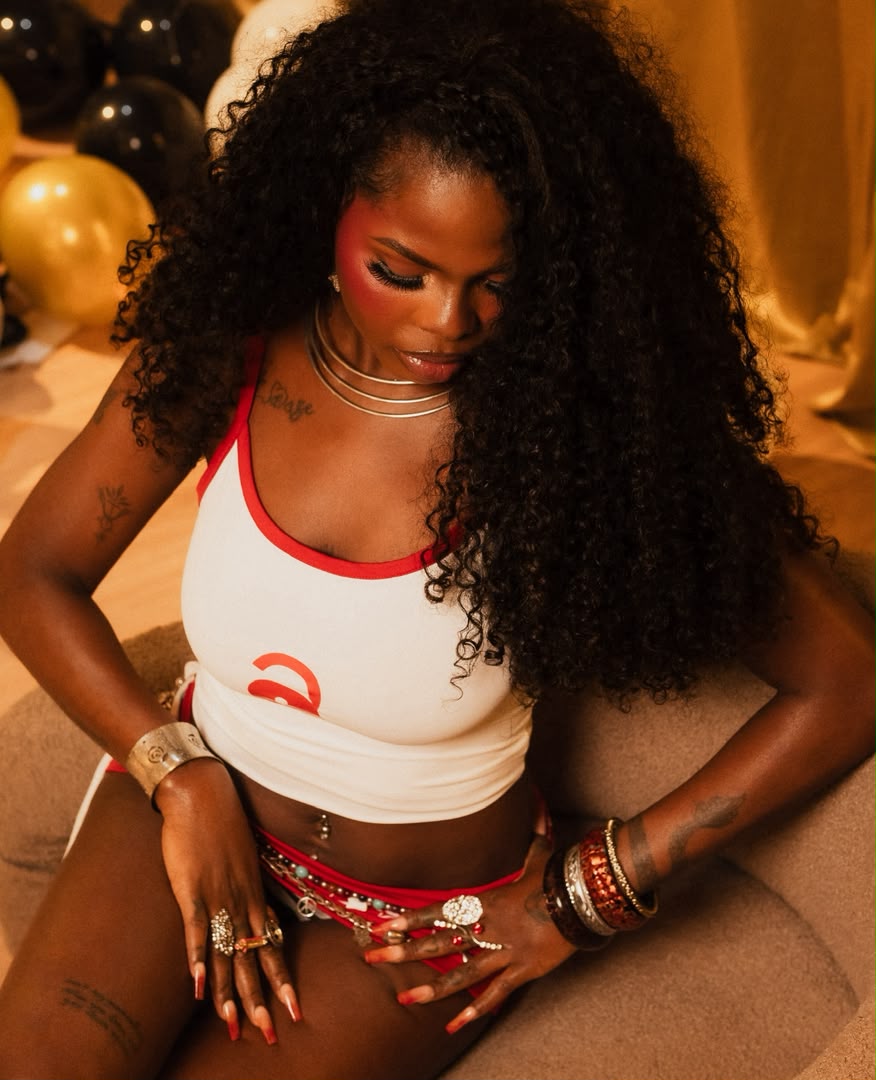
Cover Credit: Courtesy of Bien
‍

Bien, Bien, BIEN!

Authored by
This is some text inside of a div block.

The tall, dark and talented Kenyan troubadour, Bien-Aimé Baraza, has spent more than two decades making music, first as a member of the widely acclaimed male quartet Sauti Sol and, more recently, as a solo artist. He has toured internationally -- even recently becoming the first Kenyan solo act to debut at Afro Nation Portugal --, built a catalogue that shaped contemporary Kenyan pop, and established himself as a songwriter whose work reaches beyond the borders of his home country. 

Now, with a new chapter of his solo career taking shape, the 38-year-old maestro is thinking beyond what he has already accomplished and towards what he can still do with the platform he has built.

Just this month, Bien became the first African artist signed to Atlanta-based Quality Control Music, the label behind acts including Migos, Lil Baby and Lil Yachty. The partnership arrives alongside the release of his new single, “I’ll Be Okay,” and ahead of his forthcoming album, Alusa Continua. It is a significant addition to a career that has already taken him across stages and audiences around the world. But the deal is not where his ambitions begin. It is another opportunity to pursue something he has been thinking about for years – how to make music from home heard on a global scale without losing what makes it Kenyan.

It is an interesting observation because Bien has never had a straightforward relationship with the idea of leaving Sauti Sol behind. When asked if audiences ever see him as an artist in his own right rather than as one of the group's four members, he pushes back against the premise.

Sauti Sol members from the left Bien, Polycarp Otieno (Fancy Fingers), Willis Chimano, & Savara | Photo by Frennie Shivambu/Gallo Images for Getty Images. 

“I don’t think they ever stopped seeing me as part of Sauti Sol,” he says. “For now, people still refer to me as Bien from Sauti Sol. You can’t just erase 22 years like that.”

There is no resentment in the admission. He considers the association an honour, a recognition of what he and his bandmates built together. They made albums, performed for audiences across different countries and helped establish a distinctly Kenyan presence in contemporary African pop. To pretend that history no longer matters would be to deny the very foundation on which his solo career stands.

Still, Bien recognises the change. People have watched him grow into an artist with a separate catalogue, collaborators and ambitions. He describes that evolution as a “metamorphosis to becoming Bien.” The process, however, has not required him to disown the person he was before.

Going solo did require a different kind of patience. After years of working within one of East Africa’s most established musical groups, Bien had to confront the possibility that some of the things he expected to achieve independently would take longer than he had imagined.

Photo Courtesy of Bien

“It showed me that I can start again,” he says. “It showed me that you can work on something and have your results in a lot of time.”

The experience also sharpened his appreciation for the people around him, particularly his wife and manager, Chiki Kuruka, and the team helping him navigate his career. More than anything, he describes the transition as a lesson in humility. Success with Sauti Sol had given him a certain perspective on what was possible; working independently reminded him that past achievements do not determine his future wins. 

He has not, however, approached the solo chapter as an opportunity to discard everything the group taught him. If anything, the structures that supported Sauti Sol have become more important. Working as a group meant coordinating schedules, managing responsibilities and building a team capable of sustaining the music beyond the people performing it. Those practices, he admits, remain central to his work.

“I don’t think there’s anything I had to unlearn,” he explains. “One thing that I learned from Sauti Sol is proper structure – how to have a team, how to build a good team around your art, and how to have structures as an artist.”

The relationship between the four Sauti Sol members has also survived the shift into separate careers. Their individual projects may have made their differences more visible, but the creative exchange continues. Bien still writes for his former bandmates, while they contribute to his work. Savara, for instance, writes and produces on Bien’s forthcoming album. “You can see Sauti Sol in all our work,” he says.

Songwriting, the part of his craft Bien returns to most readily, offers another way to understand his evolution from celebrity band member to solo superstar. Bien has watched the mechanics of popular music change over the years, from song structures to the subjects artists choose to explore. He has become increasingly interested in the way personal experiences can create a connection that extends far beyond the person who lived them. “The more specific you become about your personal life in your songs, the more it resonates with the world. It goes deeper.”

On how he approaches collaborations, Bien tells Deeds that he often looks for artists whose music he genuinely enjoys, but he is also interested in what happens when musicians with different sensibilities share a room. Sometimes the creative connection is there; sometimes it is not. “You can date someone and it’s bad. Sometimes you date someone and you marry them. It’s one of those things.”

For all the attention paid to individual careers and high-profile collaborations, Bien's ambitions are not limited to his own music. His work with Sauti Sol helped build an ecosystem around the group through Sol Generation and Sol Fest, creating opportunities for other musicians and investing in the experience of Kenyan audiences. He remains particularly proud of the emphasis on craft and development.

“The excellence of Sauti Sol is transferred to everybody who we work with – festival, label, publishing,” he says.

At Sol Fest, he explains, artists receive support beyond the opportunity to perform. The festival dresses the artists on its stage and invests in their development, with the aim of offering audiences an experience that meets international standards without surrendering its Kenyan identity. Sol Generation has also continued its artist-development work through Press Play, a programme that travels around the country. Bien teaches songwriting; Chimano works on styling and artist image; Savara and Polycarp teach production.

“We’ve always been very passionate about development,” he says. “Very, very passionate.”

That commitment sits alongside a broader frustration with the way East African music is positioned internationally. The region has its own musical histories, audiences and creative traditions, but global conversations about African music can flatten those distinctions into a handful of familiar categories. Bien wants East African artists to have more control over how their work is introduced to the world, and he believes that requires more than waiting for international attention to arrive.

He points to the way Nigerian artists have established themselves in markets around the world and how Congolese music has maintained a strong presence in Paris. East African artists, he argues, must be just as willing to leave familiar environments and seek out opportunities elsewhere. Diaspora communities often provide an initial audience for music travelling beyond its home market, but artists also need to build relationships in the places where they hope to be heard.

“Let’s take ourselves from comfortable spaces,” he says. “Go to studio sessions in London. Go to studio sessions in New York.”

His own experience performing internationally has reinforced the importance of craft. A live show, he says, earns respect through discipline: the time invested in choreography, the quality of the arrangements and the care taken to deliver a performance. Sauti Sol had already built a diverse international audience, but establishing himself as a solo performer means building that relationship again. 

The next stage of his career, then, is not simply about reaching more people. It is about what he can bring into the spaces he reaches. When Bien talks about going global, he thinks about the platforms where Kenyan and East African art could sit alongside work from artists the rest of the world already knows.

Photo Courtesy of Bien

“What’s unfinished for me now is being many firsts as a Kenyan musician,” he says.

He names NPR’s Tiny Desk, The Breakfast Club and The Daily Show as the kinds of platforms he wants to reach, not merely for the visibility they offer but for the opportunity to tell a fuller story about where he comes from. He wants Kenyan art to travel with its own context intact: the experiences, struggles, pain and joy of the people who make it.

“And use those platforms to tell people about the East African and Kenyan art,” he says. “But also the struggles of East African people in their minds and their pain and their joy. Put that in the music. Tell the world about it.”

Quality Control Music gives that ambition another possible route, but it does not define the ambition itself. Bien has already spent years taking Kenyan music to international audiences, first with Sauti Sol and then under his own name. What he wants now is to widen the possibilities for the music and the people behind it, to make the region harder to overlook and its stories harder to flatten into somebody else’s category.

He has no need to erase the years that came before to make that future his own. Sauti Sol remains part of the work, part of the discipline and part of the person he has become. The solo career is not a rejection of that history, but a continuation of it on different terms.

For Bien, the work is still unfinished. The next first is still waiting.

Cover Credit: Courtesy of Bien

‍

This is some text inside of a div block.

Bien, Bien, BIEN!

Authored by

The tall, dark and talented Kenyan troubadour, Bien-Aimé Baraza, has spent more than two decades making music, first as a member of the widely acclaimed male quartet Sauti Sol and, more recently, as a solo artist. He has toured internationally -- even recently becoming the first Kenyan solo act to debut at Afro Nation Portugal --, built a catalogue that shaped contemporary Kenyan pop, and established himself as a songwriter whose work reaches beyond the borders of his home country. 

Now, with a new chapter of his solo career taking shape, the 38-year-old maestro is thinking beyond what he has already accomplished and towards what he can still do with the platform he has built.

Just this month, Bien became the first African artist signed to Atlanta-based Quality Control Music, the label behind acts including Migos, Lil Baby and Lil Yachty. The partnership arrives alongside the release of his new single, “I’ll Be Okay,” and ahead of his forthcoming album, Alusa Continua. It is a significant addition to a career that has already taken him across stages and audiences around the world. But the deal is not where his ambitions begin. It is another opportunity to pursue something he has been thinking about for years – how to make music from home heard on a global scale without losing what makes it Kenyan.

It is an interesting observation because Bien has never had a straightforward relationship with the idea of leaving Sauti Sol behind. When asked if audiences ever see him as an artist in his own right rather than as one of the group's four members, he pushes back against the premise.

Sauti Sol members from the left Bien, Polycarp Otieno (Fancy Fingers), Willis Chimano, & Savara | Photo by Frennie Shivambu/Gallo Images for Getty Images. 

“I don’t think they ever stopped seeing me as part of Sauti Sol,” he says. “For now, people still refer to me as Bien from Sauti Sol. You can’t just erase 22 years like that.”

There is no resentment in the admission. He considers the association an honour, a recognition of what he and his bandmates built together. They made albums, performed for audiences across different countries and helped establish a distinctly Kenyan presence in contemporary African pop. To pretend that history no longer matters would be to deny the very foundation on which his solo career stands.

Still, Bien recognises the change. People have watched him grow into an artist with a separate catalogue, collaborators and ambitions. He describes that evolution as a “metamorphosis to becoming Bien.” The process, however, has not required him to disown the person he was before.

Going solo did require a different kind of patience. After years of working within one of East Africa’s most established musical groups, Bien had to confront the possibility that some of the things he expected to achieve independently would take longer than he had imagined.

Photo Courtesy of Bien

“It showed me that I can start again,” he says. “It showed me that you can work on something and have your results in a lot of time.”

The experience also sharpened his appreciation for the people around him, particularly his wife and manager, Chiki Kuruka, and the team helping him navigate his career. More than anything, he describes the transition as a lesson in humility. Success with Sauti Sol had given him a certain perspective on what was possible; working independently reminded him that past achievements do not determine his future wins. 

He has not, however, approached the solo chapter as an opportunity to discard everything the group taught him. If anything, the structures that supported Sauti Sol have become more important. Working as a group meant coordinating schedules, managing responsibilities and building a team capable of sustaining the music beyond the people performing it. Those practices, he admits, remain central to his work.

“I don’t think there’s anything I had to unlearn,” he explains. “One thing that I learned from Sauti Sol is proper structure – how to have a team, how to build a good team around your art, and how to have structures as an artist.”

The relationship between the four Sauti Sol members has also survived the shift into separate careers. Their individual projects may have made their differences more visible, but the creative exchange continues. Bien still writes for his former bandmates, while they contribute to his work. Savara, for instance, writes and produces on Bien’s forthcoming album. “You can see Sauti Sol in all our work,” he says.

Songwriting, the part of his craft Bien returns to most readily, offers another way to understand his evolution from celebrity band member to solo superstar. Bien has watched the mechanics of popular music change over the years, from song structures to the subjects artists choose to explore. He has become increasingly interested in the way personal experiences can create a connection that extends far beyond the person who lived them. “The more specific you become about your personal life in your songs, the more it resonates with the world. It goes deeper.”

On how he approaches collaborations, Bien tells Deeds that he often looks for artists whose music he genuinely enjoys, but he is also interested in what happens when musicians with different sensibilities share a room. Sometimes the creative connection is there; sometimes it is not. “You can date someone and it’s bad. Sometimes you date someone and you marry them. It’s one of those things.”

For all the attention paid to individual careers and high-profile collaborations, Bien's ambitions are not limited to his own music. His work with Sauti Sol helped build an ecosystem around the group through Sol Generation and Sol Fest, creating opportunities for other musicians and investing in the experience of Kenyan audiences. He remains particularly proud of the emphasis on craft and development.

“The excellence of Sauti Sol is transferred to everybody who we work with – festival, label, publishing,” he says.

At Sol Fest, he explains, artists receive support beyond the opportunity to perform. The festival dresses the artists on its stage and invests in their development, with the aim of offering audiences an experience that meets international standards without surrendering its Kenyan identity. Sol Generation has also continued its artist-development work through Press Play, a programme that travels around the country. Bien teaches songwriting; Chimano works on styling and artist image; Savara and Polycarp teach production.

“We’ve always been very passionate about development,” he says. “Very, very passionate.”

That commitment sits alongside a broader frustration with the way East African music is positioned internationally. The region has its own musical histories, audiences and creative traditions, but global conversations about African music can flatten those distinctions into a handful of familiar categories. Bien wants East African artists to have more control over how their work is introduced to the world, and he believes that requires more than waiting for international attention to arrive.

He points to the way Nigerian artists have established themselves in markets around the world and how Congolese music has maintained a strong presence in Paris. East African artists, he argues, must be just as willing to leave familiar environments and seek out opportunities elsewhere. Diaspora communities often provide an initial audience for music travelling beyond its home market, but artists also need to build relationships in the places where they hope to be heard.

“Let’s take ourselves from comfortable spaces,” he says. “Go to studio sessions in London. Go to studio sessions in New York.”

His own experience performing internationally has reinforced the importance of craft. A live show, he says, earns respect through discipline: the time invested in choreography, the quality of the arrangements and the care taken to deliver a performance. Sauti Sol had already built a diverse international audience, but establishing himself as a solo performer means building that relationship again. 

The next stage of his career, then, is not simply about reaching more people. It is about what he can bring into the spaces he reaches. When Bien talks about going global, he thinks about the platforms where Kenyan and East African art could sit alongside work from artists the rest of the world already knows.

Photo Courtesy of Bien

“What’s unfinished for me now is being many firsts as a Kenyan musician,” he says.

He names NPR’s Tiny Desk, The Breakfast Club and The Daily Show as the kinds of platforms he wants to reach, not merely for the visibility they offer but for the opportunity to tell a fuller story about where he comes from. He wants Kenyan art to travel with its own context intact: the experiences, struggles, pain and joy of the people who make it.

“And use those platforms to tell people about the East African and Kenyan art,” he says. “But also the struggles of East African people in their minds and their pain and their joy. Put that in the music. Tell the world about it.”

Quality Control Music gives that ambition another possible route, but it does not define the ambition itself. Bien has already spent years taking Kenyan music to international audiences, first with Sauti Sol and then under his own name. What he wants now is to widen the possibilities for the music and the people behind it, to make the region harder to overlook and its stories harder to flatten into somebody else’s category.

He has no need to erase the years that came before to make that future his own. Sauti Sol remains part of the work, part of the discipline and part of the person he has become. The solo career is not a rejection of that history, but a continuation of it on different terms.

For Bien, the work is still unfinished. The next first is still waiting.

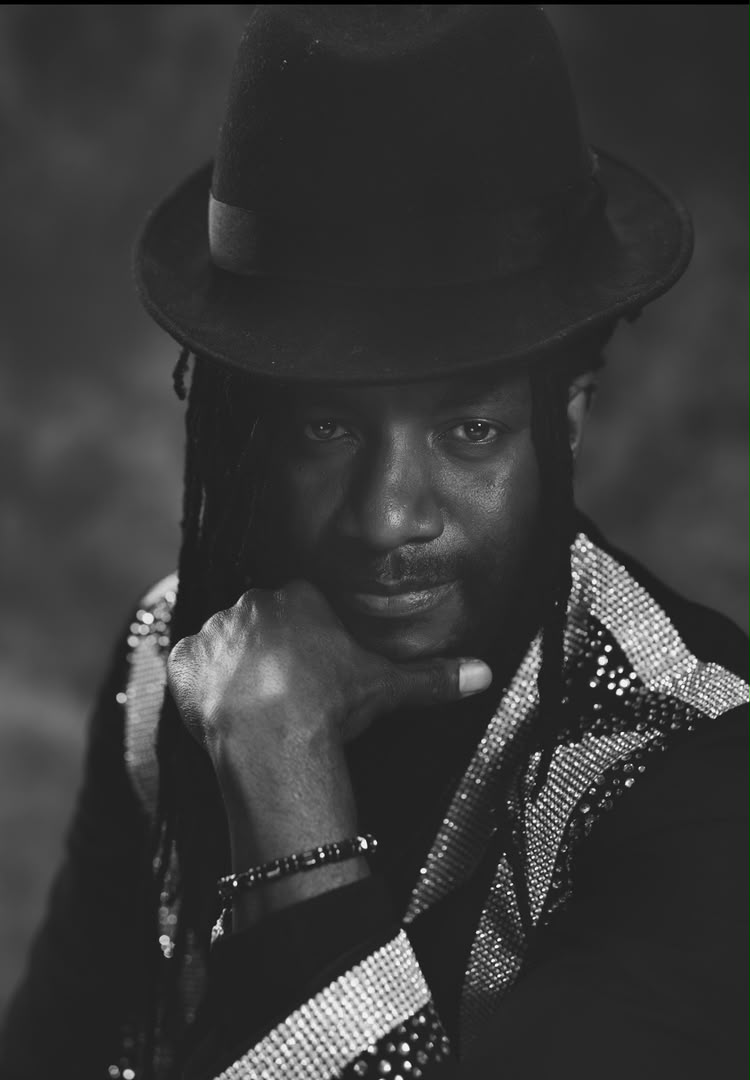
Cover Credit: Courtesy of Bien
‍

Other Stories
London
London
Lagos
London
Newyork
London
Shop
Join the community.
You are now subscribed to receive updates.
Oops! Something went wrong while submitting the form.
Subscribe