Color Endures: The Vibrant Collision of Fashion, Art, and Culture in Harlem’s Malcolm Shabazz Market

In a world where consumerism feels increasingly impersonal, markets remain among the last places where exchange is human. In the United States, retail spaces are often streamlined and saturated with advertising, selling an idea as much as a product. The goal is mass satisfaction rather than breathtaking creation. African markets operate differently. They are not just sites of transaction; they are sites of memory, craft, and cultural continuity. Each item carries the imprint of hands that made it, histories that shaped it, and communities that sustain it. 

The Malcolm Shabazz Harlem Market is one of those rare spaces. It has long served as a cultural artery connecting Africa to the African diaspora in New York. Opened in the 1990s, the market was founded by Masjid Malcolm Shabazz in response to former Mayor Rudy Giuliani’s campaign to remove sidewalk vendors from 125th Street, the majority of whom were new immigrants. Since then, it has served as more than a shopping destination—a meeting ground, a living archive, a celebration of African presence in a neighborhood globally recognized as a Black cultural capital. As the market prepares to shut its doors, its absence threatens to leave behind more than empty stalls; it risks erasing a tactile connection to African heritage in Harlem’s daily life. 

Walking through the market, color announces itself first. Rich indigos, sun-warmed oranges, deep crimsons, electric yellows. These hues were not chosen for mass appeal. They are unapologetic, intentional, and alive. In contrast to a world that often feels gray and digitally saturated, these fabrics offer brightness as resistance, as adornment, as declaration. 

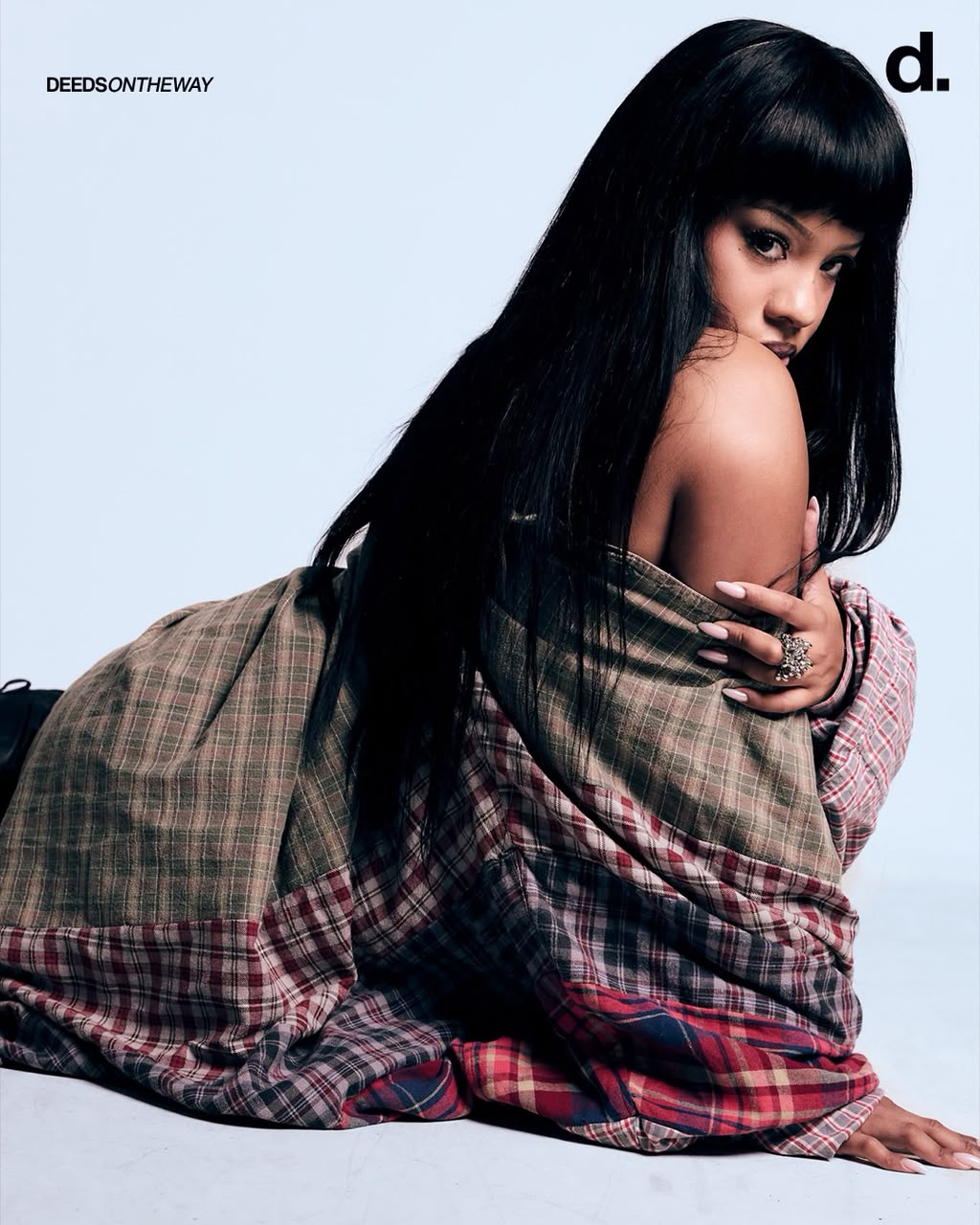
African textiles are never just decorative. From Kente to Ankara, from mud cloth to Adire; each fabric holds symbolism, regional specificity, and meaning. Patterns speak to lineage, spirituality, celebration, and survival. When worn, they communicate identity. In a high fashion context, these textiles do not lose power. Instead, they expand it, occupying spaces that have historically excluded them, asserting that African design is not a trend but a foundation. 

The proximity between maker and wearer is deeply personal. There is no separation from the origin by layers of branding or corporate distance. You can speak to the vendor, learn where the fabric comes from, how it is worn and why it matters. You can find a garment made with passion rather than a calculated trend cycle. This intimacy reshapes consumerism into cultural exchange. In contrast, many US retail spaces function as visual noise, billboards disguised as storefronts selling desire without depth. Here, you are invited to slow down, to touch, to feel. 

Harlem has long been a sanctuary for Black expression, creativity, and political thought. The Malcolm Shabazz Market fits seamlessly into that legacy. It reflects Harlem’s diasporic identity, where Africa is not a distant concept but a living influence. For many, it is a first encounter with the textures, colors, and craftsmanship of the continent right in the heart of New York City. 

Fashion in this space becomes storytelling. The garments move differently because they carry weight in their history, pride, and intention. Styled against an urban backdrop, the contrast is striking. Ancestral fabrics are set against concrete, and tradition is illuminated under city light. The message is clear: African culture does not exist in the past. It adapts, travels, and thrives.

Markets like the Malcolm Shabazz market matter because they allow for culture to be experienced, not archived. They offer an alternative to hollow consumption and remind us of all the things that can still feel sacred, communal, and alive. In the brightness of these fabrics, there is warmth. In their patterns, there is memory. In their presence here in Harlem, there is proof that even in a dark world, color endures.
Color Endures: The Vibrant Collision of Fashion, Art, and Culture in Harlem’s Malcolm Shabazz Market

This is some text inside of a div block.

In a world where consumerism feels increasingly impersonal, markets remain among the last places where exchange is human. In the United States, retail spaces are often streamlined and saturated with advertising, selling an idea as much as a product. The goal is mass satisfaction rather than breathtaking creation. African markets operate differently. They are not just sites of transaction; they are sites of memory, craft, and cultural continuity. Each item carries the imprint of hands that made it, histories that shaped it, and communities that sustain it. 

The Malcolm Shabazz Harlem Market is one of those rare spaces. It has long served as a cultural artery connecting Africa to the African diaspora in New York. Opened in the 1990s, the market was founded by Masjid Malcolm Shabazz in response to former Mayor Rudy Giuliani’s campaign to remove sidewalk vendors from 125th Street, the majority of whom were new immigrants. Since then, it has served as more than a shopping destination—a meeting ground, a living archive, a celebration of African presence in a neighborhood globally recognized as a Black cultural capital. As the market prepares to shut its doors, its absence threatens to leave behind more than empty stalls; it risks erasing a tactile connection to African heritage in Harlem’s daily life. 

Walking through the market, color announces itself first. Rich indigos, sun-warmed oranges, deep crimsons, electric yellows. These hues were not chosen for mass appeal. They are unapologetic, intentional, and alive. In contrast to a world that often feels gray and digitally saturated, these fabrics offer brightness as resistance, as adornment, as declaration. 

African textiles are never just decorative. From Kente to Ankara, from mud cloth to Adire; each fabric holds symbolism, regional specificity, and meaning. Patterns speak to lineage, spirituality, celebration, and survival. When worn, they communicate identity. In a high fashion context, these textiles do not lose power. Instead, they expand it, occupying spaces that have historically excluded them, asserting that African design is not a trend but a foundation. 

The proximity between maker and wearer is deeply personal. There is no separation from the origin by layers of branding or corporate distance. You can speak to the vendor, learn where the fabric comes from, how it is worn and why it matters. You can find a garment made with passion rather than a calculated trend cycle. This intimacy reshapes consumerism into cultural exchange. In contrast, many US retail spaces function as visual noise, billboards disguised as storefronts selling desire without depth. Here, you are invited to slow down, to touch, to feel. 

Harlem has long been a sanctuary for Black expression, creativity, and political thought. The Malcolm Shabazz Market fits seamlessly into that legacy. It reflects Harlem’s diasporic identity, where Africa is not a distant concept but a living influence. For many, it is a first encounter with the textures, colors, and craftsmanship of the continent right in the heart of New York City. 

Fashion in this space becomes storytelling. The garments move differently because they carry weight in their history, pride, and intention. Styled against an urban backdrop, the contrast is striking. Ancestral fabrics are set against concrete, and tradition is illuminated under city light. The message is clear: African culture does not exist in the past. It adapts, travels, and thrives.

Markets like the Malcolm Shabazz market matter because they allow for culture to be experienced, not archived. They offer an alternative to hollow consumption and remind us of all the things that can still feel sacred, communal, and alive. In the brightness of these fabrics, there is warmth. In their patterns, there is memory. In their presence here in Harlem, there is proof that even in a dark world, color endures.

This is some text inside of a div block.

Color Endures: The Vibrant Collision of Fashion, Art, and Culture in Harlem’s Malcolm Shabazz Market

In a world where consumerism feels increasingly impersonal, markets remain among the last places where exchange is human. In the United States, retail spaces are often streamlined and saturated with advertising, selling an idea as much as a product. The goal is mass satisfaction rather than breathtaking creation. African markets operate differently. They are not just sites of transaction; they are sites of memory, craft, and cultural continuity. Each item carries the imprint of hands that made it, histories that shaped it, and communities that sustain it. 

The Malcolm Shabazz Harlem Market is one of those rare spaces. It has long served as a cultural artery connecting Africa to the African diaspora in New York. Opened in the 1990s, the market was founded by Masjid Malcolm Shabazz in response to former Mayor Rudy Giuliani’s campaign to remove sidewalk vendors from 125th Street, the majority of whom were new immigrants. Since then, it has served as more than a shopping destination—a meeting ground, a living archive, a celebration of African presence in a neighborhood globally recognized as a Black cultural capital. As the market prepares to shut its doors, its absence threatens to leave behind more than empty stalls; it risks erasing a tactile connection to African heritage in Harlem’s daily life. 

Walking through the market, color announces itself first. Rich indigos, sun-warmed oranges, deep crimsons, electric yellows. These hues were not chosen for mass appeal. They are unapologetic, intentional, and alive. In contrast to a world that often feels gray and digitally saturated, these fabrics offer brightness as resistance, as adornment, as declaration. 

African textiles are never just decorative. From Kente to Ankara, from mud cloth to Adire; each fabric holds symbolism, regional specificity, and meaning. Patterns speak to lineage, spirituality, celebration, and survival. When worn, they communicate identity. In a high fashion context, these textiles do not lose power. Instead, they expand it, occupying spaces that have historically excluded them, asserting that African design is not a trend but a foundation. 

The proximity between maker and wearer is deeply personal. There is no separation from the origin by layers of branding or corporate distance. You can speak to the vendor, learn where the fabric comes from, how it is worn and why it matters. You can find a garment made with passion rather than a calculated trend cycle. This intimacy reshapes consumerism into cultural exchange. In contrast, many US retail spaces function as visual noise, billboards disguised as storefronts selling desire without depth. Here, you are invited to slow down, to touch, to feel. 

Harlem has long been a sanctuary for Black expression, creativity, and political thought. The Malcolm Shabazz Market fits seamlessly into that legacy. It reflects Harlem’s diasporic identity, where Africa is not a distant concept but a living influence. For many, it is a first encounter with the textures, colors, and craftsmanship of the continent right in the heart of New York City. 

Fashion in this space becomes storytelling. The garments move differently because they carry weight in their history, pride, and intention. Styled against an urban backdrop, the contrast is striking. Ancestral fabrics are set against concrete, and tradition is illuminated under city light. The message is clear: African culture does not exist in the past. It adapts, travels, and thrives.

Markets like the Malcolm Shabazz market matter because they allow for culture to be experienced, not archived. They offer an alternative to hollow consumption and remind us of all the things that can still feel sacred, communal, and alive. In the brightness of these fabrics, there is warmth. In their patterns, there is memory. In their presence here in Harlem, there is proof that even in a dark world, color endures.

Other Stories
London
London
Lagos
London
Newyork
London
Shop
Join the community.
You are now subscribed to receive updates.
Oops! Something went wrong while submitting the form.