In Harmony: The Art of Collaboration In Music.

The first time African music conquered the world, Africa barely got the credit.

Long before streaming platforms renamed playlists as “Afrobeats essential” and global superstars scrambled for Lagos features, African sounds had already been circulating through Western pop music like ghosts without passports in the early 1980s-2000s.  From polyrhythms bedded in discos and dance halls to the unmistakable bounce of Afrobeats-inspired percussion in mainstream pop music, African music was consumed as texture rather than authorship. It’s in the log drums under Drake’s “One Dance”, the Afroswing percussion driving Beyoncé’s “Already” and the talking drum patterns in Rihanna’s “Work”, all of which are global hits where African sonic fingerprints are clear but the African creator was footnoted. 

What is different in today’s soundscape now  is the audience’s ability to place African sounds back to their source. Streaming platforms flattened geography, and social media weakened the old gatekeepers  that once filtered African music through Western approval first. Those gatekeepers were label executives, radio programmers and media outlets that controlled global distribution and narratives, therefore letting African artists reach audiences directly and forcing the industry to meet them on their terms.

African artists no longer appear  as anonymous inspiration buried inside global pop records; they are arriving as visible collaborators, charting acts, Grammy winners and industry powerhouses. 
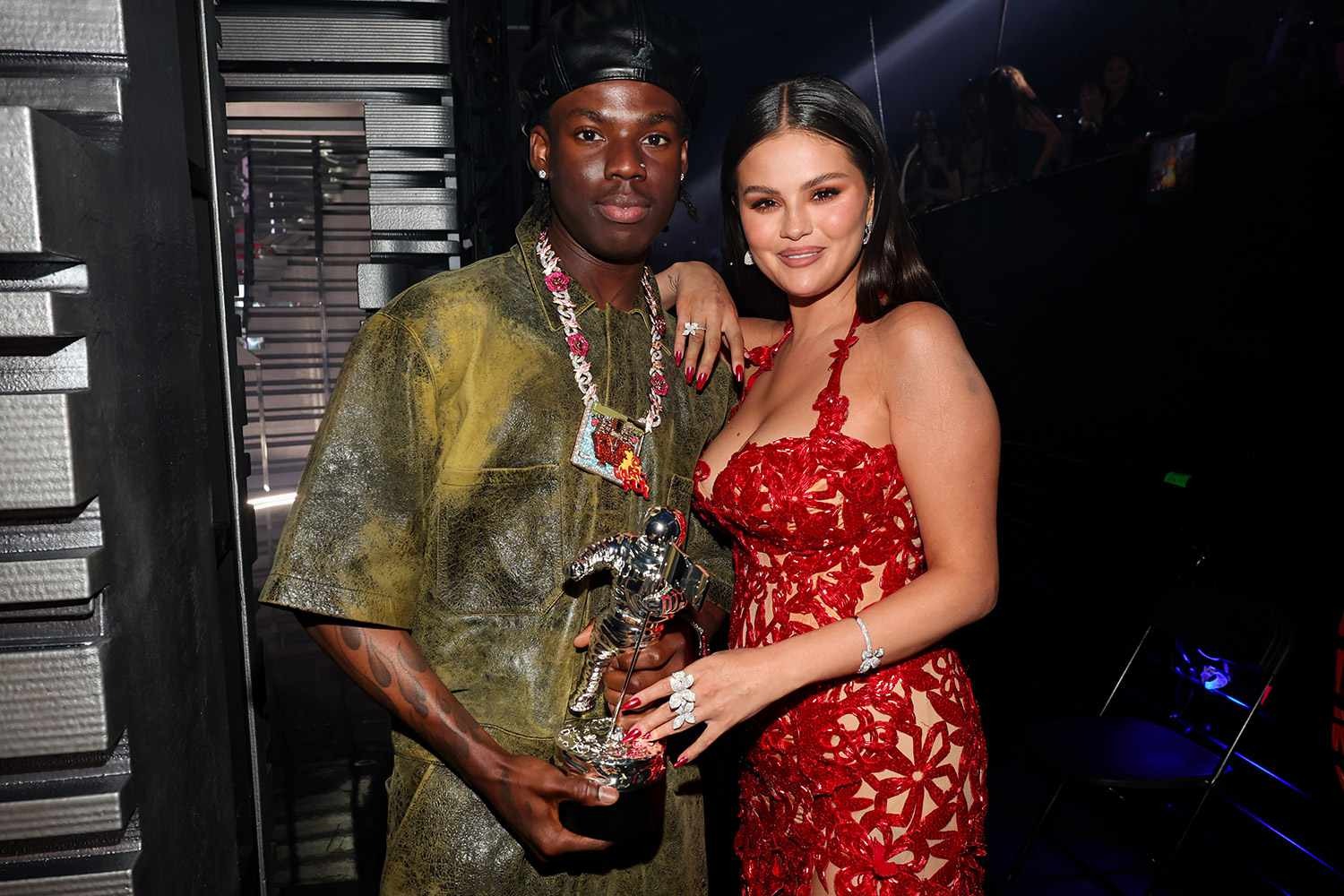
Photo credit: People.com

In 2024, Rema’s Calm Down became the first African-led track to surpass one billion streams on Spotify, while the remix with Selena Gomez crossed billions more across other streaming platforms. The achievement was not symbolic. It signalled a redistribution of cultural authority because African artists now own publishing in global hits like Wizkid’s One Dance headline 60k capacity stadiums from London to New York City and entered the Grammy as lead nominee rather than afterthoughts. 
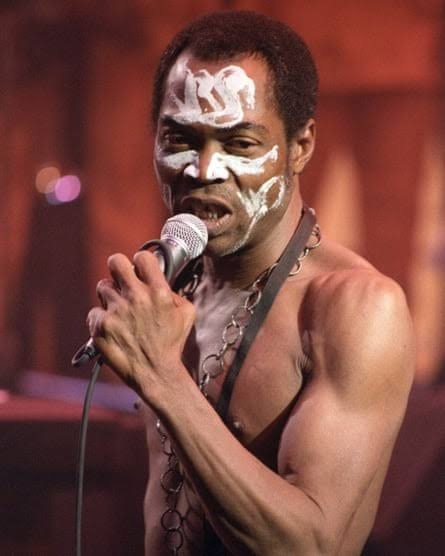
 Photo credit: The Guardian 

Fela Anikulapo Kuti’s sonic influence echoed through jazz, hip-hop, funk and contemporary pop, yet his name was treated as a niche reference rather than a foundational innovator. South African house music shaped electronic dance long before Amapiano became a global festival obsession. Caribbean genres carrying a deep African lineage gained legitimacy only after being repackaged through Western markets. 

The problem was never whether music should travel. Music has always travelled. The issue was who got recognised as the creator and who got reduced to inspiration. 

Now the imbalance is harder to sustain because African artists are too globally visible to erase. A listener discovering Davido, Burna Boy  or Ayra Starr would encounter them as primary artists, not cultural accessories attached to American or European acts. The collaboration economy has changed because African music is no longer orbiting the mainstream; it has a hand in its definition. 
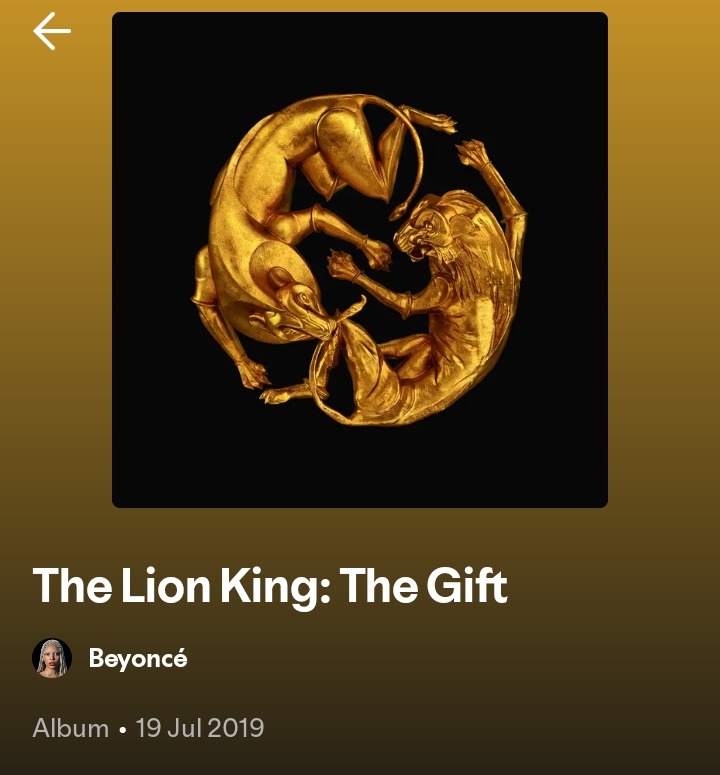
Photo credit: Beyoncé’s The Lion King:The Gift Album.

The shift matters beyond charts. It changes the politics of visibility. When Beyoncé assembled African artists and producers for The Lion King: The Gift, the project was praised precisely because of its foregrounded African participation instead of just borrowing African aesthetics. When Drake collaborated with Wizkid on “One Dance, global audiences could no longer pretend Afrobeats existed only as an unnamed Sonic influence floating around Western pop music. Credits suddenly became culturally important because listeners started asking where the sounds came from. 

However, collaboration is not automatically fair. Some cross-continental collaborations feel genuinely reciprocal, artists exchanging rhythms, languages, audiences and histories in ways that expand music itself. Some feel suspiciously market-driven, appearing the moment African music became commercially unavoidable. It is possible to create the visibility these collaborations create while questioning who ultimately benefits most from them. 

The global music industry has always known how to monetise Black creativity. What it struggles with is surrendering narrative control. Afrobeats disrupted that control, not because it begged for entry into the Western music space but because it built a global audience large enough to force those spaces to respond and did not wait for Western validation. There is a difference between being invited into a room and becoming the reason why the room rearranged itself. Unlike earlier eras where African artists needed foreign co-signs in order to access international audiences, today's Afrobeats stars can fill arenas in London, Paris, New York City, and perform at festivals like Coachella while remaining culturally rooted in Lagos, Pidgin slangs, Akwuaba, African percussion and local storytelling traditions. The power dynamics shifted because the audience was already there. But this moment still deserves scrutiny.
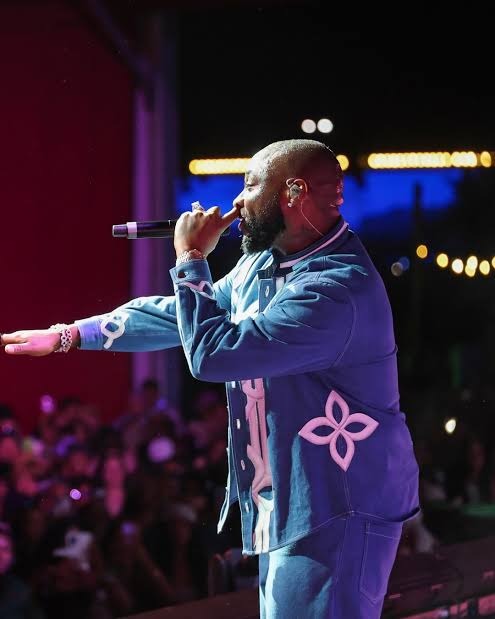
  Photo credit: Okay Africa 

Global visibility can quickly become another form of dilution of African music that begins to sand down its capacity for Western consumption. There is always the danger of turning African culture into a permanent global mood board where they are endlessly sampled, aesthetically celebrated but disconnected from investments in local industries and infrastructures. Representation alone does not equal equity. 

However, something undeniably important has changed. African artists are entering global music conversations with more leverage, more authorship and greater awareness of the history behind these exchanges. They are no longer influencing the world from the margins; they are shaping what the centre looks and sounds like. 

Cover credit: YouTube 
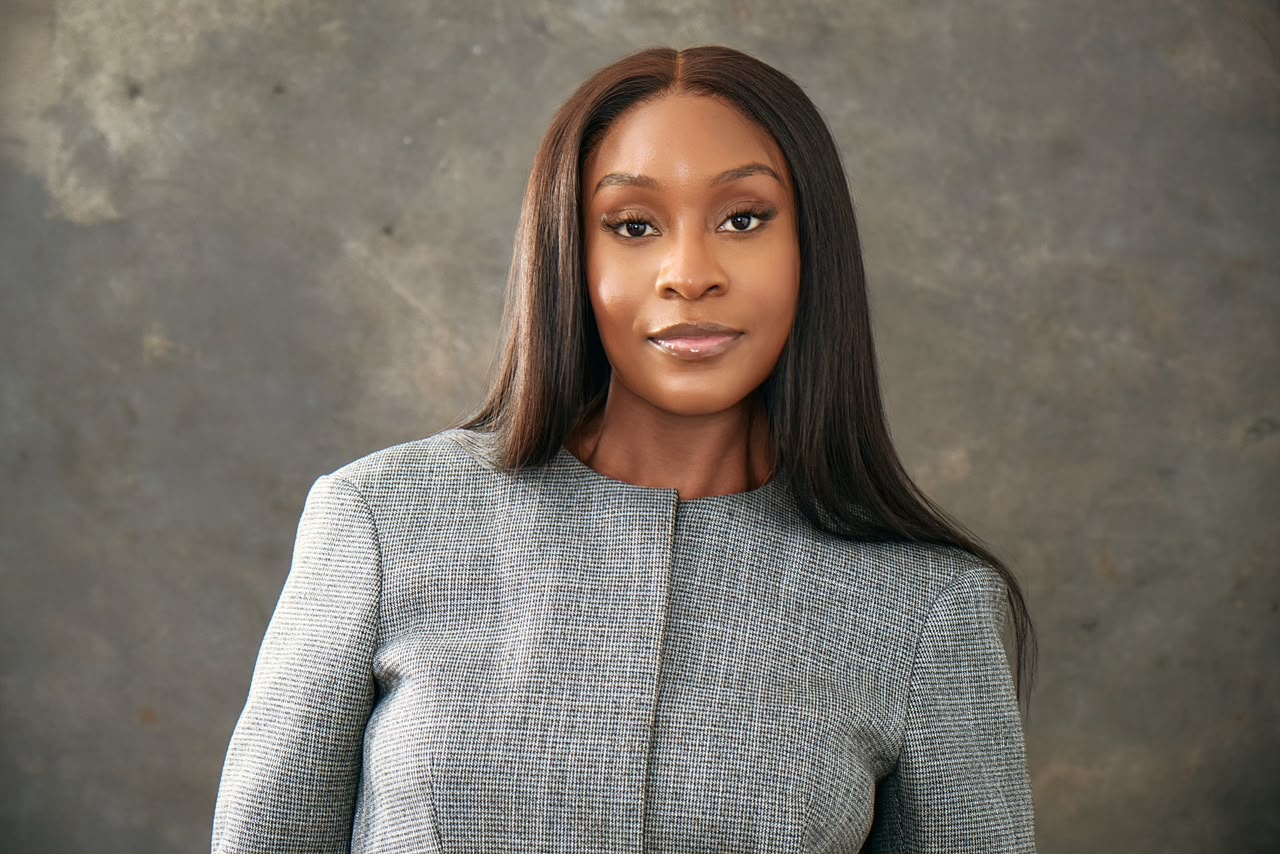
In Harmony: The Art of Collaboration In Music.

This is some text inside of a div block.

The first time African music conquered the world, Africa barely got the credit.

Long before streaming platforms renamed playlists as “Afrobeats essential” and global superstars scrambled for Lagos features, African sounds had already been circulating through Western pop music like ghosts without passports in the early 1980s-2000s.  From polyrhythms bedded in discos and dance halls to the unmistakable bounce of Afrobeats-inspired percussion in mainstream pop music, African music was consumed as texture rather than authorship. It’s in the log drums under Drake’s “One Dance”, the Afroswing percussion driving Beyoncé’s “Already” and the talking drum patterns in Rihanna’s “Work”, all of which are global hits where African sonic fingerprints are clear but the African creator was footnoted. 

What is different in today’s soundscape now  is the audience’s ability to place African sounds back to their source. Streaming platforms flattened geography, and social media weakened the old gatekeepers  that once filtered African music through Western approval first. Those gatekeepers were label executives, radio programmers and media outlets that controlled global distribution and narratives, therefore letting African artists reach audiences directly and forcing the industry to meet them on their terms.

African artists no longer appear  as anonymous inspiration buried inside global pop records; they are arriving as visible collaborators, charting acts, Grammy winners and industry powerhouses. 

Photo credit: People.com

In 2024, Rema’s Calm Down became the first African-led track to surpass one billion streams on Spotify, while the remix with Selena Gomez crossed billions more across other streaming platforms. The achievement was not symbolic. It signalled a redistribution of cultural authority because African artists now own publishing in global hits like Wizkid’s One Dance headline 60k capacity stadiums from London to New York City and entered the Grammy as lead nominee rather than afterthoughts. 

 Photo credit: The Guardian 

Fela Anikulapo Kuti’s sonic influence echoed through jazz, hip-hop, funk and contemporary pop, yet his name was treated as a niche reference rather than a foundational innovator. South African house music shaped electronic dance long before Amapiano became a global festival obsession. Caribbean genres carrying a deep African lineage gained legitimacy only after being repackaged through Western markets. 

The problem was never whether music should travel. Music has always travelled. The issue was who got recognised as the creator and who got reduced to inspiration. 

Now the imbalance is harder to sustain because African artists are too globally visible to erase. A listener discovering Davido, Burna Boy  or Ayra Starr would encounter them as primary artists, not cultural accessories attached to American or European acts. The collaboration economy has changed because African music is no longer orbiting the mainstream; it has a hand in its definition. 

Photo credit: Beyoncé’s The Lion King:The Gift Album.

The shift matters beyond charts. It changes the politics of visibility. When Beyoncé assembled African artists and producers for The Lion King: The Gift, the project was praised precisely because of its foregrounded African participation instead of just borrowing African aesthetics. When Drake collaborated with Wizkid on “One Dance, global audiences could no longer pretend Afrobeats existed only as an unnamed Sonic influence floating around Western pop music. Credits suddenly became culturally important because listeners started asking where the sounds came from. 

However, collaboration is not automatically fair. Some cross-continental collaborations feel genuinely reciprocal, artists exchanging rhythms, languages, audiences and histories in ways that expand music itself. Some feel suspiciously market-driven, appearing the moment African music became commercially unavoidable. It is possible to create the visibility these collaborations create while questioning who ultimately benefits most from them. 

The global music industry has always known how to monetise Black creativity. What it struggles with is surrendering narrative control. Afrobeats disrupted that control, not because it begged for entry into the Western music space but because it built a global audience large enough to force those spaces to respond and did not wait for Western validation. There is a difference between being invited into a room and becoming the reason why the room rearranged itself. Unlike earlier eras where African artists needed foreign co-signs in order to access international audiences, today's Afrobeats stars can fill arenas in London, Paris, New York City, and perform at festivals like Coachella while remaining culturally rooted in Lagos, Pidgin slangs, Akwuaba, African percussion and local storytelling traditions. The power dynamics shifted because the audience was already there. But this moment still deserves scrutiny.

  Photo credit: Okay Africa 

Global visibility can quickly become another form of dilution of African music that begins to sand down its capacity for Western consumption. There is always the danger of turning African culture into a permanent global mood board where they are endlessly sampled, aesthetically celebrated but disconnected from investments in local industries and infrastructures. Representation alone does not equal equity. 

However, something undeniably important has changed. African artists are entering global music conversations with more leverage, more authorship and greater awareness of the history behind these exchanges. They are no longer influencing the world from the margins; they are shaping what the centre looks and sounds like. 

Cover credit: YouTube 
This is some text inside of a div block.

In Harmony: The Art of Collaboration In Music.

The first time African music conquered the world, Africa barely got the credit.

Long before streaming platforms renamed playlists as “Afrobeats essential” and global superstars scrambled for Lagos features, African sounds had already been circulating through Western pop music like ghosts without passports in the early 1980s-2000s.  From polyrhythms bedded in discos and dance halls to the unmistakable bounce of Afrobeats-inspired percussion in mainstream pop music, African music was consumed as texture rather than authorship. It’s in the log drums under Drake’s “One Dance”, the Afroswing percussion driving Beyoncé’s “Already” and the talking drum patterns in Rihanna’s “Work”, all of which are global hits where African sonic fingerprints are clear but the African creator was footnoted. 

What is different in today’s soundscape now  is the audience’s ability to place African sounds back to their source. Streaming platforms flattened geography, and social media weakened the old gatekeepers  that once filtered African music through Western approval first. Those gatekeepers were label executives, radio programmers and media outlets that controlled global distribution and narratives, therefore letting African artists reach audiences directly and forcing the industry to meet them on their terms.

African artists no longer appear  as anonymous inspiration buried inside global pop records; they are arriving as visible collaborators, charting acts, Grammy winners and industry powerhouses. 

Photo credit: People.com

In 2024, Rema’s Calm Down became the first African-led track to surpass one billion streams on Spotify, while the remix with Selena Gomez crossed billions more across other streaming platforms. The achievement was not symbolic. It signalled a redistribution of cultural authority because African artists now own publishing in global hits like Wizkid’s One Dance headline 60k capacity stadiums from London to New York City and entered the Grammy as lead nominee rather than afterthoughts. 

 Photo credit: The Guardian 

Fela Anikulapo Kuti’s sonic influence echoed through jazz, hip-hop, funk and contemporary pop, yet his name was treated as a niche reference rather than a foundational innovator. South African house music shaped electronic dance long before Amapiano became a global festival obsession. Caribbean genres carrying a deep African lineage gained legitimacy only after being repackaged through Western markets. 

The problem was never whether music should travel. Music has always travelled. The issue was who got recognised as the creator and who got reduced to inspiration. 

Now the imbalance is harder to sustain because African artists are too globally visible to erase. A listener discovering Davido, Burna Boy  or Ayra Starr would encounter them as primary artists, not cultural accessories attached to American or European acts. The collaboration economy has changed because African music is no longer orbiting the mainstream; it has a hand in its definition. 

Photo credit: Beyoncé’s The Lion King:The Gift Album.

The shift matters beyond charts. It changes the politics of visibility. When Beyoncé assembled African artists and producers for The Lion King: The Gift, the project was praised precisely because of its foregrounded African participation instead of just borrowing African aesthetics. When Drake collaborated with Wizkid on “One Dance, global audiences could no longer pretend Afrobeats existed only as an unnamed Sonic influence floating around Western pop music. Credits suddenly became culturally important because listeners started asking where the sounds came from. 

However, collaboration is not automatically fair. Some cross-continental collaborations feel genuinely reciprocal, artists exchanging rhythms, languages, audiences and histories in ways that expand music itself. Some feel suspiciously market-driven, appearing the moment African music became commercially unavoidable. It is possible to create the visibility these collaborations create while questioning who ultimately benefits most from them. 

The global music industry has always known how to monetise Black creativity. What it struggles with is surrendering narrative control. Afrobeats disrupted that control, not because it begged for entry into the Western music space but because it built a global audience large enough to force those spaces to respond and did not wait for Western validation. There is a difference between being invited into a room and becoming the reason why the room rearranged itself. Unlike earlier eras where African artists needed foreign co-signs in order to access international audiences, today's Afrobeats stars can fill arenas in London, Paris, New York City, and perform at festivals like Coachella while remaining culturally rooted in Lagos, Pidgin slangs, Akwuaba, African percussion and local storytelling traditions. The power dynamics shifted because the audience was already there. But this moment still deserves scrutiny.

  Photo credit: Okay Africa 

Global visibility can quickly become another form of dilution of African music that begins to sand down its capacity for Western consumption. There is always the danger of turning African culture into a permanent global mood board where they are endlessly sampled, aesthetically celebrated but disconnected from investments in local industries and infrastructures. Representation alone does not equal equity. 

However, something undeniably important has changed. African artists are entering global music conversations with more leverage, more authorship and greater awareness of the history behind these exchanges. They are no longer influencing the world from the margins; they are shaping what the centre looks and sounds like. 

Cover credit: YouTube 
Other Stories
London
London
Lagos
London
Newyork
London
Shop
Join the community.
You are now subscribed to receive updates.
Oops! Something went wrong while submitting the form.