Ignorance turned Exhibition: How Ivy Winfrey is paying the diaspora tax for Kenya women’s football

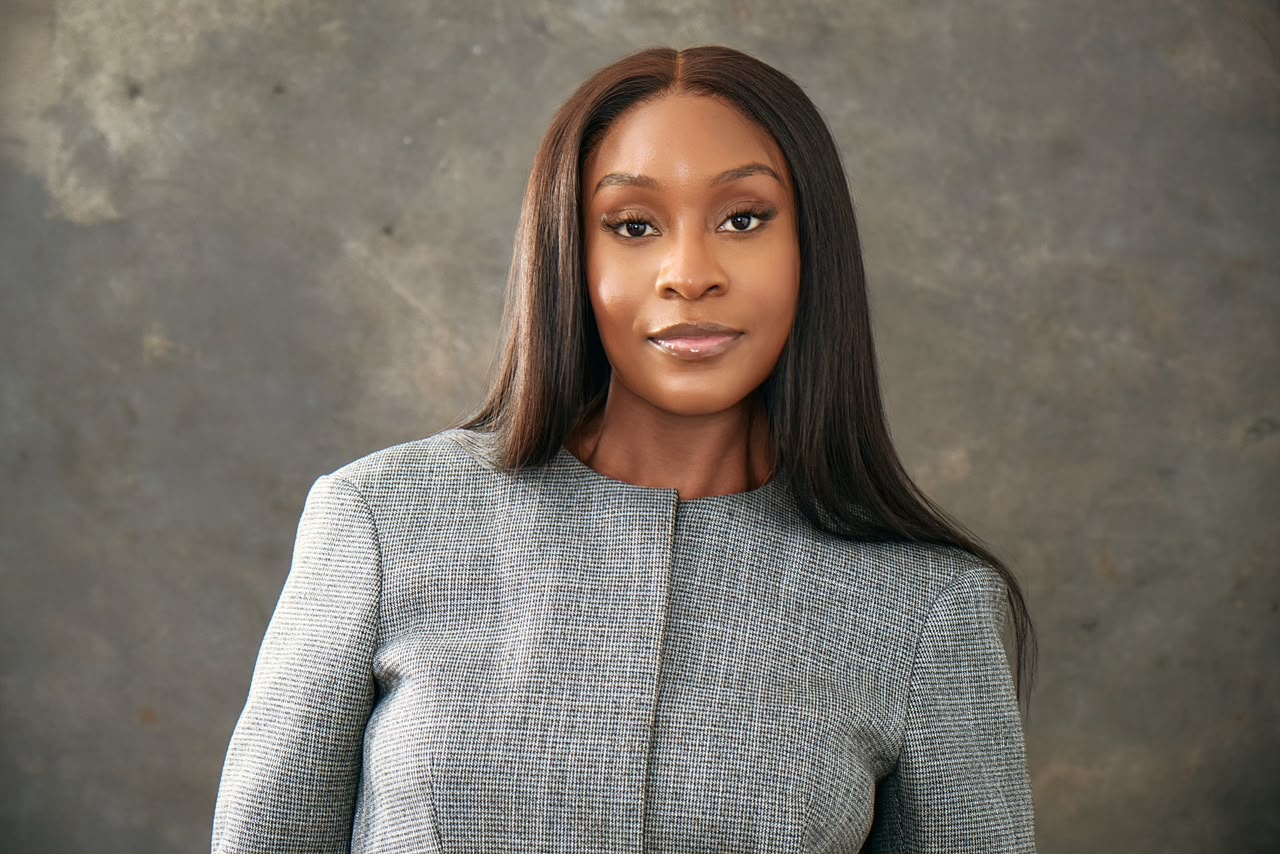
Ivy Winfrey feels like she’s “in the twilight zone.” What began as a series of nudgings and notes filed away in her mind, turned into a video Winfrey posted on Instagram early last week. The topic? The increasingly obvious disconnect between the potential of Kenya’s sports team, and their performance - that is the women’s football team and the lack of diasporic influence on its roster. 

With an estimated 3 to 4 million Kenyans abroad, there’s a guarantee of sports players, coaches, and enthusiasts all waiting to get involved in their nation’s system. But where do these people fall in the list of priorities for the Football Kenya Federation (FKF)? As a former player with every aspiration to represent my nation, the wait came with no happy ending. But for others, like Gianna Maina, the story is still being written. With a daughter heavily involved in the American soccer system, the same wait that had been staring Winfrey in the face became all the more weighted. So now, instead of waiting for the answers to her questions, she decided to make one.

After growing up in Kenya and relocating to Texas, Winfrey knows all too well the disconnect between the best infrastructure and the developing ones. Co-owner of Afroballers and creative in the entertainment and sports industries under the Dallas Mavericks, she grew up and works within basketball - another leading sport in the women's sport scene across Africa. The biggest differences being the systems in place and their intentions. Where North America’s system champions competition, quality, and opportunity, Kenya’s barely begins to scratch the surface. From a federation riddled with scandal to an under established grassroots foundation, the infrastructure simply doesn’t measure up. 

Kenyan-Tanzanian football player Gianna Maina represented Kenya internationally in 2023. Growing up across the eastern coast of the United States, she grew up playing football at a high level from a young age, and currently plays at Suffolk University on a football scholarship. 

From the moment I could walk, I couldn't keep my feet off a ball. My parents always saw something in me, so I've been playing since I was about four years old. Honestly, it started as a way to burn off energy as a kid, but by the time I was six, I was training and competing with U10 and U11 players,” she said, exclusively.

As she progressed through the ranks, Maina came across a tension many players in the diaspora, particularly in the West, arrived at: I’m good but am I good enough? With such thorough infrastructure, the rate of girls competing in football across North America is high - making the pool for eligible youth and women for national team representation that much more competitive. Winfrey noted this as well mentioning the appeal of young sports players seeking dual nationalities to stand out. 

At the end of the day, it’s all marketing - especially in America. I’m having conversations with my daughter about the best partnerships, opportunities, schools, for her brand because that’s what’s being sold. She is an asset - in life and especially in sports.

It’s that same mindset that led Maina to represent Kenya. Through a family member at the Embassy of Women's Sports, she was able to get her name on women’s coach Beldine Odemba’s radar.
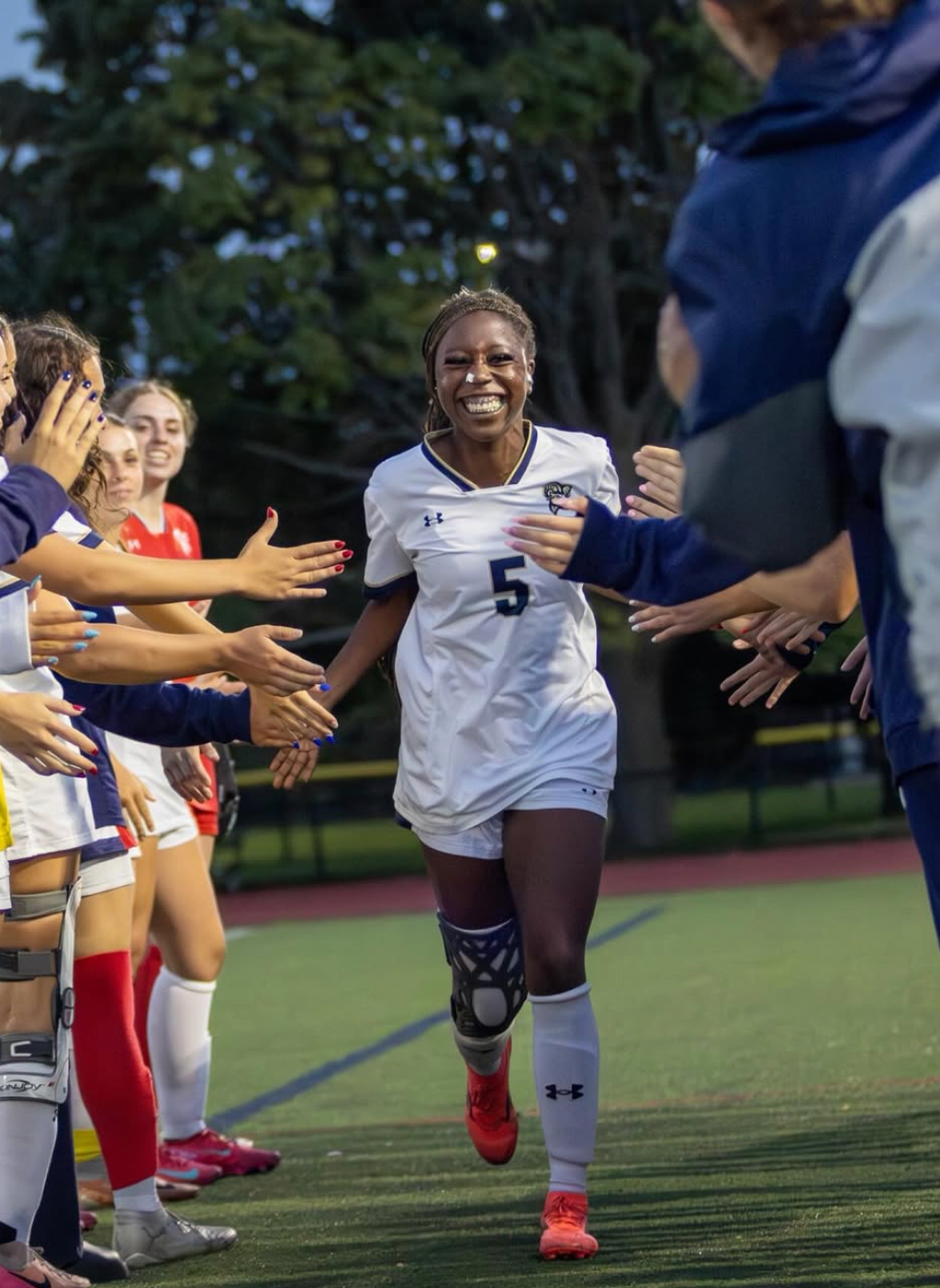
Maina
uffolk Women's Soccer

Through that connection, I was reached out to and given the opportunity to train with the Harambee Starlets before their big match against Ethiopia. I had to send multiple rounds of my highlights, along with recommendations from my coaches, to even be considered,” Maina said. 

But while Maina’s nepotism brought her a “one in a million” experience, her presence broaches two questions: what about those without the family connection? And where are the others meant to walk through the door she opened?

As Winfrey mentioned in her video, it’s not the fault of a child that their parents relocated to the diaspora in search of better opportunities. And it certainly does not make them any less Kenyan. But, if Maina’s example is anything to go off of, it is that a family connection is like marketing with a network. Without it, though, the FKF doesn’t seem to be paying any female players in the diaspora any mind.

Kenya’s male football teams have performed at the highest level domestically, but never abroad. In their last 6 appearances in the Africa Cup of Nations, the Harambee Stars have returned home in the group stages - long before any hopes of competing in the World Cup. Their teams, in what looks like a response to the zeitgeist, have begun to integrate diasporic players, like British-Kenyans Zech Obiero, Zak Vyner, and Sammy Henia-Kamau, into the rosters.

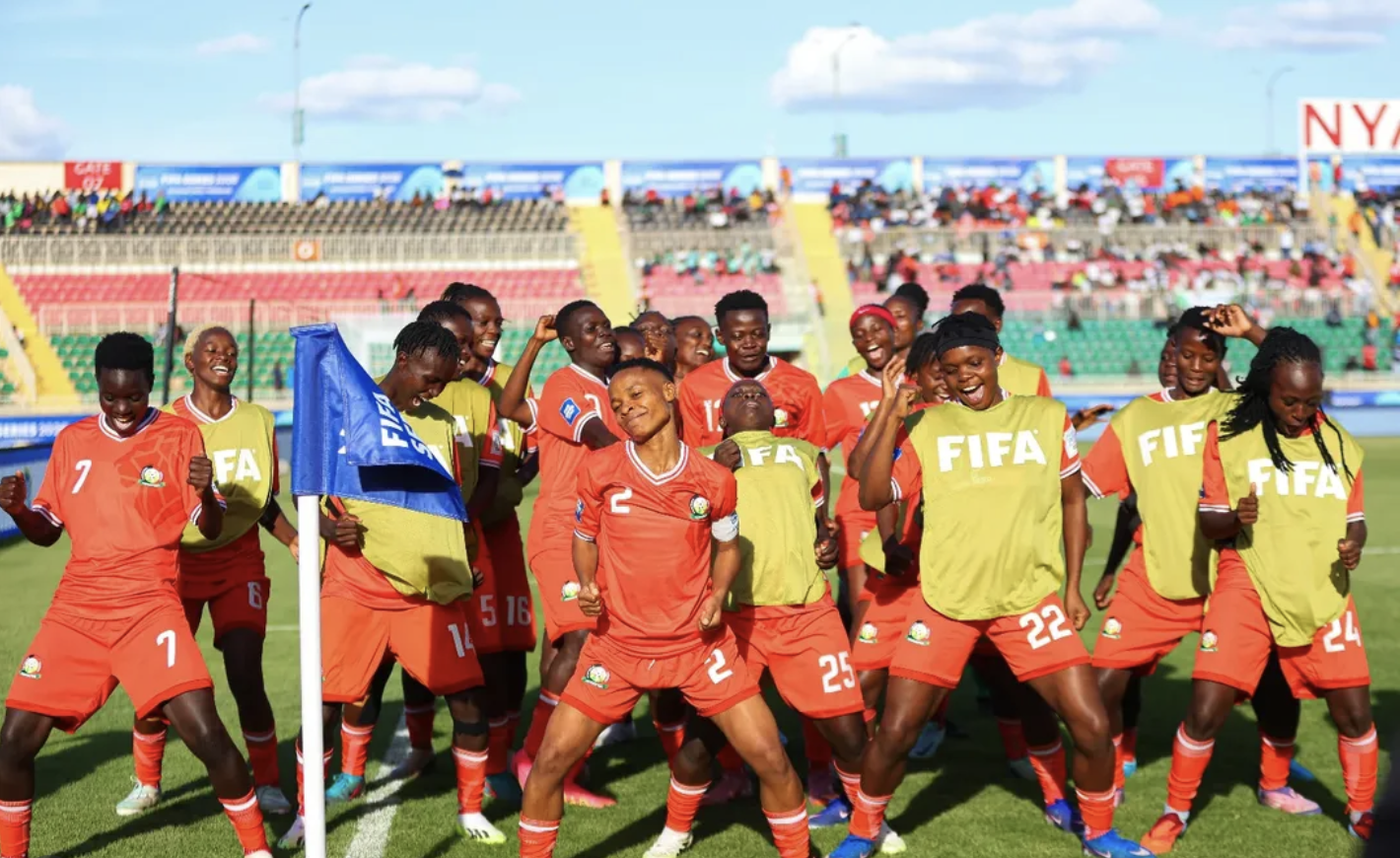
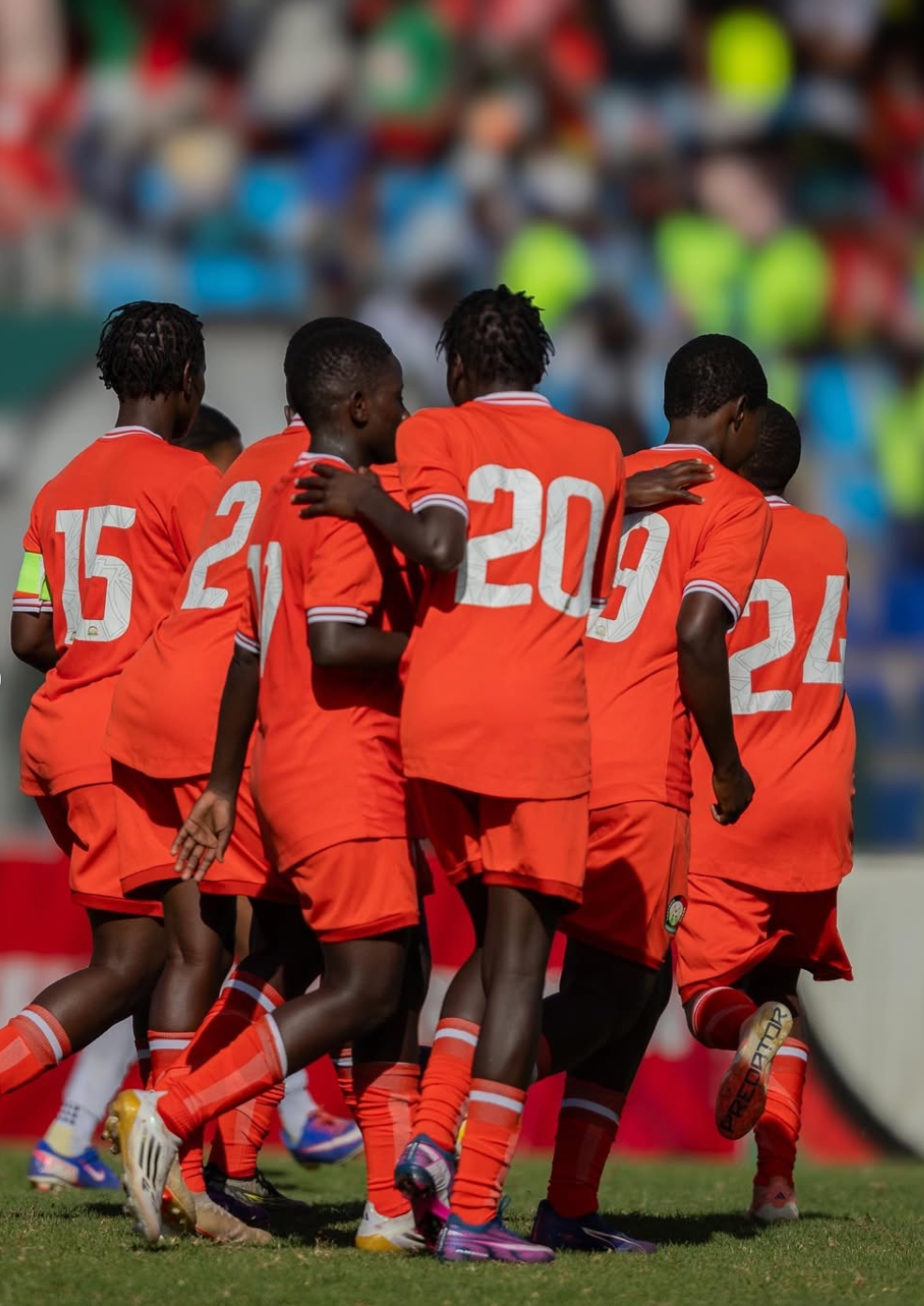
Their female counterparts, though, have shown more promise, appearing in the U17 World Cup for the first time in 2024 and winning in their final match of the group stage against Mexico. Goalscorers Valerie Nakesa and Lornah Faith made history as the first Kenyans ever to score in a World Cup, under the leadership of Mildred Chehche. Two years on, the girls, though still a force, have not returned to the world stage or responded to the cultural shift the men and other women’s teams are relying on - at any level.

Credit: VERSUS

Make no mistake: what the men’s rosters have just begun to integrate is exactly as it sounds — new; having only started in the last five years. But as Winfrey pointed out, there begins to be questions about a system and its intentions when the same opportunities are not being applied to or simply being ignored at the women’s level - especially with a competitive team.

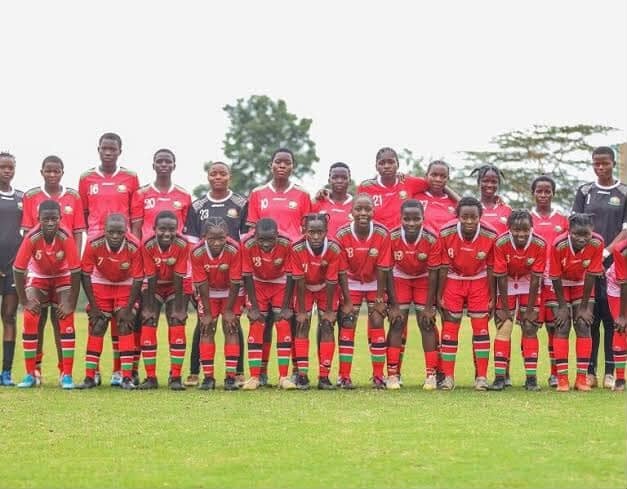
As WAFCON looms large in the next two months, the Harambee Starlets have the opportunity to make a statement in their return to the tournament after a group stage exit in 2016. But there’s a noticeable gap between Kenya’s presence and their counterparts, which Winfrey believes starts abroad.

I’m just sick of the lack of our leaders' understanding of seismic opportunities that benefit the industries I built my career on… we just fail to do it the right way. We’re not really worried about championing our stories. When journalists wrote about the U17 team in the World Cup, they’re not even mentioning the girls by name. You can’t scout the Harambee Starlets, you can scout the players by name,” she said. 

Let’s think about how to reverse engineer a problem into an opportunity: when these girls [in the diaspora] come they bring eyes, they bring conversations, they bring opportunities. But it all starts with opening the door.

She hopes to open a door with coach Lawrence Olum, the first Kenyan MLS player and former Kenya men’s national team player. Now a youth development coach at Alliance FC in the States, Olum’s 14 year career is hallmarked with an MLS Cup winning season in 2013. While he echoed much of the concern and sentiment that Winfrey stated about the resources available, he offered another unique perspective.

Credit: MLS

The idea that the U.S. is not a big soccer powerhouse - in Kenya - [is something] I find to be so crazy. The U.S has been ranked in the top 40 consistently over the last 20 years, and Kenya hasn’t even brushed 100. And for [Kenyans] to have that mentality that the U.S is not good? It’s wild to me. The leagues they play in here, we could not even match, yet they overlook the US,” he said. 

Even at the college level here, you train better than a Kenyan…I’d been in the MLS for 8 years and won the MLS Cup and yeah, some people heard about it…but until [Victor] Wanyama started playing here? Then it was like ‘The U.S. is this, the U.S. is that.’

At a time where female football is at peak interest globally, it’s in the FKF’s best interest to get involved in what can only be called an untapped market. Projected to garner $3 billion in global revenue, women’s football drives 35% of that. High performing women’s football programmes, like Nigeria’s Super Falcons, have long begun sowing the seeds and already reaping the rewards. Why can’t the Starlets?
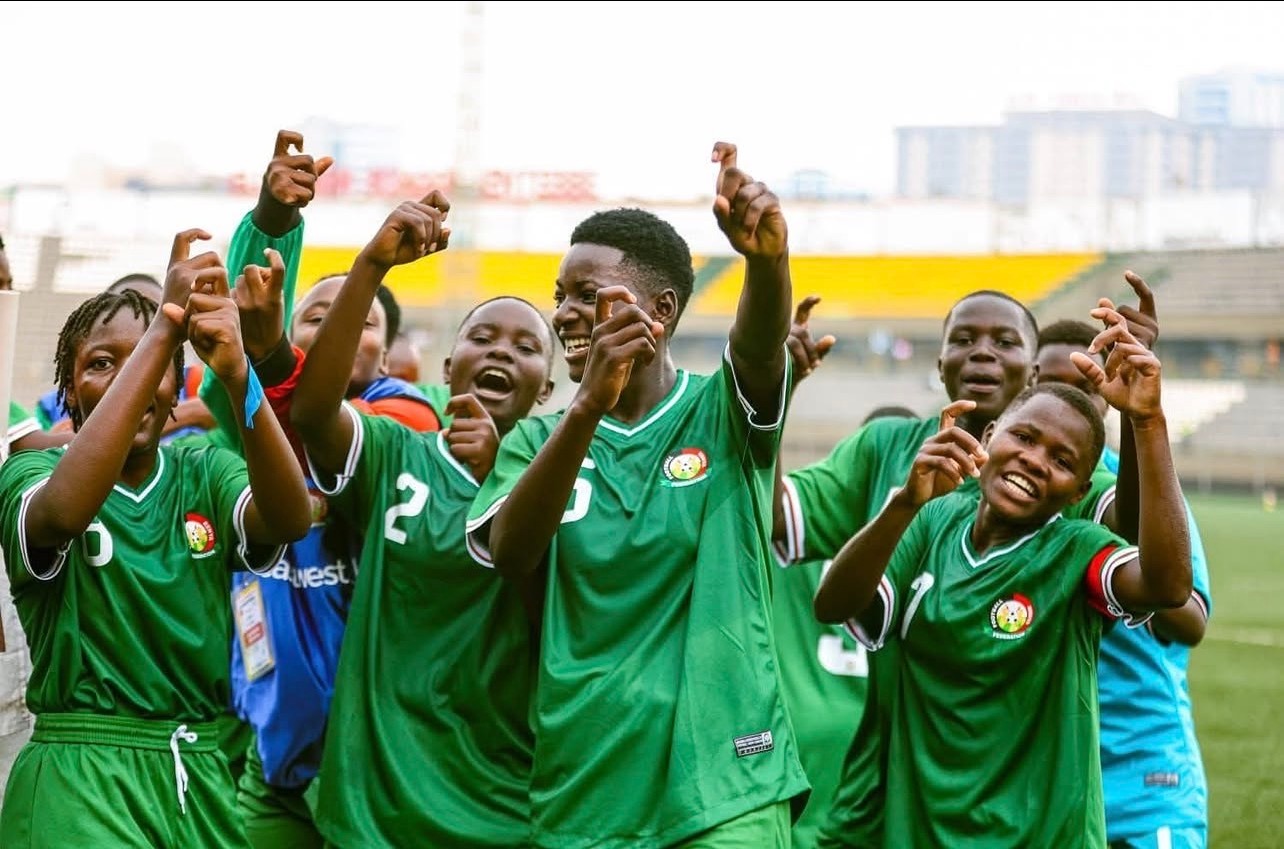
Credit:  @journalist_tanui & Harambee Starlets

Winfrey and Olum’s goal now is to show the FKF what they’ve been missing, or simply ignored. In the final seconds of her post, Winfrey made a call to action for anyone in the diaspora looking to represent Kenya, girls aged 14-17. From Toronto to Spain to the U.S.A, the two are looking to put together an exhibition or ID Camp to showcase the kind of talent present and palpable across the diaspora. Hoping to shift the narrative around the present system and start conversations around its resources and outreach, this would be an opportunity to put more of Kenya on display and, hopefully, even higher stages as a community. 

Olum said, “It took a foreign coach to invite me to play on the national team… the mind needs to shift in terms of looking at the first generation of diaspora-born Kenyans. I have Kenyan girls and boys here who play at local clubs and may never represent the United States, but they could represent Kenya… all I ask is for coaches to just look at them. And that should start from a federation level.

Winfrey, always a mother first, said, “I can’t do it for everybody, but if I can do it in my household then sure…maybe that’ll be the change you see because maybe sharing starts at home. Let’s show what’s possible when someone just decides to start.”  

IG: @clungaho
Ignorance turned Exhibition: How Ivy Winfrey is paying the diaspora tax for Kenya women’s football

This is some text inside of a div block.

Ivy Winfrey feels like she’s “in the twilight zone.” What began as a series of nudgings and notes filed away in her mind, turned into a video Winfrey posted on Instagram early last week. The topic? The increasingly obvious disconnect between the potential of Kenya’s sports team, and their performance - that is the women’s football team and the lack of diasporic influence on its roster. 

With an estimated 3 to 4 million Kenyans abroad, there’s a guarantee of sports players, coaches, and enthusiasts all waiting to get involved in their nation’s system. But where do these people fall in the list of priorities for the Football Kenya Federation (FKF)? As a former player with every aspiration to represent my nation, the wait came with no happy ending. But for others, like Gianna Maina, the story is still being written. With a daughter heavily involved in the American soccer system, the same wait that had been staring Winfrey in the face became all the more weighted. So now, instead of waiting for the answers to her questions, she decided to make one.

After growing up in Kenya and relocating to Texas, Winfrey knows all too well the disconnect between the best infrastructure and the developing ones. Co-owner of Afroballers and creative in the entertainment and sports industries under the Dallas Mavericks, she grew up and works within basketball - another leading sport in the women's sport scene across Africa. The biggest differences being the systems in place and their intentions. Where North America’s system champions competition, quality, and opportunity, Kenya’s barely begins to scratch the surface. From a federation riddled with scandal to an under established grassroots foundation, the infrastructure simply doesn’t measure up. 

Kenyan-Tanzanian football player Gianna Maina represented Kenya internationally in 2023. Growing up across the eastern coast of the United States, she grew up playing football at a high level from a young age, and currently plays at Suffolk University on a football scholarship. 

From the moment I could walk, I couldn't keep my feet off a ball. My parents always saw something in me, so I've been playing since I was about four years old. Honestly, it started as a way to burn off energy as a kid, but by the time I was six, I was training and competing with U10 and U11 players,” she said, exclusively.

As she progressed through the ranks, Maina came across a tension many players in the diaspora, particularly in the West, arrived at: I’m good but am I good enough? With such thorough infrastructure, the rate of girls competing in football across North America is high - making the pool for eligible youth and women for national team representation that much more competitive. Winfrey noted this as well mentioning the appeal of young sports players seeking dual nationalities to stand out. 

At the end of the day, it’s all marketing - especially in America. I’m having conversations with my daughter about the best partnerships, opportunities, schools, for her brand because that’s what’s being sold. She is an asset - in life and especially in sports.

It’s that same mindset that led Maina to represent Kenya. Through a family member at the Embassy of Women's Sports, she was able to get her name on women’s coach Beldine Odemba’s radar.

Maina
uffolk Women's Soccer

Through that connection, I was reached out to and given the opportunity to train with the Harambee Starlets before their big match against Ethiopia. I had to send multiple rounds of my highlights, along with recommendations from my coaches, to even be considered,” Maina said. 

But while Maina’s nepotism brought her a “one in a million” experience, her presence broaches two questions: what about those without the family connection? And where are the others meant to walk through the door she opened?

As Winfrey mentioned in her video, it’s not the fault of a child that their parents relocated to the diaspora in search of better opportunities. And it certainly does not make them any less Kenyan. But, if Maina’s example is anything to go off of, it is that a family connection is like marketing with a network. Without it, though, the FKF doesn’t seem to be paying any female players in the diaspora any mind.

Kenya’s male football teams have performed at the highest level domestically, but never abroad. In their last 6 appearances in the Africa Cup of Nations, the Harambee Stars have returned home in the group stages - long before any hopes of competing in the World Cup. Their teams, in what looks like a response to the zeitgeist, have begun to integrate diasporic players, like British-Kenyans Zech Obiero, Zak Vyner, and Sammy Henia-Kamau, into the rosters.

Their female counterparts, though, have shown more promise, appearing in the U17 World Cup for the first time in 2024 and winning in their final match of the group stage against Mexico. Goalscorers Valerie Nakesa and Lornah Faith made history as the first Kenyans ever to score in a World Cup, under the leadership of Mildred Chehche. Two years on, the girls, though still a force, have not returned to the world stage or responded to the cultural shift the men and other women’s teams are relying on - at any level.

Credit: VERSUS

Make no mistake: what the men’s rosters have just begun to integrate is exactly as it sounds — new; having only started in the last five years. But as Winfrey pointed out, there begins to be questions about a system and its intentions when the same opportunities are not being applied to or simply being ignored at the women’s level - especially with a competitive team.

As WAFCON looms large in the next two months, the Harambee Starlets have the opportunity to make a statement in their return to the tournament after a group stage exit in 2016. But there’s a noticeable gap between Kenya’s presence and their counterparts, which Winfrey believes starts abroad.

I’m just sick of the lack of our leaders' understanding of seismic opportunities that benefit the industries I built my career on… we just fail to do it the right way. We’re not really worried about championing our stories. When journalists wrote about the U17 team in the World Cup, they’re not even mentioning the girls by name. You can’t scout the Harambee Starlets, you can scout the players by name,” she said. 

Let’s think about how to reverse engineer a problem into an opportunity: when these girls [in the diaspora] come they bring eyes, they bring conversations, they bring opportunities. But it all starts with opening the door.

She hopes to open a door with coach Lawrence Olum, the first Kenyan MLS player and former Kenya men’s national team player. Now a youth development coach at Alliance FC in the States, Olum’s 14 year career is hallmarked with an MLS Cup winning season in 2013. While he echoed much of the concern and sentiment that Winfrey stated about the resources available, he offered another unique perspective.

Credit: MLS

The idea that the U.S. is not a big soccer powerhouse - in Kenya - [is something] I find to be so crazy. The U.S has been ranked in the top 40 consistently over the last 20 years, and Kenya hasn’t even brushed 100. And for [Kenyans] to have that mentality that the U.S is not good? It’s wild to me. The leagues they play in here, we could not even match, yet they overlook the US,” he said. 

Even at the college level here, you train better than a Kenyan…I’d been in the MLS for 8 years and won the MLS Cup and yeah, some people heard about it…but until [Victor] Wanyama started playing here? Then it was like ‘The U.S. is this, the U.S. is that.’

At a time where female football is at peak interest globally, it’s in the FKF’s best interest to get involved in what can only be called an untapped market. Projected to garner $3 billion in global revenue, women’s football drives 35% of that. High performing women’s football programmes, like Nigeria’s Super Falcons, have long begun sowing the seeds and already reaping the rewards. Why can’t the Starlets?

Credit:  @journalist_tanui & Harambee Starlets

Winfrey and Olum’s goal now is to show the FKF what they’ve been missing, or simply ignored. In the final seconds of her post, Winfrey made a call to action for anyone in the diaspora looking to represent Kenya, girls aged 14-17. From Toronto to Spain to the U.S.A, the two are looking to put together an exhibition or ID Camp to showcase the kind of talent present and palpable across the diaspora. Hoping to shift the narrative around the present system and start conversations around its resources and outreach, this would be an opportunity to put more of Kenya on display and, hopefully, even higher stages as a community. 

Olum said, “It took a foreign coach to invite me to play on the national team… the mind needs to shift in terms of looking at the first generation of diaspora-born Kenyans. I have Kenyan girls and boys here who play at local clubs and may never represent the United States, but they could represent Kenya… all I ask is for coaches to just look at them. And that should start from a federation level.

Winfrey, always a mother first, said, “I can’t do it for everybody, but if I can do it in my household then sure…maybe that’ll be the change you see because maybe sharing starts at home. Let’s show what’s possible when someone just decides to start.”  

IG: @clungaho
This is some text inside of a div block.

Ignorance turned Exhibition: How Ivy Winfrey is paying the diaspora tax for Kenya women’s football

Ivy Winfrey feels like she’s “in the twilight zone.” What began as a series of nudgings and notes filed away in her mind, turned into a video Winfrey posted on Instagram early last week. The topic? The increasingly obvious disconnect between the potential of Kenya’s sports team, and their performance - that is the women’s football team and the lack of diasporic influence on its roster. 

With an estimated 3 to 4 million Kenyans abroad, there’s a guarantee of sports players, coaches, and enthusiasts all waiting to get involved in their nation’s system. But where do these people fall in the list of priorities for the Football Kenya Federation (FKF)? As a former player with every aspiration to represent my nation, the wait came with no happy ending. But for others, like Gianna Maina, the story is still being written. With a daughter heavily involved in the American soccer system, the same wait that had been staring Winfrey in the face became all the more weighted. So now, instead of waiting for the answers to her questions, she decided to make one.

After growing up in Kenya and relocating to Texas, Winfrey knows all too well the disconnect between the best infrastructure and the developing ones. Co-owner of Afroballers and creative in the entertainment and sports industries under the Dallas Mavericks, she grew up and works within basketball - another leading sport in the women's sport scene across Africa. The biggest differences being the systems in place and their intentions. Where North America’s system champions competition, quality, and opportunity, Kenya’s barely begins to scratch the surface. From a federation riddled with scandal to an under established grassroots foundation, the infrastructure simply doesn’t measure up. 

Kenyan-Tanzanian football player Gianna Maina represented Kenya internationally in 2023. Growing up across the eastern coast of the United States, she grew up playing football at a high level from a young age, and currently plays at Suffolk University on a football scholarship. 

From the moment I could walk, I couldn't keep my feet off a ball. My parents always saw something in me, so I've been playing since I was about four years old. Honestly, it started as a way to burn off energy as a kid, but by the time I was six, I was training and competing with U10 and U11 players,” she said, exclusively.

As she progressed through the ranks, Maina came across a tension many players in the diaspora, particularly in the West, arrived at: I’m good but am I good enough? With such thorough infrastructure, the rate of girls competing in football across North America is high - making the pool for eligible youth and women for national team representation that much more competitive. Winfrey noted this as well mentioning the appeal of young sports players seeking dual nationalities to stand out. 

At the end of the day, it’s all marketing - especially in America. I’m having conversations with my daughter about the best partnerships, opportunities, schools, for her brand because that’s what’s being sold. She is an asset - in life and especially in sports.

It’s that same mindset that led Maina to represent Kenya. Through a family member at the Embassy of Women's Sports, she was able to get her name on women’s coach Beldine Odemba’s radar.

Maina
uffolk Women's Soccer

Through that connection, I was reached out to and given the opportunity to train with the Harambee Starlets before their big match against Ethiopia. I had to send multiple rounds of my highlights, along with recommendations from my coaches, to even be considered,” Maina said. 

But while Maina’s nepotism brought her a “one in a million” experience, her presence broaches two questions: what about those without the family connection? And where are the others meant to walk through the door she opened?

As Winfrey mentioned in her video, it’s not the fault of a child that their parents relocated to the diaspora in search of better opportunities. And it certainly does not make them any less Kenyan. But, if Maina’s example is anything to go off of, it is that a family connection is like marketing with a network. Without it, though, the FKF doesn’t seem to be paying any female players in the diaspora any mind.

Kenya’s male football teams have performed at the highest level domestically, but never abroad. In their last 6 appearances in the Africa Cup of Nations, the Harambee Stars have returned home in the group stages - long before any hopes of competing in the World Cup. Their teams, in what looks like a response to the zeitgeist, have begun to integrate diasporic players, like British-Kenyans Zech Obiero, Zak Vyner, and Sammy Henia-Kamau, into the rosters.

Their female counterparts, though, have shown more promise, appearing in the U17 World Cup for the first time in 2024 and winning in their final match of the group stage against Mexico. Goalscorers Valerie Nakesa and Lornah Faith made history as the first Kenyans ever to score in a World Cup, under the leadership of Mildred Chehche. Two years on, the girls, though still a force, have not returned to the world stage or responded to the cultural shift the men and other women’s teams are relying on - at any level.

Credit: VERSUS

Make no mistake: what the men’s rosters have just begun to integrate is exactly as it sounds — new; having only started in the last five years. But as Winfrey pointed out, there begins to be questions about a system and its intentions when the same opportunities are not being applied to or simply being ignored at the women’s level - especially with a competitive team.

As WAFCON looms large in the next two months, the Harambee Starlets have the opportunity to make a statement in their return to the tournament after a group stage exit in 2016. But there’s a noticeable gap between Kenya’s presence and their counterparts, which Winfrey believes starts abroad.

I’m just sick of the lack of our leaders' understanding of seismic opportunities that benefit the industries I built my career on… we just fail to do it the right way. We’re not really worried about championing our stories. When journalists wrote about the U17 team in the World Cup, they’re not even mentioning the girls by name. You can’t scout the Harambee Starlets, you can scout the players by name,” she said. 

Let’s think about how to reverse engineer a problem into an opportunity: when these girls [in the diaspora] come they bring eyes, they bring conversations, they bring opportunities. But it all starts with opening the door.

She hopes to open a door with coach Lawrence Olum, the first Kenyan MLS player and former Kenya men’s national team player. Now a youth development coach at Alliance FC in the States, Olum’s 14 year career is hallmarked with an MLS Cup winning season in 2013. While he echoed much of the concern and sentiment that Winfrey stated about the resources available, he offered another unique perspective.

Credit: MLS

The idea that the U.S. is not a big soccer powerhouse - in Kenya - [is something] I find to be so crazy. The U.S has been ranked in the top 40 consistently over the last 20 years, and Kenya hasn’t even brushed 100. And for [Kenyans] to have that mentality that the U.S is not good? It’s wild to me. The leagues they play in here, we could not even match, yet they overlook the US,” he said. 

Even at the college level here, you train better than a Kenyan…I’d been in the MLS for 8 years and won the MLS Cup and yeah, some people heard about it…but until [Victor] Wanyama started playing here? Then it was like ‘The U.S. is this, the U.S. is that.’

At a time where female football is at peak interest globally, it’s in the FKF’s best interest to get involved in what can only be called an untapped market. Projected to garner $3 billion in global revenue, women’s football drives 35% of that. High performing women’s football programmes, like Nigeria’s Super Falcons, have long begun sowing the seeds and already reaping the rewards. Why can’t the Starlets?

Credit:  @journalist_tanui & Harambee Starlets

Winfrey and Olum’s goal now is to show the FKF what they’ve been missing, or simply ignored. In the final seconds of her post, Winfrey made a call to action for anyone in the diaspora looking to represent Kenya, girls aged 14-17. From Toronto to Spain to the U.S.A, the two are looking to put together an exhibition or ID Camp to showcase the kind of talent present and palpable across the diaspora. Hoping to shift the narrative around the present system and start conversations around its resources and outreach, this would be an opportunity to put more of Kenya on display and, hopefully, even higher stages as a community. 

Olum said, “It took a foreign coach to invite me to play on the national team… the mind needs to shift in terms of looking at the first generation of diaspora-born Kenyans. I have Kenyan girls and boys here who play at local clubs and may never represent the United States, but they could represent Kenya… all I ask is for coaches to just look at them. And that should start from a federation level.

Winfrey, always a mother first, said, “I can’t do it for everybody, but if I can do it in my household then sure…maybe that’ll be the change you see because maybe sharing starts at home. Let’s show what’s possible when someone just decides to start.”  

IG: @clungaho
Other Stories
London
London
Lagos
London
Newyork
London
Shop
Join the community.
You are now subscribed to receive updates.
Oops! Something went wrong while submitting the form.