.svg)


Not speaking French might actually be the most honest position from which to review this album.
For years, Tayc has built an audience that extends far beyond francophone listeners, largely because his music has never depended entirely on language but feeling which comes before the translation does.
JOŸA leans fully into that reality and turns it into the project’s greatest strength.
The album arrives after one of the most emotionally charged periods of Tayc’s career. Over the past year, the French-Cameroonian artist hinted repeatedly at stepping away from music, posting cryptic visuals that left fans unsure whether they were watching a rollout or a goodbye. Then came silence. When JOŸA finally emerged, It felt like someone who had been through something returning to the only thing that made sense. JOŸA dropped the same day as Drake's Iceman, an album that came with two additional projects, making three albums. Tayc did not move his date, a decision that makes sense if you are completely sure of your audience, sound and numbers. He is playing the long game because his music is one that eases into people over time.
“Y- Prologue: 2 Mai 1826” opens like the beginning of a film rather than a streaming-era intro track. Sounds of metal cutting through soil sit underneath soft piano passages while orchestral textures slowly rise around Tayc’s voice. He has described the album as a project shaped by reconnecting with his roots, and the opener establishes that atmosphere before the listener fully understands where the album is heading.
“Girlfriend” is an example of that balance. Built around an interpolation of You Rock My World by Michael Jackson, the track could have easily collapsed into cheap nostalgia. Instead, Tayc reshapes the warmth of the original into something softer and intimate.
"Need" pulls from the same instinct. The music video portrayed Tayc as James Brown, singing, drumming, on the trumpet, on the guitar, performing on a family's television screen. Reminding us of the greats and putting himself in that conversation.
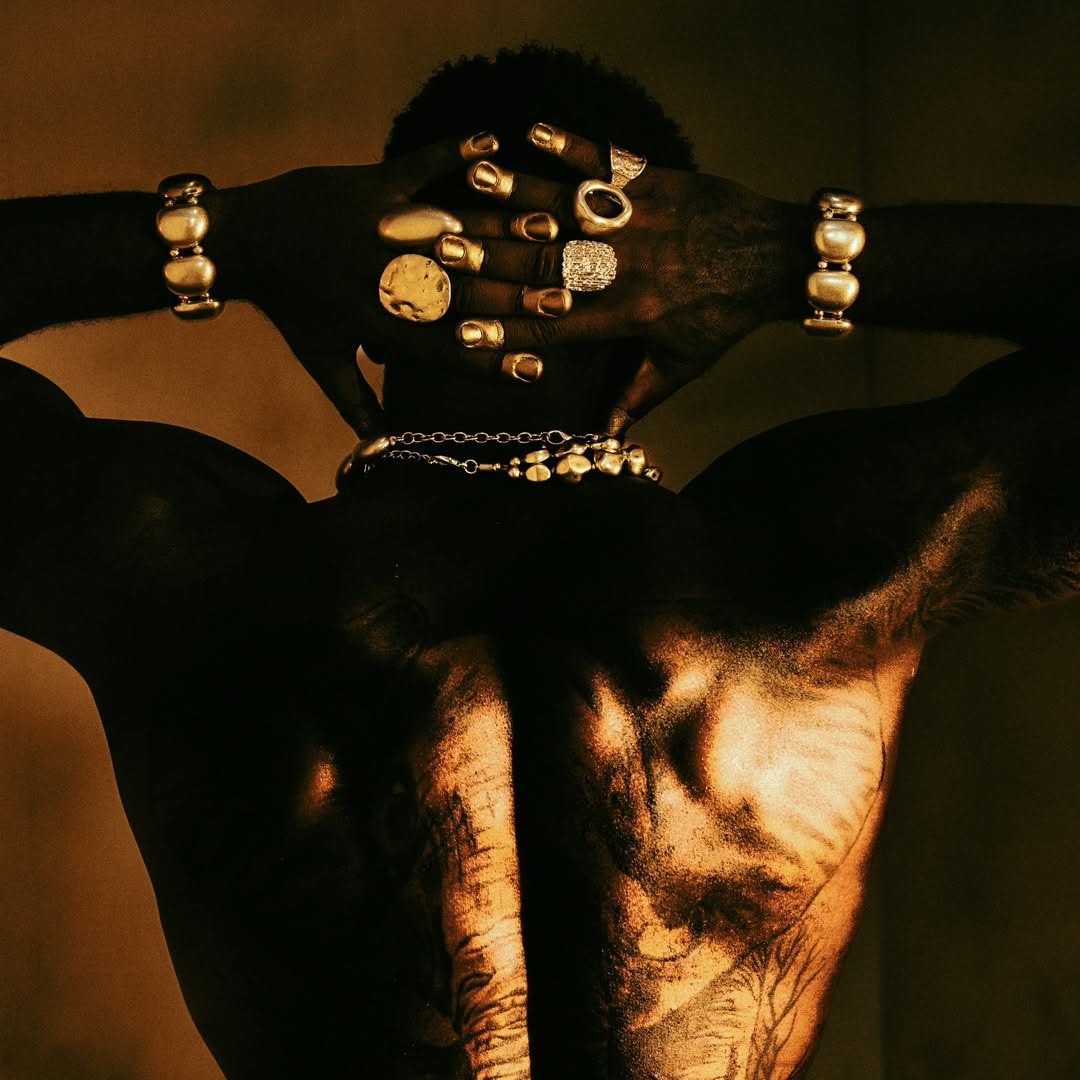
(Tayc via Instagram)Across JOŸA, Tayc moves between romance, chaos and vulnerability without letting the album settle in one place for too long. “Dive In” reveals its most reckless side, turning a messy situationship into something almost triumphant as Tayc bluntly tells his girlfriend that another woman simply does it better. The man is basically confessing to disaster over perfect production, and somehow it works. Then there is “Koki & Plantain,” one of the album’s most culturally rooted moments, where Tayc compares love to the iconic Cameroonian pairing in a way that feels personal rather than performative.
The features on JOŸA complement Tayc's voice. RnBoi on "Maman Prie," Aya Nakamura on "Va Loin" and Masego on "Masterpiece" each slot in so well you stop noticing where Tayc ends and they begin. Before any of this, Tayc screened a short film at a cinema in Paris before a single track was available to stream.
What makes JOŸA particularly interesting for Anglophone listeners is that it works less through literal meaning and more through feeling. Even without understanding every lyric, you can still follow where the songs are going emotionally through the pauses in Tayc’s delivery, the crack in his voice at the end of certain lines and the way the choirs rise behind him.
IG: @zoannafr




.png)

