.svg)

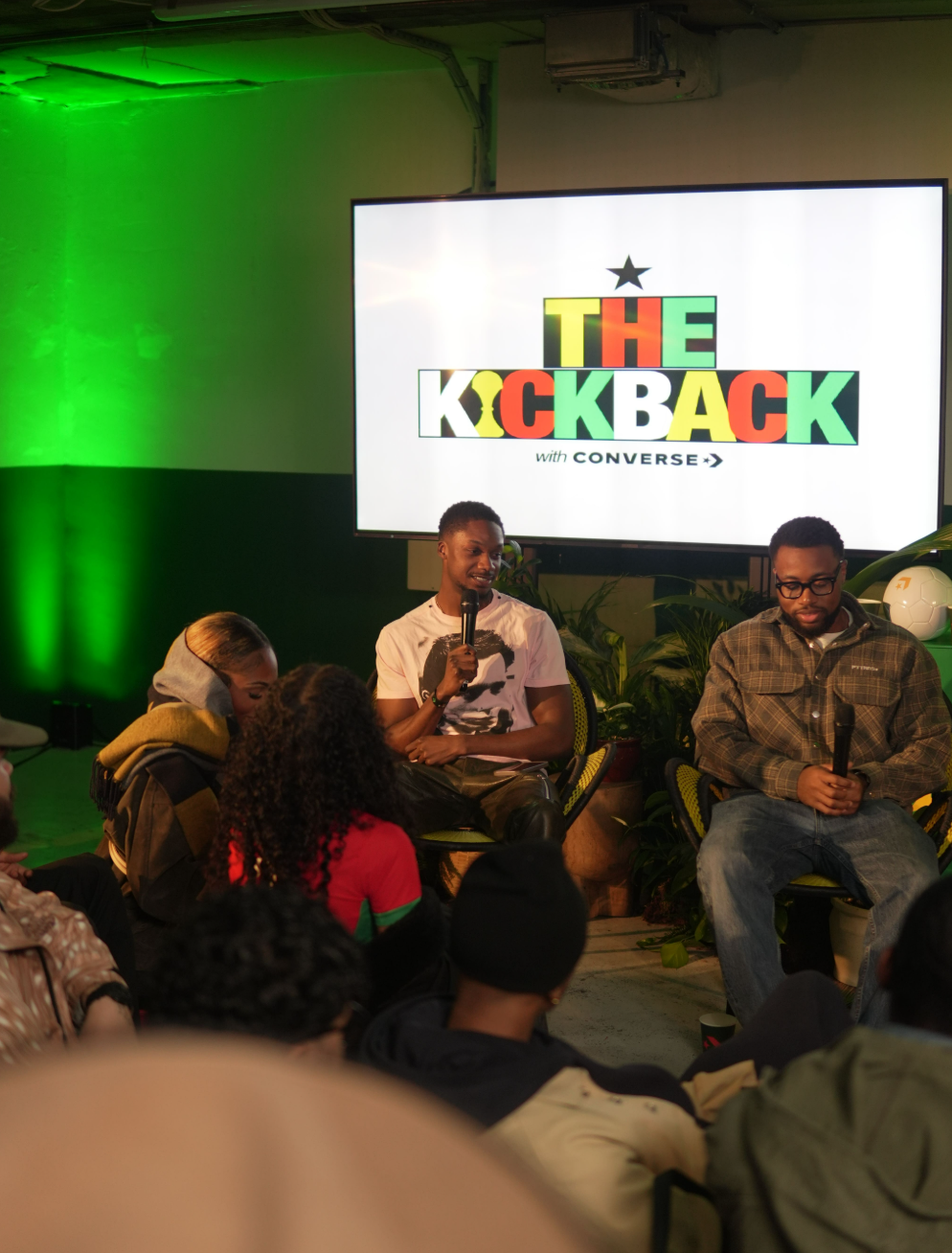
While the fierce final between Senegal and Morocco unfolded on the pitch in Rabat, a parallel celebration of football culture kicked off in the backstreets of London.
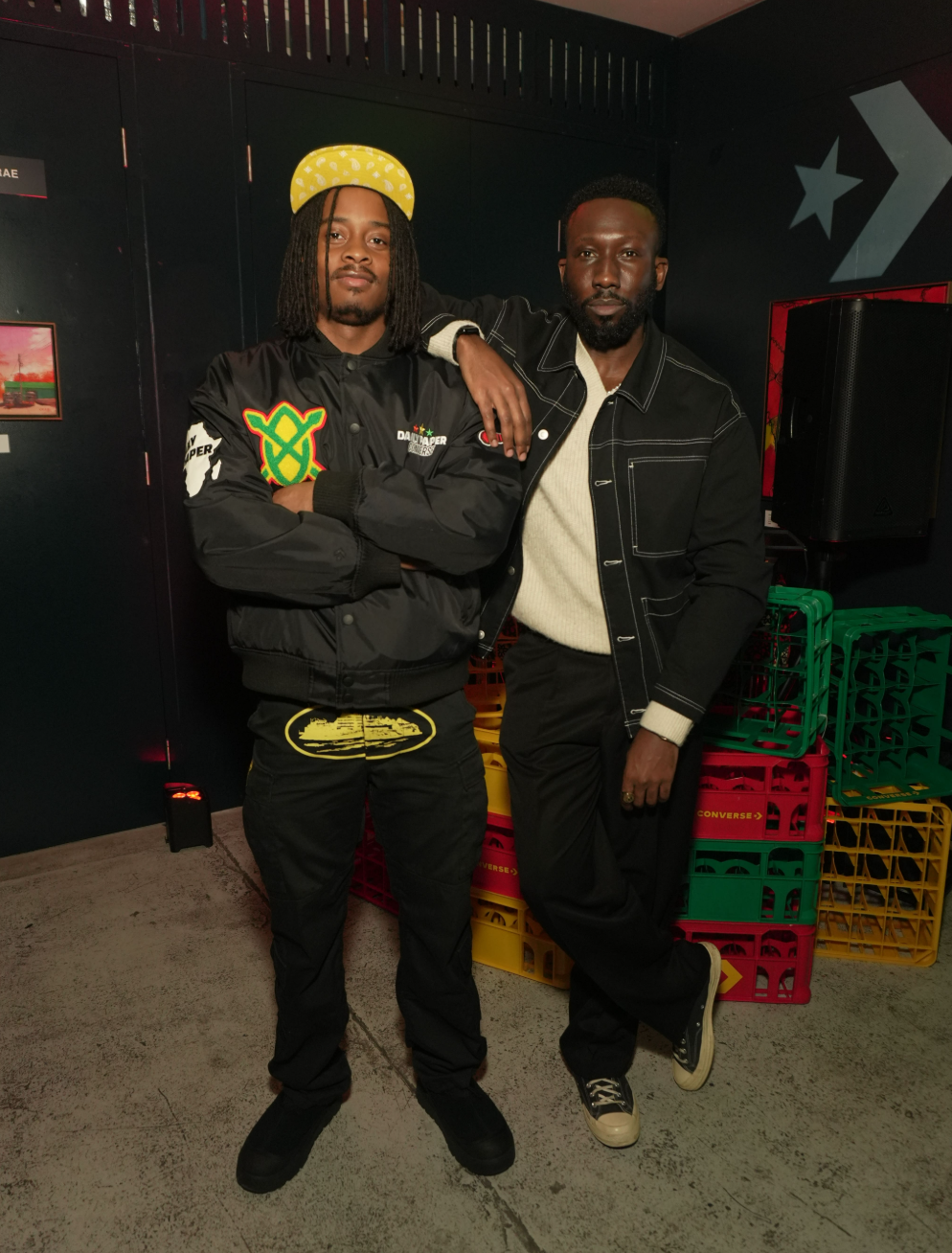
Dubbed "The Kickback," this event was more than just a watch party; it was a vibrant, organic convergence of fans, fashion, and rhythm that transformed a local rivalry into a unifying celebration of African football and street culture. Held in a converted warehouse space, The Kickback served as a cultural hub, drawing in a diverse crowd of London's creative youth, football fanatics, and culture curators. Amidst the electric atmosphere, the humble Chuck Taylor’s emerged, not by design but by consensus, as the unofficial uniform of unity.The Uniform: Chucks as the Common Ground.

As the London sun set and the crowd swelled, the dress code became an unspoken statement. One element was universal: classic Chuck Taylors. From the high-top 70s vintage to the worn-in low-cut originals, they were a spectrum of different styles, colours, and conditions, each pair telling its own story. The sneaker, a global symbol of effortless cool and creative rebellion, transcended national loyalties and became a neutral territory where fan identity met streetwear chic. The sheer ubiquity of the shoe proved that off the pitch, style was a shared, accessible language for everyone at The Kickback. It subtly underscored the event's ethos: a focus on shared culture over fierce competition.Panel Insight: Culture, Career, and Community
The evening’s energy was momentarily redirected by a dynamic and insightful panel discussion, expertly hosted by the celebrated culture commentator, Kenny Jonathan. The conversation brought together a trio of accomplished professionals— Fashion Stylist Algen Hamilton, Footballer Josh Nichols, and Marketing agent Subomi Odanye.
The discussion delved deep into the panellists' respective career journeys, offering invaluable firsthand accounts of their experiences, the pivotal lessons they have learned along the way, and the challenges they have overcome to achieve success in their highly competitive fields. They spoke candidly about navigating their industries, from securing initial opportunities to establishing a unique professional voice.
A central theme of the talk was the profound importance of culture—not only as a broad societal concept but as a defining, intrinsic element of their personal and professional identities. The panellists articulated how their cultural backgrounds—Nigerian, Ghanaian, and Jamaican heritage, respectively—have fundamentally shaped their values and morals, informed their creative outlook, and served as a constant source of inspiration and resilience. They discussed the interplay between their heritage and their work, highlighting how this synergy has enabled them to create authentic, nuanced, and impactful work within their fields, stressing that authenticity is the ultimate currency.
Furthermore, the discussion offered a crucial, forward-looking perspective, providing the audience—particularly the new generation of creatives—with a clear foresight into the potential impact of their current endeavours. Hamilton, Nichols, and Odanye shared their collective vision for how the work they are doing today is contributing to a meaningful, positive shift within their communities. Their goal was clear: to inspire, mentor, and actively open doors for aspiring creatives who share similar backgrounds. The talk served as a powerful testament to the idea that professional success and cultural identity are deeply interwoven, and that a commitment to both is not merely admirable but essential for driving future innovation and community enrichment across London’s cultural landscape.Atmosphere: More Than a Watch Party

The event was a sensory overload, expertly curated to engage every part of the mind and body. A giant projector screen broadcast the tense, high-stakes match, but the space around it vibrated with its own self-generated energy, making the football only one piece of a larger cultural mosaic:
● The Soundtrack: The air was filled with an expertly layered musical journey. DJs seamlessly blended the complex, polyrhythmic beats of Senegalese mbalax with the hypnotic, driving rhythms of Moroccan music, creating a unique cross-continental soundscape. As halftime hit, the vibe shifted to a unifying burst of Afrobeats and Amapiano to keep the balance, guaranteeing continuous movement.
● Culinary Corner: The pop-up food stations were a celebration of London's diverse culinary scene. Offerings included authentic Nigerian cuisine from Tasty's, a highly-regarded local catering business, standing alongside Nando's, the iconic UK food staple. This blending of local entrepreneurship with mainstream favourites mirrored the crowd’s own diversity.
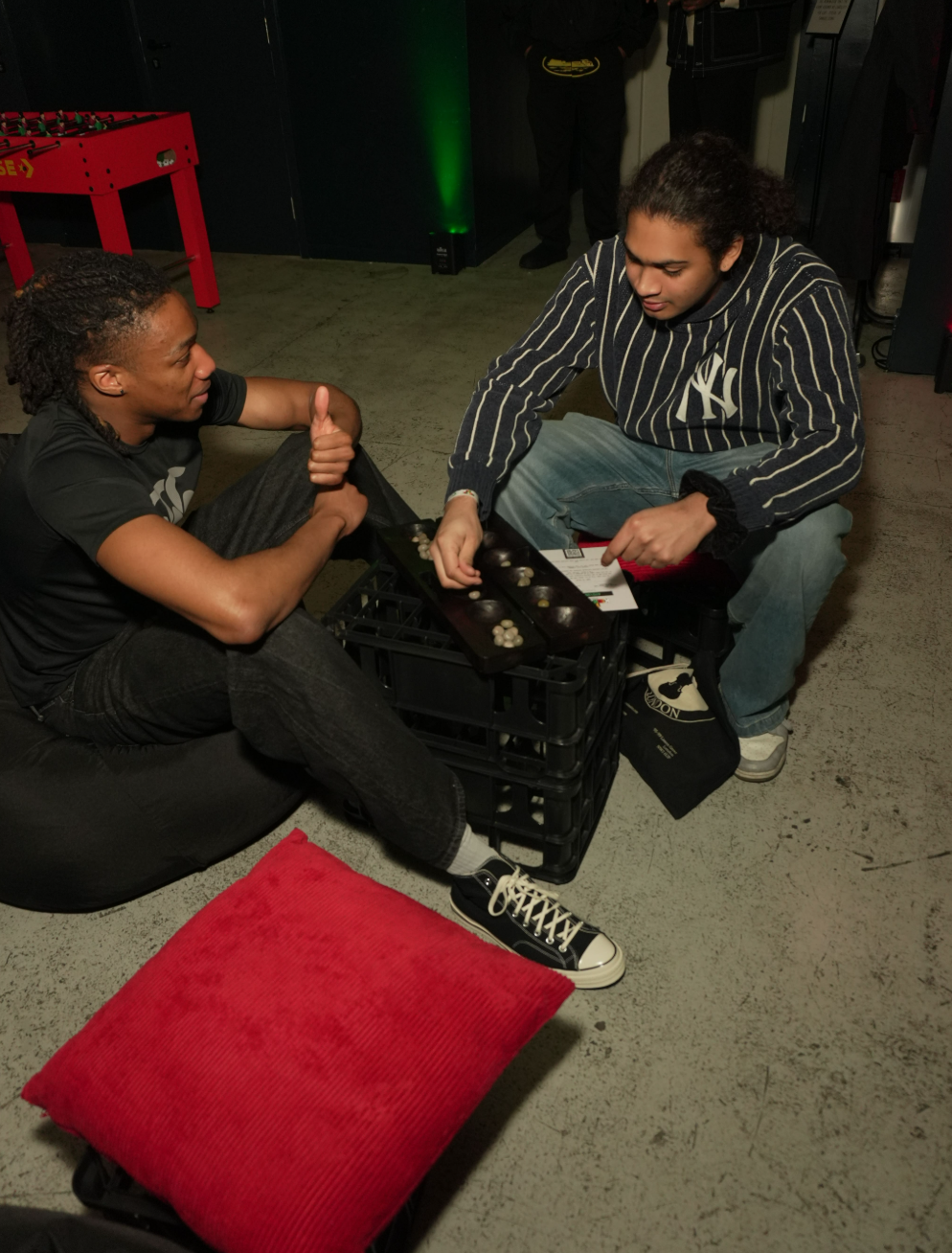
● The Real Competition: The most heated competition wasn't always on-screen but at the table football arena. Teams, often comprised of Moroccan and Senegalese supporters, battled for bragging rights settled in quick, friendly, and intensely competitive tournaments, proving that camaraderie could win over rivalry.
The Final Whistle & A Shared Vibe
When the controversial final whistle blew on screen, marking the end of a chaotic match, a complex, suspended silence fell momentarily over The Kickback. For a brief, shared instant, the tension and disappointment from the final were palpable. Then, with a deft touch of cultural therapy, the DJ dropped a timeless classic track—a unifying anthem that transcended the match result. The crowd erupted, not in protest, but in collective dancing. The Chuck Taylors, now slightly dusty and scuffed from a night of movement and celebration, kept rhythmically moving on the warehouse floor.
Background on the Match: The final between Morocco and Senegal was poised to be a historic celebration of African football's ascent. Instead, it will be remembered for one of the most chaotic and controversial endings in the tournament's history. On January 18, 2026, at the Prince Moulay Abdellah Stadium in Rabat, Senegal defeated host nation Morocco 1-0 in extra time to claim their second continental title. However, the hard-fought victory was completely overshadowed by a stoppage-time walk-off protest by Moroccan players, violent fan clashes in the stands, and a shocking, high-stakes penalty miss that added to the deep drama of the night.
The Kickback demonstrated that football's true, enduring spirit flourishes far from the stadium lights—it's found in the vital, community-building space it creates. It’s a space where a shared love of the game is merely the launchpad for a deeper cultural conversation. Much like the panellists discussed, this event affirmed that a commitment to one's cultural identity and community is the essential foundation for innovation and building a path for the next generation. This convergence allowed attendees not just to witness a match, but to connect with each other, feel inspired by the stories of creatives, and embrace a moment of collective belonging. The Chuck Taylors, scuffed and worn by the night's end, weren't merely shoes; they were the visible common ground at an unforgettable party, cementing The Kickback as a vital, inspiring fixture in London's cultural calendar.


.png)

