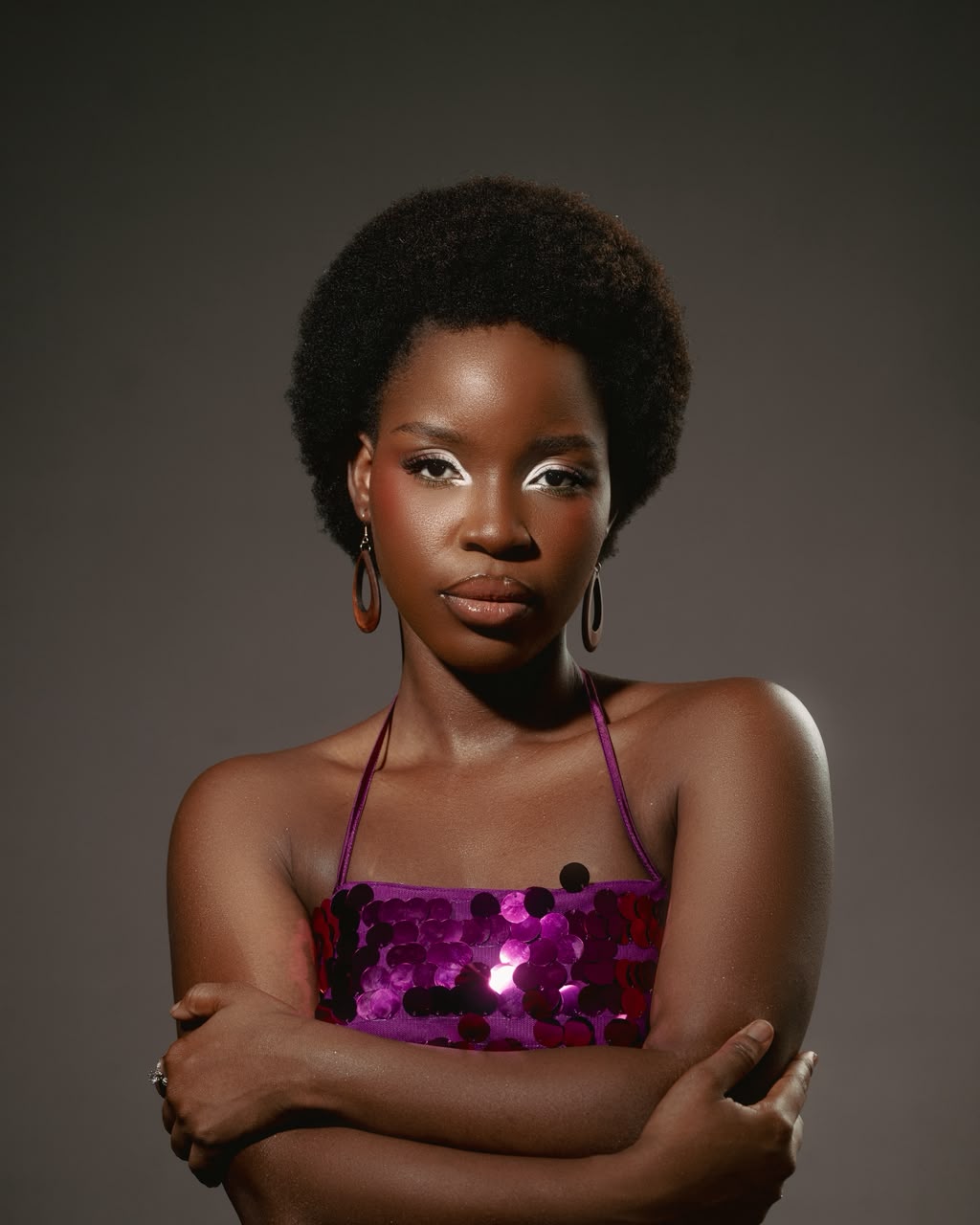
Current Mood: Teledalase

Authored by

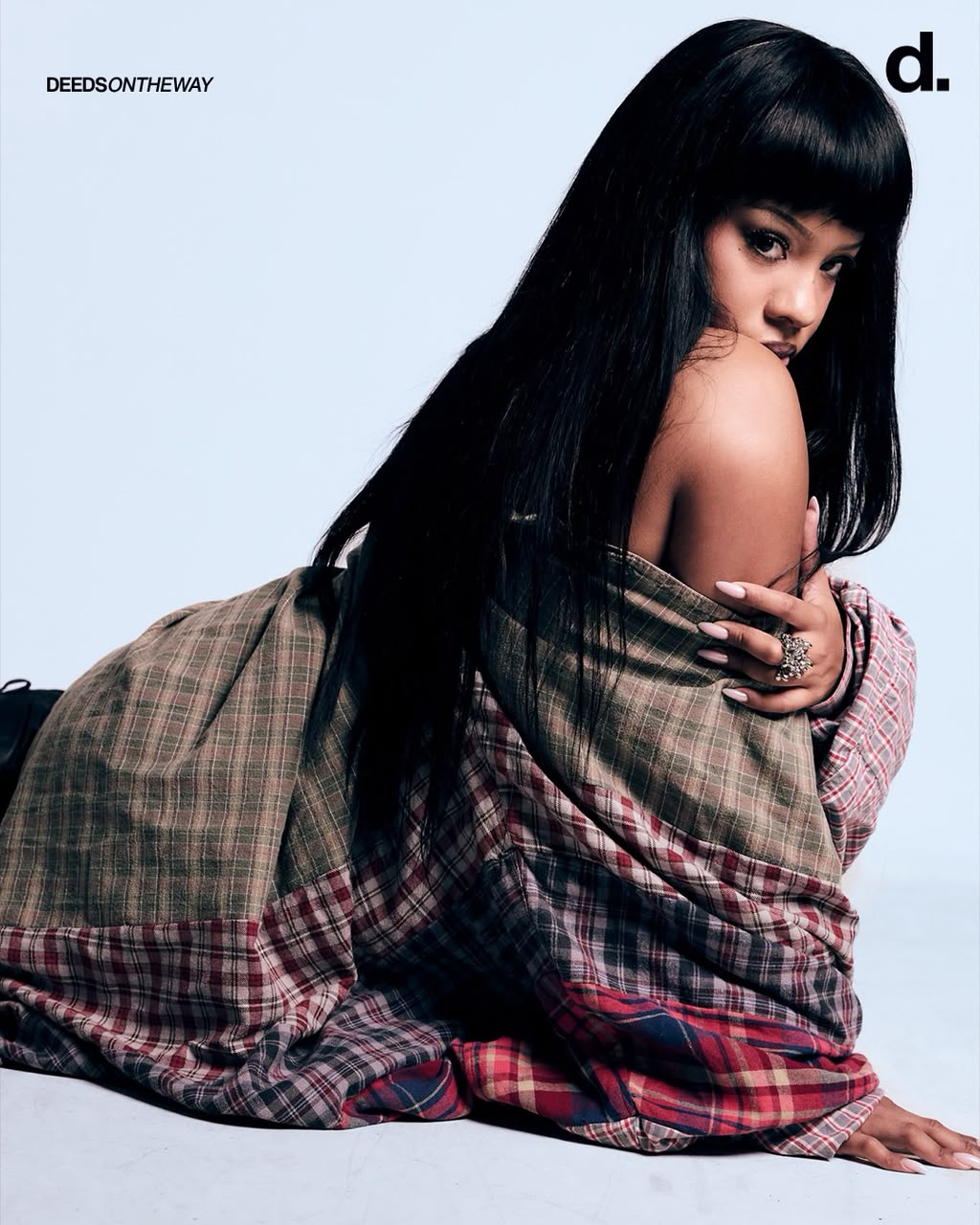
Teledalase appears in a blue-and-purple patterned headwrap tied high around her head, gold hoop earrings and a gold-toned necklace over a simple black top. Her makeup is understated, with a matte lip, two nose piercings and a pair of small matching pieces sitting together beneath her lower lip. Framed photographs and artwork fill the space behind her. The whole room felt like a memory, a piece of her occupying the entire space. 

As she speaks about her music, she becomes increasingly animated, moving between ideas about culture, language, grief and artistic freedom with the kind of enthusiasm that makes it clear she has spent a lot of time thinking about what she wants her work to say. When asked to introduce herself and her music, she does not reach for a genre or a career summary; she reaches for water. “I would describe my music as water,” she says. “There are many ways that water can exist and be. I can be as deep and vast as the ocean, and then I can still be what you need on a hot day. I can be as redeeming and as refreshing as you going to the river on a hot day to take a bath. It is what it is in whatever context or structure that you meet it, and however you find it is however it's supposed to be.” 
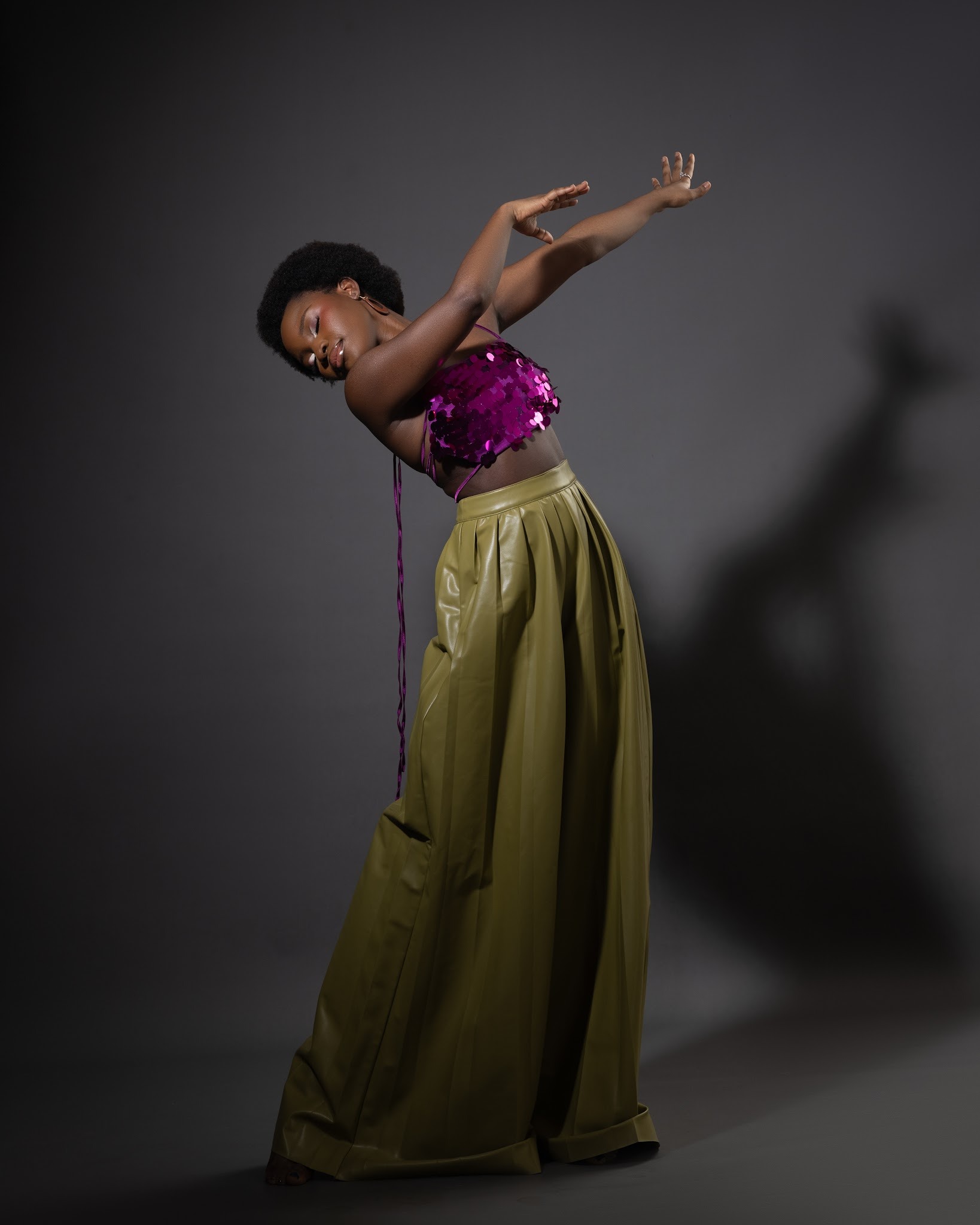
Credit: Teledalese

The comparison makes sense when you look across Teledalase’s work. Her music moves between Yoruba culture, personal experience, folk traditions and contemporary sounds without settling into one fixed identity. She is Nigerian-American, with an artistic lineage that runs deep into Yoruba culture. Her father was a visual artist, her mother a dancer and theatre practitioner whose dance troupe, Omitsun, gave Teledalase early access to live cultural performance, and her paternal grandfather was a founding member of the Mbari Mbayo Club & Oshogbo Art movement. That inheritance has shaped the way she understands music and language. Yoruba was not simply a language she grew up speaking. She described it as a language capable of expressing things that English could not, particularly through its proverbs and emotional textures, and connected the renewed use of Yoruba in contemporary Nigerian music to a much older tradition carried by artists like King Sunny Ade and Ebenezer Obey.
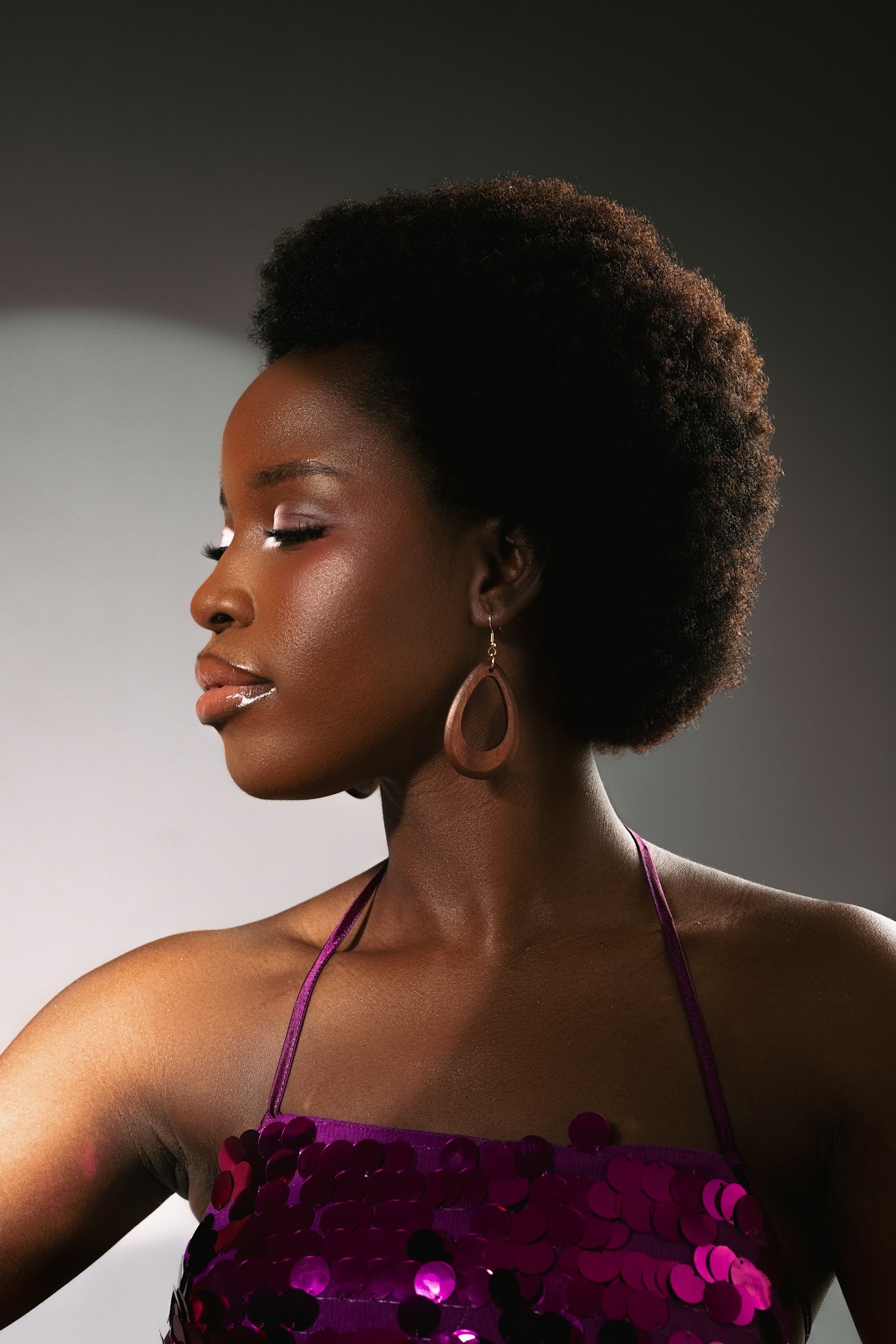
Credit:Teledalase

Her 2024 debut EP, The ones who didn't die, Pt. 1, introduced that foundation to a wider audience. Her contribution to Netflix’s Aníkúlápó: Rise of the Spectre placed her work within a larger Yoruba cultural and spiritual world, while Apple Music named her an Africa Rising artist in 2025. Then came The Bad Wife Has No Tongue, in 2026, a deeply personal project that some listeners could have read as a departure from the work that came before it. Teledalase does not see it that way because, for her, there has never been one fixed version of what her music is supposed to sound like.

“I am just making music,” she says, when asked whether she sees her projects as parts of one larger creative world. “I am so anti-branding — which is very weird because in the music industry nowadays, we're all being pushed to create a brand of some sort. If I have something to say, I'm going to say it in music. The Bad Wife Has No Tongue is a deeply personal project. It doesn't mean I'm going to do a second one. Maybe the next album would be about me being in love, and people will be like, what the hell? Where did this come from?” That unpredictability has followed her through the catalogue. After the Aníkúlápó soundtrack, she released Peace, a song she had written years earlier and which existed in a very different register from the music people had started associating with her. Listeners who had begun to categorise her as a Yoruba artist were unsettled by the shift. Teledalase was not.

“If there's one thing about me, you cannot put me in a box. Life is too short for me to turn myself into this one-dimensional person. Everybody else can package it for you. That is their choice. But because I don't have eternity, I'm going to have fun with music.” For Teledalase, that freedom also comes from a belief that music should have room for subjects that do not always fit into commercial Afrobeats. She spoke about folk music as a space for grief, labour, contradiction and the less polished parts of everyday life. She referenced Taste of Life as an example of a song addressing subjects unlikely to become club hits but still worth documenting. She also spoke about music as political resistance and about existence itself as an act of resistance for Nigerians and Black people living within systems that place limits on what they can become.

“Being Nigerian or Black means dreaming beyond limits despite what the system puts in front of you,” she says. “Music like ‘Shungu’ embodies that - a resilience and an unshakeable spirit.”
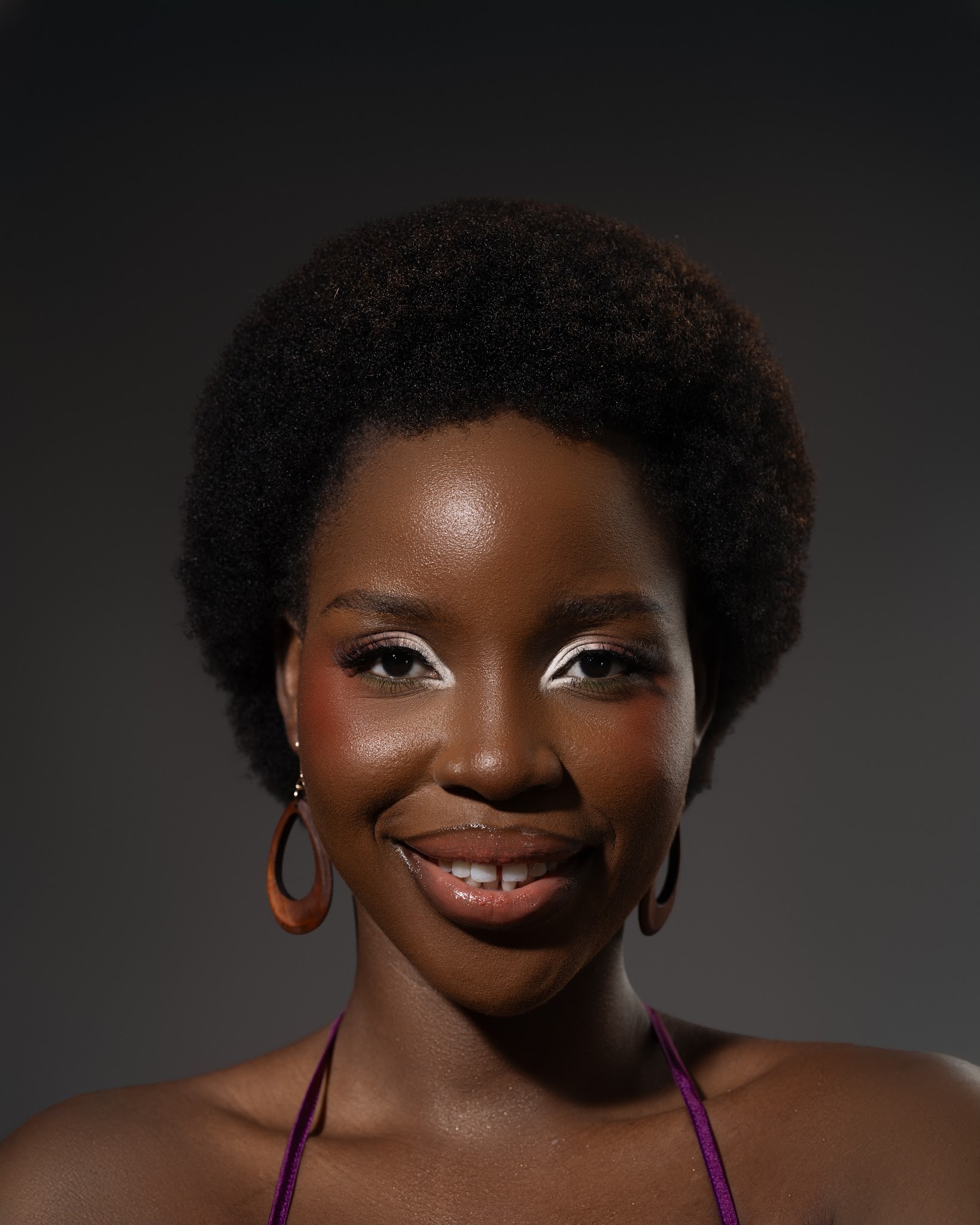
Credit: Teledalase

That understanding of music has also been shaped by grief. Her father’s death interrupted the creative process she had been building. The EP The Blue Child had explored their relationship while he was alive, but after his death, she found herself unable to return to that material in the same way. Grief, she explained, was still too blurry to turn into music. “Grief must unfold naturally before it can be captured in music. I'm not ready yet.”

The tree that appears throughout her work, and most explicitly in SANGO, IGI NLA, her September 2026 single drawing on Yoruba mythology and the symbolism of the thunder tree, offers another way of understanding that patience. She described Iginla as a female spirit representing “unbreakable persistence” and spoke about finding whatever keeps you grounded, whether that is family, faith, music or community, and holding onto it. The idea of rootedness sits alongside the movement in her music. SANGO, IGI NLA reaches into Yoruba mythology and ancestral reverence, using traditional percussion, chants and an invocation-like vocal delivery, while the rest of her catalogue refuses to remain in one musical or emotional space. The two things are not contradictory for Teledalase. Being rooted does not require staying still.

She pointed to Rema as an artist she respects for the same reason. “Because he has the audacity sometimes to just go against the grain, and those are my people,” she says. What interests her is not unpredictability as a marketing strategy, but the freedom to follow an instinct even when the audience does not know what to expect next. “Today they love you, tomorrow they don't,” she says. “That is not a currency I am willing to bank on. When I take my last breath, I don't want to say at least I gave people what they wanted. I want to leave a legacy that I designed - not based on what people told me to do.”

For someone who describes her music as water, the refusal to stay in one shape is perhaps the most consistent thing about her work. The projects can change, the languages can change, the subjects can change, and the sound can move somewhere listeners were not expecting. What remains is the freedom to follow the next thing that feels worth making.

Credit: Teledalase
‍

Current Mood: Teledalase

Authored by
This is some text inside of a div block.

Teledalase appears in a blue-and-purple patterned headwrap tied high around her head, gold hoop earrings and a gold-toned necklace over a simple black top. Her makeup is understated, with a matte lip, two nose piercings and a pair of small matching pieces sitting together beneath her lower lip. Framed photographs and artwork fill the space behind her. The whole room felt like a memory, a piece of her occupying the entire space. 

As she speaks about her music, she becomes increasingly animated, moving between ideas about culture, language, grief and artistic freedom with the kind of enthusiasm that makes it clear she has spent a lot of time thinking about what she wants her work to say. When asked to introduce herself and her music, she does not reach for a genre or a career summary; she reaches for water. “I would describe my music as water,” she says. “There are many ways that water can exist and be. I can be as deep and vast as the ocean, and then I can still be what you need on a hot day. I can be as redeeming and as refreshing as you going to the river on a hot day to take a bath. It is what it is in whatever context or structure that you meet it, and however you find it is however it's supposed to be.” 

Credit: Teledalese

The comparison makes sense when you look across Teledalase’s work. Her music moves between Yoruba culture, personal experience, folk traditions and contemporary sounds without settling into one fixed identity. She is Nigerian-American, with an artistic lineage that runs deep into Yoruba culture. Her father was a visual artist, her mother a dancer and theatre practitioner whose dance troupe, Omitsun, gave Teledalase early access to live cultural performance, and her paternal grandfather was a founding member of the Mbari Mbayo Club & Oshogbo Art movement. That inheritance has shaped the way she understands music and language. Yoruba was not simply a language she grew up speaking. She described it as a language capable of expressing things that English could not, particularly through its proverbs and emotional textures, and connected the renewed use of Yoruba in contemporary Nigerian music to a much older tradition carried by artists like King Sunny Ade and Ebenezer Obey.

Credit:Teledalase

Her 2024 debut EP, The ones who didn't die, Pt. 1, introduced that foundation to a wider audience. Her contribution to Netflix’s Aníkúlápó: Rise of the Spectre placed her work within a larger Yoruba cultural and spiritual world, while Apple Music named her an Africa Rising artist in 2025. Then came The Bad Wife Has No Tongue, in 2026, a deeply personal project that some listeners could have read as a departure from the work that came before it. Teledalase does not see it that way because, for her, there has never been one fixed version of what her music is supposed to sound like.

“I am just making music,” she says, when asked whether she sees her projects as parts of one larger creative world. “I am so anti-branding — which is very weird because in the music industry nowadays, we're all being pushed to create a brand of some sort. If I have something to say, I'm going to say it in music. The Bad Wife Has No Tongue is a deeply personal project. It doesn't mean I'm going to do a second one. Maybe the next album would be about me being in love, and people will be like, what the hell? Where did this come from?” That unpredictability has followed her through the catalogue. After the Aníkúlápó soundtrack, she released Peace, a song she had written years earlier and which existed in a very different register from the music people had started associating with her. Listeners who had begun to categorise her as a Yoruba artist were unsettled by the shift. Teledalase was not.

“If there's one thing about me, you cannot put me in a box. Life is too short for me to turn myself into this one-dimensional person. Everybody else can package it for you. That is their choice. But because I don't have eternity, I'm going to have fun with music.” For Teledalase, that freedom also comes from a belief that music should have room for subjects that do not always fit into commercial Afrobeats. She spoke about folk music as a space for grief, labour, contradiction and the less polished parts of everyday life. She referenced Taste of Life as an example of a song addressing subjects unlikely to become club hits but still worth documenting. She also spoke about music as political resistance and about existence itself as an act of resistance for Nigerians and Black people living within systems that place limits on what they can become.

“Being Nigerian or Black means dreaming beyond limits despite what the system puts in front of you,” she says. “Music like ‘Shungu’ embodies that - a resilience and an unshakeable spirit.”

Credit: Teledalase

That understanding of music has also been shaped by grief. Her father’s death interrupted the creative process she had been building. The EP The Blue Child had explored their relationship while he was alive, but after his death, she found herself unable to return to that material in the same way. Grief, she explained, was still too blurry to turn into music. “Grief must unfold naturally before it can be captured in music. I'm not ready yet.”

The tree that appears throughout her work, and most explicitly in SANGO, IGI NLA, her September 2026 single drawing on Yoruba mythology and the symbolism of the thunder tree, offers another way of understanding that patience. She described Iginla as a female spirit representing “unbreakable persistence” and spoke about finding whatever keeps you grounded, whether that is family, faith, music or community, and holding onto it. The idea of rootedness sits alongside the movement in her music. SANGO, IGI NLA reaches into Yoruba mythology and ancestral reverence, using traditional percussion, chants and an invocation-like vocal delivery, while the rest of her catalogue refuses to remain in one musical or emotional space. The two things are not contradictory for Teledalase. Being rooted does not require staying still.

She pointed to Rema as an artist she respects for the same reason. “Because he has the audacity sometimes to just go against the grain, and those are my people,” she says. What interests her is not unpredictability as a marketing strategy, but the freedom to follow an instinct even when the audience does not know what to expect next. “Today they love you, tomorrow they don't,” she says. “That is not a currency I am willing to bank on. When I take my last breath, I don't want to say at least I gave people what they wanted. I want to leave a legacy that I designed - not based on what people told me to do.”

For someone who describes her music as water, the refusal to stay in one shape is perhaps the most consistent thing about her work. The projects can change, the languages can change, the subjects can change, and the sound can move somewhere listeners were not expecting. What remains is the freedom to follow the next thing that feels worth making.

Credit: Teledalase
‍

This is some text inside of a div block.

Current Mood: Teledalase

Authored by

Teledalase appears in a blue-and-purple patterned headwrap tied high around her head, gold hoop earrings and a gold-toned necklace over a simple black top. Her makeup is understated, with a matte lip, two nose piercings and a pair of small matching pieces sitting together beneath her lower lip. Framed photographs and artwork fill the space behind her. The whole room felt like a memory, a piece of her occupying the entire space. 

As she speaks about her music, she becomes increasingly animated, moving between ideas about culture, language, grief and artistic freedom with the kind of enthusiasm that makes it clear she has spent a lot of time thinking about what she wants her work to say. When asked to introduce herself and her music, she does not reach for a genre or a career summary; she reaches for water. “I would describe my music as water,” she says. “There are many ways that water can exist and be. I can be as deep and vast as the ocean, and then I can still be what you need on a hot day. I can be as redeeming and as refreshing as you going to the river on a hot day to take a bath. It is what it is in whatever context or structure that you meet it, and however you find it is however it's supposed to be.” 

Credit: Teledalese

The comparison makes sense when you look across Teledalase’s work. Her music moves between Yoruba culture, personal experience, folk traditions and contemporary sounds without settling into one fixed identity. She is Nigerian-American, with an artistic lineage that runs deep into Yoruba culture. Her father was a visual artist, her mother a dancer and theatre practitioner whose dance troupe, Omitsun, gave Teledalase early access to live cultural performance, and her paternal grandfather was a founding member of the Mbari Mbayo Club & Oshogbo Art movement. That inheritance has shaped the way she understands music and language. Yoruba was not simply a language she grew up speaking. She described it as a language capable of expressing things that English could not, particularly through its proverbs and emotional textures, and connected the renewed use of Yoruba in contemporary Nigerian music to a much older tradition carried by artists like King Sunny Ade and Ebenezer Obey.

Credit:Teledalase

Her 2024 debut EP, The ones who didn't die, Pt. 1, introduced that foundation to a wider audience. Her contribution to Netflix’s Aníkúlápó: Rise of the Spectre placed her work within a larger Yoruba cultural and spiritual world, while Apple Music named her an Africa Rising artist in 2025. Then came The Bad Wife Has No Tongue, in 2026, a deeply personal project that some listeners could have read as a departure from the work that came before it. Teledalase does not see it that way because, for her, there has never been one fixed version of what her music is supposed to sound like.

“I am just making music,” she says, when asked whether she sees her projects as parts of one larger creative world. “I am so anti-branding — which is very weird because in the music industry nowadays, we're all being pushed to create a brand of some sort. If I have something to say, I'm going to say it in music. The Bad Wife Has No Tongue is a deeply personal project. It doesn't mean I'm going to do a second one. Maybe the next album would be about me being in love, and people will be like, what the hell? Where did this come from?” That unpredictability has followed her through the catalogue. After the Aníkúlápó soundtrack, she released Peace, a song she had written years earlier and which existed in a very different register from the music people had started associating with her. Listeners who had begun to categorise her as a Yoruba artist were unsettled by the shift. Teledalase was not.

“If there's one thing about me, you cannot put me in a box. Life is too short for me to turn myself into this one-dimensional person. Everybody else can package it for you. That is their choice. But because I don't have eternity, I'm going to have fun with music.” For Teledalase, that freedom also comes from a belief that music should have room for subjects that do not always fit into commercial Afrobeats. She spoke about folk music as a space for grief, labour, contradiction and the less polished parts of everyday life. She referenced Taste of Life as an example of a song addressing subjects unlikely to become club hits but still worth documenting. She also spoke about music as political resistance and about existence itself as an act of resistance for Nigerians and Black people living within systems that place limits on what they can become.

“Being Nigerian or Black means dreaming beyond limits despite what the system puts in front of you,” she says. “Music like ‘Shungu’ embodies that - a resilience and an unshakeable spirit.”

Credit: Teledalase

That understanding of music has also been shaped by grief. Her father’s death interrupted the creative process she had been building. The EP The Blue Child had explored their relationship while he was alive, but after his death, she found herself unable to return to that material in the same way. Grief, she explained, was still too blurry to turn into music. “Grief must unfold naturally before it can be captured in music. I'm not ready yet.”

The tree that appears throughout her work, and most explicitly in SANGO, IGI NLA, her September 2026 single drawing on Yoruba mythology and the symbolism of the thunder tree, offers another way of understanding that patience. She described Iginla as a female spirit representing “unbreakable persistence” and spoke about finding whatever keeps you grounded, whether that is family, faith, music or community, and holding onto it. The idea of rootedness sits alongside the movement in her music. SANGO, IGI NLA reaches into Yoruba mythology and ancestral reverence, using traditional percussion, chants and an invocation-like vocal delivery, while the rest of her catalogue refuses to remain in one musical or emotional space. The two things are not contradictory for Teledalase. Being rooted does not require staying still.

She pointed to Rema as an artist she respects for the same reason. “Because he has the audacity sometimes to just go against the grain, and those are my people,” she says. What interests her is not unpredictability as a marketing strategy, but the freedom to follow an instinct even when the audience does not know what to expect next. “Today they love you, tomorrow they don't,” she says. “That is not a currency I am willing to bank on. When I take my last breath, I don't want to say at least I gave people what they wanted. I want to leave a legacy that I designed - not based on what people told me to do.”

For someone who describes her music as water, the refusal to stay in one shape is perhaps the most consistent thing about her work. The projects can change, the languages can change, the subjects can change, and the sound can move somewhere listeners were not expecting. What remains is the freedom to follow the next thing that feels worth making.

Credit: Teledalase
‍

Other Stories
London
London
Lagos
London
Newyork
London
Shop
Join the community.
You are now subscribed to receive updates.
Oops! Something went wrong while submitting the form.
Subscribe