FKA Mash…

‘The Inner Compass Is EXITECHNO’ 

For what it’s worth, no one might have ever known that the South African producer-DJ, FKA Mash, spent several years creating his latest opus EXITECHNO. He had spent years attempting to make an album, only to abandon projects after four or five songs when they no longer felt right. Then, almost unexpectedly, the project he had been trying to make for years finally came together.

It is a fitting development for an artist whose relationship with music has always been rooted in instinct. FKA Mash began making music at 12 and officially started releasing in 2011, developing a sound that moves through House and Techno while remaining open to the different influences that have shaped his musical life. 

His 2019 remix of Sculptured Music’s, “Sad To Think” earned him Remix of the Year at the Dance Music Awards, South Africa and a South African Music Awards nomination, further introducing his sound to a wider audience.

Since then, his career has taken him onto stages alongside names including Black Coffee, Jimpster, WhoMadeWho and Kerri Chandler, while performances across international electronic music spaces have expanded the world around his music. Yet, beneath the career milestones, there remains a recurring idea: the music has to feel right to him first.

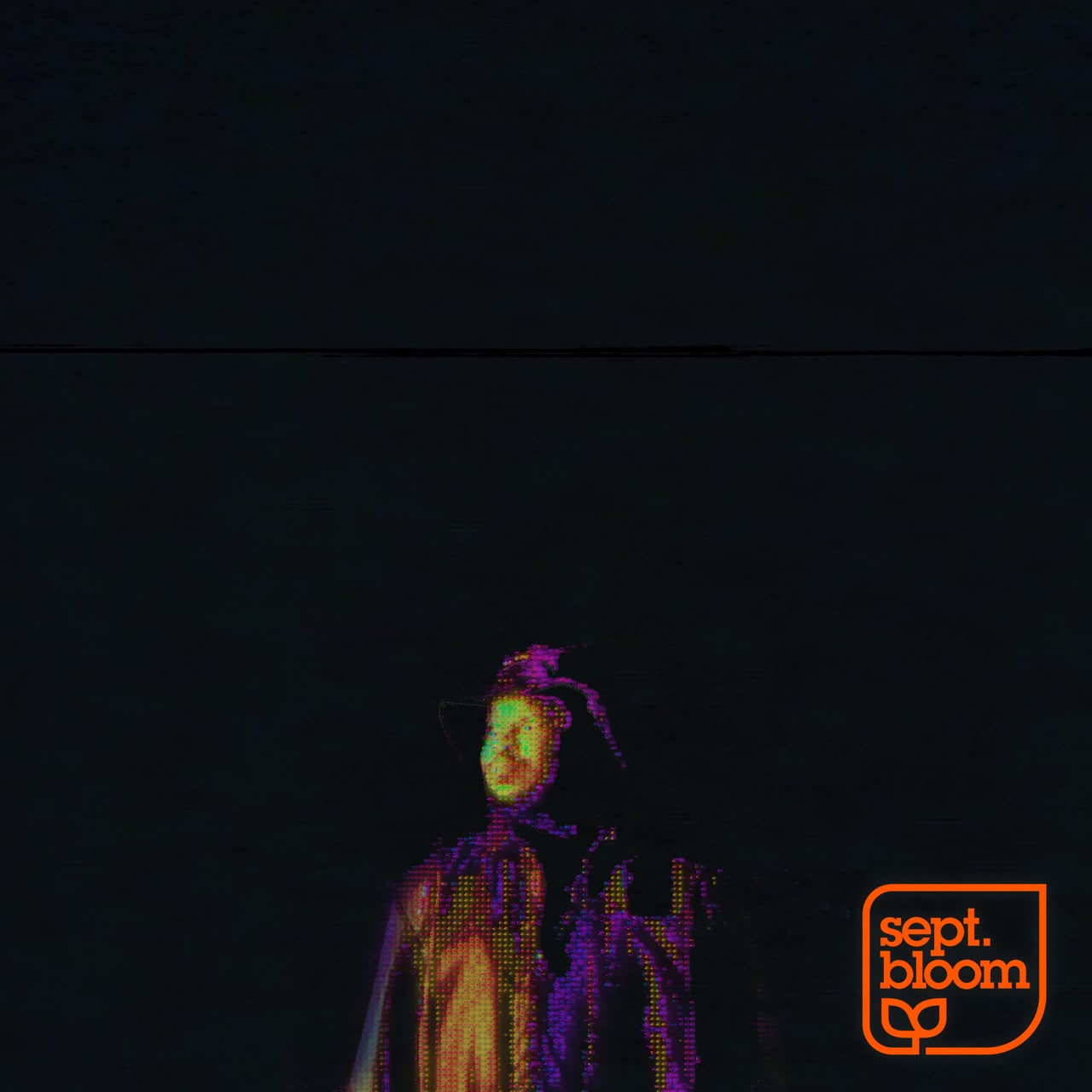
On Friday September 25, that instinct takes the form of EXITECHNO, FKA Mash’s debut album. Named from the combination of “EXIT” and “TECHNO,” the project marks a new chapter for an artist who says he found the album before he even realised he had one. 

Ahead of its release, Deeds caught up with FKA Mash to talk about his beginnings, the evolution of his sound, the journey that brought him to his debut album and what it means to finally let EXITECHNO out into the world.
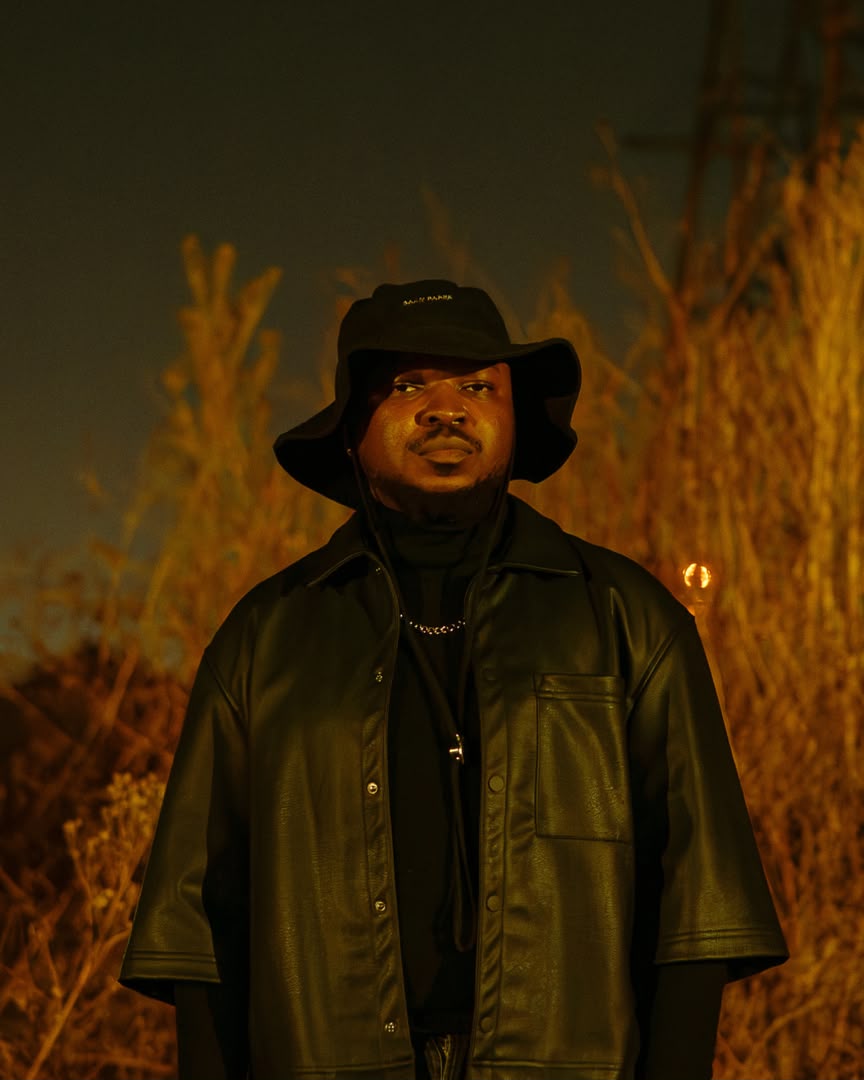
                                                     Photo credit: Jon Berry

Sussan For Deeds Magazine: For anyone discovering FKA MASH for the first time, how would you introduce yourself and the music you make?

My name is Mashoto Gabedi Lekgothoane, also known as FKA MASH. I’m a DJ and a House and Techno music artist from South Africa, Soweto, Johannesburg to be specific. I would introduce myself as a musician. I obviously make different kinds of music, but I am known for making House music and Techno. That’s more or less how I would introduce myself.

Deeds: You’ve been making music since you were 12 and you officially started releasing in 2011. When you look back at those early years, what has changed most about the way you approach music and understand yourself as an artist?

So much has changed obviously, and I still wouldn’t say it has changed but I’d say it has evolved, because some of the methods I used when I was 12, I still use a lot of them today because I still believe in those methods. They are methods that have shaped the artist I am today.

One thing that I always try to do when I make music is to go with the feeling. Does it feel right? Does it feel good to me first and foremost? Then every other thing follows. Does it work for the market? Would people like it? But the most important thing is whether or not this feels good to me, and it has always been like that even when I was young before releasing officially.
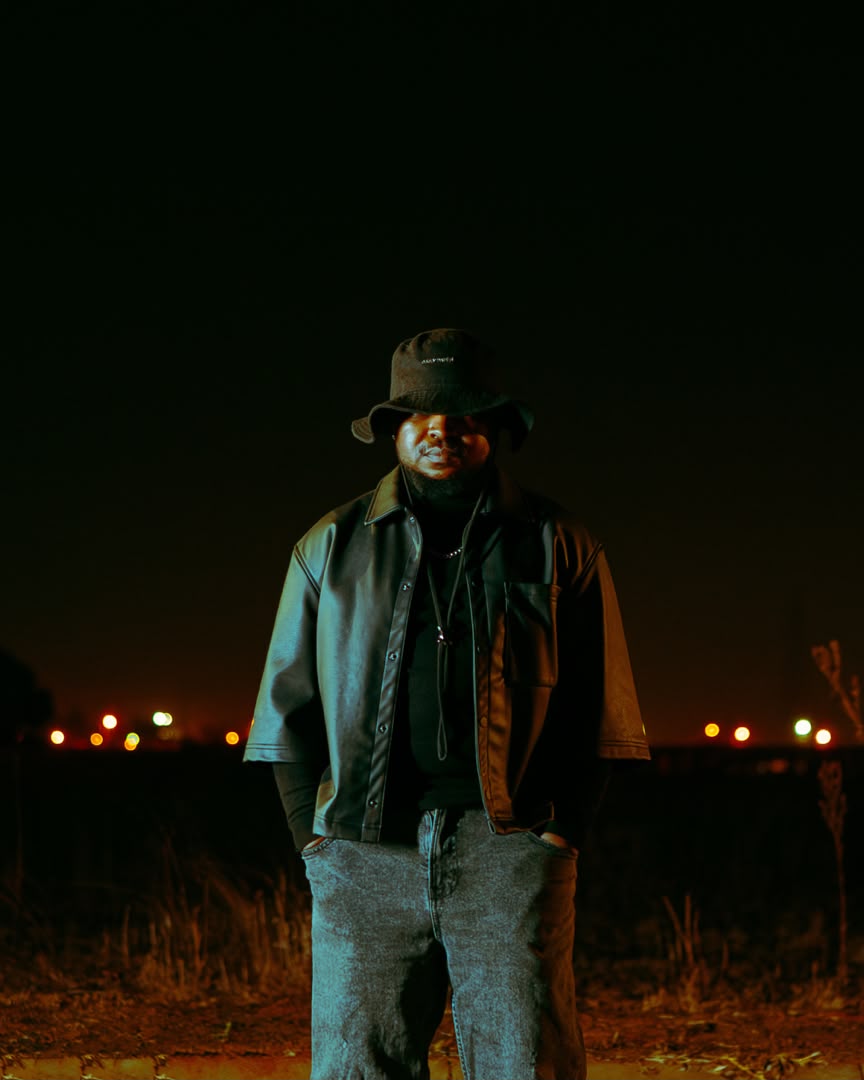
                   Photo credit: Jon Berry 

As your sound began to take shape, your 2019 remix of Sculptured Music’s “Sad To Think” won Remix of the Year and earned a South African Music Awards nomination. What was happening creatively for you at that point that you think allowed that record to connect so strongly with people?

At that time, it was basically, more people were becoming familiar with my sound and there was growing excitement around Deep House in South Africa. There were different waves at different times; Gqom at some point, then Afrohouse, then Soul music, then Amapiano. There were different waves and music that happened at different times, and so with that remix, it was almost like a new wave of music was starting to rise in the South African space.

The other part of it, it just sounded different from everything that was in the market at the time, so people gravitated towards it and they started to think the original was an exciting song. So to have a remix that just sounded different and ultimately earn an SAMA nomination, which is the South African Music Awards nomination, and win Remix of the Year, it kind of connected well. Everything threaded well together.

You’ve performed alongside artists like Black Coffee, Jimpster, WhoMadeWho and Kerri Chandler. What have you learned from sharing the stage with artists you respect in terms of performance, artistry, sound and professionalism?

 The most important thing I learned during those opportunities is how important it is to show up as yourself. Obviously being professional is important. There’s always a way to conduct yourself in those places that will ensure they keep on coming back to you.

The most important thing I took away then and even now, whenever I get to show up on a lineup with anyone I look up to, respect or grew up listening to, is that it is always important to be genuine and show up as yourself. Do not try to be something else, do not try to be like the person you’re sharing the lineup with. Do not try to be anything else outside of yourself. That’s why they brought you there.
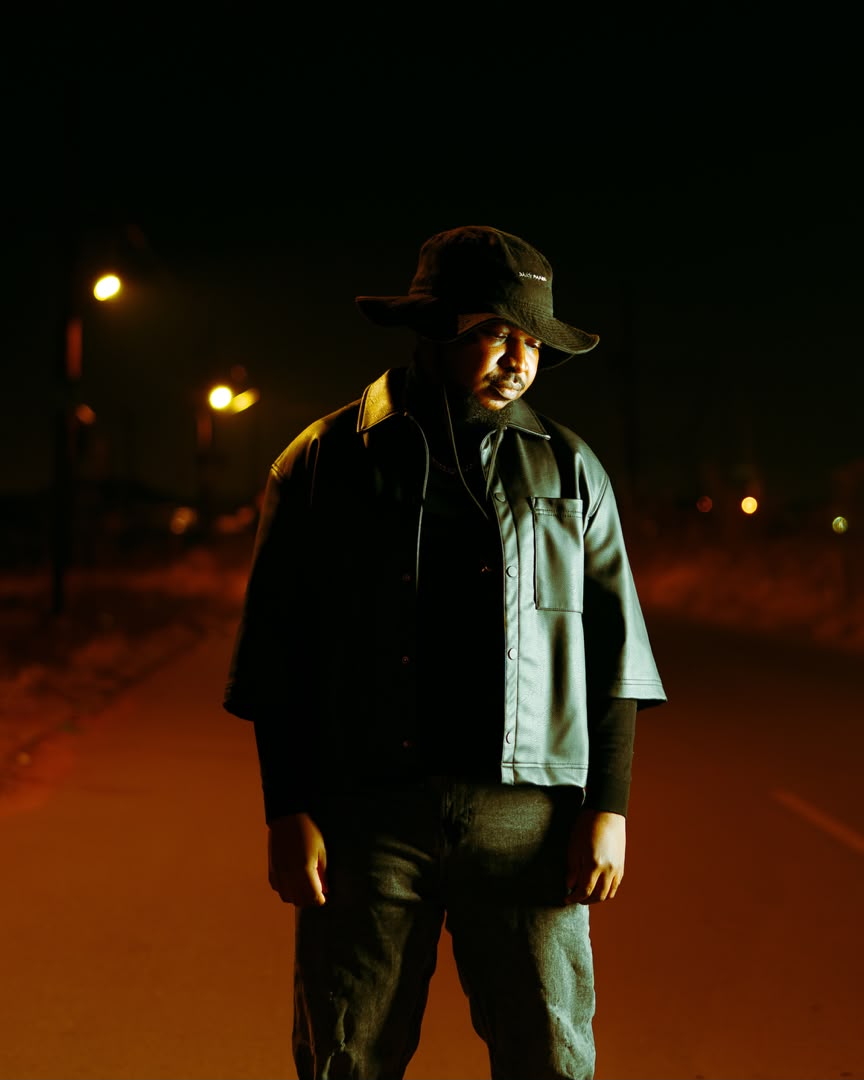
                   Photo credit: Jon Berry 

After more than a decade of releasing music and performing around the world, why did now feel like the right moment to make EXITECHNO, your debut album? And what does the title mean to you?

Basically, I think it felt right. For the longest time, I’ve tried to make an album and it just didn’t flow right. At some point, I’d stop at maybe four or five songs and not feel the urge to continue making more music for a larger project. And as time went on, I decided to either drop an EP, a single or a remix and just keep that going, which is what I connected most with at the time.

For some reason, when it comes to this album, one morning I’m not thinking about an album, literally a week after I have an album to present to the world. It’s just something that happened so organically that I didn’t even feel the need to force it and build towards an album. In fact, I feel like I had the album before I even knew I had the album.

It kind of explains the meaning and the name EXITECHNO, because it describes where I am and where I was when making the project in life. It is a play on the word EXIT and the word TECHNO. The EXIT is where I am in my life, where I am walking away from a certain way of doing things, living and moving into a new way of doing things for myself. The TECHNO part stands for the music that is carrying that story and journey for me.

That’s why I call it EXITECHNO. It’s real world because I struggled for a long time and out of nowhere, I was like, I’m releasing this album and I had an album. I think it just came from a higher power above me and it just landed.

When you say you struggled, can you give a brief insight?

 I struggled because I am a bit of a perfectionist myself, and one of the things that always dictates how I put together a project is how well it flows and, more importantly, I always try to avoid making the same song more than once.

That also feeds into why I struggled making an album because in order for an album to be cohesive, you have to have like a common thread amongst these songs to make it sound like it follows a particular theme. And what made it difficult over the years was that I am so inspired and interested in music and finding new ways to new sounds that it became difficult for me to stick to one idea to make it work.

And I’m sure if people listen to the album, they would be able to catch that because the album holds a lot of different feelings, emotions, styles and approaches to how I make music. But at the same time, I found a way to thread it together perfectly so it sounds like a cohesive project without sticking to the same idea for too long throughout the project. That was the main struggle that made it difficult to come up with an album.

                   Photo credit: Jon Berry

 The album arrives after years of moving between places like Soweto, Ibiza, Bali and London, while also coming from a South African House tradition with its own distinct history and identity. How did these different experiences and influences come together in the album, and what were you trying to explore on a full-length project that you couldn’t necessarily express through individual releases?

The first thing is that South Africa has always had a strong House music culture for the longest time, and one of the things that made it easy for me to explore different styles and ideas is because I interacted with them before I even started to travel.

So the world of House music from around the world came to us here in South Africa as a culture before I started going out into the world. So I’ve always been aware of what Afrohouse, Soul and Techno from this place sound like.

As a result, when I started to travel and see the music in action in different places, it connected differently and started to make sense to me on how and why it works the way it works. And I think, if anything, this album is going to be a true representation of my interpretation of those experiences as I travelled and what we had while growing up in South Africa.

 As South African electronic music continues to reach audiences around the world, what do you think international listeners sometimes mistake about the culture and history behind the music, and what do you think EXITECHNO allows them to understand or feel?

First of all, I’m hoping that EXITECHNO gives people a different glimpse into what is actually happening in South African music. And it’s not only Amapiano, House or Soul music. There are different scenes within South African House music, especially in South Africa, that exist and are thriving.

Also, there’s a story to tell from that perspective as well. Not to try and politicize the whole thing, it is important that a different perspective of what exists in South Africa is told to the world. I think that’s the best way I can answer that.

You are set to perform at the Amsterdam Dance Event this year. How does performing a new body of work change the way you think about the album compared to listening to it privately in the studio?

Well, it affects how I think about it for sure. If you hear some of the songs in the album, you’d realise that a lot of them definitely cannot be played in the club. That’s very intentional because sometimes, I like to make what I call “the headphone music” which is music you can jam in the most intimate settings of your life. It could be your room, house or very isolated settings, as opposed to some of the other club songs that you will find in the album.

The most important thing about how I make music is that I make music for different parts of my set. So if I realise I haven’t had an intro song in a long time and I am maybe in my DJ set playing other people’s songs, at some point, I would make a version of an intro song or a closing song that represents exactly how I’m feeling, as opposed to waiting for the world to give that to me.

How I make music is always very functional. It’s like this song is for this moment, this song is to live in a moment, and it would live for as long as possible.

 You’ve spoken about growing up around Jazz, R&B and Soul, with Michael Jackson being a particular favourite and influence, while you are also drawn to thrillers and the idea of one day hearing your music in that kind of setting. If you could place EXITECHNO inside a film, what kind of story would you want it to soundtrack, and what would that say about the kind of artist you ultimately want to become?

(Laughs) That’s a tough one because I’m still, even now after so many years of making music, still sculpting the kind of artist that I want to be.

And I’ve always maintained one thing throughout my career: I want to write someone’s favourite song of all time. I think the constant chase to be able to write someone’s favourite song is what keeps me building towards being the artist I want to be.

I feel like that visual or film that I want to place this album in is somewhat a buildup of what my life has become up until now. My life and career has started to grow, meeting all the people that I’ve connected with. It’s just a playing visual of what would tie in perfectly with what EXITECHNO is about because it basically sounds like my life.

I don’t exactly know how to place it, but it feels like if I could take a look back into my life and what it has turned into, it would make a perfect visual for EXITECHNO. It sounds and looks like my life.

‍ Cover Credit: Jon Berry 

‍

FKA Mash…

This is some text inside of a div block.

‘The Inner Compass Is EXITECHNO’ 

For what it’s worth, no one might have ever known that the South African producer-DJ, FKA Mash, spent several years creating his latest opus EXITECHNO. He had spent years attempting to make an album, only to abandon projects after four or five songs when they no longer felt right. Then, almost unexpectedly, the project he had been trying to make for years finally came together.

It is a fitting development for an artist whose relationship with music has always been rooted in instinct. FKA Mash began making music at 12 and officially started releasing in 2011, developing a sound that moves through House and Techno while remaining open to the different influences that have shaped his musical life. 

His 2019 remix of Sculptured Music’s, “Sad To Think” earned him Remix of the Year at the Dance Music Awards, South Africa and a South African Music Awards nomination, further introducing his sound to a wider audience.

Since then, his career has taken him onto stages alongside names including Black Coffee, Jimpster, WhoMadeWho and Kerri Chandler, while performances across international electronic music spaces have expanded the world around his music. Yet, beneath the career milestones, there remains a recurring idea: the music has to feel right to him first.

On Friday September 25, that instinct takes the form of EXITECHNO, FKA Mash’s debut album. Named from the combination of “EXIT” and “TECHNO,” the project marks a new chapter for an artist who says he found the album before he even realised he had one. 

Ahead of its release, Deeds caught up with FKA Mash to talk about his beginnings, the evolution of his sound, the journey that brought him to his debut album and what it means to finally let EXITECHNO out into the world.

                                                     Photo credit: Jon Berry

Sussan For Deeds Magazine: For anyone discovering FKA MASH for the first time, how would you introduce yourself and the music you make?

My name is Mashoto Gabedi Lekgothoane, also known as FKA MASH. I’m a DJ and a House and Techno music artist from South Africa, Soweto, Johannesburg to be specific. I would introduce myself as a musician. I obviously make different kinds of music, but I am known for making House music and Techno. That’s more or less how I would introduce myself.

Deeds: You’ve been making music since you were 12 and you officially started releasing in 2011. When you look back at those early years, what has changed most about the way you approach music and understand yourself as an artist?

So much has changed obviously, and I still wouldn’t say it has changed but I’d say it has evolved, because some of the methods I used when I was 12, I still use a lot of them today because I still believe in those methods. They are methods that have shaped the artist I am today.

One thing that I always try to do when I make music is to go with the feeling. Does it feel right? Does it feel good to me first and foremost? Then every other thing follows. Does it work for the market? Would people like it? But the most important thing is whether or not this feels good to me, and it has always been like that even when I was young before releasing officially.

                   Photo credit: Jon Berry 

As your sound began to take shape, your 2019 remix of Sculptured Music’s “Sad To Think” won Remix of the Year and earned a South African Music Awards nomination. What was happening creatively for you at that point that you think allowed that record to connect so strongly with people?

At that time, it was basically, more people were becoming familiar with my sound and there was growing excitement around Deep House in South Africa. There were different waves at different times; Gqom at some point, then Afrohouse, then Soul music, then Amapiano. There were different waves and music that happened at different times, and so with that remix, it was almost like a new wave of music was starting to rise in the South African space.

The other part of it, it just sounded different from everything that was in the market at the time, so people gravitated towards it and they started to think the original was an exciting song. So to have a remix that just sounded different and ultimately earn an SAMA nomination, which is the South African Music Awards nomination, and win Remix of the Year, it kind of connected well. Everything threaded well together.

You’ve performed alongside artists like Black Coffee, Jimpster, WhoMadeWho and Kerri Chandler. What have you learned from sharing the stage with artists you respect in terms of performance, artistry, sound and professionalism?

 The most important thing I learned during those opportunities is how important it is to show up as yourself. Obviously being professional is important. There’s always a way to conduct yourself in those places that will ensure they keep on coming back to you.

The most important thing I took away then and even now, whenever I get to show up on a lineup with anyone I look up to, respect or grew up listening to, is that it is always important to be genuine and show up as yourself. Do not try to be something else, do not try to be like the person you’re sharing the lineup with. Do not try to be anything else outside of yourself. That’s why they brought you there.

                   Photo credit: Jon Berry 

After more than a decade of releasing music and performing around the world, why did now feel like the right moment to make EXITECHNO, your debut album? And what does the title mean to you?

Basically, I think it felt right. For the longest time, I’ve tried to make an album and it just didn’t flow right. At some point, I’d stop at maybe four or five songs and not feel the urge to continue making more music for a larger project. And as time went on, I decided to either drop an EP, a single or a remix and just keep that going, which is what I connected most with at the time.

For some reason, when it comes to this album, one morning I’m not thinking about an album, literally a week after I have an album to present to the world. It’s just something that happened so organically that I didn’t even feel the need to force it and build towards an album. In fact, I feel like I had the album before I even knew I had the album.

It kind of explains the meaning and the name EXITECHNO, because it describes where I am and where I was when making the project in life. It is a play on the word EXIT and the word TECHNO. The EXIT is where I am in my life, where I am walking away from a certain way of doing things, living and moving into a new way of doing things for myself. The TECHNO part stands for the music that is carrying that story and journey for me.

That’s why I call it EXITECHNO. It’s real world because I struggled for a long time and out of nowhere, I was like, I’m releasing this album and I had an album. I think it just came from a higher power above me and it just landed.

When you say you struggled, can you give a brief insight?

 I struggled because I am a bit of a perfectionist myself, and one of the things that always dictates how I put together a project is how well it flows and, more importantly, I always try to avoid making the same song more than once.

That also feeds into why I struggled making an album because in order for an album to be cohesive, you have to have like a common thread amongst these songs to make it sound like it follows a particular theme. And what made it difficult over the years was that I am so inspired and interested in music and finding new ways to new sounds that it became difficult for me to stick to one idea to make it work.

And I’m sure if people listen to the album, they would be able to catch that because the album holds a lot of different feelings, emotions, styles and approaches to how I make music. But at the same time, I found a way to thread it together perfectly so it sounds like a cohesive project without sticking to the same idea for too long throughout the project. That was the main struggle that made it difficult to come up with an album.

                   Photo credit: Jon Berry

 The album arrives after years of moving between places like Soweto, Ibiza, Bali and London, while also coming from a South African House tradition with its own distinct history and identity. How did these different experiences and influences come together in the album, and what were you trying to explore on a full-length project that you couldn’t necessarily express through individual releases?

The first thing is that South Africa has always had a strong House music culture for the longest time, and one of the things that made it easy for me to explore different styles and ideas is because I interacted with them before I even started to travel.

So the world of House music from around the world came to us here in South Africa as a culture before I started going out into the world. So I’ve always been aware of what Afrohouse, Soul and Techno from this place sound like.

As a result, when I started to travel and see the music in action in different places, it connected differently and started to make sense to me on how and why it works the way it works. And I think, if anything, this album is going to be a true representation of my interpretation of those experiences as I travelled and what we had while growing up in South Africa.

 As South African electronic music continues to reach audiences around the world, what do you think international listeners sometimes mistake about the culture and history behind the music, and what do you think EXITECHNO allows them to understand or feel?

First of all, I’m hoping that EXITECHNO gives people a different glimpse into what is actually happening in South African music. And it’s not only Amapiano, House or Soul music. There are different scenes within South African House music, especially in South Africa, that exist and are thriving.

Also, there’s a story to tell from that perspective as well. Not to try and politicize the whole thing, it is important that a different perspective of what exists in South Africa is told to the world. I think that’s the best way I can answer that.

You are set to perform at the Amsterdam Dance Event this year. How does performing a new body of work change the way you think about the album compared to listening to it privately in the studio?

Well, it affects how I think about it for sure. If you hear some of the songs in the album, you’d realise that a lot of them definitely cannot be played in the club. That’s very intentional because sometimes, I like to make what I call “the headphone music” which is music you can jam in the most intimate settings of your life. It could be your room, house or very isolated settings, as opposed to some of the other club songs that you will find in the album.

The most important thing about how I make music is that I make music for different parts of my set. So if I realise I haven’t had an intro song in a long time and I am maybe in my DJ set playing other people’s songs, at some point, I would make a version of an intro song or a closing song that represents exactly how I’m feeling, as opposed to waiting for the world to give that to me.

How I make music is always very functional. It’s like this song is for this moment, this song is to live in a moment, and it would live for as long as possible.

 You’ve spoken about growing up around Jazz, R&B and Soul, with Michael Jackson being a particular favourite and influence, while you are also drawn to thrillers and the idea of one day hearing your music in that kind of setting. If you could place EXITECHNO inside a film, what kind of story would you want it to soundtrack, and what would that say about the kind of artist you ultimately want to become?

(Laughs) That’s a tough one because I’m still, even now after so many years of making music, still sculpting the kind of artist that I want to be.

And I’ve always maintained one thing throughout my career: I want to write someone’s favourite song of all time. I think the constant chase to be able to write someone’s favourite song is what keeps me building towards being the artist I want to be.

I feel like that visual or film that I want to place this album in is somewhat a buildup of what my life has become up until now. My life and career has started to grow, meeting all the people that I’ve connected with. It’s just a playing visual of what would tie in perfectly with what EXITECHNO is about because it basically sounds like my life.

I don’t exactly know how to place it, but it feels like if I could take a look back into my life and what it has turned into, it would make a perfect visual for EXITECHNO. It sounds and looks like my life.

‍ Cover Credit: Jon Berry 

‍

This is some text inside of a div block.

FKA Mash…

‘The Inner Compass Is EXITECHNO’ 

For what it’s worth, no one might have ever known that the South African producer-DJ, FKA Mash, spent several years creating his latest opus EXITECHNO. He had spent years attempting to make an album, only to abandon projects after four or five songs when they no longer felt right. Then, almost unexpectedly, the project he had been trying to make for years finally came together.

It is a fitting development for an artist whose relationship with music has always been rooted in instinct. FKA Mash began making music at 12 and officially started releasing in 2011, developing a sound that moves through House and Techno while remaining open to the different influences that have shaped his musical life. 

His 2019 remix of Sculptured Music’s, “Sad To Think” earned him Remix of the Year at the Dance Music Awards, South Africa and a South African Music Awards nomination, further introducing his sound to a wider audience.

Since then, his career has taken him onto stages alongside names including Black Coffee, Jimpster, WhoMadeWho and Kerri Chandler, while performances across international electronic music spaces have expanded the world around his music. Yet, beneath the career milestones, there remains a recurring idea: the music has to feel right to him first.

On Friday September 25, that instinct takes the form of EXITECHNO, FKA Mash’s debut album. Named from the combination of “EXIT” and “TECHNO,” the project marks a new chapter for an artist who says he found the album before he even realised he had one. 

Ahead of its release, Deeds caught up with FKA Mash to talk about his beginnings, the evolution of his sound, the journey that brought him to his debut album and what it means to finally let EXITECHNO out into the world.

                                                     Photo credit: Jon Berry

Sussan For Deeds Magazine: For anyone discovering FKA MASH for the first time, how would you introduce yourself and the music you make?

My name is Mashoto Gabedi Lekgothoane, also known as FKA MASH. I’m a DJ and a House and Techno music artist from South Africa, Soweto, Johannesburg to be specific. I would introduce myself as a musician. I obviously make different kinds of music, but I am known for making House music and Techno. That’s more or less how I would introduce myself.

Deeds: You’ve been making music since you were 12 and you officially started releasing in 2011. When you look back at those early years, what has changed most about the way you approach music and understand yourself as an artist?

So much has changed obviously, and I still wouldn’t say it has changed but I’d say it has evolved, because some of the methods I used when I was 12, I still use a lot of them today because I still believe in those methods. They are methods that have shaped the artist I am today.

One thing that I always try to do when I make music is to go with the feeling. Does it feel right? Does it feel good to me first and foremost? Then every other thing follows. Does it work for the market? Would people like it? But the most important thing is whether or not this feels good to me, and it has always been like that even when I was young before releasing officially.

                   Photo credit: Jon Berry 

As your sound began to take shape, your 2019 remix of Sculptured Music’s “Sad To Think” won Remix of the Year and earned a South African Music Awards nomination. What was happening creatively for you at that point that you think allowed that record to connect so strongly with people?

At that time, it was basically, more people were becoming familiar with my sound and there was growing excitement around Deep House in South Africa. There were different waves at different times; Gqom at some point, then Afrohouse, then Soul music, then Amapiano. There were different waves and music that happened at different times, and so with that remix, it was almost like a new wave of music was starting to rise in the South African space.

The other part of it, it just sounded different from everything that was in the market at the time, so people gravitated towards it and they started to think the original was an exciting song. So to have a remix that just sounded different and ultimately earn an SAMA nomination, which is the South African Music Awards nomination, and win Remix of the Year, it kind of connected well. Everything threaded well together.

You’ve performed alongside artists like Black Coffee, Jimpster, WhoMadeWho and Kerri Chandler. What have you learned from sharing the stage with artists you respect in terms of performance, artistry, sound and professionalism?

 The most important thing I learned during those opportunities is how important it is to show up as yourself. Obviously being professional is important. There’s always a way to conduct yourself in those places that will ensure they keep on coming back to you.

The most important thing I took away then and even now, whenever I get to show up on a lineup with anyone I look up to, respect or grew up listening to, is that it is always important to be genuine and show up as yourself. Do not try to be something else, do not try to be like the person you’re sharing the lineup with. Do not try to be anything else outside of yourself. That’s why they brought you there.

                   Photo credit: Jon Berry 

After more than a decade of releasing music and performing around the world, why did now feel like the right moment to make EXITECHNO, your debut album? And what does the title mean to you?

Basically, I think it felt right. For the longest time, I’ve tried to make an album and it just didn’t flow right. At some point, I’d stop at maybe four or five songs and not feel the urge to continue making more music for a larger project. And as time went on, I decided to either drop an EP, a single or a remix and just keep that going, which is what I connected most with at the time.

For some reason, when it comes to this album, one morning I’m not thinking about an album, literally a week after I have an album to present to the world. It’s just something that happened so organically that I didn’t even feel the need to force it and build towards an album. In fact, I feel like I had the album before I even knew I had the album.

It kind of explains the meaning and the name EXITECHNO, because it describes where I am and where I was when making the project in life. It is a play on the word EXIT and the word TECHNO. The EXIT is where I am in my life, where I am walking away from a certain way of doing things, living and moving into a new way of doing things for myself. The TECHNO part stands for the music that is carrying that story and journey for me.

That’s why I call it EXITECHNO. It’s real world because I struggled for a long time and out of nowhere, I was like, I’m releasing this album and I had an album. I think it just came from a higher power above me and it just landed.

When you say you struggled, can you give a brief insight?

 I struggled because I am a bit of a perfectionist myself, and one of the things that always dictates how I put together a project is how well it flows and, more importantly, I always try to avoid making the same song more than once.

That also feeds into why I struggled making an album because in order for an album to be cohesive, you have to have like a common thread amongst these songs to make it sound like it follows a particular theme. And what made it difficult over the years was that I am so inspired and interested in music and finding new ways to new sounds that it became difficult for me to stick to one idea to make it work.

And I’m sure if people listen to the album, they would be able to catch that because the album holds a lot of different feelings, emotions, styles and approaches to how I make music. But at the same time, I found a way to thread it together perfectly so it sounds like a cohesive project without sticking to the same idea for too long throughout the project. That was the main struggle that made it difficult to come up with an album.

                   Photo credit: Jon Berry

 The album arrives after years of moving between places like Soweto, Ibiza, Bali and London, while also coming from a South African House tradition with its own distinct history and identity. How did these different experiences and influences come together in the album, and what were you trying to explore on a full-length project that you couldn’t necessarily express through individual releases?

The first thing is that South Africa has always had a strong House music culture for the longest time, and one of the things that made it easy for me to explore different styles and ideas is because I interacted with them before I even started to travel.

So the world of House music from around the world came to us here in South Africa as a culture before I started going out into the world. So I’ve always been aware of what Afrohouse, Soul and Techno from this place sound like.

As a result, when I started to travel and see the music in action in different places, it connected differently and started to make sense to me on how and why it works the way it works. And I think, if anything, this album is going to be a true representation of my interpretation of those experiences as I travelled and what we had while growing up in South Africa.

 As South African electronic music continues to reach audiences around the world, what do you think international listeners sometimes mistake about the culture and history behind the music, and what do you think EXITECHNO allows them to understand or feel?

First of all, I’m hoping that EXITECHNO gives people a different glimpse into what is actually happening in South African music. And it’s not only Amapiano, House or Soul music. There are different scenes within South African House music, especially in South Africa, that exist and are thriving.

Also, there’s a story to tell from that perspective as well. Not to try and politicize the whole thing, it is important that a different perspective of what exists in South Africa is told to the world. I think that’s the best way I can answer that.

You are set to perform at the Amsterdam Dance Event this year. How does performing a new body of work change the way you think about the album compared to listening to it privately in the studio?

Well, it affects how I think about it for sure. If you hear some of the songs in the album, you’d realise that a lot of them definitely cannot be played in the club. That’s very intentional because sometimes, I like to make what I call “the headphone music” which is music you can jam in the most intimate settings of your life. It could be your room, house or very isolated settings, as opposed to some of the other club songs that you will find in the album.

The most important thing about how I make music is that I make music for different parts of my set. So if I realise I haven’t had an intro song in a long time and I am maybe in my DJ set playing other people’s songs, at some point, I would make a version of an intro song or a closing song that represents exactly how I’m feeling, as opposed to waiting for the world to give that to me.

How I make music is always very functional. It’s like this song is for this moment, this song is to live in a moment, and it would live for as long as possible.

 You’ve spoken about growing up around Jazz, R&B and Soul, with Michael Jackson being a particular favourite and influence, while you are also drawn to thrillers and the idea of one day hearing your music in that kind of setting. If you could place EXITECHNO inside a film, what kind of story would you want it to soundtrack, and what would that say about the kind of artist you ultimately want to become?

(Laughs) That’s a tough one because I’m still, even now after so many years of making music, still sculpting the kind of artist that I want to be.

And I’ve always maintained one thing throughout my career: I want to write someone’s favourite song of all time. I think the constant chase to be able to write someone’s favourite song is what keeps me building towards being the artist I want to be.

I feel like that visual or film that I want to place this album in is somewhat a buildup of what my life has become up until now. My life and career has started to grow, meeting all the people that I’ve connected with. It’s just a playing visual of what would tie in perfectly with what EXITECHNO is about because it basically sounds like my life.

I don’t exactly know how to place it, but it feels like if I could take a look back into my life and what it has turned into, it would make a perfect visual for EXITECHNO. It sounds and looks like my life.

‍ Cover Credit: Jon Berry 

‍

Other Stories
London
London
Lagos
London
Newyork
London
Shop
Join the community.
You are now subscribed to receive updates.
Oops! Something went wrong while submitting the form.
Subscribe