.svg)

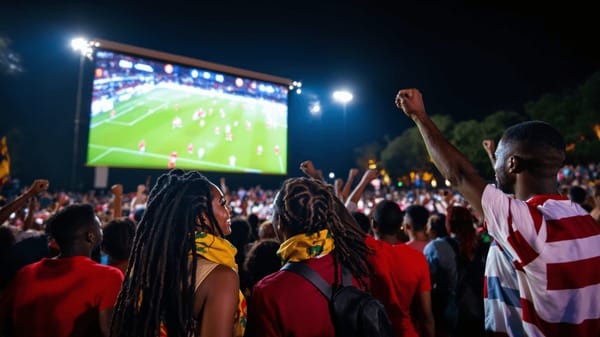
There is a certain point in every football season when it becomes impossible to avoid. And with the ongoing 2026 FIFA World Cup, that moment feels even bigger. It slips into conversations at work, takes over WhatsApp groups, and somehow finds its way into places where nobody was discussing football five minutes earlier. The guy buying tea in front of you suddenly has strong opinions about a manager's tactics. Your uncle is convinced a title race is already over in October. Someone is showing off a betting slip they are certain will change their life by the end of the evening. For a few months every year, football stops being a sport and starts feeling like a shared language.
Match days have their own rhythm. Hours before kickoff, bars begin to fill up. Jerseys appear. Tables are claimed. Predictions are made with a kind of confidence often reserved for people who actually know what they're talking about. Once the game starts, everybody becomes an expert. The striker should have taken one more touch. The defender should have tracked his runner. The goalkeeper reacted too late. The referee is blind. Nobody agrees on anything, yet everyone is determined to make their case. Watching football has never been a quiet activity; the game seems to invite participation, even from people who have never set foot on a professional pitch.
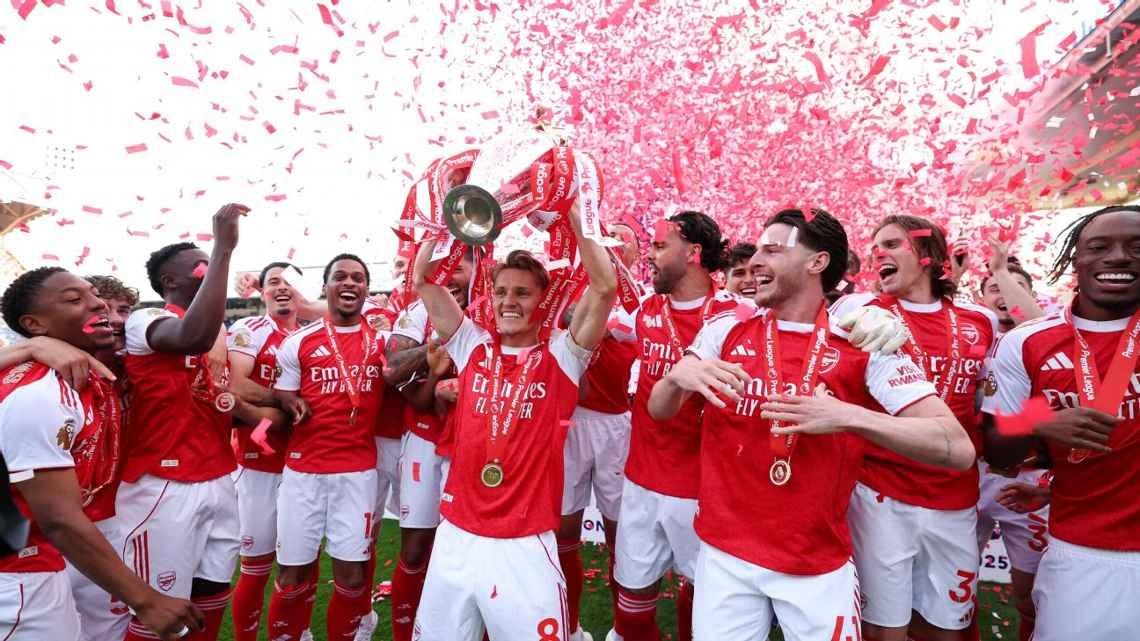
What stands out is how naturally communal the whole thing feels. The biggest moments seem incomplete without other people around to witness them. A late winner is more satisfying when an entire room explodes beside you. A painful defeat hurts more when you know your friends will remind you about it for weeks. And nowhere is that feeling more visible than during the World Cup, when entire cities seem to pause for kickoff and millions of strangers become invested in the same outcome. Whether it's an Arsenal supporter celebrating a trophy, Knicks fans flooding New York streets after a playoff victory, or families crowded around a television during football's biggest tournament, sports have a unique ability to turn individual spectators into a temporary community. For a few hours, everyone is invested in the same story.
What's most striking is that all this isn't even necessary. It hasn't been for a while. Advances in technology, streaming platforms, and internet connectivity have fundamentally changed the way we consume entertainment. Today, almost everything can be experienced alone. Films are watched on phones during commutes. Music is discovered through personalised playlists. Social media feeds are curated specifically for us, serving content based on our habits, interests, and attention spans. Two people can spend hours online and emerge having consumed entirely different versions of culture.
Sports should have followed the same path. Watching a football match no longer requires a crowded bar or a living room full of relatives. Matches can be streamed from a laptop in bed. Highlights appear seconds after a goal is scored, with reactions flooding social media before the replay has even finished rolling. If convenience were the only thing that mattered, sports would have become just another solitary activity.
Yet every season, the opposite happens. People still gather. They leave their homes and seek out company. They fill pubs, restaurants, fan parks, barber shops, and sports lounges. Group chats that sit dormant for months are suddenly active. Old rivalries are revived. Entire friendships are temporarily placed on hold because one person supports Arsenal and the other supports Manchester United. Football, unlike most modern entertainment, refuses to stay private.
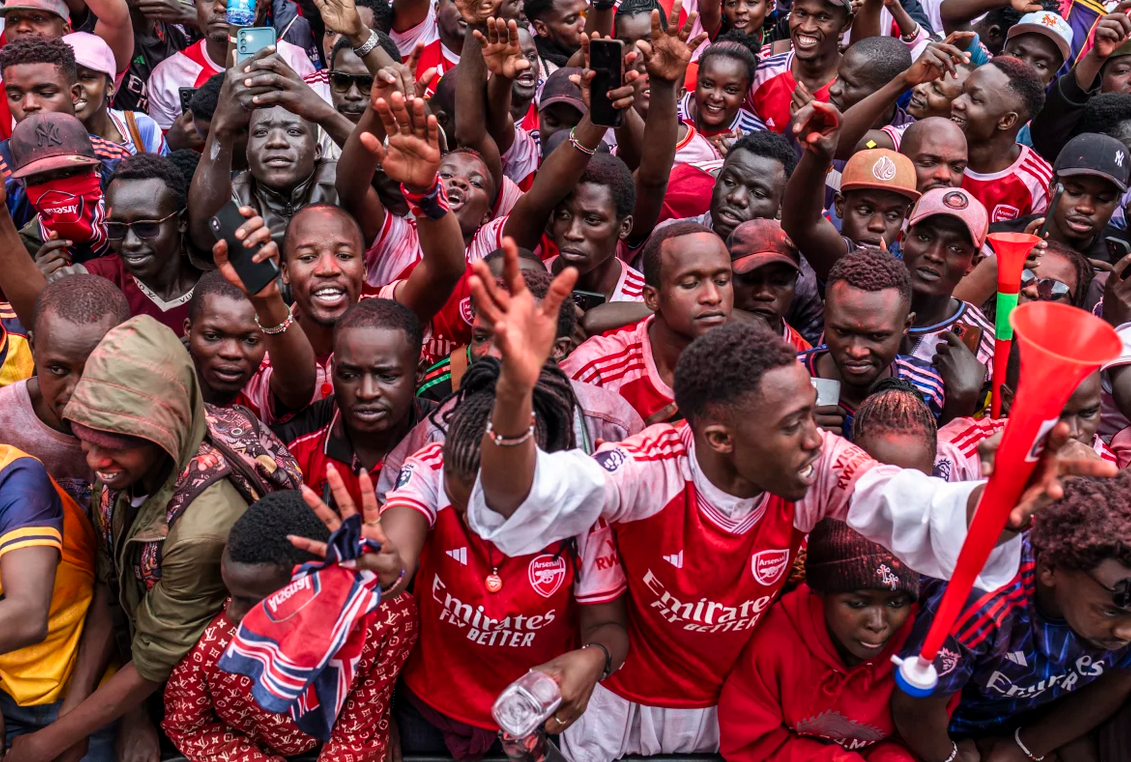
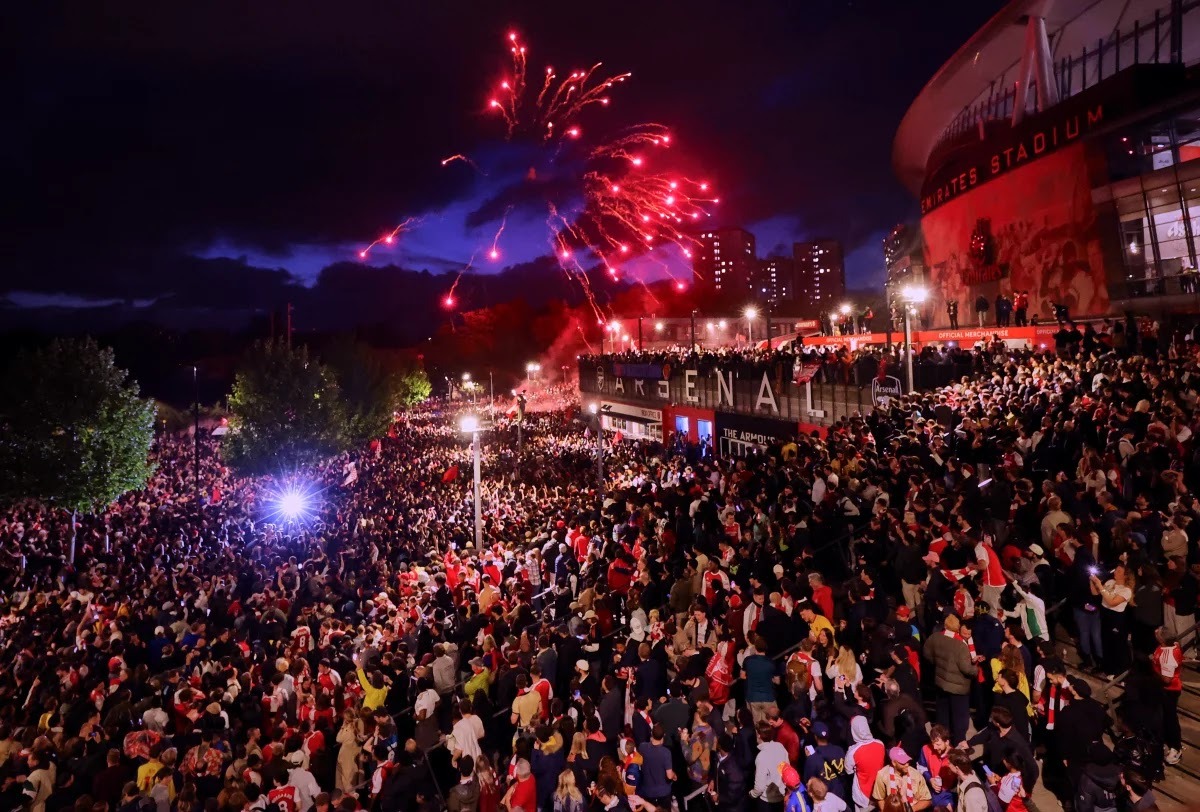
The past few months have offered countless examples. The specifics of the results almost matter less than the conversations they create. Arsenal's long-awaited Premier League triumph sparked celebrations from North London to Nairobi, while their Champions League final defeat to PSG generated an entirely different kind of communal experience: collective heartbreak. Every victory and defeat becomes shared material, something to be dissected, argued over, and remembered together.
The same phenomenon can be seen beyond football. When the New York Knicks made their deep playoff run, the atmosphere extended far beyond Madison Square Garden. The team became a citywide talking point. Sports bars overflowed. Celebrities packed courtside seats. Social media feeds filled with reactions from people who rarely discussed basketball. The games became part of New York's daily rhythm, creating a common point of reference in a city otherwise defined by its endless diversity of interests and experiences.
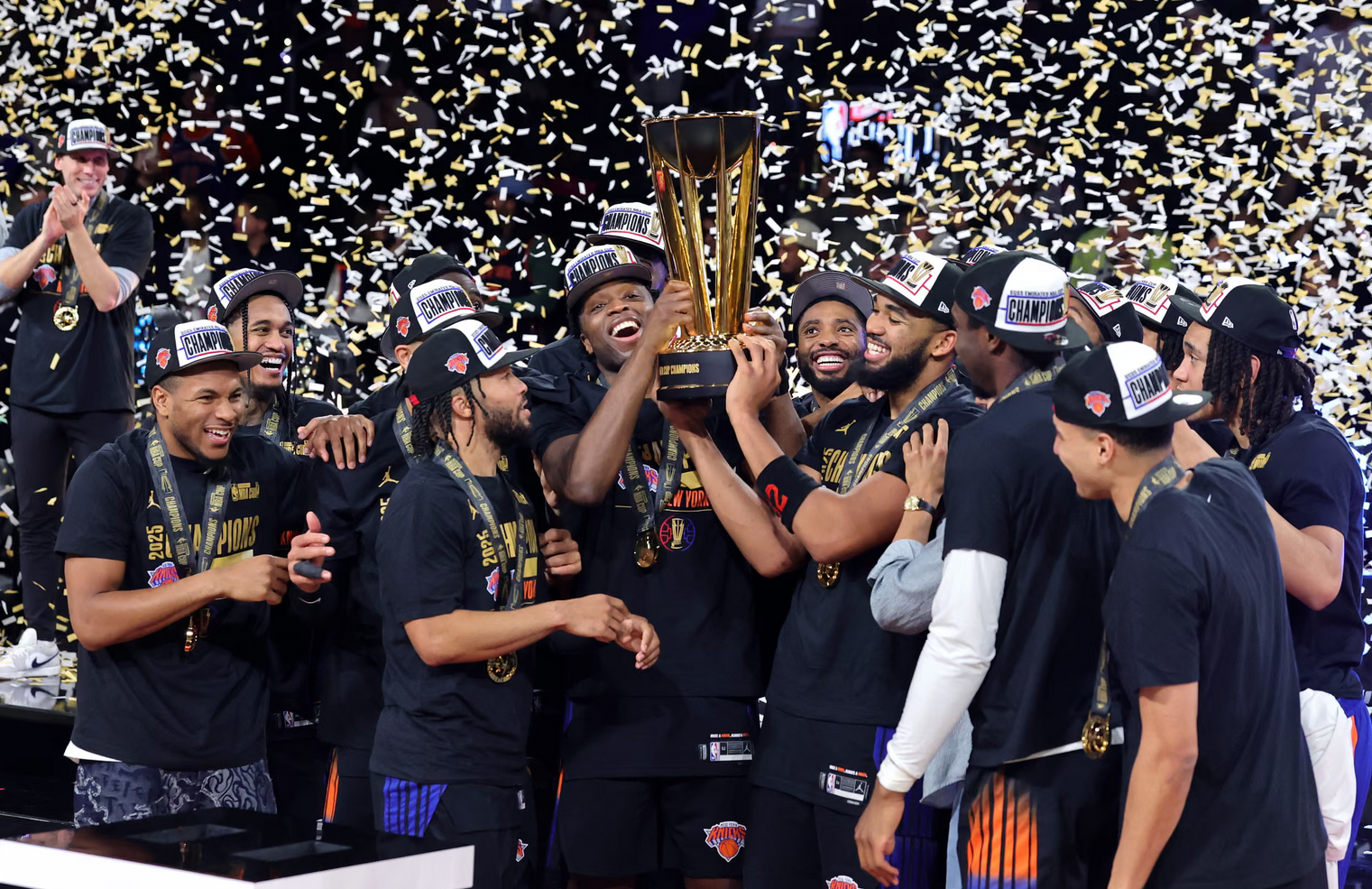
But no sporting event demonstrates this better than the World Cup. Every four years, football's biggest tournament performs a feat that has become increasingly rare in modern culture: it captures collective attention. Casual fans suddenly become invested. Entire nations organise their schedules around kickoff times. Family WhatsApp groups transform into live commentary feeds. Workplaces become temporary debating societies. Streets empty before kickoff and fill again at the final whistle. For a few days, millions of people are not simply consuming the same content; they are reacting to it simultaneously.
This kind of shared attention is becoming harder to find. The media landscape that once produced common cultural experiences has fractured. There was a time when entire countries watched the same television shows, listened to the same radio stations, and followed the same celebrities. Today, algorithms encourage the opposite. They reward niche interests, personalised recommendations, and individual consumption. Culture has become increasingly fragmented.
Sports remain one of the few exceptions. Part of the reason may be that sports are not simply entertainment. They are rituals. Every fan has their own version of them. The lucky jersey worn /purse that must be carried on match day. The seat that cannot be changed once a winning streak begins. The pre-match predictions. The halftime complaints. The post-match analysis that somehow lasts longer than the game itself. These rituals give sporting events a social dimension that extends far beyond the final score.
There is also the question of community. Many of the institutions that once brought people together have weakened. People move more frequently. Neighbourhood ties are often looser than they once were. Much of modern life is conducted through screens. Even friendships increasingly exist through notifications and group chats rather than physical spaces. Sports offer something different. They provide a reason to leave the house, gather with others, and participate in a shared experience. In an era where loneliness is regularly described as a public health concern, that matters.
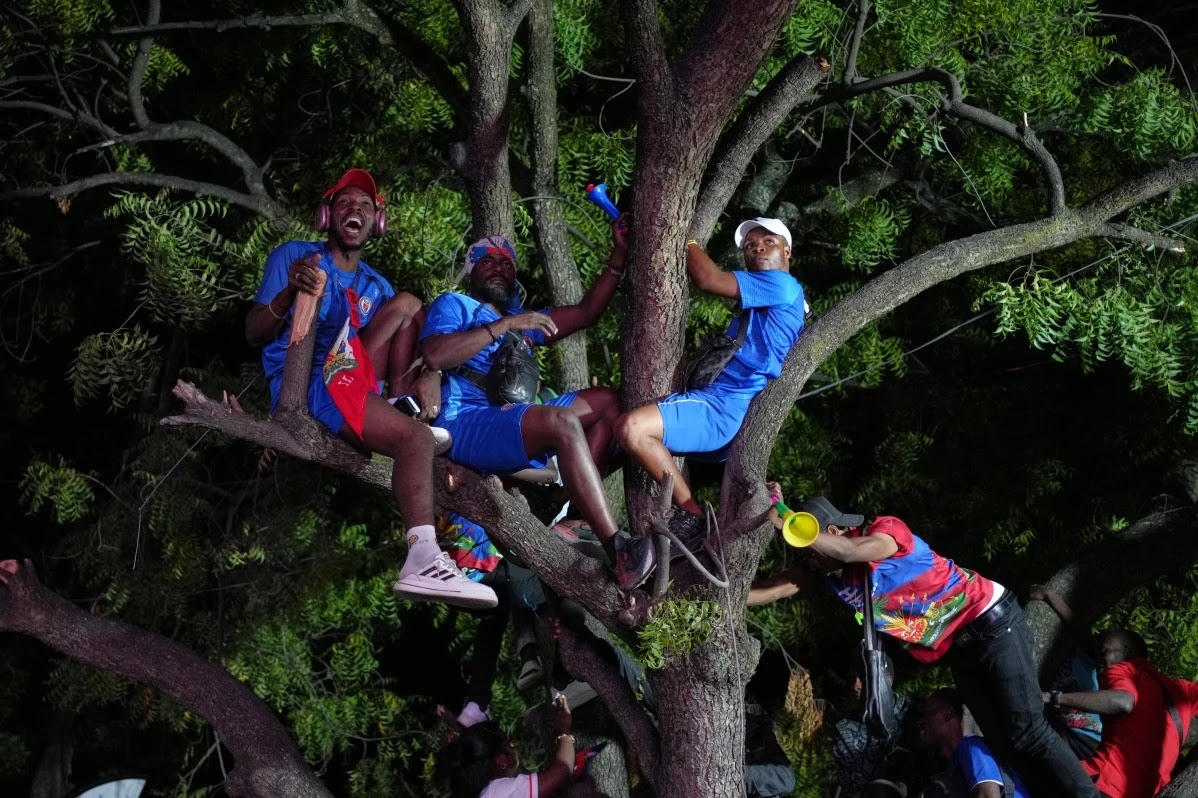
Ironically, technology may have strengthened this impulse rather than weakened it. Social media has transformed sporting events into real-time global conversations. News that Somali referee Omar Artan had been barred from officiating at the World Cup sparked debate far beyond the stadium, with fans everywhere weighing in on what the decision meant for the sport.
More importantly, sports create witnesses. A tournament upset becomes more memorable when everyone around you experiences the same shock at the same moment like that Tuesday game between France and Senegal. Joy, disappointment, relief and disbelief gain meaning when they are shared. Years later, people rarely remember where they watched a famous match alone. They remember who they were with.
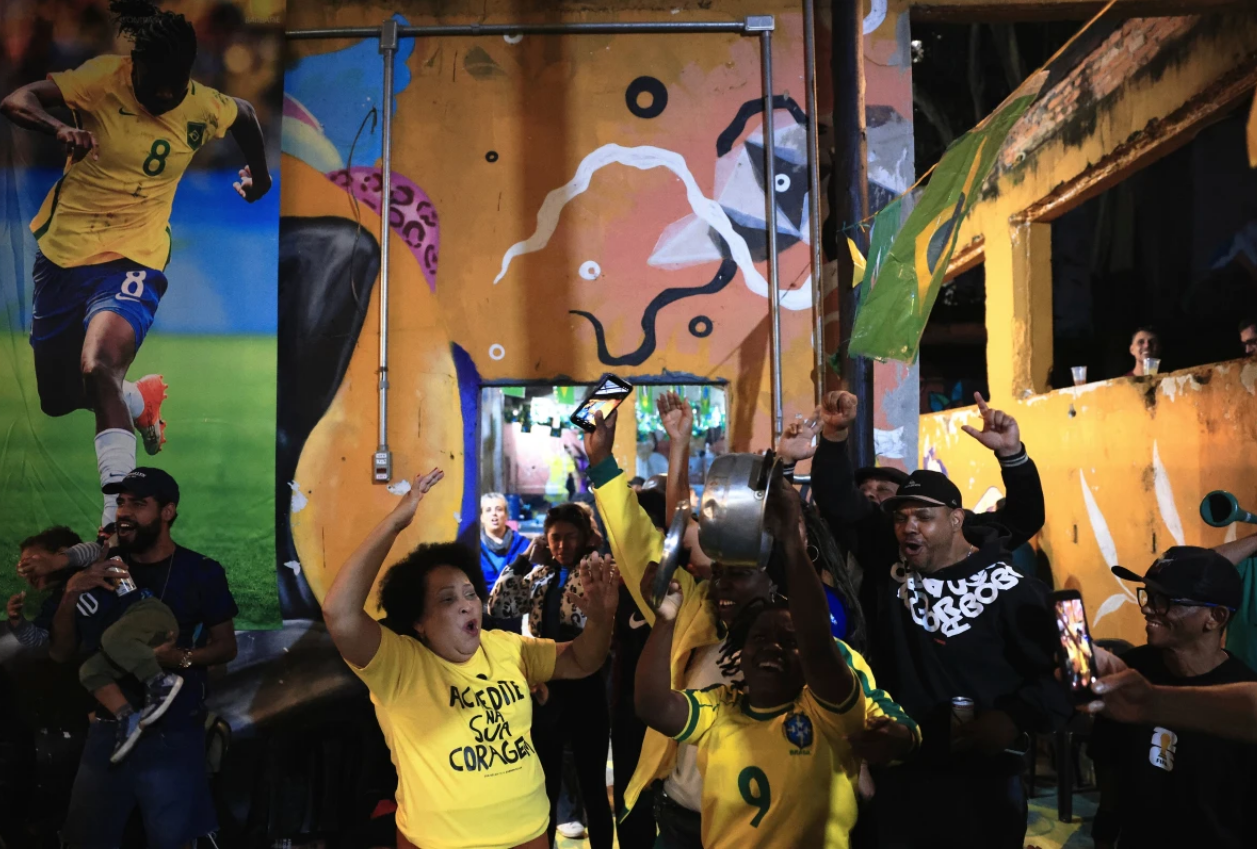
Sports transform private emotions into collective experiences; a big reason why they continue to occupy such a unique place in modern culture. In a world increasingly organised around individual preferences and personalised feeds, sports offer something increasingly rare: a reason to look in the same direction at the same time. Eventually, the final whistle blows. The crowd disperses. The group chat quiets down. Everyone returns to their own carefully curated corner of the internet. But for ninety minutes, something unusual happened. Strangers shared the same emotions. Cities rallied around the same story. Millions of people, regardless of where they were watching from, lived in the same world.
Perhaps this is why sports continue to thrive in the age of personalisation. They offer what algorithms cannot truly replicate nor replace: community.
Cover Credit: Shutterstock


.png)

