Four Exceptional Female Creatives To Look Out For This Year : Indi, Essel Ekuban, Hameedah Aminu & Khadija Dikko .

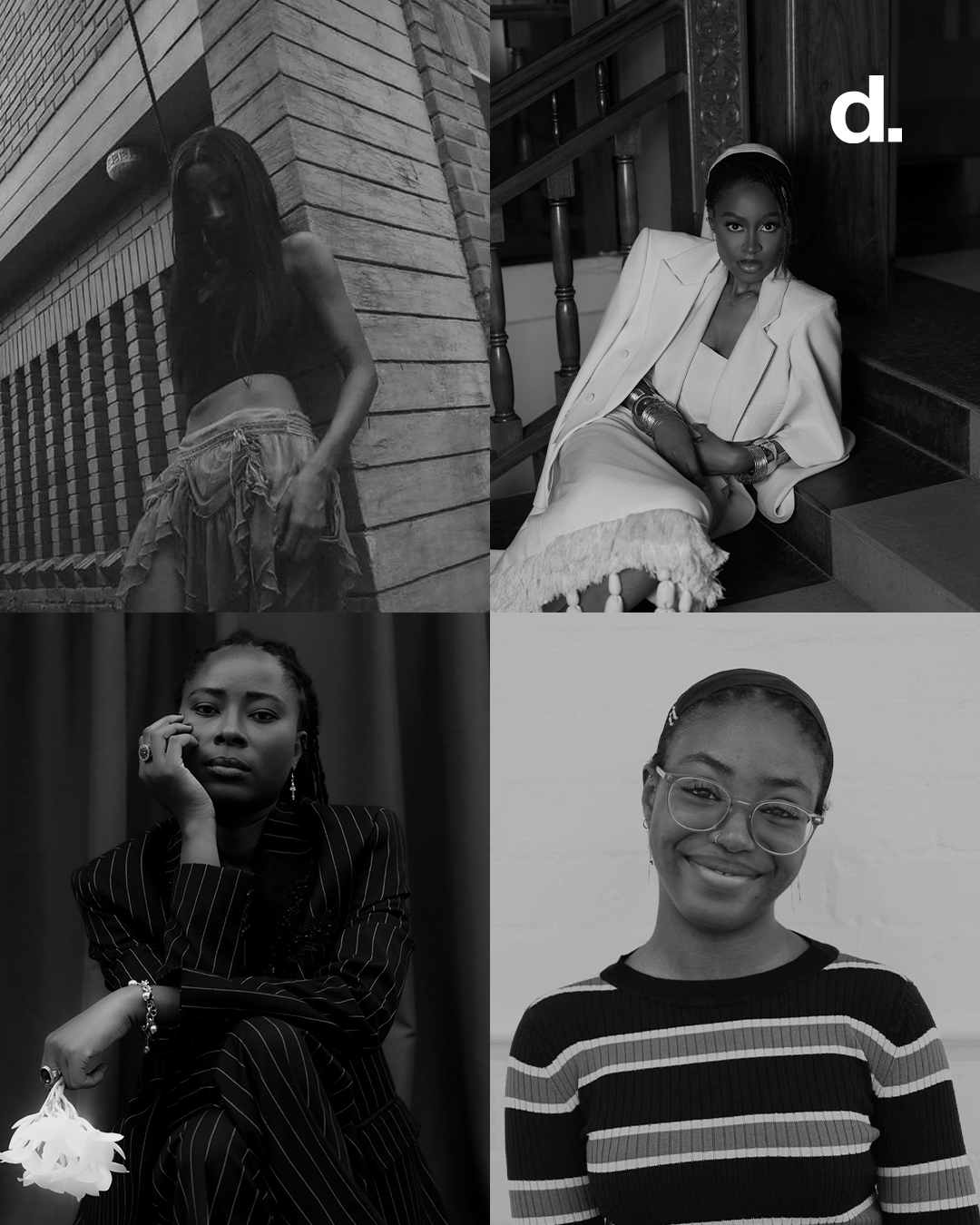
As is now tradition, International Women’s Month this year has occasioned a welter of women-centered efforts. In the first week of March, the women of Deeds Magazine shared profound and poignant musings on what it feels like to be a woman in this age, when AI, divisive political rhetoric, and fraught socio-cultural dynamics steer us into truly unprecedented times. Elsewhere, there has been no shortage of talks and workshops catering to the growing female creative class. Nonetheless, we’d be remiss if we closed out this month without shining a light on female creatives making exceptional strides and refusing to shrink themselves in a world where defiance often comes at a cost. It’s with this understanding that we have curated a selection of four exceptional women we think you should have on your radar.

Indi
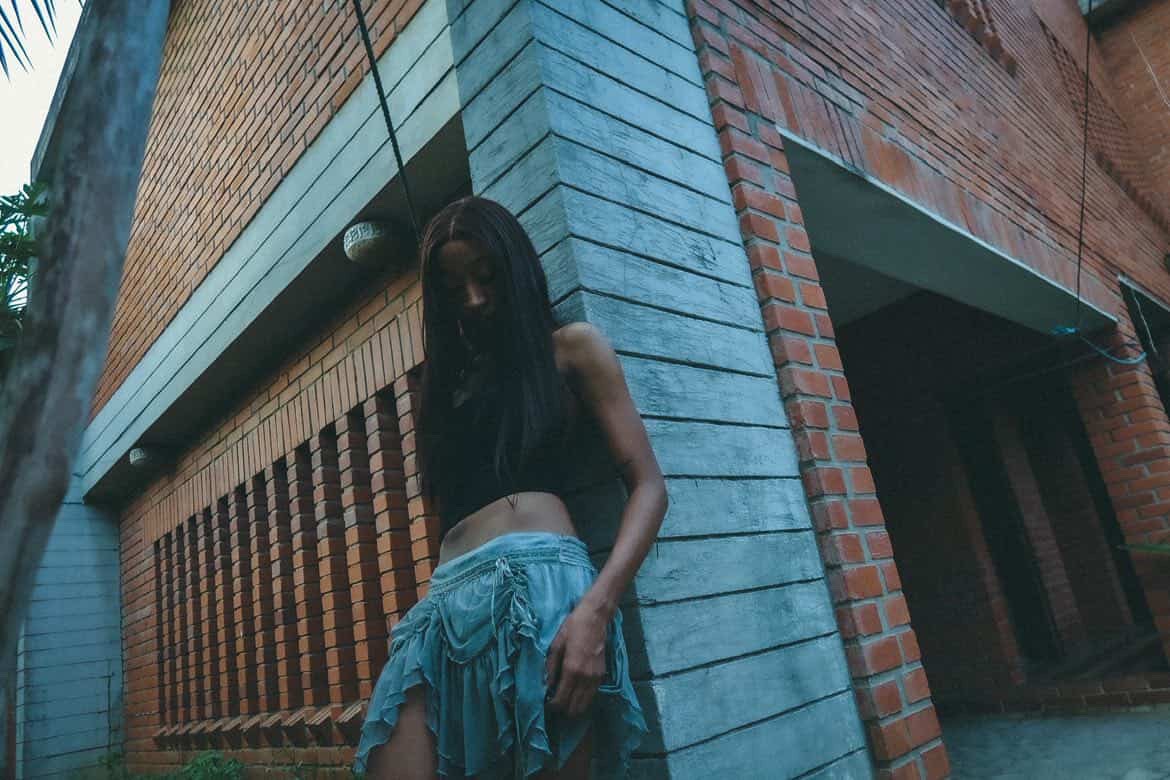
22-year-old Indi is one of the most exciting voices within Nigeria’s rapidly exploding underground music scene. Her ethereal, romance-sodden music beautifully marries Y2K-nostalgia with a contemporary sonic sensibility, resulting in a sound that feels timeless and deeply enrapturing. Indi’s interest in music stretches all the way back to her childhood, when she’d regale herself and those around her by singing and playing the piano. But in 2021, she found herself with a gnawing desire to make music professionally. “I think I had an awakening. I became more intentional with what I was listening to. I think I watched a documentary about how Pharrell (Williams) used to produce, and I was like: ‘maybe I should start producing,’” Indi tells Deeds Magazine. She started out producing for her brother Luwa.mp4, also an explosive presence within Nigeria’s burgeoning underground music scene. Around 2023, she began recording to beats she produced, and by July of 2024, she would release her first two-pack—‘Nova/Be Like’—officially launching her career as a music artist. 

Essel Ekuban
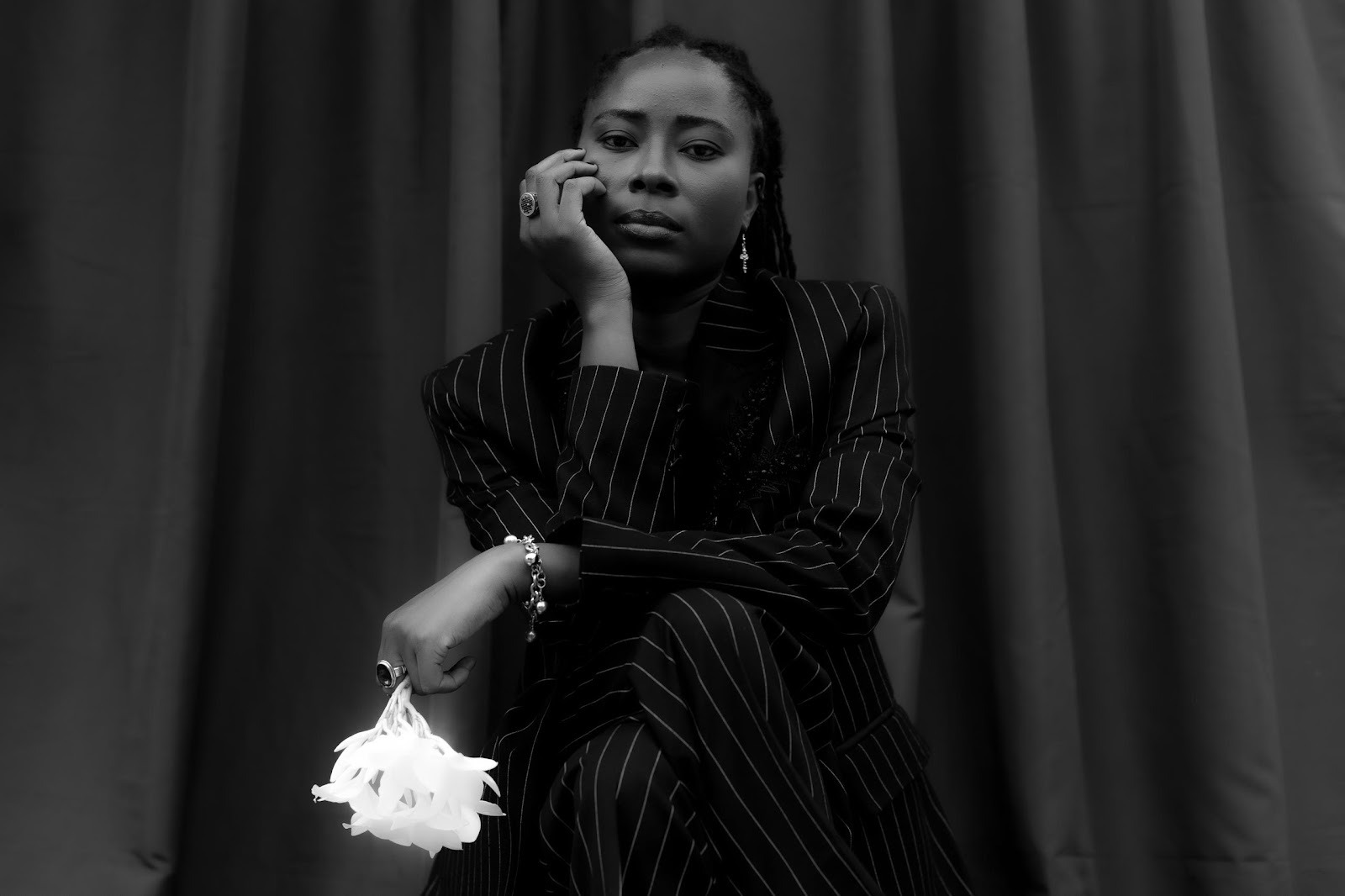
Photo Credit: Amarachi Annoli

To observe the work of Ghanaian photographer and filmmaker Essel Ekuban is to be steeped in a newfound appreciation for the magic ensconced within everyday life. In their hands, the camera becomes a tool for transposing the mundane into something of a transcendental experience. Their placid, compositionally austere stills and films mostly interrogate queerness in Ghana, familial relationships, and cultural histories. Based in Accra, Ekuban’s practice homes in on deploying photography as a bridge between personal family narratives and broader community histories. Ekuban’s photography journey began in 2020. As the pandemic stirred a global reckoning, they increasingly sank deeper into the clutches of a depressive episode. It was at this period that Ekuban discovered photography’s restorative powers. “It (photography) became a way to process what I was feeling. Over the years, that initial spark has evolved from a private practice into a deeply communal one. I’ve moved from simply capturing moments to becoming a researcher and a storyteller,” they tell Deeds Magazine.
Chibuzo E.

Hameedah Aminu

Hameedah moves between Form and Freedom. With a background in law and law enforcement, but instinctively drawn to creation. As the founder and creative director of Mulawwan, she channels both worlds into a unique design language. Mulawwan derived from the Arabic word  “colorful” is more of a declaration than a name. A refusal to be boxed in. A commitment to exploring identity, contrast, and the full spectrum of expression through fashion. Her entry into fashion was organic. A birthday outfit she made for herself sparked unexpected attention, with people drawn to its originality and asking for more. That moment became a quiet turning point, setting the foundation for a brand built on instinct, individuality, and originality.
Through Wan Clan, she extends her world beyond fashion… building a community rooted in art, books, charity, and shared experience. It’s less about audiences, more about connection. Her design process is far from  rigid. It begins with a feeling, sometimes unclear, sometimes disruptive. Interestingly, some of her strongest pieces have come from mistakes, reinforcing her belief that imperfection isn’t a flaw, but a catalyst. Through Mulawwan, her legal background, and Wan Clan, Hameedah Aminu is carving out space, unapologetically…for creativity, growth, and impact. On her own terms.

Khadija Dikko 
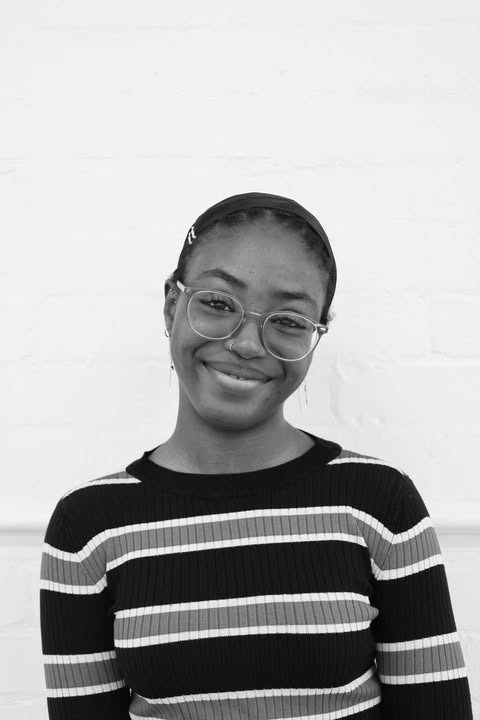
Khadijah Dikko is a consultant at This Is Us. She studied Woven Textile at Falmouth University and later pursued a Master’s in Textile Design at the Royal College of Art. Her love for textiles started in secondary school during an art class, where her textile teacher noticed she was good at it. That moment marked the beginning of her journey into textiles. Khadijah Dikko’s designs are mostly inspired by her heritage and personal narrative. One of her works at the Royal College of Art explored the concept of “home,” something she never fully connected with, having grown up across Kano, Abuja, Kaduna, Lagos, and the United Kingdom. This experience shaped both her perspective and her work. 

Her MA project, Tsuntsuwa Che — She is a Bird, brought together indigo dyeing, woven shibori, and film photography. She also worked on a final year project exploring the relationship between women and food, which deepened her understanding of texture in textiles. Her creative process depends on the kind of textile she is working with. With Ankara, she starts with visual research, a process that allows her to explore references and build direction before creating. Her work continues to reflect her experiences, drawing from memory, movement, and the different places she has called home.
Ruqayyah S.

We had a lovely time speaking with some of the exceptional women shaping today’s creative landscape, gaining a glimpse into their artistry and the passion driving their contributions to African culture.

Four Exceptional Female Creatives To Look Out For This Year : Indi, Essel Ekuban, Hameedah Aminu & Khadija Dikko .

This is some text inside of a div block.

As is now tradition, International Women’s Month this year has occasioned a welter of women-centered efforts. In the first week of March, the women of Deeds Magazine shared profound and poignant musings on what it feels like to be a woman in this age, when AI, divisive political rhetoric, and fraught socio-cultural dynamics steer us into truly unprecedented times. Elsewhere, there has been no shortage of talks and workshops catering to the growing female creative class. Nonetheless, we’d be remiss if we closed out this month without shining a light on female creatives making exceptional strides and refusing to shrink themselves in a world where defiance often comes at a cost. It’s with this understanding that we have curated a selection of four exceptional women we think you should have on your radar.

Indi

22-year-old Indi is one of the most exciting voices within Nigeria’s rapidly exploding underground music scene. Her ethereal, romance-sodden music beautifully marries Y2K-nostalgia with a contemporary sonic sensibility, resulting in a sound that feels timeless and deeply enrapturing. Indi’s interest in music stretches all the way back to her childhood, when she’d regale herself and those around her by singing and playing the piano. But in 2021, she found herself with a gnawing desire to make music professionally. “I think I had an awakening. I became more intentional with what I was listening to. I think I watched a documentary about how Pharrell (Williams) used to produce, and I was like: ‘maybe I should start producing,’” Indi tells Deeds Magazine. She started out producing for her brother Luwa.mp4, also an explosive presence within Nigeria’s burgeoning underground music scene. Around 2023, she began recording to beats she produced, and by July of 2024, she would release her first two-pack—‘Nova/Be Like’—officially launching her career as a music artist. 

Essel Ekuban
Photo Credit: Amarachi Annoli

To observe the work of Ghanaian photographer and filmmaker Essel Ekuban is to be steeped in a newfound appreciation for the magic ensconced within everyday life. In their hands, the camera becomes a tool for transposing the mundane into something of a transcendental experience. Their placid, compositionally austere stills and films mostly interrogate queerness in Ghana, familial relationships, and cultural histories. Based in Accra, Ekuban’s practice homes in on deploying photography as a bridge between personal family narratives and broader community histories. Ekuban’s photography journey began in 2020. As the pandemic stirred a global reckoning, they increasingly sank deeper into the clutches of a depressive episode. It was at this period that Ekuban discovered photography’s restorative powers. “It (photography) became a way to process what I was feeling. Over the years, that initial spark has evolved from a private practice into a deeply communal one. I’ve moved from simply capturing moments to becoming a researcher and a storyteller,” they tell Deeds Magazine.
Chibuzo E.

Hameedah Aminu

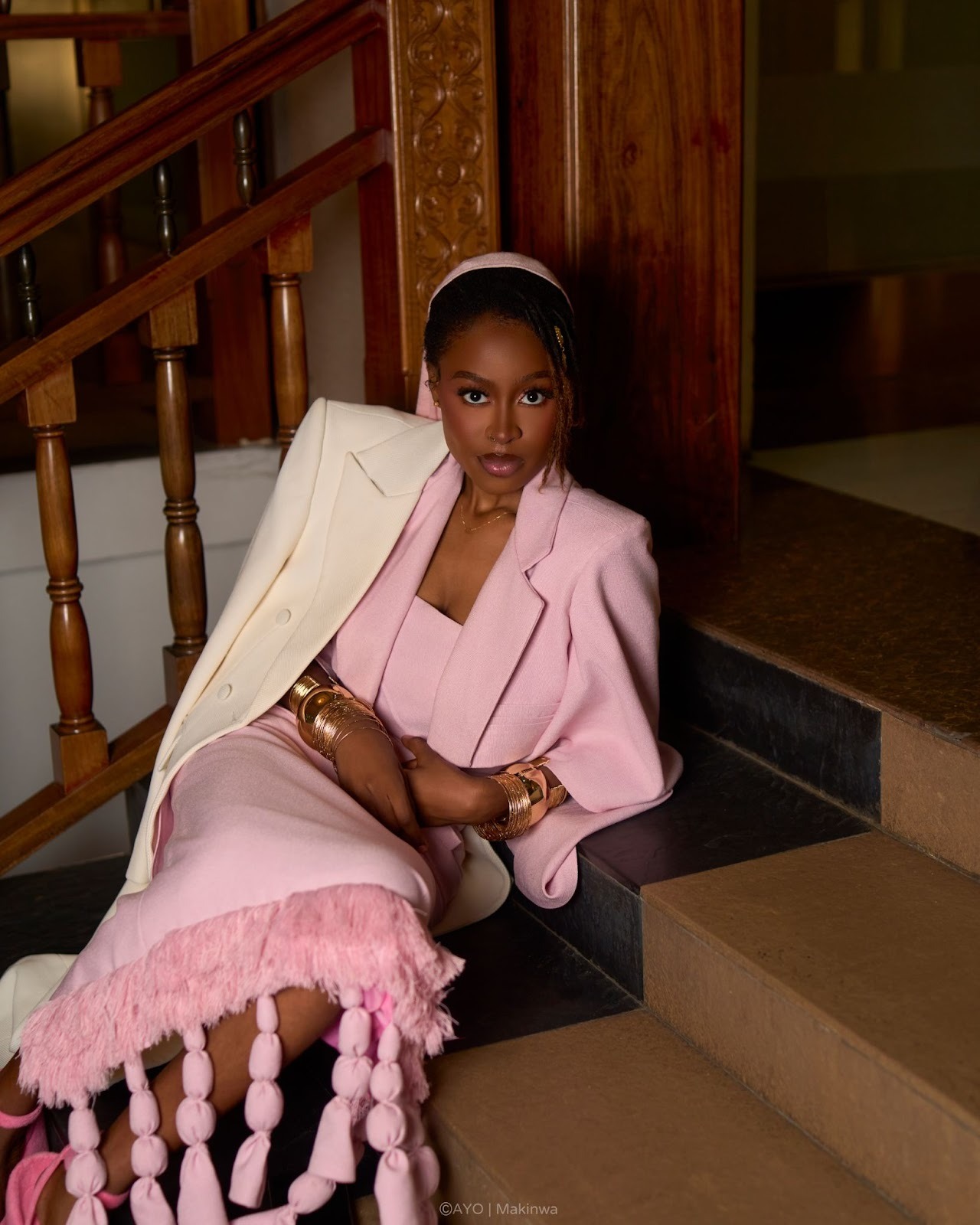
Hameedah moves between Form and Freedom. With a background in law and law enforcement, but instinctively drawn to creation. As the founder and creative director of Mulawwan, she channels both worlds into a unique design language. Mulawwan derived from the Arabic word  “colorful” is more of a declaration than a name. A refusal to be boxed in. A commitment to exploring identity, contrast, and the full spectrum of expression through fashion. Her entry into fashion was organic. A birthday outfit she made for herself sparked unexpected attention, with people drawn to its originality and asking for more. That moment became a quiet turning point, setting the foundation for a brand built on instinct, individuality, and originality.
Through Wan Clan, she extends her world beyond fashion… building a community rooted in art, books, charity, and shared experience. It’s less about audiences, more about connection. Her design process is far from  rigid. It begins with a feeling, sometimes unclear, sometimes disruptive. Interestingly, some of her strongest pieces have come from mistakes, reinforcing her belief that imperfection isn’t a flaw, but a catalyst. Through Mulawwan, her legal background, and Wan Clan, Hameedah Aminu is carving out space, unapologetically…for creativity, growth, and impact. On her own terms.

Khadija Dikko 

Khadijah Dikko is a consultant at This Is Us. She studied Woven Textile at Falmouth University and later pursued a Master’s in Textile Design at the Royal College of Art. Her love for textiles started in secondary school during an art class, where her textile teacher noticed she was good at it. That moment marked the beginning of her journey into textiles. Khadijah Dikko’s designs are mostly inspired by her heritage and personal narrative. One of her works at the Royal College of Art explored the concept of “home,” something she never fully connected with, having grown up across Kano, Abuja, Kaduna, Lagos, and the United Kingdom. This experience shaped both her perspective and her work. 

Her MA project, Tsuntsuwa Che — She is a Bird, brought together indigo dyeing, woven shibori, and film photography. She also worked on a final year project exploring the relationship between women and food, which deepened her understanding of texture in textiles. Her creative process depends on the kind of textile she is working with. With Ankara, she starts with visual research, a process that allows her to explore references and build direction before creating. Her work continues to reflect her experiences, drawing from memory, movement, and the different places she has called home.
Ruqayyah S.

We had a lovely time speaking with some of the exceptional women shaping today’s creative landscape, gaining a glimpse into their artistry and the passion driving their contributions to African culture.

This is some text inside of a div block.

Four Exceptional Female Creatives To Look Out For This Year : Indi, Essel Ekuban, Hameedah Aminu & Khadija Dikko .

As is now tradition, International Women’s Month this year has occasioned a welter of women-centered efforts. In the first week of March, the women of Deeds Magazine shared profound and poignant musings on what it feels like to be a woman in this age, when AI, divisive political rhetoric, and fraught socio-cultural dynamics steer us into truly unprecedented times. Elsewhere, there has been no shortage of talks and workshops catering to the growing female creative class. Nonetheless, we’d be remiss if we closed out this month without shining a light on female creatives making exceptional strides and refusing to shrink themselves in a world where defiance often comes at a cost. It’s with this understanding that we have curated a selection of four exceptional women we think you should have on your radar.

Indi

22-year-old Indi is one of the most exciting voices within Nigeria’s rapidly exploding underground music scene. Her ethereal, romance-sodden music beautifully marries Y2K-nostalgia with a contemporary sonic sensibility, resulting in a sound that feels timeless and deeply enrapturing. Indi’s interest in music stretches all the way back to her childhood, when she’d regale herself and those around her by singing and playing the piano. But in 2021, she found herself with a gnawing desire to make music professionally. “I think I had an awakening. I became more intentional with what I was listening to. I think I watched a documentary about how Pharrell (Williams) used to produce, and I was like: ‘maybe I should start producing,’” Indi tells Deeds Magazine. She started out producing for her brother Luwa.mp4, also an explosive presence within Nigeria’s burgeoning underground music scene. Around 2023, she began recording to beats she produced, and by July of 2024, she would release her first two-pack—‘Nova/Be Like’—officially launching her career as a music artist. 

Essel Ekuban
Photo Credit: Amarachi Annoli

To observe the work of Ghanaian photographer and filmmaker Essel Ekuban is to be steeped in a newfound appreciation for the magic ensconced within everyday life. In their hands, the camera becomes a tool for transposing the mundane into something of a transcendental experience. Their placid, compositionally austere stills and films mostly interrogate queerness in Ghana, familial relationships, and cultural histories. Based in Accra, Ekuban’s practice homes in on deploying photography as a bridge between personal family narratives and broader community histories. Ekuban’s photography journey began in 2020. As the pandemic stirred a global reckoning, they increasingly sank deeper into the clutches of a depressive episode. It was at this period that Ekuban discovered photography’s restorative powers. “It (photography) became a way to process what I was feeling. Over the years, that initial spark has evolved from a private practice into a deeply communal one. I’ve moved from simply capturing moments to becoming a researcher and a storyteller,” they tell Deeds Magazine.
Chibuzo E.

Hameedah Aminu

Hameedah moves between Form and Freedom. With a background in law and law enforcement, but instinctively drawn to creation. As the founder and creative director of Mulawwan, she channels both worlds into a unique design language. Mulawwan derived from the Arabic word  “colorful” is more of a declaration than a name. A refusal to be boxed in. A commitment to exploring identity, contrast, and the full spectrum of expression through fashion. Her entry into fashion was organic. A birthday outfit she made for herself sparked unexpected attention, with people drawn to its originality and asking for more. That moment became a quiet turning point, setting the foundation for a brand built on instinct, individuality, and originality.
Through Wan Clan, she extends her world beyond fashion… building a community rooted in art, books, charity, and shared experience. It’s less about audiences, more about connection. Her design process is far from  rigid. It begins with a feeling, sometimes unclear, sometimes disruptive. Interestingly, some of her strongest pieces have come from mistakes, reinforcing her belief that imperfection isn’t a flaw, but a catalyst. Through Mulawwan, her legal background, and Wan Clan, Hameedah Aminu is carving out space, unapologetically…for creativity, growth, and impact. On her own terms.

Khadija Dikko 

Khadijah Dikko is a consultant at This Is Us. She studied Woven Textile at Falmouth University and later pursued a Master’s in Textile Design at the Royal College of Art. Her love for textiles started in secondary school during an art class, where her textile teacher noticed she was good at it. That moment marked the beginning of her journey into textiles. Khadijah Dikko’s designs are mostly inspired by her heritage and personal narrative. One of her works at the Royal College of Art explored the concept of “home,” something she never fully connected with, having grown up across Kano, Abuja, Kaduna, Lagos, and the United Kingdom. This experience shaped both her perspective and her work. 

Her MA project, Tsuntsuwa Che — She is a Bird, brought together indigo dyeing, woven shibori, and film photography. She also worked on a final year project exploring the relationship between women and food, which deepened her understanding of texture in textiles. Her creative process depends on the kind of textile she is working with. With Ankara, she starts with visual research, a process that allows her to explore references and build direction before creating. Her work continues to reflect her experiences, drawing from memory, movement, and the different places she has called home.
Ruqayyah S.

We had a lovely time speaking with some of the exceptional women shaping today’s creative landscape, gaining a glimpse into their artistry and the passion driving their contributions to African culture.

Other Stories
London
London
Lagos
London
Newyork
London
Shop
Join the community.
You are now subscribed to receive updates.
Oops! Something went wrong while submitting the form.