From Africa to the World: How the 2026 Hennessy Cypher Unites African Hip-Hop

Authored by

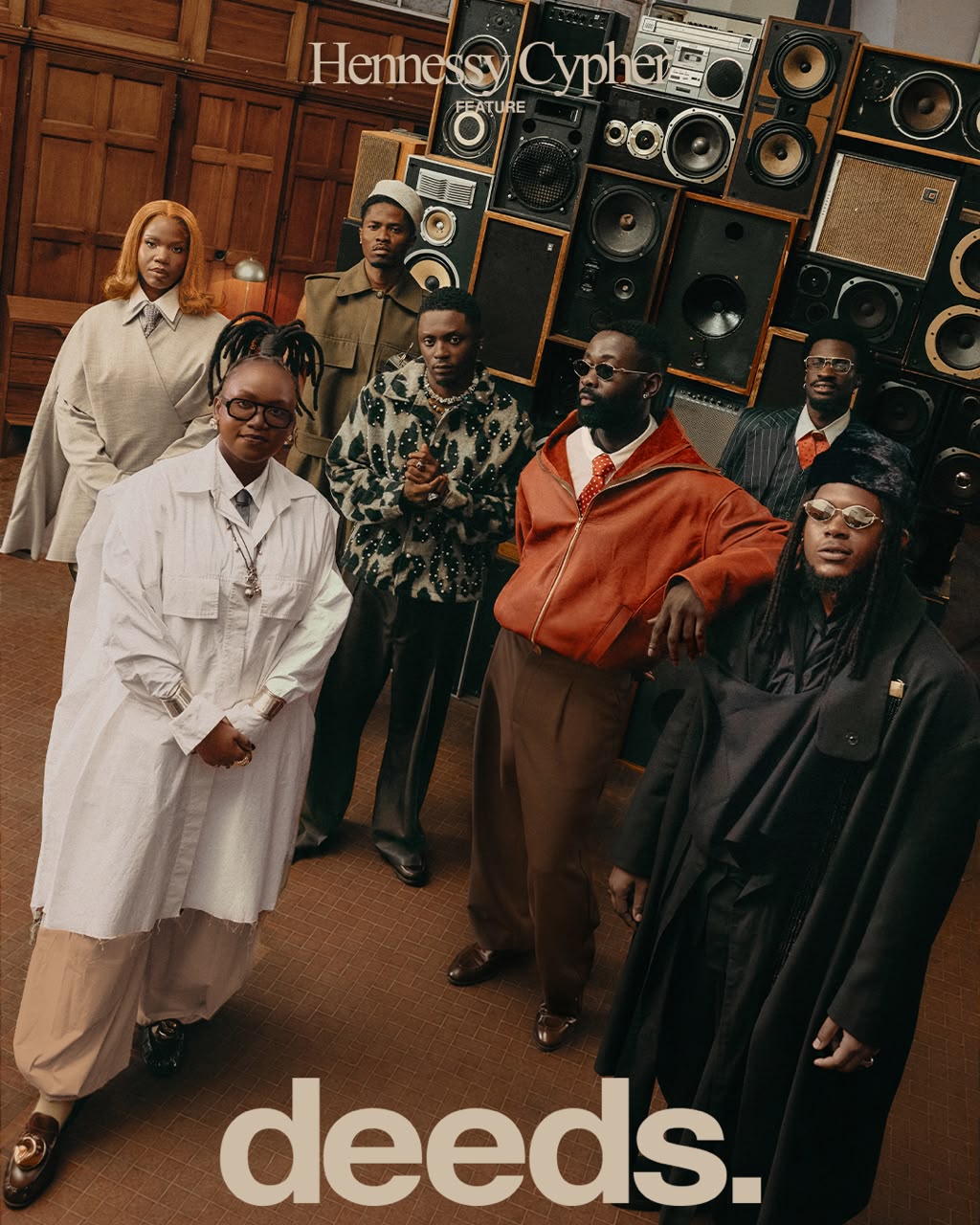
For 15 years, the annual Hennessy Cypher has showcased African hip-hop talent across the continent and its diaspora. Each year, it curates a selection of artists representing the new class of rich, diverse talent across the continent.

Since its inception, the cypher has featured Didi B, Maglera Doe Boy, Octopizzo, Blaqbonez, Sarkodie, Zlatan, and M.anifest, among others. Its sonic DNA has evolved with sounds that have grown across the continent, showcasing the music's growth and evolution year after year. This year's class features Suspect 95 from Côte d'Ivoire, Yanga Chief from South Africa, Kwesi Arthur from Ghana, Fena Gitu from Kenya, British-Nigerian rapper Enny from the United Kingdom, and Tenor, who made history as the first artist from Cameroon featured in the cypher.
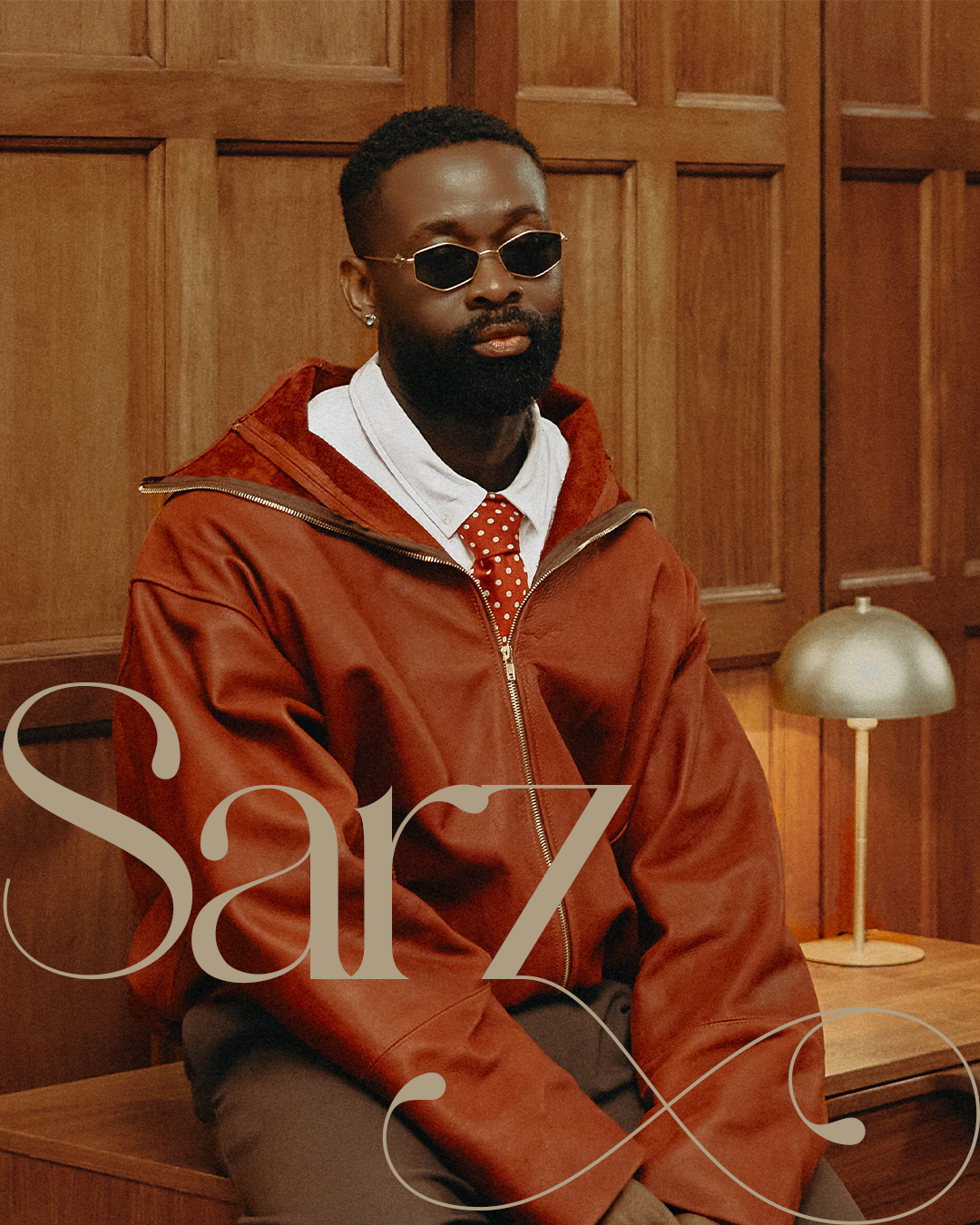
Produced by Sarz, the track showcases the diverse range of artistry and what each artist brings to the cypher, as creativity from the continent continues to flourish. From Afrobeats to Amapiano, African talent has grown in global reach and dominated over the last few years.

Hip-hop across Africa is vibrant and diverse, spreading from Senegal's Francophone sounds, like Positive Black Soul, to Ghana's highlife influences, like Ebo Taylor, and Southern African artists such as Nasty C and Cassper Nyovest. Each region brings its own individuality, allowing artists to identify and express themselves through poetry, lyrics, instrumentation, and emotion. It also lets them create genres that are unique to their communities and what they represent.
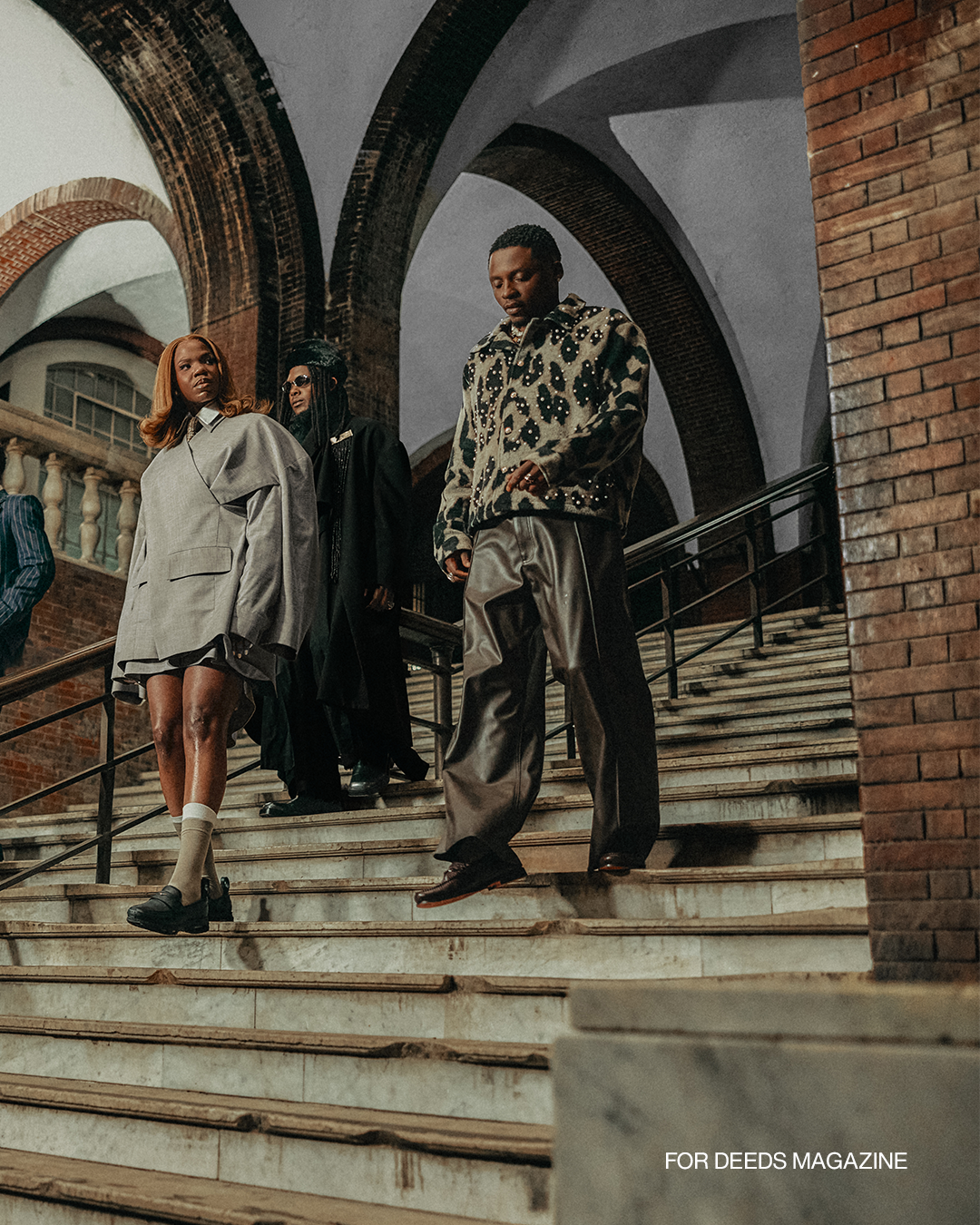
Since its inception in 2011, The Hennessy Cypher has grown into a platform and cultural moment that celebrates a unique class of artists in hip-hop and African music, allowing them to collaborate and express themselves in ways that showcase what they have to offer and represent their heritage across the continent.

This year is no different. In conversations with the featured class of 2026, we explore their love for hip-hop, what it means to represent this class of African talent, how their heritage has shaped their creativity, and the future of African hip-hop.

The Cypher celebrates talents from across the continent. What does it mean to you to represent this class of the Hennessy Cypher?

Sarz: Representing the 2026 Hennessy Cypher for Nigeria meant a lot to me because hip-hop has always been my first love. It was my first entry into music. I loved hip-hop, and listening to so much of it made me develop this love I have for music. So, shout out to hip-hop.

Tenor: It means not only are we reaching a new milestone, but that the focus on the work we do in Africa, and especially in French-speaking Africa in hip hop, is valued. Representing this generation in such an important project is a crowning achievement.
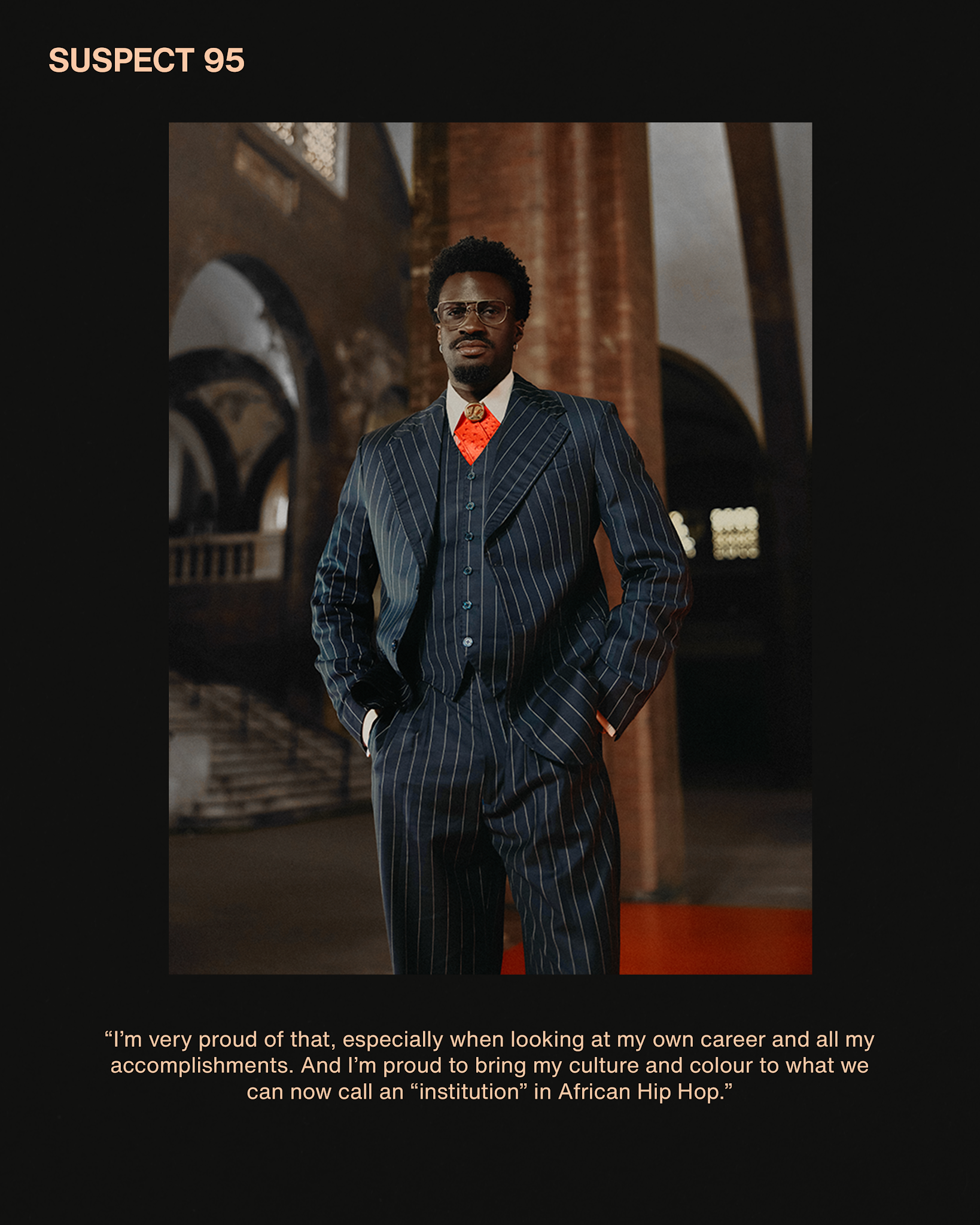
Suspect 95: I’m very proud of that, especially when looking at my own career and all my accomplishments. And I’m proud to bring my culture and colour to what we can now call an “institution” in African Hip Hop.

Yanga: I think it shows the self-belief that I’ve always carried in my style. There are seasons in rap where certain styles are the trend, but for me I’ve always just had my own unique approach. It’s allowed me to stay unpredictable; this Cypher was an opportunity to share that signature flow with the rest of the continent.

Where did your love for hip-hop start?

Fena Gitu: I grew up around hip-hop. Buruburu in the ’90s was one of Nairobi’s coolest cultural hubs, especially during the rise of matatu culture. I grew up in the heart of 58, absorbing everything from the rap flows and street language to the fashion and attitude. I sang and rapped in school, sharpening my skill behind the mic.
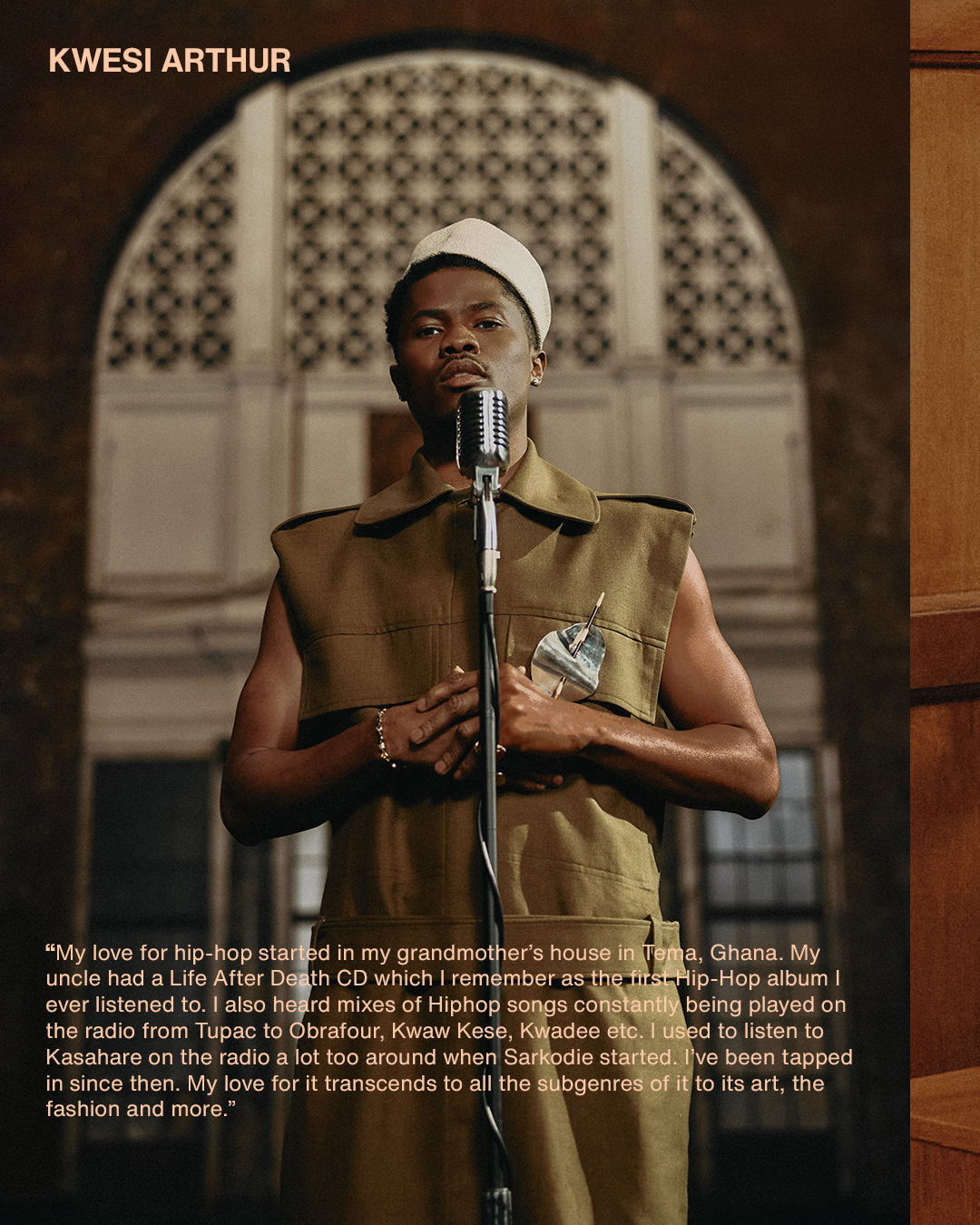
Kwesi Arthur: My love for hip-hop started in my grandmother’s house in Tema, Ghana. My uncle had a Life After Death CD, which I remember as the first hip-hop album I ever listened to. I also constantly heard hip-hop mixes on the radio, from Tupac to Obrafour, Kwaw Kese, Kwade, etc. I used to listen to Kasahare on the radio a lot too, around when Sarkodie started. I’ve been tapped in since then. My love for it extends to all its subgenres, its art, fashion, and more.

What would you say has influenced your musical style?

Sarz: A lot of things passively, hip-hop being one of them, and African music my dad used to listen to a lot of Ebenezer Obey, Fela, and King Sunny Ade. I think, subconsciously, that created a mix of things I listened to, which was hip-hop, and things I heard passively, which was African music.

Suspect: I’m influenced by Ivorian culture, which is a very strong culture, my environment of course and the places where I grew up: Cocody, Blockhaus in Abidjan.

Fena: My style has been shaped by curiosity and by how unpredictable music can be. I have never wanted to be confined to one sound, so I draw from hip-hop, R&B, neo-soul, Afro-fusion and the rhythms around me. I am always exploring what else I can do while protecting the signature.

Tenor: Cameroonian music in general​

How much of your heritage has impacted your style of music?

Fena: Deeply. I was born and raised in Nairobi, and the city’s sound, language, pace and cultural mix are embedded in my music. Travelling from a young age also exposed me to different people and sounds, giving me a wider perspective. My music comes from Nairobi, but stays curious about the world.

Kwesi: A big piece of it is inspired by my heritage. What I talk about, the way I say what I say, choice of instruments, etc., it’s all Ghana.

When you think about hip-hop talent across the continent, what do you think is one thing that makes it stand out in terms of showcasing what different parts of the continent have to offer?

Fena: The diversity and the elegance. How far we have evolved. There is so much beauty in how differently we express ourselves across the continent, but also a real sense of unity.

Tenor: What truly distinguishes African talent is its cultural richness and diversity. It has an incomparable origin and purity. We feel the true cradle of humanity.

What inspires your creative process?

Sarz: Anything. I'm inspired by ideas, sometimes by ideas that do not exist. I'm inspired by things I like, and I fuse genres. I'm inspired by peace, and other people's music inspires me. It could be anything.

Fena: My creative process is spontaneous, even though lately it is often shaped by active projects and deadlines, with less room to wander than I had before. Even then, I still leave space for instinct, experimentation and surprise. That allows me to preserve the signature Fenamenal flow and explore.

How do you feel about where African hip-hop is, and what are you excited about in the future?

Sarz: There's new talent always coming in, and I'm excited to see where they take hip-hop and how they fuse it with being African and our African genres and instruments, and make something unique that might change the world.

Tenor: African hip hop continues to make its way, and it can be felt. Diversity is a real asset. I am enthusiastic about the impact I know it will have worldwide. People are increasingly discovering incredible performances in every sense of the word concerning us.

Yanga Chief: I think it’s in safe hands. We need to let it evolve and become what it wants to. As long as it continues to represent us and our stories, I feel like it can keep growing in ways we can’t predict.

Suspect: African Hip Hop is a strong musical genre and has many amazing artists to make it grow again. I’m excited to see how African hip hop adapts to this new era with AI and stuff to become even stronger.

Fena: We have come a long way to have African hip-hop on global platforms such as this. It shows that Africa is NOW, and Africa is the future. I am excited to see more collaboration across the continent that pushes forward a positive narrative of Africa. The world is watching, and this is our opportunity to put ourselves firmly among the global greats. Hip-hop never dies. Hip-hop takes her time, perfects her craft and stands the test of time.

Kwesi: It’s exciting to see where African hip-hop is today. I love that it’s more accepted among our people now than it used to be years ago. I feel we have found a way to make it in our own authentic way. The growth in sound and its diversity is exciting to see, too.

ENNY: I think it shows how African hip hop is constantly evolving and refining. Language is not a barrier and feeling is universal. There are so many different sounds, cultures and perspectives within African music and hip hop. I think the Cypher is a really good example of how all of those things can exist alongside each other. You don’t necessarily need to understand every word to understand the energy or connect with what someone is saying. I think that’s what makes it exciting, there isn’t one direction it has to go in.
From Africa to the World: How the 2026 Hennessy Cypher Unites African Hip-Hop

Authored by
This is some text inside of a div block.

For 15 years, the annual Hennessy Cypher has showcased African hip-hop talent across the continent and its diaspora. Each year, it curates a selection of artists representing the new class of rich, diverse talent across the continent.

Since its inception, the cypher has featured Didi B, Maglera Doe Boy, Octopizzo, Blaqbonez, Sarkodie, Zlatan, and M.anifest, among others. Its sonic DNA has evolved with sounds that have grown across the continent, showcasing the music's growth and evolution year after year. This year's class features Suspect 95 from Côte d'Ivoire, Yanga Chief from South Africa, Kwesi Arthur from Ghana, Fena Gitu from Kenya, British-Nigerian rapper Enny from the United Kingdom, and Tenor, who made history as the first artist from Cameroon featured in the cypher.

Produced by Sarz, the track showcases the diverse range of artistry and what each artist brings to the cypher, as creativity from the continent continues to flourish. From Afrobeats to Amapiano, African talent has grown in global reach and dominated over the last few years.

Hip-hop across Africa is vibrant and diverse, spreading from Senegal's Francophone sounds, like Positive Black Soul, to Ghana's highlife influences, like Ebo Taylor, and Southern African artists such as Nasty C and Cassper Nyovest. Each region brings its own individuality, allowing artists to identify and express themselves through poetry, lyrics, instrumentation, and emotion. It also lets them create genres that are unique to their communities and what they represent.

Since its inception in 2011, The Hennessy Cypher has grown into a platform and cultural moment that celebrates a unique class of artists in hip-hop and African music, allowing them to collaborate and express themselves in ways that showcase what they have to offer and represent their heritage across the continent.

This year is no different. In conversations with the featured class of 2026, we explore their love for hip-hop, what it means to represent this class of African talent, how their heritage has shaped their creativity, and the future of African hip-hop.

The Cypher celebrates talents from across the continent. What does it mean to you to represent this class of the Hennessy Cypher?

Sarz: Representing the 2026 Hennessy Cypher for Nigeria meant a lot to me because hip-hop has always been my first love. It was my first entry into music. I loved hip-hop, and listening to so much of it made me develop this love I have for music. So, shout out to hip-hop.

Tenor: It means not only are we reaching a new milestone, but that the focus on the work we do in Africa, and especially in French-speaking Africa in hip hop, is valued. Representing this generation in such an important project is a crowning achievement.

Suspect 95: I’m very proud of that, especially when looking at my own career and all my accomplishments. And I’m proud to bring my culture and colour to what we can now call an “institution” in African Hip Hop.

Yanga: I think it shows the self-belief that I’ve always carried in my style. There are seasons in rap where certain styles are the trend, but for me I’ve always just had my own unique approach. It’s allowed me to stay unpredictable; this Cypher was an opportunity to share that signature flow with the rest of the continent.

Where did your love for hip-hop start?

Fena Gitu: I grew up around hip-hop. Buruburu in the ’90s was one of Nairobi’s coolest cultural hubs, especially during the rise of matatu culture. I grew up in the heart of 58, absorbing everything from the rap flows and street language to the fashion and attitude. I sang and rapped in school, sharpening my skill behind the mic.

Kwesi Arthur: My love for hip-hop started in my grandmother’s house in Tema, Ghana. My uncle had a Life After Death CD, which I remember as the first hip-hop album I ever listened to. I also constantly heard hip-hop mixes on the radio, from Tupac to Obrafour, Kwaw Kese, Kwade, etc. I used to listen to Kasahare on the radio a lot too, around when Sarkodie started. I’ve been tapped in since then. My love for it extends to all its subgenres, its art, fashion, and more.

What would you say has influenced your musical style?

Sarz: A lot of things passively, hip-hop being one of them, and African music my dad used to listen to a lot of Ebenezer Obey, Fela, and King Sunny Ade. I think, subconsciously, that created a mix of things I listened to, which was hip-hop, and things I heard passively, which was African music.

Suspect: I’m influenced by Ivorian culture, which is a very strong culture, my environment of course and the places where I grew up: Cocody, Blockhaus in Abidjan.

Fena: My style has been shaped by curiosity and by how unpredictable music can be. I have never wanted to be confined to one sound, so I draw from hip-hop, R&B, neo-soul, Afro-fusion and the rhythms around me. I am always exploring what else I can do while protecting the signature.

Tenor: Cameroonian music in general​

How much of your heritage has impacted your style of music?

Fena: Deeply. I was born and raised in Nairobi, and the city’s sound, language, pace and cultural mix are embedded in my music. Travelling from a young age also exposed me to different people and sounds, giving me a wider perspective. My music comes from Nairobi, but stays curious about the world.

Kwesi: A big piece of it is inspired by my heritage. What I talk about, the way I say what I say, choice of instruments, etc., it’s all Ghana.

When you think about hip-hop talent across the continent, what do you think is one thing that makes it stand out in terms of showcasing what different parts of the continent have to offer?

Fena: The diversity and the elegance. How far we have evolved. There is so much beauty in how differently we express ourselves across the continent, but also a real sense of unity.

Tenor: What truly distinguishes African talent is its cultural richness and diversity. It has an incomparable origin and purity. We feel the true cradle of humanity.

What inspires your creative process?

Sarz: Anything. I'm inspired by ideas, sometimes by ideas that do not exist. I'm inspired by things I like, and I fuse genres. I'm inspired by peace, and other people's music inspires me. It could be anything.

Fena: My creative process is spontaneous, even though lately it is often shaped by active projects and deadlines, with less room to wander than I had before. Even then, I still leave space for instinct, experimentation and surprise. That allows me to preserve the signature Fenamenal flow and explore.

How do you feel about where African hip-hop is, and what are you excited about in the future?

Sarz: There's new talent always coming in, and I'm excited to see where they take hip-hop and how they fuse it with being African and our African genres and instruments, and make something unique that might change the world.

Tenor: African hip hop continues to make its way, and it can be felt. Diversity is a real asset. I am enthusiastic about the impact I know it will have worldwide. People are increasingly discovering incredible performances in every sense of the word concerning us.

Yanga Chief: I think it’s in safe hands. We need to let it evolve and become what it wants to. As long as it continues to represent us and our stories, I feel like it can keep growing in ways we can’t predict.

Suspect: African Hip Hop is a strong musical genre and has many amazing artists to make it grow again. I’m excited to see how African hip hop adapts to this new era with AI and stuff to become even stronger.

Fena: We have come a long way to have African hip-hop on global platforms such as this. It shows that Africa is NOW, and Africa is the future. I am excited to see more collaboration across the continent that pushes forward a positive narrative of Africa. The world is watching, and this is our opportunity to put ourselves firmly among the global greats. Hip-hop never dies. Hip-hop takes her time, perfects her craft and stands the test of time.

Kwesi: It’s exciting to see where African hip-hop is today. I love that it’s more accepted among our people now than it used to be years ago. I feel we have found a way to make it in our own authentic way. The growth in sound and its diversity is exciting to see, too.

ENNY: I think it shows how African hip hop is constantly evolving and refining. Language is not a barrier and feeling is universal. There are so many different sounds, cultures and perspectives within African music and hip hop. I think the Cypher is a really good example of how all of those things can exist alongside each other. You don’t necessarily need to understand every word to understand the energy or connect with what someone is saying. I think that’s what makes it exciting, there isn’t one direction it has to go in.
This is some text inside of a div block.

From Africa to the World: How the 2026 Hennessy Cypher Unites African Hip-Hop

Authored by

For 15 years, the annual Hennessy Cypher has showcased African hip-hop talent across the continent and its diaspora. Each year, it curates a selection of artists representing the new class of rich, diverse talent across the continent.

Since its inception, the cypher has featured Didi B, Maglera Doe Boy, Octopizzo, Blaqbonez, Sarkodie, Zlatan, and M.anifest, among others. Its sonic DNA has evolved with sounds that have grown across the continent, showcasing the music's growth and evolution year after year. This year's class features Suspect 95 from Côte d'Ivoire, Yanga Chief from South Africa, Kwesi Arthur from Ghana, Fena Gitu from Kenya, British-Nigerian rapper Enny from the United Kingdom, and Tenor, who made history as the first artist from Cameroon featured in the cypher.

Produced by Sarz, the track showcases the diverse range of artistry and what each artist brings to the cypher, as creativity from the continent continues to flourish. From Afrobeats to Amapiano, African talent has grown in global reach and dominated over the last few years.

Hip-hop across Africa is vibrant and diverse, spreading from Senegal's Francophone sounds, like Positive Black Soul, to Ghana's highlife influences, like Ebo Taylor, and Southern African artists such as Nasty C and Cassper Nyovest. Each region brings its own individuality, allowing artists to identify and express themselves through poetry, lyrics, instrumentation, and emotion. It also lets them create genres that are unique to their communities and what they represent.

Since its inception in 2011, The Hennessy Cypher has grown into a platform and cultural moment that celebrates a unique class of artists in hip-hop and African music, allowing them to collaborate and express themselves in ways that showcase what they have to offer and represent their heritage across the continent.

This year is no different. In conversations with the featured class of 2026, we explore their love for hip-hop, what it means to represent this class of African talent, how their heritage has shaped their creativity, and the future of African hip-hop.

The Cypher celebrates talents from across the continent. What does it mean to you to represent this class of the Hennessy Cypher?

Sarz: Representing the 2026 Hennessy Cypher for Nigeria meant a lot to me because hip-hop has always been my first love. It was my first entry into music. I loved hip-hop, and listening to so much of it made me develop this love I have for music. So, shout out to hip-hop.

Tenor: It means not only are we reaching a new milestone, but that the focus on the work we do in Africa, and especially in French-speaking Africa in hip hop, is valued. Representing this generation in such an important project is a crowning achievement.

Suspect 95: I’m very proud of that, especially when looking at my own career and all my accomplishments. And I’m proud to bring my culture and colour to what we can now call an “institution” in African Hip Hop.

Yanga: I think it shows the self-belief that I’ve always carried in my style. There are seasons in rap where certain styles are the trend, but for me I’ve always just had my own unique approach. It’s allowed me to stay unpredictable; this Cypher was an opportunity to share that signature flow with the rest of the continent.

Where did your love for hip-hop start?

Fena Gitu: I grew up around hip-hop. Buruburu in the ’90s was one of Nairobi’s coolest cultural hubs, especially during the rise of matatu culture. I grew up in the heart of 58, absorbing everything from the rap flows and street language to the fashion and attitude. I sang and rapped in school, sharpening my skill behind the mic.

Kwesi Arthur: My love for hip-hop started in my grandmother’s house in Tema, Ghana. My uncle had a Life After Death CD, which I remember as the first hip-hop album I ever listened to. I also constantly heard hip-hop mixes on the radio, from Tupac to Obrafour, Kwaw Kese, Kwade, etc. I used to listen to Kasahare on the radio a lot too, around when Sarkodie started. I’ve been tapped in since then. My love for it extends to all its subgenres, its art, fashion, and more.

What would you say has influenced your musical style?

Sarz: A lot of things passively, hip-hop being one of them, and African music my dad used to listen to a lot of Ebenezer Obey, Fela, and King Sunny Ade. I think, subconsciously, that created a mix of things I listened to, which was hip-hop, and things I heard passively, which was African music.

Suspect: I’m influenced by Ivorian culture, which is a very strong culture, my environment of course and the places where I grew up: Cocody, Blockhaus in Abidjan.

Fena: My style has been shaped by curiosity and by how unpredictable music can be. I have never wanted to be confined to one sound, so I draw from hip-hop, R&B, neo-soul, Afro-fusion and the rhythms around me. I am always exploring what else I can do while protecting the signature.

Tenor: Cameroonian music in general​

How much of your heritage has impacted your style of music?

Fena: Deeply. I was born and raised in Nairobi, and the city’s sound, language, pace and cultural mix are embedded in my music. Travelling from a young age also exposed me to different people and sounds, giving me a wider perspective. My music comes from Nairobi, but stays curious about the world.

Kwesi: A big piece of it is inspired by my heritage. What I talk about, the way I say what I say, choice of instruments, etc., it’s all Ghana.

When you think about hip-hop talent across the continent, what do you think is one thing that makes it stand out in terms of showcasing what different parts of the continent have to offer?

Fena: The diversity and the elegance. How far we have evolved. There is so much beauty in how differently we express ourselves across the continent, but also a real sense of unity.

Tenor: What truly distinguishes African talent is its cultural richness and diversity. It has an incomparable origin and purity. We feel the true cradle of humanity.

What inspires your creative process?

Sarz: Anything. I'm inspired by ideas, sometimes by ideas that do not exist. I'm inspired by things I like, and I fuse genres. I'm inspired by peace, and other people's music inspires me. It could be anything.

Fena: My creative process is spontaneous, even though lately it is often shaped by active projects and deadlines, with less room to wander than I had before. Even then, I still leave space for instinct, experimentation and surprise. That allows me to preserve the signature Fenamenal flow and explore.

How do you feel about where African hip-hop is, and what are you excited about in the future?

Sarz: There's new talent always coming in, and I'm excited to see where they take hip-hop and how they fuse it with being African and our African genres and instruments, and make something unique that might change the world.

Tenor: African hip hop continues to make its way, and it can be felt. Diversity is a real asset. I am enthusiastic about the impact I know it will have worldwide. People are increasingly discovering incredible performances in every sense of the word concerning us.

Yanga Chief: I think it’s in safe hands. We need to let it evolve and become what it wants to. As long as it continues to represent us and our stories, I feel like it can keep growing in ways we can’t predict.

Suspect: African Hip Hop is a strong musical genre and has many amazing artists to make it grow again. I’m excited to see how African hip hop adapts to this new era with AI and stuff to become even stronger.

Fena: We have come a long way to have African hip-hop on global platforms such as this. It shows that Africa is NOW, and Africa is the future. I am excited to see more collaboration across the continent that pushes forward a positive narrative of Africa. The world is watching, and this is our opportunity to put ourselves firmly among the global greats. Hip-hop never dies. Hip-hop takes her time, perfects her craft and stands the test of time.

Kwesi: It’s exciting to see where African hip-hop is today. I love that it’s more accepted among our people now than it used to be years ago. I feel we have found a way to make it in our own authentic way. The growth in sound and its diversity is exciting to see, too.

ENNY: I think it shows how African hip hop is constantly evolving and refining. Language is not a barrier and feeling is universal. There are so many different sounds, cultures and perspectives within African music and hip hop. I think the Cypher is a really good example of how all of those things can exist alongside each other. You don’t necessarily need to understand every word to understand the energy or connect with what someone is saying. I think that’s what makes it exciting, there isn’t one direction it has to go in.

Other Stories
London
London
Lagos
London
Newyork
London
Shop
Join the community.
You are now subscribed to receive updates.
Oops! Something went wrong while submitting the form.