.svg)

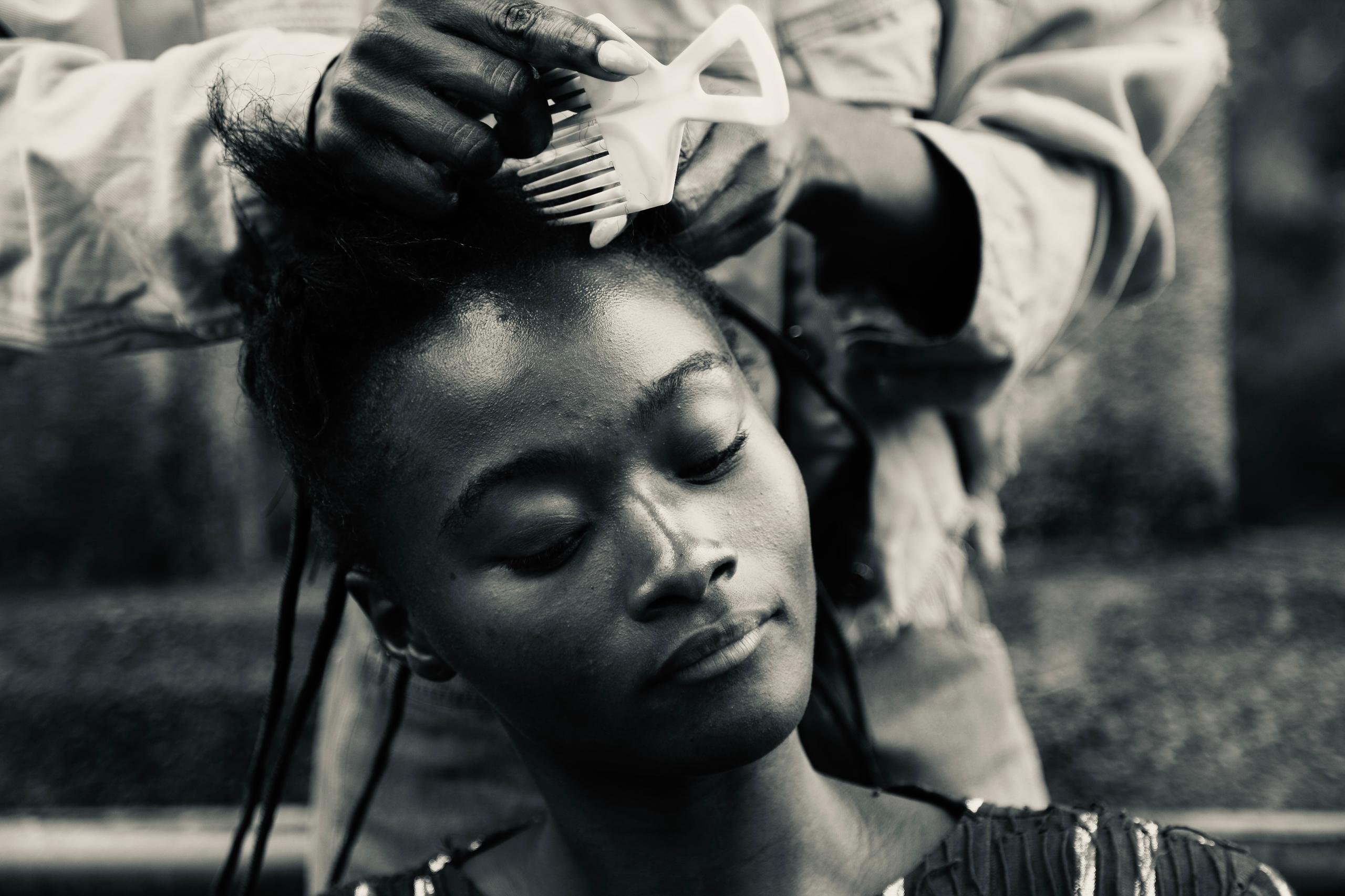
Hair in Africa has long been a symbol of pride, identity, and resilience, worn in various styles with great poise and confidence. Hair represented one's family history, social class, spirituality, tribe and marital status. Various tribes used hair to show social hierarchy even as early as the fifteenth century. Over the years, African hair has faced persistent discrimination and negative stereotyping. Recent years have seen mounting institutional pressure to suppress African hair, framing it as incompatible with educational or professional settings . In an attempt to challenge this notion, Adebayo Samuel Kehinde set out on a photography project, “HAIRITAGE OF HOME”, to protect and celebrate Nigeria’s ancestral hairdressing heritage.
Adebayo Samuel Kehinde, also known as Kenny at it again, is a Nigerian based visual storyteller whose work revolves around the concept of "Home" from cultural and social perspectives. Kehinde's “HAIRITAGE OF HOME” is a visual study driven by his core belief in conceptual photography to redefine narratives around the heritage of culture and identity. Through this project, he seeks to revive the dying art of keeping the African hair and wearing it with pride.

Over the years, foreign hair products have been introduced into Africa with an attempt to ‘tame’ it. Though this act stemmed from an attempt to provide a solution to the thick nature of African hair, it has stripped many Africans of the freedom that comes with embracing their natural hair.Western beauty norms are being exported to Africa, reframing natural hair as inadequate. Natural African hair has grown to be seen as “Unfit” in work places, schools and even, society. Kehinde seeks to challenge this trend through his works. When asked why “HAIRITAGE OF HOME”, he said, “This project was inspired by my mother, a hairstylist. I grew up watching my mother weave beauty out of women's natural hair. Through her work, I came to see hair as not just an aesthetic choice–It is a canvas on which identity can be drawn or shifted.”
True to Kehinde's words, African hair is beyond aesthetics. It is a connection to the African identity and roots. From the Nigerian “Kiko” to the Ghanaian “Oware” braids, to Kenya’s “Maasai Red Ochre braids” and many more, worn with pride. These hairdos tell their stories. Gradually, there is a decline in the way African hairdos are carried with pride. They're now being seen as ancient, and there is a high need to straighten, dye it or hide it to meet western beauty standards. Kehinde’s “HAIRITAGE OF HOME” challenges this. He believes that “Civilization is not enough cause to erase our roots.”

Kehinde's project is a celebration of beauty, history and pride found in African hair traditions. His images portray the strength and resilience of many Africans. In one of his interviews, he said, “With HAIRITAGE OF HOME, the concept of civilization is not being disputed, neither is the need for the evolution of culture and style being undermined. But the notion I am pushing for in this project is that our culture and heritage around hairdos and our idea of beauty standards are not to be undervalued, undermined, or erased.”
His works holds so much weight, reminding the viewers of their roots and the beauty of the African hair. This has sparked critical questions about identity, beauty, and cultural erasure The monochromatic palettes gives his work an archival quality, as though these images exist outside time. They serve as rescued heirlooms, visual evidence of beauty practices that colonialism and globalization have worked to erase. Through his lens, forgotten hairstyles are restored to visibility, stirring recognition in viewers who may have never seen these styles honored.
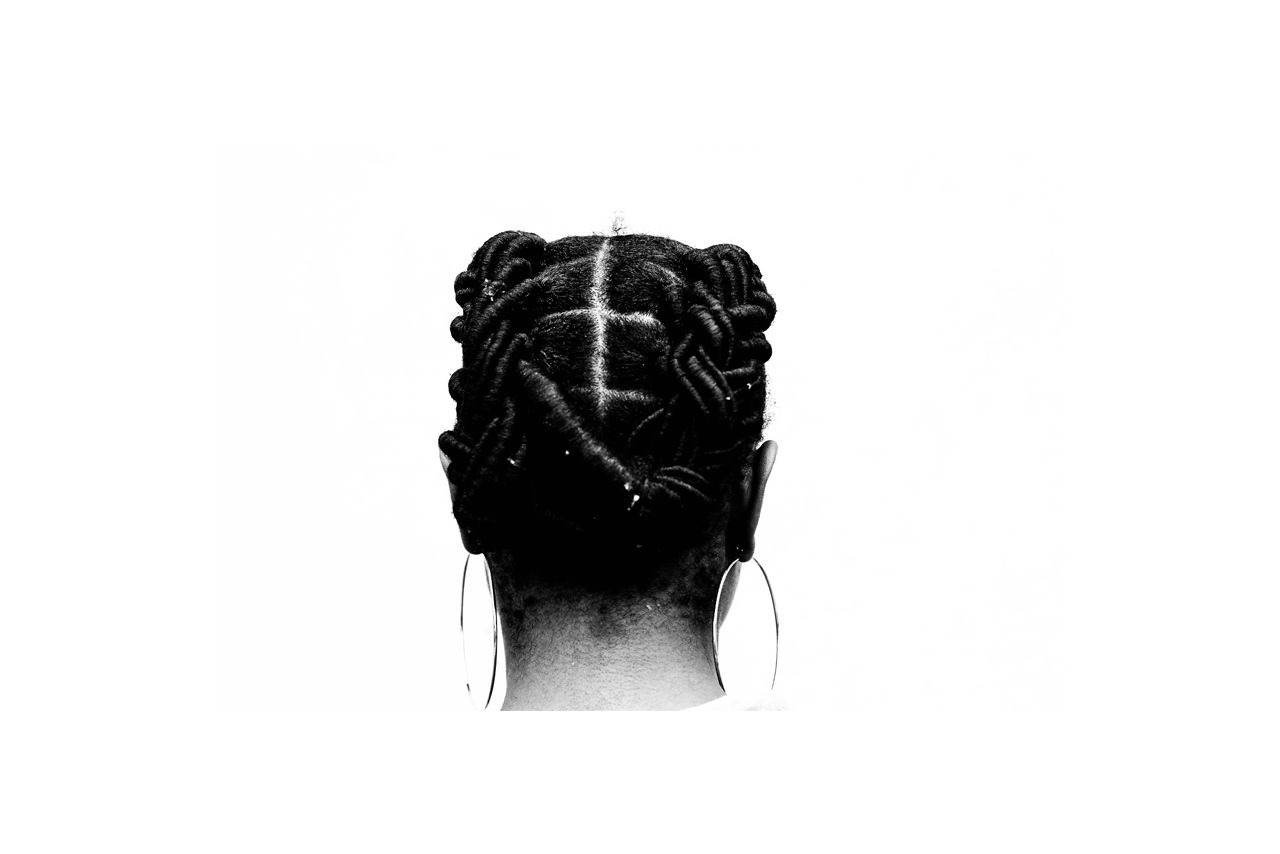
As the global beauty standards continue to change, HAIRITAGE OF HOME stands as both a cultural reminder and a visual resistance against the lost art of keeping African natural hair. Kehinde’s work challenges the narrative that African hair must conform to be accepted, urging viewers to reconsider what beauty truly means within African contexts. His images serve as documentation and advocacy, which is proof that culture can be preserved through intentional storytelling. Kehinde’s project stands as a reminder of the journey towards embracing the hair that tells our story.




.png)

