.svg)

Inside the retro festival that unlocked millennial memory, cultural preservation, and the longing for joy.
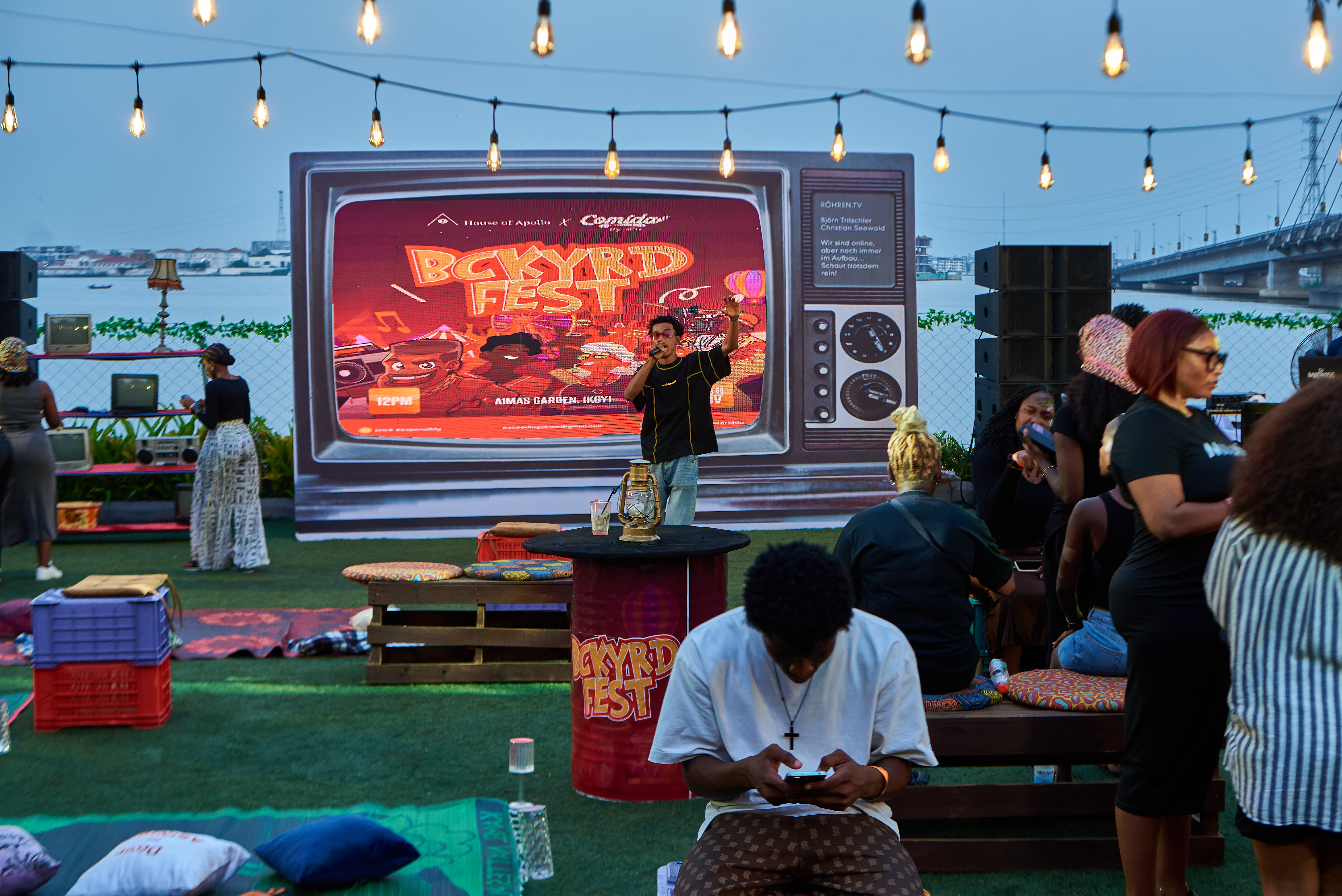
On a sunny Saturday afternoon in November, something unusual happened at Aimas Garden in Ikoyi. Hundreds of well-dressed (some dressed to the retro theme) in their 20s and 30s - people who typically spend the weekend resting or attending a traditional party, were either playing Jenga or drinking palmwine from a stall set up beside another selling candy floss and popcorn for the movie session later that evening. On the other end, some were preparing for Snake and Ladder, a game most hadn’t played in a decade.
Welcome to BCKYRDFEST, and what might be Lagos' most unexpected cultural movement of 2025.
What started as a single-day nostalgia festival on November 15th has become something larger than its organizers anticipated: a rallying point for an entire generation's collective memory, a commercial validation of cultural preservation, and perhaps most significantly, permission for adults to reclaim joy in a city that rarely stops hustling long enough to play.
The Moment It Clicked
The signs were there weeks before the event. When BCKYRDFEST announced ticket sales in late October, the response wasn’t just enthusiastic, it was emotional. Social media comments, particularly Instagram weren’t the typical event hype; “This will be lit!” but something more vulnerable: “let me go and bring out my low-rise jeans.” “So us for Abuja no sabi party abi?”
Kelechi Johnson, Creative Director at House of Apollo (the agency behind BCKYRDFEST) noticed the shift immediately. “We expected people to be interested,” he recalls. “We didn’t expect them to be moved. People weren’t just buying tickets –they were thanking us. Like we’d given them permission for something they’d been wanting but couldn’t articulate.
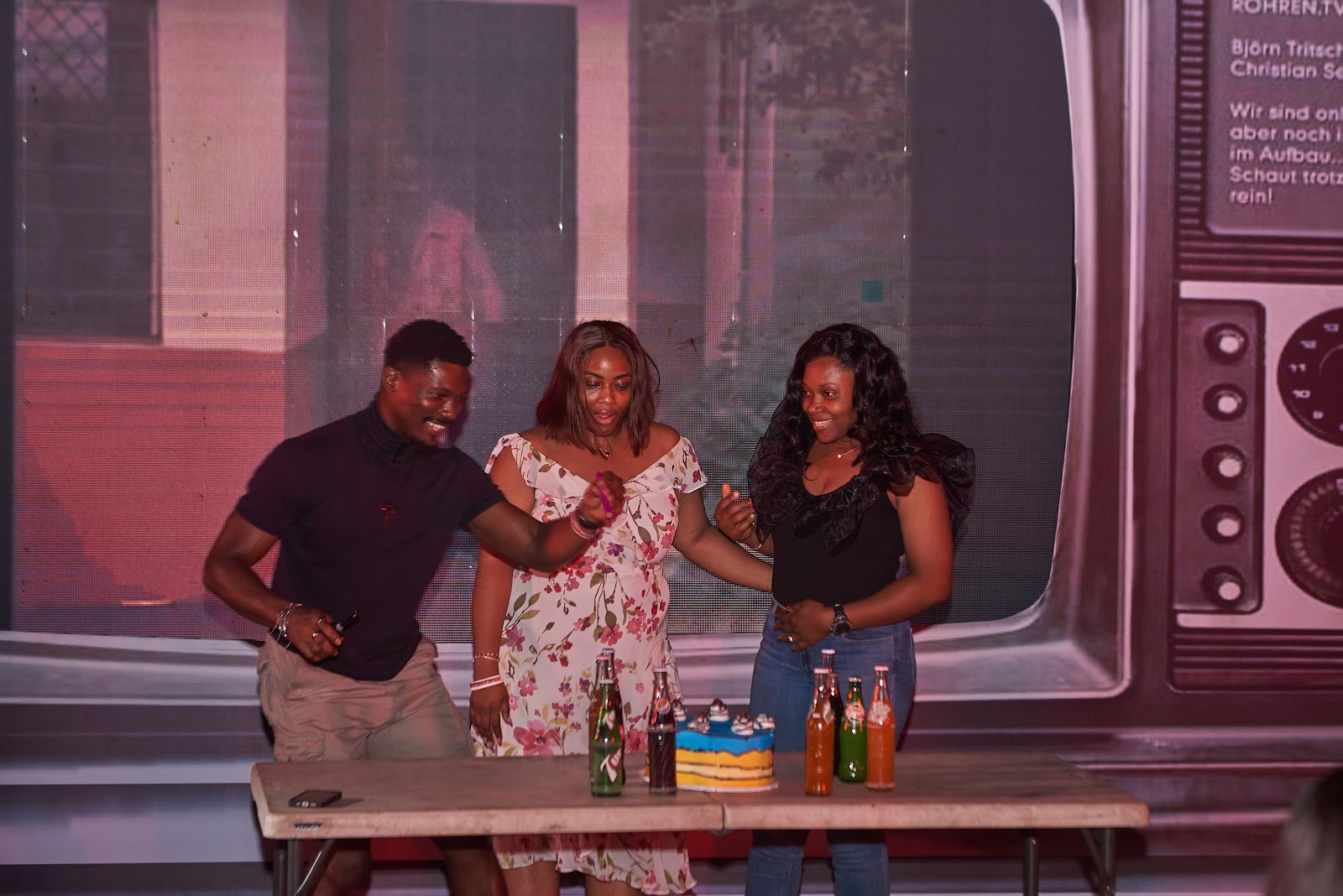
That emotional resonance translated into numbers. Within two weeks of announcement, BCKYRDFEST had sold 70% of capacity. By event week, tickets were scarce. On event day, over 200 attendees passed through Aimas Garden—professionals, creatives, young families, friend groups who'd grown up together and were now deliberately creating space to remember that shared past. But the event itself was just the visible tip of a larger cultural iceberg.
The Cultural Context: A Generation Seeking Itself
To understand why BCKYRDFEST resonated so deeply, you have to understand the particular moment Nigerian millennials find themselves in.
Born roughly between 1985 and 2000, this generation came of age during Nigeria's economic optimism of the late '90s and early 2000s. They're the children of the SAP adjustment generation, their parents hustled through economic hardship to give them education and opportunity. They're also the last Nigerians to have analog childhoods: playing outside until dark, watching the same three TV channels, creating entertainment from whatever was available. Now in their late 20s to early 40s, they're experiencing a specific kind of generational dissonance. They achieved the markers of success they were told to pursue—degrees, jobs, salaries, but sadly, many feel profoundly depleted by the relentlessness of Lagos hustle culture. They're digitally connected but in some cases, socially isolated. They have money but not necessarily joy.
Into this vacuum, BCKYRDFEST arrived with a deceptively simple proposition: Remember when life felt simpler? What if we recreated that, just for a day?
More Than Nostalgia: Cultural Preservation in Action
What separates BCKYRDFEST from typical nostalgia marketing is its relationship to cultural preservation. This wasn’t just retro aesthetics, it was active archiving of cultural practices at risk of disappearing. On the huge boards at the entrance, one could see cover arts of music released years ago, each transporting viewers back to the exact moment they first saw these covers or listened to these tracks on their vintage radios.
Consider the old games: suwe, snake and ladder, ayo olopon. A generation ago, every Nigerian child knew the rules to these games, had played variations specific to their neighbourhood, could demonstrate the particular hop-and-push technique that separated champions from amateurs. Today, most children born after 2005 may either have never seen it played, or don’t know the theatrics that dominated these games. The transmission chain – older kids teaching younger ones in compounds and streets, has broken down as play has moved indoors and online.
BCKYRDFEST didn't just feature these games, it created an atmosphere where they were taught. Throughout the day, attendees who'd never learned (younger millennials, Gen Z curious about the hype, even some Gen X parents) received instruction from those who remembered. The cultural knowledge, embodied and experiential, passed from person to person.
The Social Media Phenomenon
BCKYRDFEST's cultural impact extended far beyond the 200 who attended. On Instagram, the event generated solid impressions in the week surrounding November 15th. The post event content round up was impressive with attendees sharing memories, photos, and reflections.
But the content wasn't typical event coverage. Instead of just glamour shots and party videos, social media, particularly Instagram was filled with something more interesting: vulnerability. Adults posted photos of themselves mid-game, faces scrunched in concentration. Videos showed dignified professionals laughing until they cried over childhood snacks. Captions were confessional: "I forgot what it felt like to play just for fun." "My face hurts from smiling." "Why did we ever stop doing this?"
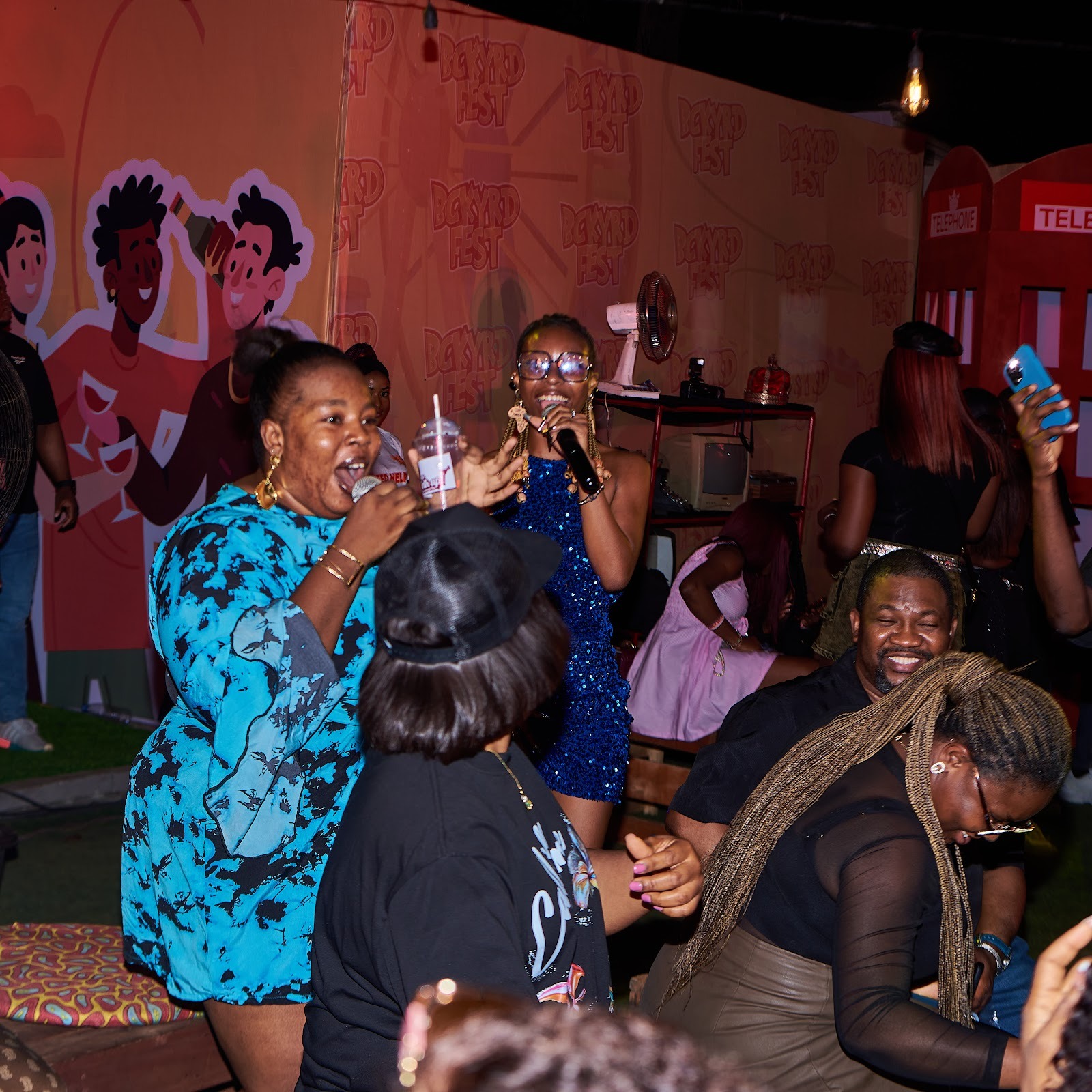
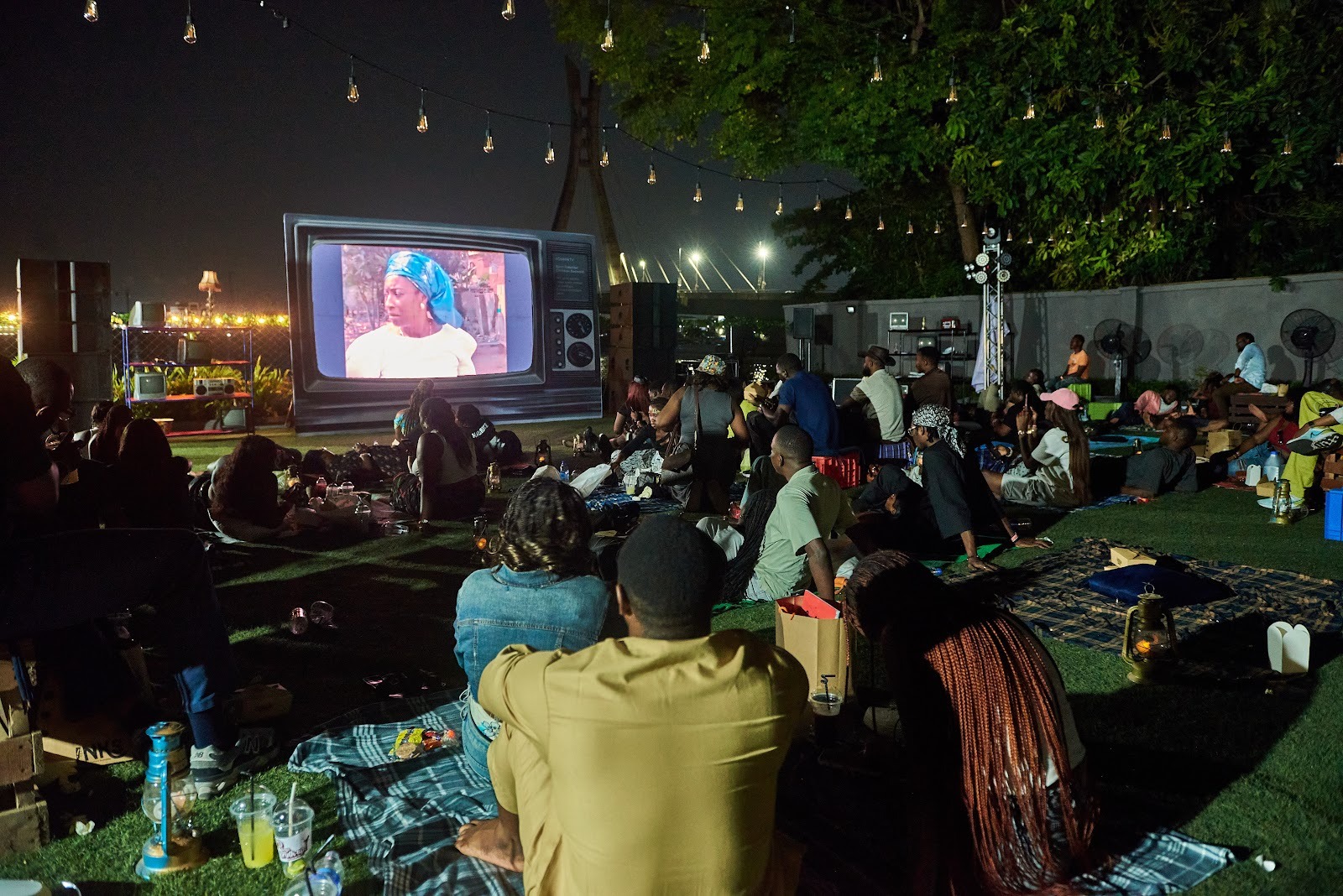
The UGC (user-generated content) took on a life of its own. TikTok creators who attended started posting their content, with captions like “this is your sign to go out in Lagos and watch a movie under the stars”, or “gentle reminder to take a little break from adulthood and let your inner child out to play”.
The social amplification also served an unexpected function: making visible a previously inchoate feeling. Many millennials had individually felt the weight of constant productivity culture, the sense that something essential was missing from contemporary adult life. But seeing thousands express the same longing in response to BCKYRDFEST made the feeling collective, legitimate, something that could be named and addressed rather than privately endured.
The Personal Made Collective
Perhaps BCKYRDFEST's most significant cultural contribution is making personal longing collective and therefore actionable. Individual Nigerians have always felt nostalgia for their childhoods. Parents have always told their children about "how we played in our time." But these remained private sentiments, personal memories shared in small circles but not recognized as broader cultural movements.
BCKYRDFEST took that private feeling; I miss when things were simpler, and made it public, collective, and celebratory. It said: this longing you feel is valid, widespread, and worth building something around. You're not just individually nostalgic; you're part of a generation experiencing specific historical and cultural forces that make you long for particular things.
That collective recognition is powerful. It transforms private wistfulness into cultural moments. It turns individual consumers into communities with shared identity and purpose.
In the Rearview Mirror
On November 15, 2025, over 200 Lagosians spent a Saturday playing children's games, singing 20-year-old songs, watching old Nollywood thrillers and eating snacks they hadn't tasted in decades. They posted about it, talked about it, brought friends into it, and started planning their own versions of it.
Was it just a good party? Or was it the beginning of something larger—a cultural shift in how Nigerian millennials think about adulthood, productivity, joy, and cultural heritage?
Whether that makes it a movement or just a very successful event depends on what happens next. On whether the energy sustains. On whether others build on what was started. On whether, in retrospect, November 15, 2025 was just a fun Saturday or the day Lagos' nostalgia culture became something undeniable.
Lagos is still hustling. Traffic is still brutal. The pressures that made people long for simpler times haven't disappeared. But now there's language for that longing, community around it, and proof that carving out space for joy isn't just possible—it's sustainable, scalable, and maybe even the beginning of something that changes how we think about what it means to be an adult in modern Lagos.
Images: Excerpts from BCKYRDFEST- all image credit to Vellir Studios.


.png)

