.svg)


“I’m just a girl.” That phrase, more popular over the past few two years, came from a resurgence of ‘girlhood.’ What felt like just the ‘Barbie’ movie or an intimate dinner party grew into an understanding of the world, each other, and the universal experience of womanhood. Alongside this catchy way of reminding women to prioritise themselves, there’s been a worldwide expansion of opportunity, recognition, and appreciation for women around the world. Not only thanks to the power of storytelling via social media and films, but through the lives of the approximately 4 billion women in the world.
On its 115th year, International Women’s Day, globally recognised on March 8th, brings about the global tradition of honouring the women in our everyday lives. From mums, nans, aunts, teachers, cousins, and friends. In this article, Deeds Magazine will take you around the world showcasing how different countries celebrate day and the women that make the world go ‘round.

Originally starting in the United States, United Kingdom, and several European countries, what began as strikes and marches for fair wages, suitable working conditions, and child labour laws, as early as 1776, has evolved.
In 1911, after a series of strikes in Europe and North America, Clara Zetkin, leader of the Women's Office for the Social Democratic Party in Germany, tabled the idea of an International Women's Day to the Second International Socialist Women's Conference.
After receiving unanimous support from over one hundred women representing 17 countries, the day was promptly recognised by Austria, Denmark, Germany and Switzerland, on March 19, 1911. After the Russian revolutionary strikes by women on March 8th 1917, Vladimir Petin announced the date as a public holiday, later adopted by the United Nations in 1977, and countries around the world.


Since then a series of powerful and influential women have been the catalysts of change and progress around the world. Look at Nigeria’s Funmilayo Ransome-Kuti, the ‘Mother of Africa,’ who pioneered women’s rights, education, and became the face of political campaigns in her home country. Kenya’s Wangari Maathai, who advocated for environmental awareness and was recognised globally as the first African woman to win a Nobel Peace Prize. Or the United States’ Dorothy Height and Rosa Parks, who empowered women and stood alongside thousands of African-Americans during the Civil Rights Movement.
The day itself is focused on fostering solidarity and understanding by celebrating women’s achievements, raising awareness of gender inequality, mobilising action to educate and encourage, and donating to or fundraising for charities, organisations, activists, or initiatives looking to advance women's rights.
With these in mind, the day (whether it's March 8th or not) is celebrated a little bit differently in countries and cultures worldwide.
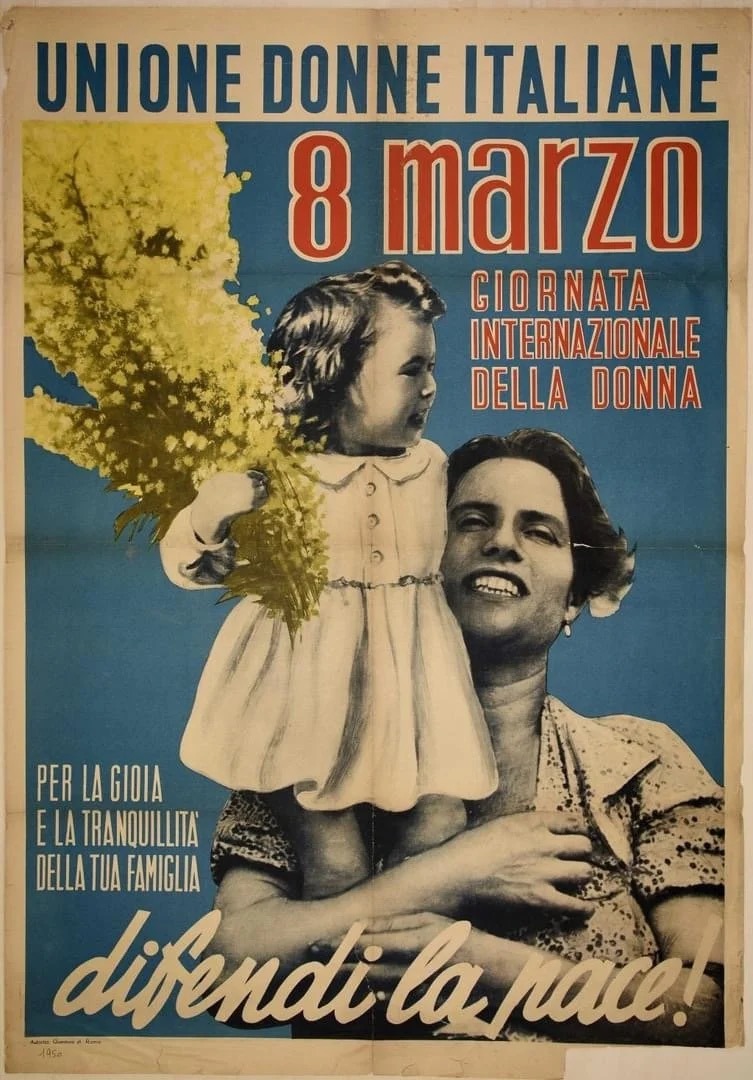
Italian international student Maria Luchetti spoke of her home country’s La Festa della Donna, which boasts fragrant mimosa flowers being shared with women across the country. The flowers bloom fills the air as marches take place in remembrance of the day’s symbolic roots.
In the US, UK, and Australia, March not only hosts a day, but a whole Women’s History Month - honouring the influential women whose work has changed the face of women’s rights in the workplace, society, and at home.
In China and Madagascar, women are usually treated to half days off work. That’s right - women only.
Twenty-four countries, including Cuba, Eritrea, Angola, and Kazakhstan, consider IWD a national holiday! Meaning no school, no work, all sleep. Sadly, this year fell on a Sunday so no four day week this year.
In Africa, there’s no shortage of celebration and progress with conferences hosted across the continent.The African Union’s meeting in Addis Ababa will be honouring the voices, work, and community of women in the AU at its headquarters in Ethiopia.
In Ghana, the National Women’s Summit and EXPO took place on Sunday in Accra, highlighting women, money and power in today’s climate.
In Kenya, the IWD Protect the Future event hosted by PESOS Nairobi and Grade Africa had its debut, provoking powerful conversations to celebrate women, culture, and creative collaboration across the continent.
Nigeria and South Africa are hosts of the Google Development Group event ‘Break the Pattern in Tech’ this week, empowering women to build a world in tech in which they can thrive.
And these are just a few of the ways women are celebrated. From Mexico’s #UNDÍASINNOSOTRAS ('A Day Without Us’) to the historic Global Citizen Festival: Power of Women in 2019, the world has proven it needs its women. Therefore, they need to be celebrated. Continuing to empower and educate - in the physical and digital - is crucial. So, as the world celebrates the 115th anniversary of the day, let it be a reminder to all of the power women hold in every station, and another great day to be "just a girl."
IG: clungaho



.png)

