Review: Hertunba 2026 Collection

Authored by

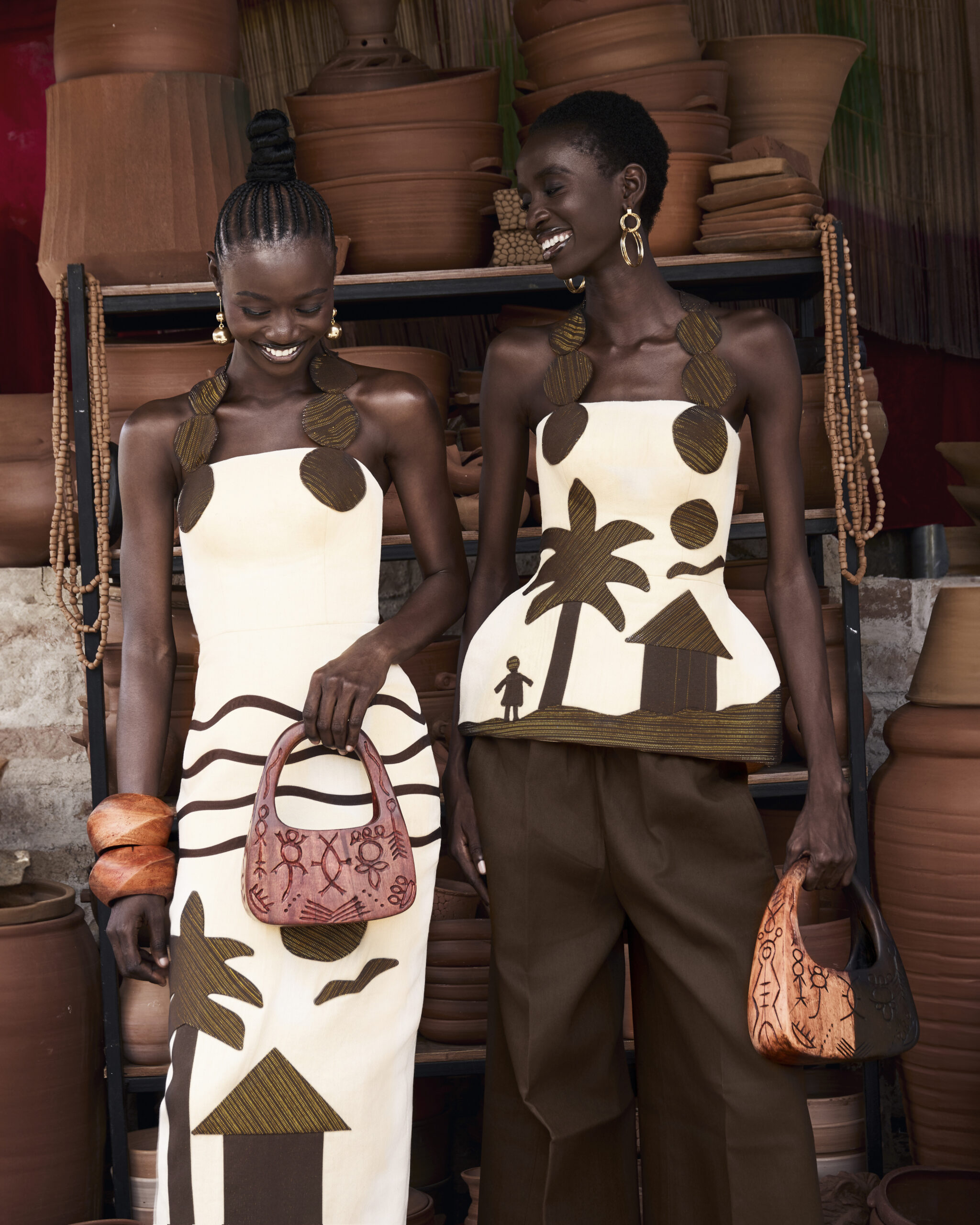
Under the creative direction of its founder, Florentina Agu, Hertunba has churned out 16 collections of wearable art pieces so beloved that they've made multiple red-carpet appearances on Wunmi Mosaku. In the earthen backdrop of moulded clay pots and handwoven rafia rested on a wall, their collection was displayed, and it was deeply conceived as it was beautiful. As with most collections, the clothes are regal, structured and in some cases, traditional but still have a whimsy touch to them.

Founded in 2020 on an ethos of sustainable African craftsmanship, Hertunba's clothes are African opulence embodied. This collection takes the meaning behind their brand and extends it by a mile. Titled Akaoru, meaning handwork, the collection is a celebration of craftsmanship carried through 24 looks which includes a few collectibles.

Very textually rich, the collection comprised handmade pieces from traditional techniques like textile weaving, aso-oke pieces and akwete, alongside pieces from more contemporary handcrafts like crotchet. Beyond fashion-centred crafts, Akaoru is a celebration of other artisanal techniques including woodwork. The collection's only accessories and perhaps most standout pieces are a mahogany bangle and a wood-carved mahogany bag etched with Nsibidi markings, a precolonial writing from Cameron and a few south-eastern Nigeria states. The fabric of some pieces were handpainted with palm tree, hut and other ‘African’ motifs. 

What really makes the collection stand out are little sartorial elements. The parallel-placement of the stripes on the aso-oke, the tail of the wrap dress, the silhouettes of most pieces all point to asymmetry as the brief for the tailoring. In terms of silhouettes, they did something cool with sculptural piece silhouettes. But for the most part, the pieces bring back silhouettes they’re loved for. Like every Hertunba collection, there’s Bubu, this time as a two piece bubu top and pants stamped with the x motifs. The pencil cotton dresses have hand straps that are akin to the surrealist playfulness of Dona design.  

The collection, in general, does a great job of balancing different textures and elements and meaning, but it lacks freshness in creativity. Some pieces in the collection are old or reworked, such as the Dona top and Mowa set. The Ẹwà necklace top, for instance, although beautifully readapted with African beads, is one Pinterest search away from finding the same thing from different designers. Other pieces too resemble each other so closely that they don’t feel distinct. 

For a brand like this that’s had massive attention lately for its artistry, a new collection would have been better off showcasing mostly new designs that strengthen its hold in the industry and define its place. Akaoru will sell because it’s beautiful, but ultimately, it’s yet another example of how a focus on commercialisation can dampen artistic expression. Clearly, fashion designers—especially those who want to make money—have to keep up with trends or predict where things will shift and create along those lines. Generally, designers also try to match the taste of their customers, but when that taste comes through too strongly, it makes the design feel commercial and, therefore, fall flat on the innovative side.

Review: Hertunba 2026 Collection

Authored by
This is some text inside of a div block.

Under the creative direction of its founder, Florentina Agu, Hertunba has churned out 16 collections of wearable art pieces so beloved that they've made multiple red-carpet appearances on Wunmi Mosaku. In the earthen backdrop of moulded clay pots and handwoven rafia rested on a wall, their collection was displayed, and it was deeply conceived as it was beautiful. As with most collections, the clothes are regal, structured and in some cases, traditional but still have a whimsy touch to them.

Founded in 2020 on an ethos of sustainable African craftsmanship, Hertunba's clothes are African opulence embodied. This collection takes the meaning behind their brand and extends it by a mile. Titled Akaoru, meaning handwork, the collection is a celebration of craftsmanship carried through 24 looks which includes a few collectibles.

Very textually rich, the collection comprised handmade pieces from traditional techniques like textile weaving, aso-oke pieces and akwete, alongside pieces from more contemporary handcrafts like crotchet. Beyond fashion-centred crafts, Akaoru is a celebration of other artisanal techniques including woodwork. The collection's only accessories and perhaps most standout pieces are a mahogany bangle and a wood-carved mahogany bag etched with Nsibidi markings, a precolonial writing from Cameron and a few south-eastern Nigeria states. The fabric of some pieces were handpainted with palm tree, hut and other ‘African’ motifs. 

What really makes the collection stand out are little sartorial elements. The parallel-placement of the stripes on the aso-oke, the tail of the wrap dress, the silhouettes of most pieces all point to asymmetry as the brief for the tailoring. In terms of silhouettes, they did something cool with sculptural piece silhouettes. But for the most part, the pieces bring back silhouettes they’re loved for. Like every Hertunba collection, there’s Bubu, this time as a two piece bubu top and pants stamped with the x motifs. The pencil cotton dresses have hand straps that are akin to the surrealist playfulness of Dona design.  

The collection, in general, does a great job of balancing different textures and elements and meaning, but it lacks freshness in creativity. Some pieces in the collection are old or reworked, such as the Dona top and Mowa set. The Ẹwà necklace top, for instance, although beautifully readapted with African beads, is one Pinterest search away from finding the same thing from different designers. Other pieces too resemble each other so closely that they don’t feel distinct. 

For a brand like this that’s had massive attention lately for its artistry, a new collection would have been better off showcasing mostly new designs that strengthen its hold in the industry and define its place. Akaoru will sell because it’s beautiful, but ultimately, it’s yet another example of how a focus on commercialisation can dampen artistic expression. Clearly, fashion designers—especially those who want to make money—have to keep up with trends or predict where things will shift and create along those lines. Generally, designers also try to match the taste of their customers, but when that taste comes through too strongly, it makes the design feel commercial and, therefore, fall flat on the innovative side.

This is some text inside of a div block.

Review: Hertunba 2026 Collection

Authored by

Under the creative direction of its founder, Florentina Agu, Hertunba has churned out 16 collections of wearable art pieces so beloved that they've made multiple red-carpet appearances on Wunmi Mosaku. In the earthen backdrop of moulded clay pots and handwoven rafia rested on a wall, their collection was displayed, and it was deeply conceived as it was beautiful. As with most collections, the clothes are regal, structured and in some cases, traditional but still have a whimsy touch to them.

Founded in 2020 on an ethos of sustainable African craftsmanship, Hertunba's clothes are African opulence embodied. This collection takes the meaning behind their brand and extends it by a mile. Titled Akaoru, meaning handwork, the collection is a celebration of craftsmanship carried through 24 looks which includes a few collectibles.

Very textually rich, the collection comprised handmade pieces from traditional techniques like textile weaving, aso-oke pieces and akwete, alongside pieces from more contemporary handcrafts like crotchet. Beyond fashion-centred crafts, Akaoru is a celebration of other artisanal techniques including woodwork. The collection's only accessories and perhaps most standout pieces are a mahogany bangle and a wood-carved mahogany bag etched with Nsibidi markings, a precolonial writing from Cameron and a few south-eastern Nigeria states. The fabric of some pieces were handpainted with palm tree, hut and other ‘African’ motifs. 

What really makes the collection stand out are little sartorial elements. The parallel-placement of the stripes on the aso-oke, the tail of the wrap dress, the silhouettes of most pieces all point to asymmetry as the brief for the tailoring. In terms of silhouettes, they did something cool with sculptural piece silhouettes. But for the most part, the pieces bring back silhouettes they’re loved for. Like every Hertunba collection, there’s Bubu, this time as a two piece bubu top and pants stamped with the x motifs. The pencil cotton dresses have hand straps that are akin to the surrealist playfulness of Dona design.  

The collection, in general, does a great job of balancing different textures and elements and meaning, but it lacks freshness in creativity. Some pieces in the collection are old or reworked, such as the Dona top and Mowa set. The Ẹwà necklace top, for instance, although beautifully readapted with African beads, is one Pinterest search away from finding the same thing from different designers. Other pieces too resemble each other so closely that they don’t feel distinct. 

For a brand like this that’s had massive attention lately for its artistry, a new collection would have been better off showcasing mostly new designs that strengthen its hold in the industry and define its place. Akaoru will sell because it’s beautiful, but ultimately, it’s yet another example of how a focus on commercialisation can dampen artistic expression. Clearly, fashion designers—especially those who want to make money—have to keep up with trends or predict where things will shift and create along those lines. Generally, designers also try to match the taste of their customers, but when that taste comes through too strongly, it makes the design feel commercial and, therefore, fall flat on the innovative side.

Other Stories
London
London
Lagos
London
Newyork
London
Shop
Join the community.
You are now subscribed to receive updates.
Oops! Something went wrong while submitting the form.