.svg)

An insight into how to cultivate a lifelong music career in Africa
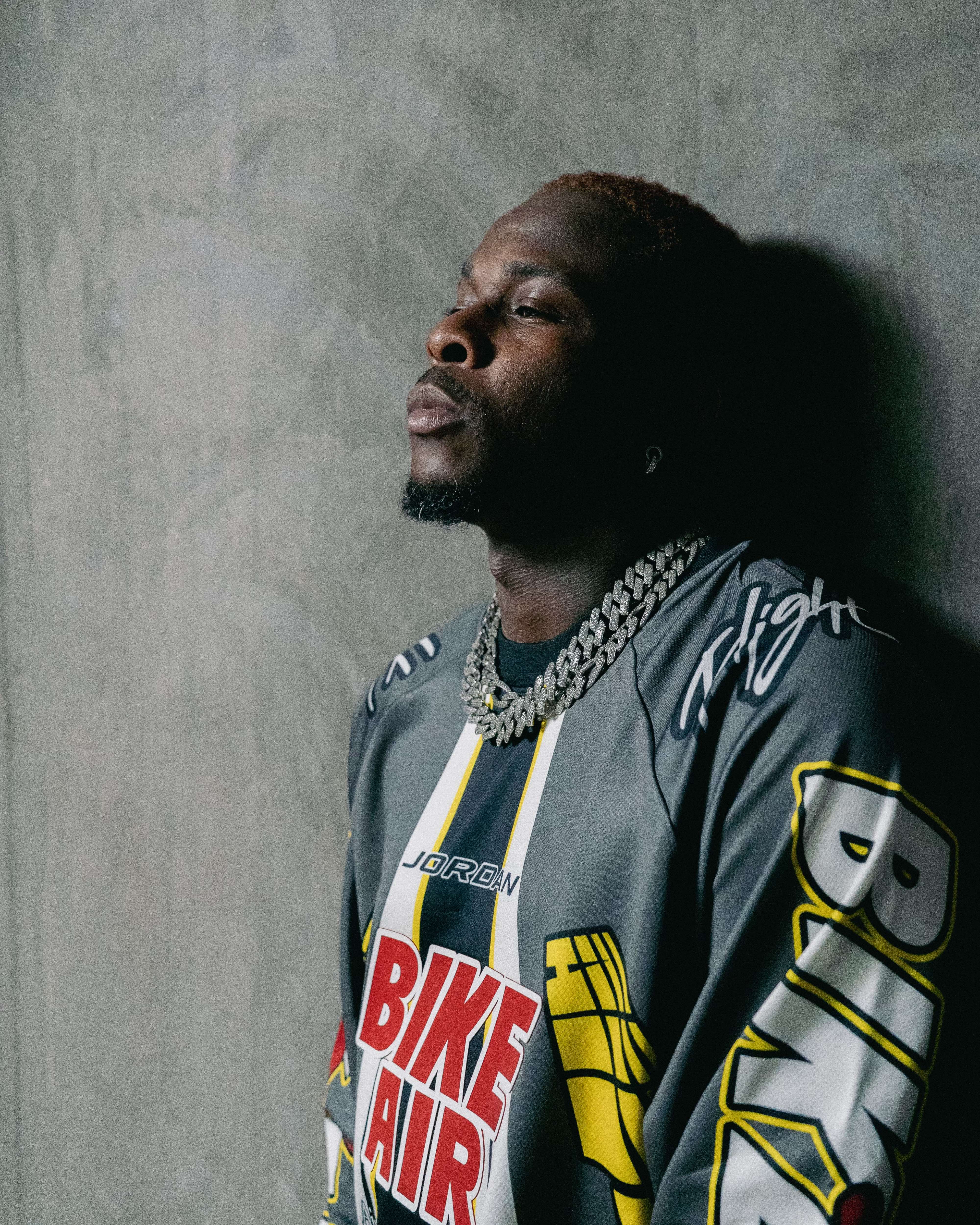
When we speak of Black excellence, Bassa Zéréhoué Diyilem, better known as Didi B, sits at the pinnacle of that hill. Stemming from one of Africa's busiest cities, Abidjan, Ivory Coast, success wasn’t just given to him. It was something he had to fight for. Today, the heavy hitter is respected amongst culture leaders from all walks of life, as a pioneering voice who populariszed French Rap on the African continent and beyond. Together with Kiff No Beat, an Ivorian Award-winning Rap group founded in 2009, he reached unimaginable heights for African kids from the streets, ultimately placing Ivorian Rap in the limelight.
Not everyone can claim full-dominance for almost 15 years in the music business, since his debut solo project ‘Mojo trone, vol. 1’ back in 2013. Didi B remains just as good with his pen. Through controversies and hardships, the Rap mogul not only remained on everyone’s music playlists, but he also persevered through it all. The recent release of his deluxe edition of ‘Juventus Nueva Era’ is a testimony to his power hold. Deeds Magazine sat down with Didi B in an exclusive conversation to discuss his triumphs, his shortcomings, and everything that lies in between.
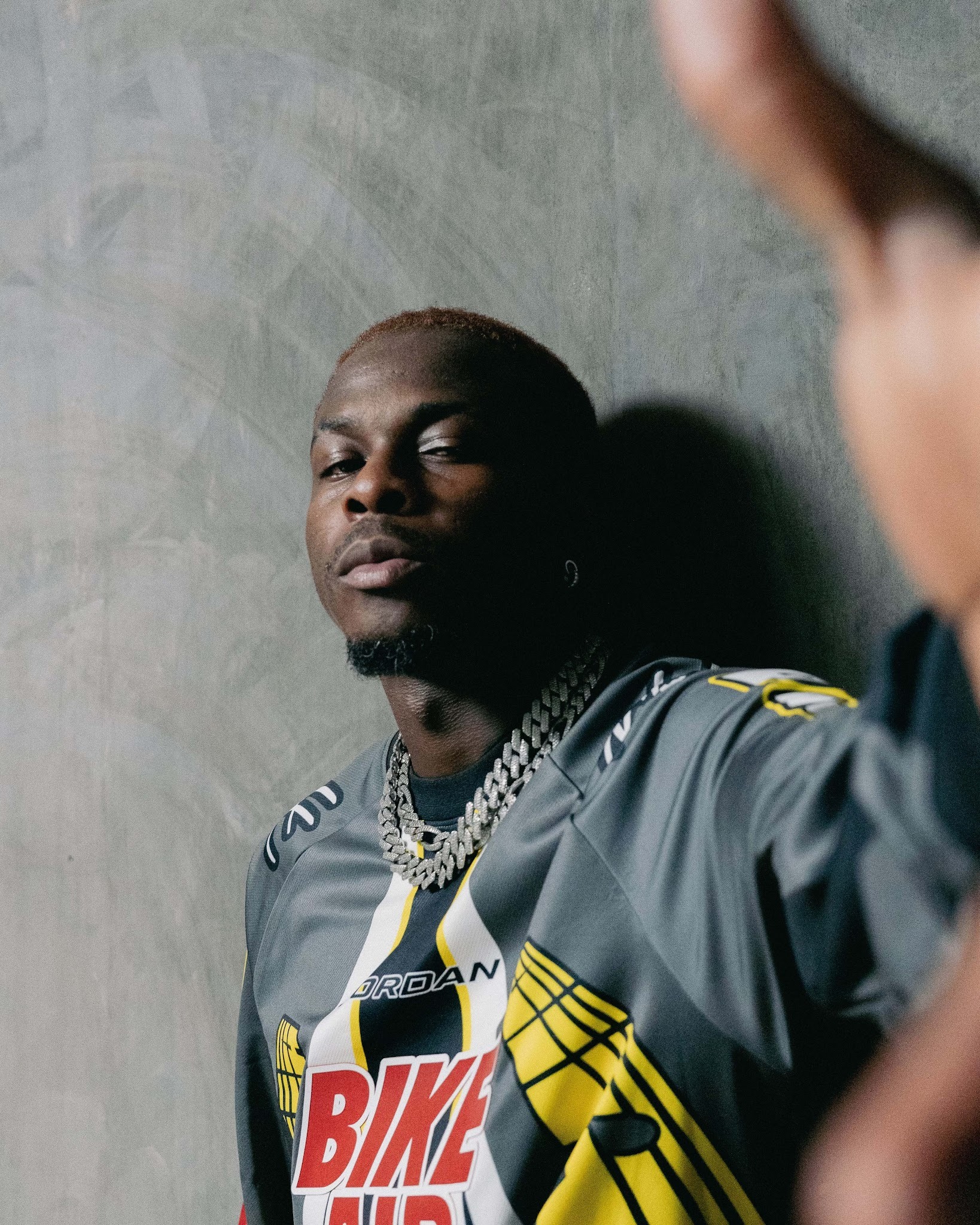
Laurène for Deeds Magazine: Can you tell us who you are and where you're based?
Didi B: I'm Bassa Zéréhoué Diyilem, known as Didi B, an Ivorian rapper. Sometimes I'm called Mojaveli or Bayo. I'm based in Ivory Coast.
It's not every day that we hear about an artist who breaks through in Abidjan. Can you tell us what it was like growing up there?
Abidjan is the hub of African music. Many artists have seen their careers take off after starting in the Ivory Coast. Like any music industry, it doesn't happen overnight, that's for sure. Abidjan is the city that's always on the go, the city where our neighbors are our second family, the city where young people have supported us since our early days at Faya Flow with the group Kiff No Beat, the city where hospitality is the key word. It's the city of alloco (I didn't say Alokos, lol), attiéké, garba, and grilled fish. I grew up in all of that. I've had, and still have, some great times there.
For us, as outsiders, when we think of the Ivory Coast, we often think of Coupé Décalé and Magic System. How were you introduced to Rap, and which artists did you listen to?
Big up to the masters A'salfo, Manadja, Goudé, and Tino! I grew up with this legendary group, but also with artists like Alpha Blondy and Meiway, who are like father figures to me and people I admire for their talent and their ability to stay relevant despite all these years. Like every kid my age, we were into French and US Rap. But predecessors like Garba 50 and Almighty inspired me. I started rapping in Bingerville with my friends Black K and Elow'n, then Joochar and Eljay. After our victory at Faya Flow in 2010, a Hip-Hop competition, we went pro.

With your friends, you founded a group called Kiff No Beat in 2009. The first African Hip-Hop group to sign with Universal Music. What has your journey been like?
A journey full of pitfalls and obstacles, but also some wonderful things. We experienced a lot of firsts with the group, notably being the first Francophone African rap group at Coke Studio. The group was heavily supported by Ivorian teenagers and young adults, at a time when Rap wasn't the dominant musical genre in Côte d'Ivoire. In 2010, the group won Faya Flow, a Hip-Hop competition. Following that, with people who believed in us, like DA Carmen, our producer, and Shado Chris, our first beatmaker, we launched our professional career. As for albums, I can mention “Christmas Gift” in 2011, “Jackson Five” in 2013, “Teenage Firecrackers” in 2014, “Cubism” in 2015… along with singles and collaborations. This work has been rewarded with numerous titles, such as “Revelation of the Year” in 2011 and “Best Rap/Hip-Hop Group” in 2012 and 2013 at the Ivorian Music Awards.
Almost 15 years in the business, it’s a privilege to have you with us. What’s the biggest lesson you’ve learned?
I’ve learned that talent isn’t enough. You have to surround yourself with a solid team, be professional, and understand the music industry.
Out of curiosity, was there ever a moment when you thought, “Wow, I’ve really reached the top. Where do I go from here?” Have you ever felt this way in your career, and how did you overcome it?
I tell myself that all the time, when I'm performing, when I release a new project, but I immediately tell myself I have to get to work and do even better.
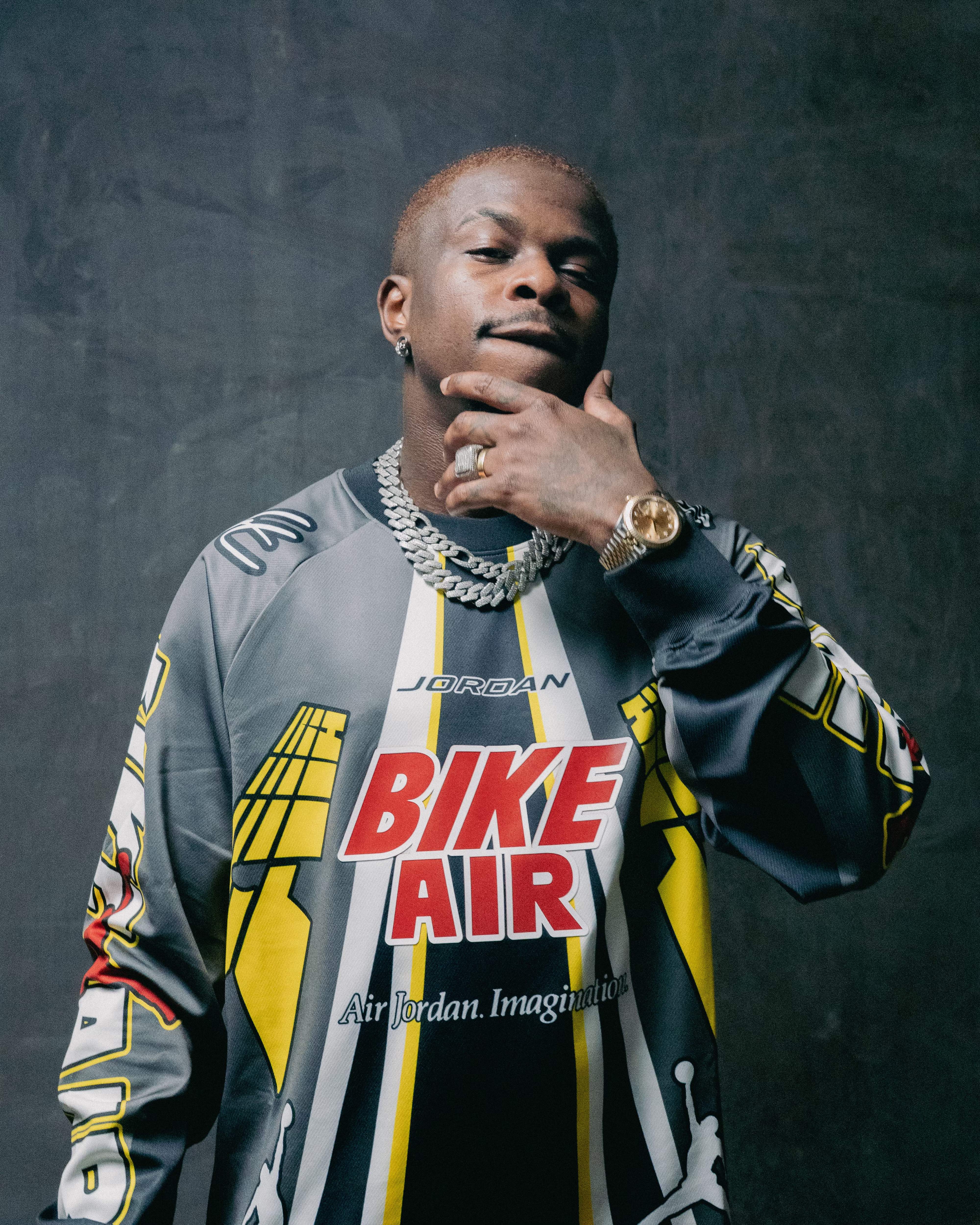
One thing we didn't see on the Juventus Nueva Era deluxe edition is a collaboration with a Nigerian artist. Of course, you've already worked with numerous acts like Burna Boy. Are there others in the English-speaking world that you plan to collaborate with in the future?
I've also worked with Naira Marley and Ziloneesky on other projects. We're also working on breaking into the English-speaking market. In fact, I was the first French-speaking artist to receive Gold certification in Nigeria for my song, "Good Vibes" featuring Ziloneesky.
There's a new scene developing in the Ivory Coast, similar to the 'Nigerian underground,' also called 'NigerianUG.' What do you think of it? This movement?
Are you talking about Biama? If you're talking about this new scene, I find it incredible. Seeing young people from working-class neighbourhoods, like me at the very beginning of my career, getting Ivorians dancing to this musical style makes me happy and boosts my creativity. Music is about innovation, but it's also about joy, and that's what Biama conveys.
It was actually a separate scene, but wow! You are putting us on now. One of the biggest fanatical clashes in French rap pitted you against Himra. Where does your relationship stand today?
We're focused on the Zénith.
Finally, is there any important news you'd like to share with the public?
The Ebimpe Stadium for next year.
Thank you for your time, Didi B.


.png)

