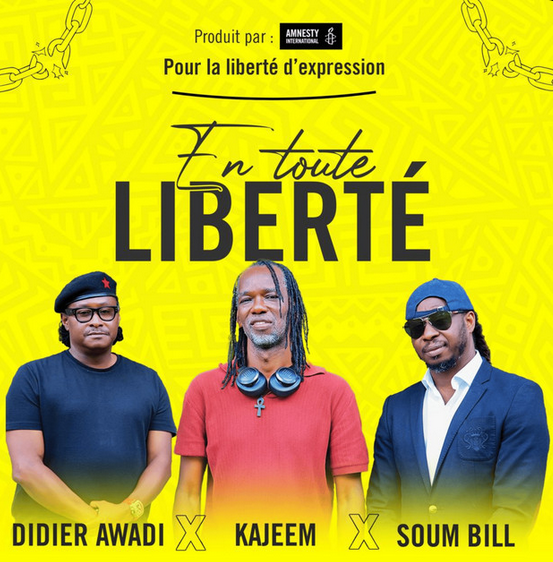
In ‘En toute liberté,’ Kajeem, Didier Awadi and Soum Bill Turn Music Into Activism

Authored by

Released with support from Amnesty International, the new anthem is part of a wider campaign exploring how music continues to serve as a tool for civic engagement and youth mobilization in West Africa.

West African music veterans Kajeem, Didier Awadi, and Soum Bill have joined forces on ‘En toute liberté', a new human rights anthem released in partnership with Amnesty International. More than a typical music release, the track forms part of a broader campaign aimed at encouraging civic participation and protecting youth civic spaces across Côte d'Ivoire. Through a combination of digital platforms and university outreach, the initiative positions music not only as a cultural product but as a vehicle for activism, dialogue and collective action. 

Backed by the global human rights organization, ‘En toute liberté’--which translates to "In Complete Freedom"--is intended to resonate widely. The artists behind the anthem bring longstanding histories of social engagement to the effort. Kajeem has consistently used reggae as a vehicle for civic awareness and social commentary, while Didier Awadi remains one of West Africa's most influential political hip-hop voices. Alongside them, Soum Bill brings decades of cultural influence in Côte d'Ivoire, helping anchor an initiative that extends beyond the music itself. 
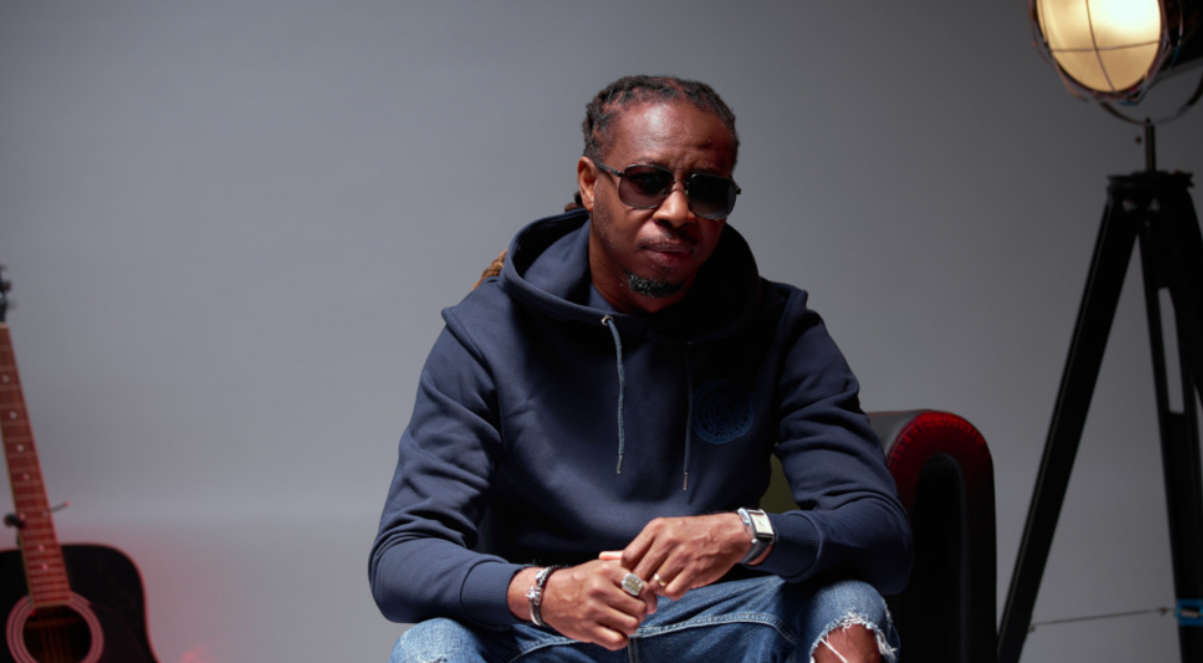
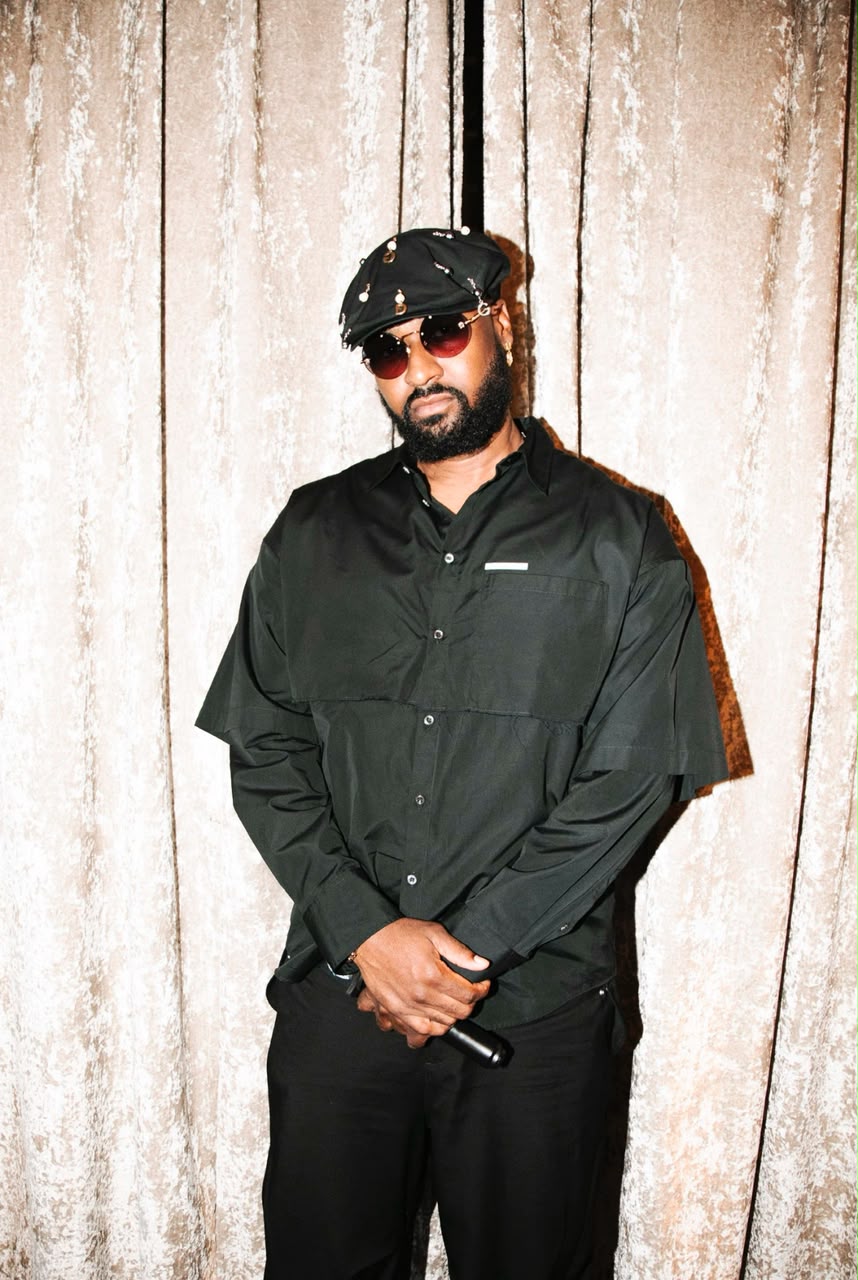
Soum Bill | Credit Lomebougeinfo

Rather than ending on streaming platforms, the campaign will reach university campuses across the country, where discussions around freedom of expression and democratic participation will form part of its broader outreach. The focus on campuses is significant. Across Africa, universities have long served as incubators for political thought, social movements, and cultural change, making them a natural setting for a project that seeks to connect music with civic engagement. 

Their collaboration also sits within a much longer tradition of politically conscious music in West Africa. For decades, artists have used songs to educate audiences, challenge authority, and encourage public participation. Fela Kuti transformed Afrobeat into a platform for political critique, while Alpha Blondy and Tiken Jah Fakoly used reggae to address governance, democracy and social justice. In this context, ‘En toute liberté’ is less a departure from tradition than a continuation of it. The anthem reflects the enduring belief that music can do more than entertain–it can inform, mobilize and inspire.

The release arrives at a moment when African music enjoys unprecedented global visibility. Yet while international audiences often encounter the continent's music through entertainment-focused narratives, ‘En toute liberté’ highlights another dimension of its cultural power. Across the region and much of Africa, musicians have long occupied roles that extend beyond performance, acting as educators, commentators, and advocates within their communities. For Kajeem, Didier Awadi, and Soum Bill, the anthem serves as a reminder that music remains not only a soundtrack to social life but also a platform for participation, dialogue and change. In doing so, the project reinforces the enduring relationship between culture and civic engagement, demonstrating how artists continue to use their platforms to encourage reflection, discussion, and action. 

IG:@_stanleykilonzo
Cover Image Credit: Amnesty International/Digitafreeka
In ‘En toute liberté,’ Kajeem, Didier Awadi and Soum Bill Turn Music Into Activism

Authored by
This is some text inside of a div block.

Released with support from Amnesty International, the new anthem is part of a wider campaign exploring how music continues to serve as a tool for civic engagement and youth mobilization in West Africa.

West African music veterans Kajeem, Didier Awadi, and Soum Bill have joined forces on ‘En toute liberté', a new human rights anthem released in partnership with Amnesty International. More than a typical music release, the track forms part of a broader campaign aimed at encouraging civic participation and protecting youth civic spaces across Côte d'Ivoire. Through a combination of digital platforms and university outreach, the initiative positions music not only as a cultural product but as a vehicle for activism, dialogue and collective action. 

Backed by the global human rights organization, ‘En toute liberté’--which translates to "In Complete Freedom"--is intended to resonate widely. The artists behind the anthem bring longstanding histories of social engagement to the effort. Kajeem has consistently used reggae as a vehicle for civic awareness and social commentary, while Didier Awadi remains one of West Africa's most influential political hip-hop voices. Alongside them, Soum Bill brings decades of cultural influence in Côte d'Ivoire, helping anchor an initiative that extends beyond the music itself. 

Soum Bill | Credit Lomebougeinfo

Rather than ending on streaming platforms, the campaign will reach university campuses across the country, where discussions around freedom of expression and democratic participation will form part of its broader outreach. The focus on campuses is significant. Across Africa, universities have long served as incubators for political thought, social movements, and cultural change, making them a natural setting for a project that seeks to connect music with civic engagement. 

Their collaboration also sits within a much longer tradition of politically conscious music in West Africa. For decades, artists have used songs to educate audiences, challenge authority, and encourage public participation. Fela Kuti transformed Afrobeat into a platform for political critique, while Alpha Blondy and Tiken Jah Fakoly used reggae to address governance, democracy and social justice. In this context, ‘En toute liberté’ is less a departure from tradition than a continuation of it. The anthem reflects the enduring belief that music can do more than entertain–it can inform, mobilize and inspire.

The release arrives at a moment when African music enjoys unprecedented global visibility. Yet while international audiences often encounter the continent's music through entertainment-focused narratives, ‘En toute liberté’ highlights another dimension of its cultural power. Across the region and much of Africa, musicians have long occupied roles that extend beyond performance, acting as educators, commentators, and advocates within their communities. For Kajeem, Didier Awadi, and Soum Bill, the anthem serves as a reminder that music remains not only a soundtrack to social life but also a platform for participation, dialogue and change. In doing so, the project reinforces the enduring relationship between culture and civic engagement, demonstrating how artists continue to use their platforms to encourage reflection, discussion, and action. 

IG:@_stanleykilonzo
Cover Image Credit: Amnesty International/Digitafreeka
This is some text inside of a div block.

In ‘En toute liberté,’ Kajeem, Didier Awadi and Soum Bill Turn Music Into Activism

Authored by

Released with support from Amnesty International, the new anthem is part of a wider campaign exploring how music continues to serve as a tool for civic engagement and youth mobilization in West Africa.

West African music veterans Kajeem, Didier Awadi, and Soum Bill have joined forces on ‘En toute liberté', a new human rights anthem released in partnership with Amnesty International. More than a typical music release, the track forms part of a broader campaign aimed at encouraging civic participation and protecting youth civic spaces across Côte d'Ivoire. Through a combination of digital platforms and university outreach, the initiative positions music not only as a cultural product but as a vehicle for activism, dialogue and collective action. 

Backed by the global human rights organization, ‘En toute liberté’--which translates to "In Complete Freedom"--is intended to resonate widely. The artists behind the anthem bring longstanding histories of social engagement to the effort. Kajeem has consistently used reggae as a vehicle for civic awareness and social commentary, while Didier Awadi remains one of West Africa's most influential political hip-hop voices. Alongside them, Soum Bill brings decades of cultural influence in Côte d'Ivoire, helping anchor an initiative that extends beyond the music itself. 

Soum Bill | Credit Lomebougeinfo

Rather than ending on streaming platforms, the campaign will reach university campuses across the country, where discussions around freedom of expression and democratic participation will form part of its broader outreach. The focus on campuses is significant. Across Africa, universities have long served as incubators for political thought, social movements, and cultural change, making them a natural setting for a project that seeks to connect music with civic engagement. 

Their collaboration also sits within a much longer tradition of politically conscious music in West Africa. For decades, artists have used songs to educate audiences, challenge authority, and encourage public participation. Fela Kuti transformed Afrobeat into a platform for political critique, while Alpha Blondy and Tiken Jah Fakoly used reggae to address governance, democracy and social justice. In this context, ‘En toute liberté’ is less a departure from tradition than a continuation of it. The anthem reflects the enduring belief that music can do more than entertain–it can inform, mobilize and inspire.

The release arrives at a moment when African music enjoys unprecedented global visibility. Yet while international audiences often encounter the continent's music through entertainment-focused narratives, ‘En toute liberté’ highlights another dimension of its cultural power. Across the region and much of Africa, musicians have long occupied roles that extend beyond performance, acting as educators, commentators, and advocates within their communities. For Kajeem, Didier Awadi, and Soum Bill, the anthem serves as a reminder that music remains not only a soundtrack to social life but also a platform for participation, dialogue and change. In doing so, the project reinforces the enduring relationship between culture and civic engagement, demonstrating how artists continue to use their platforms to encourage reflection, discussion, and action. 

IG:@_stanleykilonzo
Cover Image Credit: Amnesty International/Digitafreeka
Other Stories
London
London
Lagos
London
Newyork
London
Shop
Join the community.
You are now subscribed to receive updates.
Oops! Something went wrong while submitting the form.