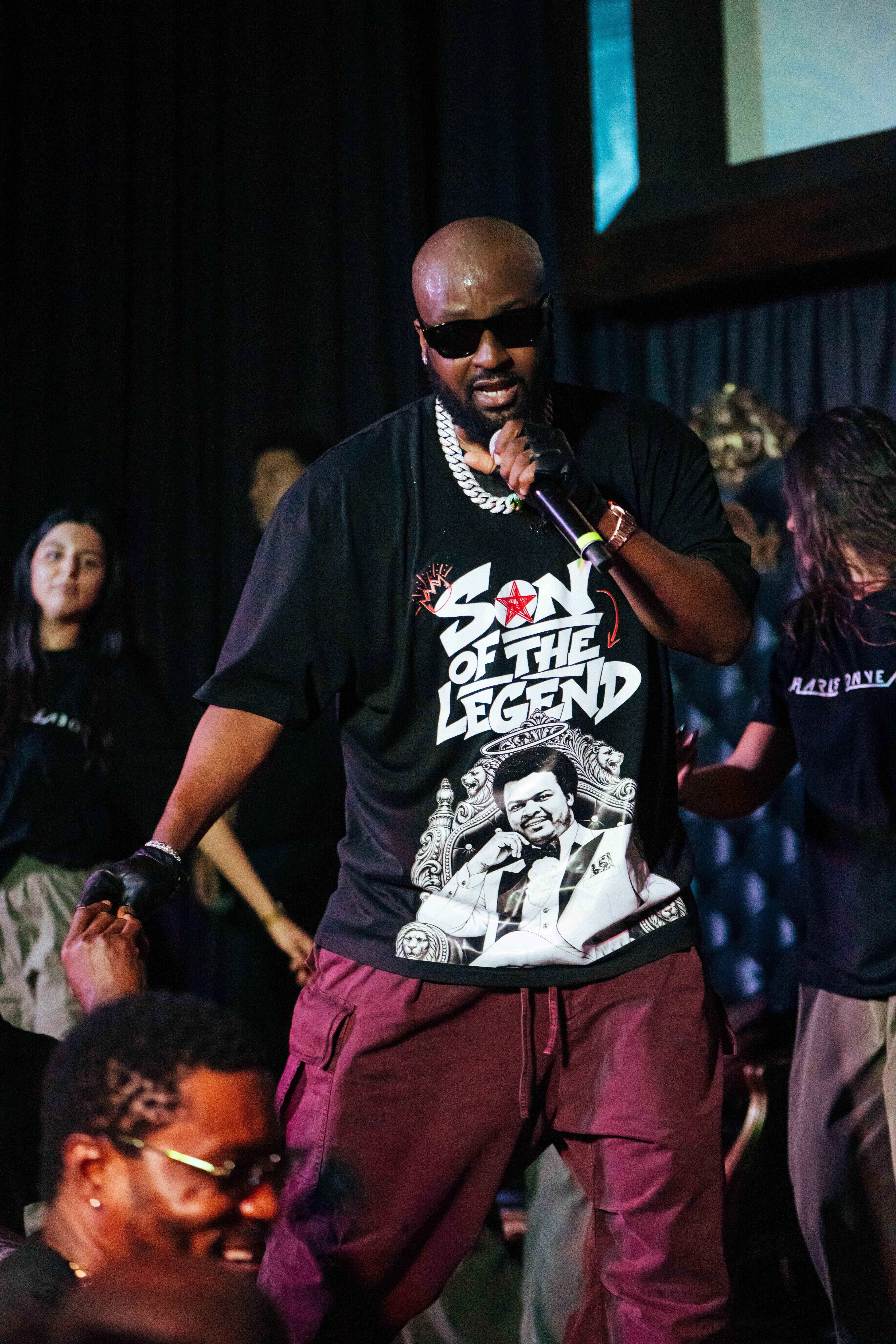
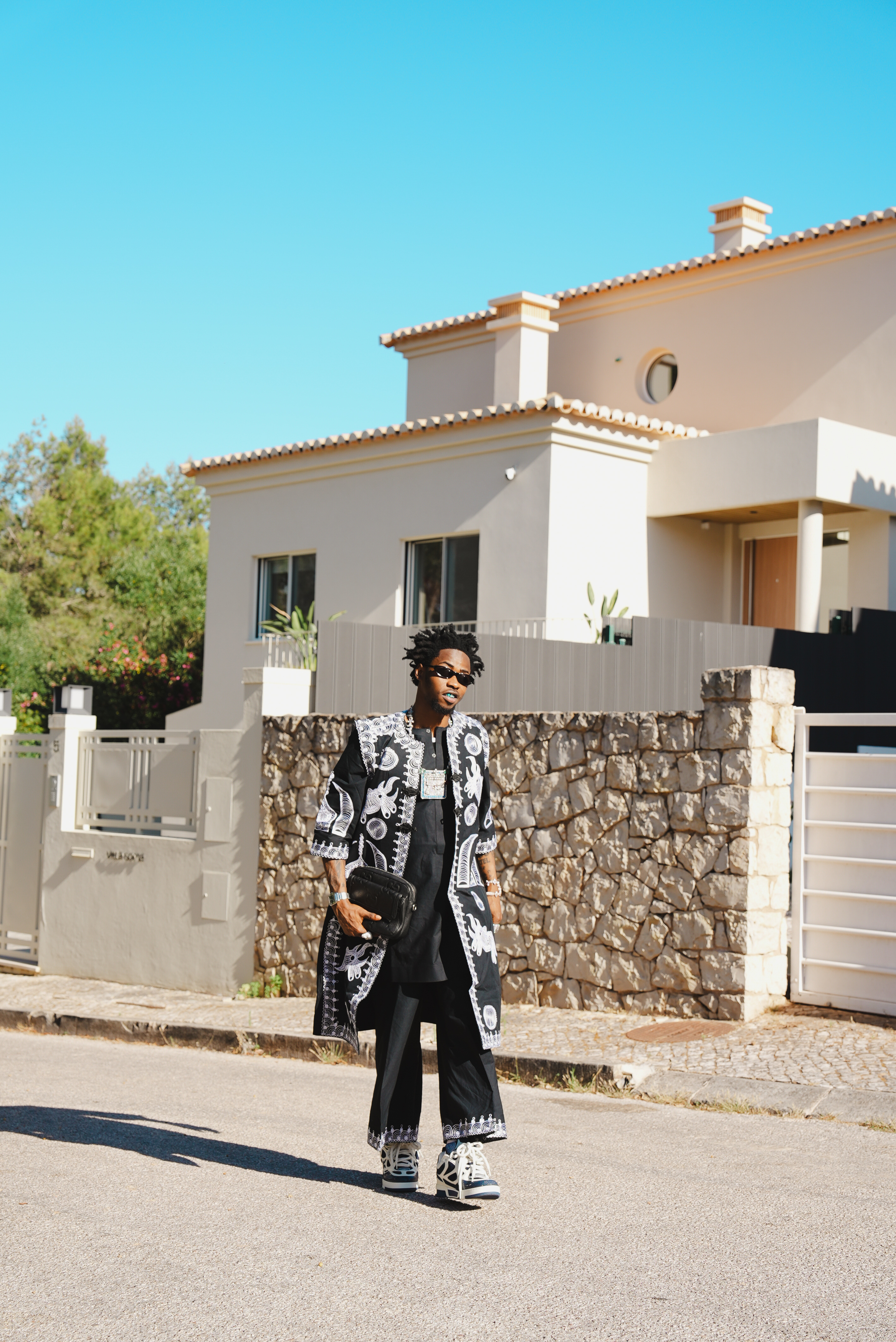
Kody Phillips On Practical Fashion, Perfection, and Sustainability: Designing Avant-Garde Workwear Silhouettes In Fall/Winter’s NYFW Showcase

Merging functional wear with niche, experimental elevations, Kody Phillips designs for the creative freelancer. In collaboration with the fashion brand Who Decides War, the five-piece collection centers around workwear, while dissecting and reimagining it through eccentric style. Phillips plays with this idea of worker versatility – in concept, and in practice. The nucleus of the project focuses not on the pinstripe corporate-esque pant suit, but rather the daily uniform of the freelancer: rugged, functional; durable. By situating workwear within the varying freelancer worlds, we envision workwear multidimensionally —

Workwear as utility,
Workwear as playful
Workwear deconstructed.

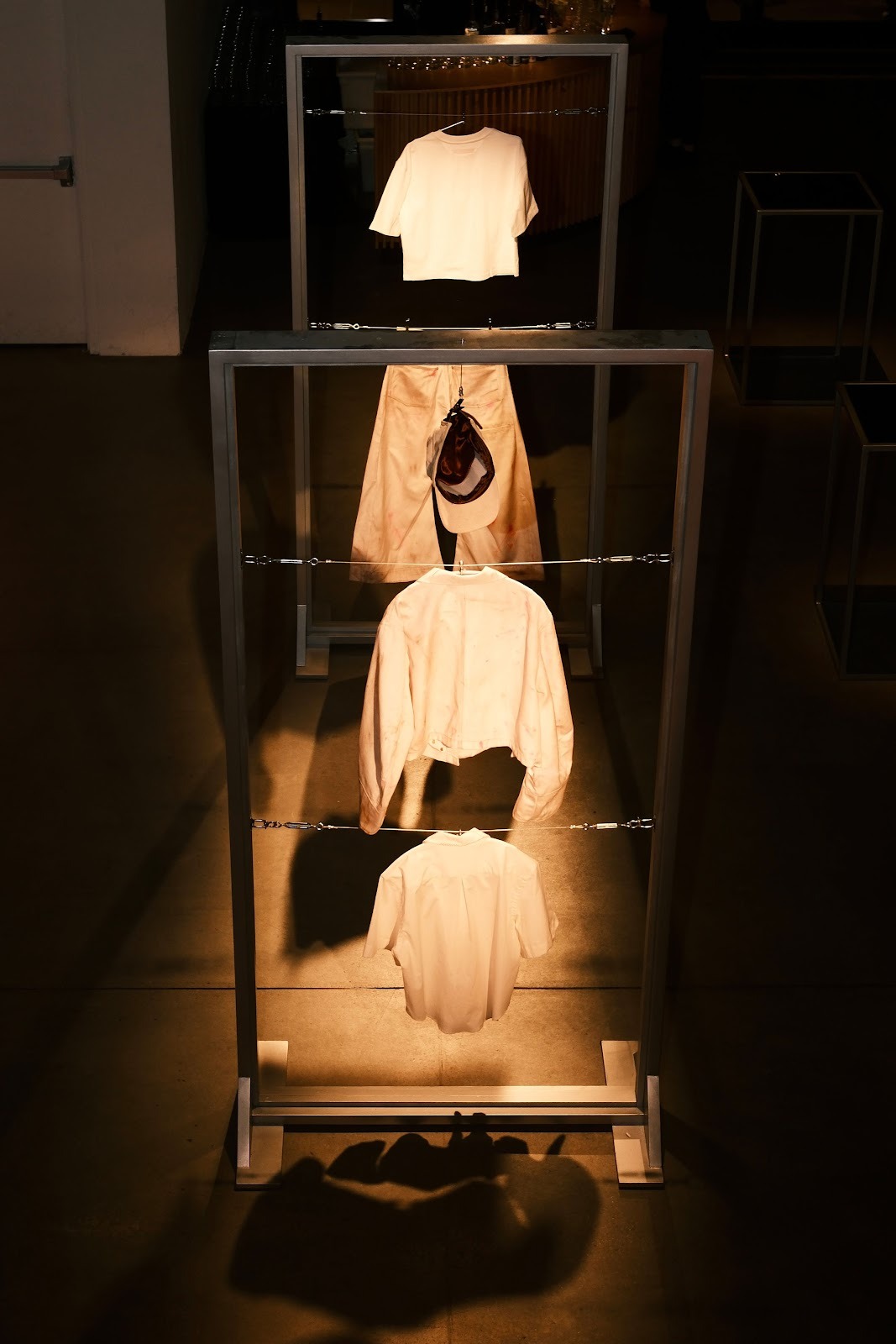
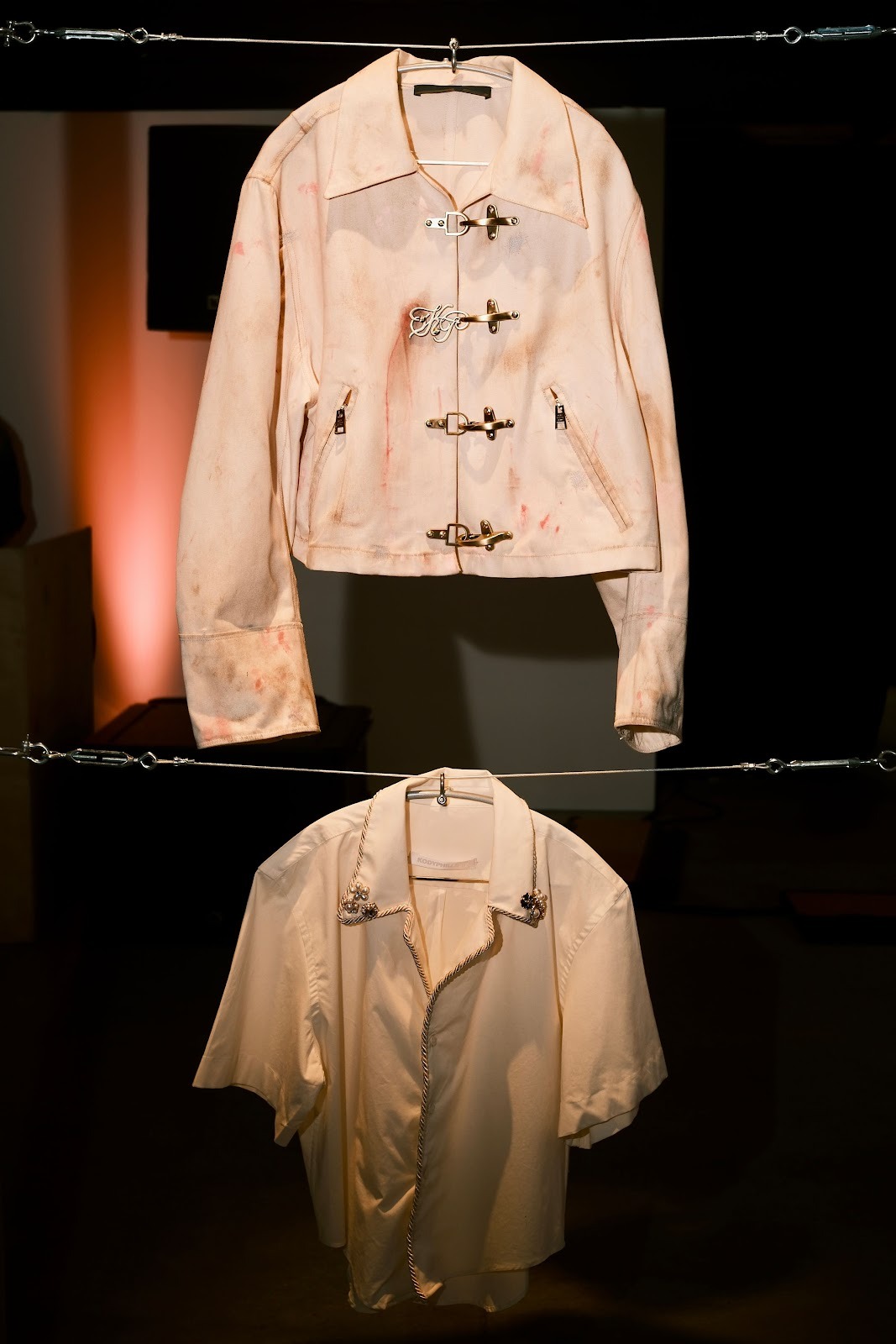
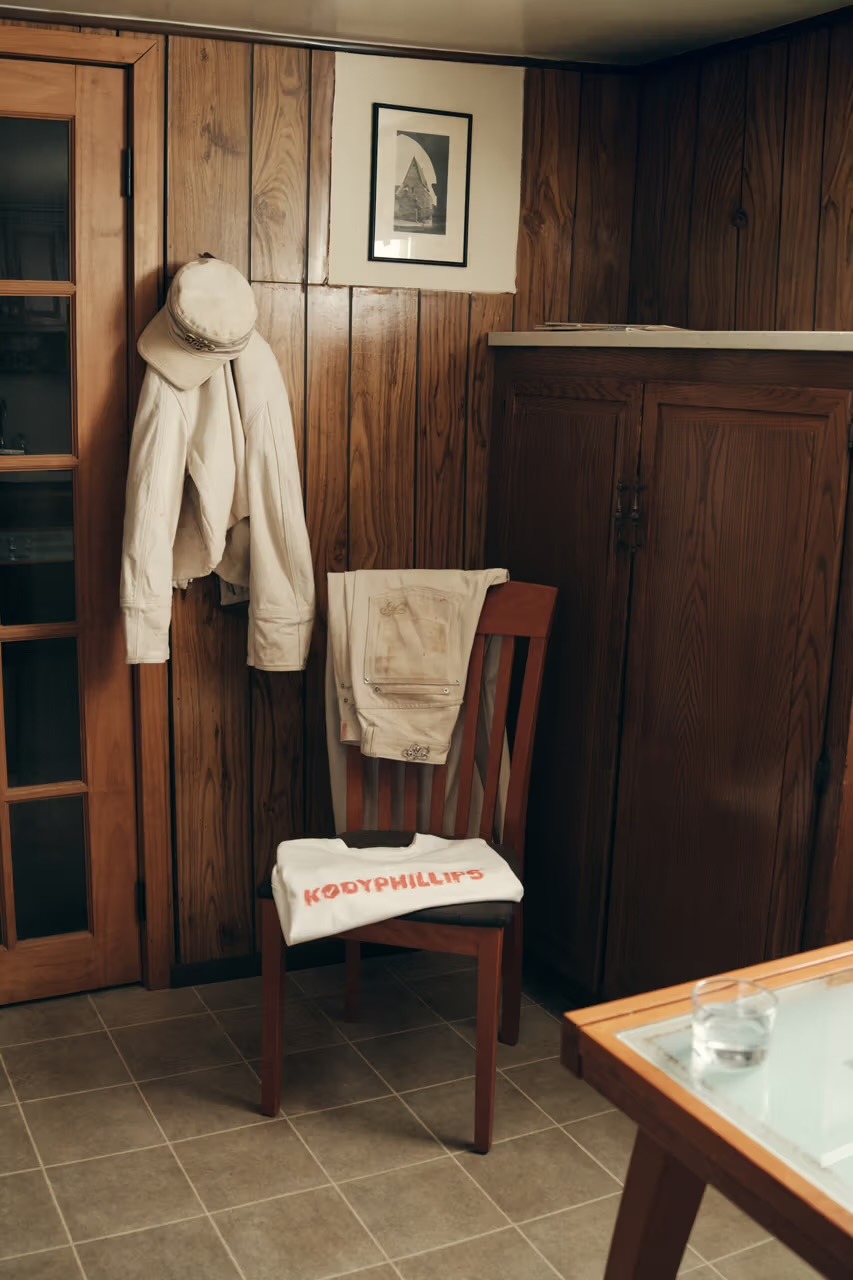
With his meticulous stitching and design sensibility, Phillips simultaneously adds playfulness to his pieces. White, distressed denim pants are met with strokes of multi-colored paint, while the tailored camp shirt is met with intricate custom jewels, complete with intricate braided piping. 
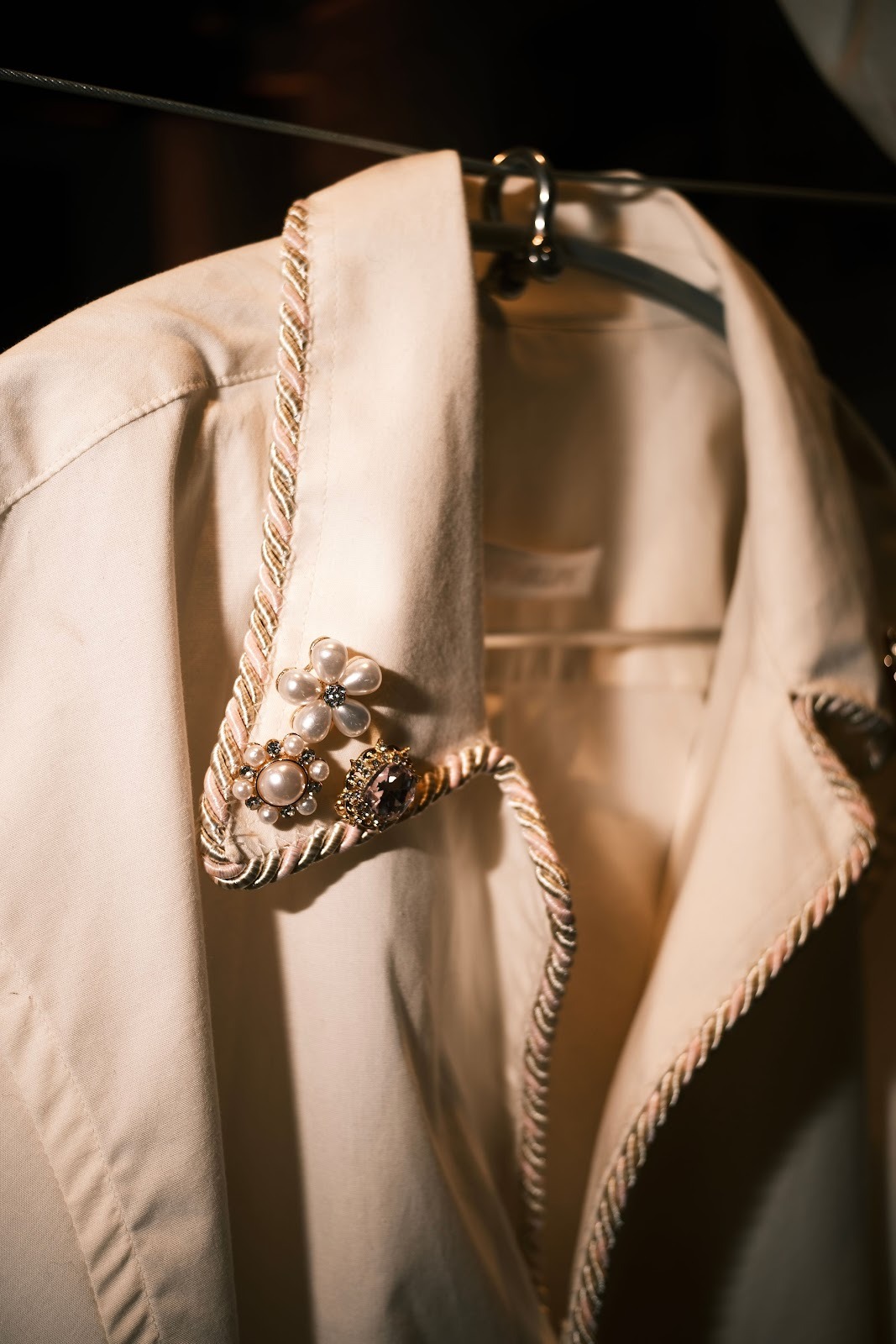
Photographed by Israel Burrell 
Photographed by Nayquan Shuler

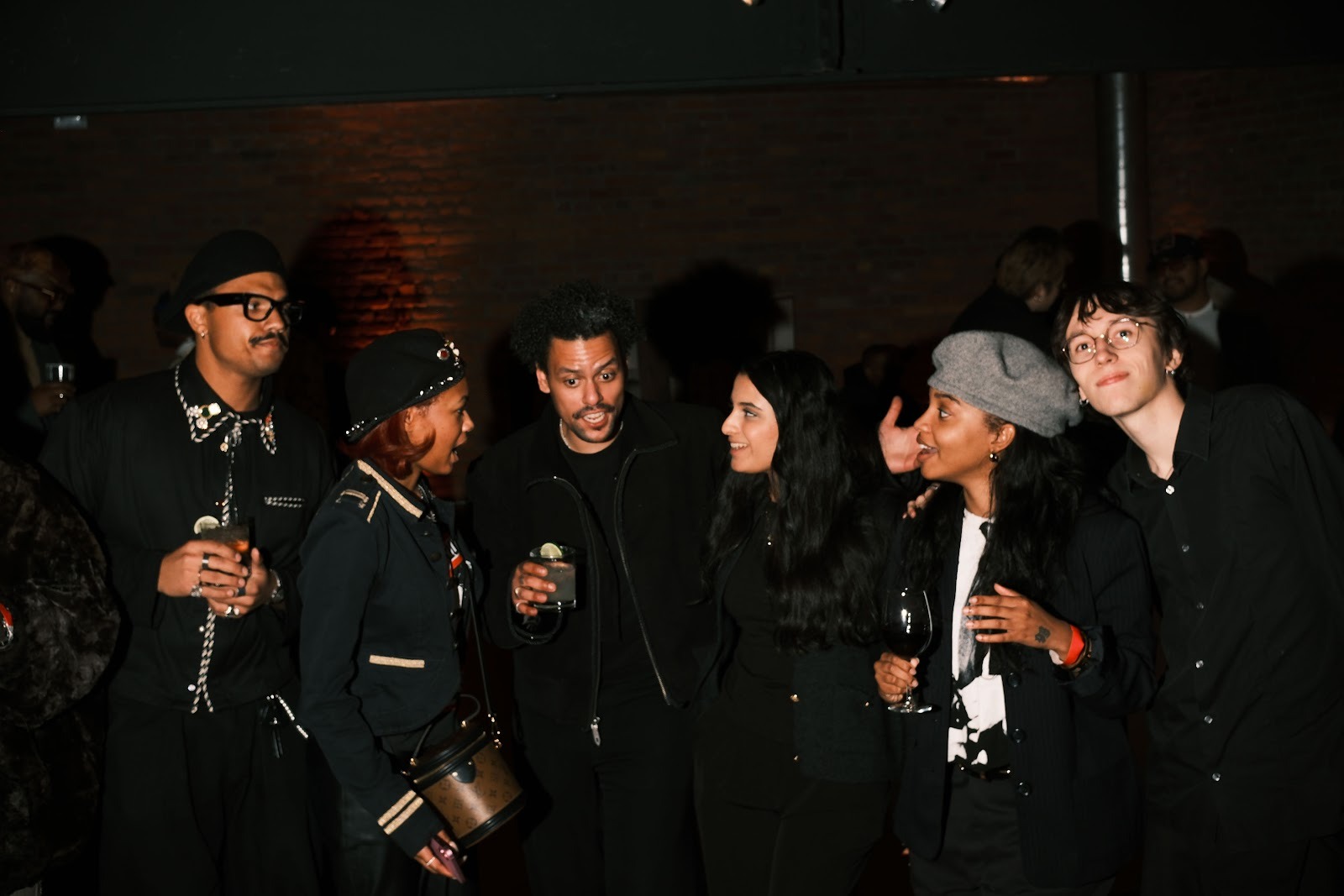
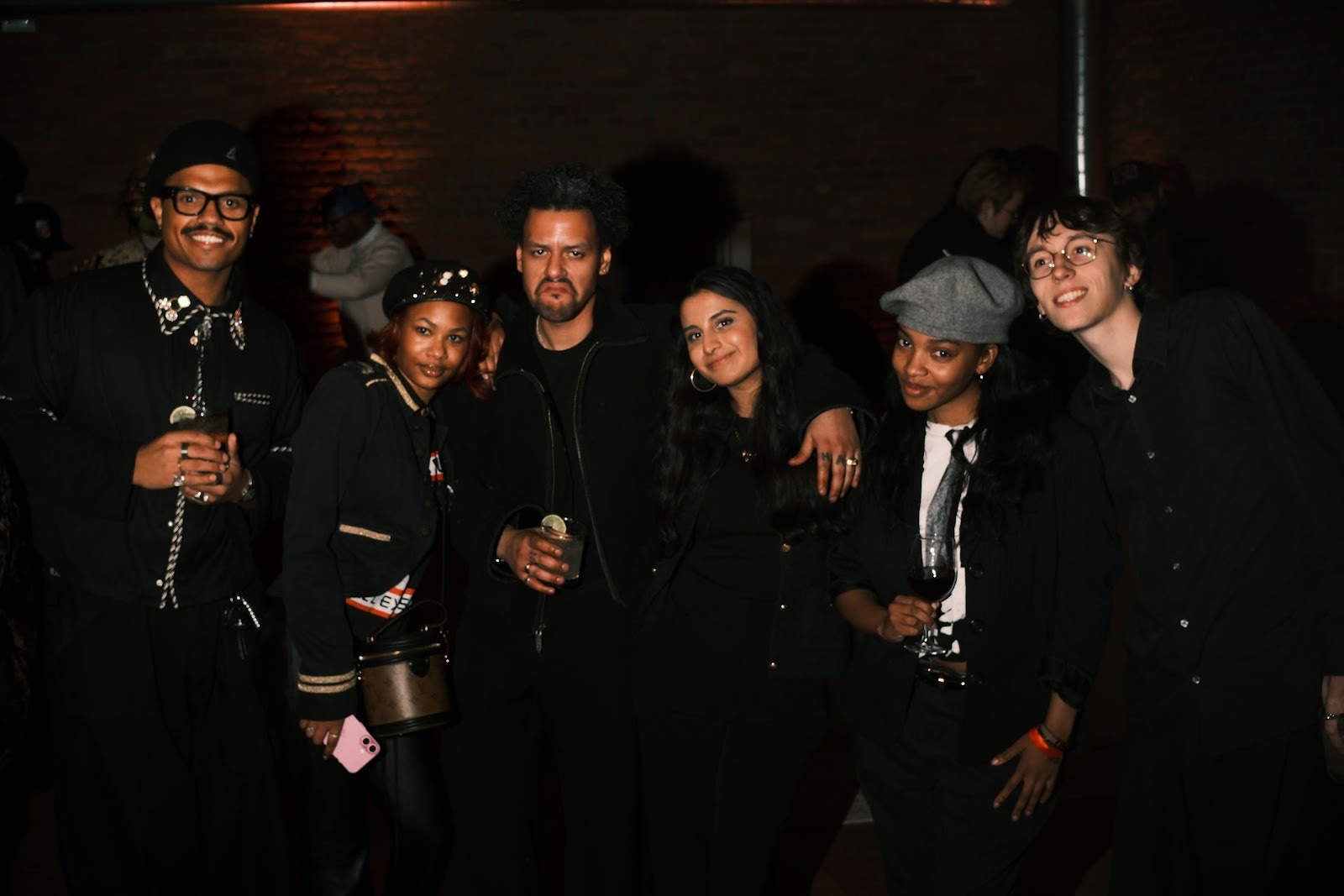
At the closing party for this fashion collab capsule, Deeds Magazine met with designer Kody Phillips to talk more about his vision and process, ruminations on perfectionism, the power of digital storytelling, and what lies on the road ahead. 

Photographed by Nayquan Shuler

Tell us a bit more about this collaboration with TurboTax—what was the first thing that came to mind when you were brought with this opportunity?
The first thing I thought was… This is crazy. Just crazy like, how? And why? And what do they want me to make? 

Indeed, it’s an interesting collaboration.
Yeah. Very interesting. It was very out of the blue. I  don't know why they did it, but thank God they did. It gave me some good freedom. I made some good pieces. And after that, I was excited. 

As an artist and designer, how do you connect financial literacy within the realm of art?
It's a good time because we're very poor right now. We're in cycles of growing, so we got a lot of money going out. So it was right on time to teach other artists, designers, and creatives  about financial literacy and how to avoid the mistakes I made.
I also used them when I did start— like my very first year of business, I did use TurboTax.
Ev [Bravado] was one of my first inspirations from Who Decides War. So that collaboration has been amazing. And Hypebeast is, of course, incredible. So it was an honor.

A lot of the ways that you think and approach design really mirrors the thematic elements in the Dandy Exhibit at the MET— fusing Black expression and really thinking about utility as a concept for the piece. So talk to me about utility, in terms of your design process.
I don't know. I never think about it. It's like, it just comes.

Why wouldn't you want your things to do the thing it's supposed to do? That’s where a lot of this stuff comes from, like, a pocket that is actually big enough for your hand or deep things is useful. I don't understand why you wouldn't design in this way. The reason pockets are small and shitty and thin, like fabrics, is because they hate you. That's the only reason. There's no other reason.

It's like, why wouldn't it be good?

Photographed by Israel Burrell 

I know another theme that is really resonant for you is persistence over perfection. And I think it's a really important concept, especially for creators existing in this creative economy. We all want to have this perfect mindset on things. And so I think for you, and this fashion capsule, and having your own place here in Soho, which is incredible— talk to me a bit more about that idea of persistence over perfection.
Perfection is so stupid. It's so dumb. Like, it doesn't exist, you know? The bigger you get, the more real deadlines are, and your first anything is going to suck. And no matter what, putting something out, I mean, I would never put something out that I'm not happy with because that's ridiculous… I would never do that. But — you fucking run as fast as you can to get it as good as you possibly can, with what you have right now, for a price and a design language that people will accept quickly, you know? I'm not a perfectionist. It's silly. It's boring. Boring! 

Photographed by Israel Burrell 

This collection feels like it's for the modern creative CEO. How did you reinvent traditional professional codes to fit the lifestyle of an independent creative in 2026? 
Yeah, I designed it specifically around creatives. I mean, I've been very fortunate to work with a lot of people this year, a lot of freelancers, and not one of them has shown up in a thin ass pinstripe suit. They've all come in Carhart jeans. You know, rugged shit. So we made it pre-distressed and durable like that, so you can wear it out. We made this for the modern freelancer. I know gaffers that are on the ground 24/7, you know? So I designed around us. And I think that was a cool juxtaposition of financial literacy in suits, against a rugged, distressed freelancer.

Were you able to experiment with any new fabric sourcing or hardware details that were previously out of reach?
Yes, I was. That goes into financial literacy—  I used TurboTax to pay for the hardware. The jacket with the nice little hooks, the fireman jacket— I've been trying to get it off the ground, but that design relies so heavily on the hardware and it's so expensive to get in bulk. Once they did this, I was like, I'm pitching this and they bought it and I was like, hell yes, I can buy the rest of my hardware to cover those. I experimented with new hardwares. Hardware's great. It's a really fun thing to do. It's a cheap-ish way to elevate a simple garment without going overboard while reaching a wider audience. 

Photographed by Israel Burrell 

How important is it, while you're designing, to also support the sustainability of a brand financially? Especially right now, you know, in this economy… in this world.
Yeah.. Yeah. No, it's hard. You don't want to think about it. You know, I didn't start thinking about it. I don't love thinking about money. I don't desire anything. But, you know, with a team of 11 people, you got a lot of responsibility on your hands, you know? So you got to start really, really thinking about it, and that really sucks. But you have to balance it out with creative freedom and getting your little wins. Me as a person is much smaller than me as a business, you know? Business is first, I am nothing. So I take less to give more to the business. We give up our paychecks pretty quick. You have to just try to give back as much as you possibly can and just hope that it works out.

As long as I can eat and sleep, I'm okay.

What would you say is next, in your next unconventional territory in the design world?
I really like what we're doing for campaigns. That was like a huge revelation moment. It was so fun.

I think that's the new runway. I was just at the panel with Ev and Tela and they said they spent 500 grand on their last runway. Crazy, right? I spent 56, maybe 60 grand on my last campaign, and I would bet that, you know, the campaign was a little more fun. We want to reach a wider audience. It's a lower barrier to entry, and you get more time to experiment with it. We got to showcase our designs over three days as opposed to 15 minutes live.

Like what is this, the Daily Show?
It's a completely different landscape. That's where we're all at. So, like, you know, you're going on Instagram. I think digital is the way to go. 

That was such an incredible way that you utilized Instagram as a medium to reach audiences, outside of the traditional runway that most brands use to market new designs. 
There's so much stuff that can resonate. You can see an old scene from a film you love. And you can just recreate that in your own way.

Like what we did with “OUR LAST DANCE” a Cab Calloway reference. We had a whole orchestra, dancers, in full costume, touching on themes of fashion, fame, and death all at once. The Cab Calloway Estate commented on it. That was amazing. That was our stamp of approval right there, because I thought they'd be pissed about it. But you can do stuff like that for no money and have fun with your friends, and it lives on forever. Show your artistic expression, you know, instead of a sexy man walking down a runway in an outfit you can't afford. It’s time to start building outside of the ordinary. 

Kody Phillip’s latest work can be found on his Instagram, as well as on his website.

Photographed by Nayquan Shuler

Emem-Esther U. Ikpot 
@ememIK46
(Instagram
/Substack/ememikpot.com)

Kody Phillips On Practical Fashion, Perfection, and Sustainability: Designing Avant-Garde Workwear Silhouettes In Fall/Winter’s NYFW Showcase

This is some text inside of a div block.

Merging functional wear with niche, experimental elevations, Kody Phillips designs for the creative freelancer. In collaboration with the fashion brand Who Decides War, the five-piece collection centers around workwear, while dissecting and reimagining it through eccentric style. Phillips plays with this idea of worker versatility – in concept, and in practice. The nucleus of the project focuses not on the pinstripe corporate-esque pant suit, but rather the daily uniform of the freelancer: rugged, functional; durable. By situating workwear within the varying freelancer worlds, we envision workwear multidimensionally —

Workwear as utility,
Workwear as playful
Workwear deconstructed.

With his meticulous stitching and design sensibility, Phillips simultaneously adds playfulness to his pieces. White, distressed denim pants are met with strokes of multi-colored paint, while the tailored camp shirt is met with intricate custom jewels, complete with intricate braided piping. 
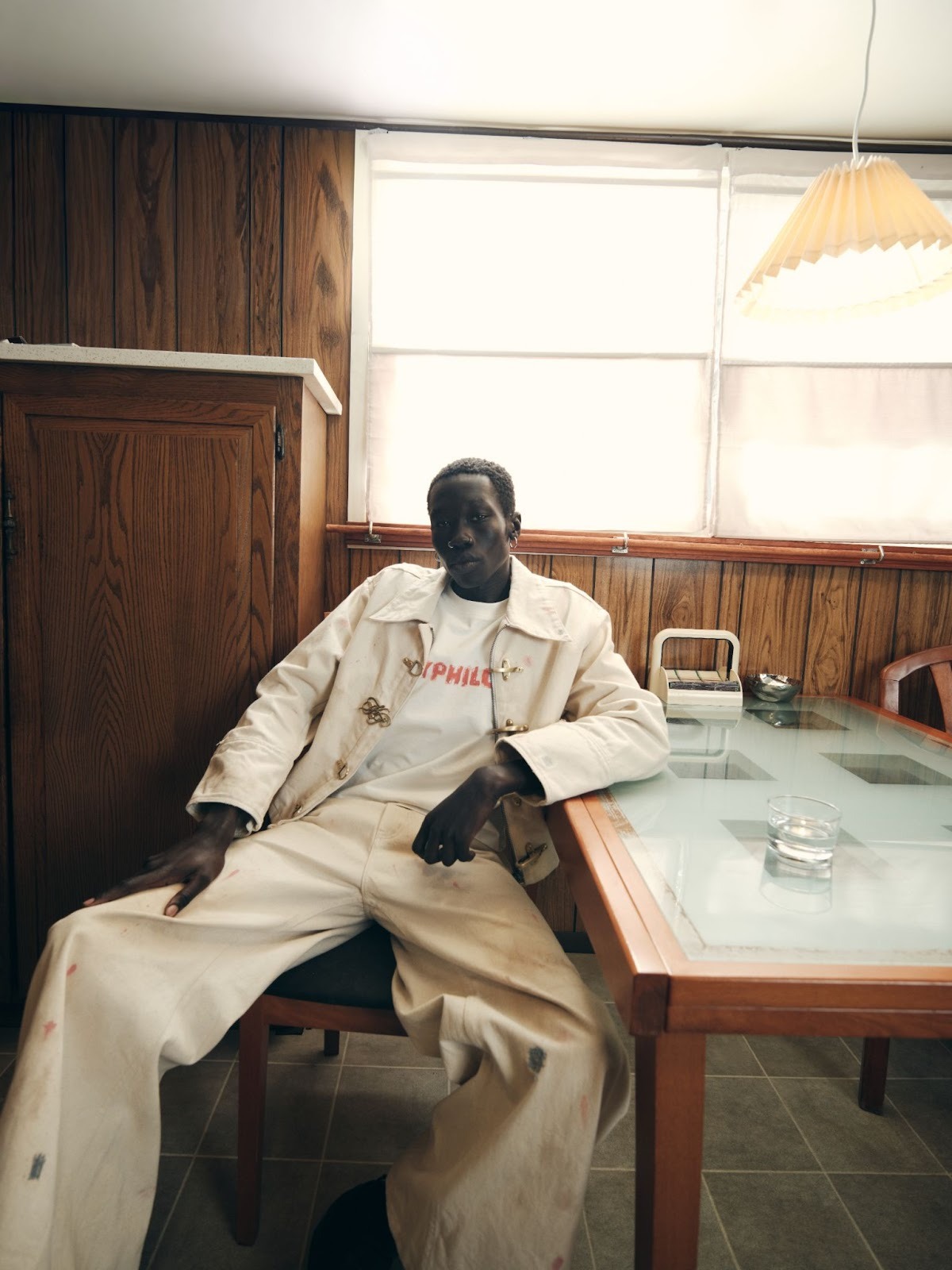
Photographed by Israel Burrell 
Photographed by Nayquan Shuler

At the closing party for this fashion collab capsule, Deeds Magazine met with designer Kody Phillips to talk more about his vision and process, ruminations on perfectionism, the power of digital storytelling, and what lies on the road ahead. 

Photographed by Nayquan Shuler

Tell us a bit more about this collaboration with TurboTax—what was the first thing that came to mind when you were brought with this opportunity?
The first thing I thought was… This is crazy. Just crazy like, how? And why? And what do they want me to make? 

Indeed, it’s an interesting collaboration.
Yeah. Very interesting. It was very out of the blue. I  don't know why they did it, but thank God they did. It gave me some good freedom. I made some good pieces. And after that, I was excited. 

As an artist and designer, how do you connect financial literacy within the realm of art?
It's a good time because we're very poor right now. We're in cycles of growing, so we got a lot of money going out. So it was right on time to teach other artists, designers, and creatives  about financial literacy and how to avoid the mistakes I made.
I also used them when I did start— like my very first year of business, I did use TurboTax.
Ev [Bravado] was one of my first inspirations from Who Decides War. So that collaboration has been amazing. And Hypebeast is, of course, incredible. So it was an honor.

A lot of the ways that you think and approach design really mirrors the thematic elements in the Dandy Exhibit at the MET— fusing Black expression and really thinking about utility as a concept for the piece. So talk to me about utility, in terms of your design process.
I don't know. I never think about it. It's like, it just comes.

Why wouldn't you want your things to do the thing it's supposed to do? That’s where a lot of this stuff comes from, like, a pocket that is actually big enough for your hand or deep things is useful. I don't understand why you wouldn't design in this way. The reason pockets are small and shitty and thin, like fabrics, is because they hate you. That's the only reason. There's no other reason.

It's like, why wouldn't it be good?

Photographed by Israel Burrell 

I know another theme that is really resonant for you is persistence over perfection. And I think it's a really important concept, especially for creators existing in this creative economy. We all want to have this perfect mindset on things. And so I think for you, and this fashion capsule, and having your own place here in Soho, which is incredible— talk to me a bit more about that idea of persistence over perfection.
Perfection is so stupid. It's so dumb. Like, it doesn't exist, you know? The bigger you get, the more real deadlines are, and your first anything is going to suck. And no matter what, putting something out, I mean, I would never put something out that I'm not happy with because that's ridiculous… I would never do that. But — you fucking run as fast as you can to get it as good as you possibly can, with what you have right now, for a price and a design language that people will accept quickly, you know? I'm not a perfectionist. It's silly. It's boring. Boring! 

Photographed by Israel Burrell 

This collection feels like it's for the modern creative CEO. How did you reinvent traditional professional codes to fit the lifestyle of an independent creative in 2026? 
Yeah, I designed it specifically around creatives. I mean, I've been very fortunate to work with a lot of people this year, a lot of freelancers, and not one of them has shown up in a thin ass pinstripe suit. They've all come in Carhart jeans. You know, rugged shit. So we made it pre-distressed and durable like that, so you can wear it out. We made this for the modern freelancer. I know gaffers that are on the ground 24/7, you know? So I designed around us. And I think that was a cool juxtaposition of financial literacy in suits, against a rugged, distressed freelancer.

Were you able to experiment with any new fabric sourcing or hardware details that were previously out of reach?
Yes, I was. That goes into financial literacy—  I used TurboTax to pay for the hardware. The jacket with the nice little hooks, the fireman jacket— I've been trying to get it off the ground, but that design relies so heavily on the hardware and it's so expensive to get in bulk. Once they did this, I was like, I'm pitching this and they bought it and I was like, hell yes, I can buy the rest of my hardware to cover those. I experimented with new hardwares. Hardware's great. It's a really fun thing to do. It's a cheap-ish way to elevate a simple garment without going overboard while reaching a wider audience. 

Photographed by Israel Burrell 

How important is it, while you're designing, to also support the sustainability of a brand financially? Especially right now, you know, in this economy… in this world.
Yeah.. Yeah. No, it's hard. You don't want to think about it. You know, I didn't start thinking about it. I don't love thinking about money. I don't desire anything. But, you know, with a team of 11 people, you got a lot of responsibility on your hands, you know? So you got to start really, really thinking about it, and that really sucks. But you have to balance it out with creative freedom and getting your little wins. Me as a person is much smaller than me as a business, you know? Business is first, I am nothing. So I take less to give more to the business. We give up our paychecks pretty quick. You have to just try to give back as much as you possibly can and just hope that it works out.

As long as I can eat and sleep, I'm okay.

What would you say is next, in your next unconventional territory in the design world?
I really like what we're doing for campaigns. That was like a huge revelation moment. It was so fun.

I think that's the new runway. I was just at the panel with Ev and Tela and they said they spent 500 grand on their last runway. Crazy, right? I spent 56, maybe 60 grand on my last campaign, and I would bet that, you know, the campaign was a little more fun. We want to reach a wider audience. It's a lower barrier to entry, and you get more time to experiment with it. We got to showcase our designs over three days as opposed to 15 minutes live.

Like what is this, the Daily Show?
It's a completely different landscape. That's where we're all at. So, like, you know, you're going on Instagram. I think digital is the way to go. 

That was such an incredible way that you utilized Instagram as a medium to reach audiences, outside of the traditional runway that most brands use to market new designs. 
There's so much stuff that can resonate. You can see an old scene from a film you love. And you can just recreate that in your own way.

Like what we did with “OUR LAST DANCE” a Cab Calloway reference. We had a whole orchestra, dancers, in full costume, touching on themes of fashion, fame, and death all at once. The Cab Calloway Estate commented on it. That was amazing. That was our stamp of approval right there, because I thought they'd be pissed about it. But you can do stuff like that for no money and have fun with your friends, and it lives on forever. Show your artistic expression, you know, instead of a sexy man walking down a runway in an outfit you can't afford. It’s time to start building outside of the ordinary. 

Kody Phillip’s latest work can be found on his Instagram, as well as on his website.

Photographed by Nayquan Shuler

Emem-Esther U. Ikpot 
@ememIK46
(Instagram
/Substack/ememikpot.com)

This is some text inside of a div block.

Kody Phillips On Practical Fashion, Perfection, and Sustainability: Designing Avant-Garde Workwear Silhouettes In Fall/Winter’s NYFW Showcase

Merging functional wear with niche, experimental elevations, Kody Phillips designs for the creative freelancer. In collaboration with the fashion brand Who Decides War, the five-piece collection centers around workwear, while dissecting and reimagining it through eccentric style. Phillips plays with this idea of worker versatility – in concept, and in practice. The nucleus of the project focuses not on the pinstripe corporate-esque pant suit, but rather the daily uniform of the freelancer: rugged, functional; durable. By situating workwear within the varying freelancer worlds, we envision workwear multidimensionally —

Workwear as utility,
Workwear as playful
Workwear deconstructed.

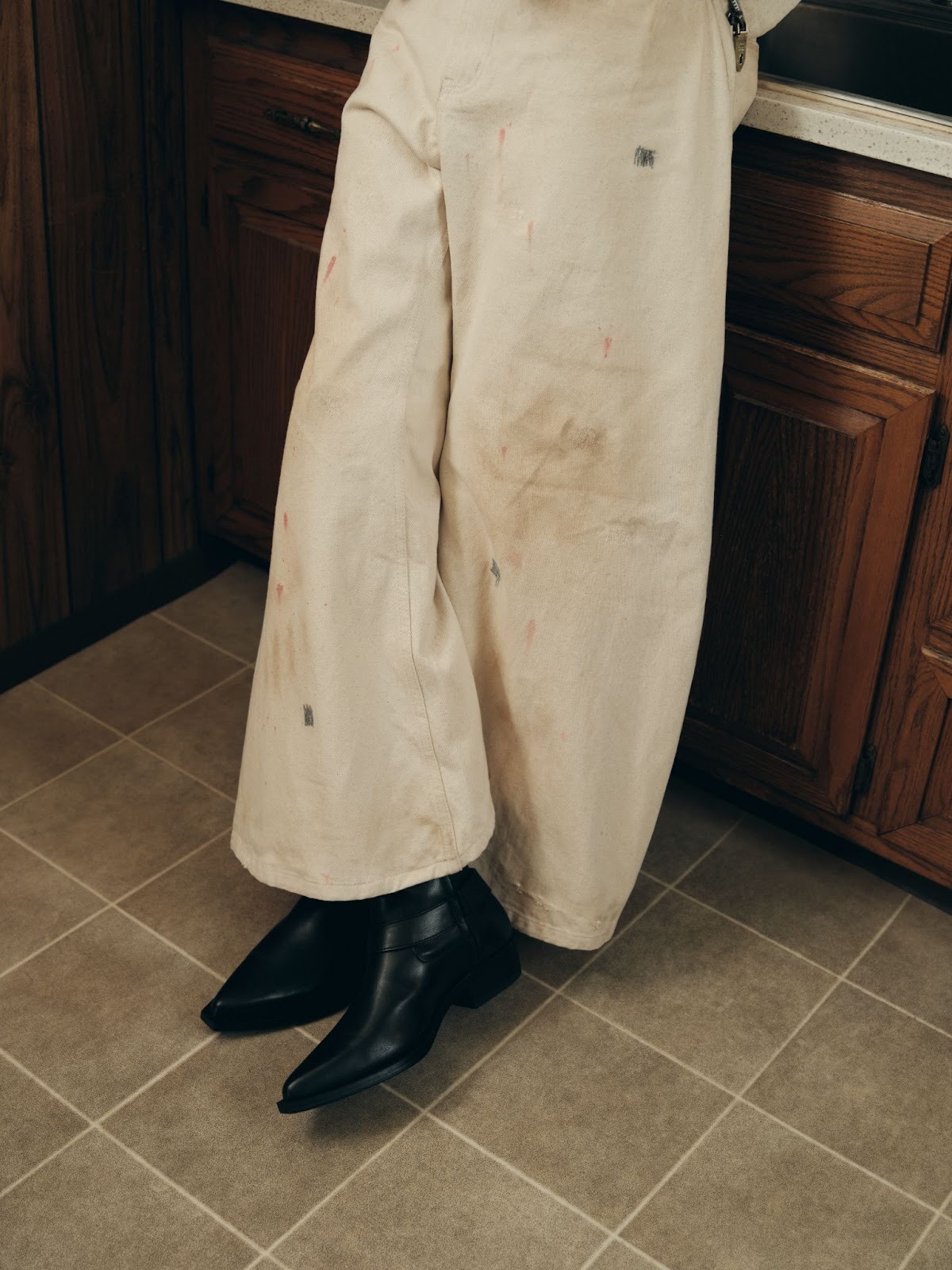
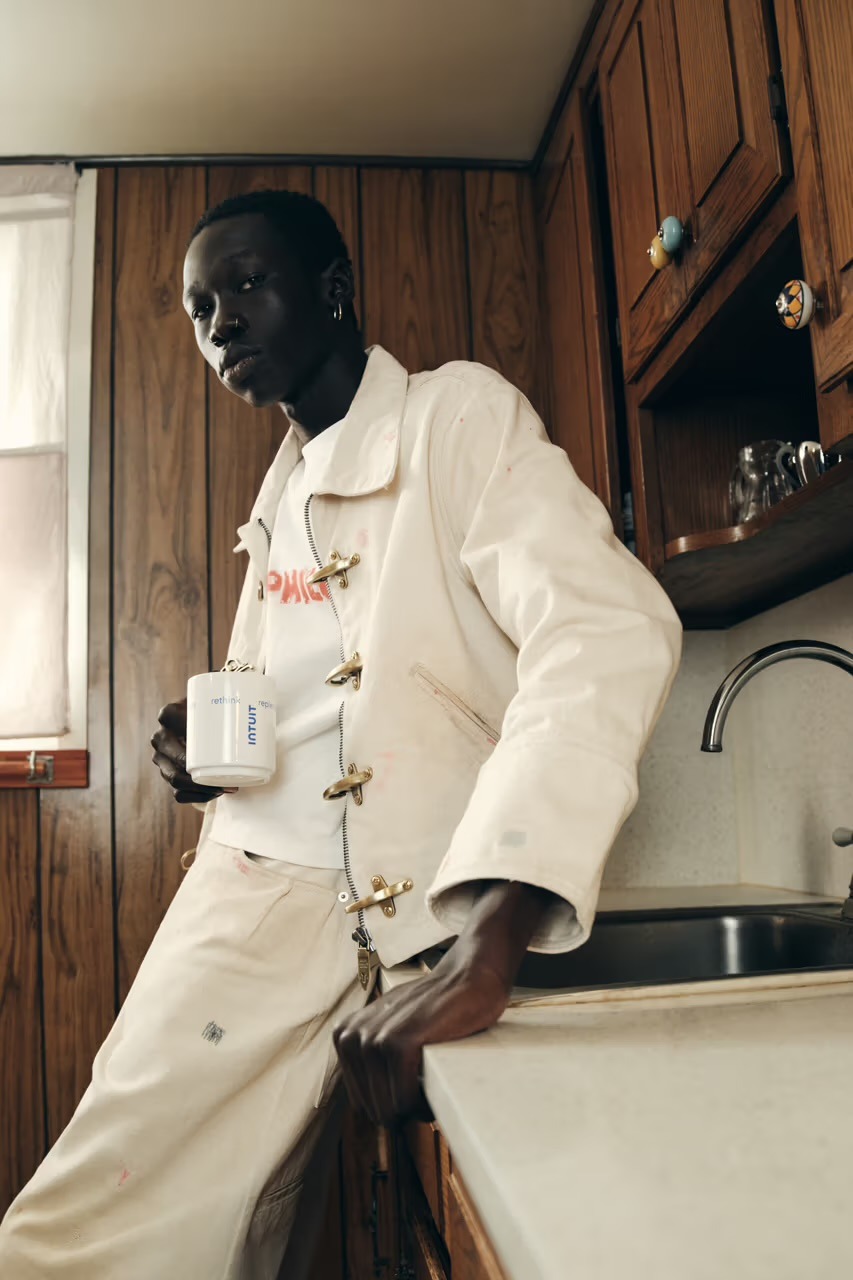
With his meticulous stitching and design sensibility, Phillips simultaneously adds playfulness to his pieces. White, distressed denim pants are met with strokes of multi-colored paint, while the tailored camp shirt is met with intricate custom jewels, complete with intricate braided piping. 
Photographed by Israel Burrell 
Photographed by Nayquan Shuler

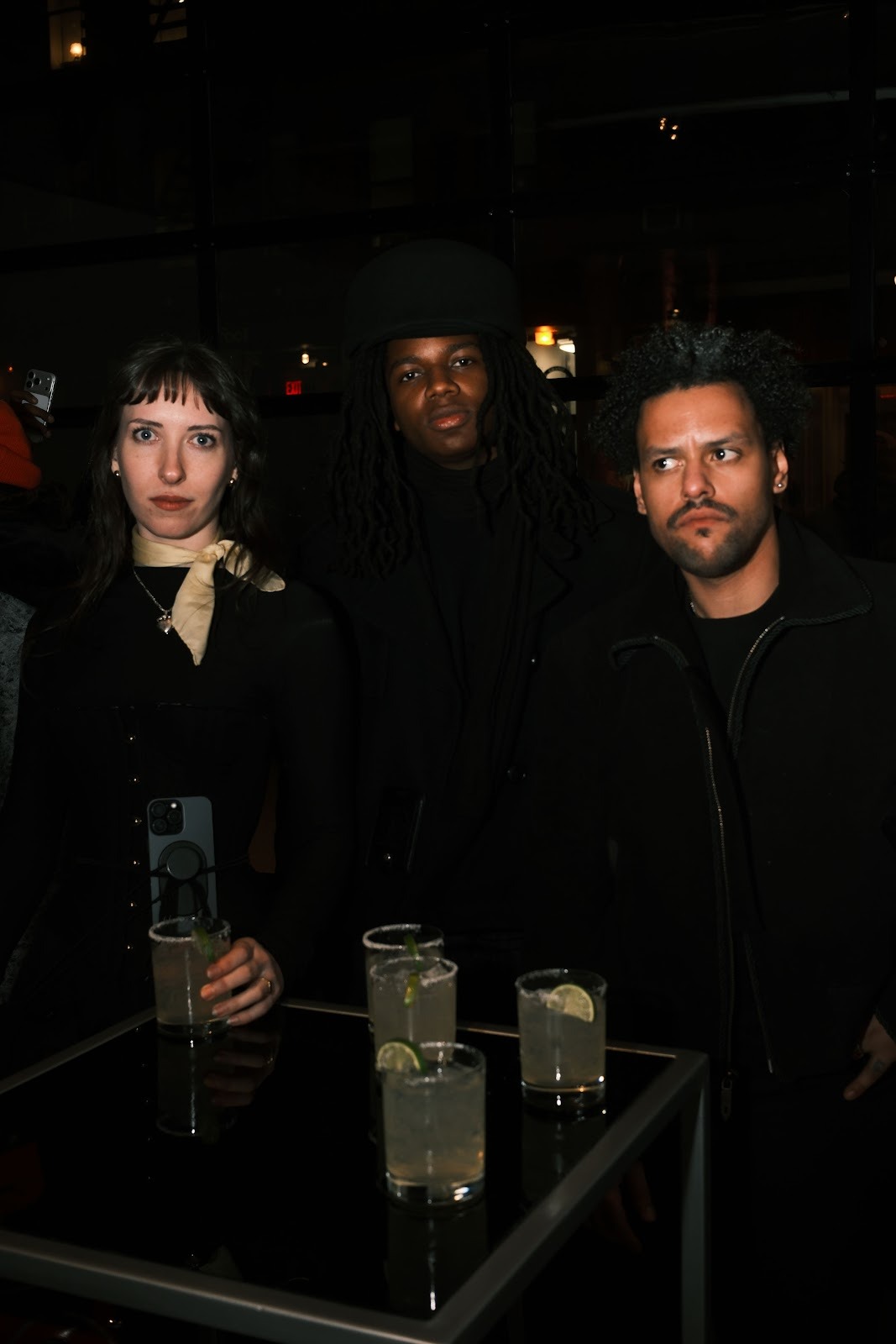
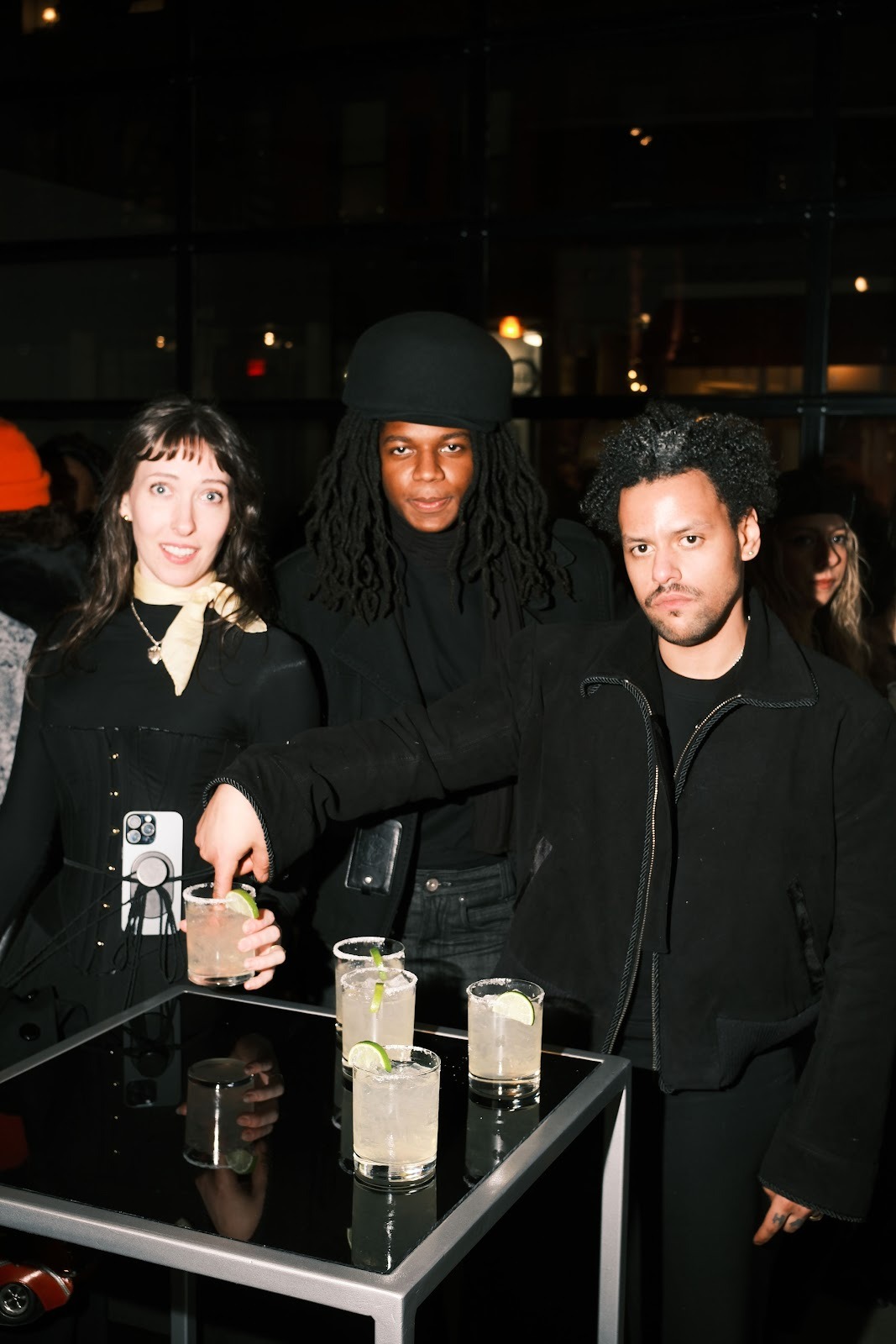
At the closing party for this fashion collab capsule, Deeds Magazine met with designer Kody Phillips to talk more about his vision and process, ruminations on perfectionism, the power of digital storytelling, and what lies on the road ahead. 
Photographed by Nayquan Shuler

Tell us a bit more about this collaboration with TurboTax—what was the first thing that came to mind when you were brought with this opportunity?
The first thing I thought was… This is crazy. Just crazy like, how? And why? And what do they want me to make? 

Indeed, it’s an interesting collaboration.
Yeah. Very interesting. It was very out of the blue. I  don't know why they did it, but thank God they did. It gave me some good freedom. I made some good pieces. And after that, I was excited. 

As an artist and designer, how do you connect financial literacy within the realm of art?
It's a good time because we're very poor right now. We're in cycles of growing, so we got a lot of money going out. So it was right on time to teach other artists, designers, and creatives  about financial literacy and how to avoid the mistakes I made.
I also used them when I did start— like my very first year of business, I did use TurboTax.
Ev [Bravado] was one of my first inspirations from Who Decides War. So that collaboration has been amazing. And Hypebeast is, of course, incredible. So it was an honor.

A lot of the ways that you think and approach design really mirrors the thematic elements in the Dandy Exhibit at the MET— fusing Black expression and really thinking about utility as a concept for the piece. So talk to me about utility, in terms of your design process.
I don't know. I never think about it. It's like, it just comes.

Why wouldn't you want your things to do the thing it's supposed to do? That’s where a lot of this stuff comes from, like, a pocket that is actually big enough for your hand or deep things is useful. I don't understand why you wouldn't design in this way. The reason pockets are small and shitty and thin, like fabrics, is because they hate you. That's the only reason. There's no other reason.

It's like, why wouldn't it be good?
Photographed by Israel Burrell 

I know another theme that is really resonant for you is persistence over perfection. And I think it's a really important concept, especially for creators existing in this creative economy. We all want to have this perfect mindset on things. And so I think for you, and this fashion capsule, and having your own place here in Soho, which is incredible— talk to me a bit more about that idea of persistence over perfection.
Perfection is so stupid. It's so dumb. Like, it doesn't exist, you know? The bigger you get, the more real deadlines are, and your first anything is going to suck. And no matter what, putting something out, I mean, I would never put something out that I'm not happy with because that's ridiculous… I would never do that. But — you fucking run as fast as you can to get it as good as you possibly can, with what you have right now, for a price and a design language that people will accept quickly, you know? I'm not a perfectionist. It's silly. It's boring. Boring! 
Photographed by Israel Burrell 

This collection feels like it's for the modern creative CEO. How did you reinvent traditional professional codes to fit the lifestyle of an independent creative in 2026? 
Yeah, I designed it specifically around creatives. I mean, I've been very fortunate to work with a lot of people this year, a lot of freelancers, and not one of them has shown up in a thin ass pinstripe suit. They've all come in Carhart jeans. You know, rugged shit. So we made it pre-distressed and durable like that, so you can wear it out. We made this for the modern freelancer. I know gaffers that are on the ground 24/7, you know? So I designed around us. And I think that was a cool juxtaposition of financial literacy in suits, against a rugged, distressed freelancer.

Were you able to experiment with any new fabric sourcing or hardware details that were previously out of reach?
Yes, I was. That goes into financial literacy—  I used TurboTax to pay for the hardware. The jacket with the nice little hooks, the fireman jacket— I've been trying to get it off the ground, but that design relies so heavily on the hardware and it's so expensive to get in bulk. Once they did this, I was like, I'm pitching this and they bought it and I was like, hell yes, I can buy the rest of my hardware to cover those. I experimented with new hardwares. Hardware's great. It's a really fun thing to do. It's a cheap-ish way to elevate a simple garment without going overboard while reaching a wider audience. 
Photographed by Israel Burrell 

How important is it, while you're designing, to also support the sustainability of a brand financially? Especially right now, you know, in this economy… in this world.
Yeah.. Yeah. No, it's hard. You don't want to think about it. You know, I didn't start thinking about it. I don't love thinking about money. I don't desire anything. But, you know, with a team of 11 people, you got a lot of responsibility on your hands, you know? So you got to start really, really thinking about it, and that really sucks. But you have to balance it out with creative freedom and getting your little wins. Me as a person is much smaller than me as a business, you know? Business is first, I am nothing. So I take less to give more to the business. We give up our paychecks pretty quick. You have to just try to give back as much as you possibly can and just hope that it works out.

As long as I can eat and sleep, I'm okay.
What would you say is next, in your next unconventional territory in the design world?
I really like what we're doing for campaigns. That was like a huge revelation moment. It was so fun.

I think that's the new runway. I was just at the panel with Ev and Tela and they said they spent 500 grand on their last runway. Crazy, right? I spent 56, maybe 60 grand on my last campaign, and I would bet that, you know, the campaign was a little more fun. We want to reach a wider audience. It's a lower barrier to entry, and you get more time to experiment with it. We got to showcase our designs over three days as opposed to 15 minutes live.

Like what is this, the Daily Show?
It's a completely different landscape. That's where we're all at. So, like, you know, you're going on Instagram. I think digital is the way to go. 

That was such an incredible way that you utilized Instagram as a medium to reach audiences, outside of the traditional runway that most brands use to market new designs. 
There's so much stuff that can resonate. You can see an old scene from a film you love. And you can just recreate that in your own way.

Like what we did with “OUR LAST DANCE” a Cab Calloway reference. We had a whole orchestra, dancers, in full costume, touching on themes of fashion, fame, and death all at once. The Cab Calloway Estate commented on it. That was amazing. That was our stamp of approval right there, because I thought they'd be pissed about it. But you can do stuff like that for no money and have fun with your friends, and it lives on forever. Show your artistic expression, you know, instead of a sexy man walking down a runway in an outfit you can't afford. It’s time to start building outside of the ordinary. 

Kody Phillip’s latest work can be found on his Instagram, as well as on his website.
Photographed by Nayquan Shuler

Emem-Esther U. Ikpot 
@ememIK46
(Instagram
/Substack/ememikpot.com)

Other Stories
London
London
Lagos
London
Newyork
London
Shop
Join the community.
You are now subscribed to receive updates.
Oops! Something went wrong while submitting the form.