.svg)

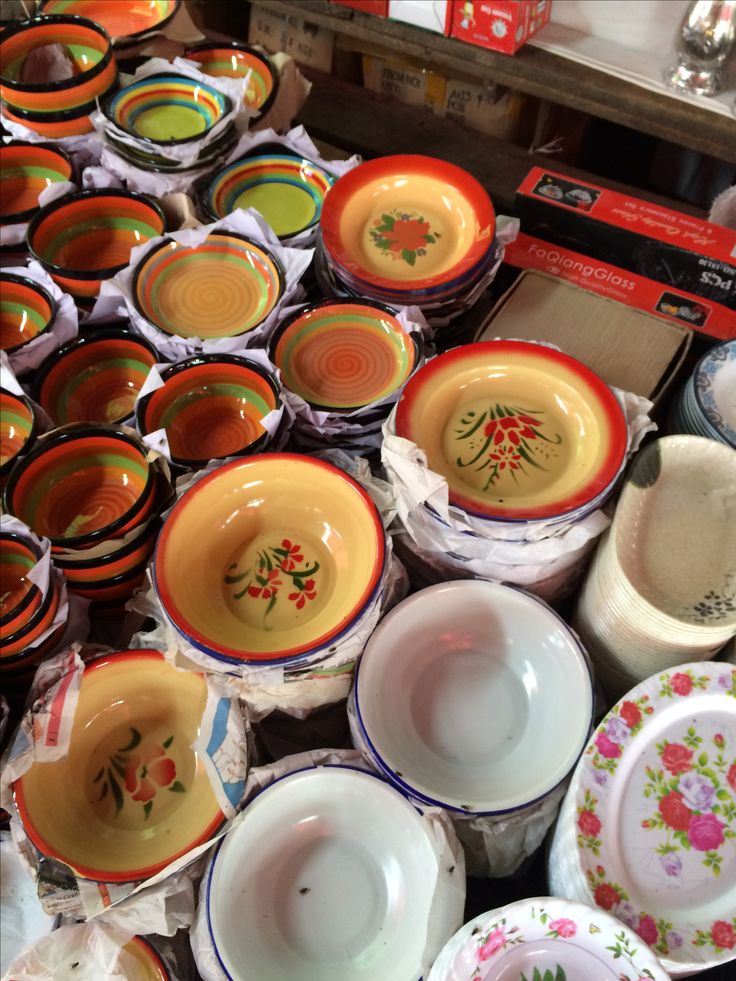
In many Northern and Middle Belt communities, marriage is not just two people joining—it’s families, histories, and everyday rituals intertwining, and hidden inside this tradition is one of the most beautiful cultural practices: Kwallas—the set of plates, enamel bowls, pots, kettles, and household wares presented to a bride as she begins her new home.
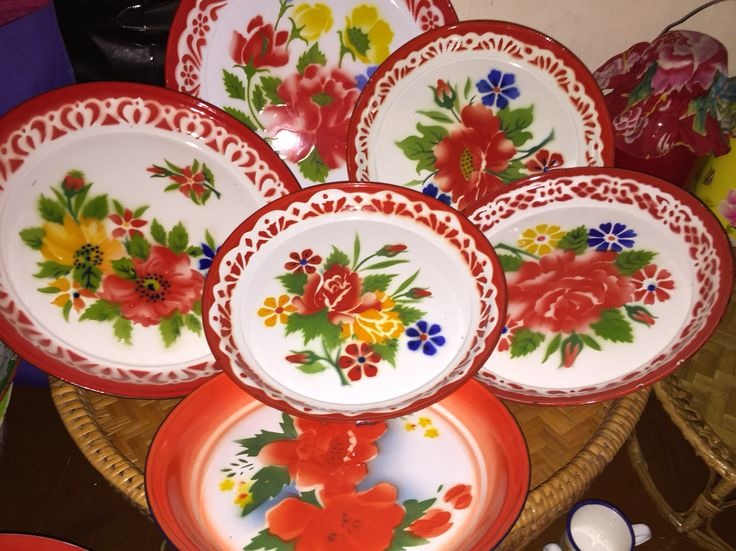
To an outsider, Kwallas may look like simple kitchen items stacked in bright colours. But within the culture, they are symbols of identity, readiness, womanhood, and the quiet pride of a family sending their daughter into a new chapter.
A Dowry of Daily Life
Kwallas are not luxury items. They are not meant for show. They are the tools of daily living—the bowls she will cook with, the trays she will serve with, and the pots she will host with.
Each piece is a message:
“May your home never lack.”
“May your hands build warmth.”
“May your marriage be filled with abundance.”
They are functional blessings disguised as household goods.
How Kwallas Are Made: Craft Behind the Colours
Even though Kwallas now fill bustling markets, their making still carries the spirit of handcraft. The process depends on the type—enamel bowls, aluminum pots, trays—but the heart of it remains the same: skill, heat, and patience.
1. The Base Metal is Shaped

For aluminium Kwallas, metalworkers melt raw aluminium scrap or factory-grade sheets in a high-heat furnace. The molten metal is poured into circular moulds, cooled, and then shaped by hand or with spinning machines to form pots, covers, or trays.
Every curve comes from repeated hammering, smoothing and reshaping — a rhythm passed down through generations of northern metalworkers.
2. Enamel Kwallas Begin as Raw Steel

Enamelware starts with thin steel sheets. Artisans cut and press the sheets into the shape of bowls or plates. The edges are trimmed and curled for strength, because enamel needs a sturdy frame to cling to.
3. The Enamel Coating is Fired by Flame
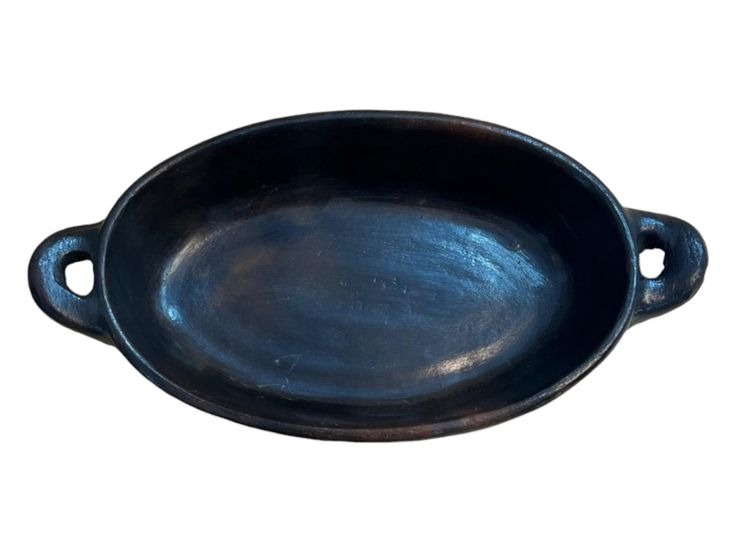
This is the magic part.
A powdered glass coating — the enamel — is applied to the steel surface. The bowl is then placed inside a kiln where extremely high heat melts the powder into a smooth, glossy finish.
This is why older enamel Kwallas last for decades: the colour is literally baked into the metal.
4. Patterns Are Hand-Stencilled or Machine-Printed
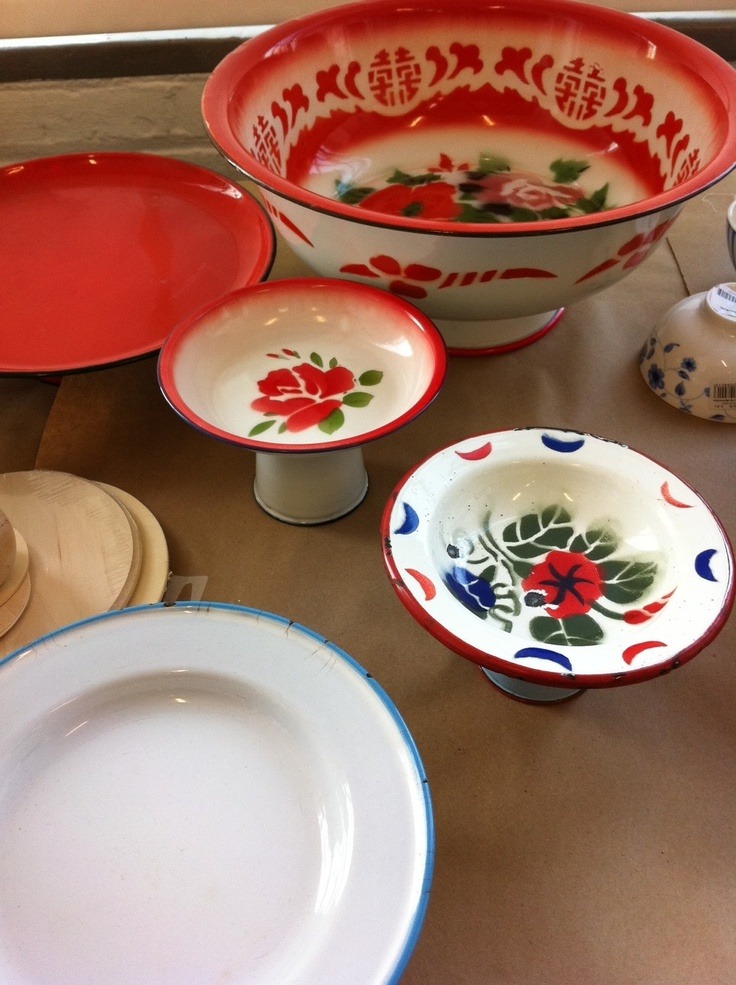
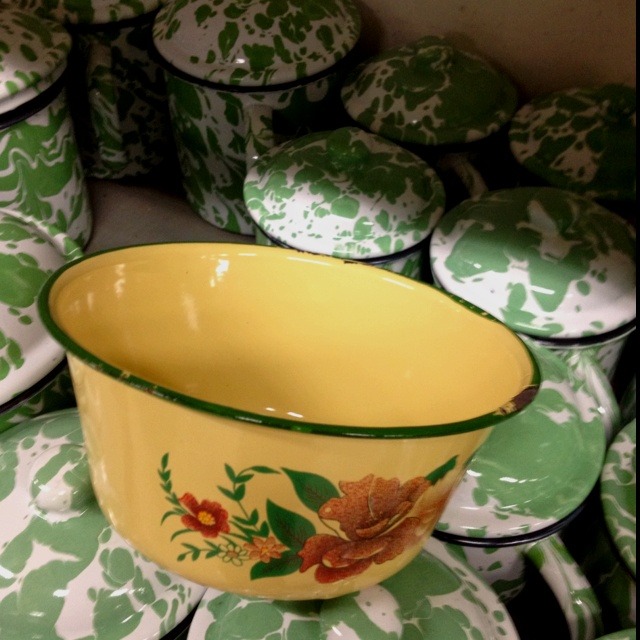
The floral and geometric designs that brides love aren’t random. Some are sprayed through metal stencils. Some are hand-painted.
Some are screen-printed in layers, each layer baked separately to seal the colours. Each flower is a small act of artistry—a nod to the bright, expressive aesthetics of Northern culture.
5. Polishing, Packaging & Stacking
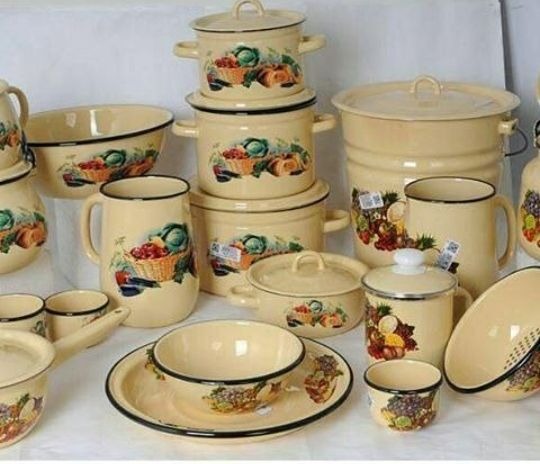
After firing, each item is polished until it gleams. Lids are fitted, handles attached, and sets carefully arranged according to size — from the largest pot at the bottom to the smallest bowl at the top.
This is the arrangement brides and mothers instantly recognize at the market.
Colour, Craft & Community
Kwallas come in vibrant enamel patterns and aluminum shine—bold florals, bright stripes, and polished silver. Choosing them is an event.
Mothers, aunties, sisters, and neighbours gather around the stack, debating quality, colours and what each piece “says” about a bride’s new beginning.
More Than Items—A Cultural Passport
When a bride arrives at her new home, her Kwallas follow. The enamel bowls tell the story of a mother who didn’t send her daughter empty-handed. The pots speak of a family that believes in preparation. The trays reflect the hospitality her culture prizes.
Evolving But Enduring
Kwallas today sit beside modern sets—non-stick cookware, glassware, and kettles. But the symbolism survives: a bride enters marriage with hands equipped for warmth, hosting, and building.
Why Kwallas Matter
Kwallas remind us that culture lives in the ordinary. Not just in ceremonies, but in daily rituals—in how we cook, serve, host, and nurture.
They are a love letter from one generation of women to the next, a reminder that a new home begins with the things that sustain life.





.png)

