.svg)

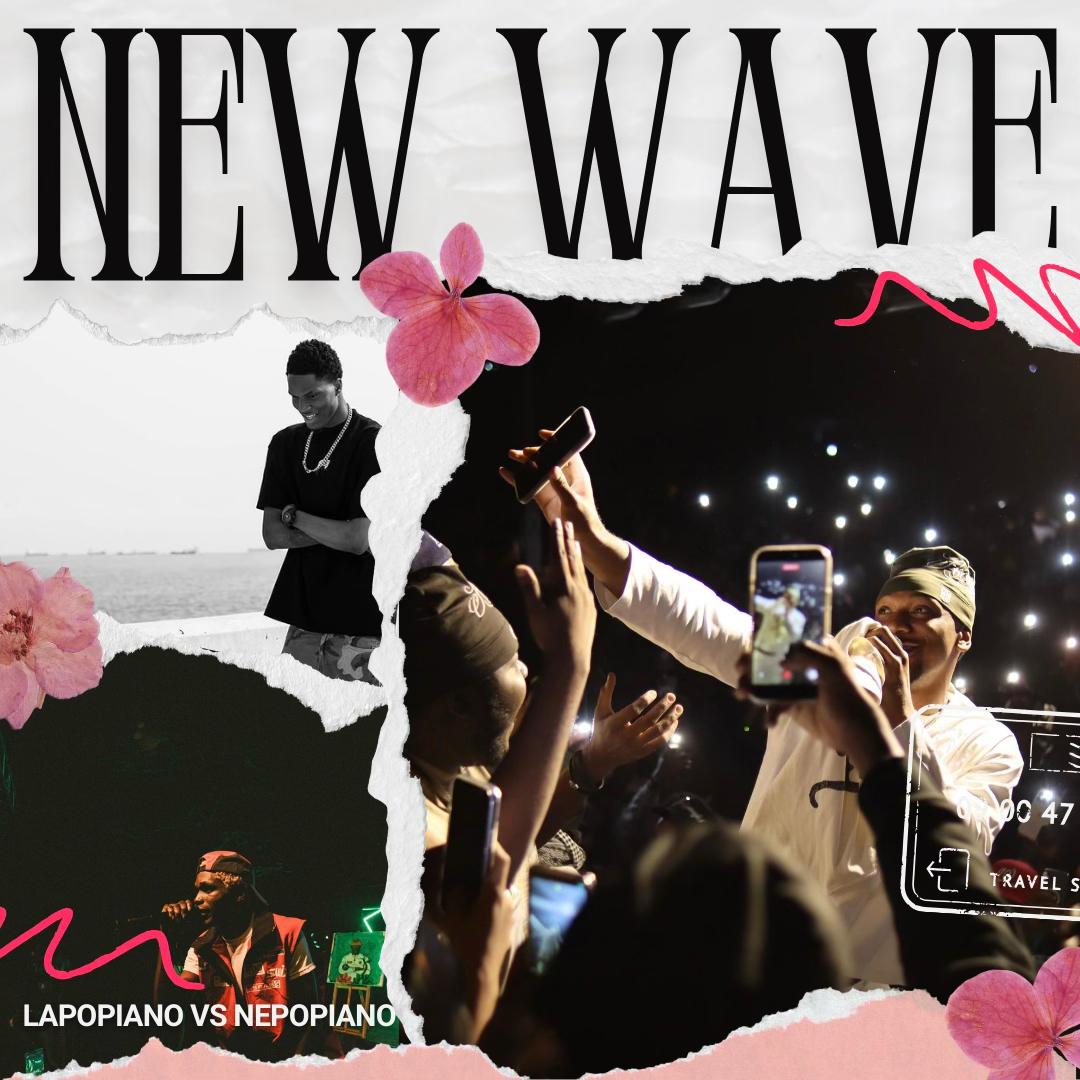
For months now, Nigerian social media has been locked in a loud and sometimes uncomfortable conversation about privilege, access, and survival. The Nepo baby and Lapo baby debate started as jokes, then quickly turned into something heavier. People began using those words to explain why some people rise faster, why others struggle longer, and why talent alone often feels like it is not enough. Somewhere along the line, the conversation stopped being just about people and started shaping the music itself. What we are hearing today, especially among younger artists, is a sound that carries background, upbringing, and social reality inside it. People have started calling these sounds Nepopiano and Lapopiano. The names may sound playful, but the ideas behind them are serious. This is about who you are, where you are from, and how that reality leaks into your music, whether you plan it or not.

Nepopiano is the sound people associate with comfort, polish, and a certain quiet confidence. It leans heavily into Amapiano rhythms, but the attitude is softer and more controlled. These songs often feel unbothered, almost relaxed, as if the artist is already secure and simply enjoying the moment. The music rarely sounds desperate or urgent. It sounds like someone who expects good things to happen. One of the clearest faces of this sound is NO11, whose breakout record “How Far” with Ayjay Bobo and Monochrome pushed this conversation further. The song did not rely on heavy street energy or aggressive delivery. It floated. The vocals were calm, the production smooth, and the message felt like a shrug rather than a struggle. That is why people connected it to the Nepo conversation so quickly.

Lapopiano sits on the other side of the conversation. This is music that carries hunger inside it and sounds like the city under pressure. It borrows from Amapiano rhythms but twists them with street energy, rough edges, and lyrics that feel closer to real life for many Nigerians. One of the strongest voices people point to in this space is Boy Muller, whose song, fittingly titled “Lapopiano,” has become a reference point in the conversation. Boy Muller’s music feels rooted in everyday reality. There is no distance between the singer and the struggle he is describing. Songs like “Lapopiano,” “Dear God,” and “God Abeg” carry the weight of survival, hope, and persistence in a way that feels familiar to many young Nigerians. The production is warm but not overworked, and the delivery feels earnest, like someone speaking from where they stand rather than where they hope to be. Danpapa GTA is another name that comes up again and again when people talk about Lapopiano. His music feels lived in. Songs like “Ikeja (No Go Thief)” and “40 Naira” speak directly to everyday Nigerian realities without trying to clean them up. The beats may move your body, but the lyrics remind you of stress, survival, and ambition that come from the ground up. Danpapa GTA does not sound like someone who expects the world to open doors for him. He sounds like someone pushing those doors himself. His music feels like it belongs to people who understand Lagos traffic, daily hustle, and the frustration of trying to move forward with limited resources.

What makes the Nepopiano and Lapopiano conversation powerful is that it is not really about who is better. It is about recognition. Nigerian youths are using music to talk about class in a way that feels familiar and accessible. Instead of writing essays or long threads, they are pointing at songs and saying, “This sounds like privilege” or “This sounds like struggle.” The internet loves to argue, but underneath the jokes is a real truth. Background shapes art. Access changes confidence. Struggle sharpens urgency. These sounds are simply reflections of different starting points in the same country. What is also interesting is that listeners are no longer pretending these differences do not exist. People are listening with context. They want to know who you are, where you come from, and what that means for your sound.
Nigerian music has always reflected its environment. From highlife to afrobeat to street pop, every era has told its own story. Nepopiano and Lapopiano are simply the latest chapter. They show a generation that is hyper-aware of class, access, and opportunity, and bold enough to talk about it openly through sound. This conversation will keep evolving. Some artists will reject the labels. Others will embrace them. What matters is that Nigerian music continues to tell the truth of the moment, even when that truth is uncomfortable.
And right now, this is the truth people are dancing to.




.png)

