.svg)

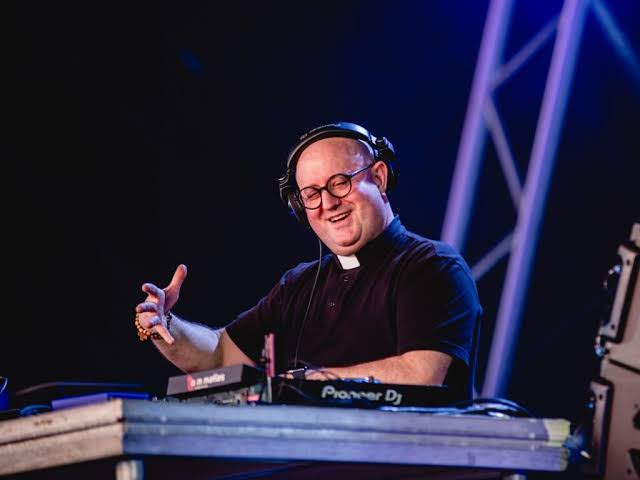
Earlier this year, precisely January 10, a Catholic priest, Fr. Guilherme Peixoto, led Mass at a Lebanese Catholic university. That same night, he played a sold-out set at one of Beirut’s most popular nightclubs. A group of Christian religious figures had petitioned to stop the concert, arguing that it violated Church teachings, but a Lebanese court rejected the request.
Interestingly, most of the people who showed up were not practicing Catholics, and the man behind the decks was a 52-year-old parish priest from a village in northern Portugal.
Known globally as Padre Guilherme, Peixoto first forayed into electronic music in his early thirties, when he enrolled in a DJ school, reached out to producers and began making his own tracks. He eventually turned his parish into a venue for fundraising parties before the COVID-19 pandemic brought those events to an end. During that lockdown of 2020, he also began livestreaming weekly DJ sets, building an audience that stretched far beyond his parish.
His connection to music has also followed him outside Portugal. As a military chaplain in Afghanistan, he organised social events for soldiers and DJed for them, and in 2023 he played before Pope Francis’ open-air Mass at World Youth Day in Lisbon. In 2025, Pope Leo XIV appeared at one of his raves and blessed the crowd. A year later, Peixoto performed at Plaza de Mayo in Buenos Aires to mark the first anniversary of Pope Francis’ death, where 150,000 people attended.
He has since played festivals and clubs including Medusa Festival in Spain, Dreamfields in Mexico, Hï Ibiza and Electric Forest in Michigan, and has built an Instagram following of 2.7 million. His approach comes back to something Pope Francis often said: “Don’t be afraid,” and that the Church had to go “to the peripheries.” For Peixoto, the dance floor is one of them.
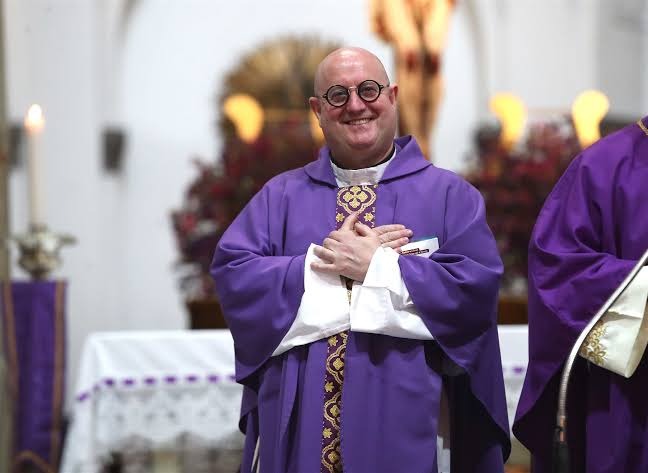
The Beirut controversy is worth examining because it gets at the tension around Padre Guilherme’s work. The Christian figures who sought to stop the concert argued that a priest DJing in a nightclub compromised the dignity of the vocation. Peixoto has consistently made a different case, pointing to the Church’s long history of meeting people where they are.
In his view, that now includes the dance floor. Most people who attend his sets are not practicing Catholics, and some have no religious affiliation at all. They come for the music, but they also encounter a priest in a setting where they may not otherwise expect to find one. The Beirut court rejected the petition, and Peixoto has continued to perform.
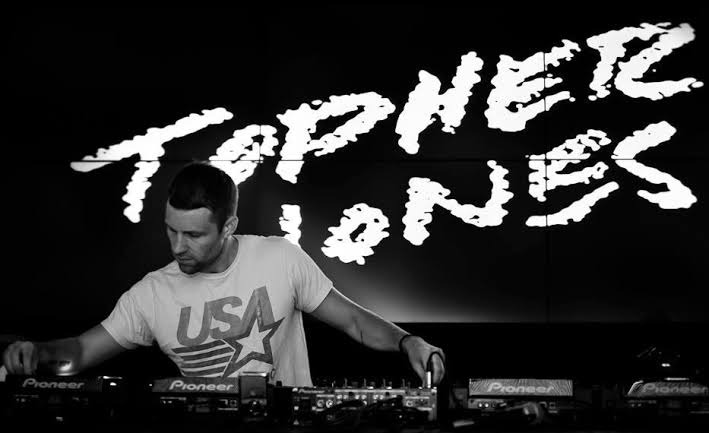
Peixoto is not the only person trying to bring faith into electronic music. Topher Jones spent years building a career in EDM under the name King Topher, earning 200 million Spotify streams, placing tracks in the Billboard Dance Top 25 and playing Tomorrowland, while releasing music through labels including Republic Records, Atlantic, Interscope and Spinnin’ Records.
Last year, he turned that experience towards Rave Jesus, a Christian EDM project launched through his own label, True Royals, in partnership with Sony Music. The Rave Revival Tour followed with 22 dates across North America and the UK in 2026, including Belfast and the Big Church Festival in West Sussex.
Its title track, Rave Revival, describes the idea behind the project as “taking the energy of a revival and putting it inside a rave.” Jones entered the dance floor through music and then brought his faith into it. Peixoto started with faith and found his way to the dance floor. Their routes are different, but both are testing what happens when Christianity enters a space it has traditionally stood outside.
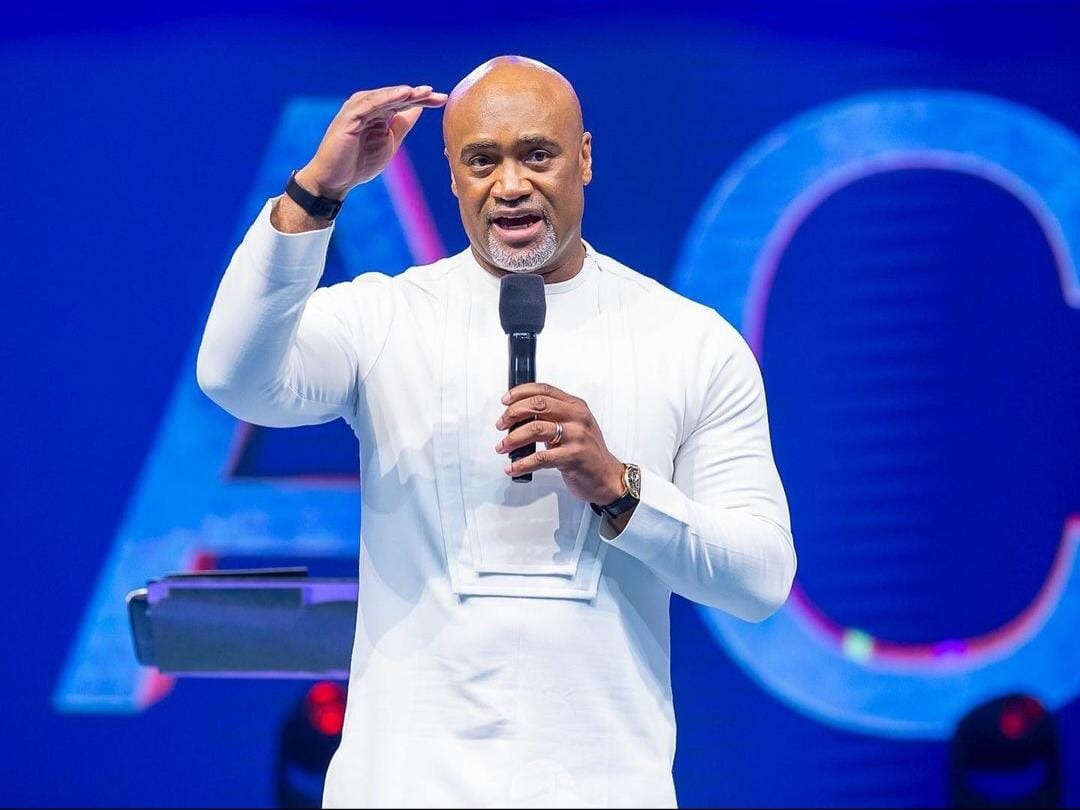
In Lagos, the relationship between faith and music already exists on a much larger scale. The Experience, an annual free all-night gospel concert convened by Pastor Paul Adefarasin of House on the Rock, takes over Tafawa Balewa Square each year. Half a million people attended the most recent edition. It is not a rave, but music, movement and a large crowd remain central to the experience. British Gospel artist Muyiwa Olarewaju, who has been involved with The Experience since its beginning, put the relationship between Black culture, Black music and gospel music more directly: “Black culture is at the heart of pop culture. At the core of Black culture is the pulsating rhythm of Black music. At the foundation of Black music, you'll find Gospel music.” The Experience has been making that connection at scale for 18 years.
The Afro-Gospel movement across Nigeria and the diaspora takes that relationship into everyday listening. Artists like Victoria Orenze and Judikay combine gospel with Afrobeats rhythms, making music that works as worship while still carrying the movement and energy of the genre. Gospel playlists on streaming platforms also reach listeners who may not be regular churchgoers, with praise mixes built around familiar Afrobeats tempos and danceable production. The distinction often comes down to the subject of the lyrics and the spiritual purpose behind the music. That is close to the audience Peixoto describes at his own shows, where people can come for the music without necessarily coming from a religious background.
These examples are different in almost every practical sense. Padre Guilherme is a Catholic priest playing in nightclubs, Rave Jesus is an EDM project built by a producer who moved from secular music into Christian music, The Experience is a massive gospel concert in Lagos, and Afro-Gospel is a genre that travels through streaming platforms.
What connects them is the growing effort to take faith into spaces where younger audiences already spend their time. For some, that means the nightclub or festival. For others, it means a playlist that sounds closer to the music they already listen to. Padre Guilherme is part of that wider shift, and his work raises a question that extends beyond the Catholic Church: what happens when the places where people gather, dance and listen to music become places where faith can also meet them?
Cover Credit: Padre Guilherme


.png)

