.svg)

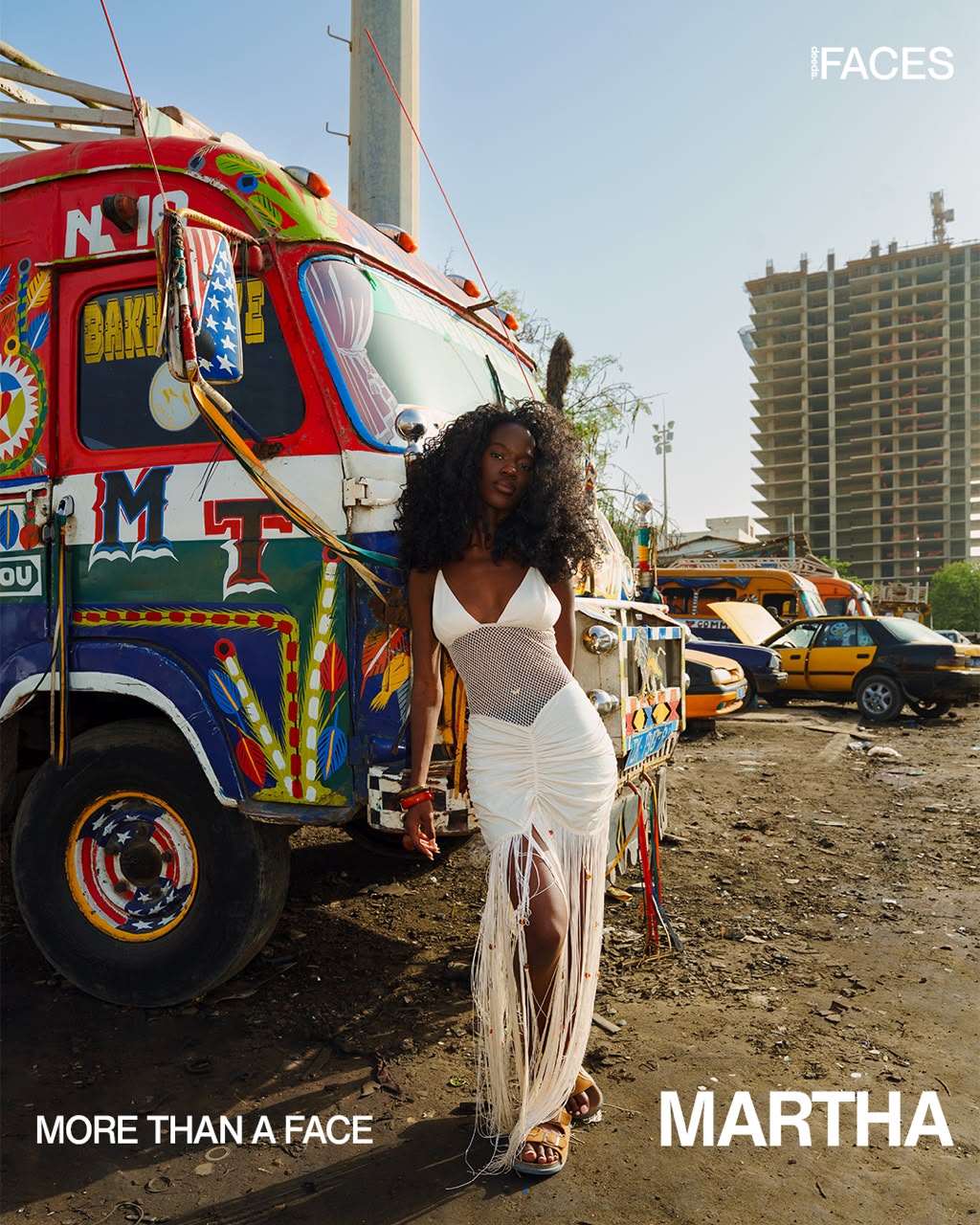
Art, Identity and the Myriad Worlds of Martha B. Cole
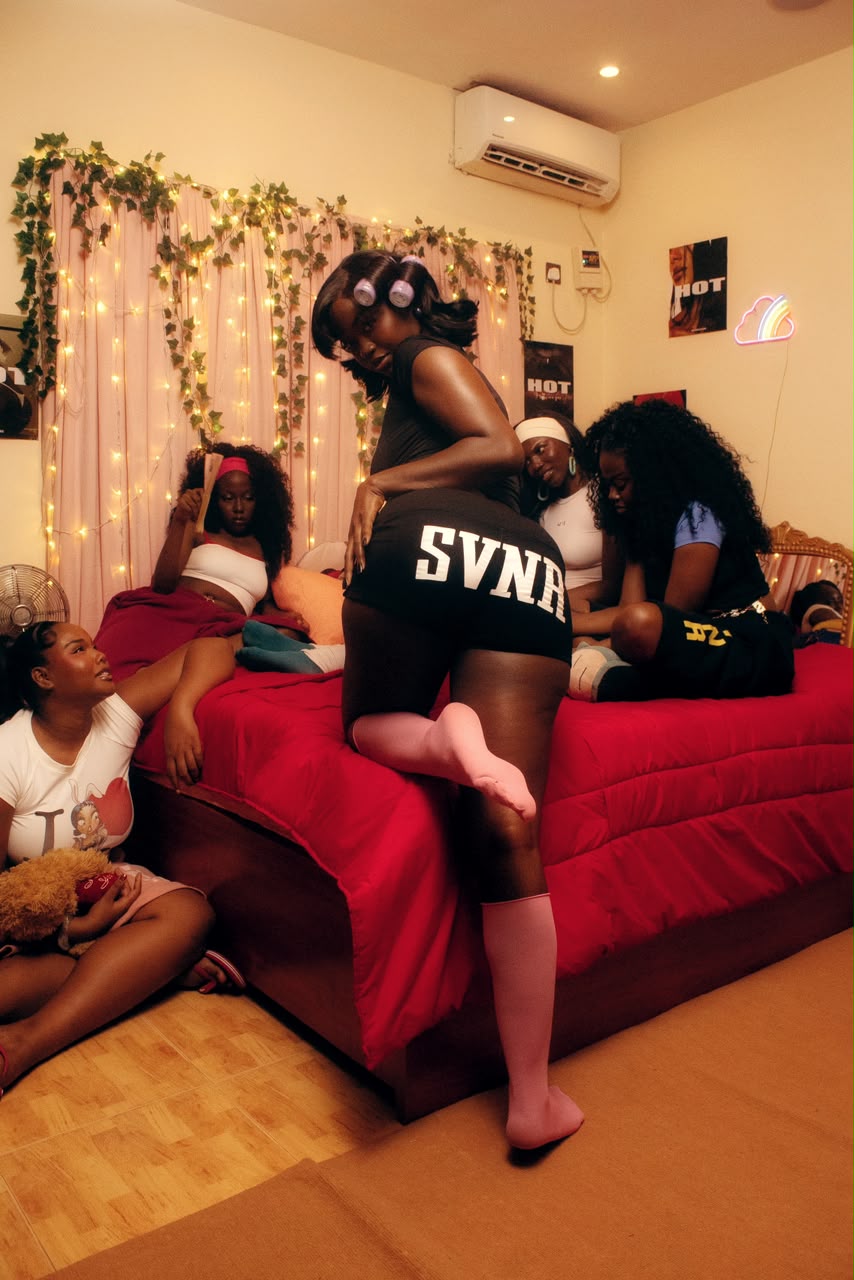
In Dakar, the multi-hyphenate artist, Martha B. Cole moves through her different worlds with surprising ease. Besides modelling, photography, and creative media productions, she also spends part of her life in the humanitarian sector. While her background is in Political Science and International Relations, much of her story has unfolded through images.
Modeling came first, although almost accidentally. One day, a photographer had found her through social media and invited her to take part in a shoot. One project became another, and the experience slowly opened her up to the larger machinery around image-making: casting, creative direction, photography and production. Somewhere along the way, she became interested in what happens on the other side of the camera too.
Ever since, Martha has shown she understands what it means to be looked at, but she is also learning how to look. Photography gives her control over the frame. Humanitarian work has pushed her attention towards lives and experiences that could, hitherto, have easily been overlooked.
Against Dakar — from its sunny streets, euphoric salons, to its taxis, public transport and coastline — these different versions of Martha exist at once. Catching up with Deeds, Martha talks about learning to appreciate her body through modeling, finding photography, the responsibility that comes with representation and why she no longer feels any need to choose only one version of herself.
How did you first get into modeling?
I actually started through social media because I had always wanted to create content. A photographer, who is now a good friend, reached out about a shoot he had conceptualised. He shared the creative direction with me and asked me to be part of it. I said yes.
That first shoot unexpectedly opened the door to modeling. I loved the experience, and I honestly didn’t expect to receive such positive feedback or have so many opportunities come from it.
What does modeling mean to you now compared to when you started?
When I started, I mostly thought, “I’m pretty, I can be in front of the camera.” Now I see modeling as a form of self-expression and collaboration.
I don’t see myself as just the person standing in front of a camera anymore. I’m embodying somebody else’s perspective or artistic vision. I especially enjoy being involved in the creative process and having conversations with the team about the concept.
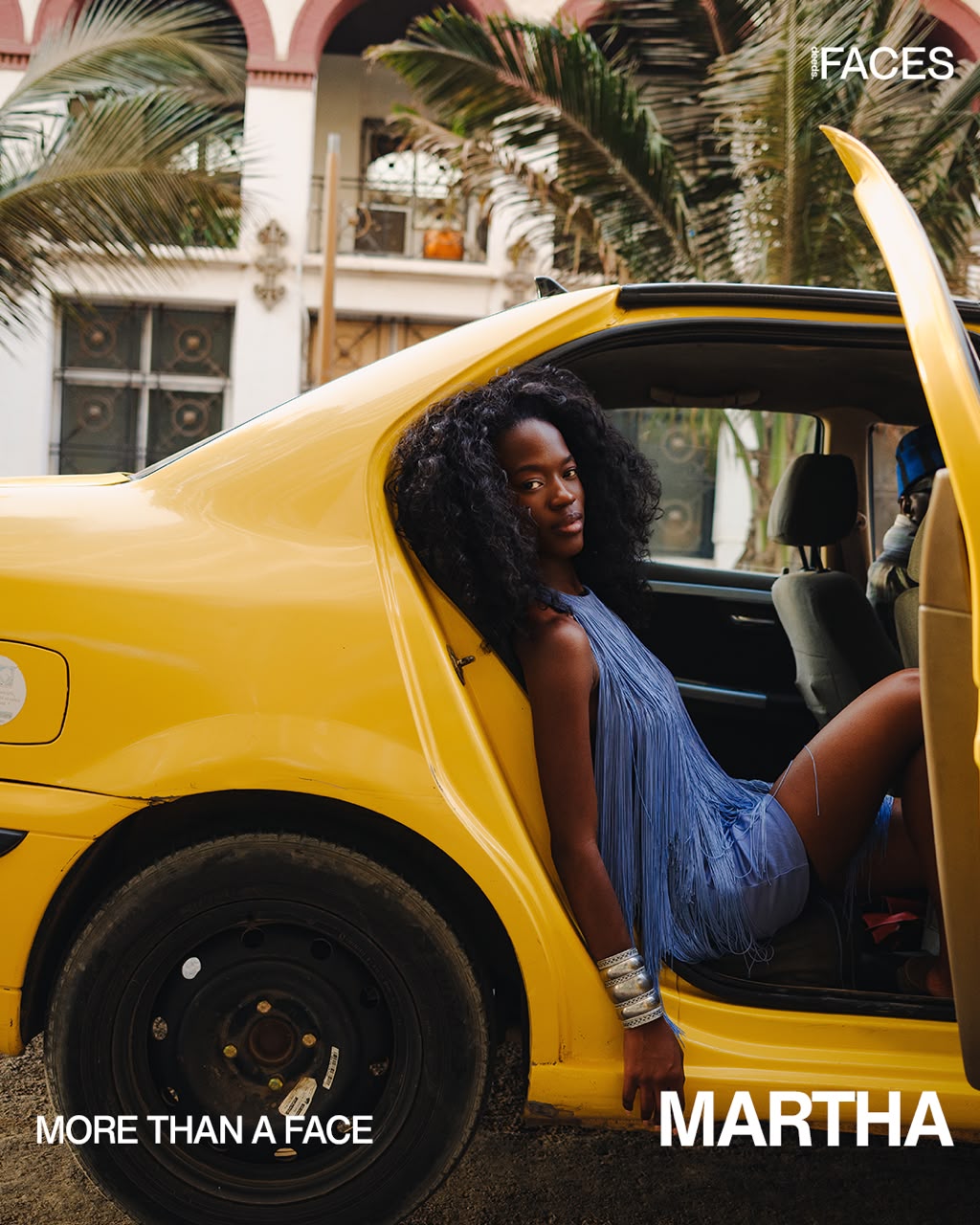
Has modeling changed the way you see yourself?
Absolutely. I used to feel very uncomfortable with my body, especially being skinny. I spent a lot of time wishing I looked different.
Modeling allowed me to see myself through another lens. I started appreciating my body, my hair and some of the features I once struggled to accept. Seeing myself represented in different ways through the work has helped me embrace those things more.
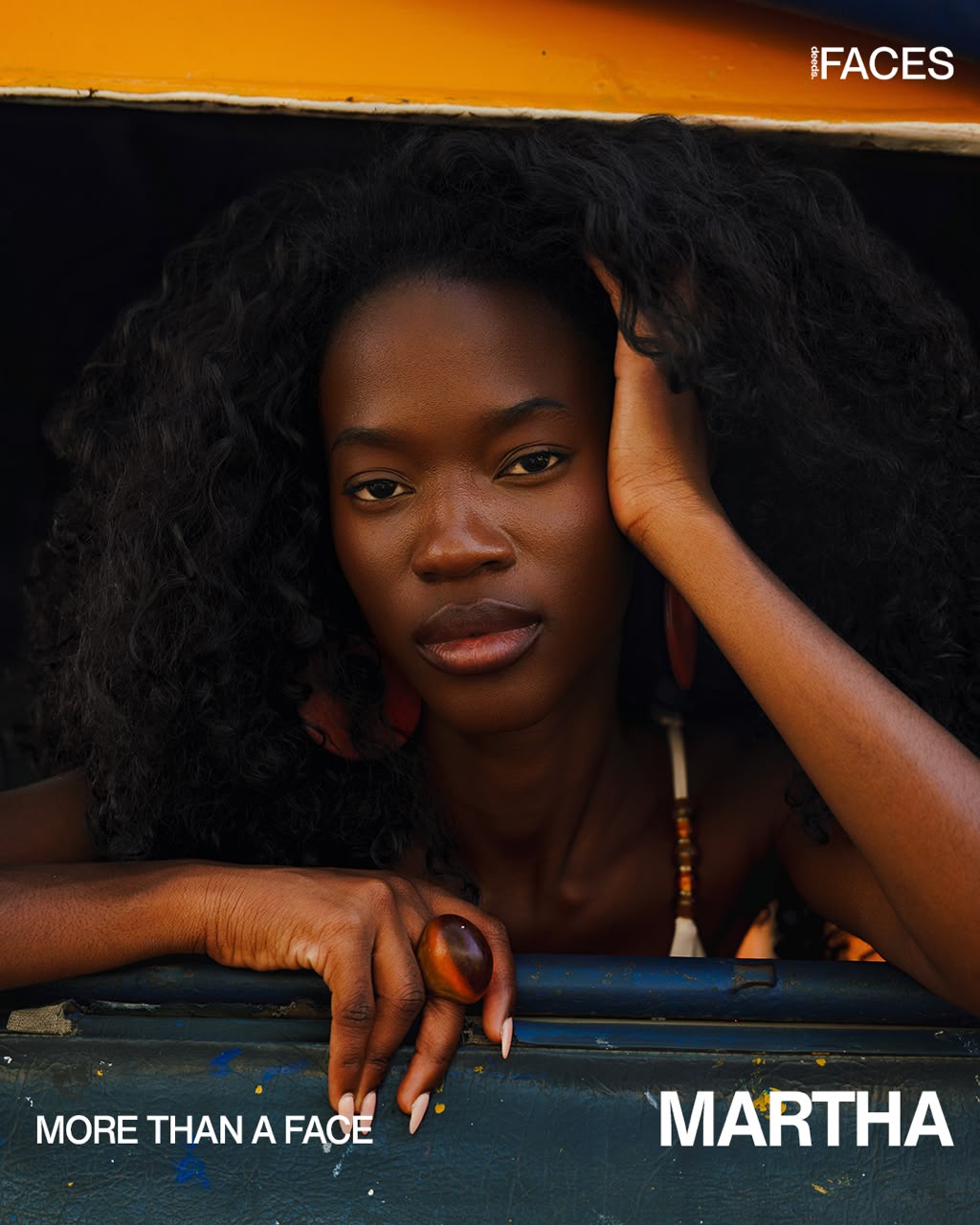
When people see Martha the model, what do you think they miss?
I think people often see the physical appearance first. Sometimes there is this assumption that being considered beautiful tells people everything they need to know about you.
What they can miss is the person behind it — someone who thinks, creates, questions things and has her own perspective. I really value working with people who take the time to know me beyond what they see.
I’ve also never liked the idea of “beauty and brains,” because it almost sounds like the two things are somehow unusual together.
What made you want to pick up a camera yourself?
I was working on a project as part of the casting team, and it ended up being one of the most beautiful creative experiences I’ve had. It was a four-day project, and being so deeply involved in everything made me curious about the other side of the lens.
I wanted to understand what it felt like to create the frame myself.
What do you find yourself photographing?
I love portraits, especially staged portraits.
I like creating an entire setting, giving the model a character or atmosphere, then allowing them to play with their expressions and emotions. I’m interested in creating a world around the person rather than simply taking their picture.
Does being a model affect the way you photograph other people?
A lot. It makes me more conscious of how I communicate with whoever is in front of me.
I know how important it is to feel comfortable, understood and guided when someone is photographing you. Modeling has also taught me to pay attention to facial expressions and body language. Sometimes I can sense what somebody is struggling to express because I’ve been in that position myself.
I know what it feels like to be looked at, so when I’m behind the camera I try to make the person feel seen rather than simply observed.
Do you prefer being in front of the camera or behind it?
I genuinely can’t choose.
Being in front of the camera allows me to embody somebody else’s vision. Being behind it allows me to build the vision myself. They satisfy completely different parts of me.
Do you think of yourself as a photographer, model or creative?
I struggled for a long time with trying to put myself into one box.
Now I’ve stopped feeling like I need to choose. I see myself as a creative. Modeling, photography and art direction are simply different ways for me to express that creativity.
What does Dakar give you creatively?
Dakar is my inspiration.
It’s not only the culture. It’s the atmosphere, the pace of life, the people you encounter and the way everyday life unfolds around you.
There is also a rhythm here that can be difficult to fully explain with words. You have to see the way people move, the contrast between old and new, the light at certain times of the day and all these small interactions happening in the streets.
How did humanitarian work enter your life?
It actually started through a creative project in a remote area of Senegal.
During a lunch break, I started talking to some of the people living there, and they explained how small forms of support could sometimes make a real difference in their everyday lives. They also told me about volunteers who would come and provide basic necessities.
I became curious. I started researching ways I could support them beyond that one project, and eventually I began volunteering. That experience made me want to understand humanitarian work more deeply.
What has that work taught you about people?
It has taught me how easily we can overlook people and realities that are around us.
Sometimes we make assumptions about people in vulnerable situations without really understanding what it means to live without certain privileges. The work has made me more curious and more willing to question what I think I already know.
It has also made me look beyond what is immediately visible.
Fashion and humanitarian work sound like very different worlds. Do they ever connect for you?
What is interesting is that I discovered humanitarian work through a creative project, so they were connected from the beginning in a strange way.
At first, they seemed like completely different worlds, but I’ve realised they are both deeply connected to people, stories and how we choose to look at them. Both have taught me the importance of listening and being intentional about the stories we tell.
Has humanitarian work changed how you think about representation?
Definitely.
It made me realise that art doesn’t only have to exist to be beautiful. It can question things. It can be a tool for archives. It can connect people and communicate something.
Representation comes with responsibility. We should be conscious of whose stories we choose to tell, how we tell them and whether the people being represented are actually given space to speak for themselves.
To truly see someone is more than noticing them. It means recognising their dignity, complexity and individuality.
And when we choose to represent people through art or storytelling, I think the responsibility is to make sure they are not simply being looked at, but genuinely seen.
Credits:
Photography & Creative Direction: Folajimi Emmanuel @folajimy
Styling: Martha B @juste_martha @mouslykb
Face @juste_martha


.png)

