.svg)

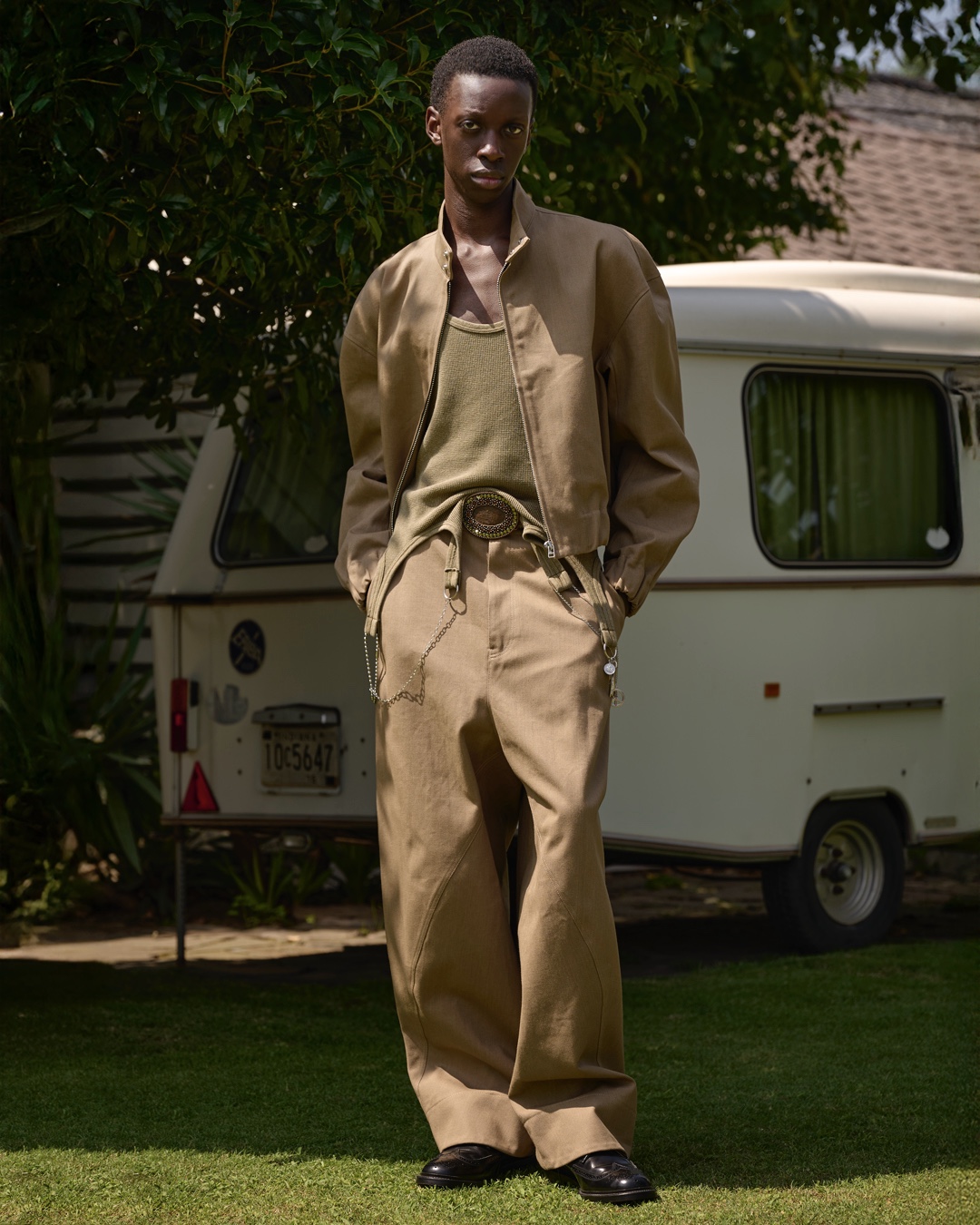
A couple of months ago, while attempting to learn French, my social media algorithm decided to lend a hand. Almost overnight, my feeds were filled with French-language creators, comedians, and cultural commentary I hadn't encountered before. Somewhere between language-learning videos and my own affinity for fashion, aesthetics and all things effortlessly chic, one creator kept finding his way back onto my screen: Niane.
There was something immediately compelling about his work. Whether he was slipping into the role of an intimidating luxury boutique employee or poking fun at the quiet absurdities of everyday social interactions, his comedy felt less like performance for performance's sake and more like careful observation. His characters were specific, expressive, and often hilarious, but beneath the humour was a sharp understanding of human behaviour that resonated far beyond the punchline.
Curious about the person behind those characters, Deeds Magazine spoke with Mouhamed Niane about the experiences that shaped him, growing up between cultures, finding confidence through creativity, and how observation, performance, and storytelling have become the threads connecting every facet of his work.
Stanley for Deeds: For readers who may be discovering you for the first time, how would you introduce Mouhamed Niane – not the content creator or model, but the person behind it all?
Mouhamed, I would say, is a rather reserved, quiet, and shy person. If you met me in real life, you probably wouldn't expect the person you see online, at least not until I'm comfortable enough to let that side of me show. I've often been told that I live in my own world, and it's true. There's a whole different world in my head, and I think it comes across. At the same time, I'm very grounded. It's an interesting mix. I love the simple things in life like going out and laughing uncontrollably with friends, going out to eat, to the movies, going on walks.
Could you tell us a little about where you grew up and the cultural influences that shaped you? How have those experiences informed the way you see yourself today?
I grew up in the middle east, born and raised in Syria and Lebanon by two Senegalese parents. Although these countries are beautiful and have so much to offer culturally and in every aspect, growing up in that area of the world was pretty challenging as a person of color who is darkskin for obvious reasons. But it made me so strong, because of the experience I'm able to be some sort of chameleon in every space and deal with being other but also assimilate since I grew up with so many different cultures in the international schools I've attended. I also think in many languages, and it feels like I'm 4 different people in one so many points of views to pick from when dealing with anything.
Looking back on your childhood, what kind of person were you? Were you always observant and expressive, or is that something you've grown into over time?
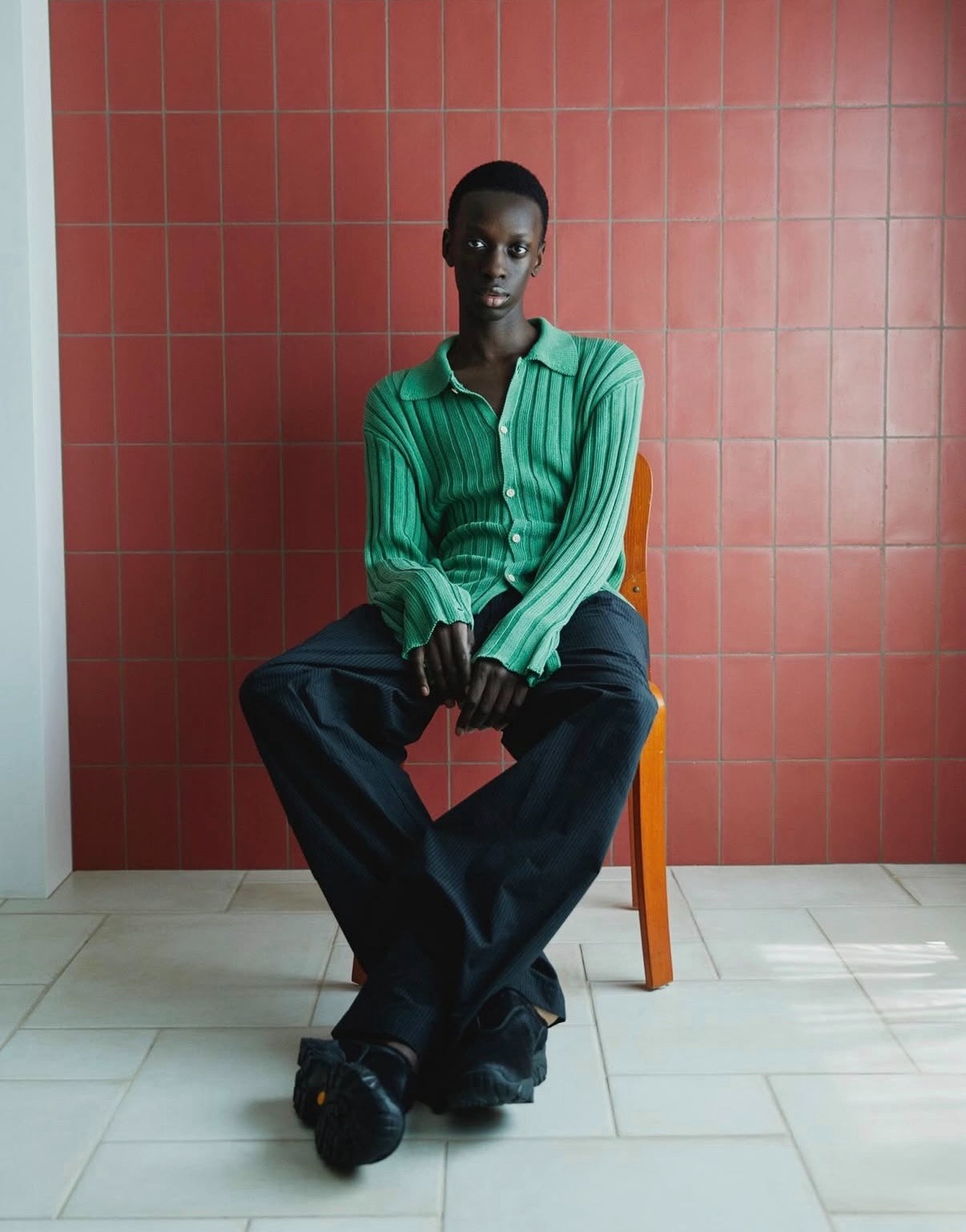
I’m a shy reserved person today but at the time I was 100 times worse, I could go a day at school without opening my mouth. I was very awkward. I just observed people. I would go home at the end of the day, turn on the TV/family computer, consume every media imaginable and perform and emulate in my room. I would completely lose myself in these daydreams. I still do that but now I film it.
Your work feels rooted in observing people – their habits, mannerisms, and social dynamics. Where do you think that instinct to notice the little things comes from?
My brain is constantly copying things it sees. I’m not sure why. It just feels good to emulate people and to be in character. I find it extremely amusing. I do it even off camera. Might sound crazy but I love pretending. I think it’s so interesting how you can be anyone or anything you want. It’s a great form of escapism.
Before comedy became part of your life, what first drew you towards creativity? Was there a particular moment when you realised you wanted to build a career around it?
I’ve always loved creating because it provides an escape from reality, I also enjoyed the attention I got from it. I felt invisible growing up and I noticed that people mostly noticed me for that, especially teachers at school. I realised I have a certain kind of touch to it that spoke to people so it became my life’s purpose.
Your work spans different creative spaces. Do you see those as separate parts of your identity, or do they all stem from the same creative instinct?
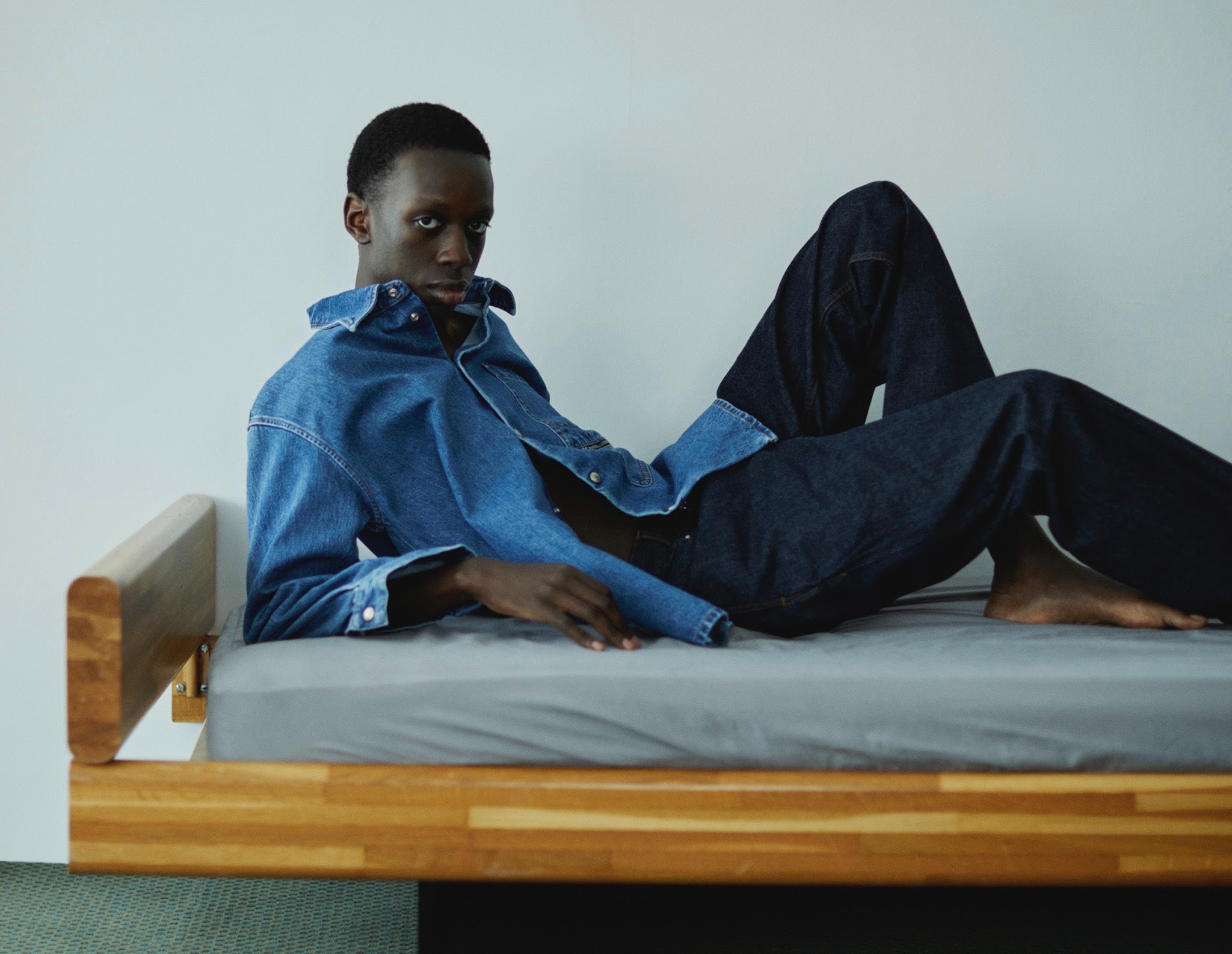
They’re all a part of my love for performance and creation. I enjoy doing everything that involves that. All in one.
Many of your sketches capture situations that feel incredibly specific yet somehow universally relatable. What usually comes first when you're creating: a real-life observation, a feeling, or a character?
These characters come to me so randomly. They’re a mash up of people, characters and events I've experienced. There’s no process behind their creation. I usually just turn my camera on and play with whatever prop or wig I have at the moment and these characters just take over.
Humour has long been a way for people to make sense of complicated experiences. Has comedy ever helped you process something that would've been harder to express in a more direct way?
Absolutely. Comedy has always been a tool for me to process things. I love to laugh and make things lighter than what they are, because at the end of the day, life is already so hard and there’s no reason to make it harder by taking everything way too seriously.
Some viewers simply laugh at your videos, while others see deeper conversations around identity, perception, and the roles people perform in everyday life. How do you view your work?
I use my skits to hold a mirror up to people and show them how ridiculous they can look. I'm happy to see people actually discussing the deep layers in my comments. It feels good to know that there’s some substance in there sometimes.
As your audience has grown, has your relationship with creating changed? Are there expectations you've had to learn to ignore in order to stay true to yourself?
I’ve had many ups and downs with social media because my body rejects the idea of becoming a product for public consumption and endlessly pumping out content. I’ve recently learned that I didn't need to and I'm now able to have somewhat of a healthy balance so I can create peacefully.
Comedy can sometimes feel like a solo craft, yet some of your most memorable sketches have come through collaborations with creators like Youzy. What have those creative partnerships taught you about collaboration, trust, and bringing ideas to life together?
I was so afraid to collaborate as I felt like I wouldn't be able to keep up with other creators. For years, I made content mostly alone. Youzy is my very first content partner. He opened doors for me and made me realize that I was talented and that I could keep up. So I'm grateful for that.
Modeling and fashion are built around image, while comedy often asks us to look beneath the surface. How have those two worlds shaped your understanding of confidence, identity, and self-expression?
Modeling helped me come to terms with my appearance and see myself in a different light, which really strengthened my confidence. Comedy taught me to let go of the pressure to always look perfect and embrace being more authentic, playful, and human. Together, they’ve taught me that self-expression comes from balancing how you present yourself with who you truly are.
Are there any creative disciplines or projects outside of comedy that you're especially excited to explore in this chapter of your career?
I’ve always had a passion for music, I'm a singer and I sometimes post covers and experiments on a separate account. I’m still learning and slowly growing. I want to take it more seriously.
Living and creating across different communities inevitably exposes you to different perspectives. Have those experiences changed the kinds of stories you feel compelled to tell today?
Growing up between these different countries has made me realize how differently people experience the world. It also showed me how much we actually have in common. Early on, I just wanted to make people laugh. Today, I’m still doing comedy, but I’m more interested in telling stories that bridge cultures and challenge people’s assumptions. I like taking very specific cultural moments and making them relatable to anyone, regardless of where they’re from.
If someone spent a day with you away from cameras, fashion shoots, and social media, what do you think they'd discover that your online audience hasn't had the chance to see?
How shy and reserved I am. I’m less talkative and expressive in real life.
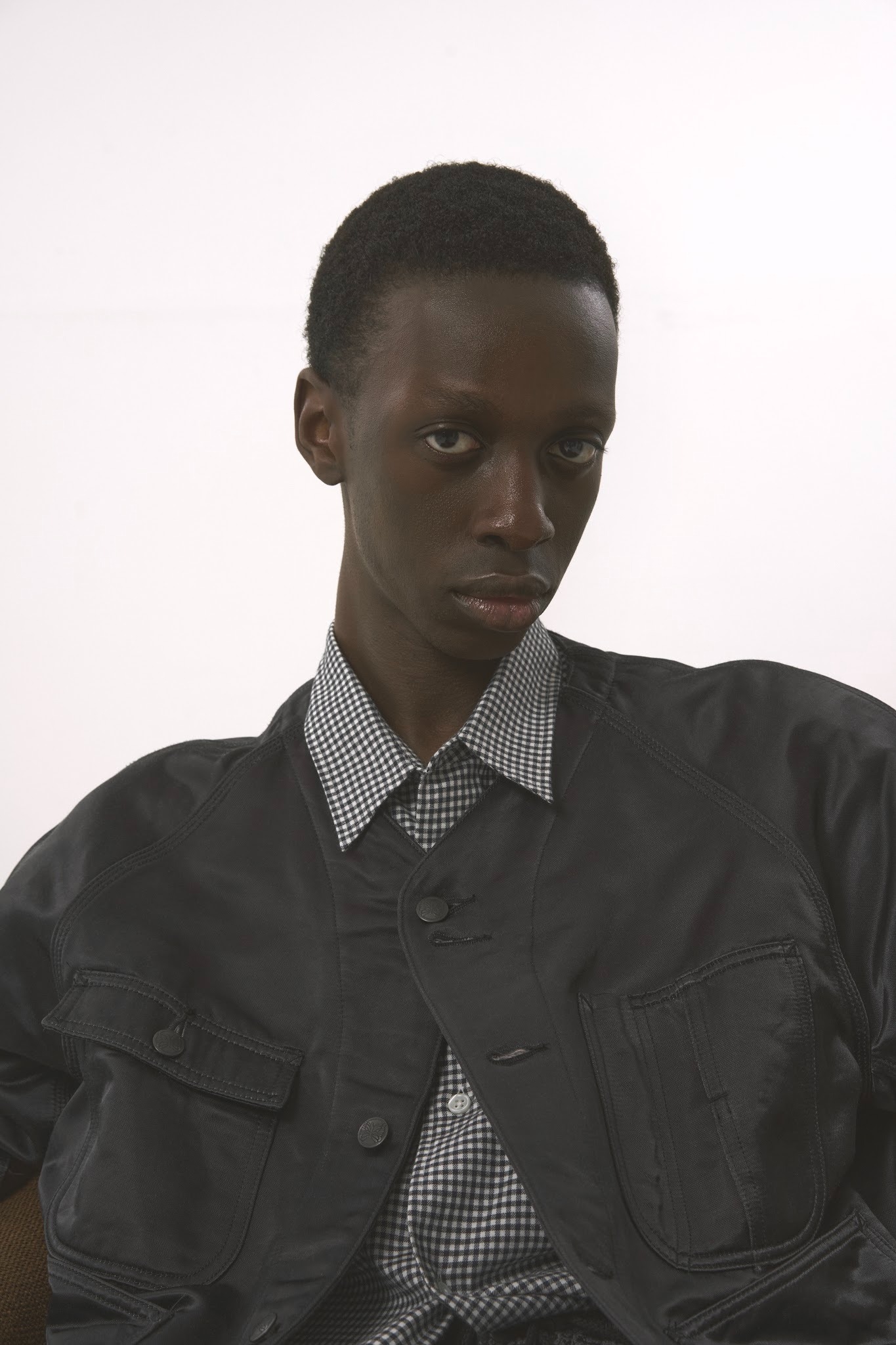
Finally, when people look back at this chapter of your career years from now, what do you hope they'll remember about Mouhamed Niane – not just as a creator, but as a person?
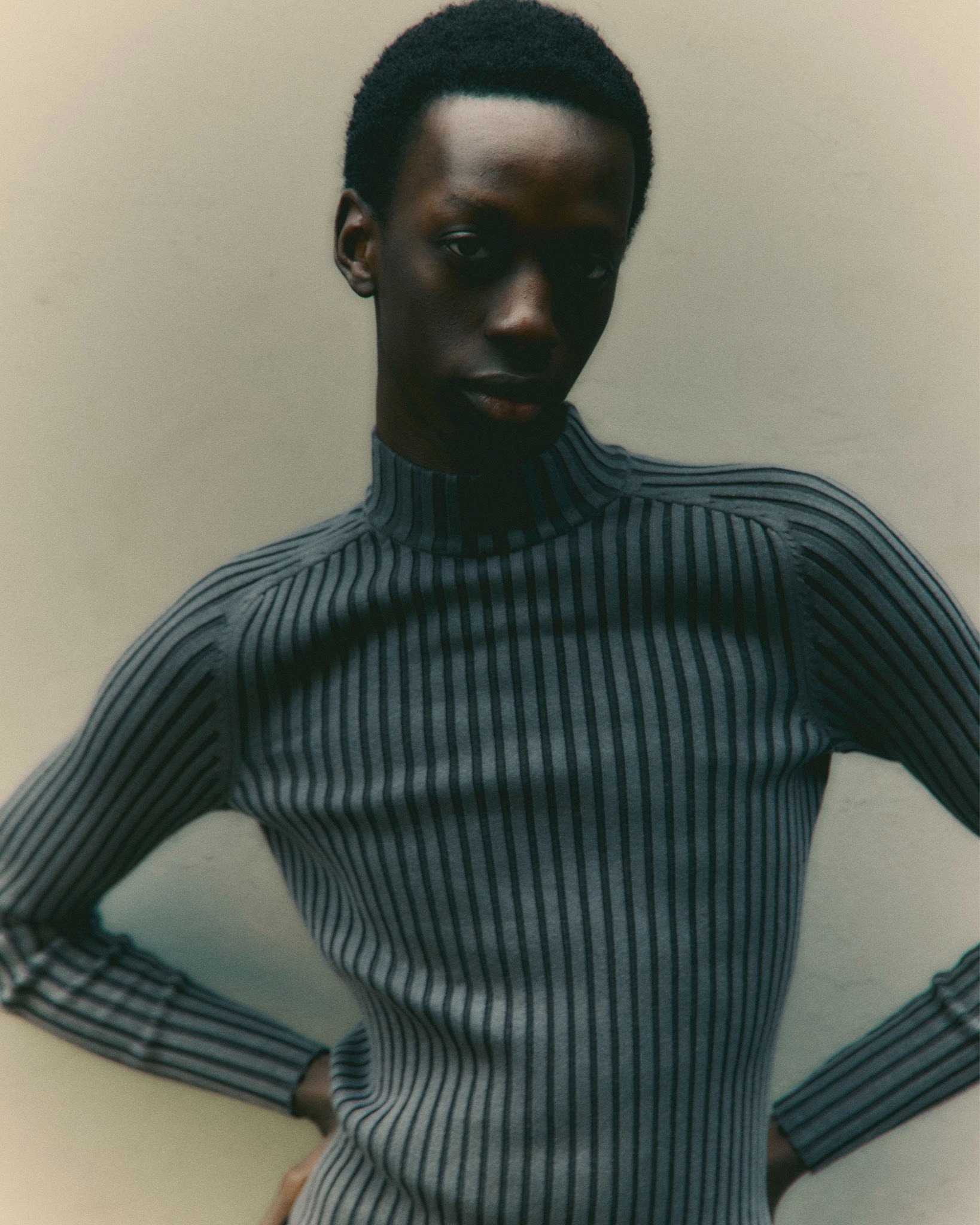
I hope people can remember me as a person who brought them a bit of joy in times of darkness. I hope they can feel represented and empowered in positive ways through me and my characters. I want people to believe that they can be whoever, no matter what and where they come from.
COVER IMAGE CREDIT: Mohaumed Niane


.png)

